

I’ve touched on growth and limits before, but today, I want to dive deeper into how we keep showing up, especially when the spark fades.
At the time of writing, I’ve been doing this blog for just over a year. It was something I’d played around with in my mind for a while before finally starting. As someone with ADHD, I’ve often started projects that eventually collect dust when the dopamine wears off. I wasn’t sure if this blog would be another one of those abandoned ideas, or something that would stick.
Surprisingly, it stuck.
To be fair, I do have a history of follow-through. I’m approaching a two-year streak on Duolingo (shoutout to German!), and this summer marks two years since I picked up the violin again. I’ve completed two undergrad degrees, earned my master’s, and obtained licensure in my field. So, I’m no stranger to commitment. Still, there are days when I’m highly motivated and others where I’d rather doomscroll my phone into oblivion.
So what separates the habits I’ve kept from the ones I’ve let fade away? How do I keep going when motivation dries up and I’m surrounded by the desert of disinterest?
The answer: discipline. But not the kind you’re probably thinking of.
When people talk about discipline, they often mean waking up at 4 a.m., running five miles, meditating for 30 minutes, reading the newspaper from cover to cover, and journaling by candlelight. That’s great if you have the time and temperament for it. So, no, I shalln’t be doing anything of the sort. Me, wake up before the sun hath risen? Don’t be ridiculous. Go for a run? Is a bear chasing me? I didn’t think so. I have neither the time nor energy! For those of us living in the trenches of real life, that kind of rigid structure just doesn’t work. It often sets us up for failure, leading to shame and frustration.

That’s why I follow a much simpler model: something is better than nothing.
My version of discipline is doing just 10–15 minutes a day of the things I want to prioritize, learning German, playing violin, writing, tidying up. These “micro-habits” fit into the crevices of my day: the 15 minutes before I leave the house, the time dinner takes to cook, or the moments between meetings.
Before I embraced this mindset, I used to fill those short gaps with scrolling. I told myself the time was too short to “really” work out or practice—so I didn’t. Then I’d struggle to find a full 30-minute block later in the day. But with this new approach, I almost never miss a day. And when I do have more time, I often go longer—because I’m already doing it.
This system is also ADHD-friendly. Short routines reduce overwhelm. Telling myself “it’s only ten minutes” makes it easier to transition from one task to another. Ironically, once I start, I often continue because I’ve already achieved something. The extra time becomes a bonus instead of a burden.
The beauty of this approach is that it keeps habits alive even during busy or difficult seasons. Before, if life got chaotic, I’d drop my habits entirely. Then, weeks or months later, I’d try to restart them—only to fall off the wagon again. It was a demoralizing cycle.
What changed was reading a simple idea: “something is better than nothing.”
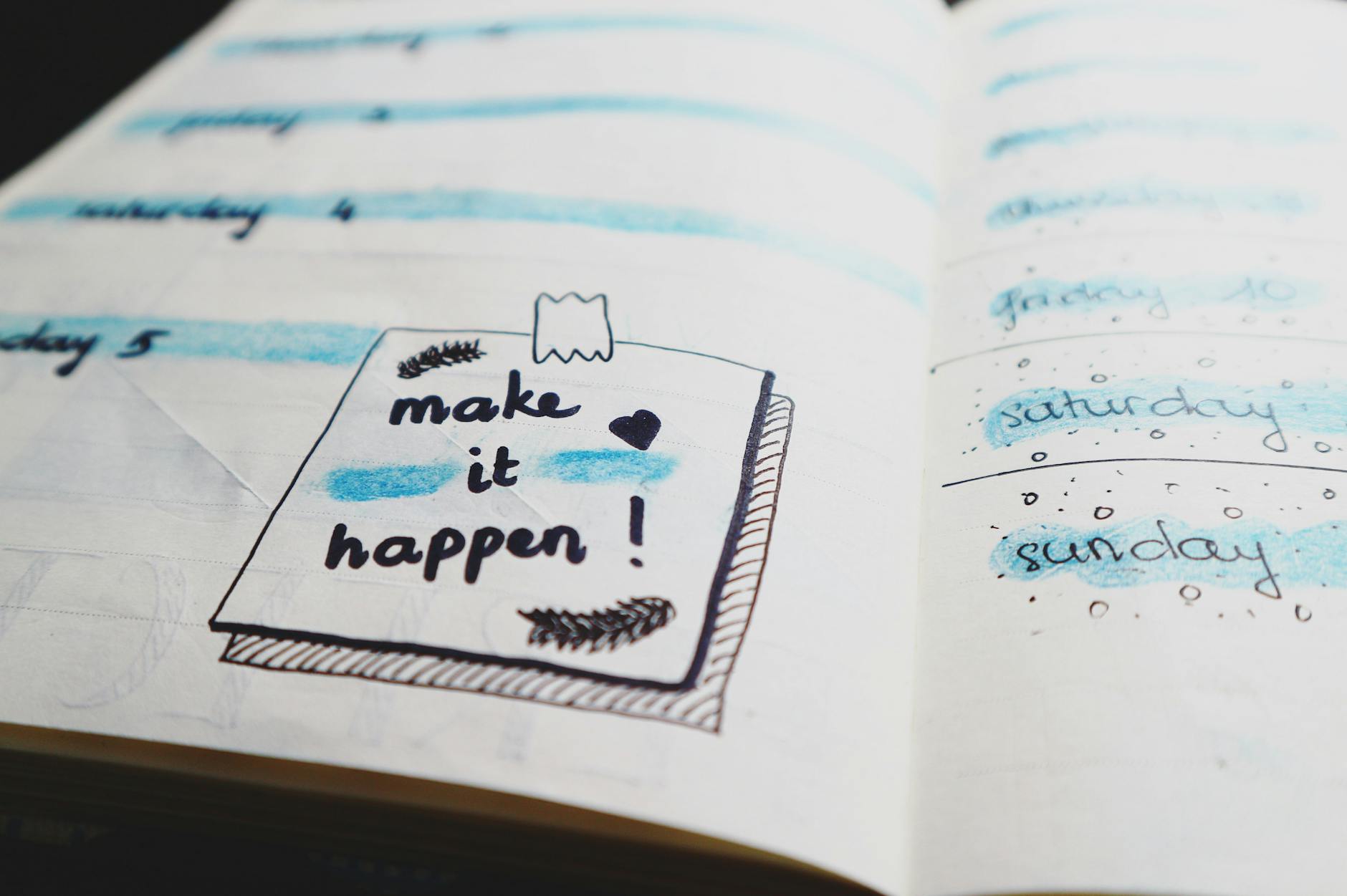
We often approach new goals with an all-or-nothing mindset. You want to eat healthier, then it’s the holidays and suddenly you’ve consumed a dozen cookies. You start a daily running routine, get a cold, and never return. But what if your goal was simply to make healthier choices, like swapping soda for water, or to move your body each day, whether that’s a run or a short walk?
This mindset removes the room for “failure.” It allows flexibility. It builds your “discipline muscles” gradually and works with the reality of modern life, where time is limited and distractions are engineered to hijack our attention. Our phones, our food, our apps; they’re all designed to keep us hooked and unmotivated.
So we need new strategies. Discipline isn’t about brute force. It’s about systems that are sustainable and adaptable. It’s about choosing something—even a small something—over nothing at all.
And here’s the magic: once you start doing “something,” it often grows. The time gets longer. The focus gets deeper. The wins feel bigger.
So, what do you want to accomplish? What habit do you want to form? What goal are you chasing?
Whatever it is—remember this:
Something is better than nothing.
And that something can become everything.
 Budget Bliss: Bucket List