
Opening the Tupperware

I think it is fair, dear reader, to believe that there are many of you who have gone through trials and tribulations in this life. It is also fair to believe that there are many of you who have not made it through those trials unscathed. You may think that you are irreparably broken from the experience. I assure you, you are not. You are probably quite resilient and resourceful. However, you may not yet realize it and I do not think you are entirely to blame. 

Something that frequently irritates me is the media’s depiction of healing. A character suffering from PTSD suddenly has a realization that they are able to face their fears and suddenly the flashbacks stop. A story about a girl grieving the loss of her mother goes back to being happy by writing a letter, stuffing it in a bottle and throwing it in the ocean. Healing is done through a flashbulb moment, a small act or a one time therapy session with a counselor. So when we have our flashbulb moments, take those small acts and go to counseling and we still aren’t “fixed”, we begin to wonder if we will ever be healed. Because why wouldn’t we question our ability to heal when the narrative we’ve been given is that it’s quick and easy. 

It’s like everything else in our society, we want a quick solution without a lot of effort. Take this shot, you’ll lose weight. Play this game for 10 minutes a day and you’ll be fluent in Spanish months! Go to counseling for a few sessions and your trauma will be cured. And you won’t ever have a set back again! 

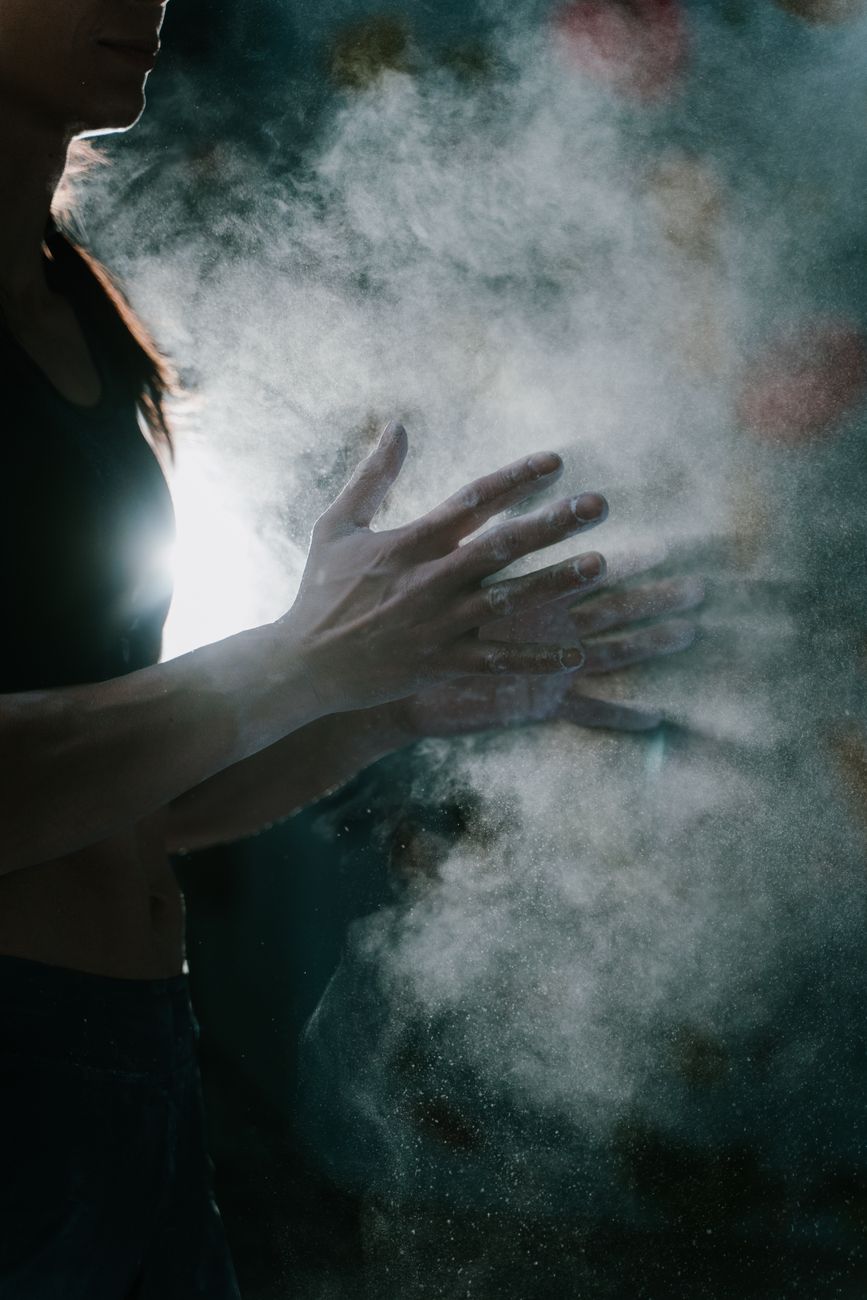
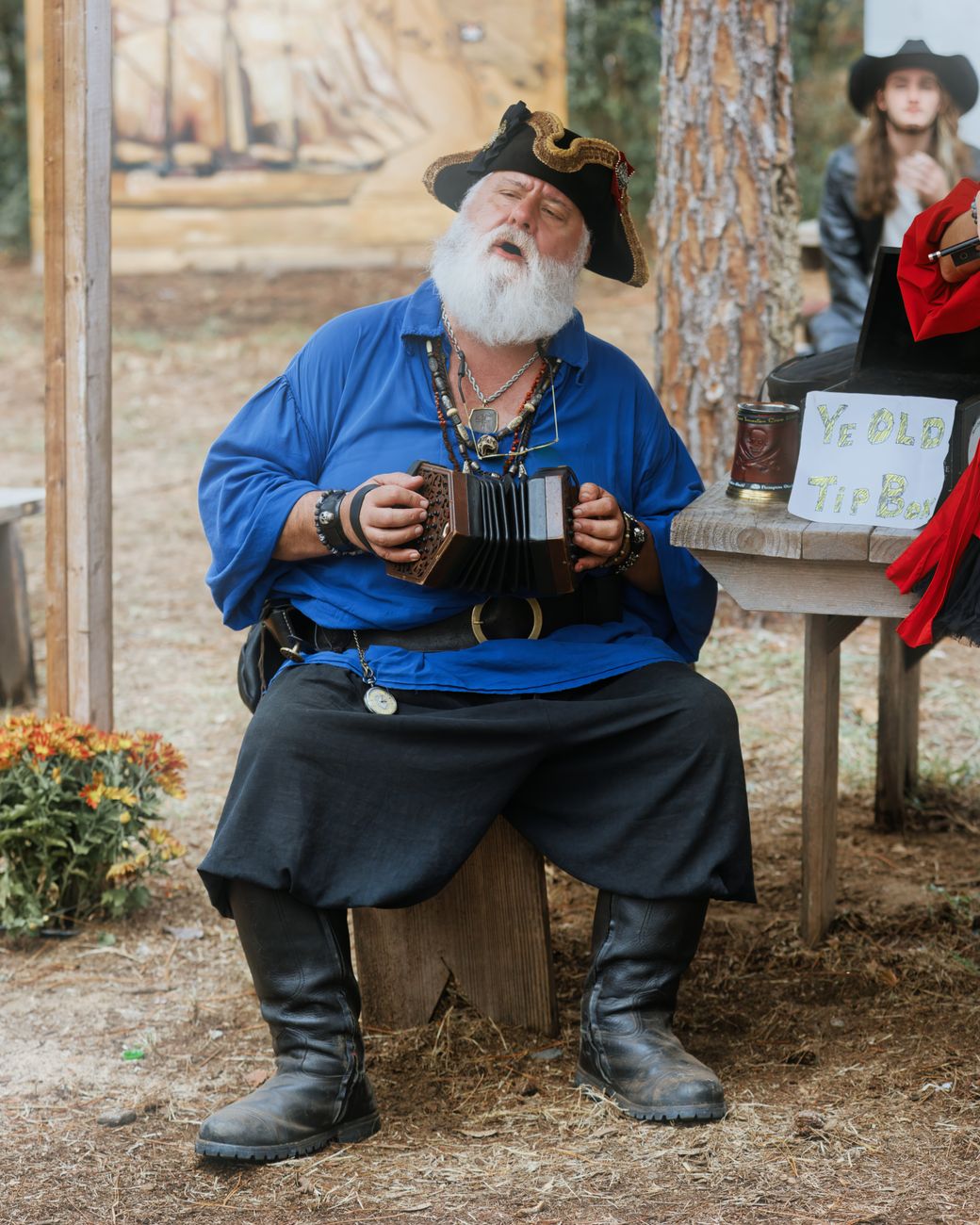
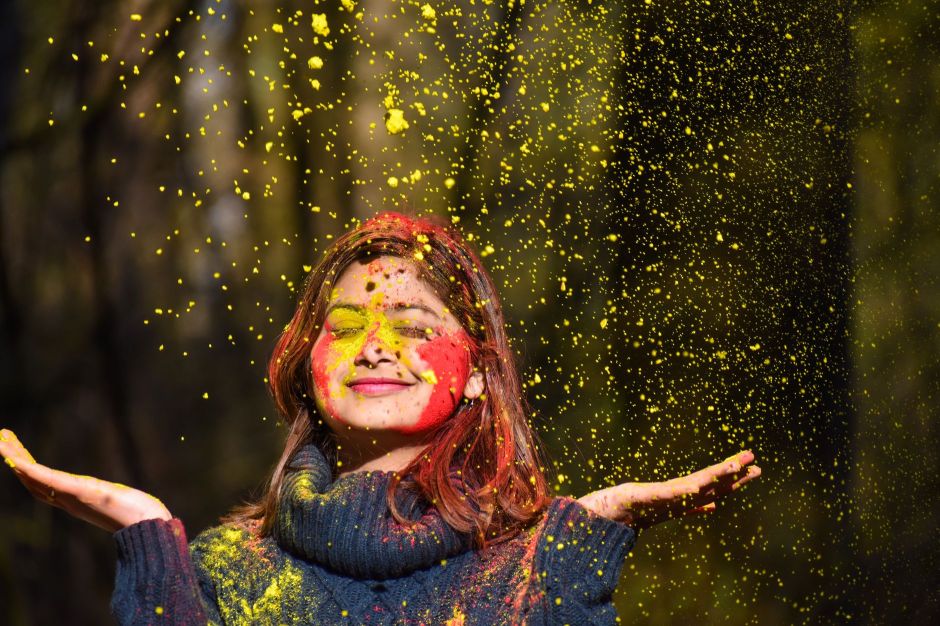
Photo by Antoni Shkraba Studio on Pexels.com

The truth is that isn’t how healing works. It’s a messy, difficult and sometimes frustrating process. It’s taking what feels like three steps forward only to fall five steps back and then have to walk three steps forward to have taken one actual step. It’s like cleaning out the refrigerator where you have to open the old tupperware knowing that you’re about to discover what might be the start of new intelligent life because you’ve allowed it to evolve for so long. No one wants to open the tupperware to see what’s inside and unlike the tupperware you don’t have the option to just throw the whole thing in the trash. You have to open it up and deal with whatever you find, no matter how unpleasant. 

Emotions, unfortunately, require care and ignoring them doesn’t make them go away. Because when we turn off our ability to feel the negative emotions, we also turn off our ability to feel positive emotions. That’s why we can end up feeling emotionally numb even when the difficult times are over and we don’t understand why we can’t be happy now. No one wants to sit in the negative emotions. We often jump to problem solving or attempting to reason with them rather than simply sit and hold space for whatever may be there. 

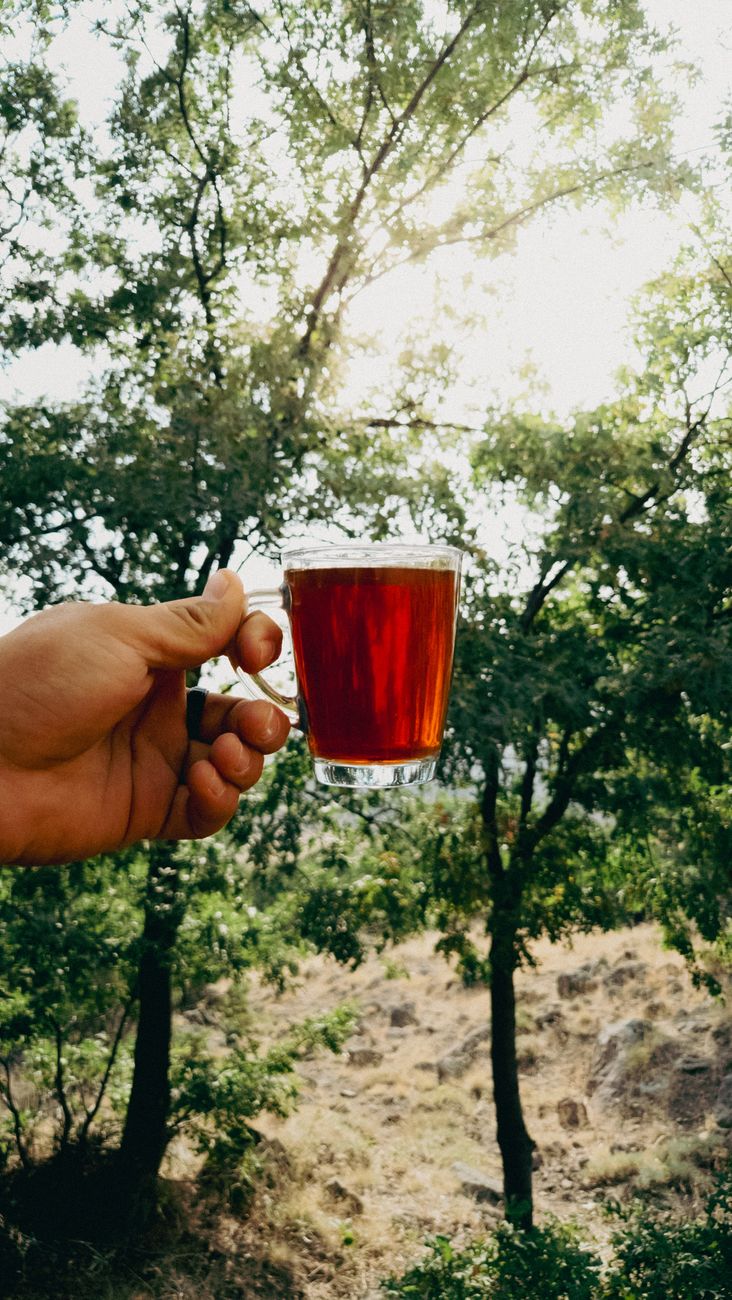
Photo by Julio Motta on Pexels.com

You don’t want to face it because it’s not enjoyable but the only way to the other side is through it. Not once, not twice but again and again and again. Because processing once often isn’t enough, not with more complex and complicated issues. If it were, you could just write a journal entry and be on with your life. What really sucks is when you you think you’re good only to get into a situation many years later where you’re triggered all over again. So you take deep breaths, count out 5 things you can see, four things you can hear, three things you can feel, two things you can smell and one thing you can taste – an excellent grounding technique. You remind yourself that you’re in the present and that what you’re responding to is in the past. It’s followed by the frustration of not being “over it”, forgetting that our emotional minds aren’t subject to logic or even the constraints of time. 
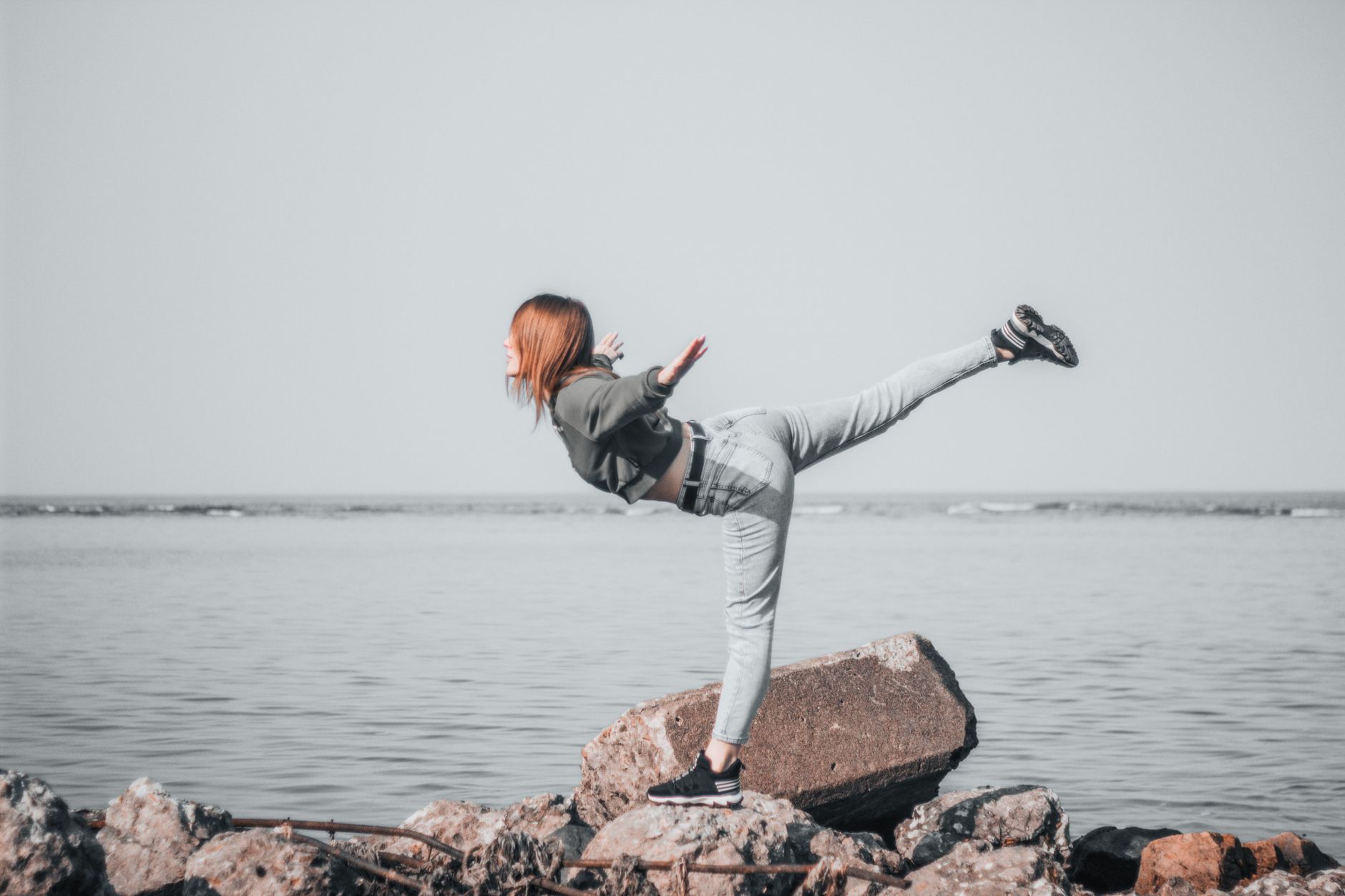
If you aren’t going through something then chances are you know someone who is and it can be tempting to try and fix the problem. Remember your presence is all that is required to let them know that they aren’t alone. 

If you find yourself overwhelmed in your healing journey, I recommend reaching out to your supports and consider expanding your support system as well whether that be a therapist, counselor, life coach, priest, etc. 

This isn’t a post about how to heal, but rather about being kind to yourself in the process. Healing isn’t linear nor is grief. It’s a process that’s often circular, confusing and paradoxical. Which is, honestly, the human experience. In living a life well lived, taking the time to allow ourselves to feel the full spectrum instead of trying to rush through it can be one of the best things you can do because healing takes time. 

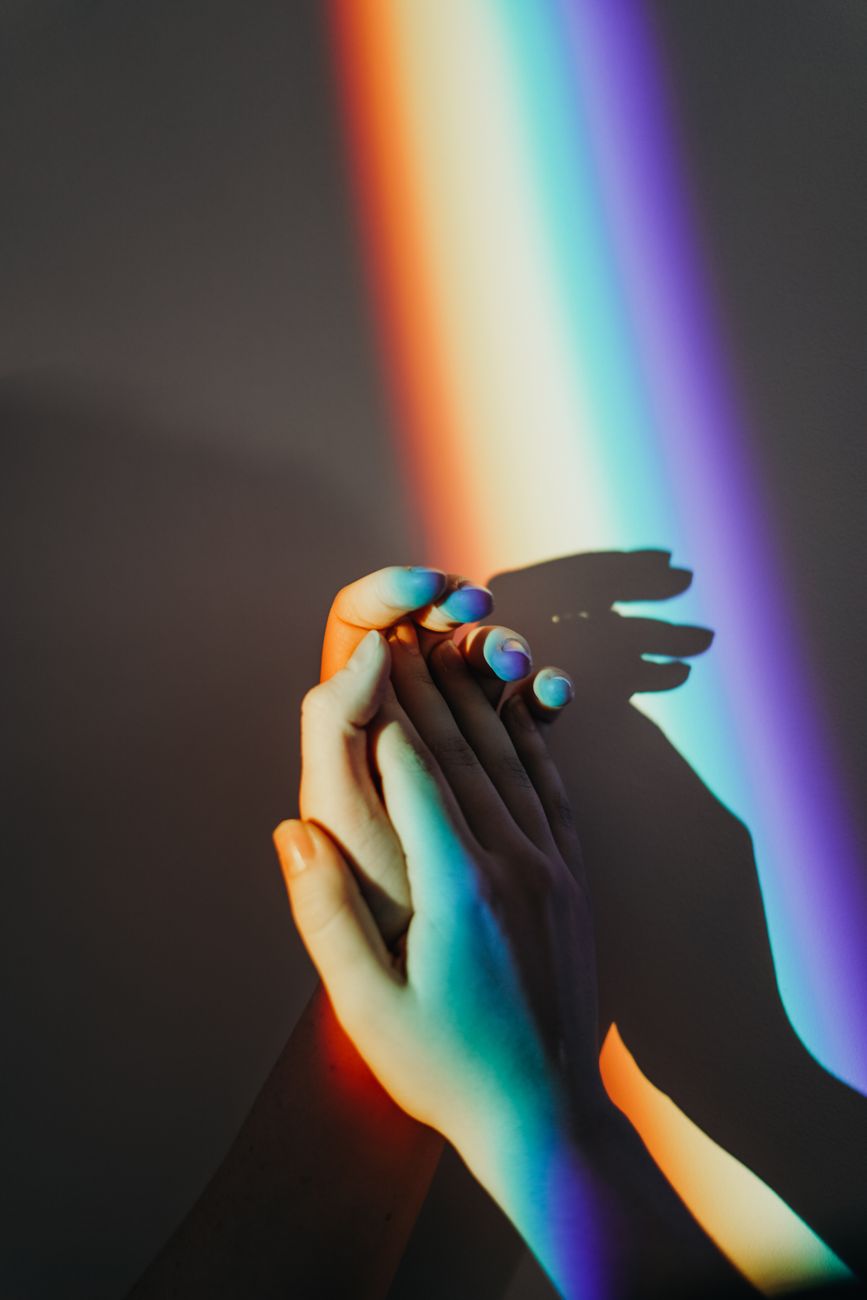
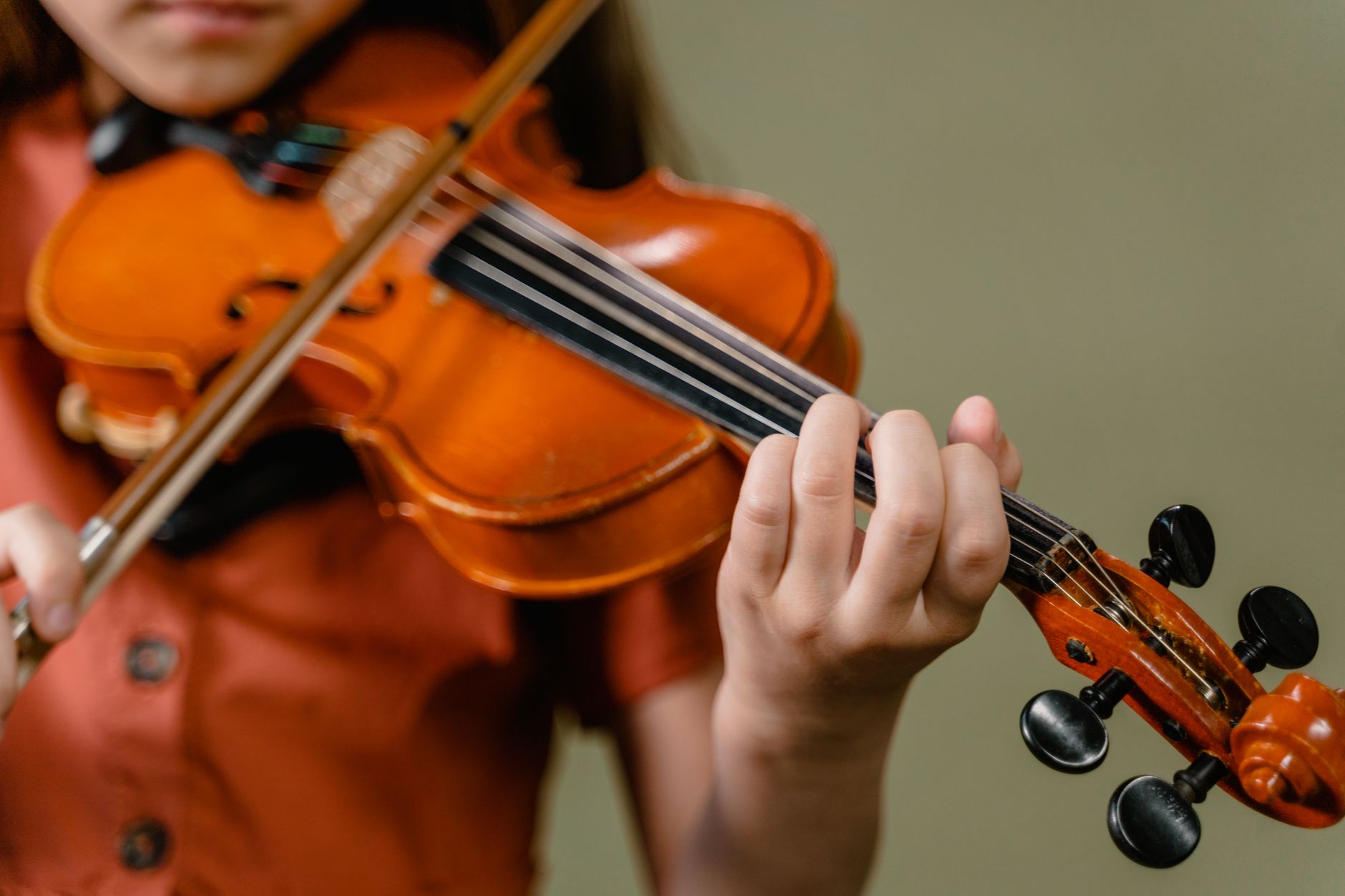
Photo by Vika Glitter on Pexels.com

Paris, Part 5: A Perfectly Imperfect Weekend

The day was winding down. The museum had closed, and the sun was beginning its slow descent. Erika and I stepped out into the cool, crisp spring air, the kind that carries just a hint of evening chill beneath the fading warmth of the day.

The urgency that had driven us, our mad dashes across the city, our constant checking of maps, began to dissolve. In its place came something softer. A quiet curiosity. Without a list to check off, we were once again free to fully embrace the moment. 

We wandered without purpose through streets washed in dusky light, watching as Paris slowly stirred to life for the night. Café lights flickered on one by one. The low hum of conversation drifted out onto the sidewalks. Glasses clinked. Laughter rose and fell like a tide.

Paris, it seemed, was just waking up.

It was in this gentle wandering that we met Julian and his girlfriend, Sandra.

They asked what had brought us to Paris, and we answered in kind. Soon, we were deep in conversation, trading stories of our lives, ours in America, theirs in Paris. There is a certain kind of fleeting camaraderie that forms in moments like these, where neither side expects permanence, and yet both lean fully into the connection.

For a few hours, we were simply part of one another’s stories.

They led us to a club, one far removed from anything we had originally planned.

It was the sort of place where locals belonged, where the rhythm of the night pulsed differently. It was tucked along a street. Do not ask me where, for I doubt I could find it again. With a nod from Julian to the bouncer, we slipped inside, crossing an invisible threshold into another version of Paris.

The air was warm and thick with music. The dim light created an intimate atmosphere like it was holding a secret only Parisians knew. We sipped wine and talked, our voices rising to meet the hum of the crowd as the hours stretched on.

And then, suddenly, the room erupted.

A woman appeared, dressed in something delightfully eccentric, a candle balanced atop her head (and I am not entirely sure if her chest was bare, she had on quite the number of necklaces). She sang loudly, joyfully, with a theatrical abandon, moving with a confidence that demanded attention. The crowd joined her instantly, clapping, singing, cheering.

Sandra leaned in to tell us it was her birthday.

It was not how I would have chosen to celebrate, but who was I to question a Parisian in her element?

As the night wore on, exhaustion crept in, the kind that settles deep in your bones after days of walking, of seeing, of feeling everything all at once.

Reluctantly, we apologized and said our goodbyes.

We exchanged Facebook information with every intention of keeping in touch. But as life so often goes, we never did.

Some things, perhaps, are meant to remain exactly where they happened.

In Paris.

Back at the hostel, I checked my email and confirmed our meeting place with Frieman.

The next morning, we set out once more into the city, this time successfully finding him. Though we did not have long together, we lingered over lunch, swapping stories and savoring the flavors of a city that had already given us so much. He drew me a small Eiffel Tower on a napkin, the perfect memento of my trip. 

After lamenting our struggles with the metro, Frieman kindly took the time to explain it to us. Confident now, we set off to retrieve our luggage before catching our train.

We followed his directions carefully.

At least, we thought we did.

Emerging from the metro into the bright spring afternoon, we found ourselves somewhere entirely unexpected.

The red light district. 

We stood there for a moment, taking it in, the bold storefronts, the neon signs, the unapologetic nature of it all.

Then we looked at each other and burst into laughter.

Never one to miss an opportunity, I leaned in and said, with what I hoped was convincing innocence, “Well… since we’re here, and we’re both engaged, we may as well find something memorable for the honeymoon.”

Smirking and trying not to laugh too loudly, we stepped into a shop and that may or may not have been our only stop.

What exactly we purchased shall remain between Erika and me, and left to your imagination, dear reader.

But we did make certain to stop for a picture in front of the Moulin Rouge before making our way back to the hostel… and eventually, to the train. Only stopping a few times to ask for directions from bemused shop owners. 

All in all, it was a weekend in Paris well spent.

A true bucket list adventure, full of mishap and magic, art and laughter, wine and wandering, fleeting friendships and unexpected stories.

And perhaps that is what travel is meant to be.

Not a perfect itinerary.

But a collection of moments, some planned, many not, that come together to form something far richer than anything we could have designed ourselves.

Paris Part 4: The Paris You Don’t Plan For

We left our story (Part 1, Part 2, Part 3), dear reader, at the steps of the Basilique du Sacré-Cœur, with the universe laughing as I stared in disbelief at a place I had already declared far too distant to reach that day. In the years since, I have often found myself accomplishing things that once felt equally out of reach. When doubt creeps in, I return to this memory. The path may not be direct, but you will arrive. The trick is learning to enjoy the detours.

And perhaps, if I am being honest, that is part of why I share stories like this at all.

Occasionally, I wander further afield in these tales. Not to abandon the spirit of this blog, but to present it honestly. Some dreams require more than staying close to home. Some experiences ask you to stretch beyond your usual borders. I have no desire to present a life neatly curated into something it is not. The truth, as it turns out, is far more interesting. And far more instructive.

Had we marched straight to Sacré-Cœur, we would have missed the Eiffel Tower and the Archaeological Museum entirely. Travel, when approached with openness, teaches far more than what sits behind glass displays.

The Basilique du Sacré-Cœur stood in quiet contrast to the more widely known Notre-Dame Cathedral. There was a preserved sacredness here. Where Notre-Dame hums with the steady rhythm of tourism, Sacré-Cœur felt… guarded. Not unwelcoming, but intentional.

No photographs. Voices lowered to a hush. Nuns gently, but firmly, reminding visitors that this was not merely a site to be consumed, but a space still in use, still sacred.

Some may find that restrictive. I found it grounding.

We were the ones intruding, and we were given boundaries. Watching worshippers in quiet devotion, I felt something I can only describe as a pull upward, a stillness that settled over the space and demanded respect. It remains one of my favorite memories, not despite those restrictions, but because of them.

We left eventually, though I could have lingered longer, stepping once more into the lively streets of Paris as though emerging from another world.

Our destination was the Musée d’Orsay, home to some of my favorite artists. In those pre-smartphone days, coordinating across countries required optimism and a bit of guesswork. When the appointed meeting time with Frieman came and went, we were left waiting… and waiting… only to discover later we had managed to wait for one another at entirely different museums.

A perfect summary of early 2000s travel, really.

Accepting defeat for the day, we went inside anyway, trusting that an email later would sort things out.

The Musée d’Orsay itself deserves more than a passing mention. Once a grand train station, its soaring ceilings and iron framework still echo its former life. There is something poetic about a place once built for movement now holding stillness. Light pours in through enormous windows, illuminating canvases that themselves chase fleeting moments.

We wandered slowly, letting the space guide us. Monet’s work shimmered with that signature softness, as though the world itself refused to stay still long enough to be fully captured. Renoir’s figures felt alive in a different way, their warmth and movement drawing you into their world. Impressionism has always felt less like observation and more like memory, imperfect, glowing, and deeply human.

With our plans unraveled, we turned next to Sainte-Chapelle.

There are beautiful places, and then there are places that feel almost unreal.

Sainte-Chapelle belongs firmly in the second category.

The structure itself nearly disappears, replaced by walls of stained glass that stretch impossibly high. Over a thousand panels catch the light and fracture it into color so vivid it feels alive. Reds, blues, and golds spill across the floor and over the people standing within it. You do not simply look at the windows. You stand inside them.

It is overwhelming in the best possible way. Quiet falls over the room, not because it is enforced, but because it feels required.

Still caught in that awe, we wandered into the gift shop, and it was there that something clicked into place.

I had been seeing unicorn tapestries everywhere.

At first, I dismissed them. Tourist fare. Decorative patterns meant to evoke something vaguely medieval. But they kept appearing, on bags, on notebooks, in displays. Persistent.

Curious, I asked the woman behind the counter, half expecting a vague answer.

Instead, she smiled and told me exactly where they were.

Right here. In Paris. At the Musée de Cluny.

Now, dear reader, it should come as no surprise that I love unicorns. This is me after all.

(If you’d like the full story behind that lifelong obsession, and a deeper dive into the tapestries themselves, you can read it here.)

This is not a casual appreciation. This is a lifelong commitment.

My very first stuffed animal was a unicorn named Rainbow, a music box that played Somewhere Over the Rainbow. She traveled with me across countries and still sits on a shelf in my room. Growing up in the 90s, unicorns were not nearly as easy to find as they are now, which only made each one feel that much more special. Books, toys, anything I could find, I devoured it. Really today’s children have no idea how easy it is to find them!

And somewhere along the way, I discovered The Lady and the Unicorn.

A series of six medieval tapestries, each rich with symbolism, each woven in the millefleurs style—“a thousand flowers”, their backgrounds alive with intricate botanical detail. Created around the turn of the 16th century, likely in Flanders, they depict the five senses: taste, touch, smell, sight, and hearing. The sixth, bearing the phrase À mon seul désir, “to my only desire”, remains something of a mystery.

Interpretations vary. A renunciation of earthly pleasures. A declaration of free will. Perhaps even a representation of a sixth sense, something beyond the physical. I have always liked that it resists certainty.

It felt fitting.

Armed with directions and far too much enthusiasm, Erika and I set off at once. My feet protested. Fifteen miles the day before had seen to that. But there are moments when discomfort becomes irrelevant.

This was one of them.

There were unicorns to see.

I did my best to behave like a reasonable adult upon entering the museum. I failed. Spectacularly. While I attempted to maintain composure, I am fairly certain my barely contained excitement gave me away. To her credit, Erika insisted we take our time, lingering over artifacts, allowing the museum to unfold properly.

I tried.

I truly did.

And then we reached them.

The tapestries did not merely meet expectations. They erased them.

Reproductions flatten them. They shrink them. They strip away the very things that make them extraordinary. In person, every thread is visible. Every flower distinct. The scale alone is commanding, but it is the detail that captures you. And I apologize dear reader that my photos do them little justice. As it was the early 2000s technology was woefully lacking and I did not use flash photography. However, the ones you see are the ones I took.

You begin to think about the time embedded in them. The hands that worked them. The months, perhaps years, of labor required to bring them into existence. These were not casual creations. They were declarations of wealth, of artistry, of devotion to craft.

In a world where we can summon decoration with a click, it is difficult to comprehend that level of patience.

As I stepped into the dim gallery, my excitement softened into something quieter.

Awe.

My breath caught as I approached, drawn forward as though the space itself required stillness. I do not know how long I remained there. Time loosened. I studied each panel carefully, tracing patterns, noting symbols, wishing—once again—that I knew enough about botany to name every plant.

I said very little.

What could be said?

Some things refuse translation. They must be experienced fully, in person, to be understood at all.

Too soon, we moved on. There was still more of Paris waiting.

And so, from a missed meeting, a chance question, and a persistent pattern I almost ignored, we found ourselves swept into yet another unexpected adventure.

Paris, Part 3: Secrets Beneath the City and a Lesson in Letting Go

We continue our journey through beautiful, enchanting Paris.

It is important, dear reader, that when traveling one is not too set on any particular place or thing, lest you miss out on a spectacular find or hidden gem the guidebook overlooked. This is one of the reasons I rarely book a full day of activities. I like to leave space for moments of serendipity to take hold.

Which is precisely where we found ourselves next.

For beneath the vaulted ceilings and looming gargoyles, the Lady of Paris holds a small secret: the Archaeological Crypt. A title, as you know, certain to get my attention.

Just as we were about to leave the cathedral in search of the Eiffel Tower, we stumbled upon a small sign beckoning us to explore below.

It felt almost mythical descending the steps into the dimly lit corridors of the crypt, as if stepping through a portal in time.

Unlike most museums, where artifacts are removed, broken apart, and neatly arranged in brightly lit halls with placards explaining their importance, this space preserves them exactly where they were found.

The layers tell the story of Paris.

Stone remains whisper of traders calling out their wares, pilgrims making their way to holy places, children laughing in the morning sun. The quiet of the crypt stands in sharp contrast to the cacophony above.

Most tourists pass it by in their rush toward the next “must-see.” They do not pause to reflect on the centuries that built this city.

Yet the stones remember.

Roman ruins: wharves and docks once used for trade. Bathhouses where elites conducted business. Defensive walls against invading Germanic tribes. Medieval streets leading travelers toward the cathedral. Remnants of an ancient chapel. Foundations of a Renaissance orphanage.

Today, the museum includes interactive displays that bring the past to life. But even without them, I could feel the weight of history, a hundred generations whispering across time.

We emerged from the crypt back into the sunlight, now drifting toward the horizon.

Consulting our map, we had two more “must-sees” to check off our list: the Arc de Triomphe and, of course, the Eiffel Tower.

Now, dear reader, a word of warning. The Arc de Triomphe sits in the middle of a very busy traffic circle. Do not do as we did and dart across the road, flirting equally with traffic and death.

There are underground entrances, as we later discovered, that allow for safe and easy access to this memorial honoring those who fought in the Revolutionary and Napoleonic Wars.

To be honest, while impressive in size, it lacked emotional weight for me. In contrast to the crypt, it felt flashier but ultimately hollow.

Perhaps for a French citizen, it carries far greater meaning, standing as a reminder of the blood shed for their country. But for me, it was something I could have skipped in favor of lingering in a café.

And then, of course, the Eiffel Tower.

What other landmark is more instantly recognizable as the symbol of a city, or even a country? A single silhouette, and the mind goes immediately to Paris.

Dear reader, I highly recommend visiting the tower at dusk.

The daytime crowds begin to thin, and a kind of hush settles over the air. Oh, there are still tourists milling about, but there is a softness to the evening, as if people have remembered that life is not about rushing, but about savoring small moments.

We approached the tower after a long day of walking and purchased tickets for the elevator (though today, you would be wise to book ahead).

The top level was closed for renovations, but we did not mind. We could still visit the café and take in the view.

As the sun dipped below the horizon, the city transformed.

Lights flickered on like scattered stars. Colors softened into shades of gray. And the tower itself shimmered to life in a glittering display.

We sipped warm hot chocolate and looked out across the city, quietly content.

Exhausted, famished, and thrilled, we made our way back toward the hostel, stopping at a restaurant for dinner.

I had taken one year of French in eighth grade, which proved entirely useless when attempting to decipher the menu. I could identify mushrooms and cheese in a few places, but the rest was complete gibberish.

Hungry and overwhelmed, I did not relish the idea of struggling through a back-and-forth with the wait staff.

So I employed a trick that has served me well ever since: I asked the waiter what his favorite dish was and told him to bring me that.

He seemed delighted that I was entrusting my palate to him.

This approach is not for picky eaters, but I am fairly adventurous. In fact, there are only two foods I genuinely detest: pickles and Jell-O.

In the years since, this trick has never failed me. Wait staff often know the menu better than anyone. They return to the same dishes again and again, and those are often exactly what you want to try.

Now, I would be remiss not to mention the shameless flirting that followed, nor the belated April Fool’s joke he played on two unsuspecting Americans.

Having entrusted him with our meal, we had also, to some extent, entrusted him with our wallets.

So imagine my surprise when he returned with a bill for nearly 300 euros, entirely in French.

Unsure what else to do, I prepared to pay it. After all, we had ordered the food. If there had been a misunderstanding, I was ready to take responsibility for it.

I believe he was just as surprised by my reaction as I was by the bill.

Instead of arguing, I simply accepted it.

Fortunately, he did not take advantage of my naivety. He laughed and revealed it was a joke, much to my immense relief.

He did, however, invite us dancing. We politely declined. We were both spoken for and had no desire to lead him on.

The lesson here is simple: if you let someone choose your meal, have them point to it on the menu. No surprises.

And do not be intimidated by a language you do not know. A little pointing and a rough mental tally go a long way.

We were fortunate. The lesson came through humor rather than costly experience.

Late that evening, we wandered back to our hostel through quiet, darkened streets.

Surprisingly, whether due to youth or good shoes, I was not footsore despite walking all day. Instead, I was happily exhausted, my head filled with history and excitement.

It felt like a waking dream. Paris was no longer an abstract idea, but something real and tangible.

Still, exhaustion finally caught up with me, and I fell asleep almost instantly.

Morning came with sunlight streaming through the window.

I stretched lazily, not quite as energized as the day before, but still eager to see what lay ahead.

As we discussed our plans before meeting Frieman later, I happened to glance up.

There, just beyond the buildings, stood the white dome of the Basilique du Sacré-Cœur.

I turned to Erika.

“Remember how I said there was no way we were walking all the way across the city to see that church?”

“Yes?”

“Well… we already did. Because it’s right there.”

Oh, how the universe laughs, dear reader.

If the Mask Came Off, Would You Recognize Yourself?

We live in a digital age where we can curate our lives to project an idea of who we are into the world. Are we bubbly and outgoing? Sophisticated and refined? We can place almost any lens or filter over our photos and our lives. With artificial intelligence, that line blurs even further. We can compose music, generate art, write entire essays, and pass them off as our own. We can feed in a photo and receive a picture-perfect version in return.

All of it in pursuit of likes and comments.
All of it for confirmation that we are enough.

Which is what we’re all striving for, isn’t it?

It becomes easy to let these illusions shape our identity. The mask we wear for acceptance begins to fuse with who we are. Much like The Mask, it clings to us until we can no longer separate it from our face. And without it, we’re not entirely sure who we are.

Maybe when you were younger, your father took you to baseball games. You wore the jersey, learned the lingo, found community in the crowd. When he asked if you wanted to play, you said yes. You spent your childhood in a sport that never quite fit, quietly forgetting about the gymnastics class you once wanted to try. When the Olympics came on, you changed the channel rather than sit with the ache in your chest as athletes flipped and soared with ease.

After all, that’s not what earns a high five from Dad.
That’s not what earns acceptance.

Photo by Zen Chung on Pexels.com

Or maybe you were told you were too loud, so you became soft. Too much, so you became small. You watched a sibling get scolded for being wild, so you became controlled, composed. You saw a parent retreat when overwhelmed, so you learned to hide your emotions. You absorbed opinions about “the kind of people” who go to college or work with their hands, and somewhere along the way, your own desires got quieter.

Without the judgment of others, who are we?
What do we actually like?
What are our passions?

If no one were watching, what would we choose?
If no one were clapping, what would we keep?

Deciding to live authentically is not a small thing. Especially when our relationships have been built on versions of ourselves that were easier to accept. There’s a quiet fear that lingers: Who stays if I change? If they really see me, will they accept me? If I tell them my truth, will I be cast out? They say they love me, but if they never knew who I really am, was it ever actually love?

Not every truth is seismic. Not every revaluation risks losing everything. Sometimes it’s quieter. You grow up dismissing a genre of music you’ve never actually heard, repeating what you were taught. Then one day, you listen. And you like it. You begin to question what else you’ve inherited without examination.

You realize how much of you was shaped before you ever had the chance to choose.

Of course, not all of this comes from a place of harm. A father may have brought his child to baseball games simply to connect, to give what he never received. A mother may have hidden her tears to protect her child from carrying burdens that were never theirs to hold.

But even well-intentioned messages can clip our wings.

Photo by Camilo Ospina on Pexels.com

We try on identities like hats, convinced they fit, until one day they don’t. We outgrow them. Or maybe we never grew into them at all. We become fractured. The version of us at work looks different from the one at a party, which looks different from the one who sits alone in the quiet.

And eventually, the question surfaces:

Who am I, really?

Maybe that’s the real fear.
Not that others won’t recognize us…
but that we won’t recognize ourselves.

If the mask came off, would you recognize yourself?

Paris, Part 2: Walking the City and Choosing What Matters

Forgive the brief interlude in my tale of Paris, but as you well know, I always sprinkle tidbits of wisdom between my stories of adventure. After all, I don’t just want you to go off and have fun. I truly hope this is a place where we can grow together and create lives punctuated by adventure rather than longing for it as an escape from daily misery.

Now, we left off, dear reader, with my arrival: tired and exhausted from a sleepless night but pumped full of adrenaline, the equivalent of five or six cups of coffee coursing through my veins.

I had already gotten thoroughly lost on the way to the hostel and had largely given up on public transit as a viable means of navigating the city. Honestly, that’s only a feat a young twenty-something can get away with.

Now, I’m not entirely certain what the rules are for crossing the streets in Paris, but they did not appear to follow the ones I had grown up with. There were multiple occasions when the light was clearly red and people were walking, and others when it was green and everyone simply stopped.

Both my travel partner and I were quite confused by this apparent inconsistency.

It was decidedly not like Germany, where people display an almost obsessive adherence to rules. Even if there isn’t a car in sight, they will dutifully wait at the crosswalk until the light indicates it is time to cross.

However, after one or two close calls with traffic, we simply looked at each other, shrugged, said “when in Rome,” and followed the Parisians for guidance, forgoing the lights entirely since they clearly could not be trusted.

Our first stop was the Louvre, which is a must for any lover of art and history. Not only does it house one of the most famous paintings on earth, it is also the largest and most visited art museum in the world.

Originally built as a fortress and later expanded into a royal palace, the Louvre now spans roughly 2.3 million square feet. Of its approximately 380,000 objects, around 35,000 are on display at any given time.

Considering it would take over three months to see the entire collection, we decided to focus only on the highlights and the pieces that spoke most to us.

There are plenty of guides that will tell you the “must-see” works at the Louvre. But if something doesn’t speak to you, skip it. Focus on the areas of art and history you genuinely enjoy.

I, for one, would recommend skipping the Mona Lisa.

All it really amounts to is a photo opportunity for social media. It’s tiny, placed behind thick glass in a poorly lit room with hundreds of people pushing and shoving for a better look. You’re honestly better off googling a picture for all you’ll actually see.

Any contemplative awe you might have felt is drowned out by the din of the crowd and the smell of raised armpits as phones are hoisted into the air for a better shot.

If you aren’t paying attention, your belongings might get nicked, and you could spend the rest of your Paris trip trying to recover stolen credit cards while cursing the day you were introduced to the pernicious lady with her sly smile.

After all, she too was once stolen. Why not cavort with thieves once again?

As I’ve said in other posts, don’t let other people’s opinions dictate what you do or do not do. So if you must see the Mona Lisa, I shall not judge you for it.

Just remember that the Louvre houses centuries of art, offering millennia of history to explore, not just stuffy Italians and pretentious French painters.

Its oldest piece is estimated to be around 9,000 years old and is well worth the trek to see.

Since I was traveling with an archaeology major, we spent most of our time in the Greek and Roman sections, along with some of the French collections.

My personal favorite was the sculpture Psyche Revived by Cupid’s Kiss. Not because I have a particular fondness for eighteenth-century French sculpture, but because one of my favorite books is Psyche and Cupid by C. S. Lewis.

Art isn’t always just about what the artist intended, its place in history, or the techniques used. It is also about what it evokes in us.

I would argue that this is what art is most about: what we bring to the moment of encounter.

When I looked at that sculpture, I did not simply see the Greek myth. I saw it retold through a different lens. A revival not just of Psyche, but of myself.

Small tip: book your ticket in advance.

Prior to the pandemic, the best way to get into the Louvre was through one of the side entrances to skip the long lines. However, with its ever-growing popularity, daily visitor numbers are now capped, meaning the only way to guarantee entry is with a pre-booked ticket.

Sorry to all my free-spirited wanderers.

Having conquered a small portion of the Louvre, we ventured forth to the Lady of Paris: the Notre Dame Cathedral.

Walking through Paris instead of taking public transit allows you to experience the city in a completely different way. You breathe it in.

On foot, you notice the small shops and hidden corners that would otherwise blur past from a bus window or subway seat. The scent of coffee lingers in the air as you stroll by cafés, while the temptation of fresh-baked bread drifts from bakeries onto the street.

In early spring, the flowers spill across the sidewalks and painters emerge as if the season itself has burst through the concrete, refusing to remain buried beneath winter any longer.

Everywhere is a riot of color and life. Musicians greet you with cheerful melodies, and you cannot help but sway your hips just a bit in time with the music.

It was on our way to Notre Dame that we stumbled upon an artist selling watercolor paintings of the Eiffel Tower, the Arc de Triomphe, Notre Dame, and the Basilica of the Sacred Heart of Montmartre.

For a set of four, it was perhaps forty euros, an absolute steal, and it was there that my habit of buying art as a souvenir was born.

Erika and I split the cost and decided we would determine who received which painting at the end of the trip.

Long before we saw its doors, the twin towers of Notre Dame rose proudly above the surrounding buildings, beckoning us closer.

The cathedral was completed in 1260, though additions were made in the centuries that followed. Like any church nearly eight hundred years old, it has seen its share of glory and hardship: wars, neglect, desecration, and most recently, fire.

Fortunately, we visited before the fire and the subsequent debates over the restoration of its windows.

As a Christian myself, I was fascinated by the displays of Catholic artifacts that told the story of the church’s role in medieval Europe. I saw relics carefully displayed and read about how the church intersected with everyday life in the heart of France.

However, much like the Mona Lisa room, it was not a place of hushed awe but rather a chaotic stream of tourists passing through.

Contemplation was not something I readily found there. (For that, I recommend seeking out some of the lesser-known churches.)

By this point my legs were beginning to feel the day’s journey, but that did not dissuade me from climbing to the top of the cathedral to take in the city below.

From there we saw, glittering in the bright spring sun, the white dome of the Basilique du Sacré-Cœur.

At the time, I must admit my ignorance. I had never heard of the church, and neither had Erika.

She suggested we should visit it.

I squinted across the grid of busy streets at what appeared to be an impossible distance to walk and declared quite confidently that there was absolutely no way I would trek all the way there.

Oh, dear reader, how the universe loves to laugh at the things we believe are beyond us.

For unbeknownst to me, I would indeed walk there.

But that is a story for another day.

And so, in the interest of time, I must pause my tale here.

You will have to return for Part Three.

Grace Over Perfection

Dear reader, first, allow me a brief apology for my slight inconsistency in posting. As I have previously shared, I am in the process of starting my own business, and that adventure has proven to be a bit more of an undertaking than it first appeared. There have also been a number of misadventures on the home front, including a flooded basement.Worry not for my misfortunes though. I assure you that everything is well in hand, aided by my signature sarcasm, a few well placed witty quips, and an almost stubborn ability to find the silver lining in nearly any situation.

Life, after all, is largely about navigating the slings and arrows of outrageous fortune with a bit of grace. Lately, that grace has been directed inward. It would be easy to begin beating myself up over the missed, self imposed deadline of faithfully posting each Wednesday. I am, after all, a bit of a recovering perfectionist. The familiar spiral is always waiting: berating myself, stressing over unmet expectations, and allowing those expectations to quietly dictate my sense of self worth.

But let us be honest for a moment. Is my self worth really tied to my ability to publish a blog post on schedule? Is it tied to the success of this new business venture? To my accomplishments, my travels, or the neat little checkmarks on a to do list?

Photo by RDNE Stock project on Pexels.com

Of course not.

And yet, that is the trap of perfectionism. It persuades us to tether our value to outward measures. What begins as a guiding star slowly becomes a chain. Aspirations harden into obligations. Joy drains out of the very pursuits that once inspired us.

When that happens, even the things we love can begin to feel heavy. You may scoff at the idea that expectations can weigh so heavily, but consider the world of elite athletics. During the recent Winter Olympics, the world watched in awe as figure skater Alysa Liu performed with what could only be described as unrestrained joy.

Not long ago, she had stepped away from the sport entirely. The pressure, the constant scrutiny, and the relentless push toward winning had transformed her love of skating into something burdensome. Burnout followed close behind. But when she returned, she did so on her own terms, with one simple rule: she was there to have fun.

And suddenly, everything changed.

Her skating appeared effortless and relaxed. The tension was gone. Instead of skating cautiously under the weight of expectation, she moved with the freedom of someone who had remembered why she loved the ice in the first place. That joy was contagious. Viewers could feel it through the screen.

Ironically, when she stopped chasing the gold medal, it found her anyway.

The Olympics also remind us of the other side of the coin. Even the most extraordinary athletes can crumble under the immense weight of expectation. We watched this unfold in recent years when Simone Biles stepped back to protect her mental health. And this past winter, Ilia Malinin carried the kind of pressure that comes from being called a once in a generation talent.

This is not an indictment of any of them. If anything, it is a reminder of how human we all are.

Photo by Tima Miroshnichenko on Pexels.com

I know that pressure well myself. I have shared before that public speaking and violin auditions once triggered intense anxiety for me. What had once been joyful became something to dread. Performance turned into judgment. Eventually, I stopped playing for many years altogether, silencing a part of myself that once brought me immense joy.

But the strange thing about joy is that it often waits patiently for us to rediscover it.

When we allow space for play, when our work becomes exploration instead of obligation, something shifts. We loosen our grip on perfection and suddenly our creativity can breathe again. Our spark returns.

And sometimes that spark does more than illuminate our own path.

It becomes a catalyst for others. Perhaps that is what I am learning in this strange season of flooded basements and fledgling businesses. Progress is rarely tidy. The best things in life are rarely perfect. They are messy, unpredictable, occasionally inconvenient, and often accompanied by a small amount of water damage.

But they are also alive.

So I will continue writing, even if Wednesday occasionally becomes Thursday. I will continue building this business, even if the process involves a few wrong turns and lessons learned the hard way. I will continue picking up the violin, even if the notes are not always as polished as they once were.

Perfection may impress people from a distance. Joy invites them closer. So, dear reader, perhaps the real invitation is this: release the crushing weight of expectation. Allow yourself to try, to stumble, to learn, and occasionally to laugh at the absurdity of it all. Let your aspirations guide you, but do not allow them to chain you. And when life floods your basement, metaphorically or otherwise, remember that grace often begins the moment we stop demanding perfection.

After all, a life well lived is rarely flawless.

But it is very often joyful.

Reverse Bucket List: A Weekend in Paris (Part I)

“How do you feel about a weekend in Paris?”

I twirled in my chair, hair whipping across my face, and fixed my friend Erika with a look that needed no elaboration. Her response was immediate. A squeal. A clap. An emphatic, “Yes.”

After all, what else does one say to Paris in the spring?

Such spontaneity, dear reader, is only possible when you are determined to drink deeply from the cup of life while living abroad. For an American especially, there is something intoxicating about the ability to hop on a train and cross into another country before lunch. When you come from a place where a single state can rival the size of an entire nation, the idea feels almost illicit, perhaps even scandalous.

So without further ado, we secured tickets on the high-speed train from Frankfurt to Paris. Arm in arm, we walked toward the station, already breathless with plans: art, museums, music, culture, food, people. And what a people!

A sudden unplanned Paris in a weekend?

Madness. An affliction surely.

Which is precisely why we had to do it.

The true catalyst was a message from a dear friend who would be spending a week in the city and wondered if I might join him for a day. An afternoon in Paris with a friend who happened to be an artist of some renown? The answer could only be yes. After all, who could be the more perfect tour guide?

This was before smartphones lived in our pockets. Before we had google at our fingertips and the assuredness that comes with having all the answers tucked away. We packed lightly, wrote down the number of the American embassy, ensured we had our emergency contacts into our bags, and armed ourselves with a travel guide and a healthy dose of gumption. Travel then required nerve. Trust. If you got lost, you figured it out. If you mispronounced something, you survived the embarrassment. There was no digital rescue waiting in your palm. Which is honestly, what I miss most about travel these days.

The train hurled us across the countryside, fields bursting with early spring color flashing past the windows. I could not help comparing it to Pennsylvania. Lancaster County, in particular, bears a resemblance to parts of Germany, and for the first time I understood, in a small but tangible way, why so many Germans had settled there. Hiemweh melted away leaving a strange sense of coming home even across an ocean.

Three hours is long enough to plan a city and short enough to realize you cannot conquer it. We trimmed our ambitions to a few must-sees and a handful of hopefuls. The Louvre alone could swallow a week. Paris, we decided, would not be conquered. It would simply be experienced.

Crossing the border was almost anticlimactic. An announcement crackled overhead. That was all. No passport stamp. No interrogation. It felt like slipping into Ohio, except the anticipation hummed in your bones. No offense to Ohio of course, but really are we going to say it compares to France?

And then we arrived.

First Things First: Find the Bed

Before romance, before art, before croissants on café terraces, there is one universal truth of travel; You must find where you are sleeping.

Armed with a folded map and confidence wildly disproportionate to our navigational skill, we set off to locate our hostel.

Now, in our defense, the streets of Paris are confusing.

Unlike the tidy grid systems Americans grow up with, Paris feels as though it was designed by someone who enjoyed curves, diagonals, and the occasional act of mischief. Streets fork unexpectedly. They change names without warning. A road that appears straight on a map somehow bends in real life. And the street signs? They are affixed to the sides of buildings, charming blue plaques that would be immensely helpful if they were not routinely obscured by graffiti, peeling posters, or layers of mysterious paper advertising concerts long since passed. It was an exercise in hopeless confusion and frustration.

More than once we stood directly beneath a sign, craning our necks and squinting upward, trying to determine whether we were on Rue de Something Important or merely staring at a band flyer partially concealing our destiny.

And then there was the metro.

For the uninitiated American traveler, the Paris metro is not transportation. It is an initiation ritual.

Lines spiderweb across the city in a dizzying tangle of colors and numbers. Trains are labeled by their final destination rather than the direction you believe you are traveling, which requires you to know far more geography than you actually do. Stops are announced quickly, sometimes swallowed by the metallic roar of the car, and the maps inside the train might as well have been abstract art for all the clarity they offered at first glance. Especially, if one has never traversed public transit before. Which alas, many Americans have never been on anything more than a school bus.

You descend into the underground with confidence. You emerge twenty minutes later into a vast plaza with six exits, each pointing toward a different arrondissement, blinking in the daylight thinking, This seems right.

It is rarely right.

One exit leads you in the exact opposite direction. Another deposits you onto a boulevard you did not know existed. A third leaves you staring at a fountain that looks vaguely familiar but is, in fact, not the fountain you were seeking.

Given these small obstacles, I consider it nothing short of miraculous that after a few wrong turns and some enthusiastic but misguided pointing, we found our hostel at all. 

Little did we know, this was only the beginning of our navigational adventures and given the amount of confusion the metro caused, we determined that the best way to get anywhere was by foot. Yes, you read that correctly. I walked Paris in a weekend. I estimated that I traversed at least 15 miles. Though as this was before the popularity of step counters, I only have my best estimates.

The hostel itself was functional in the most generous sense of the word.

If you have never experienced a European student hostel, allow me to clarify something, it is not glamorous by any stretch of the imagination. It is economical. And it is very much a young person’s sport.

The shower required physical encouragement. You had to press the button, and water would flow for approximately twelve optimistic seconds before shutting off again. Want to rinse shampoo from your hair? You had to keep pressing it like you were negotiating terms. The “hot” water hovered somewhere between hopeful and politely lukewarm.

Breakfast was included, which sounded promising until we discovered that “included” meant toast, jelly, and coffee. For Americans raised on sprawling hotel buffets complete with eggs, waffles, fruit, yogurt, and pastries, this was a humbling cultural exchange. There was no omelet station. No waffle iron. There was toast.

And you were grateful for it.

We adapted quickly. A stop at a neighborhood grocery store provided bread, cheese, and sliced meat. It was the perfect strategy: sustain ourselves during the day, conserve our funds, and reserve our modest budget for dinners out in the evening. For two college students, it was a masterclass in practical travel. Frugal by day. Indulgent by night.

The hostel was never meant to be the highlight. It was the launchpad. A place to drop our bags. A place to sleep. A place from which to begin.

And begin we did.

What followed was a blur of museums and miscalculations, attempted French and accidental detours. We wandered into neighborhoods we had only read about. We misread maps. At one point, quite unintentionally, we discovered that we had strayed into the red-light district. There is nothing quite like realizing you are lost in a foreign city and that the neon lighting is… intentional.

But that, dear reader, deserves its own telling.

Because Paris was not merely art and architecture. It was a lesson in courage. In frugality. In friendship. In the quiet bravery required to step into the unknown without guarantees and trust that you will find your way.

This is what I mean by a reverse bucket list. Not the grand achievements we hope to accomplish someday when everything is perfect, but the moments we dared to say yes to when they appeared. The train we boarded. The map we unfolded. The hostel we made work. The city we entered anyway.

A fulfilling life is not built by waiting until conditions are ideal.

It is built by saying yes before you feel entirely ready.

In the next post, we will step fully into the city itself. The beauty. The bewilderment. The glorious inconvenience of getting lost in Paris.

And why, sometimes, that is exactly the point.

Rethinking Love in February

Love is in the air, or at least Valentine’s Day is.

It’s the time of year when the town is painted red, couples linger a little closer, and a different kind of warmth permeates despite the bitter chill of winter. The days are growing lighter. Spring is promised. Something soft waits patiently beneath the cover of snow.

And yet, Valentine’s Day carries a strange contradiction.

Did you know it is one of the most common days for breakups?

For a holiday brimming with sappy poems, fragrant flowers, and sweet chocolate, it has earned a surprisingly bitter reputation. Perhaps that is because a day devoted to love forces us to reflect on what love actually is… and sometimes, upon closer examination, we discover that what we thought was love… wasn’t.

Believe it or not, our culture, and often even our families, do a poor job of teaching us what real, authentic love looks like.

We talk about butterflies in our stomachs and feeling lightheaded from a kiss. In love songs, boundaries blur and two people fuse into one. In stories, love is intense and consuming. The hero protects the heroine, but also possesses her, sealing devotion with the words: “You are mine.”

Sometimes we are taught to view love through obligation and duty. Love becomes something we owe. Something we earn by fulfilling expectations and playing our roles correctly. Love becomes sacrifice at the expense of the self.

Photo by Pixabay on Pexels.com

But is that love?

I would argue that these versions are infatuation at best, and unhealthy, even abusive, at worst. And yet, between cultural depictions and our own internal patterns, we often confuse what love is.

We learn from our earliest experiences what love looks like. As we grow older, we don’t always seek what is healthy, we seek what is familiar.

I could list a million examples of unhealthy love. I could write out endless red flags. But the problem with red flags is that if something doesn’t match them exactly, we may dismiss what we feel.

We tell ourselves, “Well, it’s not abusive.”

And yet, something can fall short of abuse while still falling far short of love.

That is why I want to focus instead on what healthy love actually looks like.

Across poems, philosophy, research, and human experience, certain themes arise again and again. Love is more than a feeling or an attachment. Healthy love is a consistent presence, the willingness to stay, not because one must, but because one chooses to.

And while love may cost us something at times, it should never come at the cost of ourselves.

Healthy love is not self-erasure. It is not martyrdom. It is a widening sense of us that still contains a me. Sacrifice in love should not diminish either partner, but strengthen both.

To love someone is also to truly see them.

Love recognizes the beloved as they are: flawed, human, singular, worthy. Love says, “You matter. You are not interchangeable. You cannot simply be replaced.”

Love is not possession. It is not fear disguised as devotion. Nor is it the merging of two souls into one entwined being, as popular as the fated-mate trope may be.

Photo by Pixabay on Pexels.com

Love does not have chains.

It is choice and freedom.

Healthy love enhances rather than restricts. It fosters growth rather than suffocation. One person is not diminished so the other can shine. Both are made better, not because they complete one another, but because they support one another.

In short, healthy love is a relationship where both people feel emotionally safe, seen as they are, and free to grow without fear of punishment, abandonment, or control.

Love says:

“I won’t disappear when you’re inconvenient.”
“I won’t punish you for being human.”
“I won’t leave you alone in your pain.”

But healthy love does not say:

“I will erase my own needs.”
“I will surrender my boundaries.”
“I will make your suffering my identity.”

Love is safety for both.

It allows both partners to exist without feeling they must earn their right to be there.

And perhaps that is the quiet challenge of Valentine’s Day, beneath all the roses and romance. Love is not something waiting for us in some distant future, once we are finally healed, finally perfect, finally enough. It is something we practice in the present, in the relationships we choose, in the boundaries we hold, in the way we refuse to mistake survival for devotion. A life well lived is not built “someday.” It is built here, now, in the steady courage to believe that love can be both real and safe, and that we are worthy of it exactly where we are.

Photo by Rogu00e9rio Souza on Pexels.com

Eat Bravely: A Love Letter to Curious Appetites

Not all adventures require stepping out into the world and exploring new places. There is not always a need to don our shoes or cross the threshold of our homes. Some adventures wait for us in a far more intimate space, where heat and spice mingle to create expectation. Where anticipation builds slowly. Where the experience lingers in memory and sends small electric thrills through the senses. Where worries are set aside, hands get busy, and something deeply satisfying, and dare I say even sensual, takes shape.

Lower your eyebrows, this is a family blog.

Of course, dear reader, I speak of the kitchen.

For thousands of years, humans have gathered around fire and flame, bonding through the shared rituals of preparing and eating food. Long before written language, recipes were passed hand to hand, memory to memory. Food has always been warmth, safety, and love made tangible. It is how we celebrate, how we grieve, and how we care for one another when words fall short. I once had a Puerto Rican colleague who would bring me food during especially stressful seasons of my life. One day, she arrived with a cake she had carefully crafted just for me. It was not simply a dessert or a cultural exchange. It was care wrapped in sweetness, a quiet reminder that I was not alone. 

Food is deeply embedded in a people. It is history, culture, memory, and survival served on a plate. Entire stories can be told through a single dish. Take Haiti’s Soup Joumou, a pumpkin-based soup once forbidden to enslaved people and now eaten each year to celebrate independence and freedom. Or consider corned beef and cabbage, a meal that became closely associated with Irish-American immigrants, not because it was common in Ireland, but because it was affordable and accessible in their new home. These dishes tell stories of resilience, adaptation, and identity.

Pasta dinner in Rome

Sometimes food carries the quiet evidence of cultural exchange. Italy, so famously associated with pasta and tomato sauce, sits at a historical crossroads of trade. Noodles arrived through contact with the East, while tomatoes made their way from the New World. Local tradition met imported ingredients, and something entirely new was born. That cuisine later traveled across the Atlantic, where it transformed yet again into what we now call Italian-American cooking. This is why beloved favorites like fettuccine Alfredo or chicken parmigiana are rarely found in Italy itself. Food evolves as people move, adapt, and make do.

Many of the dishes I have named so far are familiar to most of us, especially here in America. But adventurous eating does not have to stop at what we already know. Those of us with wandering spirits often associate travel with food, and for good reason. What marks a journey more clearly than the flavors we encounter along the way? Thanks to global shipping networks and the rapid exchange of information, it is now easier than ever to recreate dishes from around the world in our own kitchens, no plane ticket required.

Will it always be perfect? No. The clotted cream I buy at my local grocery store is not quite the same as the clotted cream I was served in Cornwall. Still, for those of us who are budget-conscious or simply curious, it is close enough to spark delight and inspiration. Sometimes approximation is not a failure, but an invitation.

I am fortunate to live in a place that makes culinary exploration especially accessible. My hometown is something of a food mecca. We have a specialty meat and cheese shop, several farmers markets, close access to fresh seafood, and grocery stores that carry an impressive range of international ingredients. We are also home to many authentic markets representing cultures not typically found in mainstream American stores. This means I can often find traditional ingredients locally and at a fraction of the cost of ordering them online.

Lancaster is also known as America’s refugee capital, thanks in large part to the ongoing efforts of Church World Service. Refugees from around the world have made their homes here, continuing a long tradition of welcome rooted in our Amish and Mennonite history. With them, they have brought their food. And generously, they have shared it. Restaurants that prioritize employing refugees allow them to tell the story of their culture through cooking, creating a deeply local melting pot of flavors. It is history you can taste. Remember, food tells a story and in Lancaster it tells more than just an exchange of culture, it whispers welcome as well. 

Escargot

Perhaps that is why I have always been adventurous with my food. I grew up with the world’s kitchen at my doorstep. I learned early that flavor has no single nationality and that spices are not something to be feared. When people joke that white people do not use spices, I laugh, spice is all I’ve known. My spice cabinet is perpetually overflowing with flavors from every corner of the globe. One of my favorite dishes to make is lamb with five spices, a recipe that fills the kitchen with warmth and complexity long before it reaches the plate.

Over the years, I have tried an astonishing range of foods. Kangaroo and lychee. Beluga caviar and jackfruit. Escargot, conch, buffalo, alligator, raw oysters. Authentic pad Thai and ramen. Croissants in Paris, doner kebab, calamari, and a full English breakfast. I have sipped absinthe, fine wines, countless teas, and more than a few drinks whose names I can no longer recall. I have eaten at Ichiban grills, Brazilian churrascarias, four-diamond restaurants, and casual pig roasts. I have wandered farmers markets while sipping fresh coconut water straight from the shell and watched rolled ice cream take shape on a freezing plate. Street food, in all its glorious variety, deserves an essay of its own. I’ve eaten at rotating restaurants high above the skyline. I’ve also eaten deep in the earth in old wine cellars. I’ve dined on the ocean and at the peak of mountains. 

Some of my most meaningful food memories, though, were made at home. Hours spent in the kitchen with my mother, learning new dishes together, experimenting, tasting, and laughing. Food is not only about novelty or prestige. It is about connection.

Lebanese Cuisine

In the end, adventurous eating is not about chasing the most exotic ingredient or the most impressive dish. It is about the willingness to step outside your comfort zone and try something new. It is about expanding your palate beyond the familiar rotation of meals. I still remember the first time I tried lavender ice cream. It stopped me in my tracks. I had never considered lavender as a flavor before, and suddenly a door opened. I started seeking out all sorts of new flavors like rose and violet. Since then, I have fallen in love with pine and rosemary ice cream as well.

If lavender feels intimidating, start small. Try substituting lavender for rosemary in a recipe. Their flavor profiles are surprisingly similar, and the result is both comforting and slightly unexpected. That small shift is often all it takes. There are plenty of recipes and flavors out there. The world is truly your oyster! Adventure does not always roar and it doesn’t always require a passport. Sometimes it simmers quietly on the stove, waiting for you to take the first bite.