Opening the Tupperware

I think it is fair, dear reader, to believe that there are many of you who have gone through trials and tribulations in this life. It is also fair to believe that there are many of you who have not made it through those trials unscathed. You may think that you are irreparably broken from the experience. I assure you, you are not. You are probably quite resilient and resourceful. However, you may not yet realize it and I do not think you are entirely to blame. 

Something that frequently irritates me is the media’s depiction of healing. A character suffering from PTSD suddenly has a realization that they are able to face their fears and suddenly the flashbacks stop. A story about a girl grieving the loss of her mother goes back to being happy by writing a letter, stuffing it in a bottle and throwing it in the ocean. Healing is done through a flashbulb moment, a small act or a one time therapy session with a counselor. So when we have our flashbulb moments, take those small acts and go to counseling and we still aren’t “fixed”, we begin to wonder if we will ever be healed. Because why wouldn’t we question our ability to heal when the narrative we’ve been given is that it’s quick and easy. 

It’s like everything else in our society, we want a quick solution without a lot of effort. Take this shot, you’ll lose weight. Play this game for 10 minutes a day and you’ll be fluent in Spanish months! Go to counseling for a few sessions and your trauma will be cured. And you won’t ever have a set back again! 

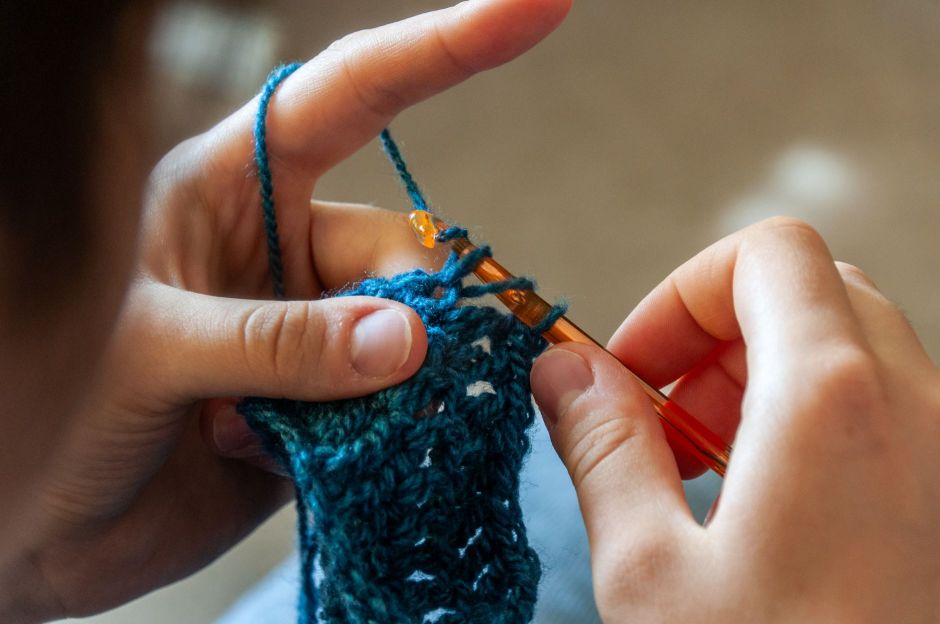
Photo by Antoni Shkraba Studio on Pexels.com

The truth is that isn’t how healing works. It’s a messy, difficult and sometimes frustrating process. It’s taking what feels like three steps forward only to fall five steps back and then have to walk three steps forward to have taken one actual step. It’s like cleaning out the refrigerator where you have to open the old tupperware knowing that you’re about to discover what might be the start of new intelligent life because you’ve allowed it to evolve for so long. No one wants to open the tupperware to see what’s inside and unlike the tupperware you don’t have the option to just throw the whole thing in the trash. You have to open it up and deal with whatever you find, no matter how unpleasant. 

Emotions, unfortunately, require care and ignoring them doesn’t make them go away. Because when we turn off our ability to feel the negative emotions, we also turn off our ability to feel positive emotions. That’s why we can end up feeling emotionally numb even when the difficult times are over and we don’t understand why we can’t be happy now. No one wants to sit in the negative emotions. We often jump to problem solving or attempting to reason with them rather than simply sit and hold space for whatever may be there. 

Photo by Julio Motta on Pexels.com

You don’t want to face it because it’s not enjoyable but the only way to the other side is through it. Not once, not twice but again and again and again. Because processing once often isn’t enough, not with more complex and complicated issues. If it were, you could just write a journal entry and be on with your life. What really sucks is when you you think you’re good only to get into a situation many years later where you’re triggered all over again. So you take deep breaths, count out 5 things you can see, four things you can hear, three things you can feel, two things you can smell and one thing you can taste – an excellent grounding technique. You remind yourself that you’re in the present and that what you’re responding to is in the past. It’s followed by the frustration of not being “over it”, forgetting that our emotional minds aren’t subject to logic or even the constraints of time. 

If you aren’t going through something then chances are you know someone who is and it can be tempting to try and fix the problem. Remember your presence is all that is required to let them know that they aren’t alone. 

If you find yourself overwhelmed in your healing journey, I recommend reaching out to your supports and consider expanding your support system as well whether that be a therapist, counselor, life coach, priest, etc. 

This isn’t a post about how to heal, but rather about being kind to yourself in the process. Healing isn’t linear nor is grief. It’s a process that’s often circular, confusing and paradoxical. Which is, honestly, the human experience. In living a life well lived, taking the time to allow ourselves to feel the full spectrum instead of trying to rush through it can be one of the best things you can do because healing takes time. 

Photo by Vika Glitter on Pexels.com

Grace Over Perfection

Dear reader, first, allow me a brief apology for my slight inconsistency in posting. As I have previously shared, I am in the process of starting my own business, and that adventure has proven to be a bit more of an undertaking than it first appeared. There have also been a number of misadventures on the home front, including a flooded basement.Worry not for my misfortunes though. I assure you that everything is well in hand, aided by my signature sarcasm, a few well placed witty quips, and an almost stubborn ability to find the silver lining in nearly any situation.

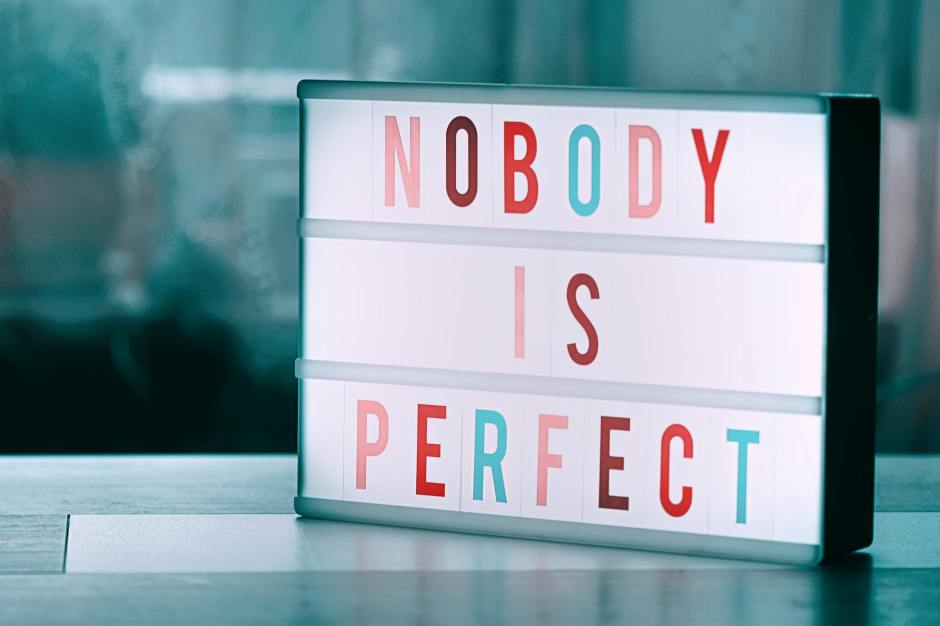
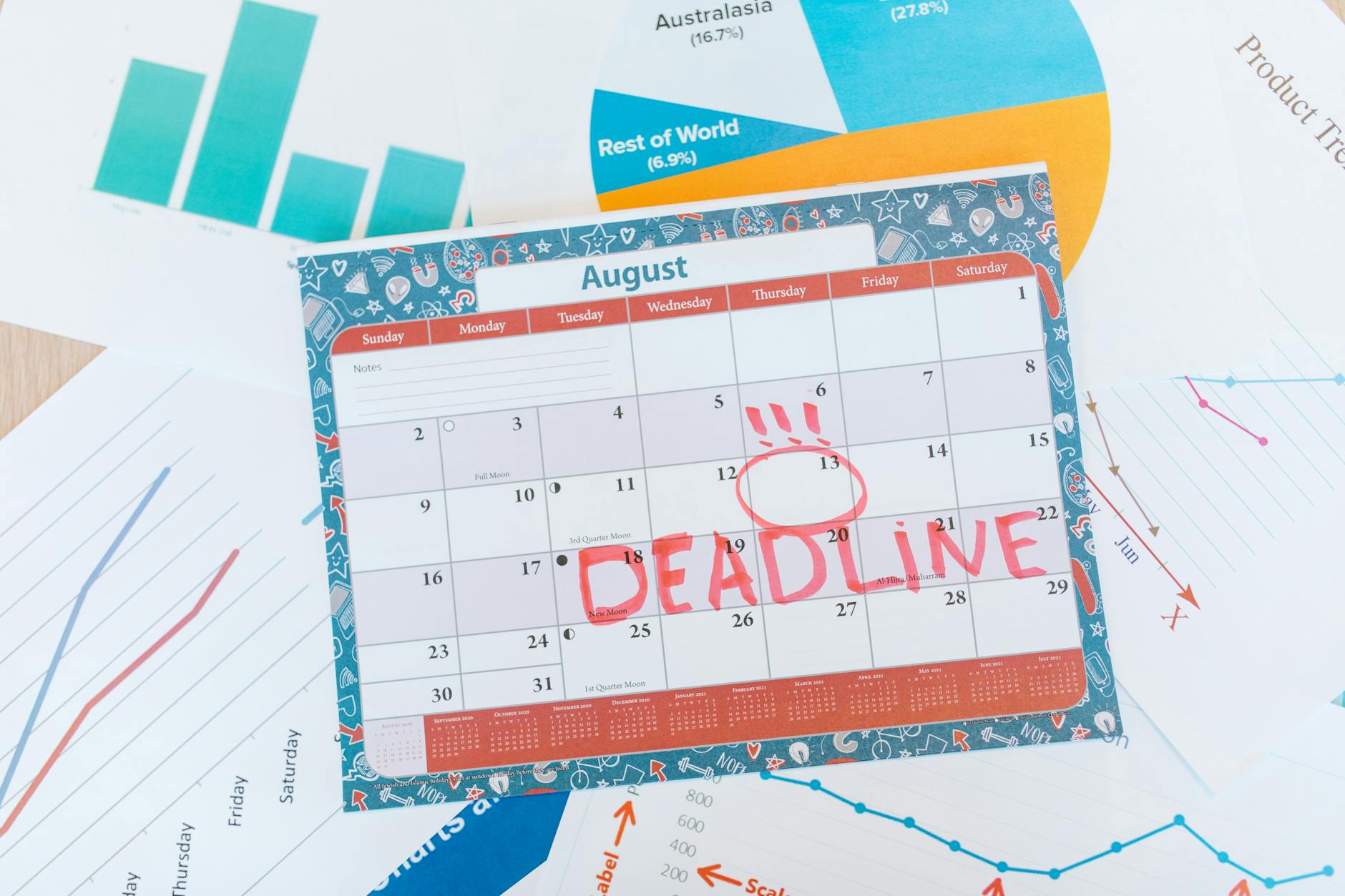
Life, after all, is largely about navigating the slings and arrows of outrageous fortune with a bit of grace. Lately, that grace has been directed inward. It would be easy to begin beating myself up over the missed, self imposed deadline of faithfully posting each Wednesday. I am, after all, a bit of a recovering perfectionist. The familiar spiral is always waiting: berating myself, stressing over unmet expectations, and allowing those expectations to quietly dictate my sense of self worth.

But let us be honest for a moment. Is my self worth really tied to my ability to publish a blog post on schedule? Is it tied to the success of this new business venture? To my accomplishments, my travels, or the neat little checkmarks on a to do list?

Photo by RDNE Stock project on Pexels.com

Of course not.

And yet, that is the trap of perfectionism. It persuades us to tether our value to outward measures. What begins as a guiding star slowly becomes a chain. Aspirations harden into obligations. Joy drains out of the very pursuits that once inspired us.

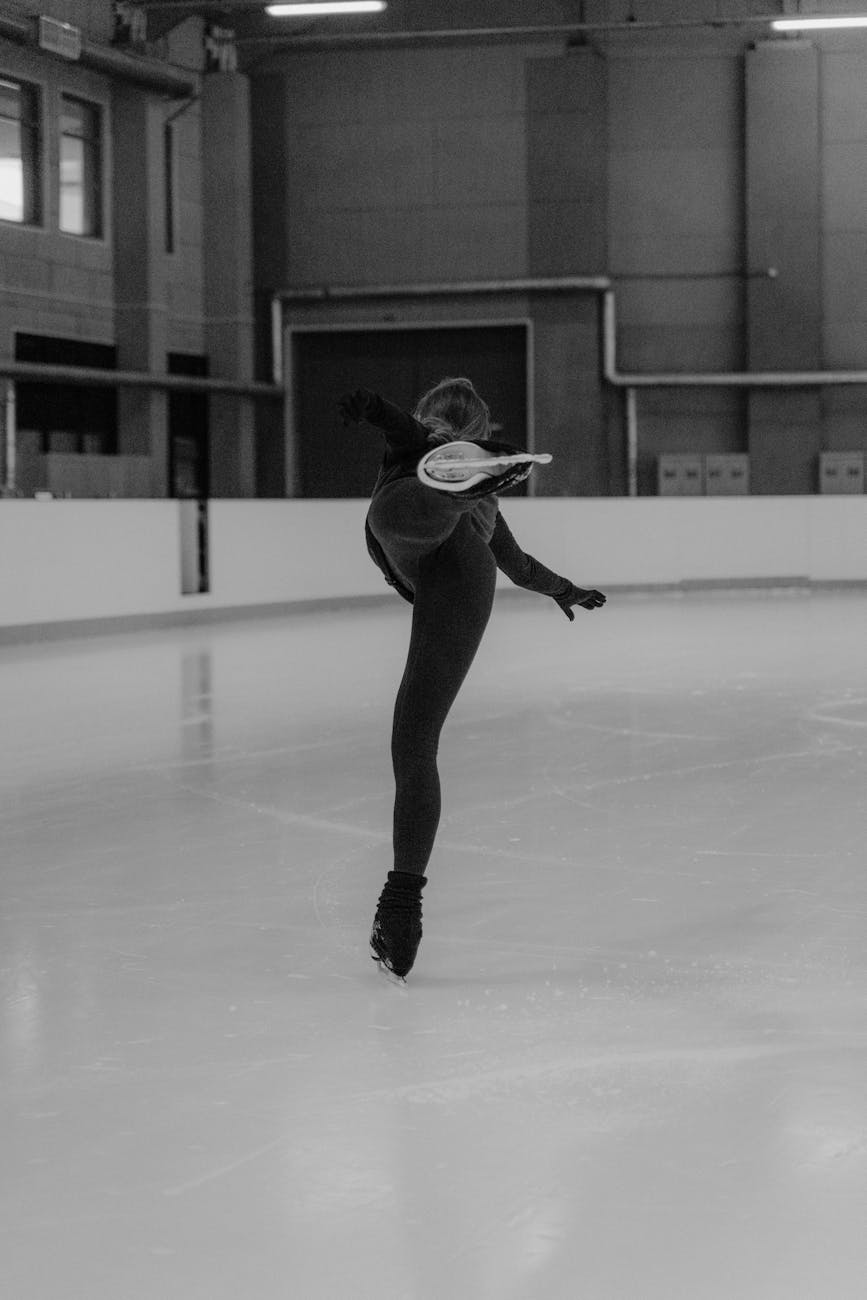
When that happens, even the things we love can begin to feel heavy. You may scoff at the idea that expectations can weigh so heavily, but consider the world of elite athletics. During the recent Winter Olympics, the world watched in awe as figure skater Alysa Liu performed with what could only be described as unrestrained joy.

Not long ago, she had stepped away from the sport entirely. The pressure, the constant scrutiny, and the relentless push toward winning had transformed her love of skating into something burdensome. Burnout followed close behind. But when she returned, she did so on her own terms, with one simple rule: she was there to have fun.

And suddenly, everything changed.

Her skating appeared effortless and relaxed. The tension was gone. Instead of skating cautiously under the weight of expectation, she moved with the freedom of someone who had remembered why she loved the ice in the first place. That joy was contagious. Viewers could feel it through the screen.

Ironically, when she stopped chasing the gold medal, it found her anyway.

The Olympics also remind us of the other side of the coin. Even the most extraordinary athletes can crumble under the immense weight of expectation. We watched this unfold in recent years when Simone Biles stepped back to protect her mental health. And this past winter, Ilia Malinin carried the kind of pressure that comes from being called a once in a generation talent.

This is not an indictment of any of them. If anything, it is a reminder of how human we all are.

Photo by Tima Miroshnichenko on Pexels.com

I know that pressure well myself. I have shared before that public speaking and violin auditions once triggered intense anxiety for me. What had once been joyful became something to dread. Performance turned into judgment. Eventually, I stopped playing for many years altogether, silencing a part of myself that once brought me immense joy.

But the strange thing about joy is that it often waits patiently for us to rediscover it.

When we allow space for play, when our work becomes exploration instead of obligation, something shifts. We loosen our grip on perfection and suddenly our creativity can breathe again. Our spark returns.

And sometimes that spark does more than illuminate our own path.

It becomes a catalyst for others. Perhaps that is what I am learning in this strange season of flooded basements and fledgling businesses. Progress is rarely tidy. The best things in life are rarely perfect. They are messy, unpredictable, occasionally inconvenient, and often accompanied by a small amount of water damage.

But they are also alive.

So I will continue writing, even if Wednesday occasionally becomes Thursday. I will continue building this business, even if the process involves a few wrong turns and lessons learned the hard way. I will continue picking up the violin, even if the notes are not always as polished as they once were.

Perfection may impress people from a distance. Joy invites them closer. So, dear reader, perhaps the real invitation is this: release the crushing weight of expectation. Allow yourself to try, to stumble, to learn, and occasionally to laugh at the absurdity of it all. Let your aspirations guide you, but do not allow them to chain you. And when life floods your basement, metaphorically or otherwise, remember that grace often begins the moment we stop demanding perfection.

After all, a life well lived is rarely flawless.

But it is very often joyful.

The Gift You Give Yourself

There comes a point in adulthood when you look around at your own life and realize just how much of it was built from other people’s expectations. Parents, partners, coworkers, even strangers on the internet all seem to carry opinions about what a “good” life should look like whether that’s the classic white picket fence and 2 kids, jetting around the world or having that corner office. With the shorter days and colder nights which entice us to stay inside sipping a warm cup of tea, December has a way of handing us a quiet pause in the middle of all that noise. In that stillness you can ask a gentler and more liberating question: What if the best gift you give yourself this year is a life that actually fits you? Not a life you are supposed to want. Not a life that earns gold stars. A life that feels like home when you step into it.

Most of us carry at least a few pieces of life that no longer fit. A commitment you keep out of habit. A routine that once served you but now drains you. A goal you set years ago that you are still dragging around even though it no longer reflects who you are. Just like clothes that shrink in the dryer, some roles tighten over time until they restrict your movement. One of the most compassionate things you can do for yourself is to notice what feels constricting. If something consistently brings dread or resentment, it deserves a second look.

Try asking yourself: What do I continue to do only because I feel I should? What parts of my week feel like a performance? What drains me more than it fills me? These small gut checks can reveal more truth than grand resolutions ever will. Because often resolutions are about adding things to our lives when maybe we should be asking what isn’t serving us anymore. 

Photo by The Lazy Artist Gallery on Pexels.com

Permission to Want What You Want

Wanting something different for your life can feel almost rebellious. We are taught early that desire is selfish or impractical. Yet desire is really a compass. It points you toward what brings meaning. The permission you refuse to give yourself is often the permission you most need. You are allowed to want a simple life. You are allowed to want a bold one. You are allowed to want rest, creativity, adventure, peace or a mix of them. 

Let go of the guilt around wanting something others do not understand. You do not have to justify your dream life like it is a court case. Your preferences do not require a panel of approval. They only require your honesty. After all, the only person who gets to live your life is you. They have their own. 

Every person inherits a set of default settings. These can be expectations from family, cultural messages or values absorbed without question. Some defaults are helpful. Others keep you living a script that never belonged to you. December is an ideal moment to ask where those settings came from. Did you choose them or were they assigned to you? Are they aligned with who you are now or with a past version of you who no longer exists?

Letting go does not always require a dramatic overhaul. It can be as simple as replacing one outdated belief with a more generous one. It can be as quiet as deciding your worth is not measured by productivity. Sometimes the life that fits begins with subtracting what never matched your shape in the first place.

Photo by Kassandre Pedro on Pexels.com

Crafting a Life That Fits

Once you clear the space, you can begin creating a life that feels right in your hands. Think of it like tailoring. Small adjustments can change everything. You might shift your morning routine to match your natural rhythm. You might redefine what rest means so it supports you instead of feeling like a guilty pleasure. You might choose relationships that nourish you instead of ones that keep you hustling for belonging.

Crafting a life that fits is not a single grand gesture. It is a set of choices made consistently. When something feels peaceful instead of performative, you are moving in the right direction.

A good life should give you room. Room to breathe. Room to change your mind. Room to fail safely. Room to explore new interests without embarrassment. If your life feels like a tight shoe, it is not a sign that you need to force yourself into it. It is a sign that you need to loosen the laces. When you prioritize a life that can expand with you, you trade perfection for sustainability. You also create conditions in which joy can actually take root instead of feeling like a visitor.

Photo by JESHOOTS.com on Pexels.com

A Gift You Keep Giving Yourself

The gift of a well-fitting life is not wrapped once and placed under a tree. It is something you give yourself again and again. Through honesty. Through reflection. Through paying attention to what your life is telling you. You will outgrow some things. You will discover new ones. You will learn what brings you back to yourself. The point is not to build a life that looks impressive. The point is to build one that feels true.

As this year winds down, take a moment to appreciate the small ways you have already reshaped your life into something more authentic. And if you have not started yet, that is all right. The gift is not in the timing. The gift is in choosing yourself.

When Life Goes Wrong for Ten Minutes, You Don’t Have To

Subscribe to continue reading

Subscribe to get access to the rest of this post and other subscriber-only content.

Reclaiming Boredom: Why Doing Nothing Might Be the Best Thing You Do

I know, dear reader, this might be the last place you’d expect to find a defense of boredom. After all, many of you probably clicked here to escape boredom, not embrace it. I may even be digging my own blogging grave by suggesting you spend less time scrolling and more time staring at your ceiling. But this space was never meant to trap you for hours. Its intention has always been to help you live a fuller, more mindful life, without breaking the bank.

As someone with ADHD, the idea of boredom used to feel impossible. Tedium was my sworn enemy. Yet I’ve come to realize that boredom is a rare luxury these days. With our phones glued to our palms, we rarely get the stillness that allows us to simply be.

And here’s the secret: boredom isn’t the enemy. It’s the birthplace of philosophy, creativity, and growth.


Why We Need Boredom

When you’re left alone with your thoughts, they can be loud, uncomfortable, even overwhelming. But without that discomfort, how can you truly know yourself? When do you ever stop to ask:

  • Am I on the right path?
  • Are my relationships enriching or draining me?
  • What do I actually want out of this short, strange life?

Noise drowns out those questions. Silence, and yes, boredom, makes space for them. And while the answers might not always be pleasant, they’re necessary for meaningful growth. It’s only when we ask those questions that we begin to fully develop a meaningful life which according to some researchers may be the antidote for the crushing anxiety we’ve all been feeling. According to Harvard Professor Arthur Brooks, it is the lack of meaning that drives so much of our modern world’s anxiety and depression and boredom would be part of the cure!

Boredom also boosts creativity. When the mind wanders, it problem-solves. Einstein famously worked at the Swiss Patent Office for seven years, a job so dull it practically begs for daydreaming. Out of that monotony came some of the most groundbreaking ideas in physics. Imagine what we might uncover if we swapped YouTube shorts for a little mental white space. You may be quite shocked at what problems you solve whilst driving your car.

Finally, boredom sparks curiosity. That restless itch pushes us to seek out novelty, to wander past the familiar bend in the road. Dissatisfaction with the status quo has always been the engine of human progress. It’s what drove Columbus to set sail and spark the West’s discovery of the world. It’s what drove the Wright Brothers to the sky. It’s what made humanity ask “what is up there in the vast expanse above us?”

Photo by cottonbro studio on Pexels.com

Boredom in Real Life

Some of my best ideas have come when I was bored. This very blog was born while I was gardening. Insights about my therapy clients have surfaced while I was elbow-deep in dishes. I’ve written entire stories in my head while waiting in line, or mulled over questions of faith while driving down long stretches of highway.

Boredom isn’t wasted time, it’s compost. Given space, it grows something new.


How to Reclaim It

So how do you let boredom back in? Start small.

  • Turn off your podcast or music while you drive or clean.
  • Try a tech-free meal and see what real conversation shows up.
  • Block out one phone-free evening a week.
  • Take breaks from social media, or better yet, set parental controls on yourself.
  • Use your phone’s Do Not Disturb mode generously (you can allow emergency calls to still come through).

Will it be fun at first? No. That’s the point. But over time, you’ll come to see boredom not as an absence but as an opening. I’ve even started protecting mine, because that mental wandering is often far richer than anything TikTok could offer.

Not All Who Wander Are Lost… But Some of Us Stay Home on Purpose

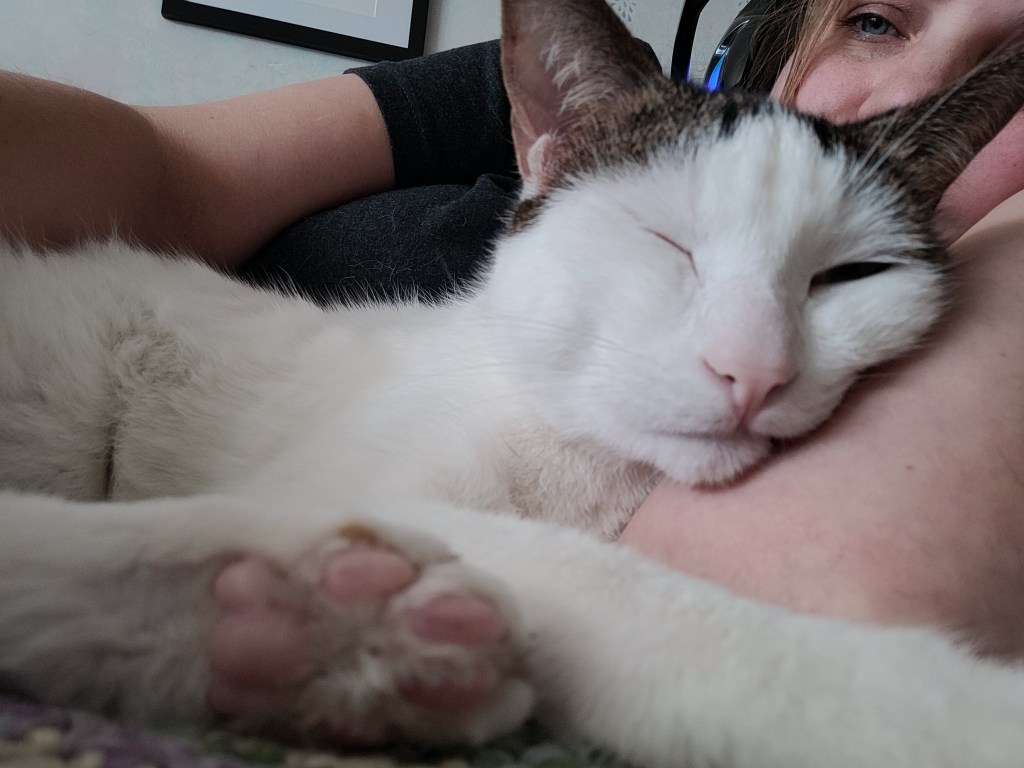
The sun peeks through the curtains. The soft chirp of birds is among the first sounds I hear. I burrow deeper into the covers and pull my cat, Luke, in for extra snuggles. I linger in the warmth of the moment, the smell of breakfast floating through the air like a promise. It isn’t until Luke wiggles out of my arms, miffed and hungry, that I finally, reluctantly, stir.

And why should I hurry?

The day stretches out before me, gloriously unstructured. There is no checklist. No Zoom call. No tightly packed schedule to wrestle through. The world may be my oyster, but today, the only oyster I’ll be opening is a good book. This, my friend, is the gentle joy of going nowhere.

My life is full of small adventures. It’s rare for a month to pass without something noteworthy—an art fair, a botanical garden, a random road trip, or simply trying a new café across town. I like having something on the horizon. It gives shape to my days, stirs up my creativity, and helps keep the dull, dragging edge of burnout at bay.

But I’ve learned—sometimes the hard way—not to overdo it. Too much “doing” tips the scales into exhaustion. Even joy can become a chore when overscheduled. My bank account is certainly a grounding force in this, but honestly, the bigger issue is energy. Constant motion, even when enjoyable, can leave me depleted. It turns out that balance isn’t just a nice idea from a wellness podcast. It’s survival.

There’s a particular kind of luxury in staying home on purpose, not because I’m sick, not because I have chores to catch up on, but because I choose to. It’s an act of intentional stillness, of delighting in the familiar. Especially if, like me, you’ve curated your space into a personal sanctuary.

My home holds my books, my tea collection, my cats, my dog, my violin, and my garden. These are not filler items between “real” adventures. They are the adventure. These are things that remind me of who I am when no one else is watching. You may remember that many of these are on my Bucket List, and you’ll find I’m checking them off right from the comfort of my deck with a glass of wine in hand and a sunset to keep me company.

It’s a profoundly healing act to stay home and do…nothing.

In this quiet space, I can finally hear myself think. I’m not trying to wring productivity from every last second like water from a rock. I’m not chasing dopamine hits from Instagram-worthy moments. I’m just being. And in that being, I find presence. Spaciousness. Energy I didn’t know I had.

This is my rebellion against the hustle. A resistance to the noise that tells us we’re only valuable when in motion, only interesting if we’re checking off countries on a map.

Going nowhere lets you find your rhythm again. It allows you to ask, without the usual pressure, “What do I really want today?” And sometimes the answer is “absolutely nothing” in the most glorious way.

Too often, we assume the answers lie far away, on a beach in Bali, on a mountain in Switzerland, in a cottage somewhere in the Scottish Highlands. And yes, those places are beautiful. But they also come with traffic, airports, long lines, and stress. We swap one type of exhaustion for another and call it “escape.” I don’t know about you, but I often need to schedule a rest day just from traveling back from my vacation.

What if, instead of waiting for a two-week vacation to save us, we built tiny vacations into our lives regularly? What if “rest” wasn’t the reward for being good, but the foundation from which we move and make decisions?

We may simplify our lives, but have we simplified ourselves? It’s far easier to declutter your closet than to declutter your expectations. We’re so busy trying to escape our own lives, we forget that it’s possible to build one we don’t feel the need to escape from.

So today, I’m not checking in, checking bags, or checking my itinerary. I’m checking in with myself. I’m home, and that is not the consolation prize.

It’s the destination.

Focus on the “What” Not the “How”

We all have goals and if you’re reading this blog, you probably have a long list of them like me. Things you want to do, places you want to see, milestones you want to accomplish. Some of the items on the list are more just for fun or it seems like it would be a cool thing, some are things we really do want to do and a few of them are deep, burning desires. It’s those last ones that this post is for. After all one will not obtain goals simply by sitting around awaiting the golden opportunity. As in a previous post, sometimes fate needs a little nudge in the right direction. If one is going to achieve something truly worthwhile then it stands to reason that one will be putting a significant amount of effort into the cause. 

Obtaining a goal is about clarity, focus and action. It’s those first two steps that often trip people up because before one acts one ought to take time to plan, right? Maybe not or at least not how most people plan. What if we stopped asking “How” and instead started to ask “What”?

I’m stealing this piece of advice from the business world for improving our lives and meeting our goals. It takes the classic approach of obtaining goals and turns it on its head. Most people set a goal then ask the next, seemingly logical question of, how am I going to achieve that? After all that’s the problem solving approach most of us were taught. You set a goal and make a plan which is always followed by “How am I going to do it”? However, that question is a trap! It’s a question designed to take you down a path that’s ineffective and frustrating, to get you bogged down in the details. You’re bound to get yourself so tied up in knots thinking of all the reasons you can’t achieve your goal and the seemingly insurmountable barriers that the question is bound to bring up. You lose your focus and start trying to break down the goal into other sub-goals to get around the barriers which only lead to more how questions. It can also get you lost in the illusion of taking the action of “planning” rather than the action of “doing”. 

Photo by Leeloo The First on Pexels.com

Instead, you ought to be asking what questions: 

  1. What do I want?
  2. What do I desire from this goal?
  3. What skills and resources do I have to make it happen?
  4. What resources do I have need?
  5. What people should I connect with?
  6. What will keep me motivated and inspired?
  7. What will I do to celebrate the milestones?
  8. What will I do when I’ve obtained this goal?

It’s about shifting you from thinking about a plan to actually doing the steps which will actually take you there. There isn’t time to worry about the barriers because you’re too busy ticking off your to-do list after answering those questions. It moves the goal from a what if to a when. In the immortal words of Zig Ziglar “when obstacles arise, you change your direction to reach your goal; you do not change your decision to get there”. 

When I set out to start checking off my list, I didn’t really focus on the how. Had I done that, I probably wouldn’t have much checked off because I would have gotten caught up in all the barriers, the cost of travel, the distance, the time, the difficulties, etc. But because I’m not focused on the how, I’ve found that I am constantly finding and stumbling upon opportunities to complete my goals. When I decided to become a therapist, I didn’t worry about the exact how but rather the what college would I go to, what major, what jobs should I apply for? It also keeps you flexible to discover a different path to your goal that you may not have realized was there before. When becoming a therapist, I had a path that I thought I would need to follow, which was to get a PhD in psychology. Instead, I ended up with a LCSW, which was a much cheaper option. Had I been too focused on the how, I would have never strayed from the original “what” to a much better fit for my goal. I have a friend whose goal is to help people in a similar way and is in the process of becoming a Life Coach.

This simple but powerful change can help you go from merely goal setting to goal achievement. 

Photo by Aliaksei Lepik on Pexels.com

Expand Your Horizons

One thing that I love about my Bucket List is that I’m almost always trying new things. I recently read somewhere that research indicates that when we focus solely on the interests we’re already interested about we can miss out on entirely undiscovered aspects of ourselves. We may limit ourselves artificially without even knowing it. We may love art and never take up a paint brush or admire finely made clothes and never consider sewing. 

I never thought I’d enjoy a videogame but I certainly enjoy playing World of Warcraft (I’m a nerd deal with it). I wouldn’t have thought I’d like D’n’D but as it turns out, I do enjoy collaborative storytelling. I’ve discovered I draw the line at larping which was a surprise because I would have thought I’d love dressing up and acting out the story like D’n’D after enjoying D’n’D, going to the Renaissance Faire, acting, etc., but absolutely not for me. My sister is afraid of heights but I have discovered a thrill for them. I’ve learned I like hacking down trees and the physical labor of gardening. I don’t have the patience for a lot of crafts, but I love trying to hone my skills on the violin.

We don’t even need to do them well. We can do something poorly, in fact it’s almost better to do something poorly at first. After all, if we’re good at it then we think that we have a “knack” for it and then when we inevitably come up against a hurtle, we lack the skills we need to overcome. Sometimes just doing something for the sheer thrill of doing it is the best way to learn. When we have fun we aren’t focused so much on doing it perfectly as enjoying ourselves. We’re no longer motivated by outside rewards and people pushing us to do it. We are competing against ourselves, learning our way of doing things and probably becoming better than we would have if it just came easy.

I think it’s good to explore new things that we may have dismissed when we were younger or just missed out on. I remember thinking that learning to ride a horse wasn’t something I could do, but then I spoke with a work colleague who was taking lessons bi-weekly. Another work colleague had joined a small college’s orchestra after taking up the violin again post-high school which in part inspired me to take up the instrument once again. It’s caused me to re-evaluate what I can do as an adult and that maybe I didn’t actually miss out on opportunities or that I could return to things that I did as a child. As it turned out the only person keeping the doors shut to possibilities was me. 

I’ve also been pushed to try things I wouldn’t have previously thought to try like Eco-dying, water tubing, and zip-lining. I find myself saying “sure why not” when presented with new adventures and raising my hand to volunteer at public events because “why not”? It was that attitude that pushed me to rent a car in Britain. Before, I’m not sure that I would have had the confidence to drive on the opposite side of the road because I’m dyslexic and ADHD with poor spatial awareness and their roads are tiny. Now granted I didn’t just hop in a car and drive out of London. I knew I was going to be jet lagged, without sleep for over 24 hours (I don’t sleep in planes I have insomnia, it’s a whole thing) and so even driving under normal circumstances would not be advisable let alone in another country, on the opposite side of the road. However, I was undaunted by the idea in part because I am already in the habit of getting outside my comfort zone. 

And this is sort of a life hack. When we push ourselves, we feed our confidence and our feelings of competence. Which you may think, “wait, didn’t she just say that some of the stuff she was bad at? So how does it help her feel competent?” Yes! Here’s the awesome, amazing thing, it didn’t kill me! It didn’t end me and in fact, I embraced being bad at it at first because I’ve learned to enjoy the process of mastering something. It’s about learning and growing your inner self not just checking boxes and doing something for an afternoon before swiftly moving on to the next thing. I feel more competent to try things and look foolish even in front of others. I am conquering anxiety and loving it! 

Photo by Akil Mazumder on Pexels.com

We are wired for growth, not stagnation. We are meant to go, explore and conquer. Too many times we assume that we will stay the same person that we are today until we die, that we’ve already completed our growth. However, that’s not the case and studies show that its the people who don’t stop growing that live longer, healthier, happier lives. So what are you waiting for? Go out and try that new thing! 

Comparison is the Thief of Joy

It is easy dear reader to compare ourselves to others especially since others splash their lives up on social media for all to see. Granted, they are curated versions of themselves, but it’s so difficult to remember that. We see people more successful, more well traveled, in the perfect job, having the perfect relationship, enjoying their children, wearing the latest fashion, doing whatever it is we wish we were doing. The algorithm is merciless in that it shows us that which we engage with and of course we are going to engage in the very things we long to have and thus the viscous cycle. 

In focusing so much on all the things we do not have, we lose sight of the things we have. We are lost in the mire of have not. Not only that but it robs us of the joy of the things we previously had. How often have we finally received that which we asked for, full of joy and wonder only for a few months later to be grumbling about it? 

When I received a rather cheap car that had been through a hailstorm and was close to 20 years old, I was incredibly grateful and amazed at my luck. After all, having not had a car before, having any car was a dream. However, it wasn’t long before the twinges of comparison started. It was by no means a looker in the car department with its dents, faded color and sagging cloth. It was clearly old and not only that but also dented from the hailstorm. When I was interning for an organization whose donors were from the higher echelons of society, I was embarrassed by it. Where was my joy? Where was my gratitude? And frankly, why did I care what they thought?

We pray for a house and then grumble that it doesn’t have a living room and a family room after visiting our aunt’s house. We pay for new floors and then wish we had paid for a vacation instead when we see our friend’s Instagram photos. We give our boyfriend the cold shoulder when Jill from accounting flashes her new engagement ring. We force a smile when our sister announces her second pregnancy and then go home to cry. Our best friend gets a promotion at work and we feel that we’ve fallen behind now. We scroll online and see a headline of a 26 year old retiring using the Fire Method or a list of 30 millionaires under 30 when our 40th birthday looms ever closer. We forget what we have when we start focusing on others. Their blessings become our lack. 

Do not get me wrong, ambition and wanting more can be great things. After all, it’s drive and ambition that has put a man on the moon, given us electricity, discovered antibiotics, written symphonies and painted masterpieces. Without it we wouldn’t have our modern world. Competition can also be a good thing when you have someone to push against and with, you both can end up going further than if you were by yourself. However, when that comparison of value and worth starts to creep in, we lose. Part of the problem is that there is always someone above us on the ladder of life and we tend to look ahead of us rather than behind us. 

When you move to a nicer neighborhood that you’ve dreamed of being able to be in, after a few months you start seeing the cracks in the sidewalk, the unkempt garden (sorry, neighbors I don’t use herbicides, it’s more a habitat for pollinators) and soon the next neighborhood looks much better. Each house is detached with a garage and clearly has plenty of space each surrounded by a nice neat fence. If you do manage to move then you start eyeing the one where everyone has a 3 to 5 door garage, the houses are more accurately described as mansions with private pools and there’s even a gate to keep out the riff raff. We are so prone to eye the next rung up to strive for what we do not have that we become burdened by ambition creating our own gilded cages of dissatisfaction and envy. 

Photo by Pixabay on Pexels.com

No matter how much we get, how far we go, how much we achieve, it will never be enough so long as we keep comparing ourselves to others because we can never win. The happiest people I know are the ones who live simply unburdened by things, pretenses and social status. They’re the ones who live in the woods or cultivate a small garden in the midst of their urban center. They snuggle cats and walk their dogs. They form genuine connections with others. 

Not only does comparison rob us of our joy, but also it robs us of shared joy with others and the connections those shared joys can form. Rather than celebrating those we care most about and instead those moments are like small thorns twisting in our hearts poisoning our spirit. It also poisons our relationships causing a rift to form as you turn away. You begin to question your value and what you bring to the relationship. Perhaps, they sense your distance and wonder at your less than enthusiastic response to their news. They may attribute it to jealousy rather than feelings of inadequacy which can erode the foundations of your relationship. 

It robs them of their joy as well. Have you ever gotten great news and when you shared it with someone you got a less than enthusiastic response? What about one that sucks the joy right out of you, leaving you with guilt or remorse? Yes, there are certain circumstances where two people cannot have the same thing, two friends may enter a contest knowing that if one wins the other will lose, but often that’s not the case. If my friend gets a promotion and I respond making it about me and my lack of one, I’ve just diminished her joy instead of amplifying it. 

Photo by Helena Lopes on Pexels.com

This isn’t to say that you can’t feel how you feel. After all, when you have worked really hard to get somewhere only to see someone else seemingly skate on by to the top, it can be incredibly frustrating and disheartening. You absolutely should let yourself feel those feelings in order to process them. I never recommend suppression and pretending. You can be joyful for another’s triumph while holding your own pain. That’s why I speak about joy rather than happiness. I don’t want to be happy, I want to be joyful. 

However, bitterness against your circumstances, the world and even those you care about can set in. Usually, it’s not about the not having, it’s about what the not having means, that you’re less than everyone else. You’re not your job title, your social status, your income bracket, your marital status or any of the world’s measures for worth and value. Focusing on what brings you joy and bringing beauty, kindness, compassion, hope and love to the world are far more worthy pursuits than keeping up with the Joneses. Besides, why do we care what they think? If they look down on you for not having a brand new car or being able to go on a vacation in Belize every summer, that speaks to the low level of their character not yours. 

When we stop worrying about what others think and embrace ourselves fully we find joy. When we stop comparing ourselves to everyone around us and “above” us, we find that we are enough just as we are. You are enough, dear reader. 

Water Lantern: A Festival of Reflection 

It was a warm summer evening, when my sister and I embarked on a journey to the far east or rather to partake in some food and traditions imported from Asia to the United States. This particular evening, we were attended a Water Lantern Festival. One of the amazing things about America is our immigrant roots, welcoming people from across the globe. These people come and bring with them their culture, traditions, beliefs, music and cuisines. It is what makes America a rich, cultural tapestry of endless variety.

We began our journey by stopping at a Thai restaurant which is owned and operated by Thai people. I always get excited when I can stop at places owned by people who intimately understand the cuisine they are cooking, whether that be because they are originally from there, have family originally from there or spent enough time in careful study to obtain a level of mastery in the authentic way the cuisine ought to be prepared. As someone who doesn’t necessarily have the money to hop on a plane to experience authentic Thai food, I appreciated the opportunity and the culinary skill of the chef. Dinner was a delicious red curry, since I cannot resist a menu item with Thai Basil and my sister had their drunken noodles of which I stole a few bites. 

After dinner, we headed over to Harrisburg to the Italian garden where the Water Lantern Fest would be held. The Italian garden is beautiful in its own right, but it was extra festive for the fest and the weather proved to be perfect. It wasn’t too hot, nor was it chilly. The blue sky was clear overhead and it promised to be a lovely evening. It took us a little time to locate the actual stand to obtain the water lanterns as the park was open for all to enjoy. We did eventually find the true “entrance” to the fest by asking some people for directions and headed up the hill to obtain our goodie bags and lanterns. After claiming our prizes, we walked around the end of the manmade lake to find a good spot under the shade of a tree. 

I had attended a lantern fest before, where you release lanterns into the sky which took on a more party atmosphere for the people attending with music and bounce houses, bonfires and food trucks. This one had most of those things tucked away from the main event so that you could still enjoy vendors, food and other activities, but it did not distract from what you were there to do.  Nor was the crowd quite as big as at the Lantern Fest which was just as well, since I tend to favor smaller events to the massive crowds. What I enjoyed about this one was the more subdued and even reflective atmosphere. Flags proudly proclaimed things like gratitude, healing, love and connection, encouraging you to reflect rather than party. The crowd was fairly quiet with many people conversing with their heads together, smiling and laughing. The goodie bag even included conversation cards with prompts to start deeper discussions with the people you were with in order to foster deeper connections. My sister and I were delighted by these and have taken them out at other occasions and have found them to be great at prompting conversations. 

The kit for the lantern included a wooden base, a lantern which could be written upon and a small led candle to turn on and place in the lantern. We noted that most of the lantern components could be reused, recycled or easily be broken down in the environment. Being a manmade lake, the lanterns were in no danger of polluting local waterways or interfering with native wildlife. In addition, the event organizer One World proudly supports water.org. Water.org is an organization which focuses on increasing global access to safe drinking water. They include an informational pamphlet and easy options to donate to raise money to support this cause. I love it when an event is able to go beyond just an enjoyable evening and helps to provide a positive impact.

I decorated my lantern with things that I was grateful for and my sister decorated hers with art including a celtic knot and a flowers. Once the sun slipped beneath the horizon, they asked us to gather around the edges of the lake and to pause for reflection. Then they invited us to release our lanterns to allow them to float upon the water. One by one, they spread out, glittering together like stars. As I stepped back to take in the sight, I was able to let out a deep sigh of contentment. Naturally, we snapped a few photos, but mostly my sister and I just walked along the path enjoying the sight and quietly conversing. 

It should be noted that while my dinner was still firmly rooted in its culture of origin, the Water Lantern Fest was less so. Water Lamps originated in India and spread throughout Asia most likely through Buddhist diffusion. They appear in many festivals and have many meanings ranging from worshiping gods, praying for a good marriage, welcoming happiness, guiding the spirits of the departed or welcoming happiness. In Vietnam, there is a town which releases them quite frequently. In China, they are released throughout the year. In Japan, they usually release them to help guide the souls of the dead to the spirit world and allows for reflection for lost loved ones. Sometimes, things are lost in translation especially as it gets diffused across different cultures as it has in Asia since they have a lot of different meanings all over the continent.

Still, despite being a bit unmoored from its roots, it still felt as if it were in the spirit of the original customs. Where other events encourage a sort of frantic, frenanic frenzy of activity, this festival invited you to slow down, to pause and reflect. It encouraged building relationships between people and being more mindful of your surroundings. They also allowed people to come up to a microphone and share their stories. Some people shared their loss, others shared their victories, whereas others shared gratitude. There were lanterns that people dedicated to their loved ones. In a sense, the festival was a melting pot of the many traditions associated with water lanterns from Asia and transforming into something uniquely American. It certainly was not an authentic experience, but it falls under my “good enough” category. 

How can you experience a Water Lantern Fest?

The best way is to go to their website WaterLanternFestival.com and click on your state to see when they might be coming to you. I encourage you to buy tickets early since they increase in price as the date approaches. 

However, there is nothing to stop you from ordering some lanterns and LED candles and hosting your own smaller version with a group of friends. Although, it doesn’t quite hold a candle (pun intended) to seeing a few hundred floating all together, their reflections shimmering in the darkness of the water. It is also important to note that there may be local ordinances preventing such an activity and you would need to ensure proper clean up. After all, we want to keep our local environments beautiful so we can continue to enjoy it for years to come.

Completed: July 15, 2023

Cost: $36 per person (was advertised as $27 but there were vendor fees)

Miles from home: 45