Keep the Thing You Love Useless

Dear readers, I have been in the midst of an ADHD hyperfixation.

Poetry.

For the past three months, I have been utterly consumed—writing forty-plus poems in three months, which even I have to admit is a slightly absurd amount of poetry

Now, I shalln’t subject you to the entirety of the collection. However, I have shared a few with friends and family, who have begun to gently (and not so gently) encourage me to seek publication. After all, it seems such a shame that such a collection should simply languish on my desktop.

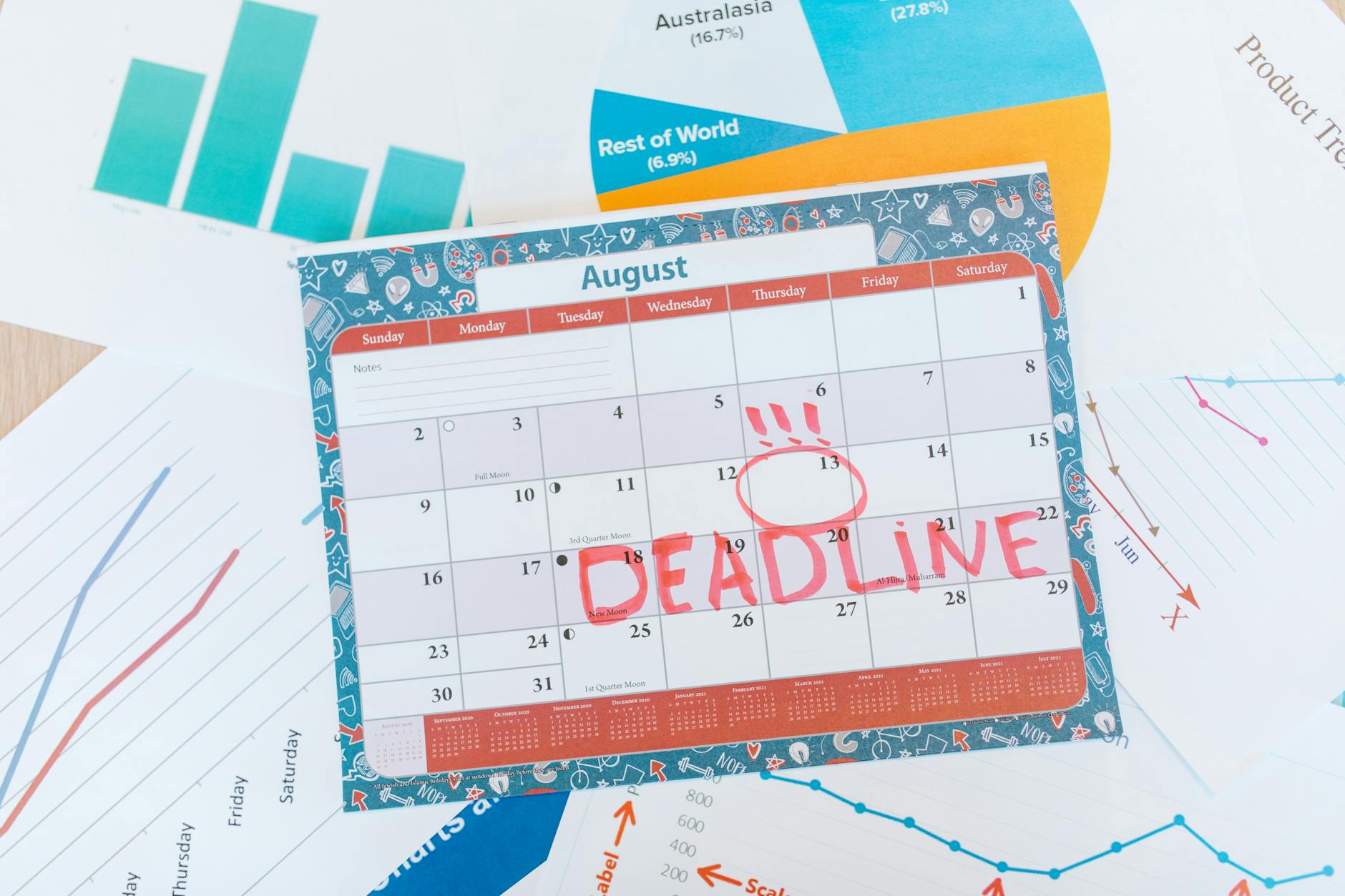
Suddenly, a list of journals sits before me, complete with deadlines looming and pressure quietly building. Some even come with significant cash prizes if the poems are selected.
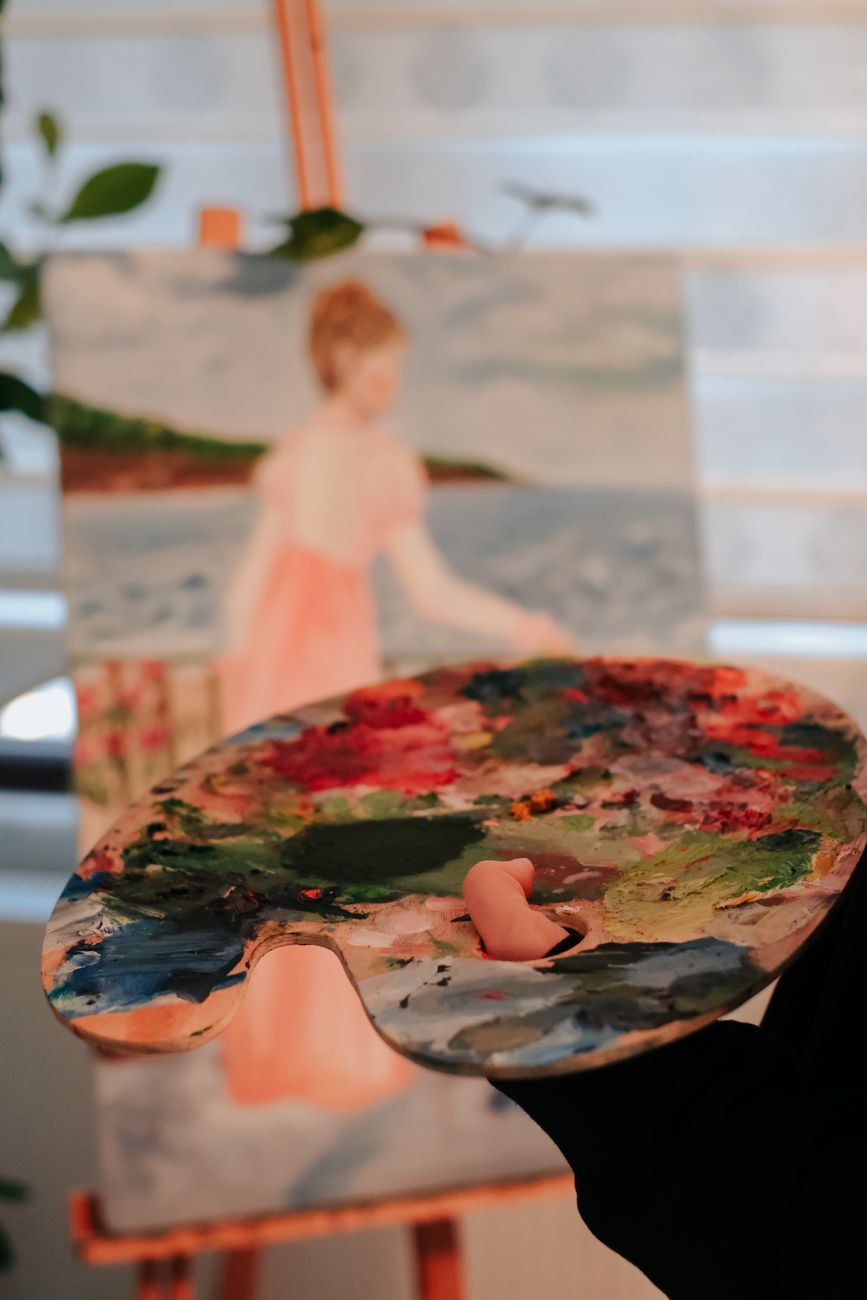
Photo by Hatice Baran on Pexels.com

Isn’t that just the way of hobbies?

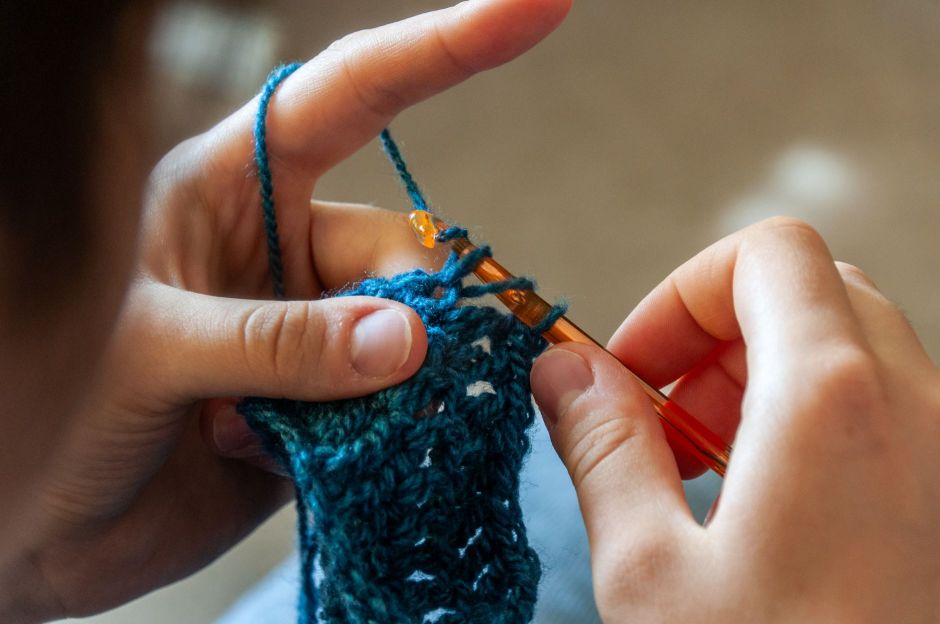
The crocheter is asked when she’s opening an Etsy shop. The painter is asked if they’ve considered the local gallery. The yoga enthusiast is told they should teach. The baker is suddenly “volunteered” for every birthday cake in a five-mile radius. And the poet, inevitably, is encouraged to submit to journals.

And it sounds reasonable, doesn’t it?

We are constantly told to pursue our passions. To follow what we love. To “do what you love and you’ll never work a day in your life.” A beautiful idea. And also… a slightly suspicious one. Because somewhere along the way, we stopped asking whether turning everything we love into something productive might quietly change the thing itself.

There was once an experiment with children who loved to draw. They were divided into groups—one received an external reward for drawing, the other did not.

The result was surprisingly consistent: the group that drew without reward maintained their interest. The group that drew for the reward lost motivation over time. And the group that received an unexpected reward? They also maintained their enjoyment.

In other words: motivation thrives not on chasing reward, but on the absence of needing one. We are most creatively alive when we are not negotiating with outcomes.
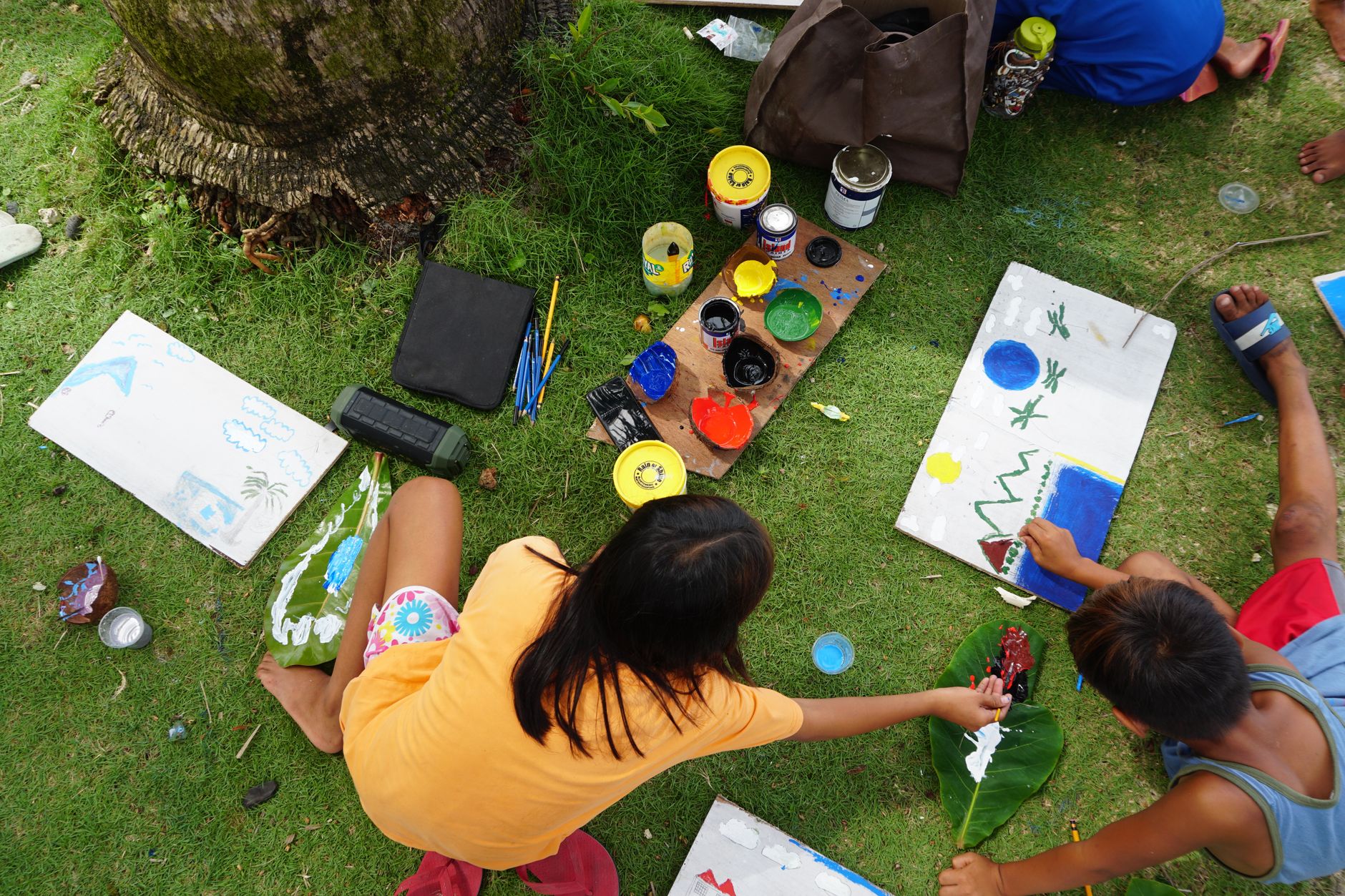
Photo by Cort Landt on Pexels.com

Another study, this time with adults, found something equally odd. One group completed a deliberately dull task before being asked to solve creative problems. The group that had just done the “boring” task actually produced more creative solutions.

Which is funny, because some of my best poetry has never arrived at a desk. It arrives while driving. While walking. While weeding the garden or cleaning something I definitely didn’t want to clean. It arrives when the conscious mind is occupied just enough to step aside.

But that kind of mental spaciousness is hard to come by when every hour is accounted for, optimized, monetized, or squeezed into productivity. And that’s where hobbies quietly begin to change shape. Because turning a hobby into a side hustle sounds empowering—until it isn’t.

At first, it’s just sharing something you love. Then it becomes selling something you love. Then it becomes needing to sell something you love. Then it becomes needing to make something people will buy. And slowly, almost imperceptibly, the question shifts from: “What do I want to make?” to “What will perform well?” The hobby is still there. But the play is not. And without play, something essential quietly drains out of the work. Not always immediately. Not dramatically. But steadily—like a color fading from fabric left in too much sun.

Photo by SHVETS production on Pexels.com

The uncomfortable truth is that most side hustles do not pay nearly as much as we imagine they will. Often, the return is small compared to the time invested. Sometimes it amounts to a few dollars an hour—or less—once everything is accounted for.

Which would be fine, if the primary goal was joy. But when the goal becomes income, validation, or traction… the relationship changes. We stop being in conversation with the thing we love. And start being evaluated by it. And I think that is the part we rarely say out loud: Not everything we love is meant to be optimized. Not everything we create is meant to scale. And not everything beautiful needs to become a business plan.

Sometimes the point is simply that it exists at all. Sometimes the point is that it made you feel alive while you were making it. And perhaps the real danger is not that we fail to monetize our passions… But that we succeed in doing so, and lose the ability to enjoy them without permission. So for now, I remain in my poetry hyperfixation. Not as a product. Not as a strategy. Just as a person who has been, for a while, deeply interested in making things that do not need to become anything else.

Oh do not get me wrong, dear reader, I will submit things to journals here and there, but not for any other reason than to put them out into the world. But mostly, I shall continue to focus on having fun.
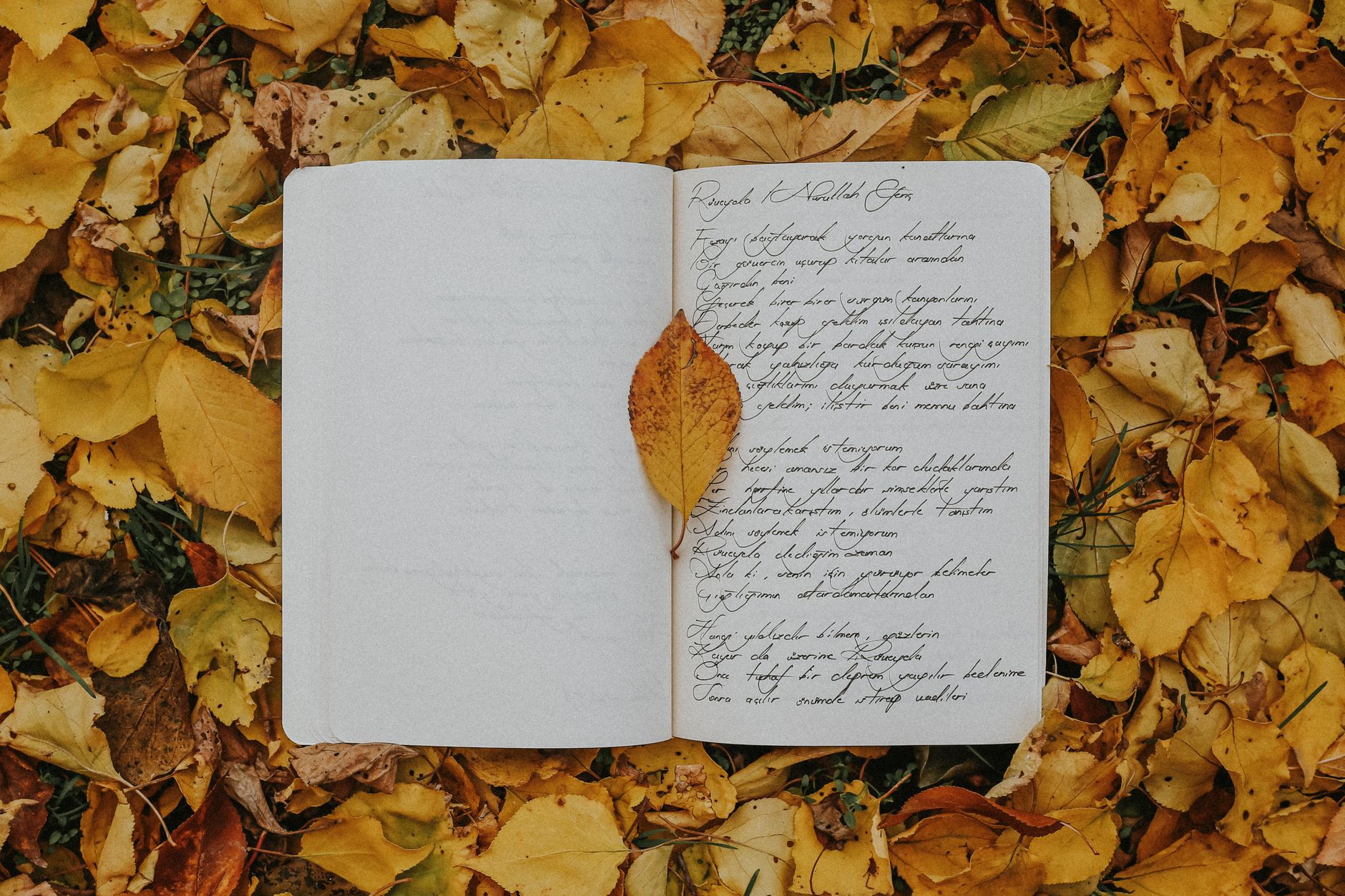
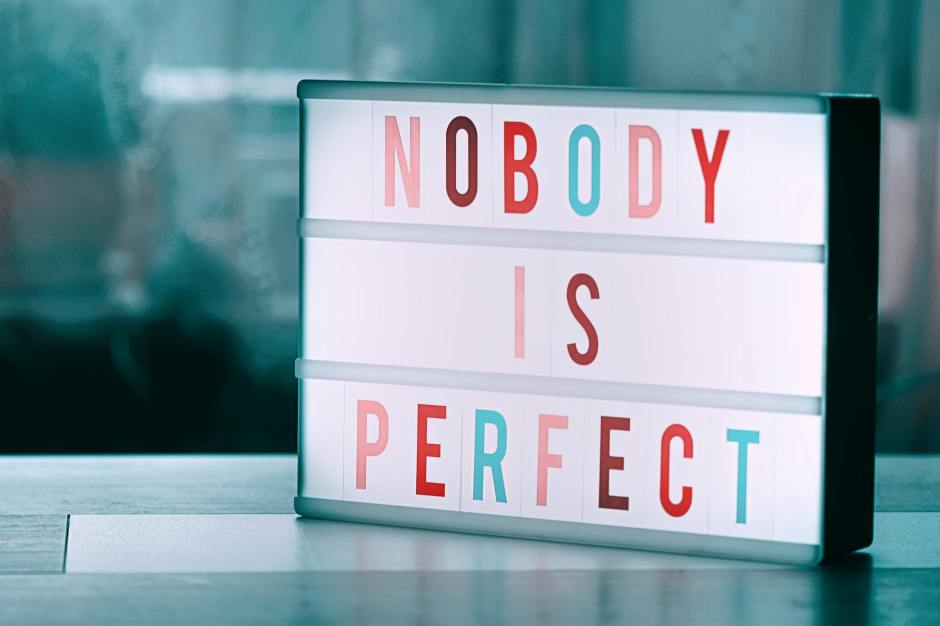
Photo by betu00fcl nur akyu00fcrek on Pexels.com

Grace Over Perfection

Dear reader, first, allow me a brief apology for my slight inconsistency in posting. As I have previously shared, I am in the process of starting my own business, and that adventure has proven to be a bit more of an undertaking than it first appeared. There have also been a number of misadventures on the home front, including a flooded basement.Worry not for my misfortunes though. I assure you that everything is well in hand, aided by my signature sarcasm, a few well placed witty quips, and an almost stubborn ability to find the silver lining in nearly any situation.

Life, after all, is largely about navigating the slings and arrows of outrageous fortune with a bit of grace. Lately, that grace has been directed inward. It would be easy to begin beating myself up over the missed, self imposed deadline of faithfully posting each Wednesday. I am, after all, a bit of a recovering perfectionist. The familiar spiral is always waiting: berating myself, stressing over unmet expectations, and allowing those expectations to quietly dictate my sense of self worth.

But let us be honest for a moment. Is my self worth really tied to my ability to publish a blog post on schedule? Is it tied to the success of this new business venture? To my accomplishments, my travels, or the neat little checkmarks on a to do list?

Photo by RDNE Stock project on Pexels.com

Of course not.

And yet, that is the trap of perfectionism. It persuades us to tether our value to outward measures. What begins as a guiding star slowly becomes a chain. Aspirations harden into obligations. Joy drains out of the very pursuits that once inspired us.

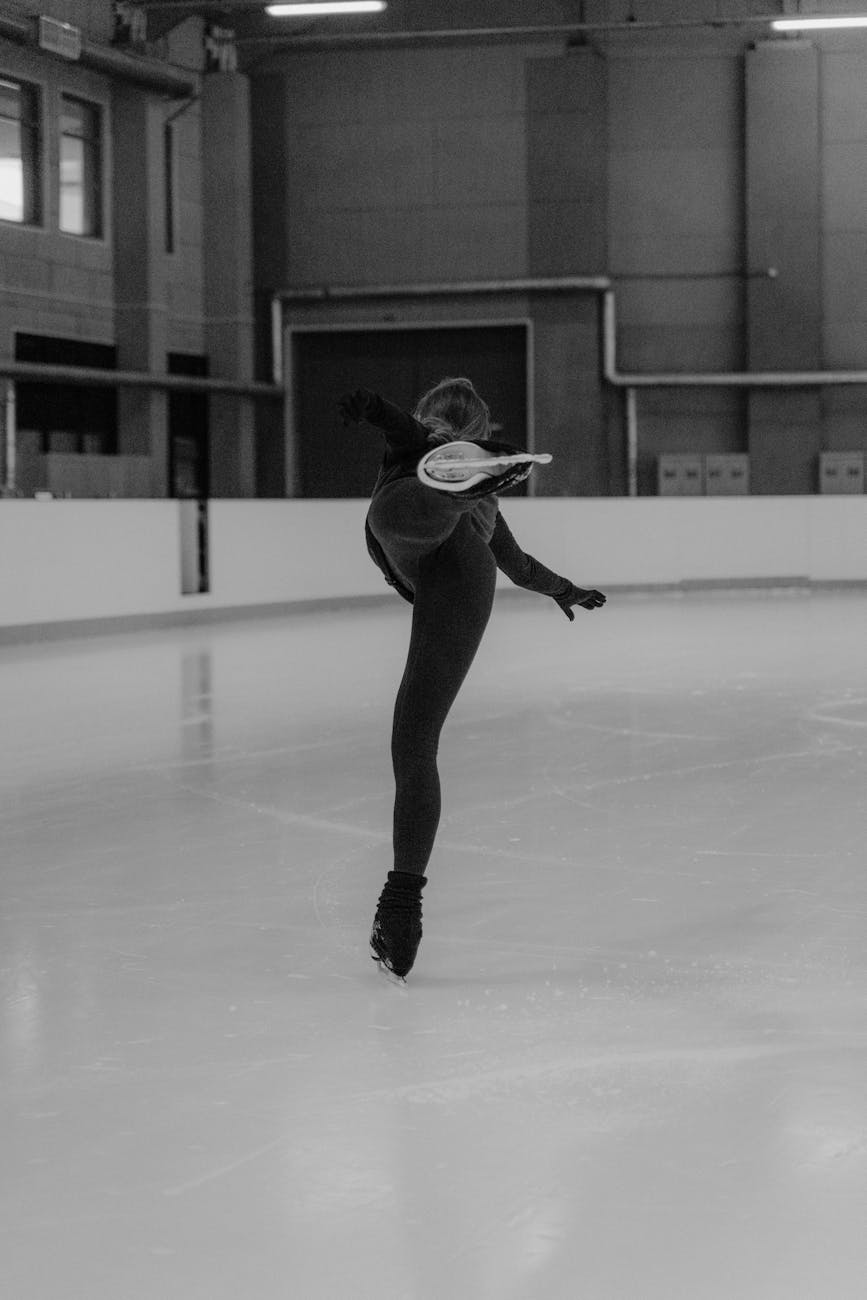
When that happens, even the things we love can begin to feel heavy. You may scoff at the idea that expectations can weigh so heavily, but consider the world of elite athletics. During the recent Winter Olympics, the world watched in awe as figure skater Alysa Liu performed with what could only be described as unrestrained joy.

Not long ago, she had stepped away from the sport entirely. The pressure, the constant scrutiny, and the relentless push toward winning had transformed her love of skating into something burdensome. Burnout followed close behind. But when she returned, she did so on her own terms, with one simple rule: she was there to have fun.

And suddenly, everything changed.

Her skating appeared effortless and relaxed. The tension was gone. Instead of skating cautiously under the weight of expectation, she moved with the freedom of someone who had remembered why she loved the ice in the first place. That joy was contagious. Viewers could feel it through the screen.

Ironically, when she stopped chasing the gold medal, it found her anyway.

The Olympics also remind us of the other side of the coin. Even the most extraordinary athletes can crumble under the immense weight of expectation. We watched this unfold in recent years when Simone Biles stepped back to protect her mental health. And this past winter, Ilia Malinin carried the kind of pressure that comes from being called a once in a generation talent.

This is not an indictment of any of them. If anything, it is a reminder of how human we all are.

Photo by Tima Miroshnichenko on Pexels.com

I know that pressure well myself. I have shared before that public speaking and violin auditions once triggered intense anxiety for me. What had once been joyful became something to dread. Performance turned into judgment. Eventually, I stopped playing for many years altogether, silencing a part of myself that once brought me immense joy.

But the strange thing about joy is that it often waits patiently for us to rediscover it.

When we allow space for play, when our work becomes exploration instead of obligation, something shifts. We loosen our grip on perfection and suddenly our creativity can breathe again. Our spark returns.

And sometimes that spark does more than illuminate our own path.

It becomes a catalyst for others. Perhaps that is what I am learning in this strange season of flooded basements and fledgling businesses. Progress is rarely tidy. The best things in life are rarely perfect. They are messy, unpredictable, occasionally inconvenient, and often accompanied by a small amount of water damage.

But they are also alive.

So I will continue writing, even if Wednesday occasionally becomes Thursday. I will continue building this business, even if the process involves a few wrong turns and lessons learned the hard way. I will continue picking up the violin, even if the notes are not always as polished as they once were.

Perfection may impress people from a distance. Joy invites them closer. So, dear reader, perhaps the real invitation is this: release the crushing weight of expectation. Allow yourself to try, to stumble, to learn, and occasionally to laugh at the absurdity of it all. Let your aspirations guide you, but do not allow them to chain you. And when life floods your basement, metaphorically or otherwise, remember that grace often begins the moment we stop demanding perfection.

After all, a life well lived is rarely flawless.

But it is very often joyful.