Opening the Tupperware

I think it is fair, dear reader, to believe that there are many of you who have gone through trials and tribulations in this life. It is also fair to believe that there are many of you who have not made it through those trials unscathed. You may think that you are irreparably broken from the experience. I assure you, you are not. You are probably quite resilient and resourceful. However, you may not yet realize it and I do not think you are entirely to blame. 

Something that frequently irritates me is the media’s depiction of healing. A character suffering from PTSD suddenly has a realization that they are able to face their fears and suddenly the flashbacks stop. A story about a girl grieving the loss of her mother goes back to being happy by writing a letter, stuffing it in a bottle and throwing it in the ocean. Healing is done through a flashbulb moment, a small act or a one time therapy session with a counselor. So when we have our flashbulb moments, take those small acts and go to counseling and we still aren’t “fixed”, we begin to wonder if we will ever be healed. Because why wouldn’t we question our ability to heal when the narrative we’ve been given is that it’s quick and easy. 

It’s like everything else in our society, we want a quick solution without a lot of effort. Take this shot, you’ll lose weight. Play this game for 10 minutes a day and you’ll be fluent in Spanish months! Go to counseling for a few sessions and your trauma will be cured. And you won’t ever have a set back again! 

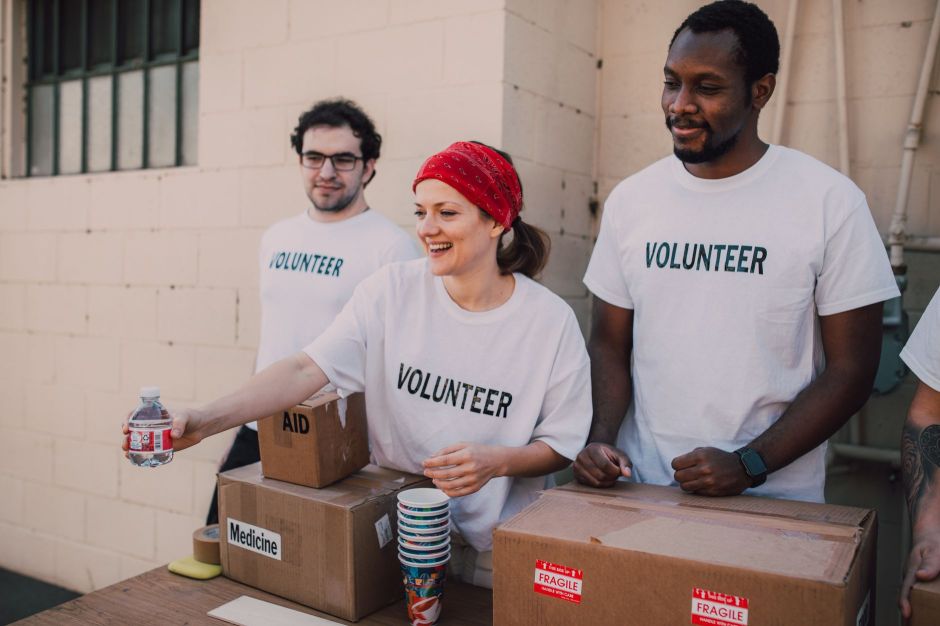
Photo by Antoni Shkraba Studio on Pexels.com

The truth is that isn’t how healing works. It’s a messy, difficult and sometimes frustrating process. It’s taking what feels like three steps forward only to fall five steps back and then have to walk three steps forward to have taken one actual step. It’s like cleaning out the refrigerator where you have to open the old tupperware knowing that you’re about to discover what might be the start of new intelligent life because you’ve allowed it to evolve for so long. No one wants to open the tupperware to see what’s inside and unlike the tupperware you don’t have the option to just throw the whole thing in the trash. You have to open it up and deal with whatever you find, no matter how unpleasant. 

Emotions, unfortunately, require care and ignoring them doesn’t make them go away. Because when we turn off our ability to feel the negative emotions, we also turn off our ability to feel positive emotions. That’s why we can end up feeling emotionally numb even when the difficult times are over and we don’t understand why we can’t be happy now. No one wants to sit in the negative emotions. We often jump to problem solving or attempting to reason with them rather than simply sit and hold space for whatever may be there. 

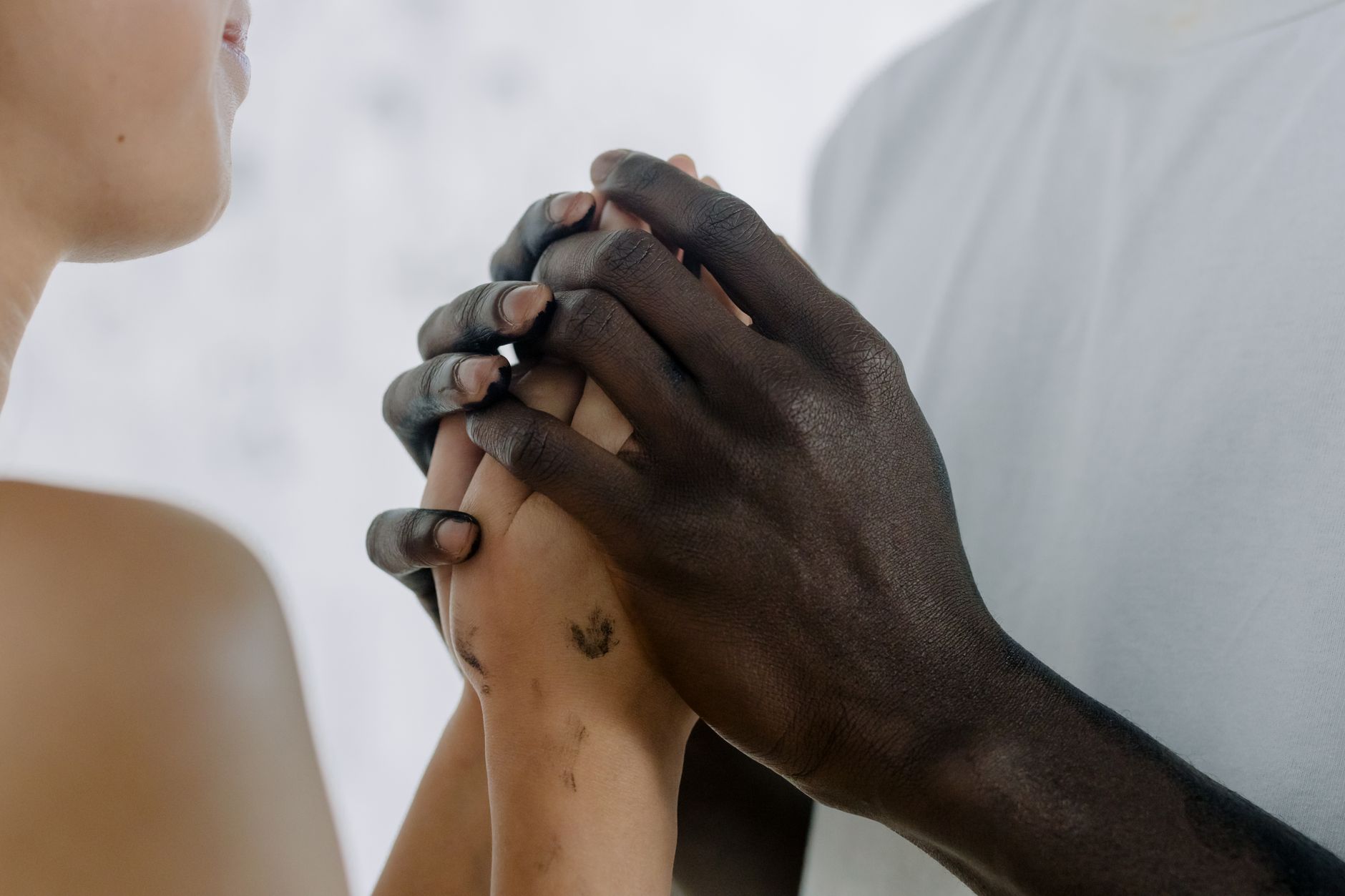
Photo by Julio Motta on Pexels.com

You don’t want to face it because it’s not enjoyable but the only way to the other side is through it. Not once, not twice but again and again and again. Because processing once often isn’t enough, not with more complex and complicated issues. If it were, you could just write a journal entry and be on with your life. What really sucks is when you you think you’re good only to get into a situation many years later where you’re triggered all over again. So you take deep breaths, count out 5 things you can see, four things you can hear, three things you can feel, two things you can smell and one thing you can taste – an excellent grounding technique. You remind yourself that you’re in the present and that what you’re responding to is in the past. It’s followed by the frustration of not being “over it”, forgetting that our emotional minds aren’t subject to logic or even the constraints of time. 

If you aren’t going through something then chances are you know someone who is and it can be tempting to try and fix the problem. Remember your presence is all that is required to let them know that they aren’t alone. 

If you find yourself overwhelmed in your healing journey, I recommend reaching out to your supports and consider expanding your support system as well whether that be a therapist, counselor, life coach, priest, etc. 

This isn’t a post about how to heal, but rather about being kind to yourself in the process. Healing isn’t linear nor is grief. It’s a process that’s often circular, confusing and paradoxical. Which is, honestly, the human experience. In living a life well lived, taking the time to allow ourselves to feel the full spectrum instead of trying to rush through it can be one of the best things you can do because healing takes time. 

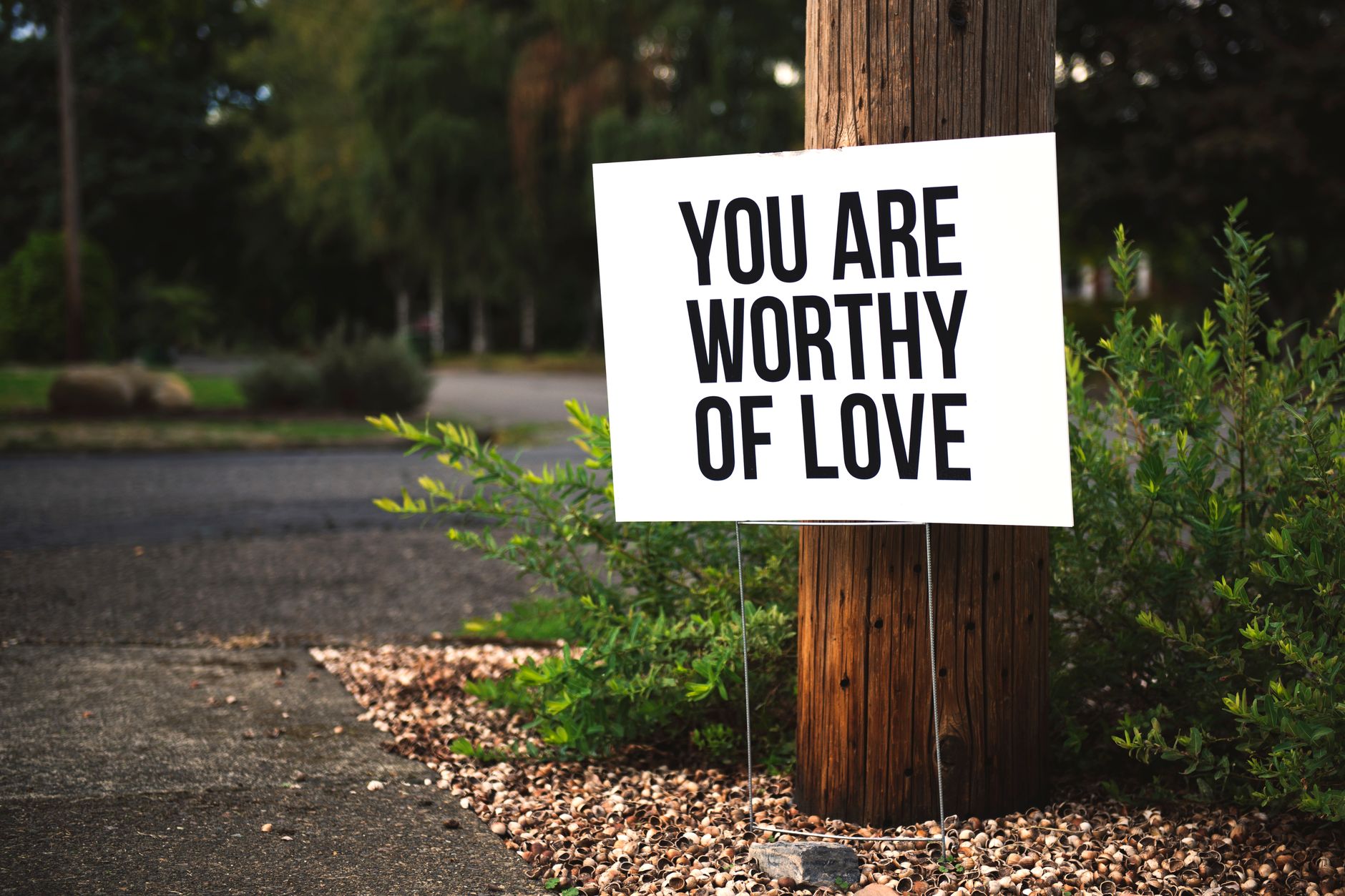
Photo by Vika Glitter on Pexels.com

Paris, Part 5: A Perfectly Imperfect Weekend

The day was winding down. The museum had closed, and the sun was beginning its slow descent. Erika and I stepped out into the cool, crisp spring air, the kind that carries just a hint of evening chill beneath the fading warmth of the day.

The urgency that had driven us, our mad dashes across the city, our constant checking of maps, began to dissolve. In its place came something softer. A quiet curiosity. Without a list to check off, we were once again free to fully embrace the moment. 

We wandered without purpose through streets washed in dusky light, watching as Paris slowly stirred to life for the night. Café lights flickered on one by one. The low hum of conversation drifted out onto the sidewalks. Glasses clinked. Laughter rose and fell like a tide.

Paris, it seemed, was just waking up.

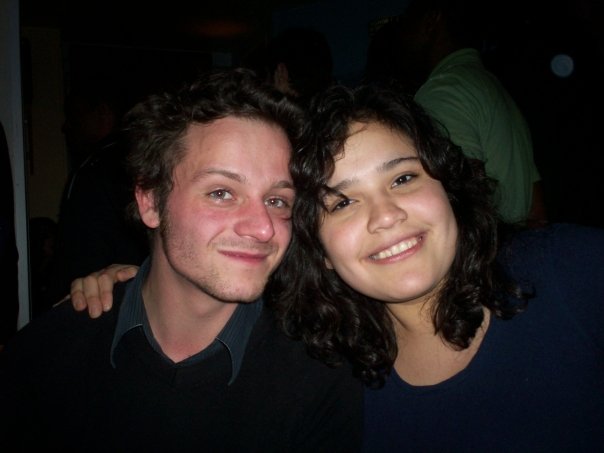
It was in this gentle wandering that we met Julian and his girlfriend, Sandra.

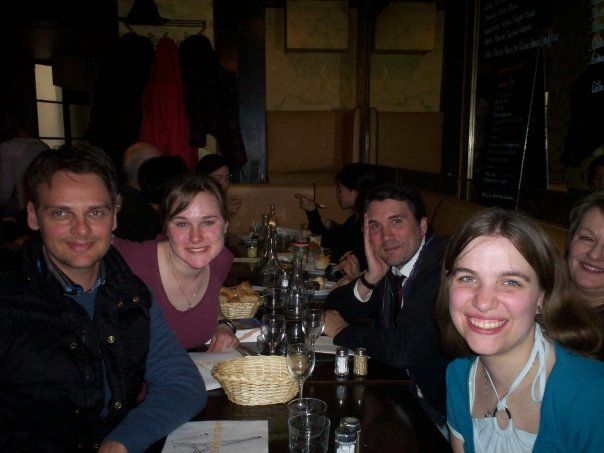
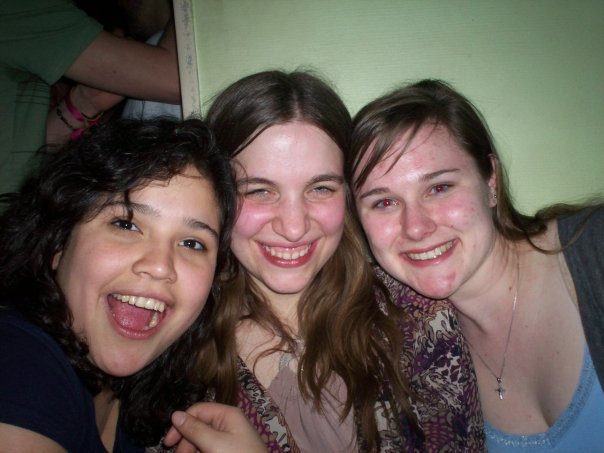
They asked what had brought us to Paris, and we answered in kind. Soon, we were deep in conversation, trading stories of our lives, ours in America, theirs in Paris. There is a certain kind of fleeting camaraderie that forms in moments like these, where neither side expects permanence, and yet both lean fully into the connection.

For a few hours, we were simply part of one another’s stories.

They led us to a club, one far removed from anything we had originally planned.

It was the sort of place where locals belonged, where the rhythm of the night pulsed differently. It was tucked along a street. Do not ask me where, for I doubt I could find it again. With a nod from Julian to the bouncer, we slipped inside, crossing an invisible threshold into another version of Paris.

The air was warm and thick with music. The dim light created an intimate atmosphere like it was holding a secret only Parisians knew. We sipped wine and talked, our voices rising to meet the hum of the crowd as the hours stretched on.

And then, suddenly, the room erupted.

A woman appeared, dressed in something delightfully eccentric, a candle balanced atop her head (and I am not entirely sure if her chest was bare, she had on quite the number of necklaces). She sang loudly, joyfully, with a theatrical abandon, moving with a confidence that demanded attention. The crowd joined her instantly, clapping, singing, cheering.

Sandra leaned in to tell us it was her birthday.

It was not how I would have chosen to celebrate, but who was I to question a Parisian in her element?

As the night wore on, exhaustion crept in, the kind that settles deep in your bones after days of walking, of seeing, of feeling everything all at once.

Reluctantly, we apologized and said our goodbyes.

We exchanged Facebook information with every intention of keeping in touch. But as life so often goes, we never did.

Some things, perhaps, are meant to remain exactly where they happened.

In Paris.

Back at the hostel, I checked my email and confirmed our meeting place with Frieman.

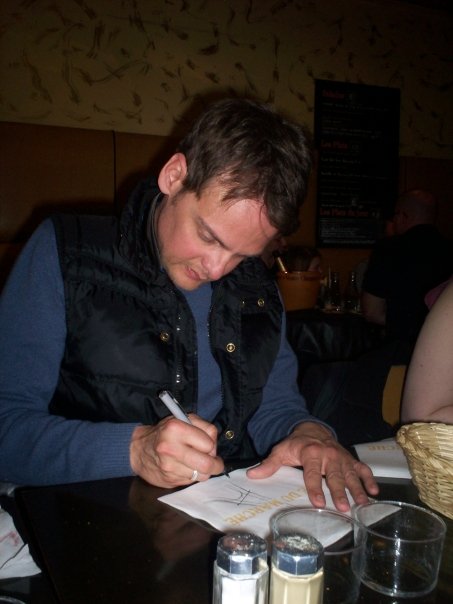
The next morning, we set out once more into the city, this time successfully finding him. Though we did not have long together, we lingered over lunch, swapping stories and savoring the flavors of a city that had already given us so much. He drew me a small Eiffel Tower on a napkin, the perfect memento of my trip. 

After lamenting our struggles with the metro, Frieman kindly took the time to explain it to us. Confident now, we set off to retrieve our luggage before catching our train.

We followed his directions carefully.

At least, we thought we did.

Emerging from the metro into the bright spring afternoon, we found ourselves somewhere entirely unexpected.

The red light district. 

We stood there for a moment, taking it in, the bold storefronts, the neon signs, the unapologetic nature of it all.

Then we looked at each other and burst into laughter.

Never one to miss an opportunity, I leaned in and said, with what I hoped was convincing innocence, “Well… since we’re here, and we’re both engaged, we may as well find something memorable for the honeymoon.”

Smirking and trying not to laugh too loudly, we stepped into a shop and that may or may not have been our only stop.

What exactly we purchased shall remain between Erika and me, and left to your imagination, dear reader.

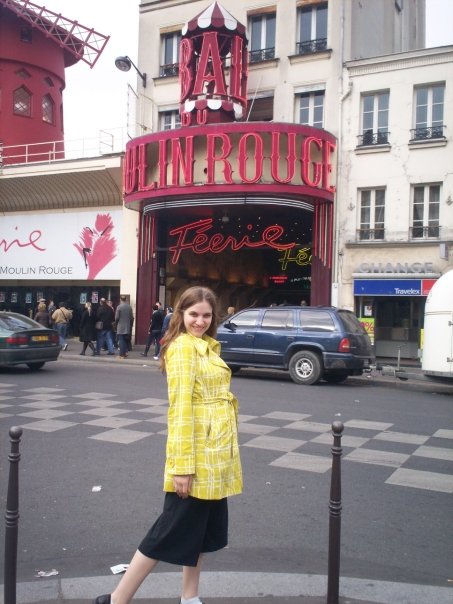
But we did make certain to stop for a picture in front of the Moulin Rouge before making our way back to the hostel… and eventually, to the train. Only stopping a few times to ask for directions from bemused shop owners. 

All in all, it was a weekend in Paris well spent.

A true bucket list adventure, full of mishap and magic, art and laughter, wine and wandering, fleeting friendships and unexpected stories.

And perhaps that is what travel is meant to be.

Not a perfect itinerary.

But a collection of moments, some planned, many not, that come together to form something far richer than anything we could have designed ourselves.

If the Mask Came Off, Would You Recognize Yourself?

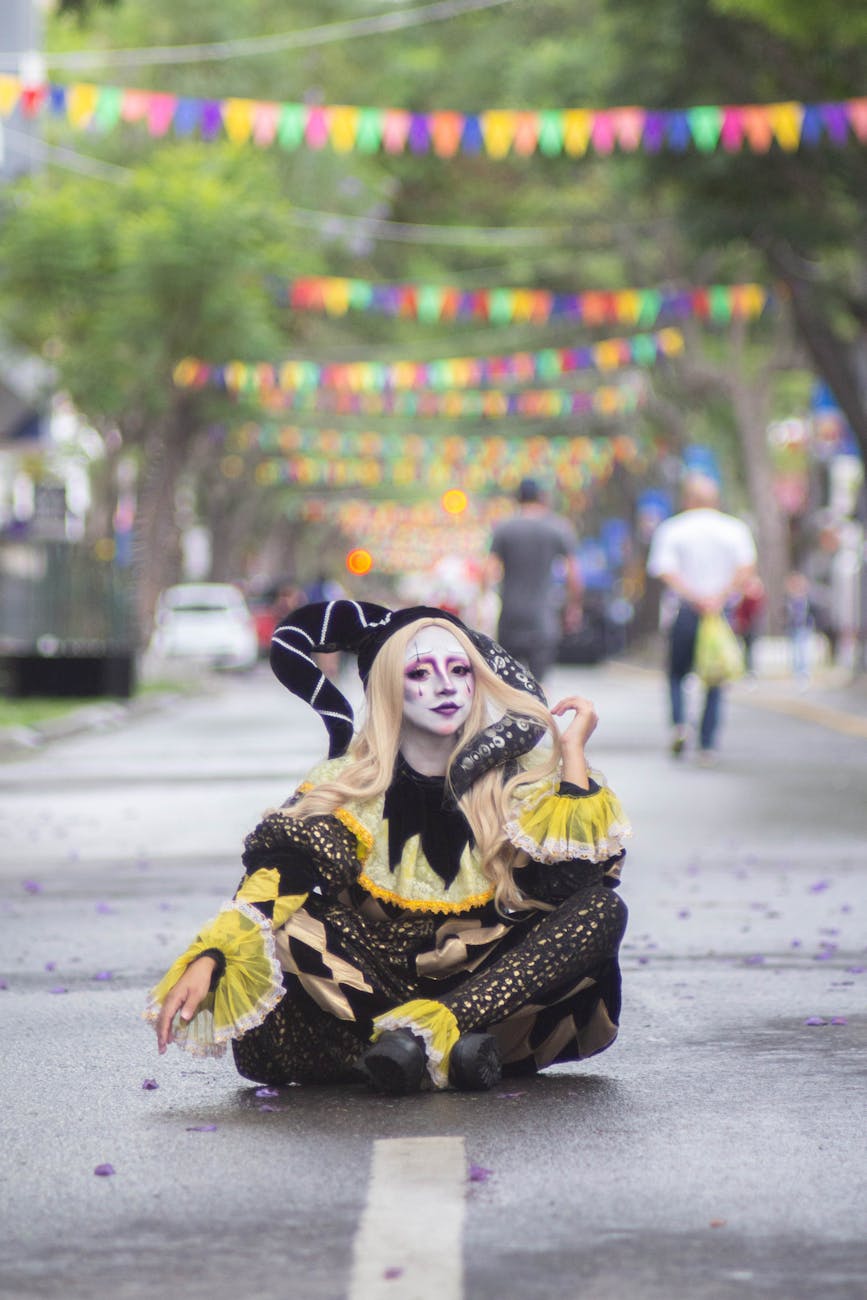
We live in a digital age where we can curate our lives to project an idea of who we are into the world. Are we bubbly and outgoing? Sophisticated and refined? We can place almost any lens or filter over our photos and our lives. With artificial intelligence, that line blurs even further. We can compose music, generate art, write entire essays, and pass them off as our own. We can feed in a photo and receive a picture-perfect version in return.

All of it in pursuit of likes and comments.
All of it for confirmation that we are enough.

Which is what we’re all striving for, isn’t it?

It becomes easy to let these illusions shape our identity. The mask we wear for acceptance begins to fuse with who we are. Much like The Mask, it clings to us until we can no longer separate it from our face. And without it, we’re not entirely sure who we are.

Maybe when you were younger, your father took you to baseball games. You wore the jersey, learned the lingo, found community in the crowd. When he asked if you wanted to play, you said yes. You spent your childhood in a sport that never quite fit, quietly forgetting about the gymnastics class you once wanted to try. When the Olympics came on, you changed the channel rather than sit with the ache in your chest as athletes flipped and soared with ease.

After all, that’s not what earns a high five from Dad.
That’s not what earns acceptance.

Photo by Zen Chung on Pexels.com

Or maybe you were told you were too loud, so you became soft. Too much, so you became small. You watched a sibling get scolded for being wild, so you became controlled, composed. You saw a parent retreat when overwhelmed, so you learned to hide your emotions. You absorbed opinions about “the kind of people” who go to college or work with their hands, and somewhere along the way, your own desires got quieter.

Without the judgment of others, who are we?
What do we actually like?
What are our passions?

If no one were watching, what would we choose?
If no one were clapping, what would we keep?

Deciding to live authentically is not a small thing. Especially when our relationships have been built on versions of ourselves that were easier to accept. There’s a quiet fear that lingers: Who stays if I change? If they really see me, will they accept me? If I tell them my truth, will I be cast out? They say they love me, but if they never knew who I really am, was it ever actually love?

Not every truth is seismic. Not every revaluation risks losing everything. Sometimes it’s quieter. You grow up dismissing a genre of music you’ve never actually heard, repeating what you were taught. Then one day, you listen. And you like it. You begin to question what else you’ve inherited without examination.

You realize how much of you was shaped before you ever had the chance to choose.

Of course, not all of this comes from a place of harm. A father may have brought his child to baseball games simply to connect, to give what he never received. A mother may have hidden her tears to protect her child from carrying burdens that were never theirs to hold.

But even well-intentioned messages can clip our wings.

Photo by Camilo Ospina on Pexels.com

We try on identities like hats, convinced they fit, until one day they don’t. We outgrow them. Or maybe we never grew into them at all. We become fractured. The version of us at work looks different from the one at a party, which looks different from the one who sits alone in the quiet.

And eventually, the question surfaces:

Who am I, really?

Maybe that’s the real fear.
Not that others won’t recognize us…
but that we won’t recognize ourselves.

If the mask came off, would you recognize yourself?

Paris, Part 2: Walking the City and Choosing What Matters

Forgive the brief interlude in my tale of Paris, but as you well know, I always sprinkle tidbits of wisdom between my stories of adventure. After all, I don’t just want you to go off and have fun. I truly hope this is a place where we can grow together and create lives punctuated by adventure rather than longing for it as an escape from daily misery.

Now, we left off, dear reader, with my arrival: tired and exhausted from a sleepless night but pumped full of adrenaline, the equivalent of five or six cups of coffee coursing through my veins.

I had already gotten thoroughly lost on the way to the hostel and had largely given up on public transit as a viable means of navigating the city. Honestly, that’s only a feat a young twenty-something can get away with.

Now, I’m not entirely certain what the rules are for crossing the streets in Paris, but they did not appear to follow the ones I had grown up with. There were multiple occasions when the light was clearly red and people were walking, and others when it was green and everyone simply stopped.

Both my travel partner and I were quite confused by this apparent inconsistency.

It was decidedly not like Germany, where people display an almost obsessive adherence to rules. Even if there isn’t a car in sight, they will dutifully wait at the crosswalk until the light indicates it is time to cross.

However, after one or two close calls with traffic, we simply looked at each other, shrugged, said “when in Rome,” and followed the Parisians for guidance, forgoing the lights entirely since they clearly could not be trusted.

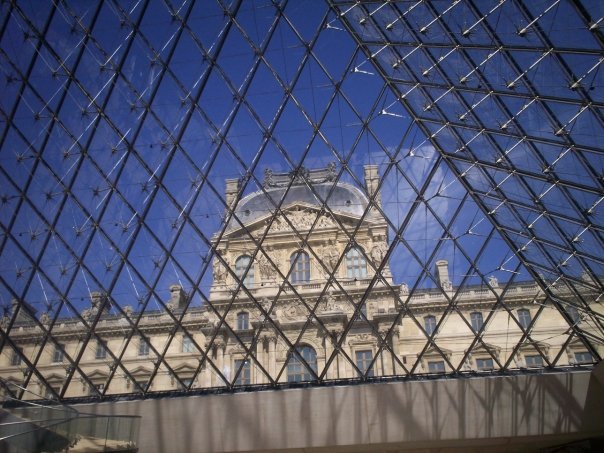
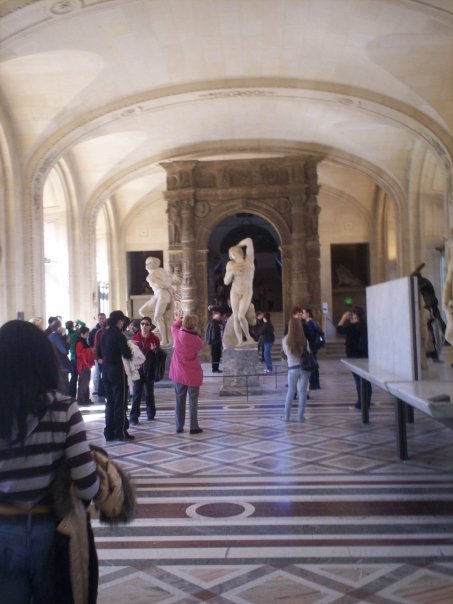
Our first stop was the Louvre, which is a must for any lover of art and history. Not only does it house one of the most famous paintings on earth, it is also the largest and most visited art museum in the world.

Originally built as a fortress and later expanded into a royal palace, the Louvre now spans roughly 2.3 million square feet. Of its approximately 380,000 objects, around 35,000 are on display at any given time.

Considering it would take over three months to see the entire collection, we decided to focus only on the highlights and the pieces that spoke most to us.

There are plenty of guides that will tell you the “must-see” works at the Louvre. But if something doesn’t speak to you, skip it. Focus on the areas of art and history you genuinely enjoy.

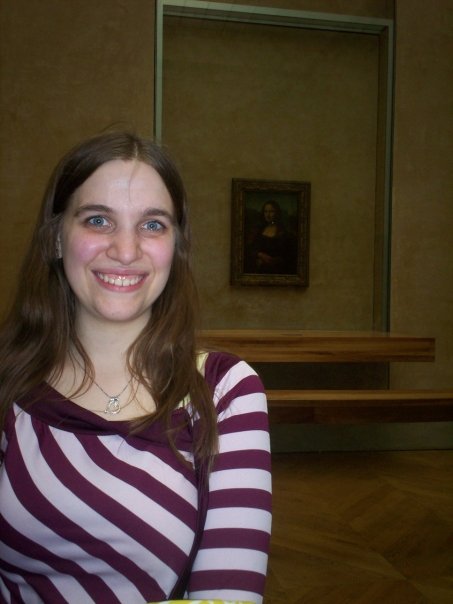
I, for one, would recommend skipping the Mona Lisa.

All it really amounts to is a photo opportunity for social media. It’s tiny, placed behind thick glass in a poorly lit room with hundreds of people pushing and shoving for a better look. You’re honestly better off googling a picture for all you’ll actually see.

Any contemplative awe you might have felt is drowned out by the din of the crowd and the smell of raised armpits as phones are hoisted into the air for a better shot.

If you aren’t paying attention, your belongings might get nicked, and you could spend the rest of your Paris trip trying to recover stolen credit cards while cursing the day you were introduced to the pernicious lady with her sly smile.

After all, she too was once stolen. Why not cavort with thieves once again?

As I’ve said in other posts, don’t let other people’s opinions dictate what you do or do not do. So if you must see the Mona Lisa, I shall not judge you for it.

Just remember that the Louvre houses centuries of art, offering millennia of history to explore, not just stuffy Italians and pretentious French painters.

Its oldest piece is estimated to be around 9,000 years old and is well worth the trek to see.

Since I was traveling with an archaeology major, we spent most of our time in the Greek and Roman sections, along with some of the French collections.

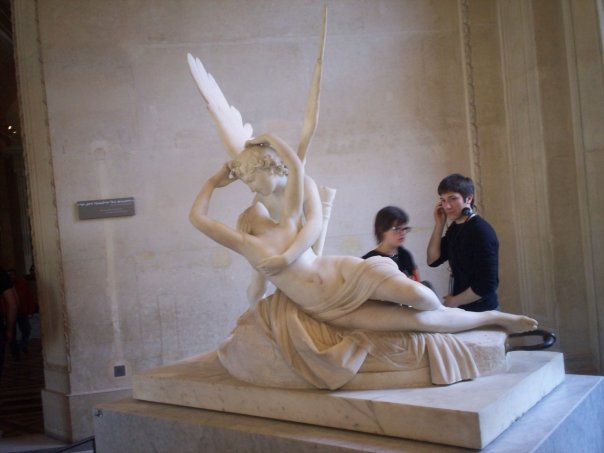
My personal favorite was the sculpture Psyche Revived by Cupid’s Kiss. Not because I have a particular fondness for eighteenth-century French sculpture, but because one of my favorite books is Psyche and Cupid by C. S. Lewis.

Art isn’t always just about what the artist intended, its place in history, or the techniques used. It is also about what it evokes in us.

I would argue that this is what art is most about: what we bring to the moment of encounter.

When I looked at that sculpture, I did not simply see the Greek myth. I saw it retold through a different lens. A revival not just of Psyche, but of myself.

Small tip: book your ticket in advance.

Prior to the pandemic, the best way to get into the Louvre was through one of the side entrances to skip the long lines. However, with its ever-growing popularity, daily visitor numbers are now capped, meaning the only way to guarantee entry is with a pre-booked ticket.

Sorry to all my free-spirited wanderers.

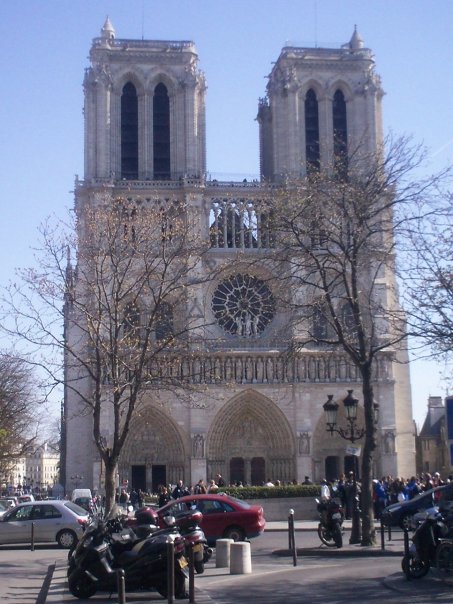
Having conquered a small portion of the Louvre, we ventured forth to the Lady of Paris: the Notre Dame Cathedral.

Walking through Paris instead of taking public transit allows you to experience the city in a completely different way. You breathe it in.

On foot, you notice the small shops and hidden corners that would otherwise blur past from a bus window or subway seat. The scent of coffee lingers in the air as you stroll by cafés, while the temptation of fresh-baked bread drifts from bakeries onto the street.

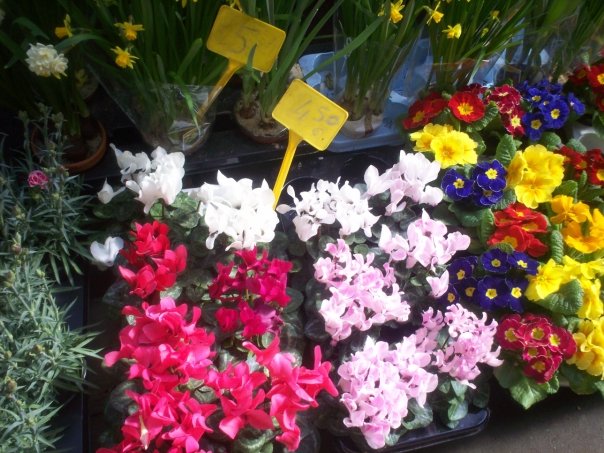
In early spring, the flowers spill across the sidewalks and painters emerge as if the season itself has burst through the concrete, refusing to remain buried beneath winter any longer.

Everywhere is a riot of color and life. Musicians greet you with cheerful melodies, and you cannot help but sway your hips just a bit in time with the music.

It was on our way to Notre Dame that we stumbled upon an artist selling watercolor paintings of the Eiffel Tower, the Arc de Triomphe, Notre Dame, and the Basilica of the Sacred Heart of Montmartre.

For a set of four, it was perhaps forty euros, an absolute steal, and it was there that my habit of buying art as a souvenir was born.

Erika and I split the cost and decided we would determine who received which painting at the end of the trip.

Long before we saw its doors, the twin towers of Notre Dame rose proudly above the surrounding buildings, beckoning us closer.

The cathedral was completed in 1260, though additions were made in the centuries that followed. Like any church nearly eight hundred years old, it has seen its share of glory and hardship: wars, neglect, desecration, and most recently, fire.

Fortunately, we visited before the fire and the subsequent debates over the restoration of its windows.

As a Christian myself, I was fascinated by the displays of Catholic artifacts that told the story of the church’s role in medieval Europe. I saw relics carefully displayed and read about how the church intersected with everyday life in the heart of France.

However, much like the Mona Lisa room, it was not a place of hushed awe but rather a chaotic stream of tourists passing through.

Contemplation was not something I readily found there. (For that, I recommend seeking out some of the lesser-known churches.)

By this point my legs were beginning to feel the day’s journey, but that did not dissuade me from climbing to the top of the cathedral to take in the city below.

From there we saw, glittering in the bright spring sun, the white dome of the Basilique du Sacré-Cœur.

At the time, I must admit my ignorance. I had never heard of the church, and neither had Erika.

She suggested we should visit it.

I squinted across the grid of busy streets at what appeared to be an impossible distance to walk and declared quite confidently that there was absolutely no way I would trek all the way there.

Oh, dear reader, how the universe loves to laugh at the things we believe are beyond us.

For unbeknownst to me, I would indeed walk there.

But that is a story for another day.

And so, in the interest of time, I must pause my tale here.

You will have to return for Part Three.

Grace Over Perfection

Dear reader, first, allow me a brief apology for my slight inconsistency in posting. As I have previously shared, I am in the process of starting my own business, and that adventure has proven to be a bit more of an undertaking than it first appeared. There have also been a number of misadventures on the home front, including a flooded basement.Worry not for my misfortunes though. I assure you that everything is well in hand, aided by my signature sarcasm, a few well placed witty quips, and an almost stubborn ability to find the silver lining in nearly any situation.

Life, after all, is largely about navigating the slings and arrows of outrageous fortune with a bit of grace. Lately, that grace has been directed inward. It would be easy to begin beating myself up over the missed, self imposed deadline of faithfully posting each Wednesday. I am, after all, a bit of a recovering perfectionist. The familiar spiral is always waiting: berating myself, stressing over unmet expectations, and allowing those expectations to quietly dictate my sense of self worth.

But let us be honest for a moment. Is my self worth really tied to my ability to publish a blog post on schedule? Is it tied to the success of this new business venture? To my accomplishments, my travels, or the neat little checkmarks on a to do list?

Photo by RDNE Stock project on Pexels.com

Of course not.

And yet, that is the trap of perfectionism. It persuades us to tether our value to outward measures. What begins as a guiding star slowly becomes a chain. Aspirations harden into obligations. Joy drains out of the very pursuits that once inspired us.

When that happens, even the things we love can begin to feel heavy. You may scoff at the idea that expectations can weigh so heavily, but consider the world of elite athletics. During the recent Winter Olympics, the world watched in awe as figure skater Alysa Liu performed with what could only be described as unrestrained joy.

Not long ago, she had stepped away from the sport entirely. The pressure, the constant scrutiny, and the relentless push toward winning had transformed her love of skating into something burdensome. Burnout followed close behind. But when she returned, she did so on her own terms, with one simple rule: she was there to have fun.

And suddenly, everything changed.

Her skating appeared effortless and relaxed. The tension was gone. Instead of skating cautiously under the weight of expectation, she moved with the freedom of someone who had remembered why she loved the ice in the first place. That joy was contagious. Viewers could feel it through the screen.

Ironically, when she stopped chasing the gold medal, it found her anyway.

The Olympics also remind us of the other side of the coin. Even the most extraordinary athletes can crumble under the immense weight of expectation. We watched this unfold in recent years when Simone Biles stepped back to protect her mental health. And this past winter, Ilia Malinin carried the kind of pressure that comes from being called a once in a generation talent.

This is not an indictment of any of them. If anything, it is a reminder of how human we all are.

Photo by Tima Miroshnichenko on Pexels.com

I know that pressure well myself. I have shared before that public speaking and violin auditions once triggered intense anxiety for me. What had once been joyful became something to dread. Performance turned into judgment. Eventually, I stopped playing for many years altogether, silencing a part of myself that once brought me immense joy.

But the strange thing about joy is that it often waits patiently for us to rediscover it.

When we allow space for play, when our work becomes exploration instead of obligation, something shifts. We loosen our grip on perfection and suddenly our creativity can breathe again. Our spark returns.

And sometimes that spark does more than illuminate our own path.

It becomes a catalyst for others. Perhaps that is what I am learning in this strange season of flooded basements and fledgling businesses. Progress is rarely tidy. The best things in life are rarely perfect. They are messy, unpredictable, occasionally inconvenient, and often accompanied by a small amount of water damage.

But they are also alive.

So I will continue writing, even if Wednesday occasionally becomes Thursday. I will continue building this business, even if the process involves a few wrong turns and lessons learned the hard way. I will continue picking up the violin, even if the notes are not always as polished as they once were.

Perfection may impress people from a distance. Joy invites them closer. So, dear reader, perhaps the real invitation is this: release the crushing weight of expectation. Allow yourself to try, to stumble, to learn, and occasionally to laugh at the absurdity of it all. Let your aspirations guide you, but do not allow them to chain you. And when life floods your basement, metaphorically or otherwise, remember that grace often begins the moment we stop demanding perfection.

After all, a life well lived is rarely flawless.

But it is very often joyful.

Rethinking Love in February

Love is in the air, or at least Valentine’s Day is.

It’s the time of year when the town is painted red, couples linger a little closer, and a different kind of warmth permeates despite the bitter chill of winter. The days are growing lighter. Spring is promised. Something soft waits patiently beneath the cover of snow.

And yet, Valentine’s Day carries a strange contradiction.

Did you know it is one of the most common days for breakups?

For a holiday brimming with sappy poems, fragrant flowers, and sweet chocolate, it has earned a surprisingly bitter reputation. Perhaps that is because a day devoted to love forces us to reflect on what love actually is… and sometimes, upon closer examination, we discover that what we thought was love… wasn’t.

Believe it or not, our culture, and often even our families, do a poor job of teaching us what real, authentic love looks like.

We talk about butterflies in our stomachs and feeling lightheaded from a kiss. In love songs, boundaries blur and two people fuse into one. In stories, love is intense and consuming. The hero protects the heroine, but also possesses her, sealing devotion with the words: “You are mine.”

Sometimes we are taught to view love through obligation and duty. Love becomes something we owe. Something we earn by fulfilling expectations and playing our roles correctly. Love becomes sacrifice at the expense of the self.

Photo by Pixabay on Pexels.com

But is that love?

I would argue that these versions are infatuation at best, and unhealthy, even abusive, at worst. And yet, between cultural depictions and our own internal patterns, we often confuse what love is.

We learn from our earliest experiences what love looks like. As we grow older, we don’t always seek what is healthy, we seek what is familiar.

I could list a million examples of unhealthy love. I could write out endless red flags. But the problem with red flags is that if something doesn’t match them exactly, we may dismiss what we feel.

We tell ourselves, “Well, it’s not abusive.”

And yet, something can fall short of abuse while still falling far short of love.

That is why I want to focus instead on what healthy love actually looks like.

Across poems, philosophy, research, and human experience, certain themes arise again and again. Love is more than a feeling or an attachment. Healthy love is a consistent presence, the willingness to stay, not because one must, but because one chooses to.
And while love may cost us something at times, it should never come at the cost of ourselves.

Healthy love is not self-erasure. It is not martyrdom. It is a widening sense of us that still contains a me. Sacrifice in love should not diminish either partner, but strengthen both.

To love someone is also to truly see them.

Love recognizes the beloved as they are: flawed, human, singular, worthy. Love says, “You matter. You are not interchangeable. You cannot simply be replaced.”

Love is not possession. It is not fear disguised as devotion. Nor is it the merging of two souls into one entwined being, as popular as the fated-mate trope may be.

Photo by Pixabay on Pexels.com

Love does not have chains.

It is choice and freedom.

Healthy love enhances rather than restricts. It fosters growth rather than suffocation. One person is not diminished so the other can shine. Both are made better, not because they complete one another, but because they support one another.

In short, healthy love is a relationship where both people feel emotionally safe, seen as they are, and free to grow without fear of punishment, abandonment, or control.

Love says:

“I won’t disappear when you’re inconvenient.”
“I won’t punish you for being human.”
“I won’t leave you alone in your pain.”

But healthy love does not say:

“I will erase my own needs.”
“I will surrender my boundaries.”
“I will make your suffering my identity.”

Love is safety for both.

It allows both partners to exist without feeling they must earn their right to be there.

And perhaps that is the quiet challenge of Valentine’s Day, beneath all the roses and romance. Love is not something waiting for us in some distant future, once we are finally healed, finally perfect, finally enough. It is something we practice in the present, in the relationships we choose, in the boundaries we hold, in the way we refuse to mistake survival for devotion. A life well lived is not built “someday.” It is built here, now, in the steady courage to believe that love can be both real and safe, and that we are worthy of it exactly where we are.

Photo by Rogu00e9rio Souza on Pexels.com

Stop Waiting for the After

After the trip. After things calm down. After I fix myself. After I get my finances together.

Always after. Always somewhere in the future.

We tell ourselves these stories so often they begin to feel like truth. Life will really begin once the chaos settles, once we become more disciplined, more organized, more healed, more prepared. Until then, we endure. We keep our heads down, grit our teeth, and tell ourselves this is just a season—even when that season stretches on for years.

And yet, time has a way of slipping through our fingers when we are always waiting. One day we look up and realize we have not so much lived as survived. The days were filled. The calendar was full. But the life itself felt strangely absent.

Of course, there were moments of joy. There always are.

A long-awaited weekend getaway. A carefully planned weeklong vacation. Maybe, if we were especially lucky or brave, a two-week escape that felt almost indulgent. These moments gave us oxygen. We counted down to them obsessively, letting anticipation carry us through exhausting workweeks. The promise of rest, novelty, and beauty became the thing that kept us moving forward.

For a brief while, we could breathe.

Photo by MART PRODUCTION on Pexels.com

But then the trip ended. The air thinned again. And the familiar weight returned, heavier somehow for having been briefly lifted. The emotional letdown after travel crashed over us like a wave, knocking us off our feet. What was meant to restore us instead highlighted how depleted we were the rest of the time.

I remember this feeling vividly after my very first cruise.

I had been so excited to experience it with my sister, who had gone on one before and filled my imagination with stories and photos. We planned everything meticulously, savoring the anticipation as much as the trip itself. And the week away truly was a dream. Swimming with dolphins. Snorkeling over a shipwreck. Walking along the famed pink beaches of Bermuda. For a few precious days, life felt expansive and light.

Then it ended.

I was sitting in a train terminal in New York, waiting for the train back to Philadelphia, when a familiar sense of dread began to creep in. My heart started pounding. My mind raced ahead of me, already back at my desk. Had I missed deadlines? What had happened with my clients while I was gone? What did my inbox look like? Would I be returning to chaos I could never quite get ahead of?

The anxiety built quickly, swallowing all the ease and joy I had felt just hours earlier. The relaxation I had carefully collected over the week evaporated, replaced by a sense of impending doom. I realized, with startling clarity, that the problem was not that the vacation was too short. It was that my daily life was unsustainable.

I did not stay at that job much longer.

Photo by Jill Wellington on Pexels.com

Looking back, I can see what was really happening. Time away had become the only time I felt fully alive. Travel was no longer something that enhanced my life. It was something that made my life bearable. It was not a chance to breathe deeply, but the only moment I was allowed to breathe at all.

That is a heavy thing to place on something meant to be joyful.

Travel, adventure, and novelty are not the villains here. They are generous teachers. They show us beauty. They remind us of wonder. They broaden our perspective and refresh our spirits. But when they become lifelines rather than highlights, they quietly reveal a deeper problem: a life structured in a way that requires escape.

It is hard to feel at home in your own life if every day feels like scaling a mountain rather than taking a gentle walk through the woods. When effort is constant and rest is rationed, even joy begins to feel transactional—something we earn only after enduring enough discomfort.

Living well does not happen by accident. It requires intention, attention, and a willingness to examine the parts of our lives we have normalized simply because they are familiar.

So what does it mean to design a life that supports you rather than one you need rescuing from?

It does not mean eliminating hard work or responsibility. It does not mean chasing constant happiness or turning every day into a highlight reel. It means building rhythms that allow you to inhabit your life rather than flee from it. It means making choices—sometimes small, sometimes uncomfortable—that reduce the daily friction slowly draining your energy.

Photo by Quincy Anderson on Pexels.com

It might look like boundaries that protect your evenings. Or financial systems that lower your baseline anxiety. Or a job that challenges you without consuming you. It might look like simplifying instead of accumulating, choosing enough instead of more, rest instead of relentless self-improvement.

Most of all, it means refusing to postpone your life until some imagined version of yourself finally arrives.

If we are always waiting to become someone better before we allow ourselves to live well, we may wait forever. Growth does not require self-denial as proof of worthiness. A meaningful life is not a reward reserved for those who have perfected themselves.

When we begin to live well now—imperfectly, quietly, intentionally—something subtle but powerful happens. Travel changes its role. Adventures stop carrying the weight of our unmet needs. They become what they were always meant to be: enhancements rather than escapes.

Instead of giving our lives color, travel adds highlights.

A beautiful trip becomes like the right accessory. It does not replace the outfit. It elevates it. It brings contrast, texture, and delight to something already functional and meaningful. The joy of returning home no longer feels like loss, but like integration—bringing what we learned and felt back into a life that can hold it.

This is not a call to stop dreaming, exploring, or longing for more. It is an invitation to stop living entirely in the future. To notice where you are postponing joy out of habit rather than necessity. To ask, gently and honestly, what would make this season more livable.

The goal is not to suck the marrow out of every moment. The goal is to stop starving ourselves the rest of the year.

A life you do not want to escape from does not have to be extraordinary. It simply has to be yours, tended to with care, lived in with intention, and allowed to matter right now, not later. So what are you waiting for dear reader? Go forth and create a life for now.

The Gift You Give Yourself

There comes a point in adulthood when you look around at your own life and realize just how much of it was built from other people’s expectations. Parents, partners, coworkers, even strangers on the internet all seem to carry opinions about what a “good” life should look like whether that’s the classic white picket fence and 2 kids, jetting around the world or having that corner office. With the shorter days and colder nights which entice us to stay inside sipping a warm cup of tea, December has a way of handing us a quiet pause in the middle of all that noise. In that stillness you can ask a gentler and more liberating question: What if the best gift you give yourself this year is a life that actually fits you? Not a life you are supposed to want. Not a life that earns gold stars. A life that feels like home when you step into it.

Most of us carry at least a few pieces of life that no longer fit. A commitment you keep out of habit. A routine that once served you but now drains you. A goal you set years ago that you are still dragging around even though it no longer reflects who you are. Just like clothes that shrink in the dryer, some roles tighten over time until they restrict your movement. One of the most compassionate things you can do for yourself is to notice what feels constricting. If something consistently brings dread or resentment, it deserves a second look.

Try asking yourself: What do I continue to do only because I feel I should? What parts of my week feel like a performance? What drains me more than it fills me? These small gut checks can reveal more truth than grand resolutions ever will. Because often resolutions are about adding things to our lives when maybe we should be asking what isn’t serving us anymore. 

Photo by The Lazy Artist Gallery on Pexels.com

Permission to Want What You Want

Wanting something different for your life can feel almost rebellious. We are taught early that desire is selfish or impractical. Yet desire is really a compass. It points you toward what brings meaning. The permission you refuse to give yourself is often the permission you most need. You are allowed to want a simple life. You are allowed to want a bold one. You are allowed to want rest, creativity, adventure, peace or a mix of them. 

Let go of the guilt around wanting something others do not understand. You do not have to justify your dream life like it is a court case. Your preferences do not require a panel of approval. They only require your honesty. After all, the only person who gets to live your life is you. They have their own. 

Every person inherits a set of default settings. These can be expectations from family, cultural messages or values absorbed without question. Some defaults are helpful. Others keep you living a script that never belonged to you. December is an ideal moment to ask where those settings came from. Did you choose them or were they assigned to you? Are they aligned with who you are now or with a past version of you who no longer exists?

Letting go does not always require a dramatic overhaul. It can be as simple as replacing one outdated belief with a more generous one. It can be as quiet as deciding your worth is not measured by productivity. Sometimes the life that fits begins with subtracting what never matched your shape in the first place.

Photo by Kassandre Pedro on Pexels.com

Crafting a Life That Fits

Once you clear the space, you can begin creating a life that feels right in your hands. Think of it like tailoring. Small adjustments can change everything. You might shift your morning routine to match your natural rhythm. You might redefine what rest means so it supports you instead of feeling like a guilty pleasure. You might choose relationships that nourish you instead of ones that keep you hustling for belonging.

Crafting a life that fits is not a single grand gesture. It is a set of choices made consistently. When something feels peaceful instead of performative, you are moving in the right direction.

A good life should give you room. Room to breathe. Room to change your mind. Room to fail safely. Room to explore new interests without embarrassment. If your life feels like a tight shoe, it is not a sign that you need to force yourself into it. It is a sign that you need to loosen the laces. When you prioritize a life that can expand with you, you trade perfection for sustainability. You also create conditions in which joy can actually take root instead of feeling like a visitor.

Photo by JESHOOTS.com on Pexels.com

A Gift You Keep Giving Yourself

The gift of a well-fitting life is not wrapped once and placed under a tree. It is something you give yourself again and again. Through honesty. Through reflection. Through paying attention to what your life is telling you. You will outgrow some things. You will discover new ones. You will learn what brings you back to yourself. The point is not to build a life that looks impressive. The point is to build one that feels true.

As this year winds down, take a moment to appreciate the small ways you have already reshaped your life into something more authentic. And if you have not started yet, that is all right. The gift is not in the timing. The gift is in choosing yourself.

Leaves, Branches, and Roots: The Art of Choosing Who to Grow With

In my earlier post, The Secret to Lifelong Friendships, I talked about how showing up isn’t enough. Friendship, real friendship, requires discernment. We only have so much time and energy, and it’s important to invest those precious resources in people who truly deserve them.

But how do you know who those people are?

Several years ago, I stumbled across a short clip that’s stuck with me ever since. I wish I could credit the original creators, but the message has taken root (pun intended) in my mind all the same. They explained that there are three kinds of people in your life: leaves, branches, and roots. Once you hear it, you’ll never look at your relationships the same way again. 

Photo by Ben Cheung on Pexels.com

The Leaves

Leaves are lovely things—bright, colorful, full of life. They make the tree beautiful for a time, dancing in the sunlight. But when the season changes, they do too. They fade, fall, and blow away.

Leaves are the people who come into your life for a season. Maybe it’s a college roommate you clicked with instantly, a coworker who made a tough job bearable, or a friend who was exactly who you needed for that chapter of your life. They bring joy and color, but they aren’t meant to stay.

It’s easy to mourn when a leaf drifts away. You might think, What did I do wrong? But often, nothing went wrong at all. Their purpose in your story was simply fulfilled. 

Leaves aren’t bad. They’re just temporary. And that’s okay.

After all, we’re all leaves in someone’s life at some point. Even as a therapist, I remind myself that I’m a leaf for my clients. I’m there for a specific season, to help them heal, but not to continue into their next one. Leaves are beautiful for their ephemeral nature and I treasure the memory of those who have been leaves in my own journey. 

Photo by Jude Mitchell-Hedges on Pexels.com

The Branches

Branches are trickier. They seem sturdy, reliable, and capable of holding weight. They’re there year after year,  and you might trust them to always be there, until one day, a storm hits, and that branch snaps.

Branches are the people who seem like roots. They’re present for birthdays, celebrations, even crises. You lean on them, and for a time, they hold you up. But when life gets heavy or messy, they can’t always bear the load.

Sometimes a branch breaks because they’re dealing with their own storm. Sometimes it’s because the relationship was only meant to grow to a certain point. Either way, it hurts, but that doesn’t mean they didn’t serve a purpose.

Not everyone has the capacity to be more than a branch in your life. Some people are meant to offer shade, not structure. The key is to recognize the difference before you climb too high and find yourself falling. 

Photo by Kennst du schon die Umkreisel App? on Pexels.com

The Roots

And then, there are the roots.

Roots don’t look like much. They’re hidden underground, unglamorous, and often unnoticed. But they’re the reason the tree stands tall through every season. Roots are the reason a fallen tree can seemingly rise up as a new sprout from the ashes of destruction.  

Roots are the ones who anchor you when the winds howl. They draw strength from deep places and share it freely. They know your history and love you anyway. They notice your silences. They show up not only when it’s convenient but when it’s costly. 

Roots are rare, and they deserve to be cherished. You don’t need many, just a few that go deep enough to hold you steady.

These are the relationships that you should nurture and prioritize most, because they will be there when the leaves have faded and the branches have failed you. 

How to Tell Who’s Who

So how do you know if someone’s a leaf, branch, or root? Here are a few clues:

Consistency reveals character. Does their care depend on convenience? Leaves and branches often vanish when the weather turns cold; roots stay, even when it’s uncomfortable.

Depth over drama. Branches can be fun and lively, but roots go deep. They’re not always loud, but their love has substance.

Mutual growth. A root relationship nourishes both sides. If you’re always pouring out but never being replenished, you might be watering a branch.

Conflict doesn’t end it. Roots can handle disagreement. Leaves blow away at the first strong wind.

Time tests truth. You don’t truly know what someone is until you’ve been through a few seasons together, joy, loss, distance, and change. Roots endure them all.

Photo by Vlad Cheu021ban on Pexels.com

One Last Thought

Not everyone is meant to be a root in your life, and that’s okay. You aren’t meant to be a root for everyone who is in your life. We are all playing those three parts for various people in our lives. I am a leaf for my therapy clients, a branch for my friends and acquaintances but I am a root for my closest friends and family. 

Leaves and branches have their beauty and their purpose. The goal isn’t to cut them off, it’s to recognize them for what they are so we are able to make wise decisions with whom to trust and count on.

What matters most is that we know where to invest our energy and learn to celebrate people for the role they play, not the one we wish they’d fill.

Because friendship, like a tree, thrives when we tend to the roots, and let the leaves fall when it’s time.

Spend Time With the People Who Build You Up

With summer fast approaching, many of us will find ourselves a little more social. The days are longer, the weather is warmer, and suddenly your calendar is filling up with invitations. Garden tea parties, picnics in the park, birthday celebrations at the lake, beach days, you name it, and someone is planning a soiree. 

And yet… as the days creep closer, you start to dread the plans you already agreed to. You sigh the morning of the event, stare at your closet half-heartedly, and start crafting increasingly creative excuses in your head.
But why?

Maybe you forgot about that post I wrote on boundaries (tsk tsk) and said “yes” when you should have said “no.” Or maybe you genuinely thought you’d enjoy it, after all you want to spend more time connecting with others. You’ve read this wonderful blog encouraging you to get off your phone and into the world more, to drink richly from the marrow of life. It was actually quite exciting until you remembered who would be there. Ask yourself: are you about to spend time with people who energize and encourage you? Or with people who make you feel small, doubtful, and drained?

Spending time with the wrong crowd can take a real toll:

  • Lower confidence
  • Reduced motivation
  • Increased anxiety
  • Stalled personal growth
Photo by Dio Hasbi Saniskoro on Pexels.com

But the right people? They light a fire in you. They cheer you on, challenge you in healthy ways, and help you see the best version of yourself, even when you can’t or stubbornly won’t. When I make plans with people who lift me up, I’m counting down the days with excitement, not dread. I leave those hangouts feeling joyful, recharged, and more motivated than ever. Do not mistake my tea parties for merely places to spill the tea, it may also be the place to plan my next conquest! 

My village doesn’t agree with me on everything, far from it. But they challenge me with kindness, although tinged with sarcasm and playful barbs to get me really thinking. I truly do enjoy the mental sparring matches that comes from a good debate! They point out gaps in my logic or offer new perspectives, not to tear me down, but to help me grow. Iron sharpens iron, as they say. And I do the same for them.

So yes, I consider the invite and the guest list. My time is precious, and I’d rather spend it watering relationships that nourish me than trying to revive ones that wilt my spirit.

It’s because of these people that I started working out. That I dove deeper into history. That I re-examined and reshaped long-held beliefs. That I went back to school, earned my LCSW, and am (hopefully soon) launching my own practice.

Photo by Pixabay on Pexels.com

None of that would’ve happened if I’d kept company with people who doubted me or discouraged growth. Because while I do believe in spending time connecting with others and combating the loneliness epidemic, I want to make sure that I am spending my time wisely. After all, the loneliest people are usually the most popular as they are surrounded by the crowd of the wrong people. You will gain none of the benefits of spending time with others described in earlier post if you aren’t with people who build you up. Connection is more than just spending time with others, it’s about being in community with them. A community that thrives together and works towards the good of its members.

So as you fill your own social calendar this summer, ask yourself:

Do these people build me up—or tear me down?

If it’s the latter, it’s okay to politely decline. Protect your time. Spend it with people who inspire you, support your growth, and believe in the version of yourself you’re working toward. You deserve nothing less.