Make Tuesday a Life Worth Coming Home To

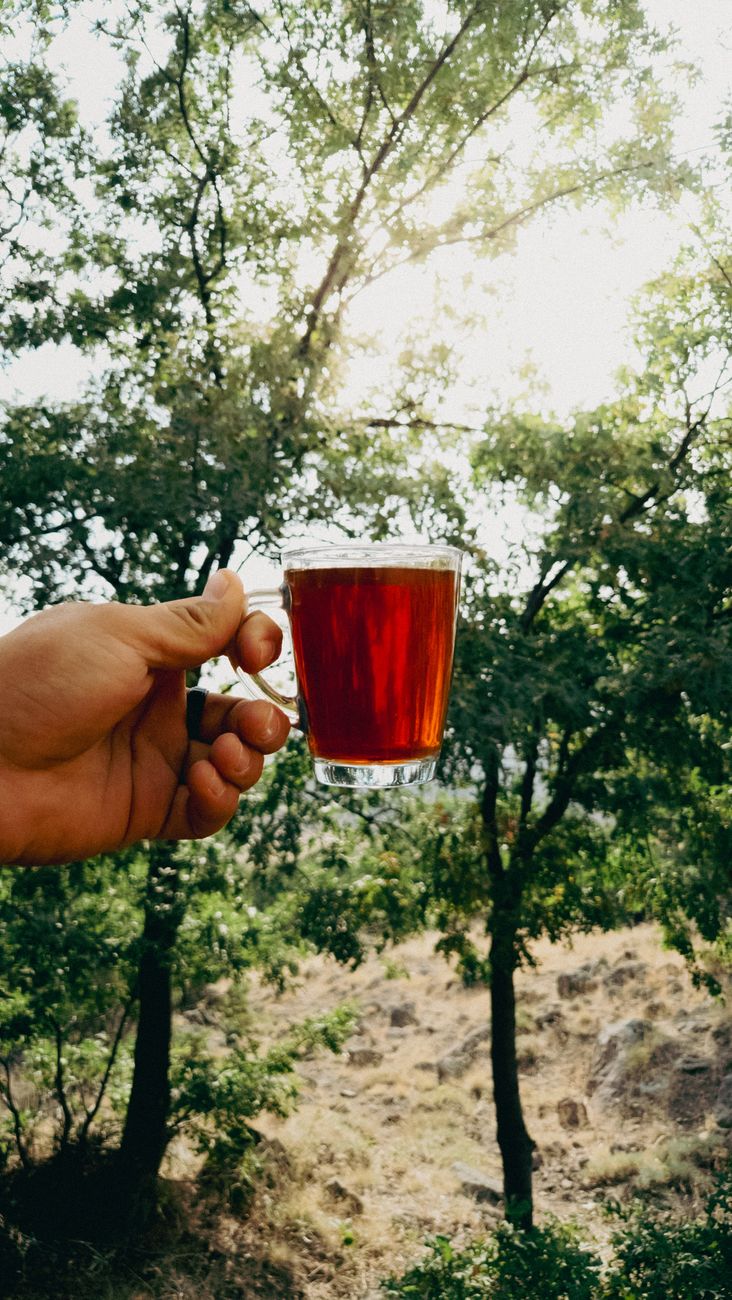
It’s a cup of tea in my hand as I look out over the garden, listening to music through my headphones. It’s the feel of warm wood beneath my chin as I play the violin. It’s admiring the neighbors’ gardens and noticing the subtle shifts as the seasons progress on my walks with Pixel. It’s spending Sunday afternoons in my own garden, pulling weeds and watching everything grow. And of course, dear reader, there are long, lazy Saturday mornings filled with cat snuggles.

Small daily or weekly rituals. Almost stolen moments that fill my days with joy.

Life, dear reader, is not always adventures. Sometimes escape consists of a journal entry or a thirty-minute yoga session. Other times, it’s a book and a cup of coffee on your porch. Lately, it has been a morning visit from a cardinal, courtesy of a bird feeder I recently installed outside my bedroom window to entertain my cats.

I have inadvertently taken up birdwatching.

I may or may not be trying to learn his song on my violin.

A girl needs hobbies, dear reader, and in my fast-approaching middle age, I have decided to go full-on eccentric. I shall soon be donning enormous hats and calling people darling. ’Tis a cruel fate, but I plan on embracing it.

Photo by Andrew Patrick Photo on Pexels.com

But underneath all of these little eccentricities is something more important. Each of these habits fulfills a different need.

The violin and poetry fulfill my need to create. When I play music, I lose myself in the notes, sometimes reaching an almost meditative state where the sheet music ceases to be something I consciously process. My fingers simply know where to go. In poetry, I get to play with form, sound, rhythm, and the compression of ideas. I may spend hours contemplating a sonnet, drop a villanelle onto the page in a few minutes, and then follow it with free verse where I experiment with repetition, alliteration, rhyme, and half-rhyme.

On my walks and in my garden, I connect with nature. There is something grounding about putting my hands into the dirt, watching the seasons change, and noticing things that would otherwise pass unnoticed. And of course, there is Pixel, who seems to believe that every walk is an important expedition requiring his immediate participation.

A cup of tea or coffee gives me permission to stop. Sometimes I listen to music. Sometimes I simply sit and think. Sometimes I read or write in my journal. The ritual itself creates a small pause in the day, a moment to breathe before rushing into whatever comes next.
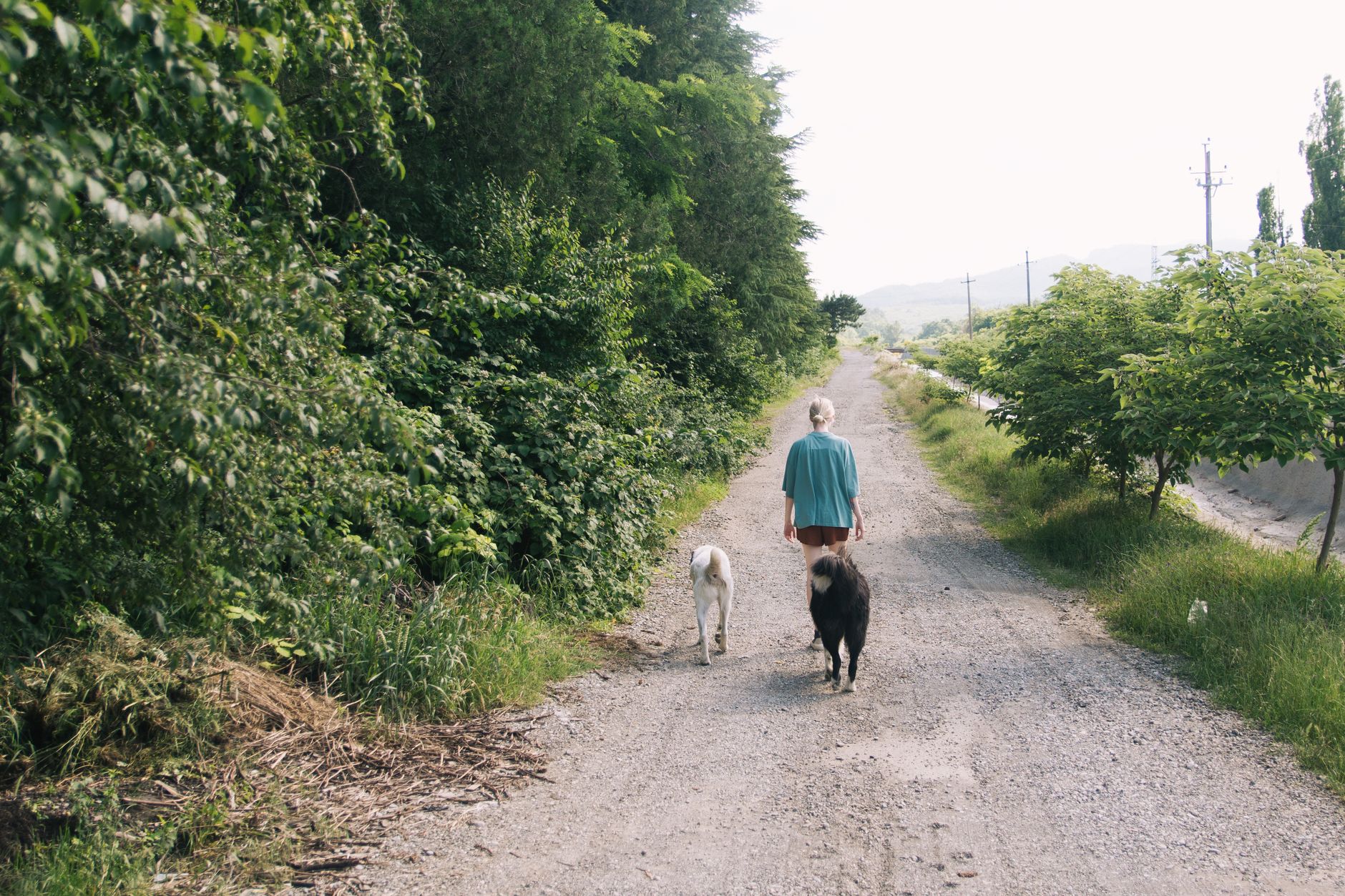
Photo by u0410u043bu0435u043au0441u0435u0439 u0412u0435u0447u0435u0440u0438u043d on Pexels.com

These things may seem insignificant.

They aren’t.

This blog is much more than Bucket List Adventures. It is also about building a Bucket List Life.

A Bucket List Life is not one where you are constantly chasing the next spectacular experience. It is a life where those spectacular experiences are woven into something that already feels meaningful. Travel can be wonderful, but if you need a two-week vacation every year simply to tolerate the other fifty weeks, perhaps the more interesting question is not “Where should I go next?” but “What is missing from the life I come home to?”

One way to begin answering that question is to look at the different areas of your life and consider whether they are receiving enough attention.

Some of you may recognize this concept from Dr. Bill Hettler’s Wellness Wheel, developed in the 1970s as a way of examining different dimensions of wellness. The model considers areas such as physical, social, occupational, intellectual, environmental, spiritual, financial, and emotional wellness. The premise is fairly simple: you can be doing wonderfully in several areas while struggling significantly in others.
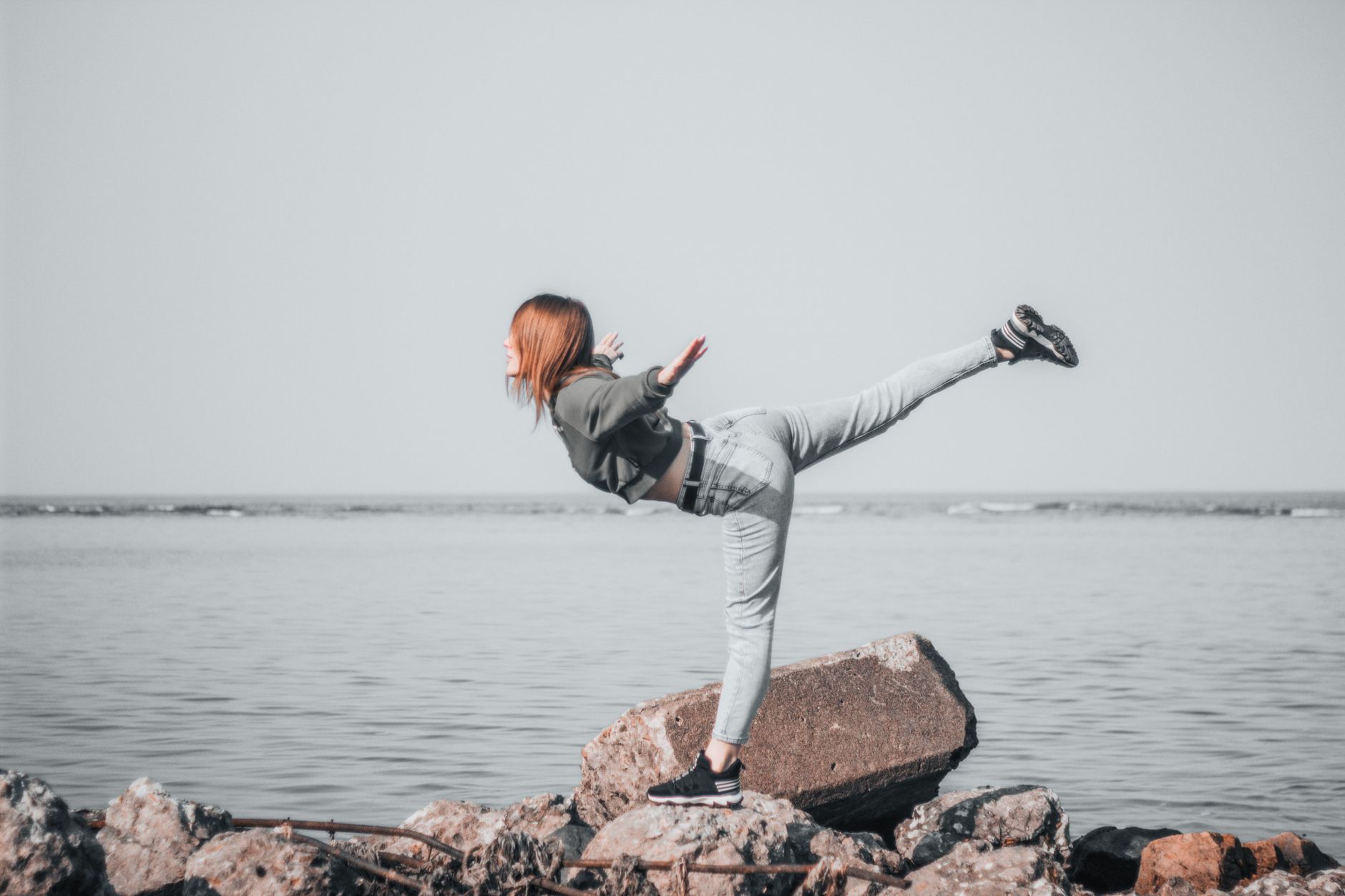
Photo by Sergey Ochkanov on Pexels.com

Travel might temporarily touch several of those areas. A trip could provide physical activity, social connection, intellectual stimulation, environmental novelty, and emotional rejuvenation all at once. But eventually you come home.

Your luggage gets unpacked.

The vacation photos get posted.

And Monday morning arrives.

The goal, then, isn’t to use travel to fill every empty space in your life. It is to build enough small sources of nourishment into your ordinary routine that you aren’t depending on the next vacation to make you feel alive.
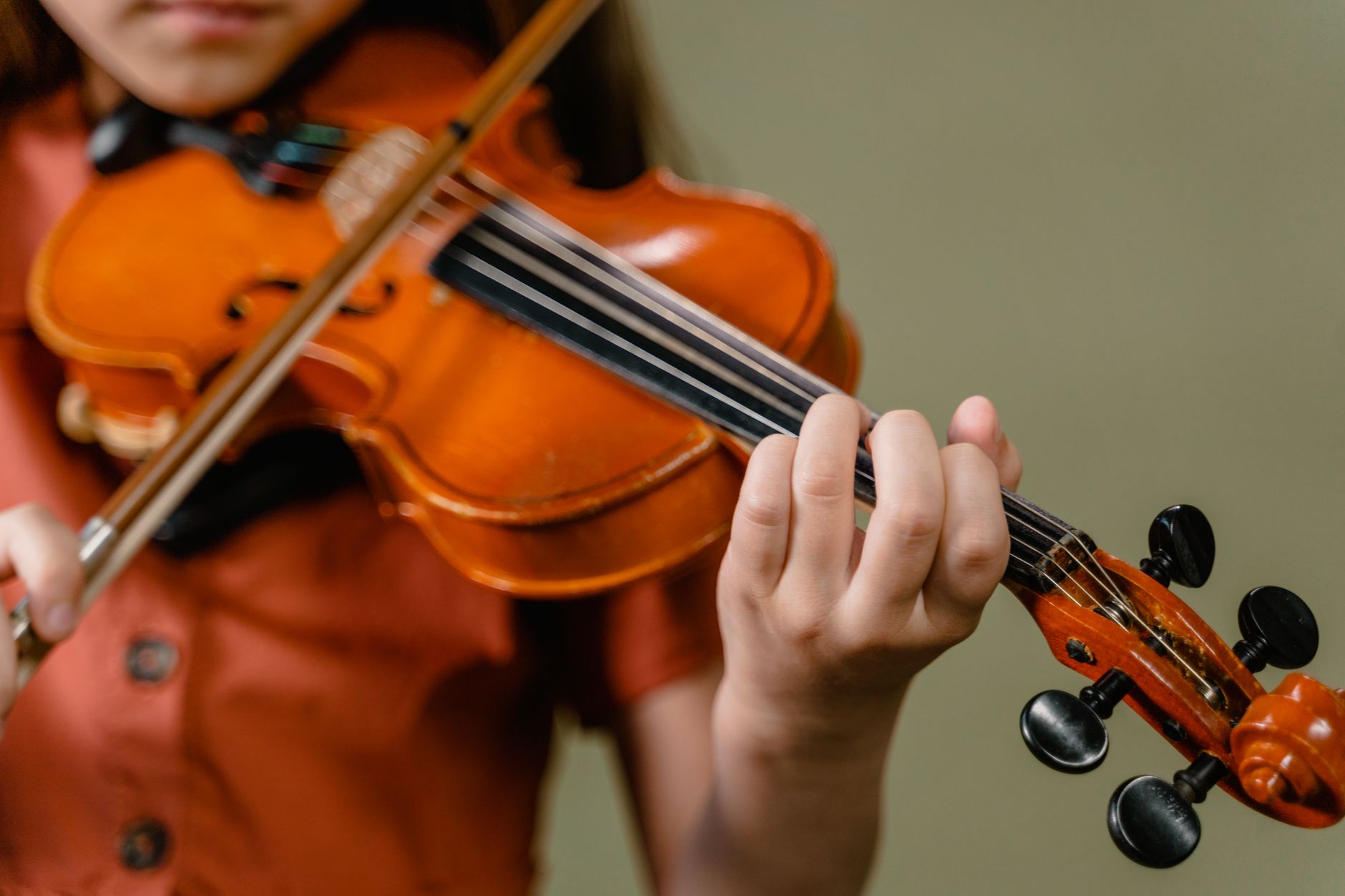
Photo by MART PRODUCTION on Pexels.com

For me, my violin and poetry provide intellectual and emotional stimulation. Tea and coffee, often accompanied by music, reading, or a devotional, give me opportunities for reflection and spiritual connection. Walking and gardening provide physical movement and environmental connection. My cats provide companionship. Friends and family fill another part of the picture entirely.

None of these things fills an entire category by itself. Nor do they need to.

They’re simply little threads woven into the larger fabric of my life.

And that’s an important distinction because wellness should not become another thing we feel obligated to optimize.

You do not need to maximize every category.

You don’t need a perfectly balanced Wellness Wheel.

You need to notice where you feel nourished and where you feel hungry.
Photo by Mike Jones on Pexels.com

Perhaps you look at your own life and realize that you’re getting plenty of intellectual stimulation from your career but almost no physical movement. Maybe your answer isn’t another vacation but a weekly hiking group, a dance class, gardening, yoga, or simply walking around your neighborhood after dinner.

Maybe you spend your entire day surrounded by people and realize that what you’re actually missing is solitude.

Maybe your work is deeply meaningful but you’re financially stressed.

Maybe you’re financially comfortable but have lost touch with creativity.

Maybe your social life is full but you haven’t spent any time alone with your own thoughts in months.

The point isn’t to judge yourself for what is missing. It’s to notice.

Then ask yourself what small, repeatable habit might help.

And make it something you actually want to do.

We don’t need to turn every empty space into a self-improvement project. If you’re deficient in intellectual stimulation, perhaps you don’t need to take an online course. Maybe you want to learn about birds. Maybe you want to read about astrophysics. Maybe you want to learn German, pick up a violin, study medieval history, or finally understand how that strange machine in the kitchen actually works. I’m currently studying the Drottkvaett form from Old Norse Court Poetry and seeing if I can’t apply it to modern English. It’s a lot harder than it sounds, but so much fun! 

If you’re lacking physical movement, you don’t necessarily need to join a gym. Maybe you want to garden. Maybe you want to walk around your neighborhood and admire everyone’s flowers. Maybe you want to take up dancing or sword fighting! 

Photo by Vitaly Gariev on Pexels.com

The best habit is often the one you will actually keep because it brings you some measure of joy.

That, ultimately, is what I mean by building a Bucket List Life.

Keep the adventures.

Absolutely take the trip to Italy. Go see the concert. Try glassblowing. Wander through the strange old arcade. Eat the deep-dish pizza in Chicago when your flight gets delayed.

Put extraordinary things on your list.

But don’t save all of your living for those moments.

Build a life that contains little adventures on an ordinary Tuesday. Find things you look forward to on Sunday morning. Give yourself reasons to put down your phone, step outside, make something, learn something, call someone you love, or simply sit quietly with a cup of tea.

Because eventually, every bucket-list trip ends.

The airplane brings you home. The suitcase gets put away. The souvenirs find their places on the shelf.

And then there is Tuesday.

Make Tuesday a life worth coming home to.

Letting the World Spin Without You: JOMO

Dear reader, I think I have made it quite clear over the years that I am, for a myriad of reasons, simply not a sports person. I don’t typically watch or participate in many sports, nor do I have any particular inclination to change that. I have nothing against them, of course. Why should I advocate for depriving someone else of an activity that brings them joy?

Yet over the past few weeks I found myself, quite unexpectedly, drawn into the orbit of soccer—or football, as nearly everyone outside the United States insists on calling it. (I’m beginning to suspect America simply enjoys being contrarian.)

The World Cup had arrived, and suddenly it seemed to be everywhere. Friends hosted watch parties. Restaurants filled with cheering fans. Social media overflowed with celebrations, dramatic finishes, and clips of supporters singing in unison. Perhaps it was because the tournament was being played on home soil, but even people I had never known to care much about soccer suddenly had passionate opinions about offsides, penalty kicks, and championship predictions.

Photo by Unknown User on Pexels.com

Watching all of this unfold, I experienced something surprisingly familiar.

The fear of missing out.

It wasn’t that I had suddenly developed a deep appreciation for the sport. I hadn’t. It was the feeling that everyone else was participating in a shared cultural moment while I stood quietly on the outside looking in.

Perhaps I should learn the rules.

Maybe I ought to watch a few matches.

Should I start reading about the teams so I can contribute to the conversation?

If you’ve ever felt that little tug, you know exactly what I’m talking about. FOMO has very little to do with the activity itself. More often, it stems from our deeply human desire to belong. We see everyone around us enjoying something together, and we begin to wonder whether we should be enjoying it too.

But somewhere along the way, I realized something.

I didn’t actually want to watch soccer.

What I wanted was the feeling of being included.

Those are not the same thing.

There is something wonderfully liberating about recognizing the difference.

Photo by Ali Karimiboroujeni on Pexels.com

In recent years people have begun talking about JOMO—the Joy of Missing Out. Rather than anxiously trying to participate in every trend, every event, every conversation, JOMO invites us to make peace with the opportunities we choose not to pursue.

Not everything has to become our hobby.

Not every cultural phenomenon needs our attention.

Not every invitation must be accepted.

Every “yes” we give something is also a “no” to something else. Our time and attention are finite, and spending them intentionally is one of the greatest gifts we can give ourselves.

For me, that meant happily scrolling past match highlights while smiling at the unmistakable enthusiasm of Dutch fans dancing in brilliant seas of orange. Their joy was contagious, even if their pastime wasn’t. I could appreciate their excitement without feeling compelled to make it my own.

Perhaps that is the real lesson.

We do not need to borrow someone else’s passions in order to live a meaningful life. We simply need to cultivate our own.

So the next time the entire world seems to be rushing toward the newest trend, the latest series, the biggest sporting event, or whatever everyone insists you simply must experience, remember this:

It is perfectly acceptable to let other people have their joy while you quietly pursue your own.

Sometimes the greatest peace comes not from doing more, but from realizing there was never any need to join the crowd in the first place.

Photo by Tobias Bju00f8rkli on Pexels.com

Mid-January Musings: Embracing the Pause

It’s the middle of January. The year stretches ahead, vast and unknown, while the busyness of the holidays has already slipped behind. Resolutions that felt urgent on January 1 may have already slipped through your fingers. PTO is carefully rationed for future trips. Unless you’re a federal employee, the next holiday is a small consolation at best. Life feels paused, caught in the gray space between what has ended and what has yet to begin. There is nothing to mark the calendar, nothing urgent to do, and maybe you’re not even sure what you’re waiting for.

For many, this stretch can feel unsettling — a restlessness like an itch you can’t quite scratch. It’s a space that’s heavy with anticipation yet empty of drama. It could drive even the most patient person slightly mad if we try to resist it.

And yet, I’ve learned that this “long middle” is fertile if we allow it to be. You see, dear reader, I approach my year much as I approach my day: with contemplation and reflection. Of course, the day does not begin quietly. I am awakened by two yowling, demanding, furry tyrants named Gemini and Orion, who treat my legs like an obstacle course and my face like a morning bell. I weave around them, careful not to trip, while they make it abundantly clear that food is a matter of life and death. Only once their bowls are full and their attention momentarily diverted do I grab my journal. One might ask why I don’t start journaling first — but only someone who has never had a cat would pose such a question. Thinking, let alone writing, with feline insurrection in full swing is impossible.

Once fed, my little darlings curl up beside me, their purrs vibrating softly against the quiet room, a small price to pay for peace. In that early window, my mind hovers delicately between sleep and wakefulness, with the last traces of dreams still clinging like morning fog. I often surprise myself with what emerges on the page — fleeting worries, lingering hopes, tiny insights I might never notice in the rush of the day. For fifteen minutes, I am fully present with my own thoughts, listening as the day slowly unfolds around me. The gentle hum of a cat’s contentment is the perfect backdrop for reflection, a reminder that even chaos can give way to stillness if we wait for it patiently.

This early-morning clarity feels like a metaphor for January itself. The holidays are over, spring is far off, and yet there is a quiet, powerful energy in the pause. The month stretches before us, unspectacular on the surface, but full of potential for reflection, insight, and subtle preparation. Like my journaling practice, mid-January asks us to slow down, to notice, and to tune into what is quietly emerging.


Learning to Live Well in the Liminal Space

So how do we inhabit this “long middle” without feeling restless or lost? The answer is not in rushing or in forcing productivity. It is in embracing the small windows of presence, in tuning in instead of turning away. Some practices I have found particularly grounding:

  • Early-morning reflection: Like my journaling habit, these quiet moments give you access to thoughts and feelings that are often buried under daily noise. Your subconscious speaks differently when the world is still.
  • Observation: Take notice of subtle details around you — the shifting patterns of light through bare trees, the smell of frost in the air, the warmth of a cat curled at your feet.
  • Gentle intentions: Instead of big, sweeping resolutions, consider small focus points for the day or week. What do you want to notice? How do you want to feel?
  • Micro-reflections: Write down one fleeting thought, one small win, or one subtle insight each day. Over time, these quiet observations add up into something meaningful.

January, like those first fifteen minutes of the day, is an invitation to listen. To yourself. To your environment. To the stillness that so often goes unnoticed during busier seasons.


Restlessness as Opportunity

That itch of January is not a problem. It is a signal, a nudge toward attention, reflection, and subtle growth. It can be uncomfortable, yes, but it is alive, and alive is what matters. By leaning into this restlessness, rather than avoiding it, you cultivate patience and clarity. You discover small insights that can set the tone for your weeks and months ahead.

Think of it like seeds beneath frozen soil. The ground seems still, colorless, empty. And yet beneath the surface, quiet processes are unfolding, preparing for bloom. So it is with mid-January. What appears as waiting or monotony is, in fact, preparation. The quiet work of thought, reflection, and noticing lays the foundation for meaningful action in the months ahead.


The Gift of Mid-January

January is not empty. It is full, not with spectacle or noise, but with subtle, meaningful opportunities. The long middle teaches us to slow down, pay attention, and care for ourselves in ways the busyness of December rarely allows.

Much like my morning journaling ritual, this month invites us to stop, listen, and notice. To honor the stillness and let it guide us. To embrace small rituals, quiet reflection, and gentle intentions.

So rather than rushing to fill the days, linger. Observe. Journal. Walk. Notice. And trust that this quiet, understated month is shaping you in ways that will ripple through your year. Even in the gray, even in the waiting, there is quiet wonder.

Leaves, Branches, and Roots: The Art of Choosing Who to Grow With

In my earlier post, The Secret to Lifelong Friendships, I talked about how showing up isn’t enough. Friendship, real friendship, requires discernment. We only have so much time and energy, and it’s important to invest those precious resources in people who truly deserve them.

But how do you know who those people are?

Several years ago, I stumbled across a short clip that’s stuck with me ever since. I wish I could credit the original creators, but the message has taken root (pun intended) in my mind all the same. They explained that there are three kinds of people in your life: leaves, branches, and roots. Once you hear it, you’ll never look at your relationships the same way again. 

Photo by Ben Cheung on Pexels.com

The Leaves

Leaves are lovely things—bright, colorful, full of life. They make the tree beautiful for a time, dancing in the sunlight. But when the season changes, they do too. They fade, fall, and blow away.

Leaves are the people who come into your life for a season. Maybe it’s a college roommate you clicked with instantly, a coworker who made a tough job bearable, or a friend who was exactly who you needed for that chapter of your life. They bring joy and color, but they aren’t meant to stay.

It’s easy to mourn when a leaf drifts away. You might think, What did I do wrong? But often, nothing went wrong at all. Their purpose in your story was simply fulfilled. 

Leaves aren’t bad. They’re just temporary. And that’s okay.

After all, we’re all leaves in someone’s life at some point. Even as a therapist, I remind myself that I’m a leaf for my clients. I’m there for a specific season, to help them heal, but not to continue into their next one. Leaves are beautiful for their ephemeral nature and I treasure the memory of those who have been leaves in my own journey. 

Photo by Jude Mitchell-Hedges on Pexels.com

The Branches

Branches are trickier. They seem sturdy, reliable, and capable of holding weight. They’re there year after year,  and you might trust them to always be there, until one day, a storm hits, and that branch snaps.

Branches are the people who seem like roots. They’re present for birthdays, celebrations, even crises. You lean on them, and for a time, they hold you up. But when life gets heavy or messy, they can’t always bear the load.

Sometimes a branch breaks because they’re dealing with their own storm. Sometimes it’s because the relationship was only meant to grow to a certain point. Either way, it hurts, but that doesn’t mean they didn’t serve a purpose.

Not everyone has the capacity to be more than a branch in your life. Some people are meant to offer shade, not structure. The key is to recognize the difference before you climb too high and find yourself falling. 

Photo by Kennst du schon die Umkreisel App? on Pexels.com

The Roots

And then, there are the roots.

Roots don’t look like much. They’re hidden underground, unglamorous, and often unnoticed. But they’re the reason the tree stands tall through every season. Roots are the reason a fallen tree can seemingly rise up as a new sprout from the ashes of destruction.  

Roots are the ones who anchor you when the winds howl. They draw strength from deep places and share it freely. They know your history and love you anyway. They notice your silences. They show up not only when it’s convenient but when it’s costly. 

Roots are rare, and they deserve to be cherished. You don’t need many, just a few that go deep enough to hold you steady.

These are the relationships that you should nurture and prioritize most, because they will be there when the leaves have faded and the branches have failed you. 

How to Tell Who’s Who

So how do you know if someone’s a leaf, branch, or root? Here are a few clues:

Consistency reveals character. Does their care depend on convenience? Leaves and branches often vanish when the weather turns cold; roots stay, even when it’s uncomfortable.

Depth over drama. Branches can be fun and lively, but roots go deep. They’re not always loud, but their love has substance.

Mutual growth. A root relationship nourishes both sides. If you’re always pouring out but never being replenished, you might be watering a branch.

Conflict doesn’t end it. Roots can handle disagreement. Leaves blow away at the first strong wind.

Time tests truth. You don’t truly know what someone is until you’ve been through a few seasons together, joy, loss, distance, and change. Roots endure them all.

Photo by Vlad Cheu021ban on Pexels.com

One Last Thought

Not everyone is meant to be a root in your life, and that’s okay. You aren’t meant to be a root for everyone who is in your life. We are all playing those three parts for various people in our lives. I am a leaf for my therapy clients, a branch for my friends and acquaintances but I am a root for my closest friends and family. 

Leaves and branches have their beauty and their purpose. The goal isn’t to cut them off, it’s to recognize them for what they are so we are able to make wise decisions with whom to trust and count on.

What matters most is that we know where to invest our energy and learn to celebrate people for the role they play, not the one we wish they’d fill.

Because friendship, like a tree, thrives when we tend to the roots, and let the leaves fall when it’s time.

You Are Not Your Job Title or Accomplishments

If you hold a lauded job title or a coveted position of prestige, there’s a certain smug satisfaction in answering the question, “So, what do you do?” It’s a subtle flex, a way to signal you’ve “made it” in the eyes of your listener.

But how quickly those titles lose their shine. Positions are demoted, job descriptions rewritten, and reputations shift depending entirely on the values and prejudices of the crowd around you.

Consider the plumber who proudly tells his wife’s academic friends that he owns his own business. Their admiration evaporates the moment they realize he’s a tradesman. Or his wife, who announces at his company picnic that she’s accepted a university teaching position, only to have his employees quietly roll their eyes at her “ivory tower” job.

Prestige, it turns out, is not universal and rather fickle.


Perhaps when I mention that my full-time job is as a therapist, you’re impressed. Or perhaps you think, Oh, that’s nice, but why didn’t she get a doctorate? Or maybe you shrug, completely unmoved.

Our identities are often tied to our titles and achievements. And it’s not entirely irrational—after all, our accomplishments are a kind of social currency. They determine whether we’re welcomed into certain groups or quietly excluded. They tell others, at least superficially, our “value” as a person.

The trouble begins when that’s the only place our sense of worth comes from.

Achievements fade. Their novelty wears off. You ran a marathon…..ten years ago. You climbed to the base camp of Everest, great, but that was so last season. You earned $90,000 last year, until someone else mentions they earned $100,000.

When your worth is pegged to being ahead of the curve, you’re doomed to chase the next thing endlessly and there’s always someone ahead of you. Even those on top must always try to stay ahead of the people nipping at their heels.

Photo by Vlad Vasnetsov on Pexels.com

It’s the comparison trap in action:

  • Stacey got married.
  • Joanna bought a house.
  • Darlene is having a baby next month.
  • Marcy is off to Japan.

And you? You got a promotion, but you’re still single, renting, and aware of a ticking biological clock. Suddenly, your win doesn’t feel like much of a win.


But why should our worth be determined by what we’ve done instead of who we are?

Yes, I am a therapist, but that’s not all I am.

I am a daughter, a sister, a girlfriend, a cat mom, and a loyal friend. I am an avid reader who likes to snuggle into blankets and a seeker of adventure itching to explore. I adore tea and classical music. However, I also love coffee and metal. I’m not much into mainstream sports, but I do enjoy horses, kayaking, dancing, and hiking. I play the violin and videogames. I can be sarcastic and biting, yet equally capable of deep compassion and empathy. I’m a bit of a perfectionist and a bit of a mess.

I am nuanced and complex.

My degrees, my travels, my career, they’ve shaped me, yes. But they are not me.

Photo by Mindaugas Lazdauskas on Pexels.com

Some cultures have already figured this out. In many parts of the world, “What do you do?” is not the opening line of a conversation.

In the Netherlands, it’s considered downright rude to lead with your job title. People there would much rather discuss shared interests than compare résumés. In France, introductions often revolve around passions, ideas, and experiences. The goal is to find connection, not establish a pecking order.

Imagine how different our relationships might feel if we borrowed that approach.


A Thought to Leave You With:
If your job disappeared tomorrow, if your title, salary, and résumé vanished, what would you still have to say for yourself?

Because that answer… is who you truly are and it’s an answer worth exploring.

Your Bucket List Is a Lie

Before we clutch our pearls at such a title, you must first indulge me in a bit of theatrical storytelling.

There was once a painting known to the art world but given little regard by the general public. Sure, some waxed poetic about it, but the intelligentsia has always been a bit eccentric in its proclamations of greatness. To anyone outside the art world, it was unremarkable. It may have hung in a museum, but no one would have gone out of their way to see it. Like so many other paintings in a gallery, it was forgettable, small, dark, and easy to overlook.

Then it was stolen.

No one knew how. One day, it was just gone. And suddenly, people noticed. For two years, the public speculated wildly. The fever-dream of mystery only grew with every twist. Perhaps absence does make the heart grow fonder, or at least more curious. While the intelligentsia is eccentric, the general public is fickle, like a cat who demands to be let out only to want back in the moment the door shuts.

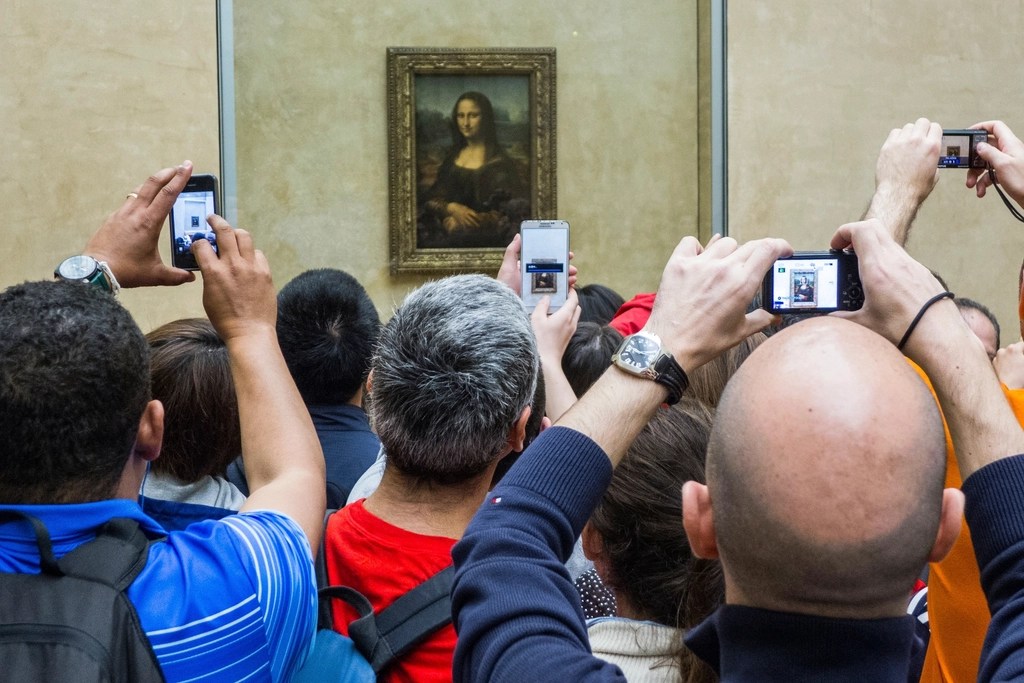
When the painting was returned, it became a sensation. A must-see. A cultural event. And not just any painting – THE painting.

The painting in question? The Mona Lisa.
The real reason it’s famous? The drama. The theft. The story. The hype.

Without that? It might still be hanging half-forgotten, quietly smirking at a handful of art students instead of hoarding crowds behind velvet ropes.

And that, dear reader, is what your bucket list might be made of: hype.


So many bucket list items are fueled not by intrinsic value, but by the frenzy that surrounds them. Don’t get me wrong, the Mona Lisa is a lovely painting, and Da Vinci was no slouch, but why that painting? Why not another of his works? Why not another artist entirely? Yes, yes, I am sure you’ll tell me all the reasons it’s such a great painting, a master piece of its time, blah, blah, blah., but there’s lots of great paintings you can’t name or even are aware of. The answer lies in marketing. In myth-making. In the way a compelling narrative shapes our desires

Travel magazines dazzle, influencers entice, advertisements whisper, “You must go here.” But what’s really behind that? How many times have you visited a place only to find it…underwhelming? A glorified photo op? Something that looks better on Instagram than it feels in person?

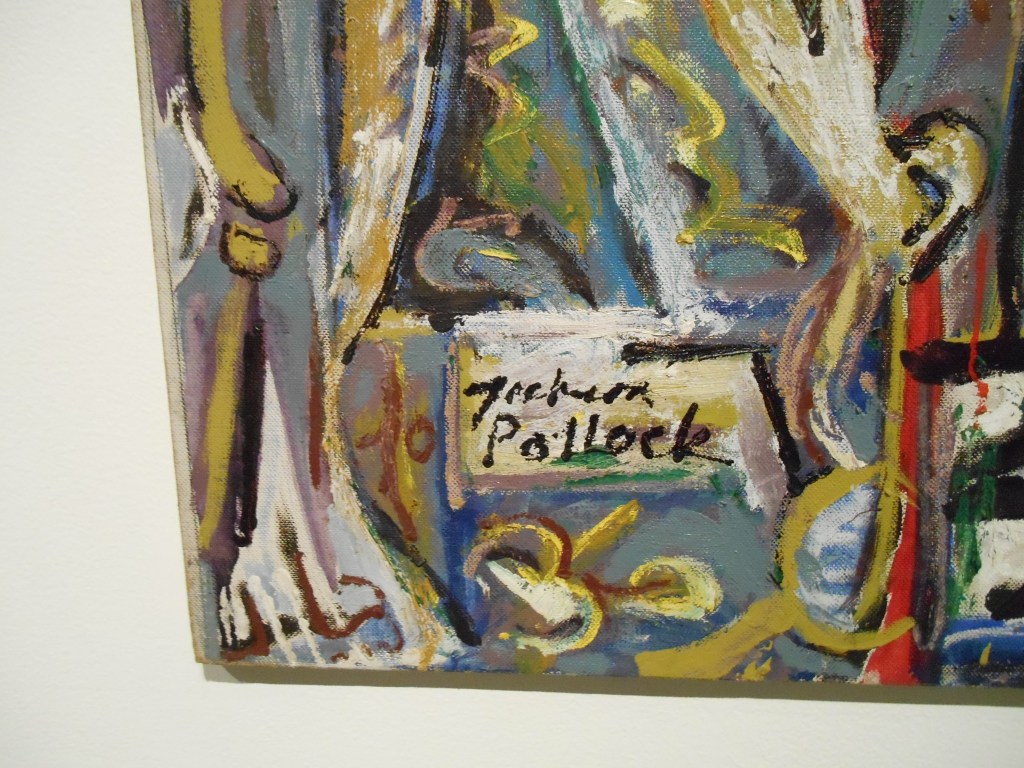
Perception shapes reality. And marketing shapes perception. Don’t believe me? Riddle me this, dear reader why do we consider Jackson Pollock a great artist? The CIA orchestrated the entire Art Movement of Abstract Expressionism’s rise to prominence, engineering hype around the artist Jackson Pollock by buying his paintings and creating a frenzy around the art movement through bought and paid for critics. It was for political reasons and to combat the dangers of Soviet Russia. However, until the CIA engineered the hype, it was mostly ignored and barely considered real art. After all, it looked like a five year old could have painted it.

Nor is the art world, the only place where bought and paid for critics shape our perceptions. There was an rather large controversy in the video game world of creators influencing magazines and reviewers to generate hype around game releases. Those travel influencers filling your feed are often being paid by travel magazines, hotels and even the local department of tourism to promote various locations and experiences.

Signature of Jackson Pollock on Pasiphaë (1943; Metropolitan Museum of Art) Ned Hartley – Own work

Let’s be clear: I’m not criticizing your personal travel goals. I’m encouraging you to interrogate them.

Are your bucket list items there because you want to experience them, or because someone told you they’re “must-see”? Would another location fulfill the same desire, perhaps with less hype and fewer crowds?

For instance: Why London? What do you actually want to see there? Do you even know the history behind the city’s major attractions? Could a neighboring town offer the same experience without the same price tag?

Yes, Stonehenge is cool. But have you heard of the Calanais Standing Stones in Scotland? Same vibe. Fewer tour buses. Also, older.

We should be asking ourselves:

  • Do I understand why this place matters?
  • Does it resonate with me personally?

I, for example, will probably never visit the Great Wall of China. It’s a feat of engineering, sure. But so was ancient Rome. And frankly, the Wall didn’t even fulfill its intended purpose, more a monument to hubris than a functional defense system. And trust, me there are plenty of monuments to hubris. There are other ancient walls, built with equal ingenuity, that never make the “Top 10 Things to See Before You Die” lists. Just because it’s the biggest, doesn’t mean it’s the best or even the most impressive.


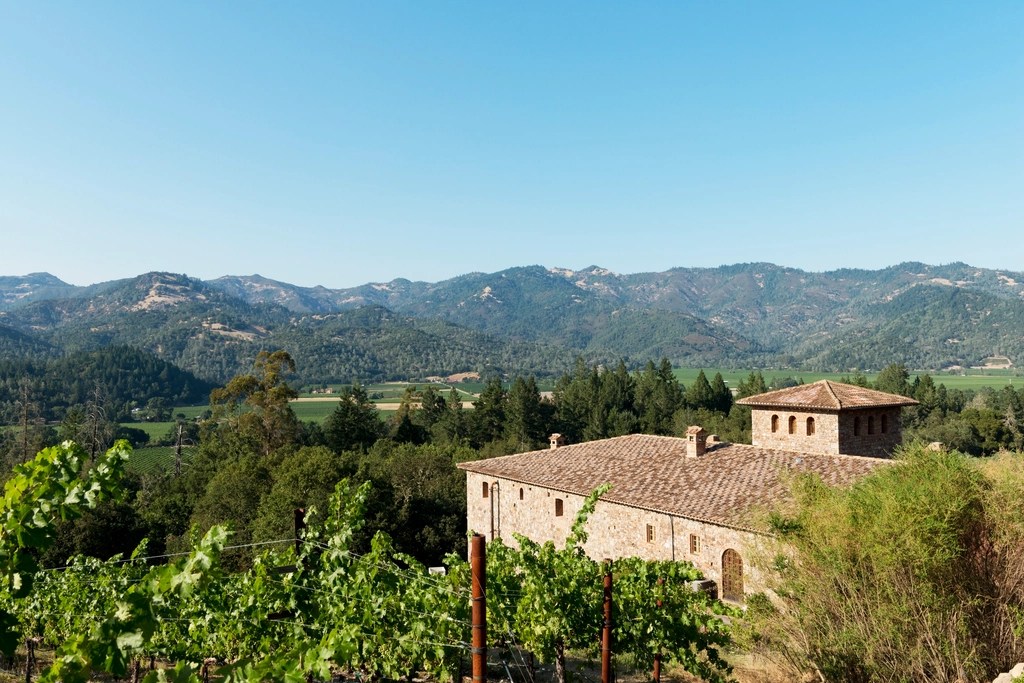
Take Napa Valley, for example, America’s answer to French wine country. It became famous after a 1976 wine tasting in which Napa wines beat out French ones and cementing its place in the wine world as one of the premier wine regions. But wine tasting is…flawed. Studies show judges rate wines inconsistently. Presentation plays an outsized role. In one study, the same wine earned wildly different scores when served in different bottles.

So why is Napa “the place” and not, say, the Finger Lakes or Walla Walla? Marketing. Perception. Hype. South-central Pennsylvania has lots of wineries that produce lots of delicious wines.

If we let others dictate what’s “best,” we surrender our own preferences to their story. But if we challenge that narrative, we open the door to a world of options.

Maybe that famed “must-see” destination isn’t any better than the quieter, lesser-known place next door. And that’s great news for the budget-conscious among us. It means you can experience something wonderful without the tourist trap markup, and maybe even get a more authentic experience while you’re at it.


Vineyard Napa Valley, California by Carol M Highsmith is licensed under CC-CC0 1.0

More importantly, it means you’re not missing out.

So many bucket list items are inaccessible to people with normal jobs and normal paychecks. That doesn’t make your life less fulfilling. It just means your version of “extraordinary” isn’t dictated by a Top 10 list.

Why the Panama Canal and not the Welland Canal in Canada? They use the same technology. One just has better PR. Okay, yes, there are certain historical contexts which does make the Panama extremely significant, perhaps more so than Welland Canal. But could you honestly, tell me what those are without looking them up? I didn’t think so. Would you have done that research before booking your trip to Panama? Probably not.

If you told your friend you went to Welland, they might look at you funny. But unless they’re an engineering nerd (in which case, they’d love it), they probably can’t explain why Panama is “better.” They’re just repeating what they’ve heard.


To help you separate real desires from borrowed hype, ask yourself:

  • What is the historical or cultural significance of this place or experience?
  • Do I genuinely care about that significance?
  • Are there other options that fulfill the same interest or vibe?
  • If it’s “the best,” who decided that—and how subjective is that claim?
  • Is it overrun with tourists to the point of losing what made it special?
  • Are there similar or adjacent experiences nearby that are less crowded, more affordable, or more authentic?
  • Am I excited for this because it aligns with my values and interests, or because I saw an influencer do it?

Once you start asking these questions, you may find your list isn’t a map of your soul’s desires—but a collage of other people’s priorities.

The good news? You can scrap that list and make your own.

Because the best journeys aren’t built on hype, they’re built on what matters to you.

The Secret to Lifelong Friendships (Hint: It’s Not Just Showing Up)

Many blogs talk about cultivating meaningful relationships, mine included, but far fewer offer practical advice on how to actually do so, especially amid the chaos of modern life. There’s a reason adult friendship memes hit so hard: two friends embracing with the punchline, “Let’s do this again sometime!” followed by three years of radio silence. The truth, often wrapped in jest, is this: maintaining friendships is hard. Get-togethers, dinners, and outings frequently need to be scheduled weeks (or months) in advance. And far too often, friendships wither not from drama, but from simple neglect.

If you’re trying to stay connected, understand that long lead times are your friend. When you carve out that sacred time well in advance, you’re more likely to protect it. Babysitters can be arranged, meetings declined, and work shifts avoided. For those of us with flexible schedules, this means intentionally leaving space on the calendar instead of double-booking ourselves into oblivion. And once you’re together, schedule the next hangout before you part ways. Avoid the dreaded “we should do this again sometime” trap. Instead, give it a date and put it in ink. The added bonus is that your social calendar quickly fills up and one is almost never asking what you’ll be doing this coming weekend because the adventure is already planned.

Photo by Vlada Karpovich on Pexels.com

Better yet, create your own traditions. Annual events, say, the third Saturday in August or an annual St. Patrick’s Day gathering, are the friendship equivalent of compound interest. My parents have maintained a tight-knit friend group this way since before I was born. Their regular gatherings forged a support network not only for themselves but also for their children. These “aunts” and “uncles” of mine are as present in my life as any blood relative. It’s what community looks like, grown slowly and intentionally.

But let’s be clear: frequency does not equal depth. Seeing someone every month does not automatically mean you’re close. Acquaintances abound. What builds true friendship is depth and depth requires a little vulnerability. You’ll never bond deeply over small talk about the weather. The loneliest people are often surrounded by others, but starved for real connection.

So how do we get there? How do we move from “hello” to discussing our deepest fears and childhood wounds over a bottle of wine as the stars blur into dawn? How do we move past banal small talk to deeper meanings or fascinating topics of history, philosophy, politics, culture, religion and science!

Start by being bravely, unapologetically yourself. That doesn’t mean barreling into every social situation guns blazing with your entire life story. But it does mean dressing, speaking, and behaving in a way that reflects who you are. Let your style be your signal. I, for one, adore hats. More than once, a compliment on a cloche or a beret has led to delightful conversations about fashion, history, or even women’s suffrage. (Do look up hatpins and their sharp-edged role in protest movements; it’s fascinating.)

Your Star Wars T-shirt might spark a conversation with a fellow fan. You don’t need to wear it to a black-tie wedding, of course, but maybe your R2-D2 earrings can come along for the ride. It’s all in the details, dear reader.

And when you speak, speak authentically, but not obnoxiously. There’s a fine line between sharing your perspective and delivering a TED Talk no one asked for. The goal is dialogue, not monologue. Ask meaningful questions: What excites you lately? What dream are you quietly working on? What belief has shaped you? These questions unlock people. Add in some active listening—real eye contact, verbal cues, reflecting back what you’ve heard—and you’ll be amazed what people are willing to share. Remember to be curious. Approach the other person as a treasure to be discovered.

Of course, not everyone will be ready for that level of intimacy right away. Don’t rush it. Some people are open books by page two. Others keep their pages sealed until chapter twelve. Learn to read the room, watch for cues that signal whether to dig deeper or dial it back. A meaningful conversation is less like an interrogation and more like a dance.

You won’t form a deep bond with everyone. That’s okay. You’re not everyone’s cup of tea, and, shockingly, some people don’t even like tea. (They will not be invited to my parties.) But when you’re honest about who you are, you’ll attract the ones who do enjoy your particular brew. Life’s too short for shallow connections and too demanding for relationships that drain instead of nourish.

With limited time and energy, it’s essential to invest wisely. Being your authentic self helps you find the right people, and asking the right questions helps you know if they’re worth keeping.

Now, I could go on about how to identify the right people or how to navigate inevitable interpersonal conflict, but perhaps we’ll save that for another post. For now, remember this: cultivating your village takes time, and growing deep relationships takes courage. Make the time. Ask the questions. And when someone offers you tea (whether literal or metaphorical) say yes.

Photo by Jill Wellington on Pexels.com

Instagram Lied: Travel Is Gross, Beautiful, and Worth It

Ah, social media. A window to the wider world, filled with sweeping drone shots, glamorous airport lounges, perfect sunsets. A bastion of lies and filtered falsehoods.

I particularly love the “expectation vs. reality” videos: serene music turning to off-key chaos as the camera pans from a peaceful mountaintop to the hordes of tourists swarming the same spot. A perfect reminder that what’s posted is rarely what’s actually experienced.

Most social media travel stars wake up at 4 a.m. to beat the crowds and capture that “authentic” moment. What they don’t show? The sweaty hikes, the blistered feet, the questionable toilets, the stress, the transit delays, and the minor existential crises that often come free with your ticket.

A crowded beach on the pink sands of Bermuda.

Let’s be honest, travel isn’t always glamorous. Plane rides can feel like being packed into a flying sardine tin. That dreamy Airbnb may smell like artificial lavender death. And the less we say about the bathroom situation in some places, the better. Seriously, though.

Even the photos lie. Take the pyramids, for example; they’re usually depicted as isolated wonders in the desert. In reality? Turn around and there’s the city of Cairo, complete with a McDonald’s. The rainbow hills of Peru? Instagram makes them look like Lisa Frank threw up on the Andes. In person, they’re fascinating but much more subdued.

And even when something is worth the hype, there are still snags. During my trip to England, I didn’t plan for a closed castle (thanks, high winds) or a GPS signal that vanished the minute I needed it. I didn’t expect public transit to lack accessibility for my mom, or for delays with the trains. My trip was amazing and beautiful; it was everything I would have hoped for, but there were still moments that kind of sucked.

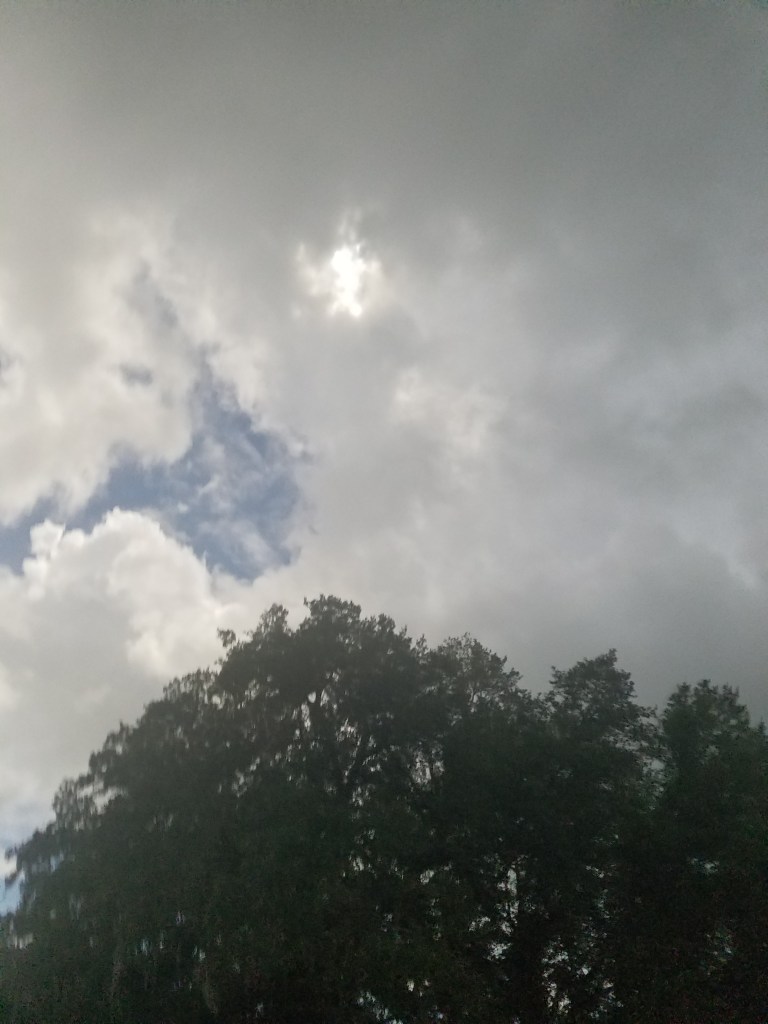
2017 Solar Eclipse

The 2017 solar eclipse? Cloud cover rolled in exactly at totality after I waited sweating in the southern heat for hours! Nature has a sense of humor.

Closer to home, even my local excursions are rarely perfect. The Firebird Festival? Visually stunning, yes, but also freezing cold and delayed by 30 minutes. My toes were plotting a rebellion as soon as they were thawed. The Tea Festival? Lovely, but forced into a crowded church basement by rain. Less “royal tea” and more “steamy sardine can.” That long-awaited hot air balloon ride? Grounded due to “iffy conditions” on what looked like a perfectly fine day. Perhaps, the balloon was sick.

And yet, those imperfect moments are the ones that stick. They’re the ones you tell stories about. They’re the quirks that make a trip memorable instead of just photogenic.

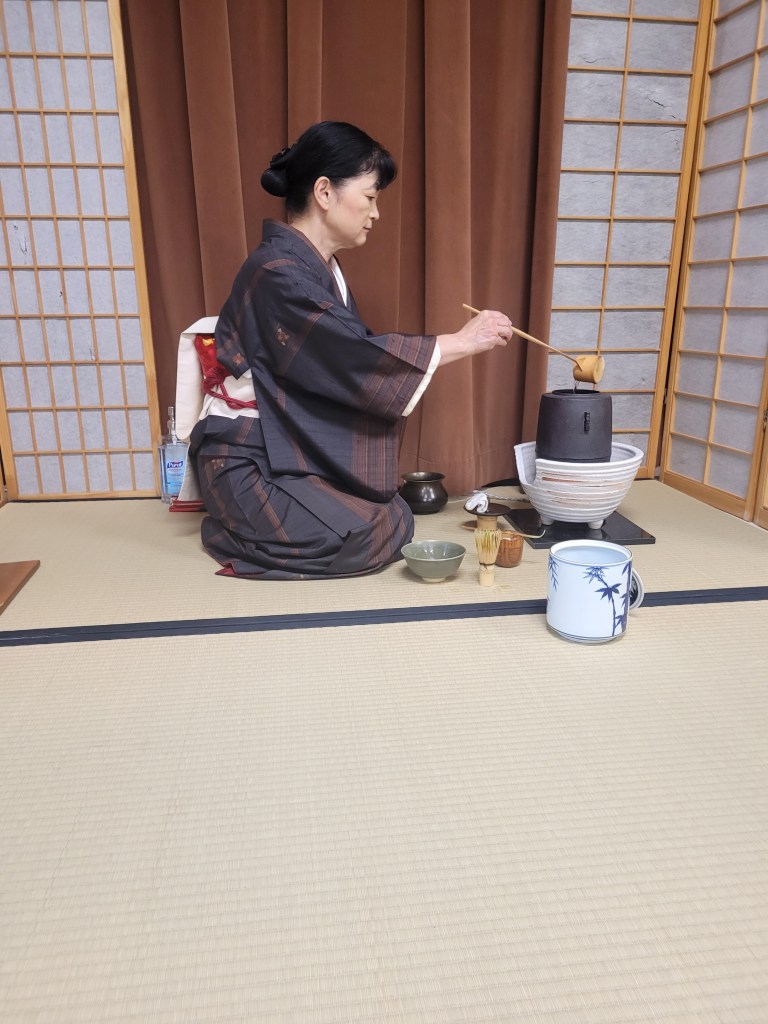
An intimate Japanese Tea Ceremony

When the Firebird crowd chanted “Light the bird!” in shared frostbitten frustration, I joined in. It was hilarious. When the rain forced us indoors at the tea festival, I ended up experiencing an intimate Japanese tea ceremony I otherwise would’ve missed. The cancelled balloon ride meant exploring a unique Star Barn one of the last in the nation. And a delayed train led me to a delightful conversation with fellow travelers about the cultural quirks of the U.S. and the U.K., a highlight of that entire trip. Getting lost in Washington D.C. led to snagging the last tour of the Congressional Building.

Setbacks create space for serendipity. They force us to slow down, reframe, or reroute, and in doing so, they give us something richer than a postcard-perfect moment. They give us stories, growth, and sometimes even stronger relationships.

That attitude—embracing the obstacle—has completely transformed how I travel. My sister and I started tackling trips together we never thought we could. Our bond has grown deeper because of the messiness, not despite it. I’ve even expanded my circle because of the chance encounters that travel disasters can bring.

Perfect trips don’t exist.

But imperfect trips?

They make perfect adventures

Living Your Best Life

We often hear or even say the phrase “living my best life”, but what does it actually mean? Is it being able to reach your goals? To live a full life? What is a full life? In general when we use say look at this person living their best life, we usually see someone who has fully embraced being themselves without caring what others think. But how do we even know that they really are living their best life? What does a “best life” even entail? It probably does and should look different for different people. What makes my life “best” isn’t what will make your life “best”. There are, of course, guiding principles. After all, this whole blog is in part to help people live better lives. For most people a best life is one that comes from connection to others and a sense of meaning or purpose without worrying too much about the judgment of people. 

There are a myriad of ways to arrive at those two things. I have seen lists of anywhere from 6 items to 30 items of how to arrive at a “best life” or to live a fuller one. Some of these lists even conflict with each other like focusing on yourself and your own personal growth yet being “other” centered. If you grew up in the Christian community you may have been told that JOY comes by putting Jesus first, others second and yourself last. All well and good, until you stop caring for yourself at all and forgetting that you can’t help other people if you haven’t been taking care of yourself first. On the other hand, always putting yourself first is obviously narcissistic and self-ish, certainly not the way to form meaningful connections to others. How to reconcile the two conflicting sides? 

This post isn’t necessarily to tell you how to arrive at those two things, more to get you to try and think about what might help you get there. As illustrated above, there are people for whom the advice of putting yourself first is absolutely necessary! I talk about boundaries and self-care in other posts precisely because putting my own needs last was something I struggled with leading to burn out, resentment and bitterness. Not things that helped my relationships. 

However, there are certainly many people who need to be told to put others at the center and to focus on getting out of their own world and be more mindful about how their actions affect others. The character of Ebenezer Scrooge in Charles Dickens’ A Christmas Carol certainly needed that lesson lest he find himself cast into hell for his self-centeredness. All things in moderation I suppose. 

Photo by Andrea Piacquadio on Pexels.com

For some people living their best life may be learning to let go of stress and worries, for other people it may be that they need to worry about the future a little more. You may need to learn to stop caring so much about what others think or you may want to consider others opinions a little more. The path to a “best life” is one that is always evolving and changing. Each person is an individual and what their best life looks like is going to be different. 

One of the best ways to achieve a best life is through self-reflection. 

After all, how do we know what we need to learn and how do we know when we’re being ourselves if we don’t take time to self-reflect? One way to really get to know ourselves is to “talk to ourselves”, not in the crazy person sort of way, but through journaling. I often find myself surprised by some of the things that come out of my own journaling where I let the flow of the subconscious go where it will. I may look for various prompts to consider to help jump start my self-exploration. There are also journals out there geared to specific topics or goals. For journaling to be truly effective requires us to be really honest with ourselves willing to face possibly ugly truths. 

Journaling can also help us explore our relationships to help us determine if we are truly connected to others. In learning more about ourselves, would we be able to share these insights with those closest to us? Do we have people who we can truly express ourselves and be vulnerable with? True connection to others means that you can be authentically yourself. After all, some of the loneliest people on the planet are those who are extremely popular. Why? Because in pursuing being liked by everyone, they are too afraid to show their real selves lest they be rejected. The hard truth is that you won’t be everyone’s cup of tea, but you have a choice to make, be your authentic self to have real connection with others or disguise yourself and be alone.  

This can be extremely difficult because it requires us to live without fear of the judgment of others, which is the main reason so many of us choose to live inauthentic lives and to settle for relationships that are shallow. However, this is a key piece of living our best lives. As I said at the beginning of this post, when we say “look at this person living their best life” it’s often said as a form of respect for someone who clearly doesn’t give a “f” what others think. They’re the people walking down the street dressed outrageously. The people dancing in the street to a musician. The ones who call you darling as they don a hat before splashing in a fountain. They laugh too loud, love too deeply, hear poetry in the rain and see works of art in the swirling of leaves in the wind. They may also be the ones who aren’t afraid to piss people off with how they view the world, unafraid to speak up and speak out. However they live, they are authentically and unapologetically themselves. 

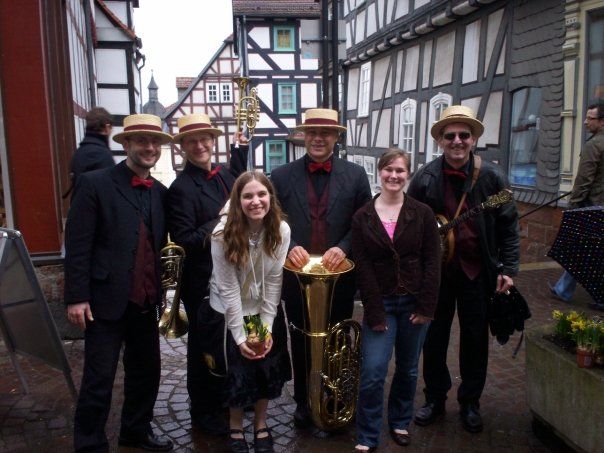
I danced for these street musicians as if no one was watching!

Living authentically isn’t being a jerk about it though. These are people who don’t care if they tick people off but they don’t purposefully go out of their way to do so. It isn’t about being mean. It’s about respectfully disagreeing and holding themselves apart from the judgment of others. It’s more of a live and let live attitude. Like okay, you don’t like that I live my life this way, but it’s no skin off your nose and I don’t have to listen to your criticisms about it if they aren’t constructive or useful. Someone living their best life knows that bees don’t argue with flies that honey is better than crap.

Another benefit to journaling is it can allow us to consider another aspect to a best life, living with purpose. I’m not here to tell you what a purposeful life is or is not. Each of us has a calling. Each of us has a gift or talent. I can’t tell you what those are because I’m not you. In general, a purposeful life involves leaving the world a better place, and helping others. Some people may have very obvious purposes like teachers, nurses and EMT workers. Teaching the next generation, healing the sick and protecting others are all very obviously meaningful things to do based on the values of our society. 

However, almost any job can be infused with meaning when placed into a larger context of helping others. Nor does your purpose have to be tied to your job. I once interned for a group of businessmen who invested money. They were quite good at it, but rather than simply take all the money for profit, they used it to open an orphanage in Africa. This orphanage did not stop assistance at the age of 18, but rather continued to invest in the children, helping them obtain higher education. The children were able to start businesses in their local community and become leaders thus laying a firm foundation for independence in the region. Their calling was to help disadvantaged children and to grow a community in Africa even though their jobs had almost nothing to do directly with this calling. Your talents and your calling may be seemingly disparate things that nonetheless are yours. 

There are, afterall, lots of ways to leave the world a better place.Talents don’t have to be utilized in a specific way. Your job doesn’t have to exactly match your calling. It’s certainly easy when the two directly align, but sometimes they may seem completely disconnected. You also don’t have to have your calling address every ill in the world to leave it a better place. Some people’s calling is to focus on the environment, others may have a calling to help sick children. Both are worthy callings that do not negate the other nor is one automatically better than the other. There are unfortunately a lot of problems in the world and there’s just no way for each of us to address all of them all at once. That isn’t to say don’t do what you can for the problems of the world, do the part you can. Your calling is the thing you focus on. 

The point is for you to determine for yourself what your talents are and how to apply them to your specific calling. I will probably write a more extensive post on a purposeful life, but as I said earlier this post is more to help you start to consider what a best life is and how you might start to consider what your best life looks like. To be honest, I’m still figuring it out. One of the reasons I have a bucket list is to try new things, complete new challenges, to grow, and learn more about myself. 

So what are you waiting for? Go forth, dear reader, and start living your authentic best life!

Take the Risk and Let Go 

In an earlier post, I wrote about letting go of the wall while ice skating. The wall was a place of safety, it kept me from falling and allowed me to build up the skills that I needed in order to traverse the ice. After all, it is by definition a rather hard surface and falling on it of course causes pain and potential injury. Yet, the wall is very limiting. One can only go as far out as one’s arms reach. If there are many people clinging to the wall, then one cannot go faster than the slowest person. One does not know the joy of freedom even though freedom brings risk (as it always does). 

If skaters only ever clung to walls we certainly wouldn’t get the phenomenal performances by the top figure skaters, we wouldn’t have hockey or speed skating. In order to be able to reach great heights one must be willing to take those risks. What we often don’t see if the number of times these top performing athletes have fallen. Those who stand on the precipice have a path paved in failure. 

In order to truly live authentic, extraordinary lives, we have to be willing to forgo some safety and take risks. If you want to pursue a certain career most of us would have to take on a least some risk of taking on student loans and going to school. Even a technical school usually requires a modest sum of money which many of us don’t have ready access to. Even if you do have that money, you’re still risking having spent a good chunk of change in hopes that it will pay off. In order to find love and get married, you have to risk heartache and loss. If you do manage to find love and get married, you risk losing that love through death or abandonment. If you go on an amazing once in a lifetime vacation, you still have to travel which carries a risk. If you want genuine friendships, then you have to risk rejection. You may lose your current relationships in your pursuit to be more authentically yourself. The pay off to these things is worth the risk because otherwise you risk living a small, unfulfilled, lonely life. 

Photo by Alexandre Cubateli Zanin on Pexels.com

Isn’t that what so many great stories are about? The person who risked it all and became famous? The person who made the big discovery or invented the next big technology. The person who became the hero. All of these stories require great risk and often personal sacrifice. Over and over again, the stories we tell require the protagonist to step outside of their comfort zone. It is the only way for them to grow and change enough to overcome the obstacles to their goals. 

It’s actually the only way for us to grow and change as well. Without letting go and challenging ourselves how will we gain new skills to overcome life’s obstacles? Can we really risk not taking the risks? After all, if we haven’t pushed ourselves to go further then we may find that we aren’t able to keep up with the ever changing world. 

We are taking a risk either way, but one way gives us an illusion of safety. We stay in the same dead-end job because it seems safer than looking for a new one or starting our own business. That is until the economy tanks and you lose that once seemingly secure job or your salary is no longer enough to keep up with inflation. The safety we had becomes our downfall because we aren’t in a position to pivot. 

Photo by Pixabay on Pexels.com

The truth is when we cling to the safety nets in fear of something bad happening to us we are choosing to let something bad happen to us anyways. I don’t condemn people who choose the wall and choose the safety net. After all, I’m a bit of a risk averse person myself. I have a lot of responsibilities and someone who is dependent on me. You, dear reader, may have children or other dependents. It is very difficult to choose the uncertainty that comes with risk. Research has demonstrated that people would rather choose the unpleasant reality that they know then experience the anxiety that uncertainty brings, even if that uncertainty would most likely lead to a better outcome. It is very difficult to fight that and we can come up with all sorts of reasons as to why we shouldn’t let go. 

I don’t wish to lie to myself or to you. When we choose not to take the risk, we are choosing the certainty of a life that is smaller than what could have been. However for all my risk aversion, I, for one, do not want to choose a small life, so it’s time to let go.