A Million People, One Very Silly Idea

What Is the Sound of Nearly 8 Billion People Clapping?

What is the sound of nearly 8 billion people clapping? We still don’t actually know!

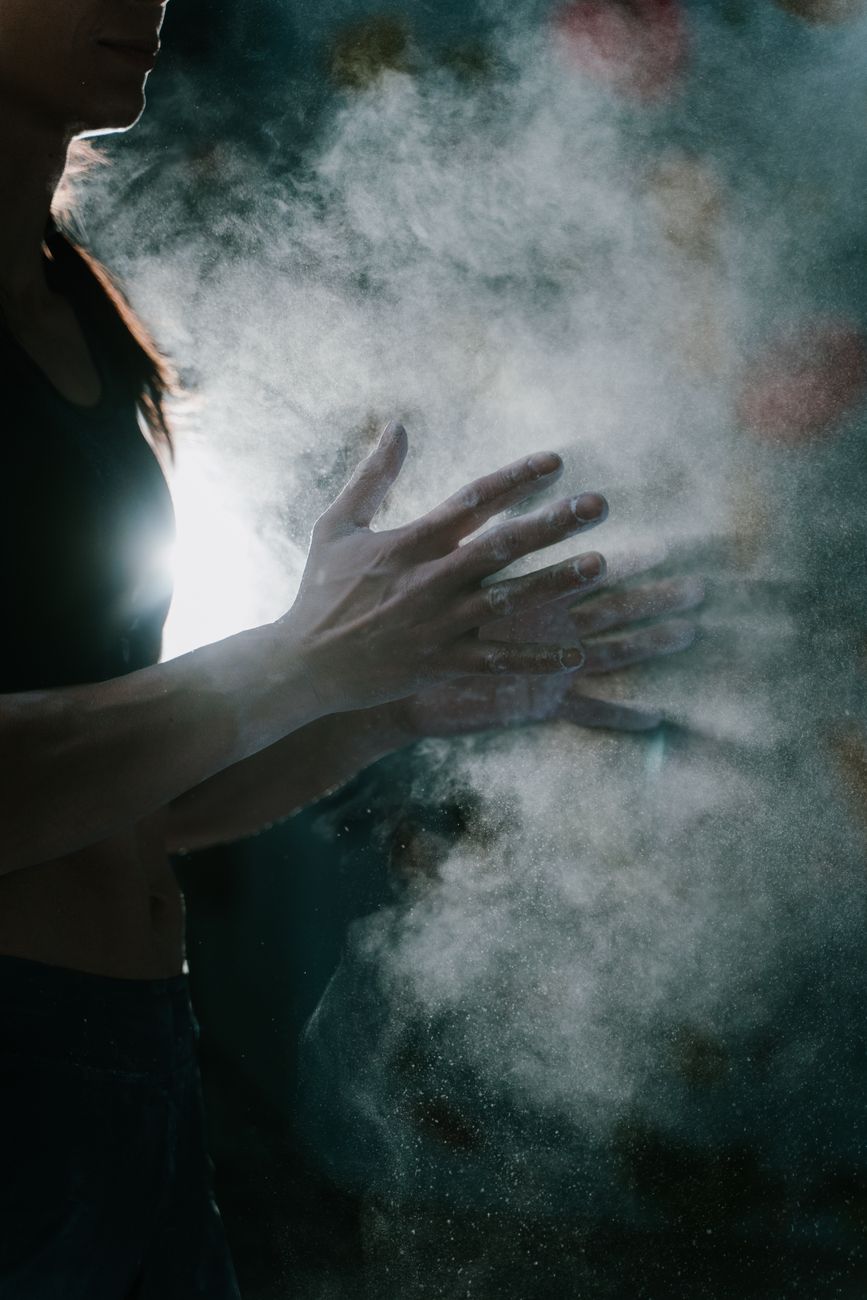
But for a brief moment on a Sunday, thousands of people around the world stopped what they were doing and clapped. The sound could be heard by the people who were actually there, but that, dear reader, was not the point.

The point was that, for one moment, people around the world, regardless of country, race, religion, ethnicity, economic status, or whatever other category you care to create, came together in a small act of silliness.

So naturally, I set my alarm for 9:55 a.m. Eastern Time to make sure I stopped whatever I was doing, and another alarm for five minutes later so I could clap along with the scattered members of humanity participating with me.
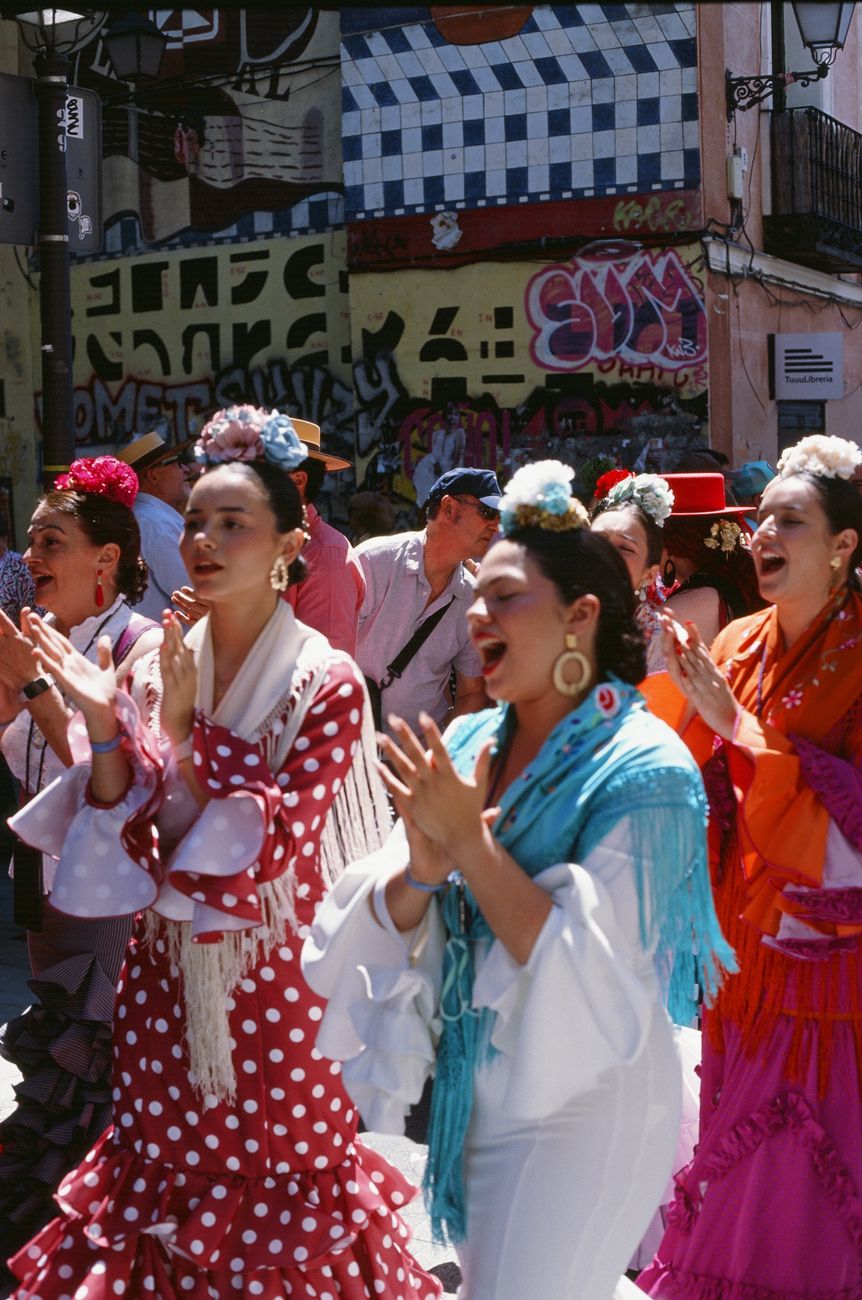
Photo by Rob Volz on Pexels.com

Did I feel any sort of cosmic connection? No. It honestly felt ridiculous and a little pointless. Nothing changed. There wasn’t a loud sonic boom of nearly 8 billion people clapping together. There was no great sense of unity that descended upon the planet. No wars were stopped. No marriages were saved.

It was actually quite quiet sitting in my kitchen, sweaty from gardening, dirt smeared on my pants, my hair in desperate need of washing from sweat and debris. 

Just me.

Clapping.

In my kitchen.

So why even do it?

Well, because I’m almost always down to try new things, especially things that seem a bit silly. And there is something rather wonderful about World Clap Day. We’re all different, yet we could all participate in exactly the same ridiculous little act. Nobody had to agree on politics, religion, nationality, or anything else. We didn’t have to accomplish anything. We simply had to clap. Which is, honestly, pretty beautiful. Beautiful enough that 1.7 million people signed up on the website to participate. Now, did 1.7 million people actually clap? Probably not.
Photo by cottonbro studio on Pexels.com

I’m certain plenty of people forgot. Others may have signed up with every intention of participating and then found themselves distracted by work, children, errands, or the eternal black hole of the internet. At the same time, there were undoubtedly people who never signed up at all but happened to hear about it and decided to join in. So perhaps it wasn’t thousands but closer to a million people who actually participated. Which sounds like a huge number until you put it into perspective. Even a million people would be only about one in every 8,000 people on Earth.

And somehow I find that both hilarious and impressive. A million people is almost incomprehensibly large. It is also almost nothing compared with humanity as a whole.

So how did this even become a thing?

Apparently, Andrea Bechis, a UK fitness entrepreneur, had a question back in December: essentially, What would happen if everyone on Earth clapped together. Rather than simply wonder about it, he decided to make it a thing. He picked a date and started gathering support. Originally, he hoped people would gather together in town squares and celebrate collectively. The actual execution was considerably more modest.

Basically, sitting in my kitchen sweating from gardening and clapping. I filmed it, but I doubt I’ll post it here.

Still, there is something inspiring about the whole ridiculous endeavour. With enough gumption and a willingness to endure a little ridicule, you can convince a considerable number of people to participate in your wild vision of silliness. And World Clap Day isn’t the only example.
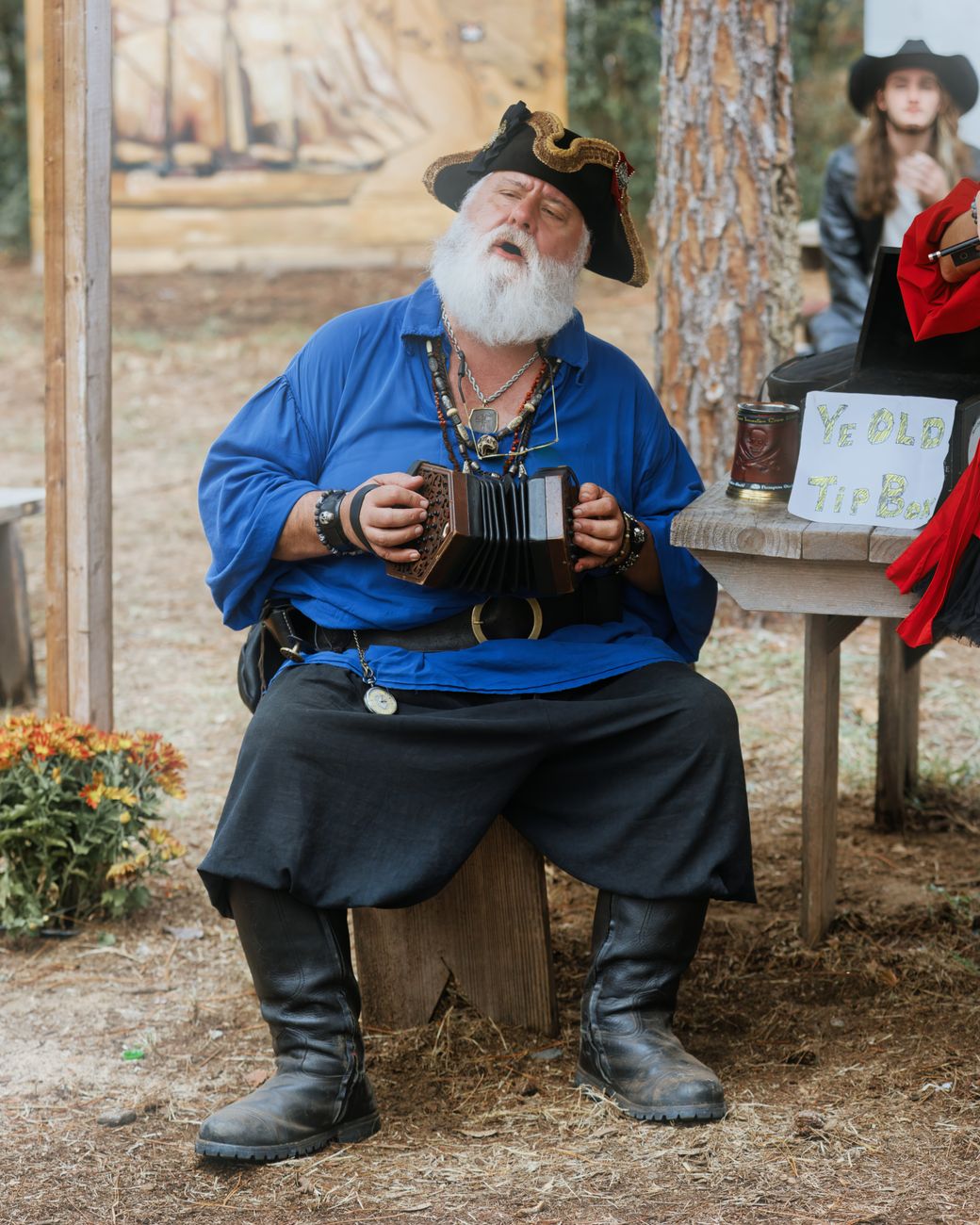
Photo by Marvin Corea on Pexels.com

It reminds me of my favourite holiday, Talk Like a Pirate Day, entirely because it is silly. Created in 1995 by two friends as an inside joke, it escaped Australia in 2002 when Dave Barry wrote about it and transformed into a semi-official holiday celebrated each September 19 by those of us with a sense of humour and a willingness to be seen as a bit odd.

It’s now been going for more than 30 years. It may eventually die out, or it may continue. Who knows? In 500 years, there may still be people celebrating it with the same level of gusto that they celebrate Halloween. Although I’m not sure I envy the future month of August being besieged by all things pirate instead of witches and ghosts.

World Clap Day and Talk Like a Pirate Day share something I find rather charming: neither one is necessary.

Nobody needs us to clap together. Nobody needs us to talk like pirates. There is no practical benefit to either activity. There’s no rich cultural heritage or religious event associated with it. It’s just kind of there as pure amusement. And perhaps that’s precisely why they’re worthwhile.

We live in a world that constantly asks us to be productive. Improve ourselves. Accomplish something. Build our careers. Exercise. Make money. Learn something useful. Optimize our lives. Sometimes I think we could stand to do a few things simply because they’re ridiculous.
Photo by Ivan Babydov on Pexels.com

There is also something about silliness that makes connection easier. When you’re willing to approach other people with humility and a sense of humour about yourself, you open doors that you might otherwise have trouble walking through. You don’t have to take yourself so seriously. You can laugh at your own absurdity and invite other people to laugh with you.

Comedians do this all the time. They point out the ridiculous things we all do and, for a moment, give us permission to laugh at ourselves together.

So was World Clap Day a success?

Possibly.

Will it happen again?

Who knows?

But perhaps those aren’t the questions that matter.

For a few minutes, people scattered across the planet stopped whatever they were doing and participated in the same completely unnecessary, wonderfully ridiculous activity.

There was no great transformation. No cosmic event. No world-changing consequence. Just people clapping and going about their day. And maybe that’s enough. Because not every moment of connection needs to change the world. Sometimes it can simply remind us that we’re all here, together, being ridiculous little humans on the same planet.

And perhaps that’s what makes it Bucket List worthy. Not because I accomplished something extraordinary. Not because I changed the world. Not even because I felt some profound cosmic connection.

I just tried something silly.

And somewhere out there, about a million other people did too.

Which, dear reader, is a pretty good reason to clap

Photo by olia danilevich on Pexels.com

One Big Inside Joke: An Evening with Weird Al in Hershey, Pennsylvania

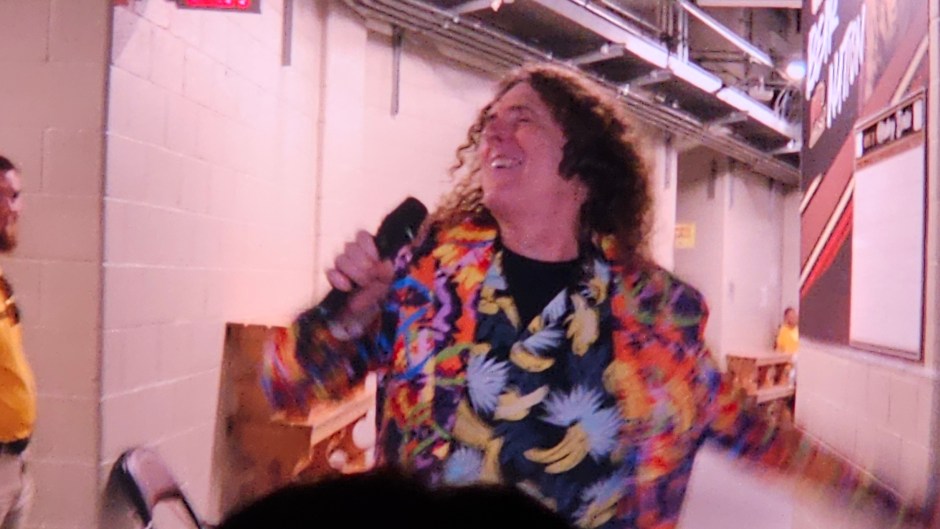
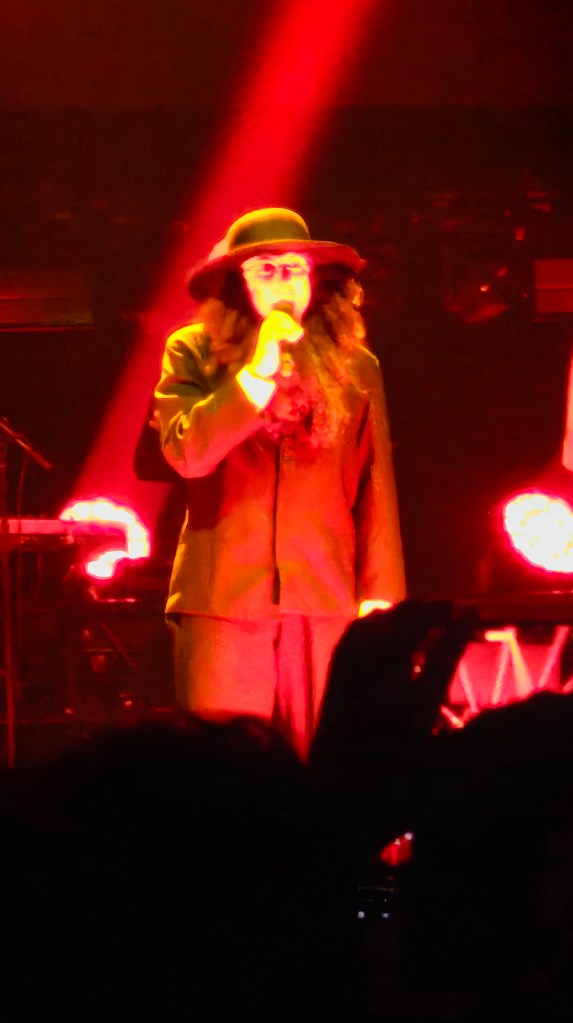
The entire stadium buzzed with barely contained energy that only seemed to grow with each passing moment, like an electric current caught in a positive feedback loop. On the giant screen, a figure danced and sang through the backstage corridors, weaving ever closer to the arena. At first everyone’s attention remained fixed on the video. Then, almost imperceptibly, a ripple spread through the crowd as people realized they had been looking in the wrong direction. Heads began to turn one by one until the entire stadium pivoted toward the aisle behind us.

Then he appeared.

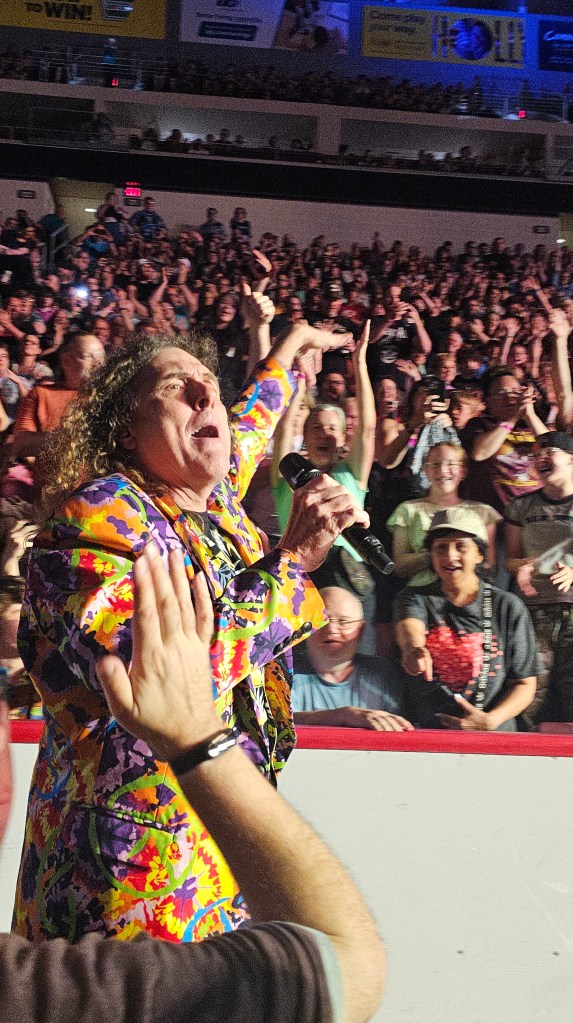
The stadium erupted.

Cheers crashed over us like a tidal wave. People leapt to their feet, phones shot into the air, and for a few glorious moments it was impossible to hear anything except the roar of thousands of delighted fans. It just so happened that I was sitting directly beside the path he took to the stage. I really must remember to thank my sister’s father-in-law for buying those tickets. They may not have been the best seats in the house for watching the entire concert, but they were certainly among the best seats in the house for one unforgettable entrance.

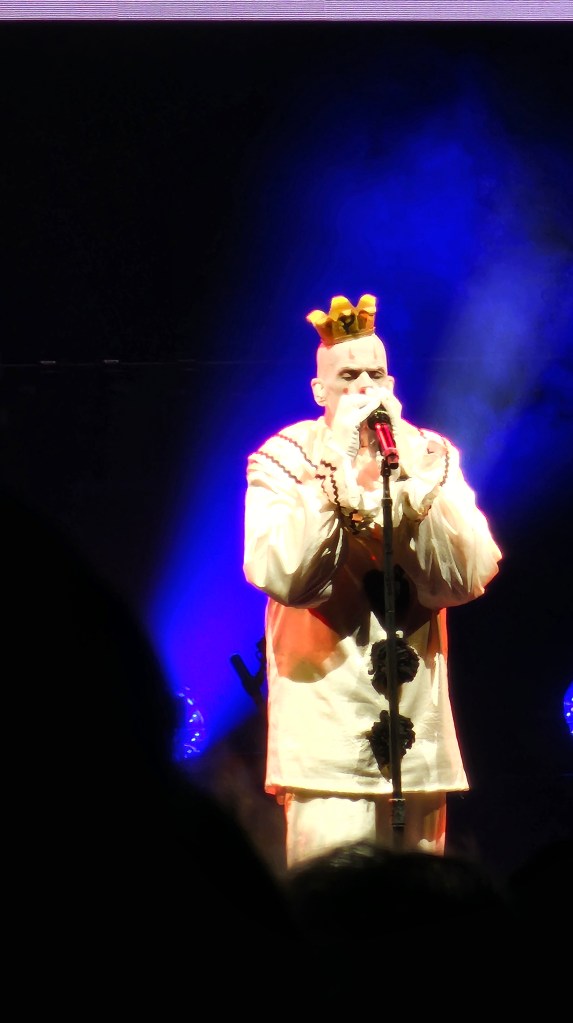
Of course, before Weird Al took the stage, we were introduced to his opening act, Puddles Pity Party. Now, dear reader, if someone had told me beforehand that I would thoroughly enjoy watching a giant sad clown sing power ballads, I would have questioned their sanity. Yet there he stood: towering over the stage, face painted in permanent sorrow, speaking scarcely a word while delivering one astonishing vocal performance after another. The juxtaposition was equal parts hilarious and impressive. Somewhere beneath the oversized clown costume was a voice worthy of Broadway. It was the perfect opening for a Weird Al concert because it left the audience delightfully confused, thoroughly entertained, and wondering what wonderfully bizarre thing could possibly happen next.

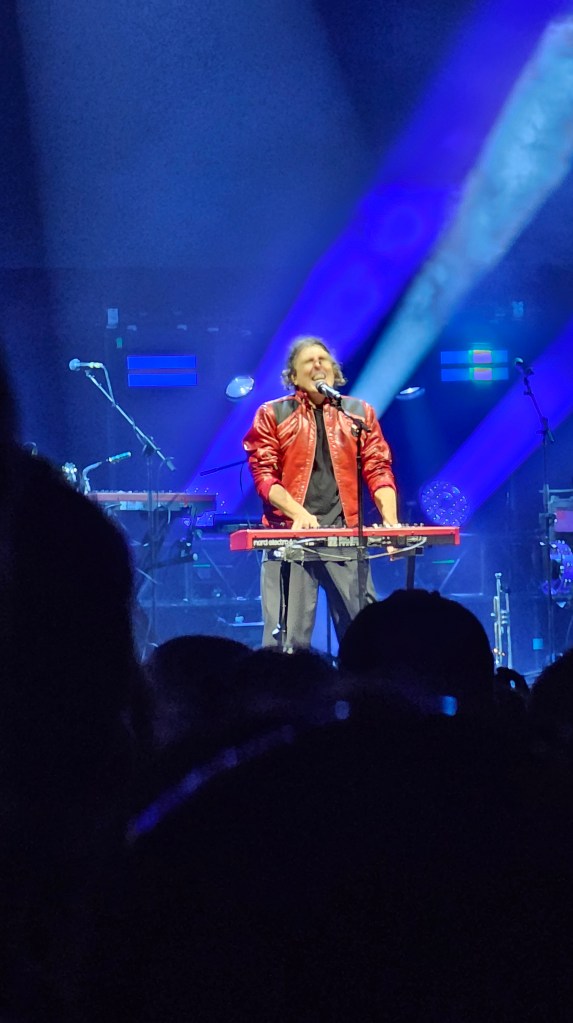
As the evening unfolded, I was delighted by the familiar songs I have come to love over the years. I could not help but dance along from my seat, much to the amusement of my sister beside me. Between songs came the signature humor I have come to expect from none other than Weird Al, who is truly a national treasure.

I am certain, dear reader, that he needs little introduction. For over four decades he has somehow managed the impossible: parodying popular culture with biting wit while never feeling mean-spirited. His songs gently poke fun at our favorite artists, our culture, and ourselves, all while celebrating the very music they imitate. If by some extraordinary chance you have never experienced his work, then by all means pause here for a few minutes, or perhaps a few hours, and explore his library on YouTube, Spotify, or whichever musical service you happen to use. I’ll happily wait.

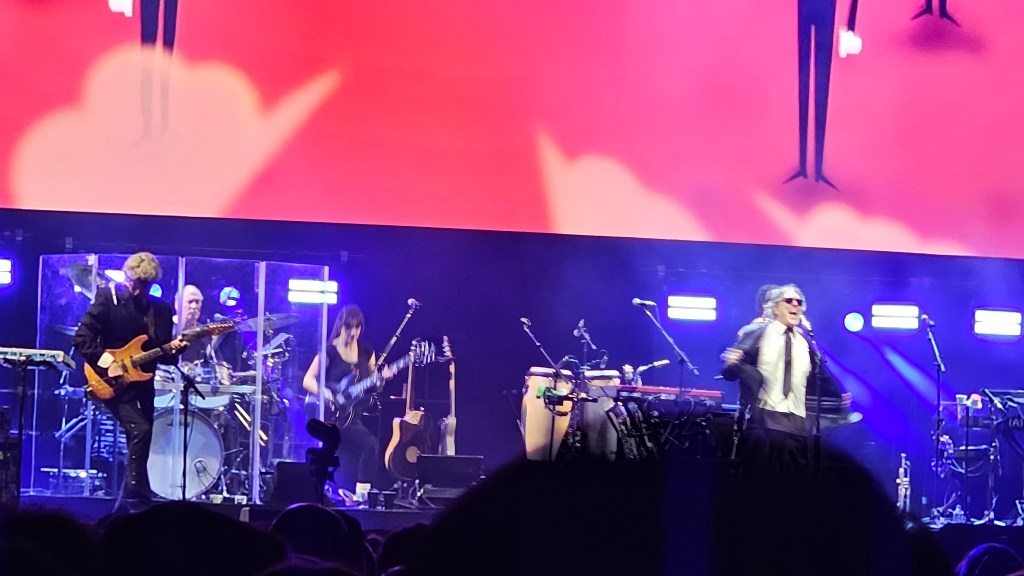
After his grand entrance, he quickly pivoted to Polkamania! Announced by an accordion descended majestically from the ceiling as though it were some sacred relic delivered from the heavens. Before a single note had been played the audience exploded into cheers. I challenge you to find another performer capable of making thousands of people wildly enthusiastic over the arrival of an accordion. Only Weird Al could transform an instrument often associated with polka festivals into the undisputed rock star of the evening.

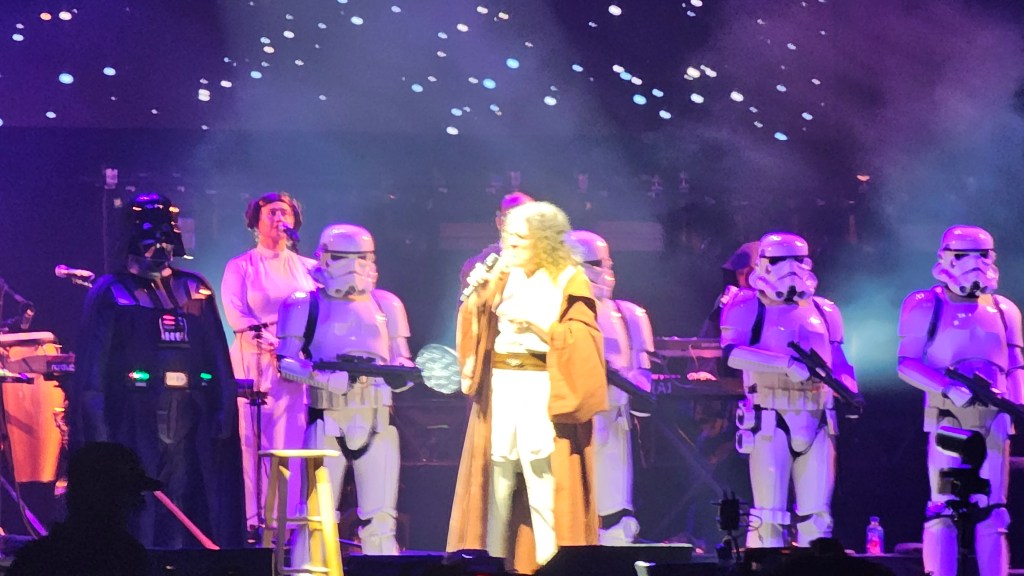
The performance itself was every bit as delightfully absurd as one would hope. Costume changes happened at an almost impossible pace. During the compilation numbers it seemed jackets, wigs, and entire outfits vanished and reappeared between verses so quickly that I found myself wondering whether there was some hidden portal backstage devoted entirely to quick changes. It was choreography in its own right.

The comedy never stopped. At one point Weird Al paused, looked thoughtfully at the audience, and confessed that he felt as though we were all waiting for something that we had a sort of weird energy he could sense and only one thing would satisfy us:

“A drum solo.”

The drummer dutifully struck the drums perhaps twice.

The crowd responded with thunderous applause as though we had just witnessed the greatest drum solo in rock history. You would have thought John Bonham himself had returned to perform Fool in the Rain. That, perhaps, was the joke’s greatest strength. Every single person in the arena understood exactly what was happening and committed wholeheartedly to the bit.

Of course, the crowning jewel of the evening for me was Amish Paradise.

Living in Lancaster County gives one a rather unique appreciation for that particular song. Much of the music video was filmed less than an hour from where I live, and here we were in Hershey, practically in the shadow of Amish Country itself, singing along with thousands of fans. It was the first Weird Al song that I ever heard, the first rap song I ever liked and I am not ashamed to admit I know every word. It felt oddly fitting, almost as though the song had come home.

I will readily admit, dear reader, that I am not usually one for concerts. First, there is the crowd. Simply reaching your seat involves weaving through a maze of people carrying trays piled high with pretzels and bags of popcorn, balancing oversized drinks, or standing uncertainly in the aisle while trying to decipher the seat numbers. Then there are the inevitable lines for merchandise, food, and the restroom. Add in the ever-present smell of buttery popcorn, soft pretzels, spilled drink, and several thousand warm bodies packed together like sardines, and I have generally concluded that my headphones provide a far more civilized musical experience.

Not to mention the audience often has the audacity to sing along. I realize this is considered one of the principal attractions of concerts, but listening to my favorite songs accompanied by hundreds of enthusiastic yet spectacularly off-key strangers has never struck me as a compelling selling point. Throw in questionable acoustics and modern ticket prices, and I have often wondered whether many people attend concerts simply to say they were there.

Yet somewhere around the third or fourth song, I began to see why people do.

There is something remarkable about standing among thousands of complete strangers who all understand the same references, laugh at the same jokes, and erupt into applause because an accordion has descended from the ceiling. Before the show you chat with the people beside you in line. During the performance you exchange knowing glances at jokes only fellow fans could appreciate. For one evening, you become part of a wonderfully peculiar little community brought together by a shared affection for one delightfully eccentric musician.

The excitement becomes contagious. Energy flows from the audience to the stage and back again in an endless feedback loop. I found myself shouting lyrics to songs that would not even make my personal top ten simply because everyone around me was having such an incredible time. Somewhere along the way I stopped observing the concert and became part of it.

It was certainly a different experience from seeing Joshua Bell last fall, where the audience sat in near reverent silence between movements, hanging on every note. Nor was it quite like attending Flogging Molly years ago, where the energy was louder, rougher, and far more chaotic. Each concert possessed its own distinct atmosphere.

But Weird Al’s felt less like attending a performance and more like being invited to the world’s largest inside joke. For one evening, thousands of strangers gathered not merely to listen to music, but to laugh together, sing together, and celebrate an artist who has spent his entire career reminding us that perhaps we should all take ourselves just a little less seriously.

So remember dear reader, to be a little bit bigger and little bit weirder. 

How might you find a little weirdness in your own life or at least some music?

You don’t have to be a devoted music fan to appreciate the experience of a live performance. In fact, I would argue that’s precisely the point. Bucket lists aren’t always about checking off your favorite activities; sometimes they’re about discovering something you never expected to enjoy. Whether it’s a local orchestra, a bluegrass festival, an outdoor Shakespeare production, a tribute band in the park, or your favorite artist on tour, give yourself permission to step into someone else’s world for an evening. You may leave with more than a few songs stuck in your head—you may discover a community you never knew you belonged to.

Letting the World Spin Without You: JOMO

Dear reader, I think I have made it quite clear over the years that I am, for a myriad of reasons, simply not a sports person. I don’t typically watch or participate in many sports, nor do I have any particular inclination to change that. I have nothing against them, of course. Why should I advocate for depriving someone else of an activity that brings them joy?

Yet over the past few weeks I found myself, quite unexpectedly, drawn into the orbit of soccer—or football, as nearly everyone outside the United States insists on calling it. (I’m beginning to suspect America simply enjoys being contrarian.)

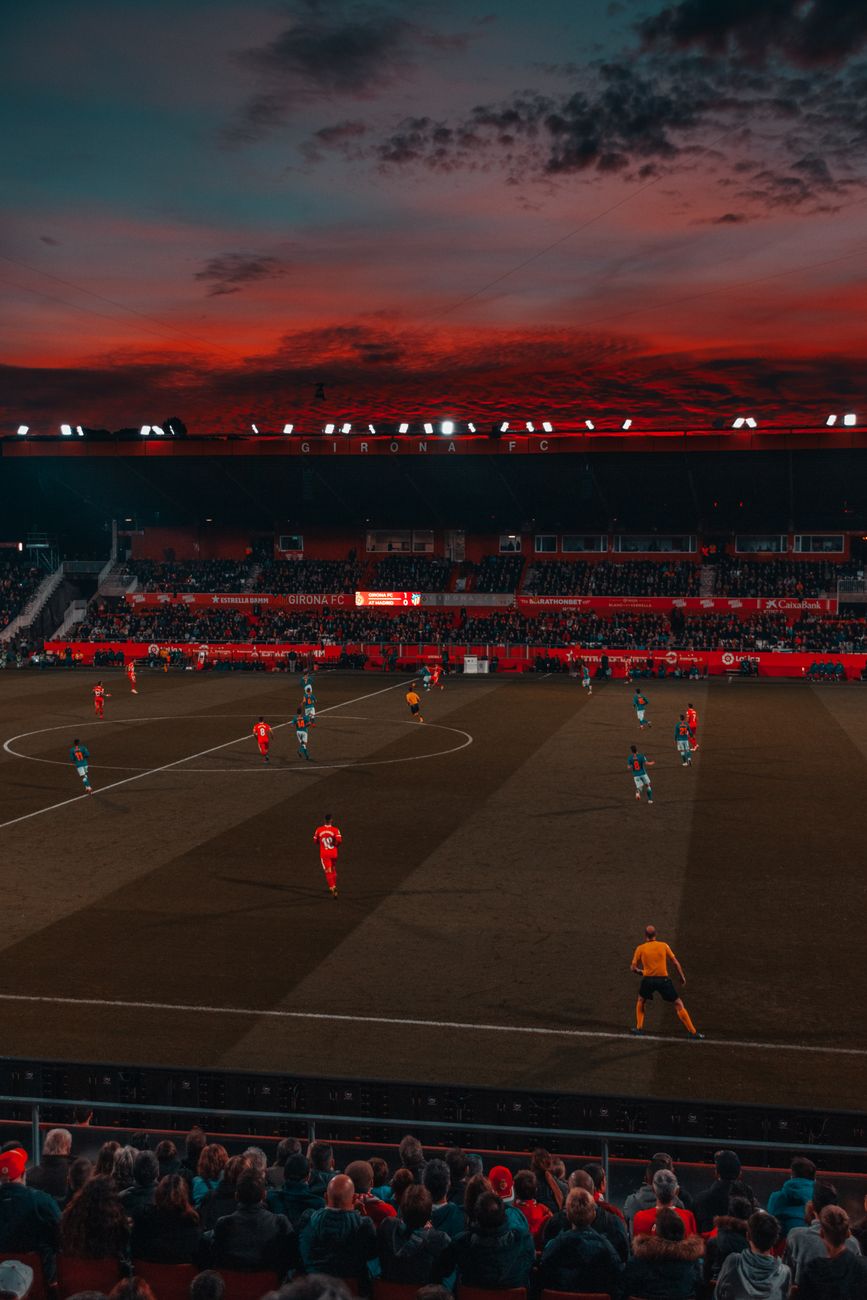
The World Cup had arrived, and suddenly it seemed to be everywhere. Friends hosted watch parties. Restaurants filled with cheering fans. Social media overflowed with celebrations, dramatic finishes, and clips of supporters singing in unison. Perhaps it was because the tournament was being played on home soil, but even people I had never known to care much about soccer suddenly had passionate opinions about offsides, penalty kicks, and championship predictions.

Photo by Unknown User on Pexels.com

Watching all of this unfold, I experienced something surprisingly familiar.

The fear of missing out.

It wasn’t that I had suddenly developed a deep appreciation for the sport. I hadn’t. It was the feeling that everyone else was participating in a shared cultural moment while I stood quietly on the outside looking in.

Perhaps I should learn the rules.

Maybe I ought to watch a few matches.

Should I start reading about the teams so I can contribute to the conversation?

If you’ve ever felt that little tug, you know exactly what I’m talking about. FOMO has very little to do with the activity itself. More often, it stems from our deeply human desire to belong. We see everyone around us enjoying something together, and we begin to wonder whether we should be enjoying it too.

But somewhere along the way, I realized something.

I didn’t actually want to watch soccer.

What I wanted was the feeling of being included.

Those are not the same thing.

There is something wonderfully liberating about recognizing the difference.

Photo by Ali Karimiboroujeni on Pexels.com

In recent years people have begun talking about JOMO—the Joy of Missing Out. Rather than anxiously trying to participate in every trend, every event, every conversation, JOMO invites us to make peace with the opportunities we choose not to pursue.

Not everything has to become our hobby.

Not every cultural phenomenon needs our attention.

Not every invitation must be accepted.

Every “yes” we give something is also a “no” to something else. Our time and attention are finite, and spending them intentionally is one of the greatest gifts we can give ourselves.

For me, that meant happily scrolling past match highlights while smiling at the unmistakable enthusiasm of Dutch fans dancing in brilliant seas of orange. Their joy was contagious, even if their pastime wasn’t. I could appreciate their excitement without feeling compelled to make it my own.

Perhaps that is the real lesson.

We do not need to borrow someone else’s passions in order to live a meaningful life. We simply need to cultivate our own.

So the next time the entire world seems to be rushing toward the newest trend, the latest series, the biggest sporting event, or whatever everyone insists you simply must experience, remember this:

It is perfectly acceptable to let other people have their joy while you quietly pursue your own.

Sometimes the greatest peace comes not from doing more, but from realizing there was never any need to join the crowd in the first place.

Photo by Tobias Bju00f8rkli on Pexels.com