Keep the Thing You Love Useless

Dear readers, I have been in the midst of an ADHD hyperfixation.

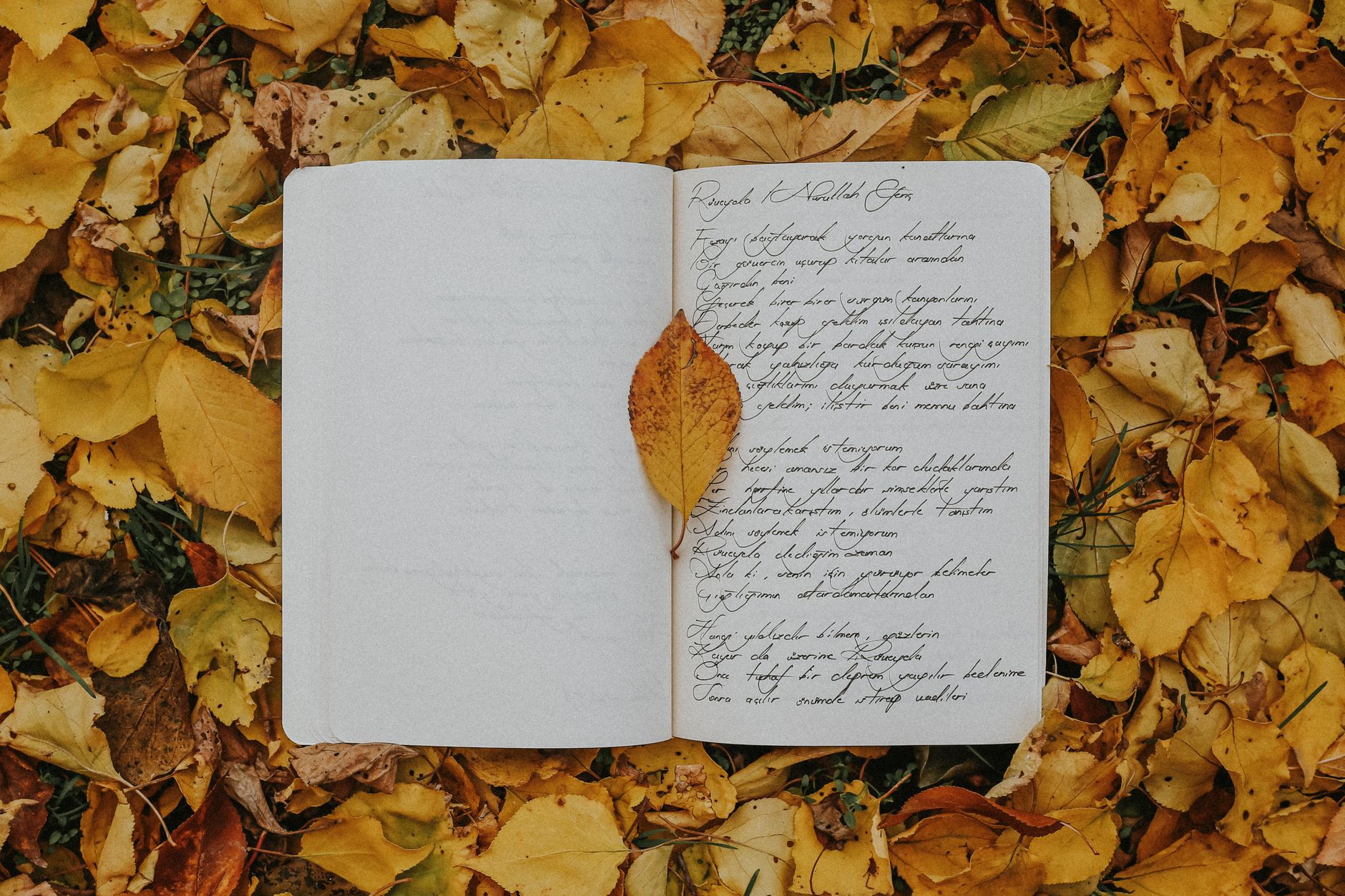
Poetry.

For the past three months, I have been utterly consumed—writing forty-plus poems in three months, which even I have to admit is a slightly absurd amount of poetry

Now, I shalln’t subject you to the entirety of the collection. However, I have shared a few with friends and family, who have begun to gently (and not so gently) encourage me to seek publication. After all, it seems such a shame that such a collection should simply languish on my desktop.

Suddenly, a list of journals sits before me, complete with deadlines looming and pressure quietly building. Some even come with significant cash prizes if the poems are selected.

Photo by Hatice Baran on Pexels.com

Isn’t that just the way of hobbies?

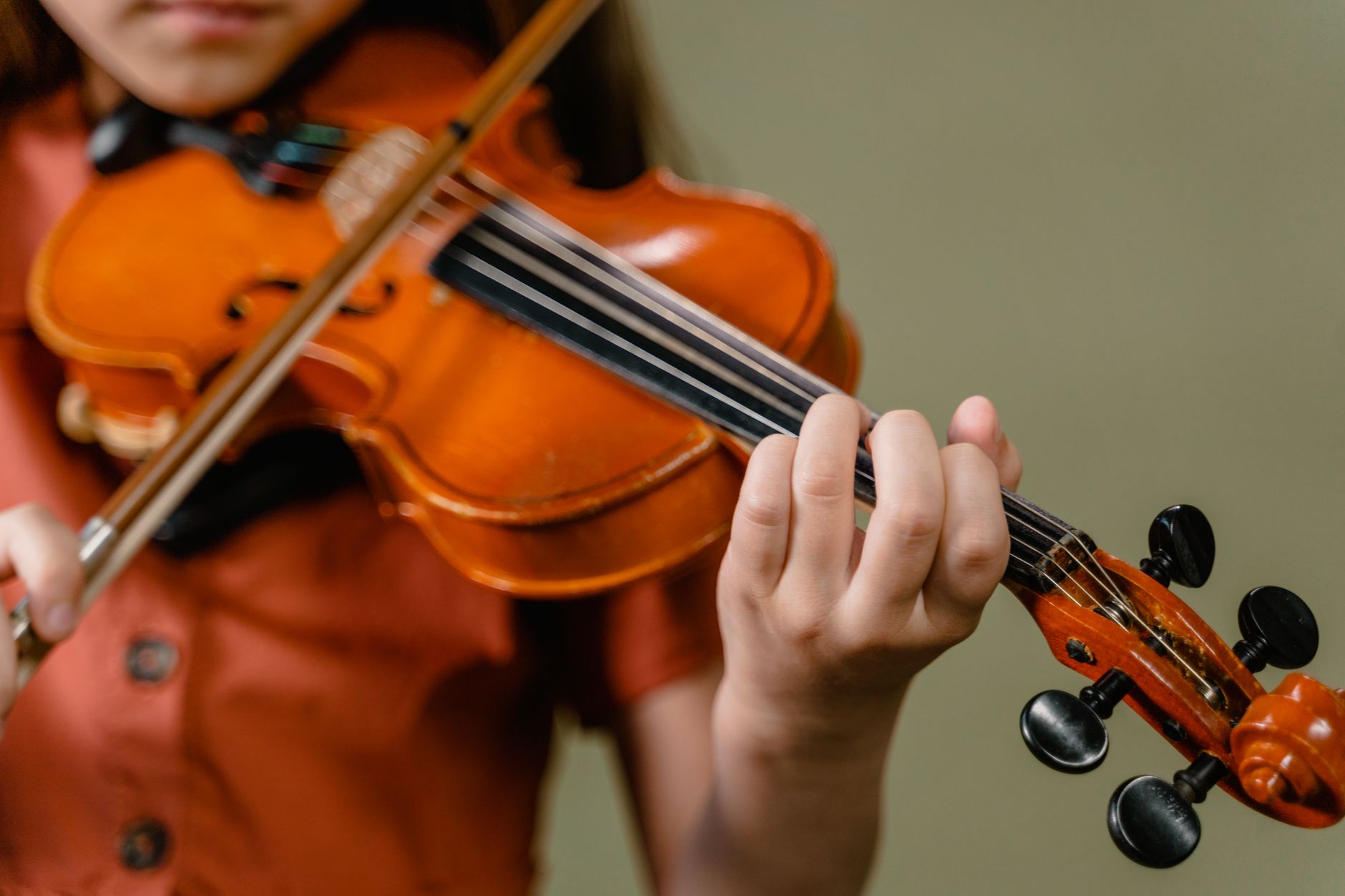
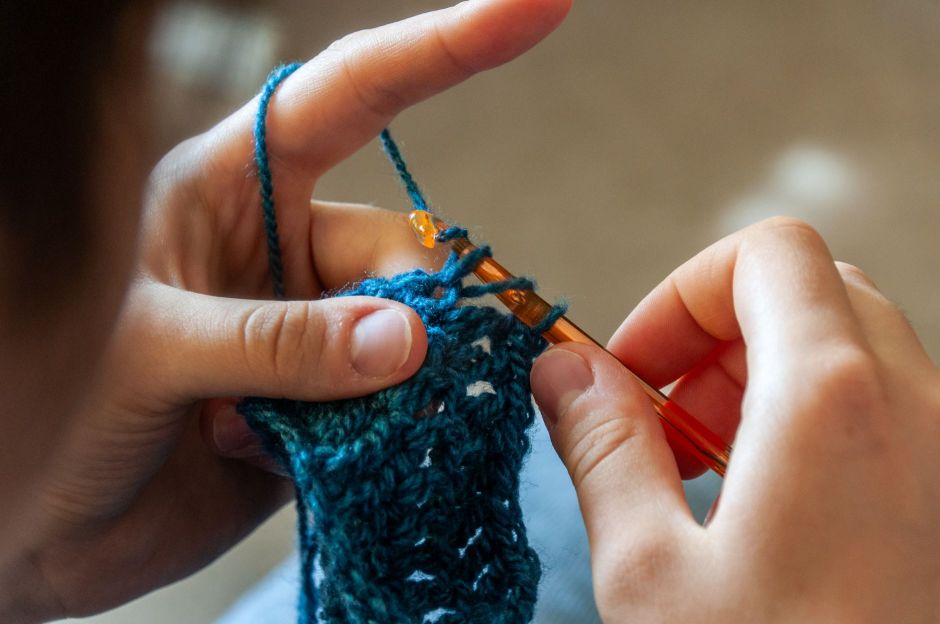
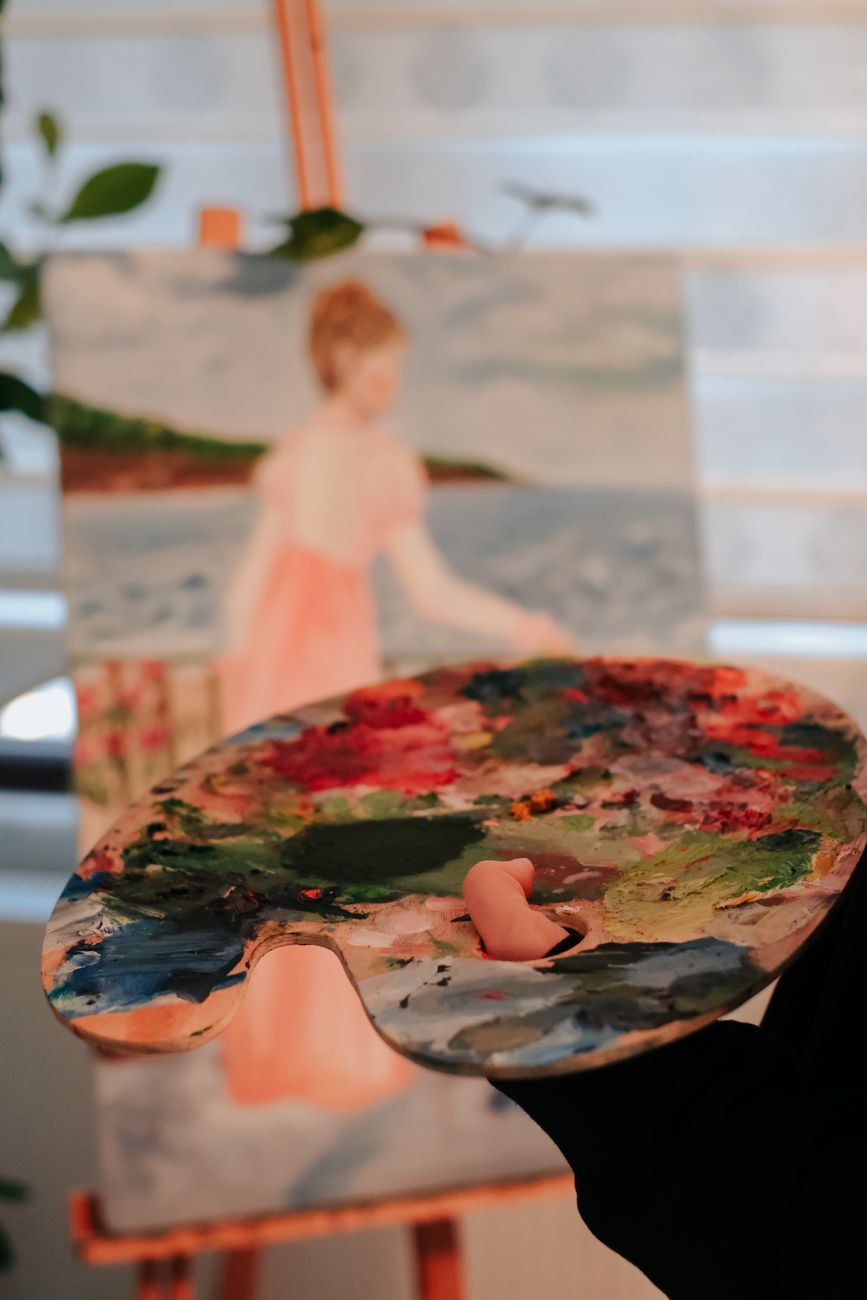
The crocheter is asked when she’s opening an Etsy shop. The painter is asked if they’ve considered the local gallery. The yoga enthusiast is told they should teach. The baker is suddenly “volunteered” for every birthday cake in a five-mile radius. And the poet, inevitably, is encouraged to submit to journals.

And it sounds reasonable, doesn’t it?

We are constantly told to pursue our passions. To follow what we love. To “do what you love and you’ll never work a day in your life.” A beautiful idea. And also… a slightly suspicious one. Because somewhere along the way, we stopped asking whether turning everything we love into something productive might quietly change the thing itself.

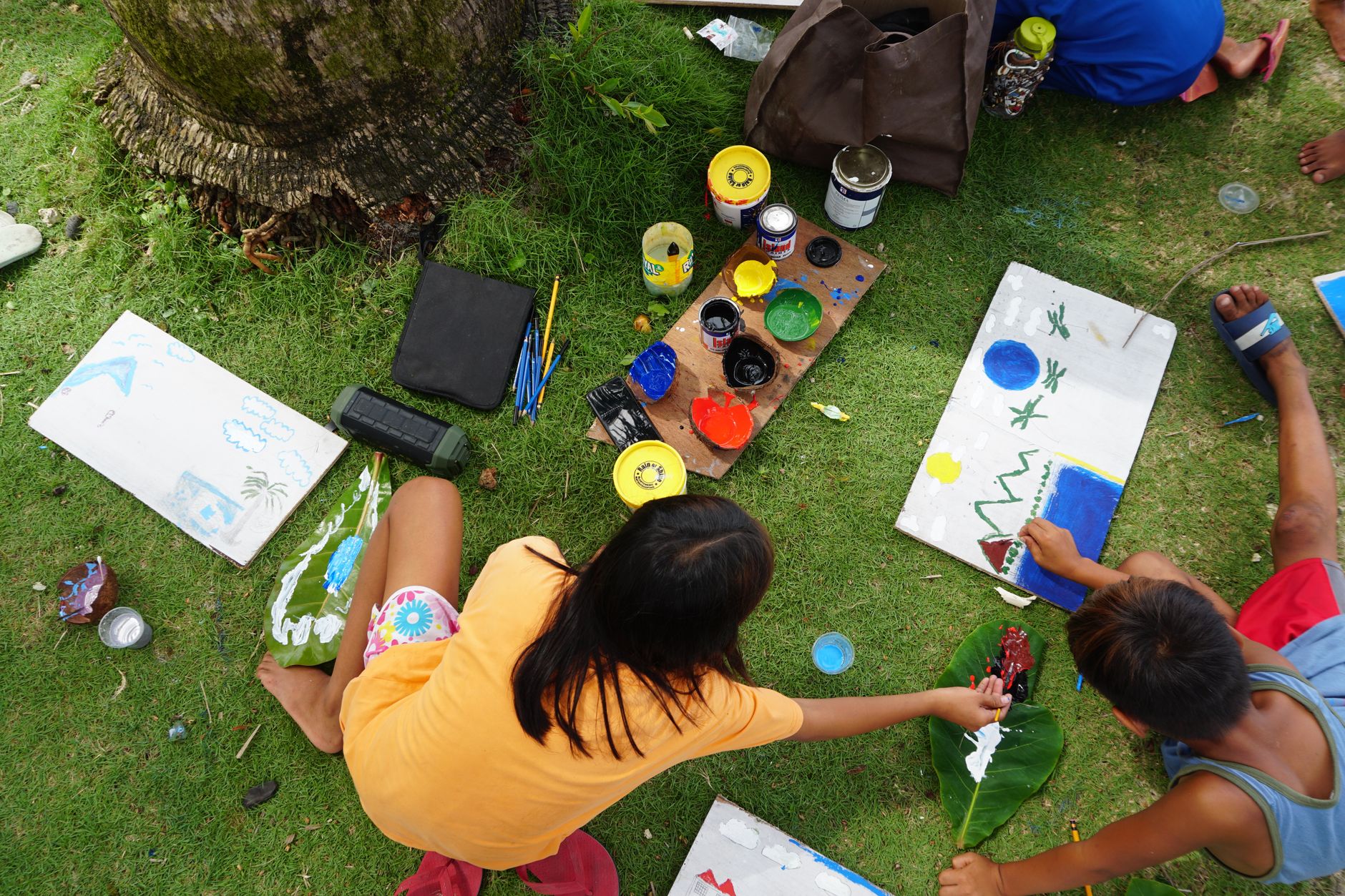
There was once an experiment with children who loved to draw. They were divided into groups—one received an external reward for drawing, the other did not.

The result was surprisingly consistent: the group that drew without reward maintained their interest. The group that drew for the reward lost motivation over time. And the group that received an unexpected reward? They also maintained their enjoyment.

In other words: motivation thrives not on chasing reward, but on the absence of needing one. We are most creatively alive when we are not negotiating with outcomes.

Photo by Cort Landt on Pexels.com

Another study, this time with adults, found something equally odd. One group completed a deliberately dull task before being asked to solve creative problems. The group that had just done the “boring” task actually produced more creative solutions.

Which is funny, because some of my best poetry has never arrived at a desk. It arrives while driving. While walking. While weeding the garden or cleaning something I definitely didn’t want to clean. It arrives when the conscious mind is occupied just enough to step aside.

But that kind of mental spaciousness is hard to come by when every hour is accounted for, optimized, monetized, or squeezed into productivity. And that’s where hobbies quietly begin to change shape. Because turning a hobby into a side hustle sounds empowering—until it isn’t.

At first, it’s just sharing something you love. Then it becomes selling something you love. Then it becomes needing to sell something you love. Then it becomes needing to make something people will buy. And slowly, almost imperceptibly, the question shifts from: “What do I want to make?” to “What will perform well?” The hobby is still there. But the play is not. And without play, something essential quietly drains out of the work. Not always immediately. Not dramatically. But steadily—like a color fading from fabric left in too much sun.

Photo by SHVETS production on Pexels.com

The uncomfortable truth is that most side hustles do not pay nearly as much as we imagine they will. Often, the return is small compared to the time invested. Sometimes it amounts to a few dollars an hour—or less—once everything is accounted for.

Which would be fine, if the primary goal was joy. But when the goal becomes income, validation, or traction… the relationship changes. We stop being in conversation with the thing we love. And start being evaluated by it. And I think that is the part we rarely say out loud: Not everything we love is meant to be optimized. Not everything we create is meant to scale. And not everything beautiful needs to become a business plan.

Sometimes the point is simply that it exists at all. Sometimes the point is that it made you feel alive while you were making it. And perhaps the real danger is not that we fail to monetize our passions… But that we succeed in doing so, and lose the ability to enjoy them without permission. So for now, I remain in my poetry hyperfixation. Not as a product. Not as a strategy. Just as a person who has been, for a while, deeply interested in making things that do not need to become anything else.

Oh do not get me wrong, dear reader, I will submit things to journals here and there, but not for any other reason than to put them out into the world. But mostly, I shall continue to focus on having fun.

Photo by betu00fcl nur akyu00fcrek on Pexels.com

The Lost Art of Becoming a Regular

Subscribe to continue reading

Subscribe to get access to the rest of this post and other subscriber-only content.

The Day My Phone Saved Me From Buying Another Purse

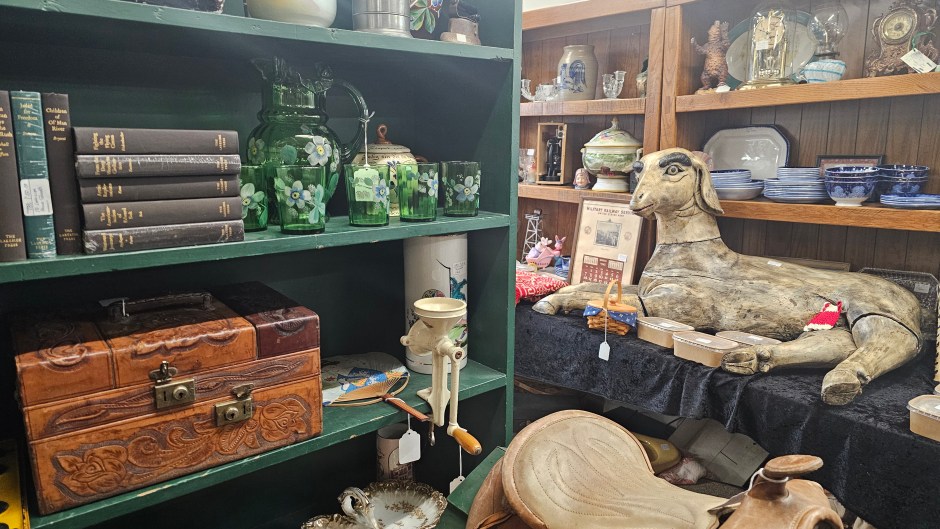
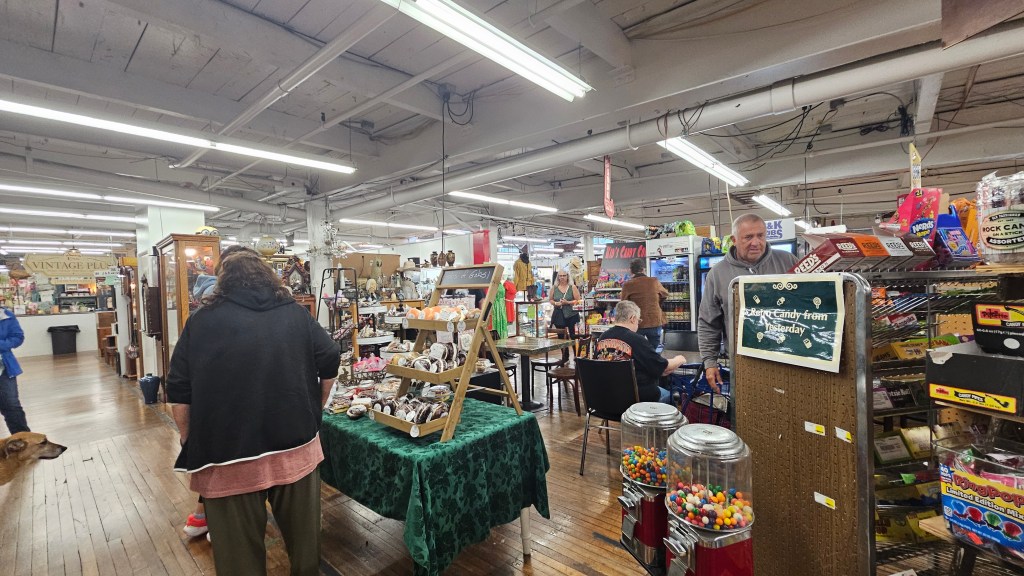
The other weekend, on a rainy afternoon, my sister and I ventured into a massive indoor antique store housed in an old warehouse. Two stories of treasures stacked on top of each other unfolded into a sprawling maze of booths, each one as varied as the colors of the rainbow.

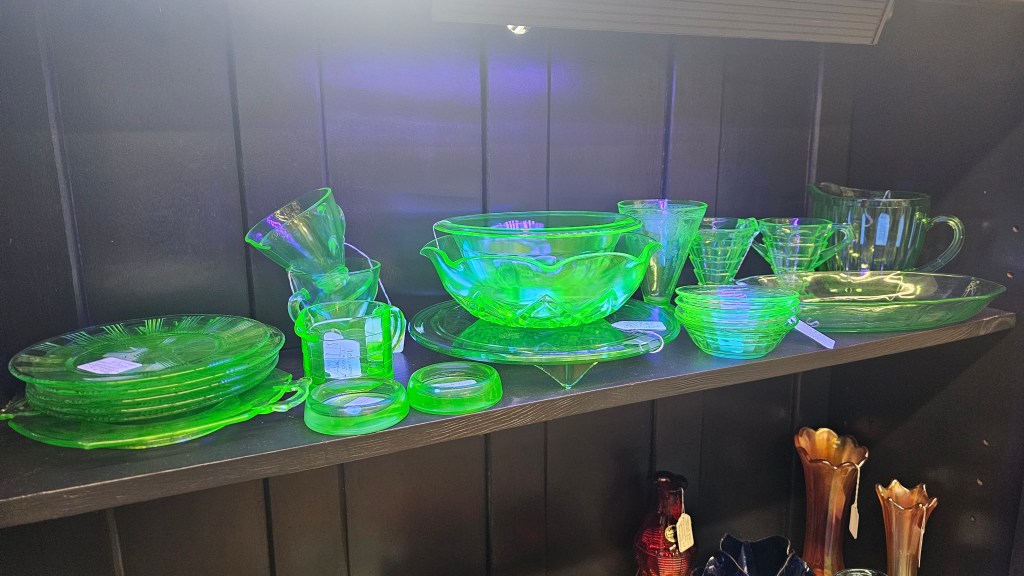
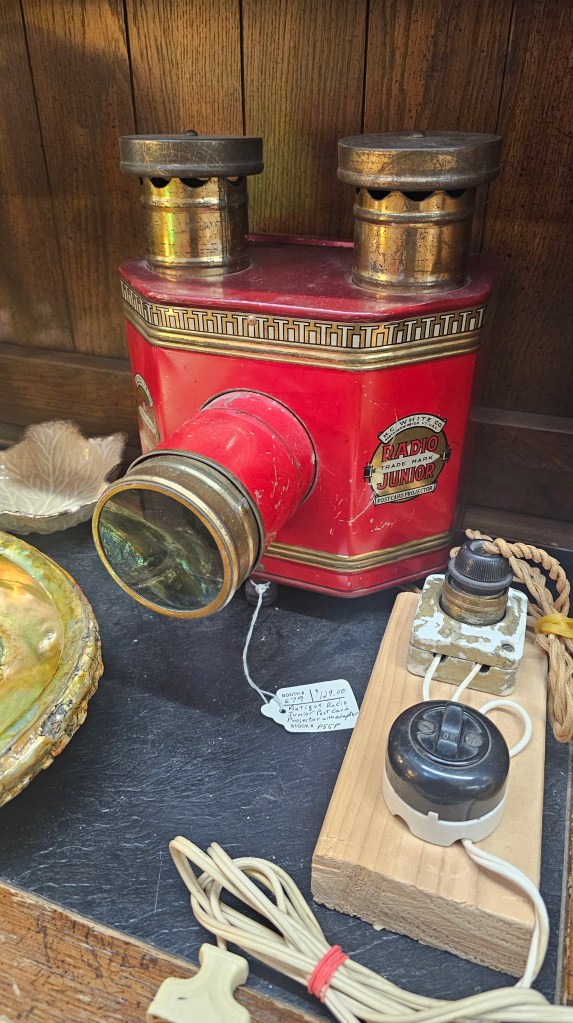
Old uranium glassware sat beside vintage clothing. A now-derelict gas pump stood comfortably next to forgotten household tools. It was a hodge-podge of decades and even centuries, all jumbled together in a kind of quiet, chaotic harmony. A cacophony of objects, each with its own story, none of them particularly concerned with being organized by time period.

We happily set off on a kind of treasure hunt, letting whatever caught our eye guide us. There is something uniquely joyful about wandering without purpose except curiosity, being delighted by strange finds and pausing often to compare notes.

Being both history nerds, we took turns educating one another, filling in the gaps of each other’s knowledge as we went. “Oh, that’s a…” inevitably became the start of several long conversations that may or may not have been entirely accurate but were delivered with great confidence nonetheless.

What makes antique stores so uniquely fun is that unlike museums, where objects are carefully preserved behind glass with a strict “do not touch” policy, here you are invited to engage directly. You can pick things up. Turn them over in your hands. Imagine not just where they came from, but what it would feel like to let them live in your space now. History becomes something you can hold, not just observe.

My sister and I have many fond memories of antiquing with our mother when we were younger, learning about objects we didn’t yet have the language to name, and giggling over cultural relics that felt ancient at the time but are now beginning to resemble our own childhood.

There is always a slightly unsettling moment, of course, when you realize something from your own past has made its way into an antique store. Yes, I am approaching forty, but are we really prepared to call the Tamagotchi “historical artefact” rather than simply “vintage nostalgia with battery anxiety”? Time, it turns out, is a bit unkind that way.

But that is part of the charm. Antique stores collapse time in on itself. What was once ordinary becomes curious again. What was once discarded becomes interesting. And what was once personal history becomes someone else’s discovery.

It turns out you don’t always need a destination to have an adventure. Sometimes you just need a rainy afternoon, a large warehouse full of forgotten things, and someone beside you willing to say, “Wait, come look at this.”

My sister, in her own successful treasure hunt, found a brass penguin, her husband’s favorite animal, which will now take up residence in her living room as a small but very specific piece of joy.

I, on the other hand, left empty-handed in the most literal sense. Well… almost.

There was an adorable purse shaped like a magazine that I briefly considered adopting. Unfortunately, it failed the most important test of all: it would not fit my phone. And if a purse cannot carry the one object I am legally required to bring everywhere, then it is more sculpture than accessory.

Honestly, my phone has probably saved me more money on impulsive purse purchases than any amount of self-control ever could. Perhaps it has already paid for itself in avoided financial mistakes alone.

And yet, even without a purchase, I did not leave empty. Because sometimes the point is not what you bring home. It is what you notice along the way.

How can you experience the thrill of the hunt?

If you ever find yourself with a rainy afternoon and a bit of curiosity, I would encourage you to go on your own treasure hunt. You never quite know what you will find when you let yourself wander without expectation. What’s wonderful is that antique stores litter the US so you’re almost certain to live nearby one. Of course, you will be hard pressed to beat Adamstown, the Antique Capital of the United States (located conveniently in my backyard), but don’t let that discourage your treasure hunt! 

If you do it right, you might even come home with something unexpected. Maybe a story. Maybe an object. Maybe both. Or, if you are my sister, a brass penguin that now lives quite happily on a living room shelf, quietly reflecting on the meaning of life but never sharing. 

Either way, the hunt is the point. 

Miles from home: 45 miles

Cost: Free (well gas is getting expensive)

Completed: First in childhood

Want to discover more adventures? Check out my whole Bucket List and Reverse Bucket List

When Life Only Happens in Big Moments

There is a particular kind of exhaustion that does not come from doing too much, but from feeling like your life only really happens in rare bursts. Oh certainly vacations, “milestones”, trips and celebrations are all well and good.  After all these are the “big moments” which make everything else feel worth it. Or are they?

Because if that’s true then….everything in between starts to feel like waiting. Waiting for the next thing that will make life feel real again. 

I think, in some quiet way, many of us fall into this pattern without noticing it. We begin to outsource our sense of aliveness to future events. We tell ourselves, I’ll feel better when I travel, or when this season is over, or when things finally calm down, or when I get to that version of my life that feels more like mine. And slowly, without meaning to, the present becomes something we are simply passing through.Not living in. Just moving through.

Don’t get me wrong, there is nothing inherently wrong with looking forward to things. Anticipation is a form of joy. But there is a difference between anticipation that enriches your life and anticipation that replaces it. One expands your experience. While the other quietly erases it.

Modern life does not exactly discourage this pattern. If anything, it reinforces it. We are surrounded by highlight reels, curated moments, and constant reminders of what life could look like if we were elsewhere, doing something else, being someone slightly different. So it becomes very easy to believe that life is happening over there rather than here or now. I am tempted dear reader to quote Yoda when he was talking to Luke Skywalker “All his life has he looked away… to the future, to the horizon. Never his mind on where he was. Hmm? What he was doing.” Forgive me there are just some temptations I cannot deny. 

Photo by Lydia Murray on Pexels.com

If you are not careful, your ordinary days begin to feel like maintenance. Something to get through. Something to manage. Something to endure until the next meaningful thing arrives. But a life that only feels real in its highlights is a fragile kind of life. Because highlights are, by definition, rare. And everything else is where you actually live.

This is where the trouble starts. Not in the big moments themselves, but in the assumption that they are the only moments that matter. Because if that is true, then most of your life becomes a kind of emotional outsourcing. You send your sense of meaning elsewhere and wait for it to return in concentrated form. A weekend. A trip. A breakthrough. A celebration. A “milestone” (whatever those actually are).

And in between those moments, you are left with everything else. The ordinary. The repetitive. The unglamorous structure of being a person who still has to answer emails and wash dishes and figure out what dinner is going to be. It is easy to dismiss those moments as unimportant. But they are not the exception to your life. They are your life where you wish to admit that or not. 

And this is where things begin to shift, because once you notice this pattern, you start to see how much of life is not actually made of peaks, but of repetition. The same mornings. The same responsibilities. The same quiet routines that shape your days more than any single highlight ever will. So the question becomes not how to eliminate the big moments, but how to stop abandoning your life in the meantime.

Because a life worth living cannot only be something you visit occasionally. It has to be something you can exist inside of. Something that does not require escape in order to feel bearable. This does not mean every moment must be exciting or meaningful in a dramatic sense. That would be its own kind of pressure.

Photo by Pixabay on Pexels.com

Instead, it might mean learning to notice what is already here, even in its simplicity. The small textures of a day that is not special, but is still yours. The way light comes through a window. The rhythm of familiar tasks. The quiet continuity of being alive without anything particularly remarkable happening.

And sometimes, it means gently asking yourself what you are waiting for. Not in a harsh way. Not as judgment. But as awareness. Because often, when we are honest, we are not waiting for one specific thing. We are waiting for life itself to begin feeling like it counts.

If you’ve ever watched or read the play “Our Town” there is a specific scene in which a woman, Emily Webb, has died in childbirth and asks to go back to relive parts of her life. She’s warned not to pick a big day like her wedding because it will be too much. No, she’s told to pick a quite ordinary day and so she picks her birthday as a young girl. She is immediately overwhelmed by how young and beautiful her mother looks, but she is instantly struck by a painful realization. The living are moving too fast, completely caught up in the routine details of the day. When her mother hands her a birthday gift without truly pausing to look at her, Emily experiences a rush of grief. She sees that human beings are blind to the preciousness of the present moment, treating time as if they have a million years to waste. 

Photo by Viktoria Panova on Pexels.com

How often do we live that way? How many times do we not really look at one another and savor the small moments of connection? 

But life is not waiting for permission to be meaningful. It already is happening. Even here. Even now. Even in the in-between.

“Oh, earth, you’re too wonderful for anybody to realize you. Do any human beings ever realize life while they live it—every, every minute?” – Emily Webb “Our Town” 

So perhaps the invitation is not to chase fewer big moments, but to stop outsourcing your aliveness to them. To let the big moments be a part of your life, not the place where your life finally starts. And to remember, gently, that a life well lived is not built in rare highlights. It is built in the ordinary days you stop overlooking.

Opening the Tupperware

I think it is fair, dear reader, to believe that there are many of you who have gone through trials and tribulations in this life. It is also fair to believe that there are many of you who have not made it through those trials unscathed. You may think that you are irreparably broken from the experience. I assure you, you are not. You are probably quite resilient and resourceful. However, you may not yet realize it and I do not think you are entirely to blame. 

Something that frequently irritates me is the media’s depiction of healing. A character suffering from PTSD suddenly has a realization that they are able to face their fears and suddenly the flashbacks stop. A story about a girl grieving the loss of her mother goes back to being happy by writing a letter, stuffing it in a bottle and throwing it in the ocean. Healing is done through a flashbulb moment, a small act or a one time therapy session with a counselor. So when we have our flashbulb moments, take those small acts and go to counseling and we still aren’t “fixed”, we begin to wonder if we will ever be healed. Because why wouldn’t we question our ability to heal when the narrative we’ve been given is that it’s quick and easy. 

It’s like everything else in our society, we want a quick solution without a lot of effort. Take this shot, you’ll lose weight. Play this game for 10 minutes a day and you’ll be fluent in Spanish months! Go to counseling for a few sessions and your trauma will be cured. And you won’t ever have a set back again! 

Photo by Antoni Shkraba Studio on Pexels.com

The truth is that isn’t how healing works. It’s a messy, difficult and sometimes frustrating process. It’s taking what feels like three steps forward only to fall five steps back and then have to walk three steps forward to have taken one actual step. It’s like cleaning out the refrigerator where you have to open the old tupperware knowing that you’re about to discover what might be the start of new intelligent life because you’ve allowed it to evolve for so long. No one wants to open the tupperware to see what’s inside and unlike the tupperware you don’t have the option to just throw the whole thing in the trash. You have to open it up and deal with whatever you find, no matter how unpleasant. 

Emotions, unfortunately, require care and ignoring them doesn’t make them go away. Because when we turn off our ability to feel the negative emotions, we also turn off our ability to feel positive emotions. That’s why we can end up feeling emotionally numb even when the difficult times are over and we don’t understand why we can’t be happy now. No one wants to sit in the negative emotions. We often jump to problem solving or attempting to reason with them rather than simply sit and hold space for whatever may be there. 

Photo by Julio Motta on Pexels.com

You don’t want to face it because it’s not enjoyable but the only way to the other side is through it. Not once, not twice but again and again and again. Because processing once often isn’t enough, not with more complex and complicated issues. If it were, you could just write a journal entry and be on with your life. What really sucks is when you you think you’re good only to get into a situation many years later where you’re triggered all over again. So you take deep breaths, count out 5 things you can see, four things you can hear, three things you can feel, two things you can smell and one thing you can taste – an excellent grounding technique. You remind yourself that you’re in the present and that what you’re responding to is in the past. It’s followed by the frustration of not being “over it”, forgetting that our emotional minds aren’t subject to logic or even the constraints of time. 

If you aren’t going through something then chances are you know someone who is and it can be tempting to try and fix the problem. Remember your presence is all that is required to let them know that they aren’t alone. 

If you find yourself overwhelmed in your healing journey, I recommend reaching out to your supports and consider expanding your support system as well whether that be a therapist, counselor, life coach, priest, etc. 

This isn’t a post about how to heal, but rather about being kind to yourself in the process. Healing isn’t linear nor is grief. It’s a process that’s often circular, confusing and paradoxical. Which is, honestly, the human experience. In living a life well lived, taking the time to allow ourselves to feel the full spectrum instead of trying to rush through it can be one of the best things you can do because healing takes time. 

Photo by Vika Glitter on Pexels.com

If the Mask Came Off, Would You Recognize Yourself?

We live in a digital age where we can curate our lives to project an idea of who we are into the world. Are we bubbly and outgoing? Sophisticated and refined? We can place almost any lens or filter over our photos and our lives. With artificial intelligence, that line blurs even further. We can compose music, generate art, write entire essays, and pass them off as our own. We can feed in a photo and receive a picture-perfect version in return.

All of it in pursuit of likes and comments.
All of it for confirmation that we are enough.

Which is what we’re all striving for, isn’t it?

It becomes easy to let these illusions shape our identity. The mask we wear for acceptance begins to fuse with who we are. Much like The Mask, it clings to us until we can no longer separate it from our face. And without it, we’re not entirely sure who we are.

Maybe when you were younger, your father took you to baseball games. You wore the jersey, learned the lingo, found community in the crowd. When he asked if you wanted to play, you said yes. You spent your childhood in a sport that never quite fit, quietly forgetting about the gymnastics class you once wanted to try. When the Olympics came on, you changed the channel rather than sit with the ache in your chest as athletes flipped and soared with ease.

After all, that’s not what earns a high five from Dad.
That’s not what earns acceptance.

Photo by Zen Chung on Pexels.com

Or maybe you were told you were too loud, so you became soft. Too much, so you became small. You watched a sibling get scolded for being wild, so you became controlled, composed. You saw a parent retreat when overwhelmed, so you learned to hide your emotions. You absorbed opinions about “the kind of people” who go to college or work with their hands, and somewhere along the way, your own desires got quieter.

Without the judgment of others, who are we?
What do we actually like?
What are our passions?

If no one were watching, what would we choose?
If no one were clapping, what would we keep?

Deciding to live authentically is not a small thing. Especially when our relationships have been built on versions of ourselves that were easier to accept. There’s a quiet fear that lingers: Who stays if I change? If they really see me, will they accept me? If I tell them my truth, will I be cast out? They say they love me, but if they never knew who I really am, was it ever actually love?

Not every truth is seismic. Not every revaluation risks losing everything. Sometimes it’s quieter. You grow up dismissing a genre of music you’ve never actually heard, repeating what you were taught. Then one day, you listen. And you like it. You begin to question what else you’ve inherited without examination.

You realize how much of you was shaped before you ever had the chance to choose.

Of course, not all of this comes from a place of harm. A father may have brought his child to baseball games simply to connect, to give what he never received. A mother may have hidden her tears to protect her child from carrying burdens that were never theirs to hold.

But even well-intentioned messages can clip our wings.

Photo by Camilo Ospina on Pexels.com

We try on identities like hats, convinced they fit, until one day they don’t. We outgrow them. Or maybe we never grew into them at all. We become fractured. The version of us at work looks different from the one at a party, which looks different from the one who sits alone in the quiet.

And eventually, the question surfaces:

Who am I, really?

Maybe that’s the real fear.
Not that others won’t recognize us…
but that we won’t recognize ourselves.

If the mask came off, would you recognize yourself?

Rethinking Love in February

Love is in the air, or at least Valentine’s Day is.

It’s the time of year when the town is painted red, couples linger a little closer, and a different kind of warmth permeates despite the bitter chill of winter. The days are growing lighter. Spring is promised. Something soft waits patiently beneath the cover of snow.

And yet, Valentine’s Day carries a strange contradiction.

Did you know it is one of the most common days for breakups?

For a holiday brimming with sappy poems, fragrant flowers, and sweet chocolate, it has earned a surprisingly bitter reputation. Perhaps that is because a day devoted to love forces us to reflect on what love actually is… and sometimes, upon closer examination, we discover that what we thought was love… wasn’t.

Believe it or not, our culture, and often even our families, do a poor job of teaching us what real, authentic love looks like.

We talk about butterflies in our stomachs and feeling lightheaded from a kiss. In love songs, boundaries blur and two people fuse into one. In stories, love is intense and consuming. The hero protects the heroine, but also possesses her, sealing devotion with the words: “You are mine.”

Sometimes we are taught to view love through obligation and duty. Love becomes something we owe. Something we earn by fulfilling expectations and playing our roles correctly. Love becomes sacrifice at the expense of the self.

Photo by Pixabay on Pexels.com

But is that love?

I would argue that these versions are infatuation at best, and unhealthy, even abusive, at worst. And yet, between cultural depictions and our own internal patterns, we often confuse what love is.

We learn from our earliest experiences what love looks like. As we grow older, we don’t always seek what is healthy, we seek what is familiar.

I could list a million examples of unhealthy love. I could write out endless red flags. But the problem with red flags is that if something doesn’t match them exactly, we may dismiss what we feel.

We tell ourselves, “Well, it’s not abusive.”

And yet, something can fall short of abuse while still falling far short of love.

That is why I want to focus instead on what healthy love actually looks like.

Across poems, philosophy, research, and human experience, certain themes arise again and again. Love is more than a feeling or an attachment. Healthy love is a consistent presence, the willingness to stay, not because one must, but because one chooses to.
And while love may cost us something at times, it should never come at the cost of ourselves.

Healthy love is not self-erasure. It is not martyrdom. It is a widening sense of us that still contains a me. Sacrifice in love should not diminish either partner, but strengthen both.

To love someone is also to truly see them.

Love recognizes the beloved as they are: flawed, human, singular, worthy. Love says, “You matter. You are not interchangeable. You cannot simply be replaced.”

Love is not possession. It is not fear disguised as devotion. Nor is it the merging of two souls into one entwined being, as popular as the fated-mate trope may be.

Photo by Pixabay on Pexels.com

Love does not have chains.

It is choice and freedom.

Healthy love enhances rather than restricts. It fosters growth rather than suffocation. One person is not diminished so the other can shine. Both are made better, not because they complete one another, but because they support one another.

In short, healthy love is a relationship where both people feel emotionally safe, seen as they are, and free to grow without fear of punishment, abandonment, or control.

Love says:

“I won’t disappear when you’re inconvenient.”
“I won’t punish you for being human.”
“I won’t leave you alone in your pain.”

But healthy love does not say:

“I will erase my own needs.”
“I will surrender my boundaries.”
“I will make your suffering my identity.”

Love is safety for both.

It allows both partners to exist without feeling they must earn their right to be there.

And perhaps that is the quiet challenge of Valentine’s Day, beneath all the roses and romance. Love is not something waiting for us in some distant future, once we are finally healed, finally perfect, finally enough. It is something we practice in the present, in the relationships we choose, in the boundaries we hold, in the way we refuse to mistake survival for devotion. A life well lived is not built “someday.” It is built here, now, in the steady courage to believe that love can be both real and safe, and that we are worthy of it exactly where we are.

Photo by Rogu00e9rio Souza on Pexels.com

Stop Waiting for the After

After the trip. After things calm down. After I fix myself. After I get my finances together.

Always after. Always somewhere in the future.

We tell ourselves these stories so often they begin to feel like truth. Life will really begin once the chaos settles, once we become more disciplined, more organized, more healed, more prepared. Until then, we endure. We keep our heads down, grit our teeth, and tell ourselves this is just a season—even when that season stretches on for years.

And yet, time has a way of slipping through our fingers when we are always waiting. One day we look up and realize we have not so much lived as survived. The days were filled. The calendar was full. But the life itself felt strangely absent.

Of course, there were moments of joy. There always are.

A long-awaited weekend getaway. A carefully planned weeklong vacation. Maybe, if we were especially lucky or brave, a two-week escape that felt almost indulgent. These moments gave us oxygen. We counted down to them obsessively, letting anticipation carry us through exhausting workweeks. The promise of rest, novelty, and beauty became the thing that kept us moving forward.

For a brief while, we could breathe.

Photo by MART PRODUCTION on Pexels.com

But then the trip ended. The air thinned again. And the familiar weight returned, heavier somehow for having been briefly lifted. The emotional letdown after travel crashed over us like a wave, knocking us off our feet. What was meant to restore us instead highlighted how depleted we were the rest of the time.

I remember this feeling vividly after my very first cruise.

I had been so excited to experience it with my sister, who had gone on one before and filled my imagination with stories and photos. We planned everything meticulously, savoring the anticipation as much as the trip itself. And the week away truly was a dream. Swimming with dolphins. Snorkeling over a shipwreck. Walking along the famed pink beaches of Bermuda. For a few precious days, life felt expansive and light.

Then it ended.

I was sitting in a train terminal in New York, waiting for the train back to Philadelphia, when a familiar sense of dread began to creep in. My heart started pounding. My mind raced ahead of me, already back at my desk. Had I missed deadlines? What had happened with my clients while I was gone? What did my inbox look like? Would I be returning to chaos I could never quite get ahead of?

The anxiety built quickly, swallowing all the ease and joy I had felt just hours earlier. The relaxation I had carefully collected over the week evaporated, replaced by a sense of impending doom. I realized, with startling clarity, that the problem was not that the vacation was too short. It was that my daily life was unsustainable.

I did not stay at that job much longer.

Photo by Jill Wellington on Pexels.com

Looking back, I can see what was really happening. Time away had become the only time I felt fully alive. Travel was no longer something that enhanced my life. It was something that made my life bearable. It was not a chance to breathe deeply, but the only moment I was allowed to breathe at all.

That is a heavy thing to place on something meant to be joyful.

Travel, adventure, and novelty are not the villains here. They are generous teachers. They show us beauty. They remind us of wonder. They broaden our perspective and refresh our spirits. But when they become lifelines rather than highlights, they quietly reveal a deeper problem: a life structured in a way that requires escape.

It is hard to feel at home in your own life if every day feels like scaling a mountain rather than taking a gentle walk through the woods. When effort is constant and rest is rationed, even joy begins to feel transactional—something we earn only after enduring enough discomfort.

Living well does not happen by accident. It requires intention, attention, and a willingness to examine the parts of our lives we have normalized simply because they are familiar.

So what does it mean to design a life that supports you rather than one you need rescuing from?

It does not mean eliminating hard work or responsibility. It does not mean chasing constant happiness or turning every day into a highlight reel. It means building rhythms that allow you to inhabit your life rather than flee from it. It means making choices—sometimes small, sometimes uncomfortable—that reduce the daily friction slowly draining your energy.

Photo by Quincy Anderson on Pexels.com

It might look like boundaries that protect your evenings. Or financial systems that lower your baseline anxiety. Or a job that challenges you without consuming you. It might look like simplifying instead of accumulating, choosing enough instead of more, rest instead of relentless self-improvement.

Most of all, it means refusing to postpone your life until some imagined version of yourself finally arrives.

If we are always waiting to become someone better before we allow ourselves to live well, we may wait forever. Growth does not require self-denial as proof of worthiness. A meaningful life is not a reward reserved for those who have perfected themselves.

When we begin to live well now—imperfectly, quietly, intentionally—something subtle but powerful happens. Travel changes its role. Adventures stop carrying the weight of our unmet needs. They become what they were always meant to be: enhancements rather than escapes.

Instead of giving our lives color, travel adds highlights.

A beautiful trip becomes like the right accessory. It does not replace the outfit. It elevates it. It brings contrast, texture, and delight to something already functional and meaningful. The joy of returning home no longer feels like loss, but like integration—bringing what we learned and felt back into a life that can hold it.

This is not a call to stop dreaming, exploring, or longing for more. It is an invitation to stop living entirely in the future. To notice where you are postponing joy out of habit rather than necessity. To ask, gently and honestly, what would make this season more livable.

The goal is not to suck the marrow out of every moment. The goal is to stop starving ourselves the rest of the year.

A life you do not want to escape from does not have to be extraordinary. It simply has to be yours, tended to with care, lived in with intention, and allowed to matter right now, not later. So what are you waiting for dear reader? Go forth and create a life for now.

The Gift You Give Yourself

There comes a point in adulthood when you look around at your own life and realize just how much of it was built from other people’s expectations. Parents, partners, coworkers, even strangers on the internet all seem to carry opinions about what a “good” life should look like whether that’s the classic white picket fence and 2 kids, jetting around the world or having that corner office. With the shorter days and colder nights which entice us to stay inside sipping a warm cup of tea, December has a way of handing us a quiet pause in the middle of all that noise. In that stillness you can ask a gentler and more liberating question: What if the best gift you give yourself this year is a life that actually fits you? Not a life you are supposed to want. Not a life that earns gold stars. A life that feels like home when you step into it.

Most of us carry at least a few pieces of life that no longer fit. A commitment you keep out of habit. A routine that once served you but now drains you. A goal you set years ago that you are still dragging around even though it no longer reflects who you are. Just like clothes that shrink in the dryer, some roles tighten over time until they restrict your movement. One of the most compassionate things you can do for yourself is to notice what feels constricting. If something consistently brings dread or resentment, it deserves a second look.

Try asking yourself: What do I continue to do only because I feel I should? What parts of my week feel like a performance? What drains me more than it fills me? These small gut checks can reveal more truth than grand resolutions ever will. Because often resolutions are about adding things to our lives when maybe we should be asking what isn’t serving us anymore. 

Photo by The Lazy Artist Gallery on Pexels.com

Permission to Want What You Want

Wanting something different for your life can feel almost rebellious. We are taught early that desire is selfish or impractical. Yet desire is really a compass. It points you toward what brings meaning. The permission you refuse to give yourself is often the permission you most need. You are allowed to want a simple life. You are allowed to want a bold one. You are allowed to want rest, creativity, adventure, peace or a mix of them. 

Let go of the guilt around wanting something others do not understand. You do not have to justify your dream life like it is a court case. Your preferences do not require a panel of approval. They only require your honesty. After all, the only person who gets to live your life is you. They have their own. 

Every person inherits a set of default settings. These can be expectations from family, cultural messages or values absorbed without question. Some defaults are helpful. Others keep you living a script that never belonged to you. December is an ideal moment to ask where those settings came from. Did you choose them or were they assigned to you? Are they aligned with who you are now or with a past version of you who no longer exists?

Letting go does not always require a dramatic overhaul. It can be as simple as replacing one outdated belief with a more generous one. It can be as quiet as deciding your worth is not measured by productivity. Sometimes the life that fits begins with subtracting what never matched your shape in the first place.

Photo by Kassandre Pedro on Pexels.com

Crafting a Life That Fits

Once you clear the space, you can begin creating a life that feels right in your hands. Think of it like tailoring. Small adjustments can change everything. You might shift your morning routine to match your natural rhythm. You might redefine what rest means so it supports you instead of feeling like a guilty pleasure. You might choose relationships that nourish you instead of ones that keep you hustling for belonging.

Crafting a life that fits is not a single grand gesture. It is a set of choices made consistently. When something feels peaceful instead of performative, you are moving in the right direction.

A good life should give you room. Room to breathe. Room to change your mind. Room to fail safely. Room to explore new interests without embarrassment. If your life feels like a tight shoe, it is not a sign that you need to force yourself into it. It is a sign that you need to loosen the laces. When you prioritize a life that can expand with you, you trade perfection for sustainability. You also create conditions in which joy can actually take root instead of feeling like a visitor.

Photo by JESHOOTS.com on Pexels.com

A Gift You Keep Giving Yourself

The gift of a well-fitting life is not wrapped once and placed under a tree. It is something you give yourself again and again. Through honesty. Through reflection. Through paying attention to what your life is telling you. You will outgrow some things. You will discover new ones. You will learn what brings you back to yourself. The point is not to build a life that looks impressive. The point is to build one that feels true.

As this year winds down, take a moment to appreciate the small ways you have already reshaped your life into something more authentic. And if you have not started yet, that is all right. The gift is not in the timing. The gift is in choosing yourself.

A Purpose Life: Lifting Up Others

I’ve now espoused upon cultivating your talents and exploring your calling as pieces of a purposeful life or applying your y amounted to applying your talents in support of your calling to serve others in some nebulous manner. Of course in my post about your calling, it was basically looking at your passions and applying them to helping others. But what does it look like to help others? How does one help? Who does one choose? 

It really does depend doesn’t it? On who you are helping and what you are helping them achieve. How do we choose who to help? Does the who have to be another human being? There are plenty of people who dedicate themselves to helping animals. Jane Goodall is often hailed in the same breath as Martin Luther King Jr or Ghandi and she concerned herself primarily with gorillas. Julia Hill was lauded for her activism to save a tree from a logging company. Yes, their actions certainly helped the human race as a whole later on but in the meantime their energy could have been put forth in other areas. 

As someone who has worked and interned at non-profits one of my favorite interview questions to ask people both when I was being interviewed and when I was doing the interviewing, was “why this issue”. Why out of the hundreds of social issues and concerns this one. Why Haiti? Why the homeless? Why mothers and children? Why not Kenya? Why not veterans? Why not people suffering from addiction? Why not cute, cuddly puppies? After all, if you devote a majority of your time, effort and resources into a given area that means those same resources aren’t being spent on another area of importance and naturally one cannot reasonably support all areas of importance. In a way, that means you are saying that this thing here is the most important thing to me to be doing. That’s a pretty big statement when you think about it. 

Photo by Matthias Zomer on Pexels.com

Now it may be that there were numerous things that were important to you and this is the one that happened to have the opportunity for you at the time to use your gifts and passions for it. When I did an internship for a non-profit that worked in Haiti it was because I needed an internship and that happened to be the one offered to me. It wasn’t because Haiti was the top of my list of countries that needed my support and I was particularly passionate about Haiti. I have become more passionate about it for my experience, but I also understand it is because I now have a personal connection to that country whereas previously there was nothing to push Haiti higher on my list than any other developing country. I wanted to help others and this happened to be an opportunity that opened up for me – but remember my job isn’t necessarily my calling (we already discussed how the two shouldn’t be conflated). 

Still, one can find that one has stumbled more or less into something that is calling adjacent. That doesn’t make it wrong necessarily. After all, one may be called to something and then discover the opportunities just aren’t there or you haven’t found them yet. The point is that one should not leave it unexamined. Why this population in this particular part of the world? Why this issue and not another issue? Is this really your top priority? There are, after all, a near infinite array of issues facing us today that all scream for attention from climate change to housing issues from substance use disorders to lack of access to healthcare. There are different ways to approach these issues as well from a one on one individual level to pushing for larger social and political changes. Which one do you pick? 

In social work, we have this adorable story of a boy walking along the beach picking up starfish and throwing them back into the ocean. Around the boy there are hundreds of starfish all struggling to survive. An old man asks the boy what he’s doing telling him sadly that there is simply no way for him to save all the starfish so what does it matter? The boy responds that it mattered to the one that he threw back. It reminds those of us working in a system that is always throwing more “starfish” on the beach not to stop fighting, not to give up because it matters to each person we do help, each life we’re able to impact. Personally, I like to add that there’s another child, a girl, who has climbed onto a boat and is out in the water looking for the reason why all the damn starfish are washing up on the shore in the first place. I call those people the macro-level social workers who are trying to fix the underlying issue. 

Now, I’m not saying the people on the shore are doing something wrong. The macro level people may remind us that you can feed a man a fish and he will eat one day of his life, but if you teach a man to fish, he will eat every day of his life. My flippant response is he can’t learn if he’s dead so many you should feed him first anyways. In other words, you need to triage the problem and fix the underlying issue. Some people are there to prevent an issue, some people are there to stabilize one diaster hits, others are there to fix underlying causes and other are there to repair damage. It’s like how in the Intensive Care Unit you often have a patients who require multiple different specialties in order to recover. If all the doctors had said that only the heart is necessary and to forget about pesky other organs like lungs then a lot of us would be dead. If the only science anyone cared about was chemistry we wouldn’t have gone to the moon. Each of us is part of a bigger whole trying to triage this patient called human society. 

Photo by Efe Yau011fu0131z Soysal on Pexels.com

Some of us have been called to fix plants and save trees. Others of us have been asked to focus on the cute fuzzy creatures or not so fuzzy creatures. Some of us need to answer the call to our neighbors here in our backyard, others are to be called away to lands far from home. There are many, many different areas of the world that desperately need your time, talent, attention and resources. The question is which ones are you most drawn to help? Which ones need your talents the most? My great uncle was an amazing statistician and helped work on projects like calculating where the fish in the ocean are to help guide international fishing laws and treaties through the UN. He also worked with astronomers to help unmask the mysteries of space.

As always it’s important to reflect on these things when talking stock of your own life. What have you been doing with your time? Does it line up with your values? Was it something you just sort of fell into? Have you looked around more recently to see if there are opportunities that more align with what you feel called to do? Do you know why you’re supporting this particular cause over others? Some of us are lucky and obtain a singular vision that helps guide them forward. The majority of us are left stumbling about grasping at whatever happens to be near and hoping it’s the right thing. Although truthfully, it might not matter that you land on precisely the right thing. There are many different passions one can pursue and there are many different causes by which one can apply one’s talents and passions to. 

Perhaps, we spend too much time wondering about our purpose in life and worrying about it when the truth is there are many different paths to living a purposeful life so long as you are able to do meaningful work where your talents and skills are utilized. Some people are meant to be devoted their whole lives to a singular issue. Others are meant to move between issues. After all, my great uncle didn’t spend his whole time focused on the movement of fish in the ocean. He helped them figure out how much they could reasonably fish and where so that we wouldn’t run out of food. A huge contribution to the human race if I do say so myself. However, he was one of several people who prepared reports and of course, he wasn’t the one who drew up the final agreements, so it was a group effort. However, he moved on from that project and applied himself to the next. Which was fine! There are some people out there whose sole purpose is just to start things and let others take over once they’ve started a project. The point is to reflect on your own personal journey toward meaning and allow yourself to shape it without preconceived notions about what it should look like. The most purposeful life is not necessarily becoming a nun and spoon feeding the starving orphans of some wartorn area of the world. A purposeful life is one in which we can develop our interests into skills, to apply those skills and gifts to alleviate a deep wound in the world that we are passionate about healing in whatever way that may be.