There is a particular kind of exhaustion that does not come from doing too much, but from feeling like your life only really happens in rare bursts. Oh certainly vacations, “milestones”, trips and celebrations are all well and good. After all these are the “big moments” which make everything else feel worth it. Or are they?
Because if that’s true then….everything in between starts to feel like waiting. Waiting for the next thing that will make life feel real again.
I think, in some quiet way, many of us fall into this pattern without noticing it. We begin to outsource our sense of aliveness to future events. We tell ourselves, I’ll feel better when I travel, or when this season is over, or when things finally calm down, or when I get to that version of my life that feels more like mine. And slowly, without meaning to, the present becomes something we are simply passing through.Not living in. Just moving through.
Don’t get me wrong, there is nothing inherently wrong with looking forward to things. Anticipation is a form of joy. But there is a difference between anticipation that enriches your life and anticipation that replaces it. One expands your experience. While the other quietly erases it.
Modern life does not exactly discourage this pattern. If anything, it reinforces it. We are surrounded by highlight reels, curated moments, and constant reminders of what life could look like if we were elsewhere, doing something else, being someone slightly different. So it becomes very easy to believe that life is happening over there rather than here or now. I am tempted dear reader to quote Yoda when he was talking to Luke Skywalker “All his life has he looked away… to the future, to the horizon. Never his mind on where he was. Hmm? What he was doing.” Forgive me there are just some temptations I cannot deny.
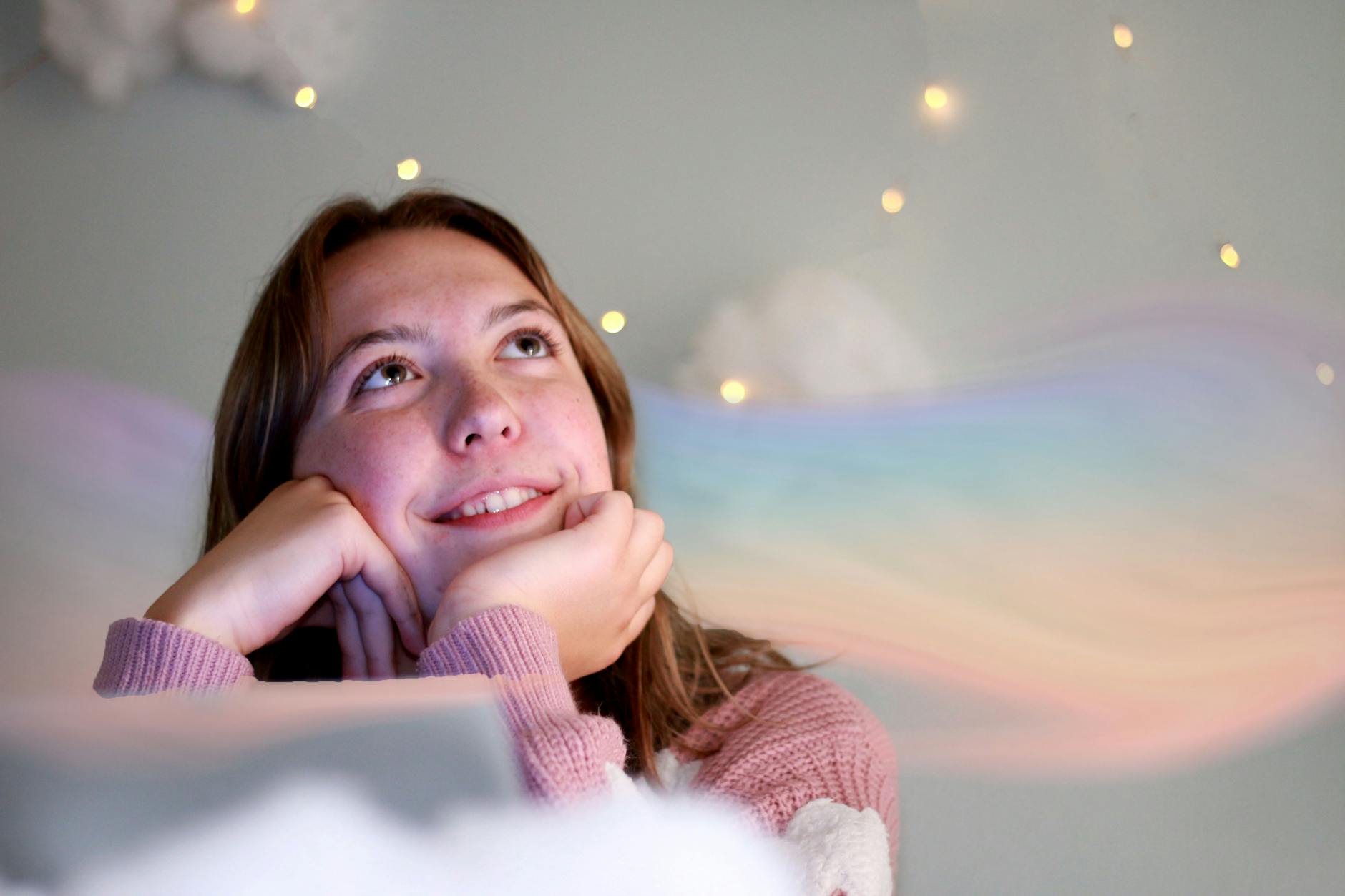
If you are not careful, your ordinary days begin to feel like maintenance. Something to get through. Something to manage. Something to endure until the next meaningful thing arrives. But a life that only feels real in its highlights is a fragile kind of life. Because highlights are, by definition, rare. And everything else is where you actually live.
This is where the trouble starts. Not in the big moments themselves, but in the assumption that they are the only moments that matter. Because if that is true, then most of your life becomes a kind of emotional outsourcing. You send your sense of meaning elsewhere and wait for it to return in concentrated form. A weekend. A trip. A breakthrough. A celebration. A “milestone” (whatever those actually are).
And in between those moments, you are left with everything else. The ordinary. The repetitive. The unglamorous structure of being a person who still has to answer emails and wash dishes and figure out what dinner is going to be. It is easy to dismiss those moments as unimportant. But they are not the exception to your life. They are your life where you wish to admit that or not.
And this is where things begin to shift, because once you notice this pattern, you start to see how much of life is not actually made of peaks, but of repetition. The same mornings. The same responsibilities. The same quiet routines that shape your days more than any single highlight ever will. So the question becomes not how to eliminate the big moments, but how to stop abandoning your life in the meantime.
Because a life worth living cannot only be something you visit occasionally. It has to be something you can exist inside of. Something that does not require escape in order to feel bearable. This does not mean every moment must be exciting or meaningful in a dramatic sense. That would be its own kind of pressure.
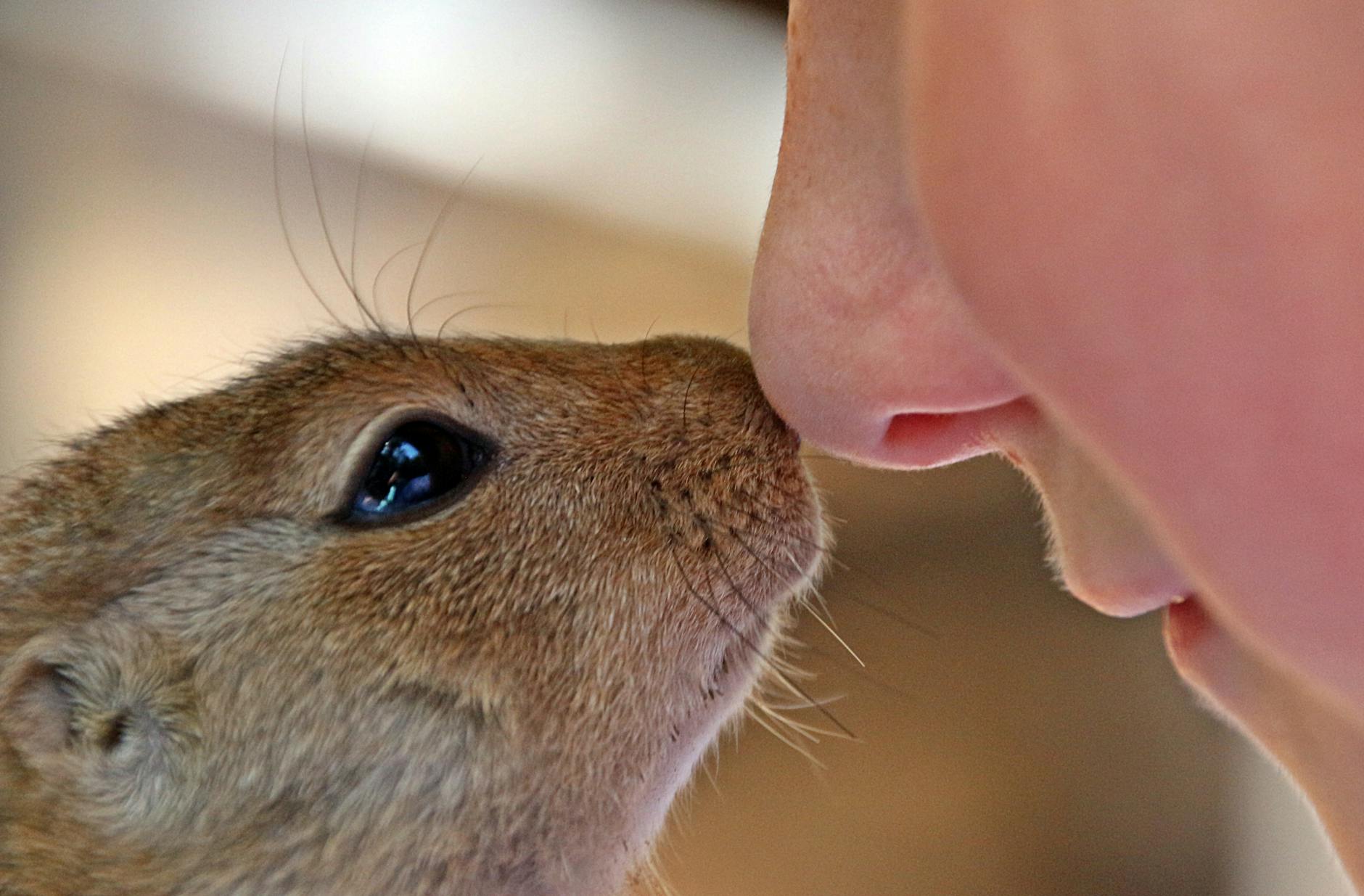
Instead, it might mean learning to notice what is already here, even in its simplicity. The small textures of a day that is not special, but is still yours. The way light comes through a window. The rhythm of familiar tasks. The quiet continuity of being alive without anything particularly remarkable happening.
And sometimes, it means gently asking yourself what you are waiting for. Not in a harsh way. Not as judgment. But as awareness. Because often, when we are honest, we are not waiting for one specific thing. We are waiting for life itself to begin feeling like it counts.
If you’ve ever watched or read the play “Our Town” there is a specific scene in which a woman, Emily Webb, has died in childbirth and asks to go back to relive parts of her life. She’s warned not to pick a big day like her wedding because it will be too much. No, she’s told to pick a quite ordinary day and so she picks her birthday as a young girl. She is immediately overwhelmed by how young and beautiful her mother looks, but she is instantly struck by a painful realization. The living are moving too fast, completely caught up in the routine details of the day. When her mother hands her a birthday gift without truly pausing to look at her, Emily experiences a rush of grief. She sees that human beings are blind to the preciousness of the present moment, treating time as if they have a million years to waste.
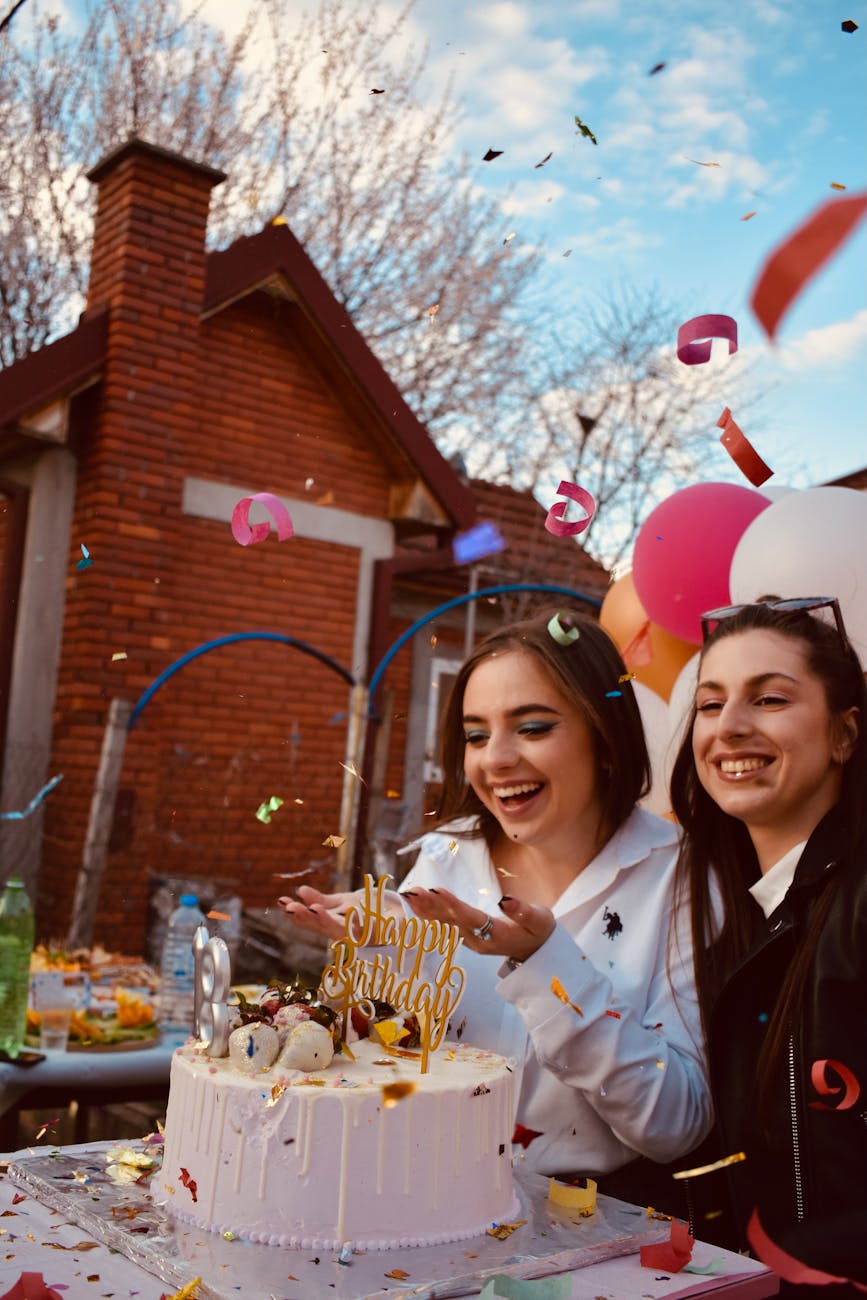
How often do we live that way? How many times do we not really look at one another and savor the small moments of connection?
But life is not waiting for permission to be meaningful. It already is happening. Even here. Even now. Even in the in-between.
“Oh, earth, you’re too wonderful for anybody to realize you. Do any human beings ever realize life while they live it—every, every minute?” – Emily Webb “Our Town”
So perhaps the invitation is not to chase fewer big moments, but to stop outsourcing your aliveness to them. To let the big moments be a part of your life, not the place where your life finally starts. And to remember, gently, that a life well lived is not built in rare highlights. It is built in the ordinary days you stop overlooking.