Make Tuesday a Life Worth Coming Home To

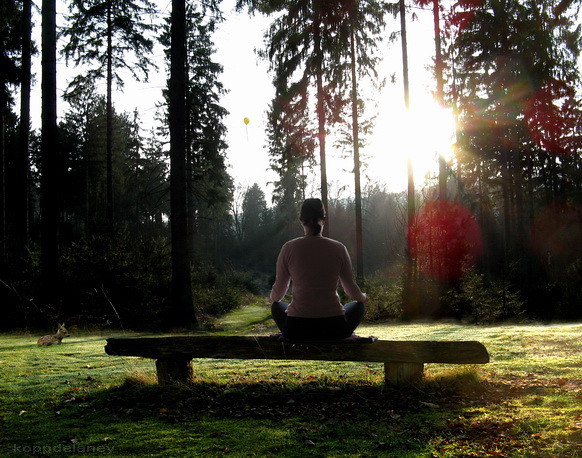
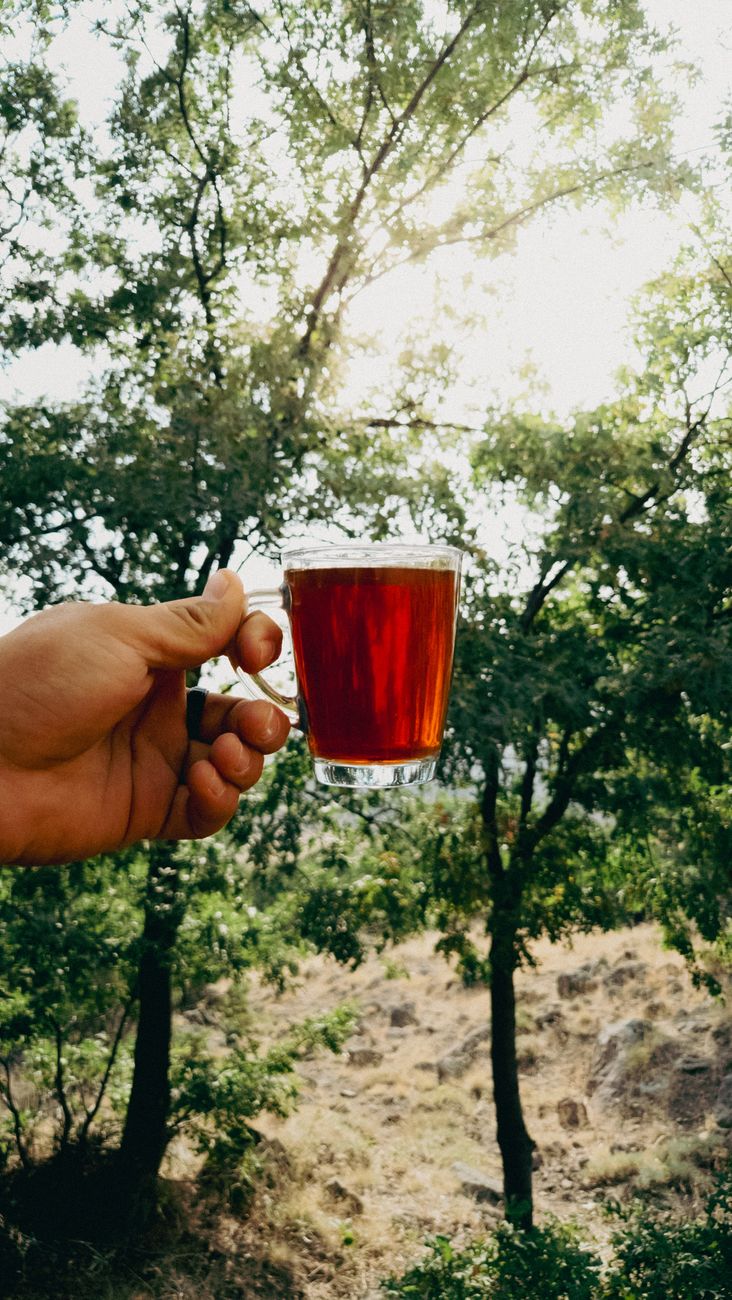
It’s a cup of tea in my hand as I look out over the garden, listening to music through my headphones. It’s the feel of warm wood beneath my chin as I play the violin. It’s admiring the neighbors’ gardens and noticing the subtle shifts as the seasons progress on my walks with Pixel. It’s spending Sunday afternoons in my own garden, pulling weeds and watching everything grow. And of course, dear reader, there are long, lazy Saturday mornings filled with cat snuggles.

Small daily or weekly rituals. Almost stolen moments that fill my days with joy.

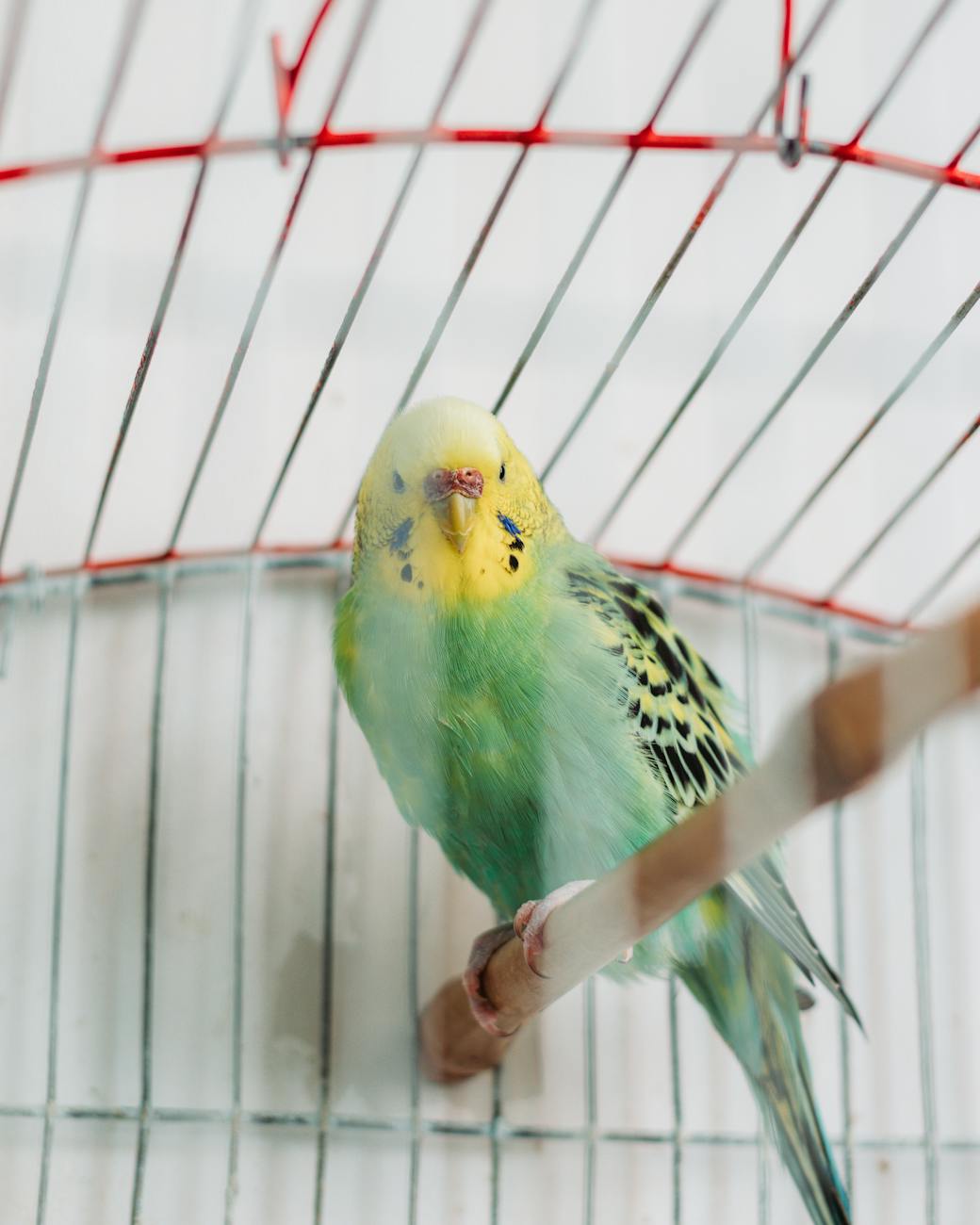
Life, dear reader, is not always adventures. Sometimes escape consists of a journal entry or a thirty-minute yoga session. Other times, it’s a book and a cup of coffee on your porch. Lately, it has been a morning visit from a cardinal, courtesy of a bird feeder I recently installed outside my bedroom window to entertain my cats.

I have inadvertently taken up birdwatching.

I may or may not be trying to learn his song on my violin.

A girl needs hobbies, dear reader, and in my fast-approaching middle age, I have decided to go full-on eccentric. I shall soon be donning enormous hats and calling people darling. ’Tis a cruel fate, but I plan on embracing it.

Photo by Andrew Patrick Photo on Pexels.com

But underneath all of these little eccentricities is something more important. Each of these habits fulfills a different need.

The violin and poetry fulfill my need to create. When I play music, I lose myself in the notes, sometimes reaching an almost meditative state where the sheet music ceases to be something I consciously process. My fingers simply know where to go. In poetry, I get to play with form, sound, rhythm, and the compression of ideas. I may spend hours contemplating a sonnet, drop a villanelle onto the page in a few minutes, and then follow it with free verse where I experiment with repetition, alliteration, rhyme, and half-rhyme.

On my walks and in my garden, I connect with nature. There is something grounding about putting my hands into the dirt, watching the seasons change, and noticing things that would otherwise pass unnoticed. And of course, there is Pixel, who seems to believe that every walk is an important expedition requiring his immediate participation.

A cup of tea or coffee gives me permission to stop. Sometimes I listen to music. Sometimes I simply sit and think. Sometimes I read or write in my journal. The ritual itself creates a small pause in the day, a moment to breathe before rushing into whatever comes next.
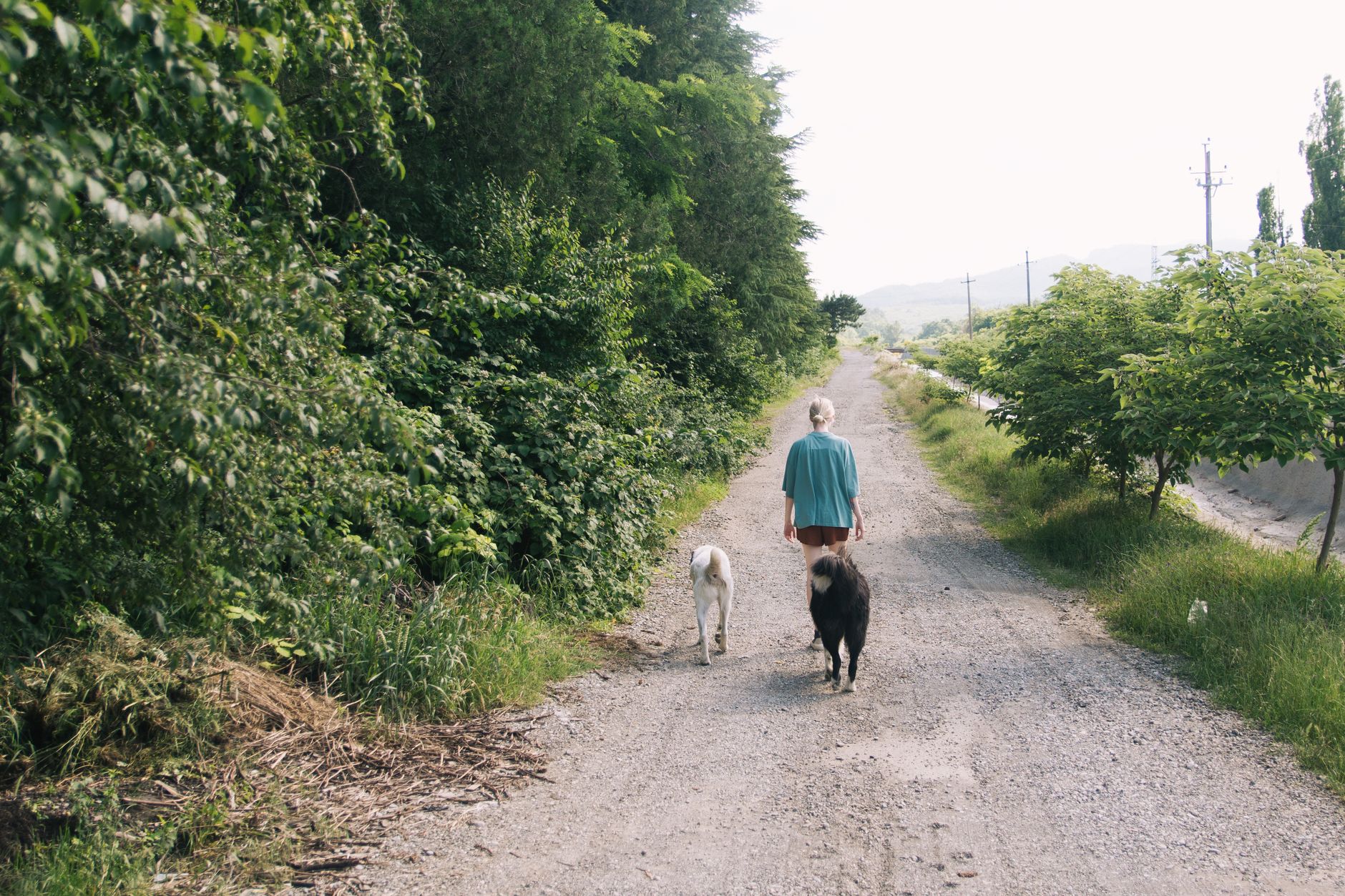
Photo by u0410u043bu0435u043au0441u0435u0439 u0412u0435u0447u0435u0440u0438u043d on Pexels.com

These things may seem insignificant.

They aren’t.

This blog is much more than Bucket List Adventures. It is also about building a Bucket List Life.

A Bucket List Life is not one where you are constantly chasing the next spectacular experience. It is a life where those spectacular experiences are woven into something that already feels meaningful. Travel can be wonderful, but if you need a two-week vacation every year simply to tolerate the other fifty weeks, perhaps the more interesting question is not “Where should I go next?” but “What is missing from the life I come home to?”

One way to begin answering that question is to look at the different areas of your life and consider whether they are receiving enough attention.

Some of you may recognize this concept from Dr. Bill Hettler’s Wellness Wheel, developed in the 1970s as a way of examining different dimensions of wellness. The model considers areas such as physical, social, occupational, intellectual, environmental, spiritual, financial, and emotional wellness. The premise is fairly simple: you can be doing wonderfully in several areas while struggling significantly in others.

Photo by Sergey Ochkanov on Pexels.com

Travel might temporarily touch several of those areas. A trip could provide physical activity, social connection, intellectual stimulation, environmental novelty, and emotional rejuvenation all at once. But eventually you come home.

Your luggage gets unpacked.

The vacation photos get posted.

And Monday morning arrives.

The goal, then, isn’t to use travel to fill every empty space in your life. It is to build enough small sources of nourishment into your ordinary routine that you aren’t depending on the next vacation to make you feel alive.

Photo by MART PRODUCTION on Pexels.com

For me, my violin and poetry provide intellectual and emotional stimulation. Tea and coffee, often accompanied by music, reading, or a devotional, give me opportunities for reflection and spiritual connection. Walking and gardening provide physical movement and environmental connection. My cats provide companionship. Friends and family fill another part of the picture entirely.

None of these things fills an entire category by itself. Nor do they need to.

They’re simply little threads woven into the larger fabric of my life.

And that’s an important distinction because wellness should not become another thing we feel obligated to optimize.

You do not need to maximize every category.

You don’t need a perfectly balanced Wellness Wheel.

You need to notice where you feel nourished and where you feel hungry.
Photo by Mike Jones on Pexels.com

Perhaps you look at your own life and realize that you’re getting plenty of intellectual stimulation from your career but almost no physical movement. Maybe your answer isn’t another vacation but a weekly hiking group, a dance class, gardening, yoga, or simply walking around your neighborhood after dinner.

Maybe you spend your entire day surrounded by people and realize that what you’re actually missing is solitude.

Maybe your work is deeply meaningful but you’re financially stressed.

Maybe you’re financially comfortable but have lost touch with creativity.

Maybe your social life is full but you haven’t spent any time alone with your own thoughts in months.

The point isn’t to judge yourself for what is missing. It’s to notice.

Then ask yourself what small, repeatable habit might help.

And make it something you actually want to do.

We don’t need to turn every empty space into a self-improvement project. If you’re deficient in intellectual stimulation, perhaps you don’t need to take an online course. Maybe you want to learn about birds. Maybe you want to read about astrophysics. Maybe you want to learn German, pick up a violin, study medieval history, or finally understand how that strange machine in the kitchen actually works. I’m currently studying the Drottkvaett form from Old Norse Court Poetry and seeing if I can’t apply it to modern English. It’s a lot harder than it sounds, but so much fun! 

If you’re lacking physical movement, you don’t necessarily need to join a gym. Maybe you want to garden. Maybe you want to walk around your neighborhood and admire everyone’s flowers. Maybe you want to take up dancing or sword fighting! 

Photo by Vitaly Gariev on Pexels.com

The best habit is often the one you will actually keep because it brings you some measure of joy.

That, ultimately, is what I mean by building a Bucket List Life.

Keep the adventures.

Absolutely take the trip to Italy. Go see the concert. Try glassblowing. Wander through the strange old arcade. Eat the deep-dish pizza in Chicago when your flight gets delayed.

Put extraordinary things on your list.

But don’t save all of your living for those moments.

Build a life that contains little adventures on an ordinary Tuesday. Find things you look forward to on Sunday morning. Give yourself reasons to put down your phone, step outside, make something, learn something, call someone you love, or simply sit quietly with a cup of tea.

Because eventually, every bucket-list trip ends.

The airplane brings you home. The suitcase gets put away. The souvenirs find their places on the shelf.

And then there is Tuesday.

Make Tuesday a life worth coming home to.
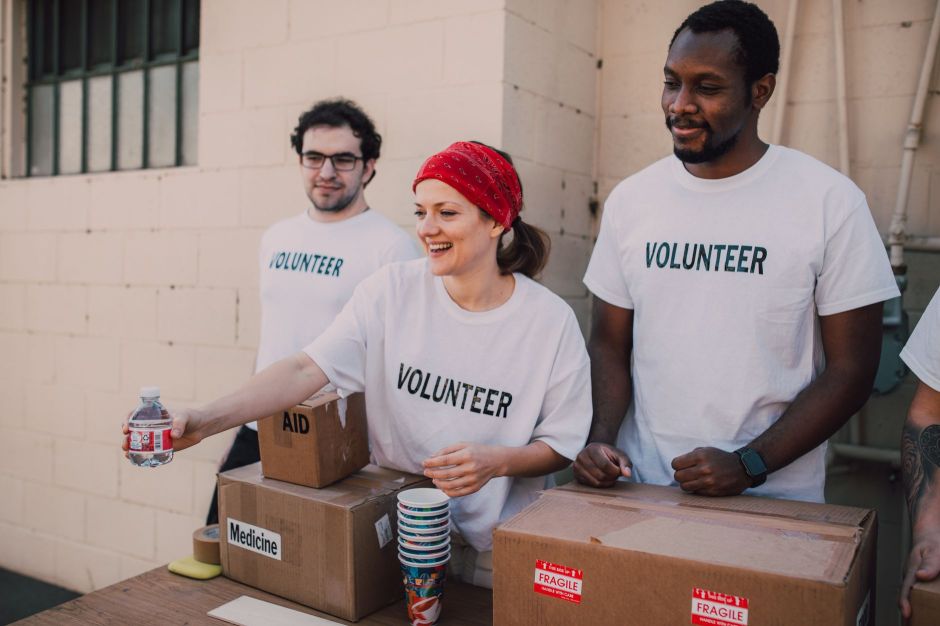
Why Volunteering Belongs on Every Bucket List

Dear reader, we often look to our bucket lists to enrich our own lives. We book the trip, enjoy the experience, collect the memory, and savor moments of joy. There is certainly nothing wrong with that. However, a life that is truly enriched is not one that focuses only on ourselves. It also includes generosity toward others.

Some of the most meaningful experiences on my own bucket list have not involved airplanes, tickets, or distant destinations. Instead, they have involved people.

As a social worker, giving back to the community has become part of my everyday life. Currently, I work with children experiencing serious emotional disturbances and adults with ADHD. Before that, I spent several years working directly with individuals and families experiencing homelessness, helping to run a winter shelter as well as a year-round housing program.

The mission of the shelter was simple: provide a warm, safe place to spend the night. We also offered case management services designed to help people navigate their path from homelessness to housing. Yet despite all the paperwork, referrals, and housing applications, I eventually came to believe that the most important thing we offered was something far less complicated.

Connection.

Photo by cottonbro studio on Pexels.com

Many people experiencing homelessness report feeling invisible. They describe being judged, avoided, or treated as though they are somehow less worthy than everyone else. The shelter sought to counteract that experience by creating a place where dignity came first.

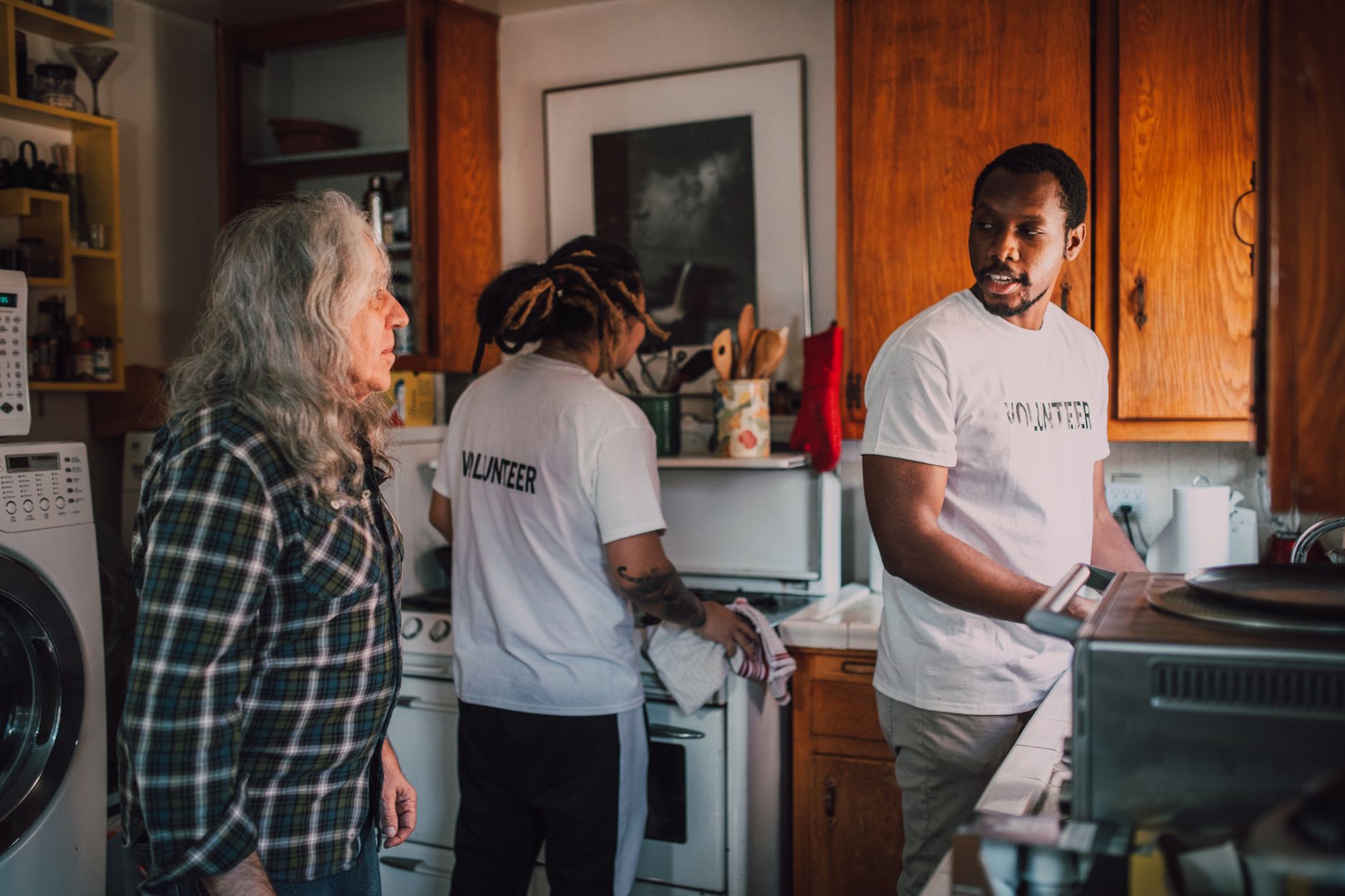
When guests arrived, they were welcomed by friendly volunteers and staff. They were offered a warm meal, a hot shower, a safe place to sleep, and perhaps most importantly, a sense that they belonged.

The shelter itself reflected that philosophy. It was bright, clean, and carefully organized. We tried to create an environment that felt welcoming rather than institutional. Volunteers dressed professionally because we believed our guests deserved the same level of respect one would show anyone else. Rules were kept to a minimum whenever possible. Choices were offered whenever safety allowed. Trauma often strips people of control over their lives; restoring even small opportunities for choice can help rebuild a sense of dignity.

Round tables were placed throughout the shelter rather than rows of isolated chairs. Guests gathered to talk, share meals, play cards, and simply spend time together. Staff and volunteers joined them whenever possible. We listened without judgment and encouraged people to become the authors of their own next chapter rather than telling them what that chapter should be.

We also worked to connect people with resources beyond the shelter itself. Workers from the county crisis system visited regularly so guests could meet certified peer supports, individuals trained to provide assistance who also brought the wisdom of lived experience. If someone arrived without clothing, local community partners made it possible to ensure they left with what they needed. Every piece of support communicated the same message: you matter.

Photo by Tim Mossholder on Pexels.com

One might wonder how something as simple as connection could make such a difference.

Research consistently shows that people experience better outcomes when they feel connected to their communities. Trust, belonging, and social support influence everything from physical health to mental well-being. Before someone can trust a service, a program, or a housing plan, they often need to trust the people offering it.

Many individuals experiencing homelessness have experienced profound losses of trust. Sometimes systems have failed them. Sometimes people have failed them. Sometimes both. When your experience has taught you that help often comes with judgment, conditions, or disappointment, accepting assistance can become incredibly difficult.

That is why volunteers were such a vital part of the shelter’s mission.

While I was often occupied coordinating services, addressing crises, and making sure the shelter operated smoothly, volunteers had the opportunity to do something equally important. They sat down. They listened. They played cards. They shared meals. They learned names and remembered stories.

Often volunteers were the first to notice when someone seemed unusually withdrawn or discouraged. They noticed the quiet guest sitting alone in the corner. They noticed when something wasn’t working. They became advocates, encouragers, and companions.

And the benefits were not limited to the people we served.

Photo by RDNE Stock project on Pexels.com

Many volunteers arrived hoping to help others and left with a broader understanding of their community. Homelessness stopped being an abstract social issue and became a collection of human stories. Assumptions were challenged. Empathy grew. Many volunteers told me they felt more connected to their neighbors and more grateful for the relationships in their own lives.

I wish I could say that everyone who walked through our doors found permanent housing. Unfortunately, that is not how these stories always end.

What I can say is that people found warmth. They found safety. They found kindness. They found a place where they were treated with dignity.

Over the years, I frequently heard guests describe us as the best shelter in the county. Other organizations occasionally visited to learn what we were doing differently. The answer was never a secret. We simply tried very hard to remember that people are people first.

If there is anything you should add to your bucket list, it is volunteering.

Photo by Kampus Production on Pexels.com

It does not have to be at a shelter. It could be a nursing home, an animal rescue, a food bank, a literacy program, a soup kitchen, a community garden, or an environmental cleanup. The specific cause matters far less than the willingness to show up.

We often think of bucket lists as collections of experiences. Perhaps they are better understood as collections of connections.

If you are not sure where to begin, many communities maintain volunteer opportunities through their local United Way, community foundations, or 211 information services. A quick visit to their websites will often reveal dozens of organizations looking for helping hands.

You may discover that the most meaningful adventure on your bucket list is not the place you travel to, but the person you take the time to see.

Cost: Free

Miles from home: 0

Completed: Helping the homeless 2019

Keep the Thing You Love Useless

Dear readers, I have been in the midst of an ADHD hyperfixation.

Poetry.

For the past three months, I have been utterly consumed—writing forty-plus poems in three months, which even I have to admit is a slightly absurd amount of poetry

Now, I shalln’t subject you to the entirety of the collection. However, I have shared a few with friends and family, who have begun to gently (and not so gently) encourage me to seek publication. After all, it seems such a shame that such a collection should simply languish on my desktop.

Suddenly, a list of journals sits before me, complete with deadlines looming and pressure quietly building. Some even come with significant cash prizes if the poems are selected.

Photo by Hatice Baran on Pexels.com

Isn’t that just the way of hobbies?

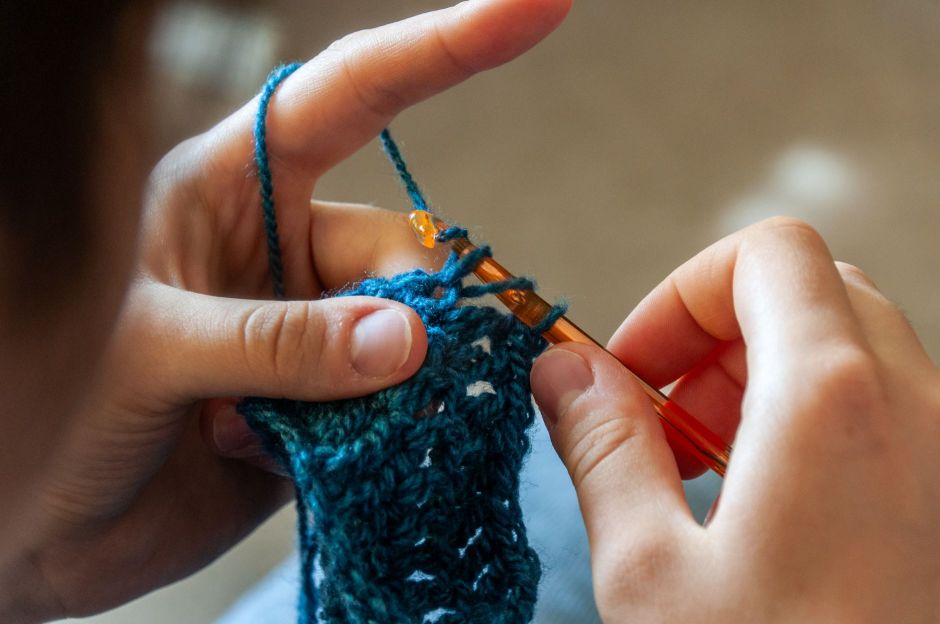
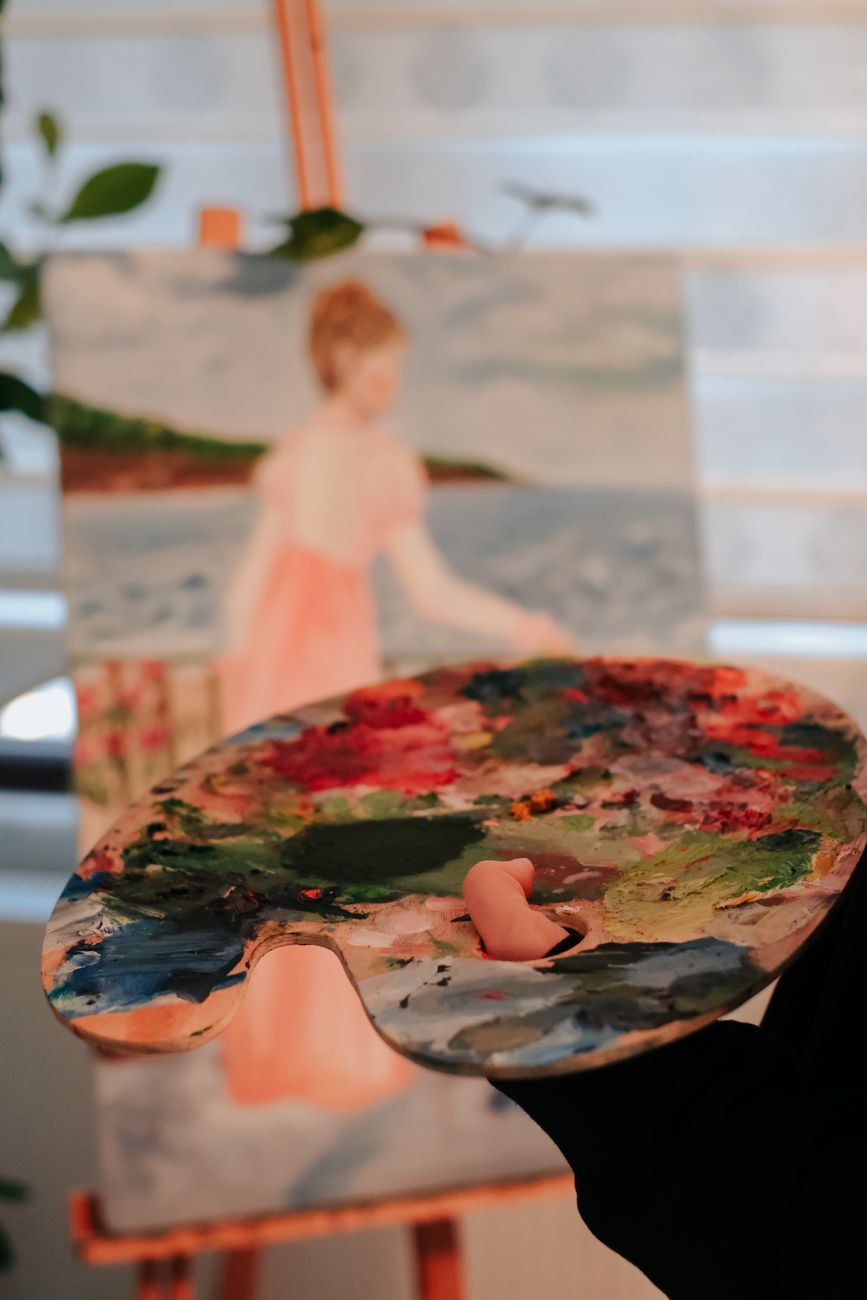
The crocheter is asked when she’s opening an Etsy shop. The painter is asked if they’ve considered the local gallery. The yoga enthusiast is told they should teach. The baker is suddenly “volunteered” for every birthday cake in a five-mile radius. And the poet, inevitably, is encouraged to submit to journals.

And it sounds reasonable, doesn’t it?

We are constantly told to pursue our passions. To follow what we love. To “do what you love and you’ll never work a day in your life.” A beautiful idea. And also… a slightly suspicious one. Because somewhere along the way, we stopped asking whether turning everything we love into something productive might quietly change the thing itself.

There was once an experiment with children who loved to draw. They were divided into groups—one received an external reward for drawing, the other did not.

The result was surprisingly consistent: the group that drew without reward maintained their interest. The group that drew for the reward lost motivation over time. And the group that received an unexpected reward? They also maintained their enjoyment.

In other words: motivation thrives not on chasing reward, but on the absence of needing one. We are most creatively alive when we are not negotiating with outcomes.

Photo by Cort Landt on Pexels.com

Another study, this time with adults, found something equally odd. One group completed a deliberately dull task before being asked to solve creative problems. The group that had just done the “boring” task actually produced more creative solutions.

Which is funny, because some of my best poetry has never arrived at a desk. It arrives while driving. While walking. While weeding the garden or cleaning something I definitely didn’t want to clean. It arrives when the conscious mind is occupied just enough to step aside.

But that kind of mental spaciousness is hard to come by when every hour is accounted for, optimized, monetized, or squeezed into productivity. And that’s where hobbies quietly begin to change shape. Because turning a hobby into a side hustle sounds empowering—until it isn’t.

At first, it’s just sharing something you love. Then it becomes selling something you love. Then it becomes needing to sell something you love. Then it becomes needing to make something people will buy. And slowly, almost imperceptibly, the question shifts from: “What do I want to make?” to “What will perform well?” The hobby is still there. But the play is not. And without play, something essential quietly drains out of the work. Not always immediately. Not dramatically. But steadily—like a color fading from fabric left in too much sun.

Photo by SHVETS production on Pexels.com

The uncomfortable truth is that most side hustles do not pay nearly as much as we imagine they will. Often, the return is small compared to the time invested. Sometimes it amounts to a few dollars an hour—or less—once everything is accounted for.

Which would be fine, if the primary goal was joy. But when the goal becomes income, validation, or traction… the relationship changes. We stop being in conversation with the thing we love. And start being evaluated by it. And I think that is the part we rarely say out loud: Not everything we love is meant to be optimized. Not everything we create is meant to scale. And not everything beautiful needs to become a business plan.

Sometimes the point is simply that it exists at all. Sometimes the point is that it made you feel alive while you were making it. And perhaps the real danger is not that we fail to monetize our passions… But that we succeed in doing so, and lose the ability to enjoy them without permission. So for now, I remain in my poetry hyperfixation. Not as a product. Not as a strategy. Just as a person who has been, for a while, deeply interested in making things that do not need to become anything else.

Oh do not get me wrong, dear reader, I will submit things to journals here and there, but not for any other reason than to put them out into the world. But mostly, I shall continue to focus on having fun.

Photo by betu00fcl nur akyu00fcrek on Pexels.com

When Life Only Happens in Big Moments

There is a particular kind of exhaustion that does not come from doing too much, but from feeling like your life only really happens in rare bursts. Oh certainly vacations, “milestones”, trips and celebrations are all well and good.  After all these are the “big moments” which make everything else feel worth it. Or are they?

Because if that’s true then….everything in between starts to feel like waiting. Waiting for the next thing that will make life feel real again. 

I think, in some quiet way, many of us fall into this pattern without noticing it. We begin to outsource our sense of aliveness to future events. We tell ourselves, I’ll feel better when I travel, or when this season is over, or when things finally calm down, or when I get to that version of my life that feels more like mine. And slowly, without meaning to, the present becomes something we are simply passing through.Not living in. Just moving through.

Don’t get me wrong, there is nothing inherently wrong with looking forward to things. Anticipation is a form of joy. But there is a difference between anticipation that enriches your life and anticipation that replaces it. One expands your experience. While the other quietly erases it.

Modern life does not exactly discourage this pattern. If anything, it reinforces it. We are surrounded by highlight reels, curated moments, and constant reminders of what life could look like if we were elsewhere, doing something else, being someone slightly different. So it becomes very easy to believe that life is happening over there rather than here or now. I am tempted dear reader to quote Yoda when he was talking to Luke Skywalker “All his life has he looked away… to the future, to the horizon. Never his mind on where he was. Hmm? What he was doing.” Forgive me there are just some temptations I cannot deny. 

Photo by Lydia Murray on Pexels.com

If you are not careful, your ordinary days begin to feel like maintenance. Something to get through. Something to manage. Something to endure until the next meaningful thing arrives. But a life that only feels real in its highlights is a fragile kind of life. Because highlights are, by definition, rare. And everything else is where you actually live.

This is where the trouble starts. Not in the big moments themselves, but in the assumption that they are the only moments that matter. Because if that is true, then most of your life becomes a kind of emotional outsourcing. You send your sense of meaning elsewhere and wait for it to return in concentrated form. A weekend. A trip. A breakthrough. A celebration. A “milestone” (whatever those actually are).

And in between those moments, you are left with everything else. The ordinary. The repetitive. The unglamorous structure of being a person who still has to answer emails and wash dishes and figure out what dinner is going to be. It is easy to dismiss those moments as unimportant. But they are not the exception to your life. They are your life where you wish to admit that or not. 

And this is where things begin to shift, because once you notice this pattern, you start to see how much of life is not actually made of peaks, but of repetition. The same mornings. The same responsibilities. The same quiet routines that shape your days more than any single highlight ever will. So the question becomes not how to eliminate the big moments, but how to stop abandoning your life in the meantime.

Because a life worth living cannot only be something you visit occasionally. It has to be something you can exist inside of. Something that does not require escape in order to feel bearable. This does not mean every moment must be exciting or meaningful in a dramatic sense. That would be its own kind of pressure.

Photo by Pixabay on Pexels.com

Instead, it might mean learning to notice what is already here, even in its simplicity. The small textures of a day that is not special, but is still yours. The way light comes through a window. The rhythm of familiar tasks. The quiet continuity of being alive without anything particularly remarkable happening.

And sometimes, it means gently asking yourself what you are waiting for. Not in a harsh way. Not as judgment. But as awareness. Because often, when we are honest, we are not waiting for one specific thing. We are waiting for life itself to begin feeling like it counts.

If you’ve ever watched or read the play “Our Town” there is a specific scene in which a woman, Emily Webb, has died in childbirth and asks to go back to relive parts of her life. She’s warned not to pick a big day like her wedding because it will be too much. No, she’s told to pick a quite ordinary day and so she picks her birthday as a young girl. She is immediately overwhelmed by how young and beautiful her mother looks, but she is instantly struck by a painful realization. The living are moving too fast, completely caught up in the routine details of the day. When her mother hands her a birthday gift without truly pausing to look at her, Emily experiences a rush of grief. She sees that human beings are blind to the preciousness of the present moment, treating time as if they have a million years to waste. 

Photo by Viktoria Panova on Pexels.com

How often do we live that way? How many times do we not really look at one another and savor the small moments of connection? 

But life is not waiting for permission to be meaningful. It already is happening. Even here. Even now. Even in the in-between.

“Oh, earth, you’re too wonderful for anybody to realize you. Do any human beings ever realize life while they live it—every, every minute?” – Emily Webb “Our Town” 

So perhaps the invitation is not to chase fewer big moments, but to stop outsourcing your aliveness to them. To let the big moments be a part of your life, not the place where your life finally starts. And to remember, gently, that a life well lived is not built in rare highlights. It is built in the ordinary days you stop overlooking.

Opening the Tupperware

I think it is fair, dear reader, to believe that there are many of you who have gone through trials and tribulations in this life. It is also fair to believe that there are many of you who have not made it through those trials unscathed. You may think that you are irreparably broken from the experience. I assure you, you are not. You are probably quite resilient and resourceful. However, you may not yet realize it and I do not think you are entirely to blame. 

Something that frequently irritates me is the media’s depiction of healing. A character suffering from PTSD suddenly has a realization that they are able to face their fears and suddenly the flashbacks stop. A story about a girl grieving the loss of her mother goes back to being happy by writing a letter, stuffing it in a bottle and throwing it in the ocean. Healing is done through a flashbulb moment, a small act or a one time therapy session with a counselor. So when we have our flashbulb moments, take those small acts and go to counseling and we still aren’t “fixed”, we begin to wonder if we will ever be healed. Because why wouldn’t we question our ability to heal when the narrative we’ve been given is that it’s quick and easy. 

It’s like everything else in our society, we want a quick solution without a lot of effort. Take this shot, you’ll lose weight. Play this game for 10 minutes a day and you’ll be fluent in Spanish months! Go to counseling for a few sessions and your trauma will be cured. And you won’t ever have a set back again! 

Photo by Antoni Shkraba Studio on Pexels.com

The truth is that isn’t how healing works. It’s a messy, difficult and sometimes frustrating process. It’s taking what feels like three steps forward only to fall five steps back and then have to walk three steps forward to have taken one actual step. It’s like cleaning out the refrigerator where you have to open the old tupperware knowing that you’re about to discover what might be the start of new intelligent life because you’ve allowed it to evolve for so long. No one wants to open the tupperware to see what’s inside and unlike the tupperware you don’t have the option to just throw the whole thing in the trash. You have to open it up and deal with whatever you find, no matter how unpleasant. 

Emotions, unfortunately, require care and ignoring them doesn’t make them go away. Because when we turn off our ability to feel the negative emotions, we also turn off our ability to feel positive emotions. That’s why we can end up feeling emotionally numb even when the difficult times are over and we don’t understand why we can’t be happy now. No one wants to sit in the negative emotions. We often jump to problem solving or attempting to reason with them rather than simply sit and hold space for whatever may be there. 

Photo by Julio Motta on Pexels.com

You don’t want to face it because it’s not enjoyable but the only way to the other side is through it. Not once, not twice but again and again and again. Because processing once often isn’t enough, not with more complex and complicated issues. If it were, you could just write a journal entry and be on with your life. What really sucks is when you you think you’re good only to get into a situation many years later where you’re triggered all over again. So you take deep breaths, count out 5 things you can see, four things you can hear, three things you can feel, two things you can smell and one thing you can taste – an excellent grounding technique. You remind yourself that you’re in the present and that what you’re responding to is in the past. It’s followed by the frustration of not being “over it”, forgetting that our emotional minds aren’t subject to logic or even the constraints of time. 

If you aren’t going through something then chances are you know someone who is and it can be tempting to try and fix the problem. Remember your presence is all that is required to let them know that they aren’t alone. 

If you find yourself overwhelmed in your healing journey, I recommend reaching out to your supports and consider expanding your support system as well whether that be a therapist, counselor, life coach, priest, etc. 

This isn’t a post about how to heal, but rather about being kind to yourself in the process. Healing isn’t linear nor is grief. It’s a process that’s often circular, confusing and paradoxical. Which is, honestly, the human experience. In living a life well lived, taking the time to allow ourselves to feel the full spectrum instead of trying to rush through it can be one of the best things you can do because healing takes time. 

Photo by Vika Glitter on Pexels.com

If the Mask Came Off, Would You Recognize Yourself?

We live in a digital age where we can curate our lives to project an idea of who we are into the world. Are we bubbly and outgoing? Sophisticated and refined? We can place almost any lens or filter over our photos and our lives. With artificial intelligence, that line blurs even further. We can compose music, generate art, write entire essays, and pass them off as our own. We can feed in a photo and receive a picture-perfect version in return.

All of it in pursuit of likes and comments.
All of it for confirmation that we are enough.

Which is what we’re all striving for, isn’t it?

It becomes easy to let these illusions shape our identity. The mask we wear for acceptance begins to fuse with who we are. Much like The Mask, it clings to us until we can no longer separate it from our face. And without it, we’re not entirely sure who we are.

Maybe when you were younger, your father took you to baseball games. You wore the jersey, learned the lingo, found community in the crowd. When he asked if you wanted to play, you said yes. You spent your childhood in a sport that never quite fit, quietly forgetting about the gymnastics class you once wanted to try. When the Olympics came on, you changed the channel rather than sit with the ache in your chest as athletes flipped and soared with ease.

After all, that’s not what earns a high five from Dad.
That’s not what earns acceptance.

Photo by Zen Chung on Pexels.com

Or maybe you were told you were too loud, so you became soft. Too much, so you became small. You watched a sibling get scolded for being wild, so you became controlled, composed. You saw a parent retreat when overwhelmed, so you learned to hide your emotions. You absorbed opinions about “the kind of people” who go to college or work with their hands, and somewhere along the way, your own desires got quieter.

Without the judgment of others, who are we?
What do we actually like?
What are our passions?

If no one were watching, what would we choose?
If no one were clapping, what would we keep?

Deciding to live authentically is not a small thing. Especially when our relationships have been built on versions of ourselves that were easier to accept. There’s a quiet fear that lingers: Who stays if I change? If they really see me, will they accept me? If I tell them my truth, will I be cast out? They say they love me, but if they never knew who I really am, was it ever actually love?

Not every truth is seismic. Not every revaluation risks losing everything. Sometimes it’s quieter. You grow up dismissing a genre of music you’ve never actually heard, repeating what you were taught. Then one day, you listen. And you like it. You begin to question what else you’ve inherited without examination.

You realize how much of you was shaped before you ever had the chance to choose.

Of course, not all of this comes from a place of harm. A father may have brought his child to baseball games simply to connect, to give what he never received. A mother may have hidden her tears to protect her child from carrying burdens that were never theirs to hold.

But even well-intentioned messages can clip our wings.

Photo by Camilo Ospina on Pexels.com

We try on identities like hats, convinced they fit, until one day they don’t. We outgrow them. Or maybe we never grew into them at all. We become fractured. The version of us at work looks different from the one at a party, which looks different from the one who sits alone in the quiet.

And eventually, the question surfaces:

Who am I, really?

Maybe that’s the real fear.
Not that others won’t recognize us…
but that we won’t recognize ourselves.

If the mask came off, would you recognize yourself?

Rethinking Love in February

Love is in the air, or at least Valentine’s Day is.

It’s the time of year when the town is painted red, couples linger a little closer, and a different kind of warmth permeates despite the bitter chill of winter. The days are growing lighter. Spring is promised. Something soft waits patiently beneath the cover of snow.

And yet, Valentine’s Day carries a strange contradiction.

Did you know it is one of the most common days for breakups?

For a holiday brimming with sappy poems, fragrant flowers, and sweet chocolate, it has earned a surprisingly bitter reputation. Perhaps that is because a day devoted to love forces us to reflect on what love actually is… and sometimes, upon closer examination, we discover that what we thought was love… wasn’t.

Believe it or not, our culture, and often even our families, do a poor job of teaching us what real, authentic love looks like.

We talk about butterflies in our stomachs and feeling lightheaded from a kiss. In love songs, boundaries blur and two people fuse into one. In stories, love is intense and consuming. The hero protects the heroine, but also possesses her, sealing devotion with the words: “You are mine.”

Sometimes we are taught to view love through obligation and duty. Love becomes something we owe. Something we earn by fulfilling expectations and playing our roles correctly. Love becomes sacrifice at the expense of the self.

Photo by Pixabay on Pexels.com

But is that love?

I would argue that these versions are infatuation at best, and unhealthy, even abusive, at worst. And yet, between cultural depictions and our own internal patterns, we often confuse what love is.

We learn from our earliest experiences what love looks like. As we grow older, we don’t always seek what is healthy, we seek what is familiar.

I could list a million examples of unhealthy love. I could write out endless red flags. But the problem with red flags is that if something doesn’t match them exactly, we may dismiss what we feel.

We tell ourselves, “Well, it’s not abusive.”

And yet, something can fall short of abuse while still falling far short of love.

That is why I want to focus instead on what healthy love actually looks like.

Across poems, philosophy, research, and human experience, certain themes arise again and again. Love is more than a feeling or an attachment. Healthy love is a consistent presence, the willingness to stay, not because one must, but because one chooses to.

And while love may cost us something at times, it should never come at the cost of ourselves.

Healthy love is not self-erasure. It is not martyrdom. It is a widening sense of us that still contains a me. Sacrifice in love should not diminish either partner, but strengthen both.

To love someone is also to truly see them.

Love recognizes the beloved as they are: flawed, human, singular, worthy. Love says, “You matter. You are not interchangeable. You cannot simply be replaced.”

Love is not possession. It is not fear disguised as devotion. Nor is it the merging of two souls into one entwined being, as popular as the fated-mate trope may be.

Photo by Pixabay on Pexels.com

Love does not have chains.

It is choice and freedom.

Healthy love enhances rather than restricts. It fosters growth rather than suffocation. One person is not diminished so the other can shine. Both are made better, not because they complete one another, but because they support one another.

In short, healthy love is a relationship where both people feel emotionally safe, seen as they are, and free to grow without fear of punishment, abandonment, or control.

Love says:

“I won’t disappear when you’re inconvenient.”
“I won’t punish you for being human.”
“I won’t leave you alone in your pain.”

But healthy love does not say:

“I will erase my own needs.”
“I will surrender my boundaries.”
“I will make your suffering my identity.”

Love is safety for both.

It allows both partners to exist without feeling they must earn their right to be there.

And perhaps that is the quiet challenge of Valentine’s Day, beneath all the roses and romance. Love is not something waiting for us in some distant future, once we are finally healed, finally perfect, finally enough. It is something we practice in the present, in the relationships we choose, in the boundaries we hold, in the way we refuse to mistake survival for devotion. A life well lived is not built “someday.” It is built here, now, in the steady courage to believe that love can be both real and safe, and that we are worthy of it exactly where we are.

Photo by Rogu00e9rio Souza on Pexels.com

Stop Waiting for the After

After the trip. After things calm down. After I fix myself. After I get my finances together.

Always after. Always somewhere in the future.

We tell ourselves these stories so often they begin to feel like truth. Life will really begin once the chaos settles, once we become more disciplined, more organized, more healed, more prepared. Until then, we endure. We keep our heads down, grit our teeth, and tell ourselves this is just a season—even when that season stretches on for years.

And yet, time has a way of slipping through our fingers when we are always waiting. One day we look up and realize we have not so much lived as survived. The days were filled. The calendar was full. But the life itself felt strangely absent.

Of course, there were moments of joy. There always are.

A long-awaited weekend getaway. A carefully planned weeklong vacation. Maybe, if we were especially lucky or brave, a two-week escape that felt almost indulgent. These moments gave us oxygen. We counted down to them obsessively, letting anticipation carry us through exhausting workweeks. The promise of rest, novelty, and beauty became the thing that kept us moving forward.

For a brief while, we could breathe.

Photo by MART PRODUCTION on Pexels.com

But then the trip ended. The air thinned again. And the familiar weight returned, heavier somehow for having been briefly lifted. The emotional letdown after travel crashed over us like a wave, knocking us off our feet. What was meant to restore us instead highlighted how depleted we were the rest of the time.

I remember this feeling vividly after my very first cruise.

I had been so excited to experience it with my sister, who had gone on one before and filled my imagination with stories and photos. We planned everything meticulously, savoring the anticipation as much as the trip itself. And the week away truly was a dream. Swimming with dolphins. Snorkeling over a shipwreck. Walking along the famed pink beaches of Bermuda. For a few precious days, life felt expansive and light.

Then it ended.

I was sitting in a train terminal in New York, waiting for the train back to Philadelphia, when a familiar sense of dread began to creep in. My heart started pounding. My mind raced ahead of me, already back at my desk. Had I missed deadlines? What had happened with my clients while I was gone? What did my inbox look like? Would I be returning to chaos I could never quite get ahead of?

The anxiety built quickly, swallowing all the ease and joy I had felt just hours earlier. The relaxation I had carefully collected over the week evaporated, replaced by a sense of impending doom. I realized, with startling clarity, that the problem was not that the vacation was too short. It was that my daily life was unsustainable.

I did not stay at that job much longer.

Photo by Jill Wellington on Pexels.com

Looking back, I can see what was really happening. Time away had become the only time I felt fully alive. Travel was no longer something that enhanced my life. It was something that made my life bearable. It was not a chance to breathe deeply, but the only moment I was allowed to breathe at all.

That is a heavy thing to place on something meant to be joyful.

Travel, adventure, and novelty are not the villains here. They are generous teachers. They show us beauty. They remind us of wonder. They broaden our perspective and refresh our spirits. But when they become lifelines rather than highlights, they quietly reveal a deeper problem: a life structured in a way that requires escape.

It is hard to feel at home in your own life if every day feels like scaling a mountain rather than taking a gentle walk through the woods. When effort is constant and rest is rationed, even joy begins to feel transactional—something we earn only after enduring enough discomfort.

Living well does not happen by accident. It requires intention, attention, and a willingness to examine the parts of our lives we have normalized simply because they are familiar.

So what does it mean to design a life that supports you rather than one you need rescuing from?

It does not mean eliminating hard work or responsibility. It does not mean chasing constant happiness or turning every day into a highlight reel. It means building rhythms that allow you to inhabit your life rather than flee from it. It means making choices—sometimes small, sometimes uncomfortable—that reduce the daily friction slowly draining your energy.

Photo by Quincy Anderson on Pexels.com

It might look like boundaries that protect your evenings. Or financial systems that lower your baseline anxiety. Or a job that challenges you without consuming you. It might look like simplifying instead of accumulating, choosing enough instead of more, rest instead of relentless self-improvement.

Most of all, it means refusing to postpone your life until some imagined version of yourself finally arrives.

If we are always waiting to become someone better before we allow ourselves to live well, we may wait forever. Growth does not require self-denial as proof of worthiness. A meaningful life is not a reward reserved for those who have perfected themselves.

When we begin to live well now—imperfectly, quietly, intentionally—something subtle but powerful happens. Travel changes its role. Adventures stop carrying the weight of our unmet needs. They become what they were always meant to be: enhancements rather than escapes.

Instead of giving our lives color, travel adds highlights.

A beautiful trip becomes like the right accessory. It does not replace the outfit. It elevates it. It brings contrast, texture, and delight to something already functional and meaningful. The joy of returning home no longer feels like loss, but like integration—bringing what we learned and felt back into a life that can hold it.

This is not a call to stop dreaming, exploring, or longing for more. It is an invitation to stop living entirely in the future. To notice where you are postponing joy out of habit rather than necessity. To ask, gently and honestly, what would make this season more livable.

The goal is not to suck the marrow out of every moment. The goal is to stop starving ourselves the rest of the year.

A life you do not want to escape from does not have to be extraordinary. It simply has to be yours, tended to with care, lived in with intention, and allowed to matter right now, not later. So what are you waiting for dear reader? Go forth and create a life for now.

The Gift You Give Yourself

There comes a point in adulthood when you look around at your own life and realize just how much of it was built from other people’s expectations. Parents, partners, coworkers, even strangers on the internet all seem to carry opinions about what a “good” life should look like whether that’s the classic white picket fence and 2 kids, jetting around the world or having that corner office. With the shorter days and colder nights which entice us to stay inside sipping a warm cup of tea, December has a way of handing us a quiet pause in the middle of all that noise. In that stillness you can ask a gentler and more liberating question: What if the best gift you give yourself this year is a life that actually fits you? Not a life you are supposed to want. Not a life that earns gold stars. A life that feels like home when you step into it.

Most of us carry at least a few pieces of life that no longer fit. A commitment you keep out of habit. A routine that once served you but now drains you. A goal you set years ago that you are still dragging around even though it no longer reflects who you are. Just like clothes that shrink in the dryer, some roles tighten over time until they restrict your movement. One of the most compassionate things you can do for yourself is to notice what feels constricting. If something consistently brings dread or resentment, it deserves a second look.

Try asking yourself: What do I continue to do only because I feel I should? What parts of my week feel like a performance? What drains me more than it fills me? These small gut checks can reveal more truth than grand resolutions ever will. Because often resolutions are about adding things to our lives when maybe we should be asking what isn’t serving us anymore. 

Photo by The Lazy Artist Gallery on Pexels.com

Permission to Want What You Want

Wanting something different for your life can feel almost rebellious. We are taught early that desire is selfish or impractical. Yet desire is really a compass. It points you toward what brings meaning. The permission you refuse to give yourself is often the permission you most need. You are allowed to want a simple life. You are allowed to want a bold one. You are allowed to want rest, creativity, adventure, peace or a mix of them. 

Let go of the guilt around wanting something others do not understand. You do not have to justify your dream life like it is a court case. Your preferences do not require a panel of approval. They only require your honesty. After all, the only person who gets to live your life is you. They have their own. 

Every person inherits a set of default settings. These can be expectations from family, cultural messages or values absorbed without question. Some defaults are helpful. Others keep you living a script that never belonged to you. December is an ideal moment to ask where those settings came from. Did you choose them or were they assigned to you? Are they aligned with who you are now or with a past version of you who no longer exists?

Letting go does not always require a dramatic overhaul. It can be as simple as replacing one outdated belief with a more generous one. It can be as quiet as deciding your worth is not measured by productivity. Sometimes the life that fits begins with subtracting what never matched your shape in the first place.

Photo by Kassandre Pedro on Pexels.com

Crafting a Life That Fits

Once you clear the space, you can begin creating a life that feels right in your hands. Think of it like tailoring. Small adjustments can change everything. You might shift your morning routine to match your natural rhythm. You might redefine what rest means so it supports you instead of feeling like a guilty pleasure. You might choose relationships that nourish you instead of ones that keep you hustling for belonging.

Crafting a life that fits is not a single grand gesture. It is a set of choices made consistently. When something feels peaceful instead of performative, you are moving in the right direction.

A good life should give you room. Room to breathe. Room to change your mind. Room to fail safely. Room to explore new interests without embarrassment. If your life feels like a tight shoe, it is not a sign that you need to force yourself into it. It is a sign that you need to loosen the laces. When you prioritize a life that can expand with you, you trade perfection for sustainability. You also create conditions in which joy can actually take root instead of feeling like a visitor.

Photo by JESHOOTS.com on Pexels.com

A Gift You Keep Giving Yourself

The gift of a well-fitting life is not wrapped once and placed under a tree. It is something you give yourself again and again. Through honesty. Through reflection. Through paying attention to what your life is telling you. You will outgrow some things. You will discover new ones. You will learn what brings you back to yourself. The point is not to build a life that looks impressive. The point is to build one that feels true.

As this year winds down, take a moment to appreciate the small ways you have already reshaped your life into something more authentic. And if you have not started yet, that is all right. The gift is not in the timing. The gift is in choosing yourself.

What is Work Life Balance? Setting Boundaries

With the age of the internet and cell-phones work has managed to invade almost every aspect of our lives. People have stopped talking about work-life balance and talk about things like blending work and life together. Which is really short hand to say, having no boundaries with work and work being able to take precedence in your everyday life. It has even begun to take over things like people’s vacations. 

In countries like France, they’ve adopted the right to disconnect meaning your work may not send you emails after work hours. Some companies have a system in place where if you’re on PTO any email is automatically responded to with “this person is on vacation and your email has been deleted, please reach out to this other team member”. I LOVE these. We should work to live, not live to work. Setting appropriate boundaries with work and holding to them is both difficult and extremely rewarding. 

No wonder we dream of packing up and leaving our homes. Our homes are no longer sanctuaries from work. Instead it follows us to the door, hounding us with phone calls and emails. Sometimes seemingly frantic demands during your off hours. I’m going to hazard a guess that you dear reader are not in the medical profession and therefore are not tasked with the life and death of others. This means that since no one is going to die if you don’t answer that email at 9 pm, maybe it can wait until 8 am. What objectively are  you going to accomplish at 9 pm that cannot be done at 8 am? It will probably take you twice as long to accomplish it late at night than in the morning, when you’re awake and refreshed, especially when adding in the inevitable and natural human response of grumbling to yourself and emotionally having to process this unwanted demand on your private time. 

Rest is important to our functioning, our physical health, our mental well-being, our emotional wellness and spiritual wellness. Paradoxically, when we’re allowed to rest our work performance and output increases rather than decreases. Unfortunately, companies fail to understand that thinking they can just continue to push us to get more results.When we keep work at work and home at home, it allows us to thrive in both places. Once we start blending the two, it can be hard to perform well at either. You find yourself torn in two trying to constantly please two masters. You allow work to encroach on your life so you don’t meet the obligations of the home so then home may start to encroach on your work. It feeds anxieties, worries and distractions. You start to need more and more time to talk out your emotions and process which only robs you of more precious moments and gets you further behind. Just writing this makes me want to scream in frustration. How is anyone supposed to thrive let alone survive in such conditions?  

If you are hourly, you’re probably not tracking this time and ensuring you’re getting reimbursed. If you are, you’re likely getting push back for it. If you’re salaried you have to consider that every hour you work extra is time you aren’t getting back and you aren’t getting paid for, thus lowering your hourly salary. Consider working for 50,000 a year. At 40 hours a week that’s about $24 an hour. If you consistently work closer to 50, you’re now lowering your rate to $19. Would you really do all that you’re doing for $19 an hour? Because you are. By working so many extra hours, your company is essentially robbing you. Even just 1 hour each evening still adds up to 5 extra hours a week or $21 an hour. You’re allowing them to undervalue you and it also means they will continue to not hire the help they clearly need by you enabling this behavior. If protecting your rest time isn’t motivating enough to start setting some boundaries, this monetary incentive should be. 

So what does setting boundaries look like? Well first, what is a boundary?The American Psychological Association defines boundaries as the psychological demarcations that protect the integrity of an individual or group, or that help someone or a group set realistic limits on participation in a relationship or activity. In the most basic terms, it’s about what’s okay and what’s not okay. A boundary isn’t about controlling the other person, that’s impossible. It’s about when person x does y, what will you do? 

Your boss or work colleague will continue to email you even if you request he or she stop. It can be as simple as refusing to answer until the next business day. It could be setting your phone to “do not disturb” and communicating to your boss that after work, your phone goes to “do not disturb”. Some phones let you select which apps and phone numbers to block when which can be really helpful. It could be having a frank conversation about your contracted hours and how often you’re going over them. Letting your boss know that you’re no longer willing to go over your hours without additional compensation because you’re not contracted to (if you have a contract of course). It may be asking your boss to then prioritize the duties and re-allocate them to other team members if you do not have enough time in your day to complete everything they are demanding of you. Some bosses don’t even realize how much they’re asking you to do until you show them. They may even have tricks or strategies to help you structure your day better. Not every boss who has you working overtime is nefarious, sometimes they just don’t know how much you’re doing or how you’re struggling. Use your voice and speak up. 

Photo by Andrea Piacquadio on Pexels.com

It is important to remember that someone else’s poor boundaries does not give them the right to violate yours. It can be very tempting to give in when other people around you consistently allow their boundaries to be violated. You may fear not looking like a team player or missing out on a promotion. The thing is, in most companies, you are no longer rewarded for going above and beyond. It’s often easier to get a promotion or pay raise going to another company than sticking with your current job. That’s why quiet quitting or “acting your wage” was trending as a movement. The reality wasn’t that people were quitting working, rather they were setting healthy boundaries with their company and refusing to be taken unfairly advantage of. 

It will probably look different depending on your company’s culture and your boss. It’s easy for me to say “turn your phone to “do not disturb”, refuse to answer work emails until the next day”, but if your boss berates you if you don’t respond immediately or continues to send escalating emails that will make it more difficult. Especially if you feel you need this job and it’s currently difficult to simply go get another one. So it may be responding with “I saw your email boss and I put your request on my calendar to get done first thing in the morning.” rather than simply ignoring it. You still responded, but you didn’t immediately get it completed on your off hours. It’s a small but important step. Once they start accepting that initial boundary, you may find it easier to follow up with “Hey I’m not going to keep sending you a response that I saw your email, just trust that I will see it and get it done like I’ve been doing”. It may be having a conversation with your boss letting them know that you want to be a team player, and you’d like to know which requests are expected to be answered right away and which requests can wait until the next day. Maybe your boss doesn’t even realize that you don’t know you can wait until the next day to respond. Only you know your boss and your company’s culture to know what approach is right for you. It may also involve going to therapy to get coaching on how to set boundaries if you’re someone who struggles with pleasing people or assertiveness. 

We want to live rich and meaningful lives, but how can we if our jobs are always lurking around every corner of our lives, demanding our time, energy and sacrifice while giving us so little in return? It’s time to return to work being at work and home being at home, keeping those spheres separated to allow us to thrive in both. I always do my best work when I hold to strong boundaries and I think that my performance allows me to back up that claim when I’ve had to speak with my supervisor or colleagues about my boundaries. I do let them know I’m available for emergencies and I define what emergencies look like and what they aren’t. 

Am I perfect with this? No, but I always found that the more I’ve held to my boundaries the better work I do at work and the less burned out I feel because I am able to get the necessary break every day not just when I escape to another state or country. The reality it this, soon you will be dead and then all the emails, powerpoints, deadlines and team meetings will be meaningless. No one gets to the end of their life and wishes they had spent more time at work. They wish they had spent more time with their children or their pets. They wish they had prioritized their personal relationships more than their work colleagues. They wish they had taken the time to learn a language, play and instrument or pursue their hobbies. Life is too short to work all the time, work to live, don’t live to work.