
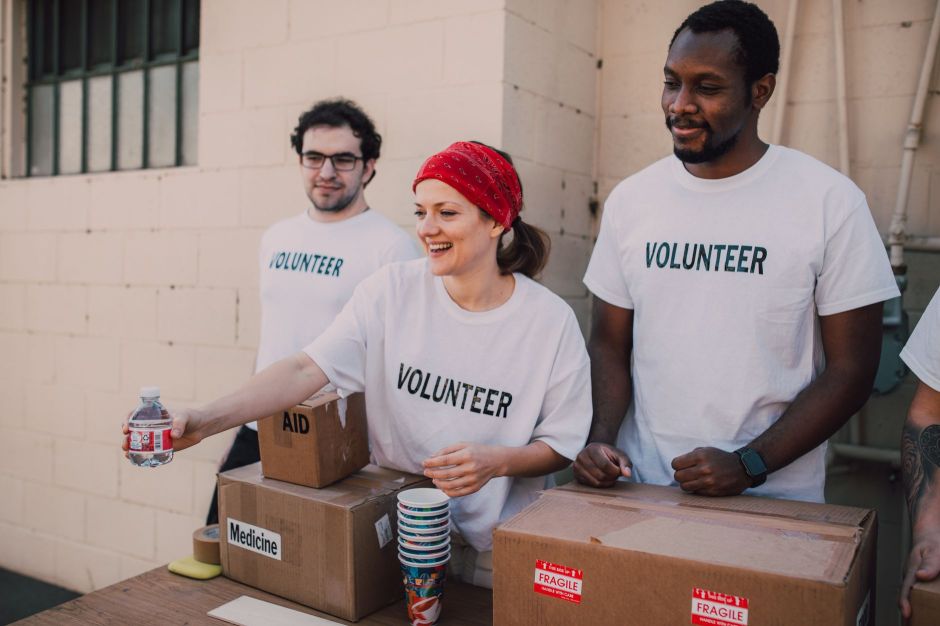
Dear reader, we often look to our bucket lists to enrich our own lives. We book the trip, enjoy the experience, collect the memory, and savor moments of joy. There is certainly nothing wrong with that. However, a life that is truly enriched is not one that focuses only on ourselves. It also includes generosity toward others.
Some of the most meaningful experiences on my own bucket list have not involved airplanes, tickets, or distant destinations. Instead, they have involved people.
As a social worker, giving back to the community has become part of my everyday life. Currently, I work with children experiencing serious emotional disturbances and adults with ADHD. Before that, I spent several years working directly with individuals and families experiencing homelessness, helping to run a winter shelter as well as a year-round housing program.
The mission of the shelter was simple: provide a warm, safe place to spend the night. We also offered case management services designed to help people navigate their path from homelessness to housing. Yet despite all the paperwork, referrals, and housing applications, I eventually came to believe that the most important thing we offered was something far less complicated.
Connection.

Many people experiencing homelessness report feeling invisible. They describe being judged, avoided, or treated as though they are somehow less worthy than everyone else. The shelter sought to counteract that experience by creating a place where dignity came first.
When guests arrived, they were welcomed by friendly volunteers and staff. They were offered a warm meal, a hot shower, a safe place to sleep, and perhaps most importantly, a sense that they belonged.
The shelter itself reflected that philosophy. It was bright, clean, and carefully organized. We tried to create an environment that felt welcoming rather than institutional. Volunteers dressed professionally because we believed our guests deserved the same level of respect one would show anyone else. Rules were kept to a minimum whenever possible. Choices were offered whenever safety allowed. Trauma often strips people of control over their lives; restoring even small opportunities for choice can help rebuild a sense of dignity.
Round tables were placed throughout the shelter rather than rows of isolated chairs. Guests gathered to talk, share meals, play cards, and simply spend time together. Staff and volunteers joined them whenever possible. We listened without judgment and encouraged people to become the authors of their own next chapter rather than telling them what that chapter should be.
We also worked to connect people with resources beyond the shelter itself. Workers from the county crisis system visited regularly so guests could meet certified peer supports, individuals trained to provide assistance who also brought the wisdom of lived experience. If someone arrived without clothing, local community partners made it possible to ensure they left with what they needed. Every piece of support communicated the same message: you matter.
One might wonder how something as simple as connection could make such a difference.
Research consistently shows that people experience better outcomes when they feel connected to their communities. Trust, belonging, and social support influence everything from physical health to mental well-being. Before someone can trust a service, a program, or a housing plan, they often need to trust the people offering it.
Many individuals experiencing homelessness have experienced profound losses of trust. Sometimes systems have failed them. Sometimes people have failed them. Sometimes both. When your experience has taught you that help often comes with judgment, conditions, or disappointment, accepting assistance can become incredibly difficult.
That is why volunteers were such a vital part of the shelter’s mission.
While I was often occupied coordinating services, addressing crises, and making sure the shelter operated smoothly, volunteers had the opportunity to do something equally important. They sat down. They listened. They played cards. They shared meals. They learned names and remembered stories.
Often volunteers were the first to notice when someone seemed unusually withdrawn or discouraged. They noticed the quiet guest sitting alone in the corner. They noticed when something wasn’t working. They became advocates, encouragers, and companions.
And the benefits were not limited to the people we served.
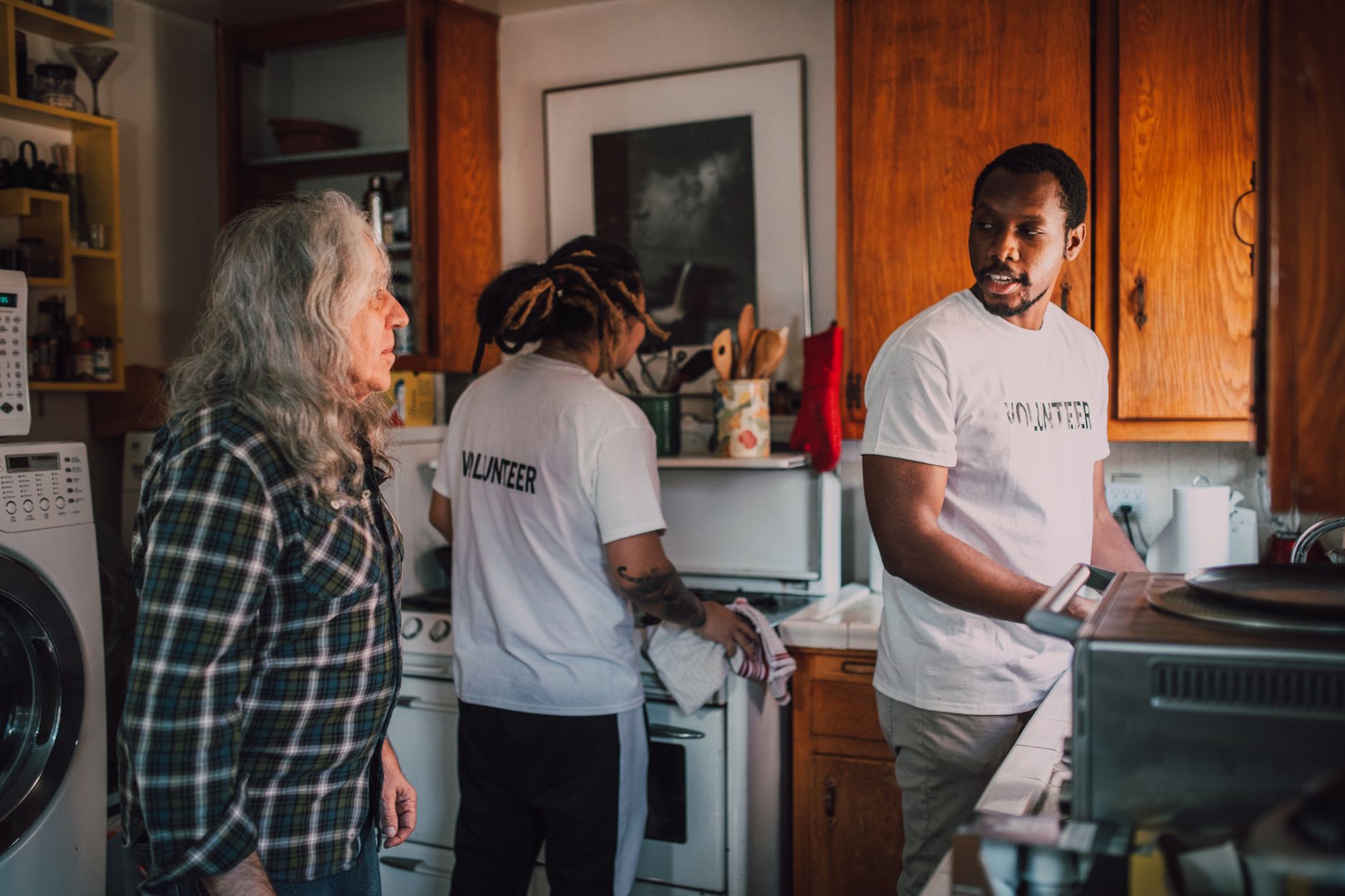
Many volunteers arrived hoping to help others and left with a broader understanding of their community. Homelessness stopped being an abstract social issue and became a collection of human stories. Assumptions were challenged. Empathy grew. Many volunteers told me they felt more connected to their neighbors and more grateful for the relationships in their own lives.
I wish I could say that everyone who walked through our doors found permanent housing. Unfortunately, that is not how these stories always end.
What I can say is that people found warmth. They found safety. They found kindness. They found a place where they were treated with dignity.
Over the years, I frequently heard guests describe us as the best shelter in the county. Other organizations occasionally visited to learn what we were doing differently. The answer was never a secret. We simply tried very hard to remember that people are people first.
If there is anything you should add to your bucket list, it is volunteering.
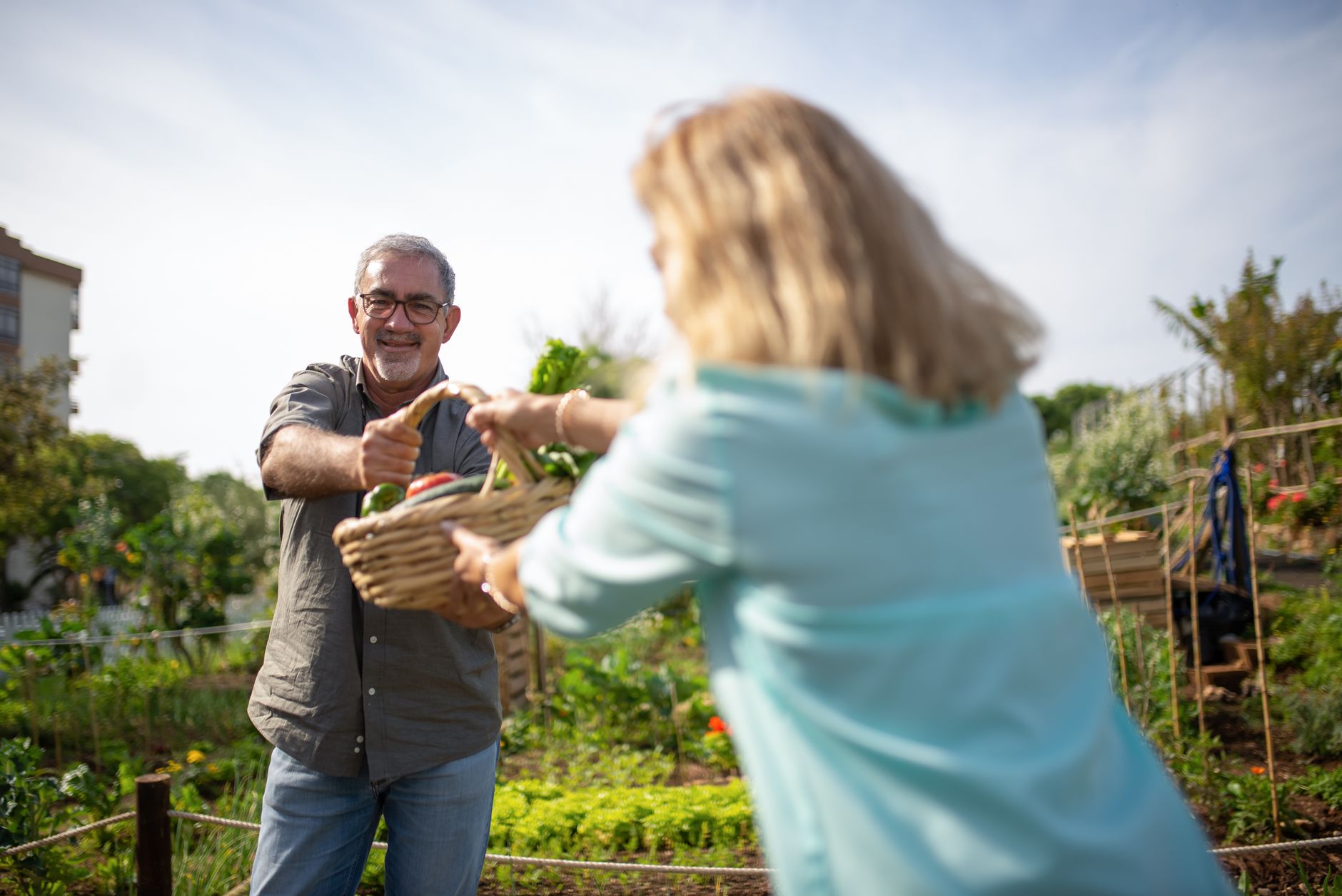
It does not have to be at a shelter. It could be a nursing home, an animal rescue, a food bank, a literacy program, a soup kitchen, a community garden, or an environmental cleanup. The specific cause matters far less than the willingness to show up.
We often think of bucket lists as collections of experiences. Perhaps they are better understood as collections of connections.
If you are not sure where to begin, many communities maintain volunteer opportunities through their local United Way, community foundations, or 211 information services. A quick visit to their websites will often reveal dozens of organizations looking for helping hands.
You may discover that the most meaningful adventure on your bucket list is not the place you travel to, but the person you take the time to see.
Cost: Free
Miles from home: 0
Completed: Helping the homeless 2019

