The Family We Gathered Into

Dear reader, some of the most important traditions in my life aren’t traditions that my family created.

At least, not my family by blood.

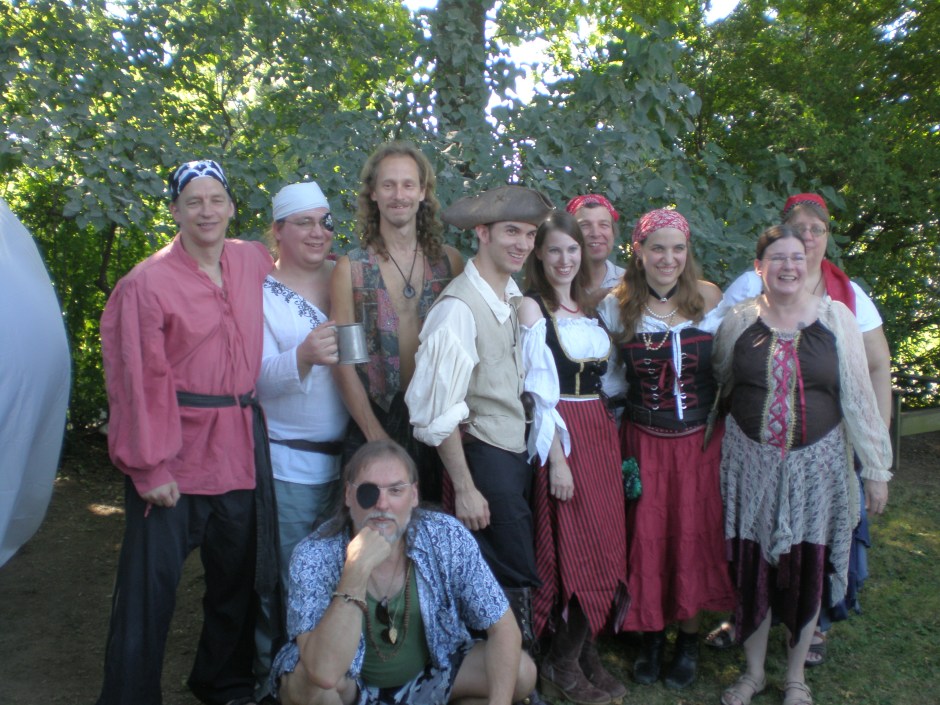
They began with a group of college friends of my parents who, somewhere along the way, decided that friendship deserved to be celebrated. Perhaps because most of them came from dysfunctional families, so they formed a family of their own and it was into this family that I was born. Decades later, the gatherings continue. The faces have changed over the years. Some people have joined us, others have moved away or passed on, and the locations have occasionally changed. But the traditions remain, some remain untouched from their beginnings. Others have slowly morphed or rolled into other traditions.

Three times a year, give or take, we gather. 

St. Patrick’s Day brings together those who share an Irish heritage, or perhaps simply an appreciation for good food, good drink, and the opportunity to sing Irish folk songs at increasingly enthusiastic volumes. We used to gather for Mid-summer’s and Mid-winter’s but they were rolled into St. Patrick’s when Mid-winter’s kept getting snowed out and our host for Mid-summer was no longer able to accommodate everyone camping on his property. And while I miss the bonfire where Jay would dress up like Merlin and entertain me with colored flames, I am a bit old for that now. I would want to be the one dressed up as a wizard.
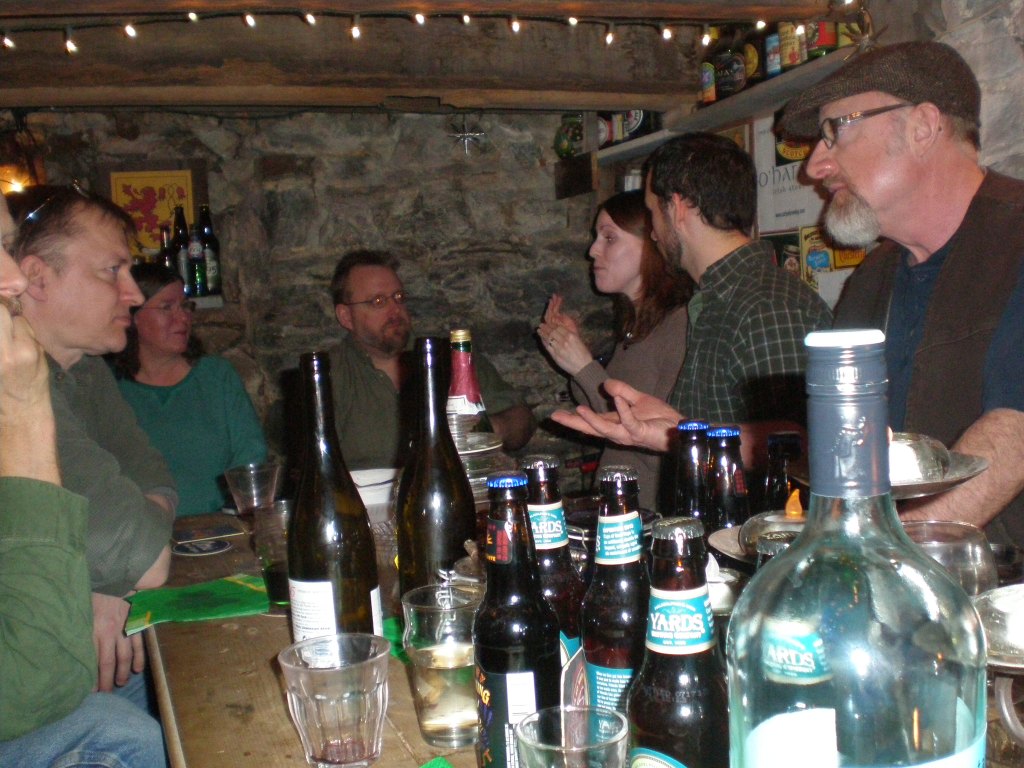
the infamous “pub”

The Garden Party marks the end of summer with music, food, lawn games, and sometimes dancing. It is the sort of afternoon where nobody seems particularly concerned about what time it is because there is always another game to play, another conversation to join, another drink to refill. It goes long into the night and often into the next day for those who choose to stay over. Each year is a different theme ranging from Morocco to China, from France to Mexico and even different decades. 

Then comes the Holiday Feast, an amalgamation of Thanksgiving and Christmas. We give thanks for the blessings of the year, eat an enormous meal, sing Christmas carols, and inevitably discover whatever puzzle has been devised for us that year. The puzzles have ranged considerably in ambition. Some years it has been little more than a worksheet. Other years have involved elaborate murder mysteries requiring us to search the house and garden for clues. Apparently, gratitude and Christmas cheer are insufficient entertainment for this particular group. We also require an opportunity to investigate fictional homicide. 

There is usually a familiar menu as well. If you attend either St. Patrick’s or Holiday Feast you never need to check the menu, you simply know.

And then there is the house. For most of my childhood, these gatherings took place at my godparents’ home, a house originally built in the 1700s and expanded in the 1800s. It is the sort of house that seems to remember the people who have passed through it.
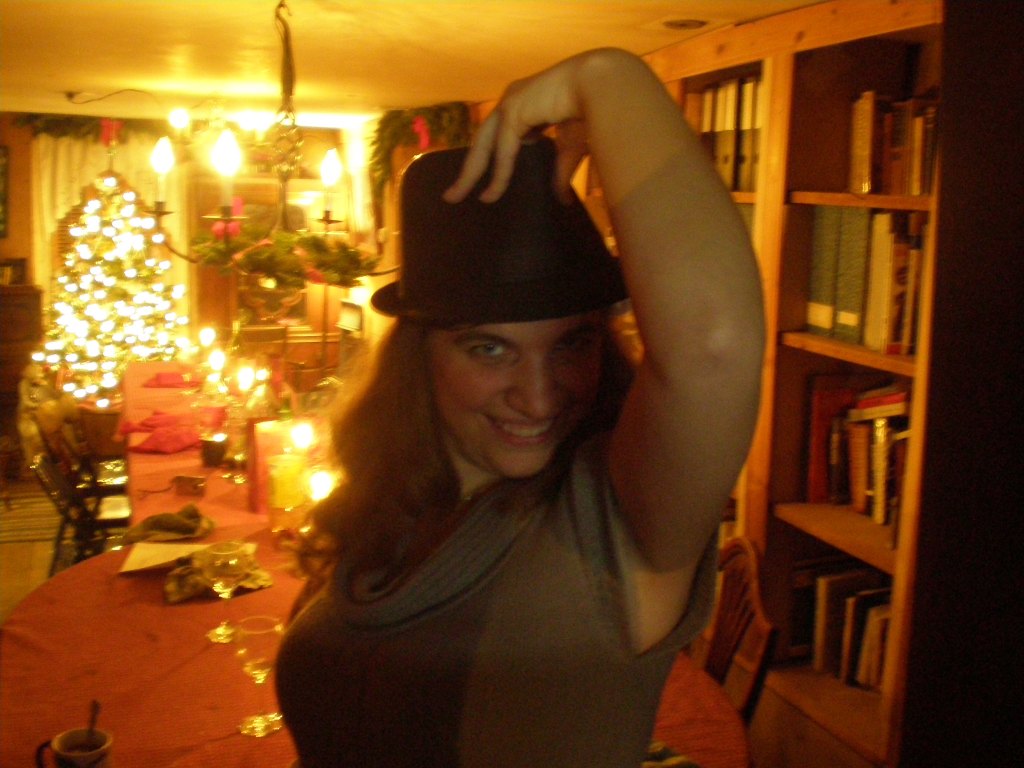
Getting into the holiday spirit

There is an old wood stove tucked into the hearth room. The cellar contains an Irish “pub” that my godfather quite literally dug out by hand, enlarging the space until there was enough room for our heads. The rough stone walls make you feel as though you have somehow stepped out of Pennsylvania and landed in the old country.

Every room has its own history. Every corner contains a memory. There are whispered ghost stories. There are stories about people who aren’t there anymore. There are objects whose significance I probably wouldn’t understand if I hadn’t spent so many years seeing them in the same places.

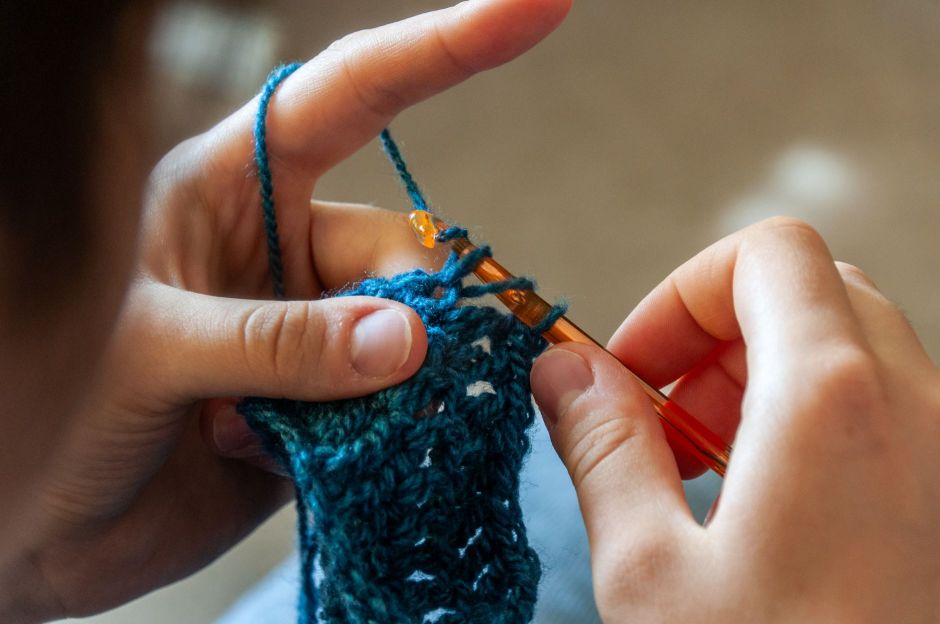
I can mark my childhood by these parties. At first, there was the children’s table. Playing with my siblings and my “god-sister”. Eventually, I graduated to the adults’ table. There was the first time I was old enough to drink at one of the parties. I learned crochet. I learned to play bocce ball. I learned how to mix drinks from our resident “expert” bartender. I listened to stories about places I had never been and people I had never met.

These people were my aunts and uncles, even though most of them weren’t related to me at all. One of them eventually became my college professor, which created the rather peculiar situation of having to remind myself not to call her Aunt Val in class. But the others taught me things, too.  Not in the formal sense of sitting me down for a lesson, but through years of conversations and arguments. They brought their own adventures with them and regaled us with stories. They introduced me to art, music, philosophy, history, and different ways of understanding the world.

We argued about politics, religion, economics, and just about everything else people are generally advised not to discuss over dinner. And they made me think. Perhaps that is one of the greatest gifts these gatherings gave me. They showed me that learning doesn’t only happen in classrooms. Sometimes it happens around a crowded dinner table with people who have lived long enough to have stories to tell and opinions they are more than willing to defend.
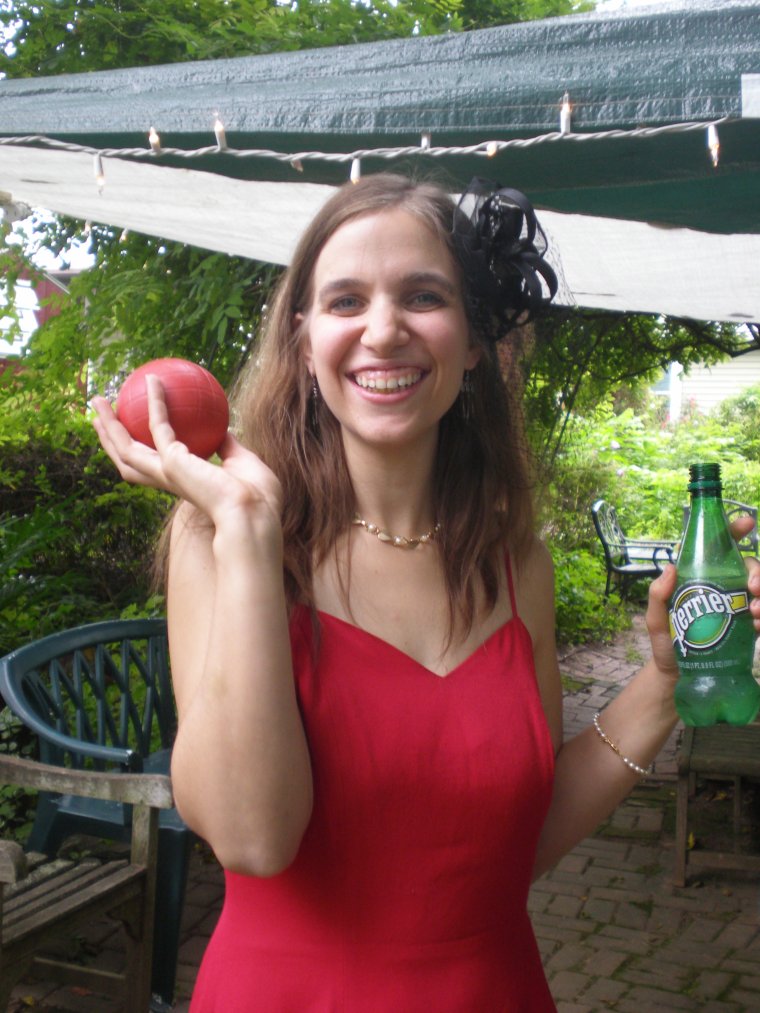
Anyone for a game?

As a child, I mostly listened. As I grew older, I began participating. Eventually, I became one of the adults arguing across the table. And somewhere along the way, I stopped being a child who attended these parties and became one of the people who helped carry the traditions forward.

That transition happened so gradually that I don’t think anyone announced it. There was no ceremony. No one said, Congratulations, you are now an adult member of the ritual. I simply found myself there. That may be the strange magic of tradition. The first time you experience something, it is an event. The tenth time, it is familiar. The twentieth time, you know what comes next. And eventually, you don’t even have to discuss it. The parties become almost like a dance. Everyone knows the steps. We know when we eat. We know when the games happen. We know when the drinks come out. We know which songs will be sung and, more importantly, when everyone is expected to join in. Nobody has to announce the choreography. We simply know it. And yet the dance is never quite the same. The people change. The stories change. Someone brings a new dish. Someone learns a new song. A child who once sat at the kids’ table is suddenly old enough to pour drinks. Someone who was always there is now conspicuously absent.

The ritual remains, even as the people within it change. I think that is why traditions matter so much. We often talk about experiences as though their value comes from novelty. We put new places, new activities, and new adventures on our bucket lists because there is something wonderful about doing something for the first time. But there is another kind of magic in doing something for the hundredth time. Traditions give us continuity. They give us something to return to. They create a shared history that stretches beyond any one person and allows memories to accumulate over generations. They remind us that our lives are not isolated events but part of a much longer story.

And perhaps most importantly, they create belonging. These people didn’t become my family because we share a last name or DNA. They became my family because we kept showing up. Year after year. Party after party. Song after song. We cultivated rituals together until they became part of the fabric of our lives. That is something worth putting on a bucket list, too.
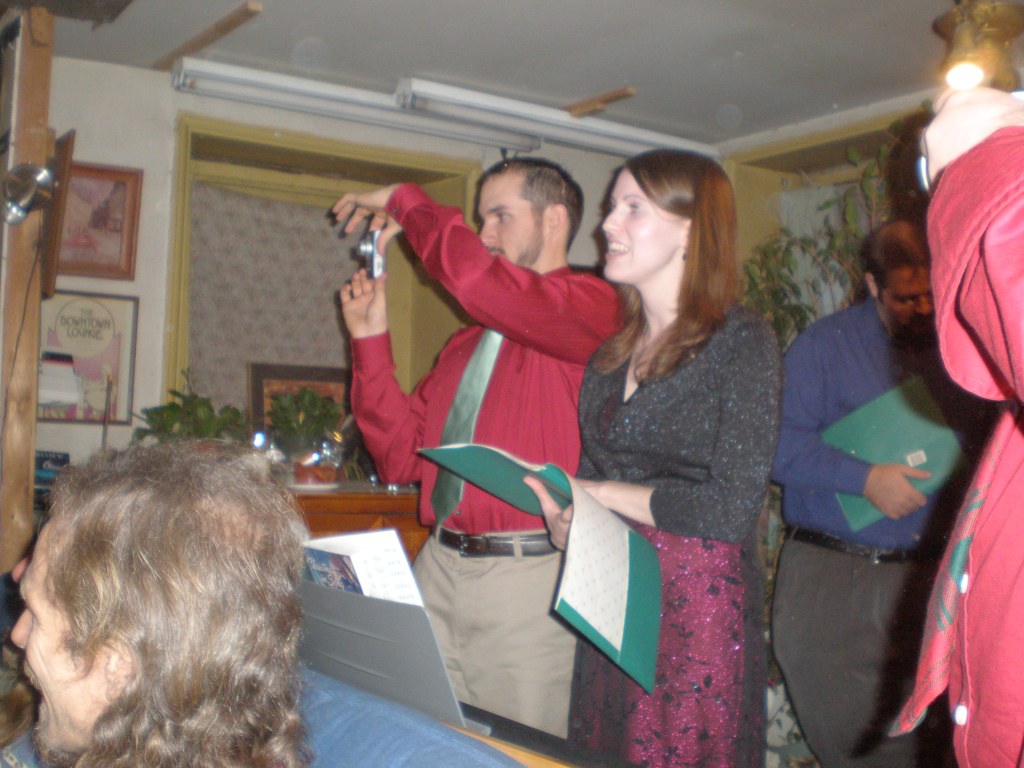
Christmas Carols

Not necessarily a particular holiday or a particular meal. Instead, consider creating something that you can return to. A yearly garden party. A friends’ Thanksgiving. A monthly dinner. An annual camping trip. A ridiculous family competition. A holiday tradition that makes absolutely no sense to anyone outside your groupIt doesn’t have to be elaborate. It simply has to be yours. 

Someday, you may look back and realize that you aren’t merely remembering the parties. You’re remembering your childhood. Your friendships. The people who taught you things. The people who watched you grow. The people who became family simply because they kept showing up. And perhaps that is one of the greatest adventures of all. Not discovering somewhere new, but building something worth returning to.

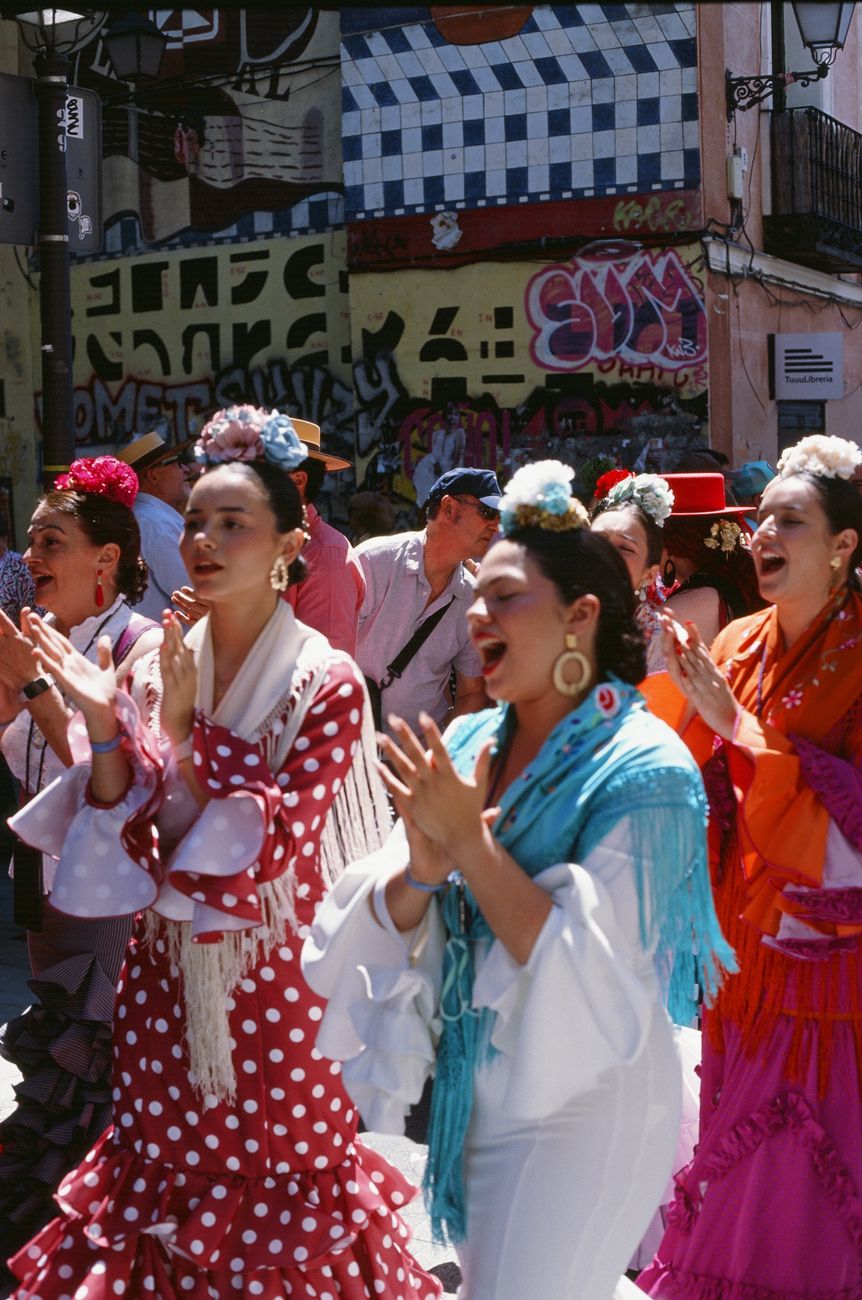
A Million People, One Very Silly Idea

What Is the Sound of Nearly 8 Billion People Clapping?

What is the sound of nearly 8 billion people clapping? We still don’t actually know!

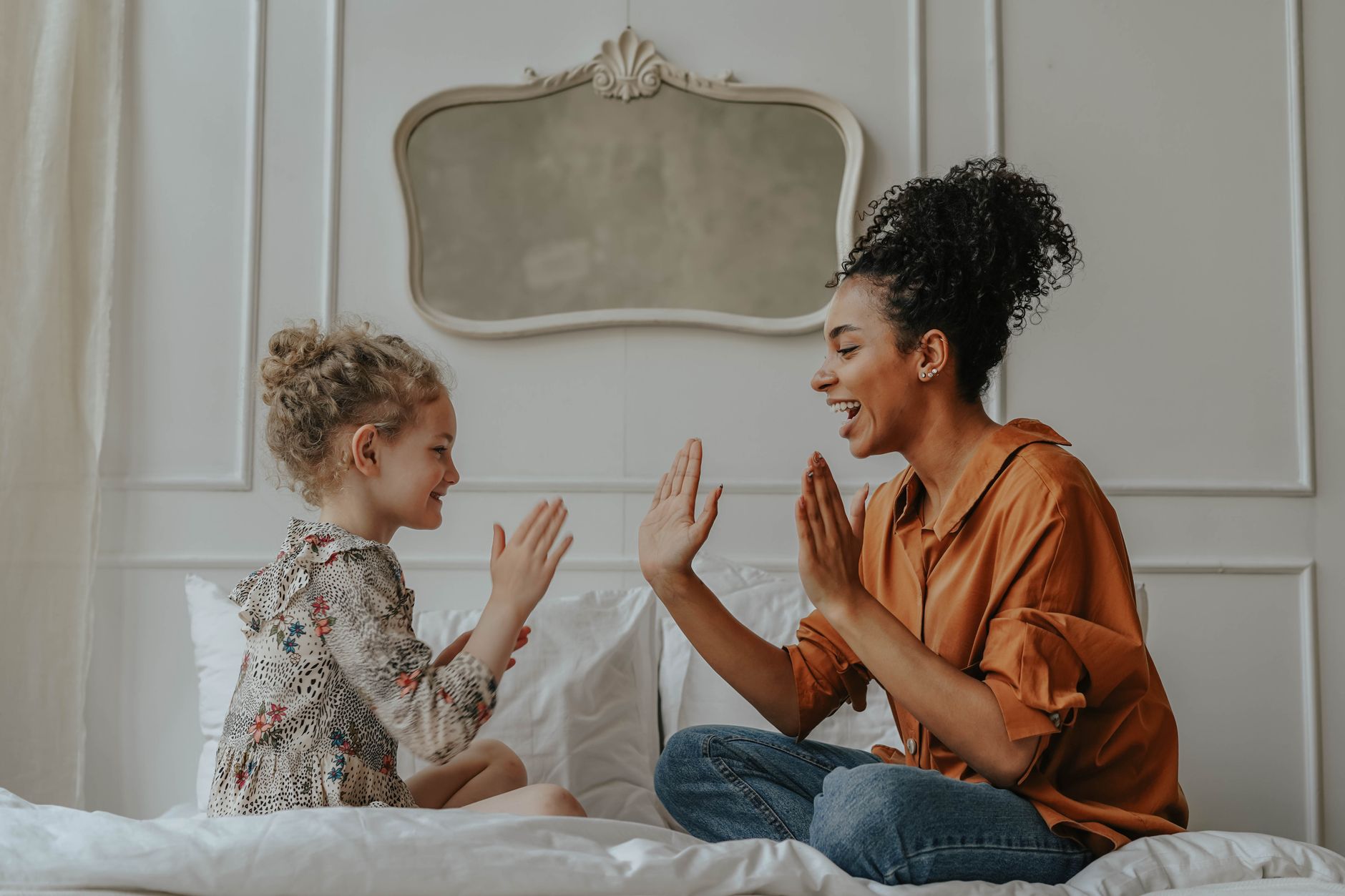
But for a brief moment on a Sunday, thousands of people around the world stopped what they were doing and clapped. The sound could be heard by the people who were actually there, but that, dear reader, was not the point.

The point was that, for one moment, people around the world, regardless of country, race, religion, ethnicity, economic status, or whatever other category you care to create, came together in a small act of silliness.

So naturally, I set my alarm for 9:55 a.m. Eastern Time to make sure I stopped whatever I was doing, and another alarm for five minutes later so I could clap along with the scattered members of humanity participating with me.

Photo by Rob Volz on Pexels.com

Did I feel any sort of cosmic connection? No. It honestly felt ridiculous and a little pointless. Nothing changed. There wasn’t a loud sonic boom of nearly 8 billion people clapping together. There was no great sense of unity that descended upon the planet. No wars were stopped. No marriages were saved.

It was actually quite quiet sitting in my kitchen, sweaty from gardening, dirt smeared on my pants, my hair in desperate need of washing from sweat and debris. 

Just me.

Clapping.

In my kitchen.

So why even do it?

Well, because I’m almost always down to try new things, especially things that seem a bit silly. And there is something rather wonderful about World Clap Day. We’re all different, yet we could all participate in exactly the same ridiculous little act. Nobody had to agree on politics, religion, nationality, or anything else. We didn’t have to accomplish anything. We simply had to clap. Which is, honestly, pretty beautiful. Beautiful enough that 1.7 million people signed up on the website to participate. Now, did 1.7 million people actually clap? Probably not.

Photo by cottonbro studio on Pexels.com

I’m certain plenty of people forgot. Others may have signed up with every intention of participating and then found themselves distracted by work, children, errands, or the eternal black hole of the internet. At the same time, there were undoubtedly people who never signed up at all but happened to hear about it and decided to join in. So perhaps it wasn’t thousands but closer to a million people who actually participated. Which sounds like a huge number until you put it into perspective. Even a million people would be only about one in every 8,000 people on Earth.

And somehow I find that both hilarious and impressive. A million people is almost incomprehensibly large. It is also almost nothing compared with humanity as a whole.

So how did this even become a thing?

Apparently, Andrea Bechis, a UK fitness entrepreneur, had a question back in December: essentially, What would happen if everyone on Earth clapped together. Rather than simply wonder about it, he decided to make it a thing. He picked a date and started gathering support. Originally, he hoped people would gather together in town squares and celebrate collectively. The actual execution was considerably more modest.

Basically, sitting in my kitchen sweating from gardening and clapping. I filmed it, but I doubt I’ll post it here.

Still, there is something inspiring about the whole ridiculous endeavour. With enough gumption and a willingness to endure a little ridicule, you can convince a considerable number of people to participate in your wild vision of silliness. And World Clap Day isn’t the only example.

Photo by Marvin Corea on Pexels.com

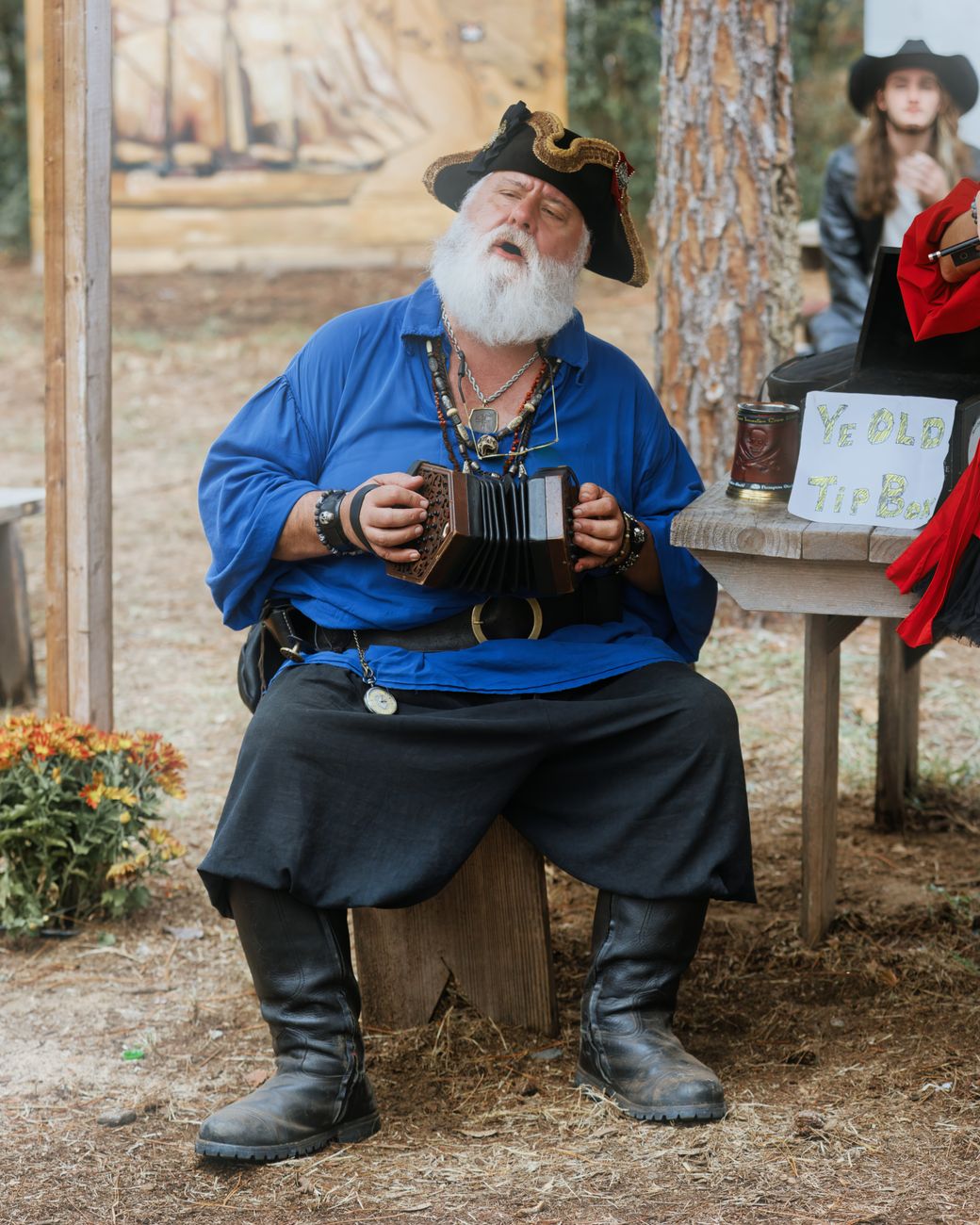
It reminds me of my favourite holiday, Talk Like a Pirate Day, entirely because it is silly. Created in 1995 by two friends as an inside joke, it escaped Australia in 2002 when Dave Barry wrote about it and transformed into a semi-official holiday celebrated each September 19 by those of us with a sense of humour and a willingness to be seen as a bit odd.

It’s now been going for more than 30 years. It may eventually die out, or it may continue. Who knows? In 500 years, there may still be people celebrating it with the same level of gusto that they celebrate Halloween. Although I’m not sure I envy the future month of August being besieged by all things pirate instead of witches and ghosts.

World Clap Day and Talk Like a Pirate Day share something I find rather charming: neither one is necessary.

Nobody needs us to clap together. Nobody needs us to talk like pirates. There is no practical benefit to either activity. There’s no rich cultural heritage or religious event associated with it. It’s just kind of there as pure amusement. And perhaps that’s precisely why they’re worthwhile.

We live in a world that constantly asks us to be productive. Improve ourselves. Accomplish something. Build our careers. Exercise. Make money. Learn something useful. Optimize our lives. Sometimes I think we could stand to do a few things simply because they’re ridiculous.

Photo by Ivan Babydov on Pexels.com

There is also something about silliness that makes connection easier. When you’re willing to approach other people with humility and a sense of humour about yourself, you open doors that you might otherwise have trouble walking through. You don’t have to take yourself so seriously. You can laugh at your own absurdity and invite other people to laugh with you.

Comedians do this all the time. They point out the ridiculous things we all do and, for a moment, give us permission to laugh at ourselves together.

So was World Clap Day a success?

Possibly.

Will it happen again?

Who knows?

But perhaps those aren’t the questions that matter.

For a few minutes, people scattered across the planet stopped whatever they were doing and participated in the same completely unnecessary, wonderfully ridiculous activity.

There was no great transformation. No cosmic event. No world-changing consequence. Just people clapping and going about their day. And maybe that’s enough. Because not every moment of connection needs to change the world. Sometimes it can simply remind us that we’re all here, together, being ridiculous little humans on the same planet.

And perhaps that’s what makes it Bucket List worthy. Not because I accomplished something extraordinary. Not because I changed the world. Not even because I felt some profound cosmic connection.

I just tried something silly.

And somewhere out there, about a million other people did too.

Which, dear reader, is a pretty good reason to clap

Photo by olia danilevich on Pexels.com

Make Tuesday a Life Worth Coming Home To

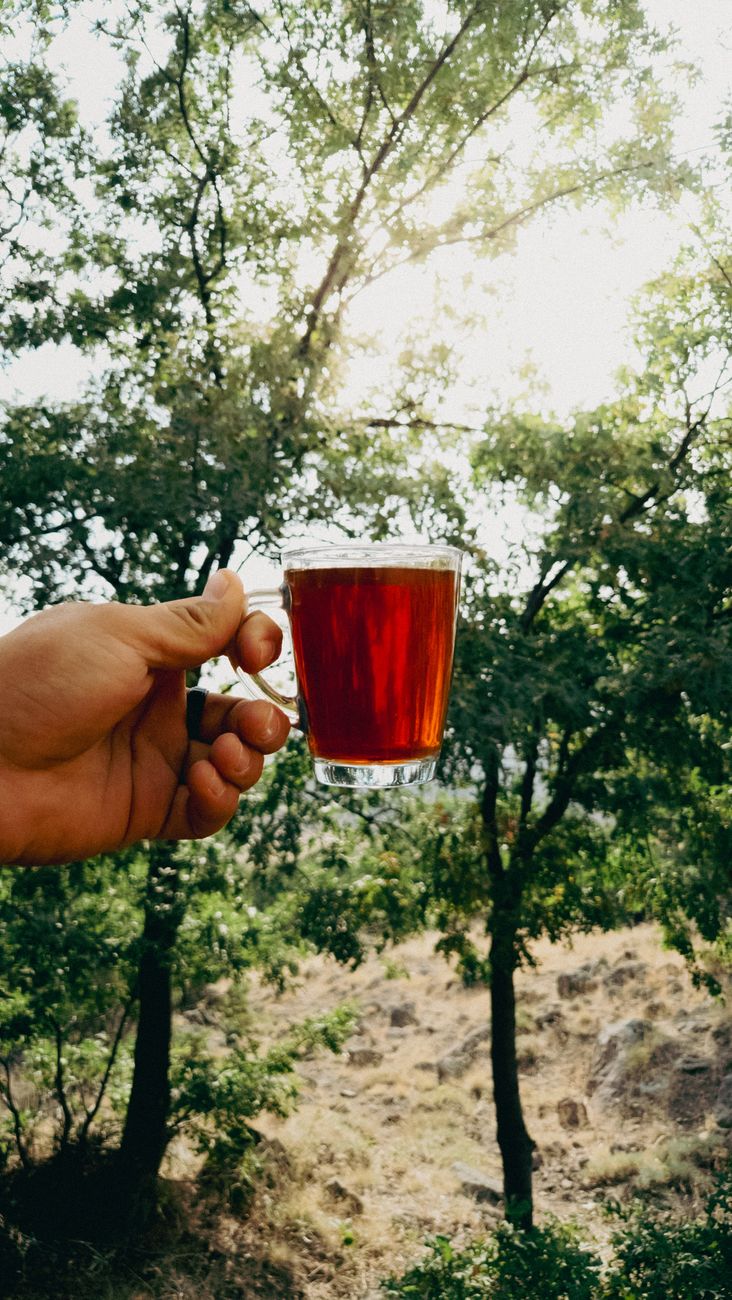
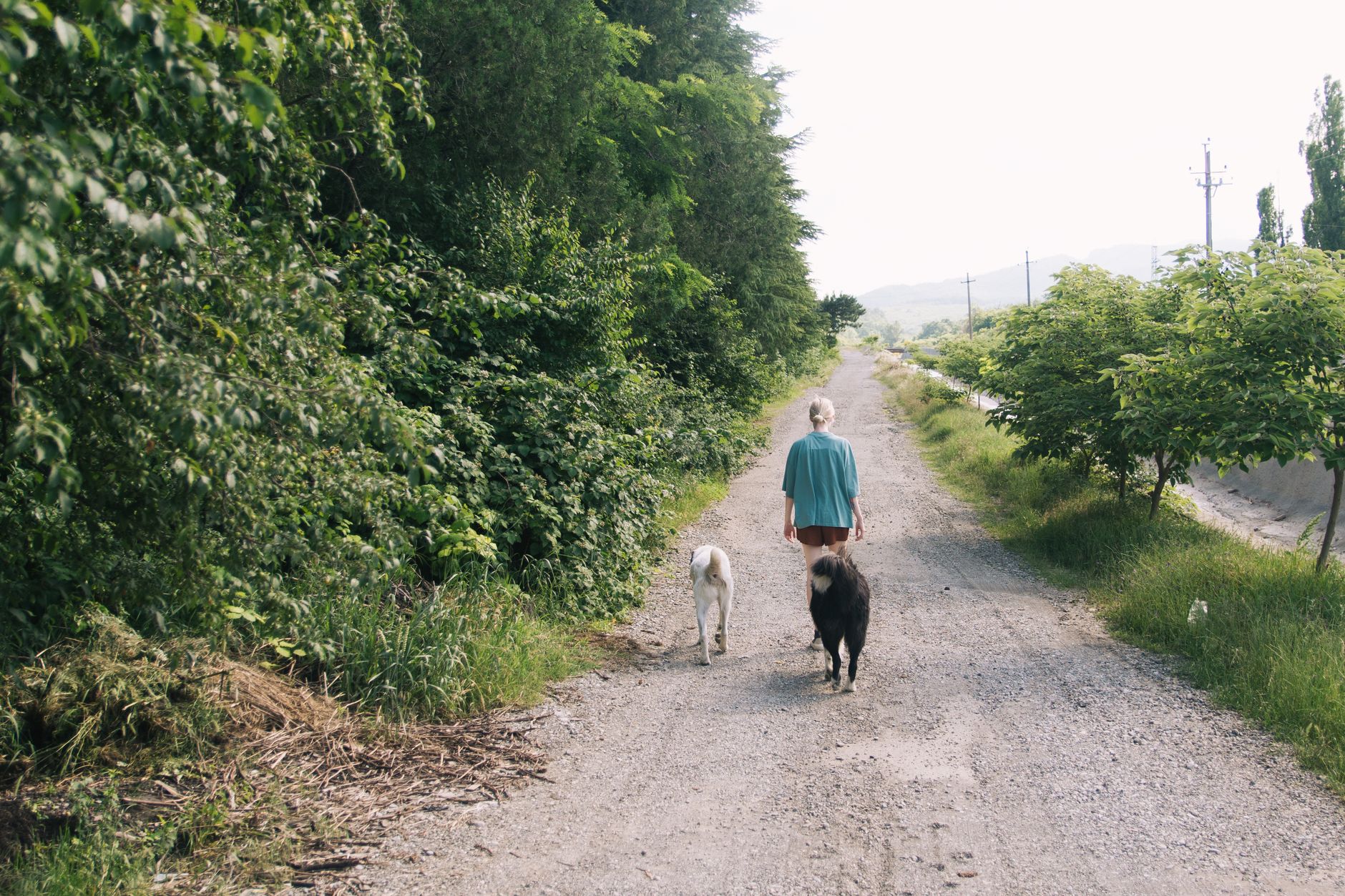
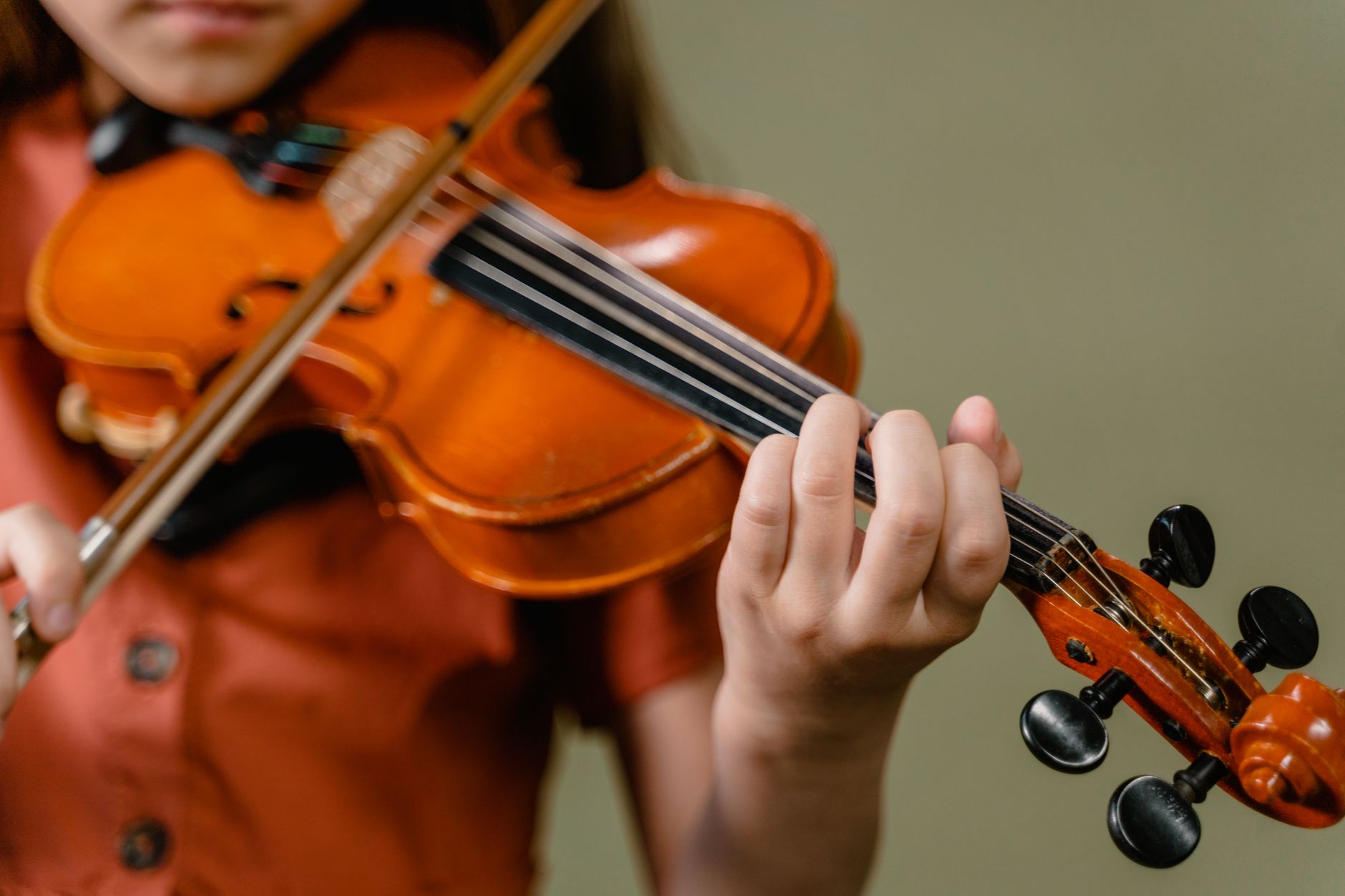
It’s a cup of tea in my hand as I look out over the garden, listening to music through my headphones. It’s the feel of warm wood beneath my chin as I play the violin. It’s admiring the neighbors’ gardens and noticing the subtle shifts as the seasons progress on my walks with Pixel. It’s spending Sunday afternoons in my own garden, pulling weeds and watching everything grow. And of course, dear reader, there are long, lazy Saturday mornings filled with cat snuggles.

Small daily or weekly rituals. Almost stolen moments that fill my days with joy.

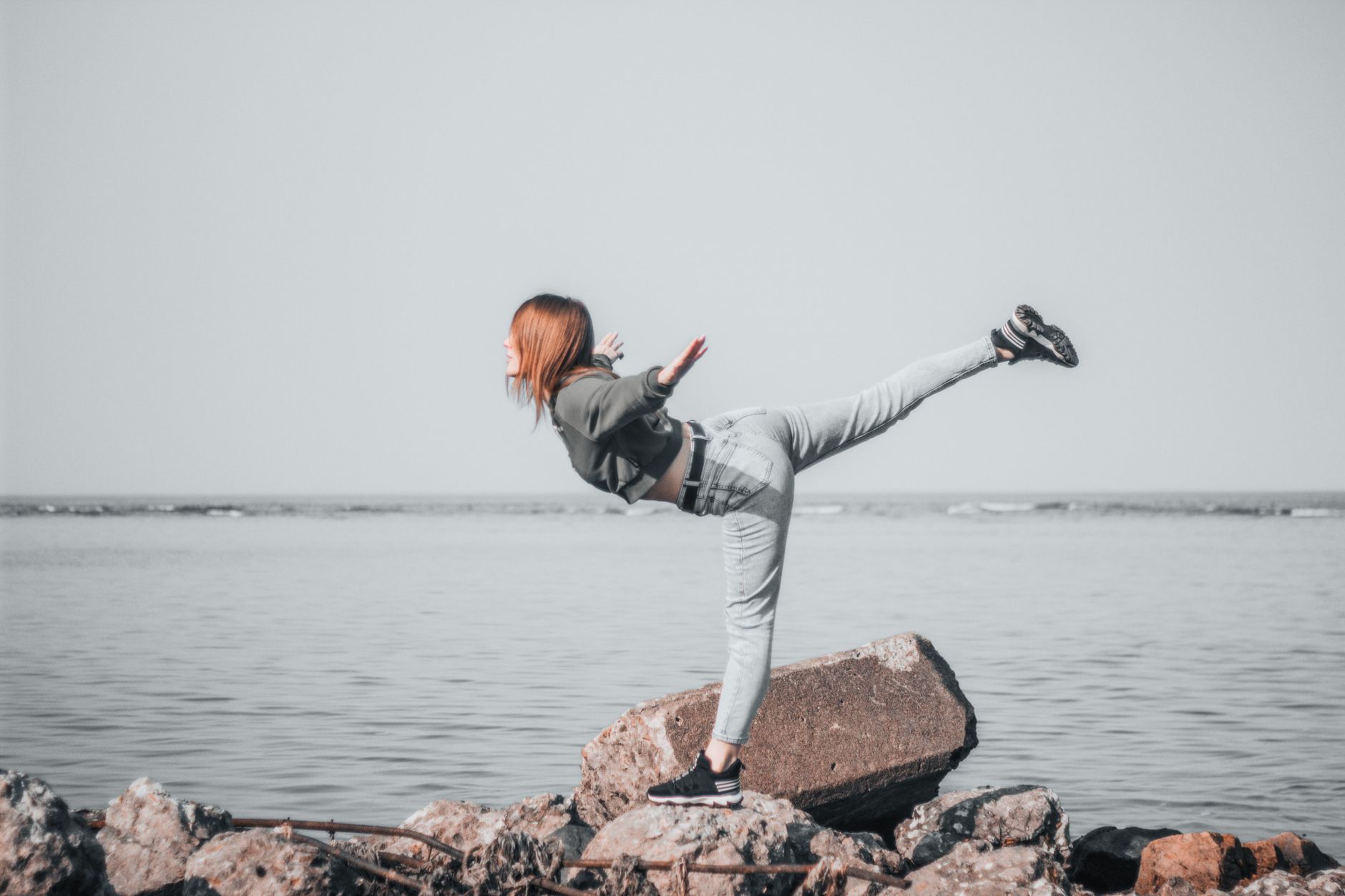
Life, dear reader, is not always adventures. Sometimes escape consists of a journal entry or a thirty-minute yoga session. Other times, it’s a book and a cup of coffee on your porch. Lately, it has been a morning visit from a cardinal, courtesy of a bird feeder I recently installed outside my bedroom window to entertain my cats.

I have inadvertently taken up birdwatching.

I may or may not be trying to learn his song on my violin.

A girl needs hobbies, dear reader, and in my fast-approaching middle age, I have decided to go full-on eccentric. I shall soon be donning enormous hats and calling people darling. ’Tis a cruel fate, but I plan on embracing it.

Photo by Andrew Patrick Photo on Pexels.com

But underneath all of these little eccentricities is something more important. Each of these habits fulfills a different need.

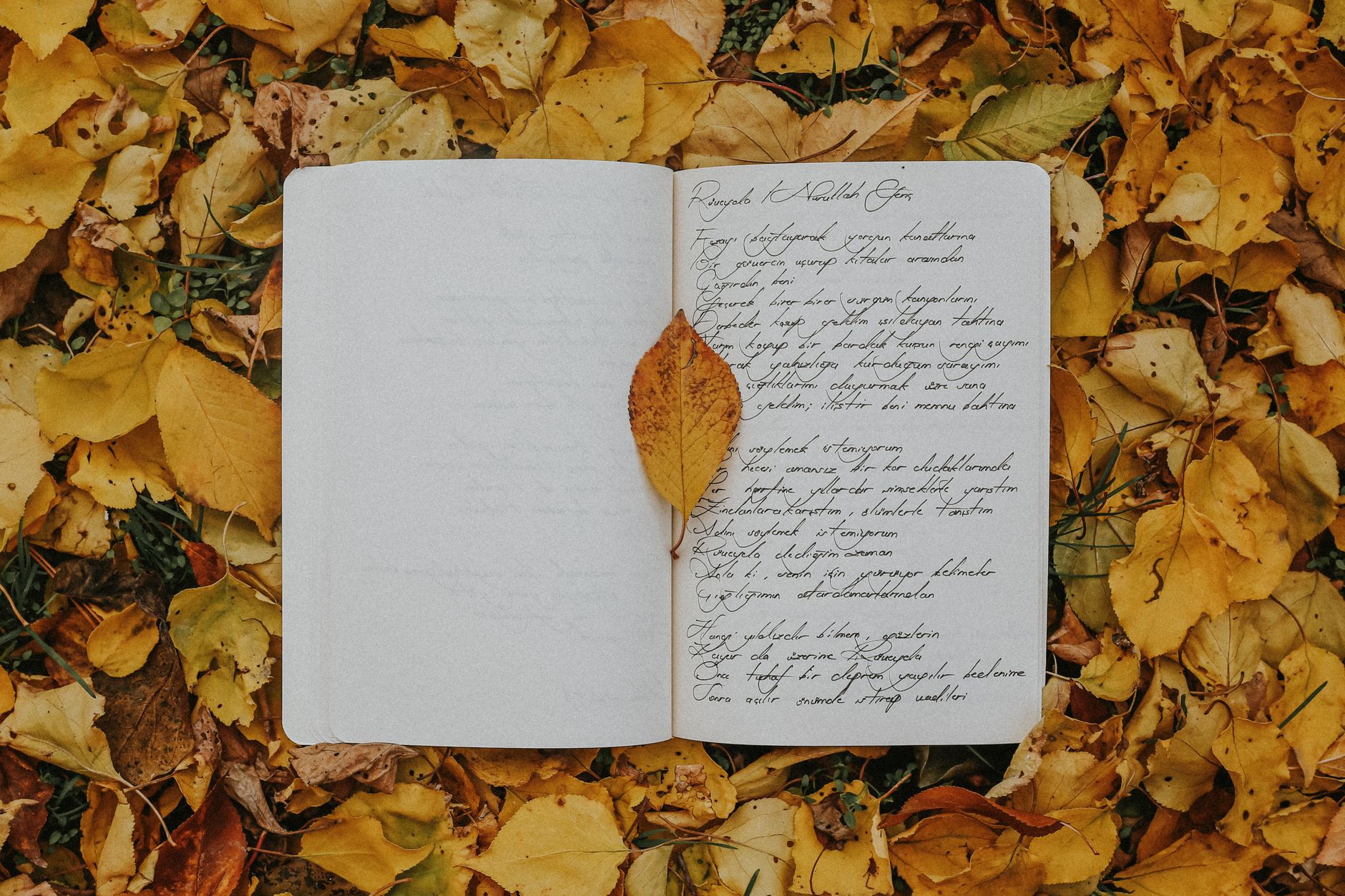
The violin and poetry fulfill my need to create. When I play music, I lose myself in the notes, sometimes reaching an almost meditative state where the sheet music ceases to be something I consciously process. My fingers simply know where to go. In poetry, I get to play with form, sound, rhythm, and the compression of ideas. I may spend hours contemplating a sonnet, drop a villanelle onto the page in a few minutes, and then follow it with free verse where I experiment with repetition, alliteration, rhyme, and half-rhyme.

On my walks and in my garden, I connect with nature. There is something grounding about putting my hands into the dirt, watching the seasons change, and noticing things that would otherwise pass unnoticed. And of course, there is Pixel, who seems to believe that every walk is an important expedition requiring his immediate participation.

A cup of tea or coffee gives me permission to stop. Sometimes I listen to music. Sometimes I simply sit and think. Sometimes I read or write in my journal. The ritual itself creates a small pause in the day, a moment to breathe before rushing into whatever comes next.

Photo by u0410u043bu0435u043au0441u0435u0439 u0412u0435u0447u0435u0440u0438u043d on Pexels.com

These things may seem insignificant.

They aren’t.

This blog is much more than Bucket List Adventures. It is also about building a Bucket List Life.

A Bucket List Life is not one where you are constantly chasing the next spectacular experience. It is a life where those spectacular experiences are woven into something that already feels meaningful. Travel can be wonderful, but if you need a two-week vacation every year simply to tolerate the other fifty weeks, perhaps the more interesting question is not “Where should I go next?” but “What is missing from the life I come home to?”

One way to begin answering that question is to look at the different areas of your life and consider whether they are receiving enough attention.

Some of you may recognize this concept from Dr. Bill Hettler’s Wellness Wheel, developed in the 1970s as a way of examining different dimensions of wellness. The model considers areas such as physical, social, occupational, intellectual, environmental, spiritual, financial, and emotional wellness. The premise is fairly simple: you can be doing wonderfully in several areas while struggling significantly in others.

Photo by Sergey Ochkanov on Pexels.com

Travel might temporarily touch several of those areas. A trip could provide physical activity, social connection, intellectual stimulation, environmental novelty, and emotional rejuvenation all at once. But eventually you come home.

Your luggage gets unpacked.

The vacation photos get posted.

And Monday morning arrives.

The goal, then, isn’t to use travel to fill every empty space in your life. It is to build enough small sources of nourishment into your ordinary routine that you aren’t depending on the next vacation to make you feel alive.

Photo by MART PRODUCTION on Pexels.com

For me, my violin and poetry provide intellectual and emotional stimulation. Tea and coffee, often accompanied by music, reading, or a devotional, give me opportunities for reflection and spiritual connection. Walking and gardening provide physical movement and environmental connection. My cats provide companionship. Friends and family fill another part of the picture entirely.

None of these things fills an entire category by itself. Nor do they need to.
They’re simply little threads woven into the larger fabric of my life.

And that’s an important distinction because wellness should not become another thing we feel obligated to optimize.

You do not need to maximize every category.

You don’t need a perfectly balanced Wellness Wheel.

You need to notice where you feel nourished and where you feel hungry.

Photo by Mike Jones on Pexels.com

Perhaps you look at your own life and realize that you’re getting plenty of intellectual stimulation from your career but almost no physical movement. Maybe your answer isn’t another vacation but a weekly hiking group, a dance class, gardening, yoga, or simply walking around your neighborhood after dinner.

Maybe you spend your entire day surrounded by people and realize that what you’re actually missing is solitude.

Maybe your work is deeply meaningful but you’re financially stressed.

Maybe you’re financially comfortable but have lost touch with creativity.

Maybe your social life is full but you haven’t spent any time alone with your own thoughts in months.

The point isn’t to judge yourself for what is missing. It’s to notice.

Then ask yourself what small, repeatable habit might help.

And make it something you actually want to do.

We don’t need to turn every empty space into a self-improvement project. If you’re deficient in intellectual stimulation, perhaps you don’t need to take an online course. Maybe you want to learn about birds. Maybe you want to read about astrophysics. Maybe you want to learn German, pick up a violin, study medieval history, or finally understand how that strange machine in the kitchen actually works. I’m currently studying the Drottkvaett form from Old Norse Court Poetry and seeing if I can’t apply it to modern English. It’s a lot harder than it sounds, but so much fun! 

If you’re lacking physical movement, you don’t necessarily need to join a gym. Maybe you want to garden. Maybe you want to walk around your neighborhood and admire everyone’s flowers. Maybe you want to take up dancing or sword fighting! 

Photo by Vitaly Gariev on Pexels.com

The best habit is often the one you will actually keep because it brings you some measure of joy.

That, ultimately, is what I mean by building a Bucket List Life.

Keep the adventures.

Absolutely take the trip to Italy. Go see the concert. Try glassblowing. Wander through the strange old arcade. Eat the deep-dish pizza in Chicago when your flight gets delayed.

Put extraordinary things on your list.

But don’t save all of your living for those moments.

Build a life that contains little adventures on an ordinary Tuesday. Find things you look forward to on Sunday morning. Give yourself reasons to put down your phone, step outside, make something, learn something, call someone you love, or simply sit quietly with a cup of tea.

Because eventually, every bucket-list trip ends.

The airplane brings you home. The suitcase gets put away. The souvenirs find their places on the shelf.

And then there is Tuesday.

Make Tuesday a life worth coming home to.
Letting the World Spin Without You: JOMO

Dear reader, I think I have made it quite clear over the years that I am, for a myriad of reasons, simply not a sports person. I don’t typically watch or participate in many sports, nor do I have any particular inclination to change that. I have nothing against them, of course. Why should I advocate for depriving someone else of an activity that brings them joy?

Yet over the past few weeks I found myself, quite unexpectedly, drawn into the orbit of soccer—or football, as nearly everyone outside the United States insists on calling it. (I’m beginning to suspect America simply enjoys being contrarian.)

The World Cup had arrived, and suddenly it seemed to be everywhere. Friends hosted watch parties. Restaurants filled with cheering fans. Social media overflowed with celebrations, dramatic finishes, and clips of supporters singing in unison. Perhaps it was because the tournament was being played on home soil, but even people I had never known to care much about soccer suddenly had passionate opinions about offsides, penalty kicks, and championship predictions.

Photo by Unknown User on Pexels.com

Watching all of this unfold, I experienced something surprisingly familiar.

The fear of missing out.

It wasn’t that I had suddenly developed a deep appreciation for the sport. I hadn’t. It was the feeling that everyone else was participating in a shared cultural moment while I stood quietly on the outside looking in.

Perhaps I should learn the rules.

Maybe I ought to watch a few matches.

Should I start reading about the teams so I can contribute to the conversation?

If you’ve ever felt that little tug, you know exactly what I’m talking about. FOMO has very little to do with the activity itself. More often, it stems from our deeply human desire to belong. We see everyone around us enjoying something together, and we begin to wonder whether we should be enjoying it too.
But somewhere along the way, I realized something.
I didn’t actually want to watch soccer.

What I wanted was the feeling of being included.

Those are not the same thing.

There is something wonderfully liberating about recognizing the difference.

Photo by Ali Karimiboroujeni on Pexels.com

In recent years people have begun talking about JOMO—the Joy of Missing Out. Rather than anxiously trying to participate in every trend, every event, every conversation, JOMO invites us to make peace with the opportunities we choose not to pursue.

Not everything has to become our hobby.

Not every cultural phenomenon needs our attention.

Not every invitation must be accepted.

Every “yes” we give something is also a “no” to something else. Our time and attention are finite, and spending them intentionally is one of the greatest gifts we can give ourselves.

For me, that meant happily scrolling past match highlights while smiling at the unmistakable enthusiasm of Dutch fans dancing in brilliant seas of orange. Their joy was contagious, even if their pastime wasn’t. I could appreciate their excitement without feeling compelled to make it my own.

Perhaps that is the real lesson.

We do not need to borrow someone else’s passions in order to live a meaningful life. We simply need to cultivate our own.

So the next time the entire world seems to be rushing toward the newest trend, the latest series, the biggest sporting event, or whatever everyone insists you simply must experience, remember this:

It is perfectly acceptable to let other people have their joy while you quietly pursue your own.

Sometimes the greatest peace comes not from doing more, but from realizing there was never any need to join the crowd in the first place.

Photo by Tobias Bju00f8rkli on Pexels.com

Keep the Thing You Love Useless

Dear readers, I have been in the midst of an ADHD hyperfixation.

Poetry.

For the past three months, I have been utterly consumed—writing forty-plus poems in three months, which even I have to admit is a slightly absurd amount of poetry

Now, I shalln’t subject you to the entirety of the collection. However, I have shared a few with friends and family, who have begun to gently (and not so gently) encourage me to seek publication. After all, it seems such a shame that such a collection should simply languish on my desktop.

Suddenly, a list of journals sits before me, complete with deadlines looming and pressure quietly building. Some even come with significant cash prizes if the poems are selected.

Photo by Hatice Baran on Pexels.com

Isn’t that just the way of hobbies?

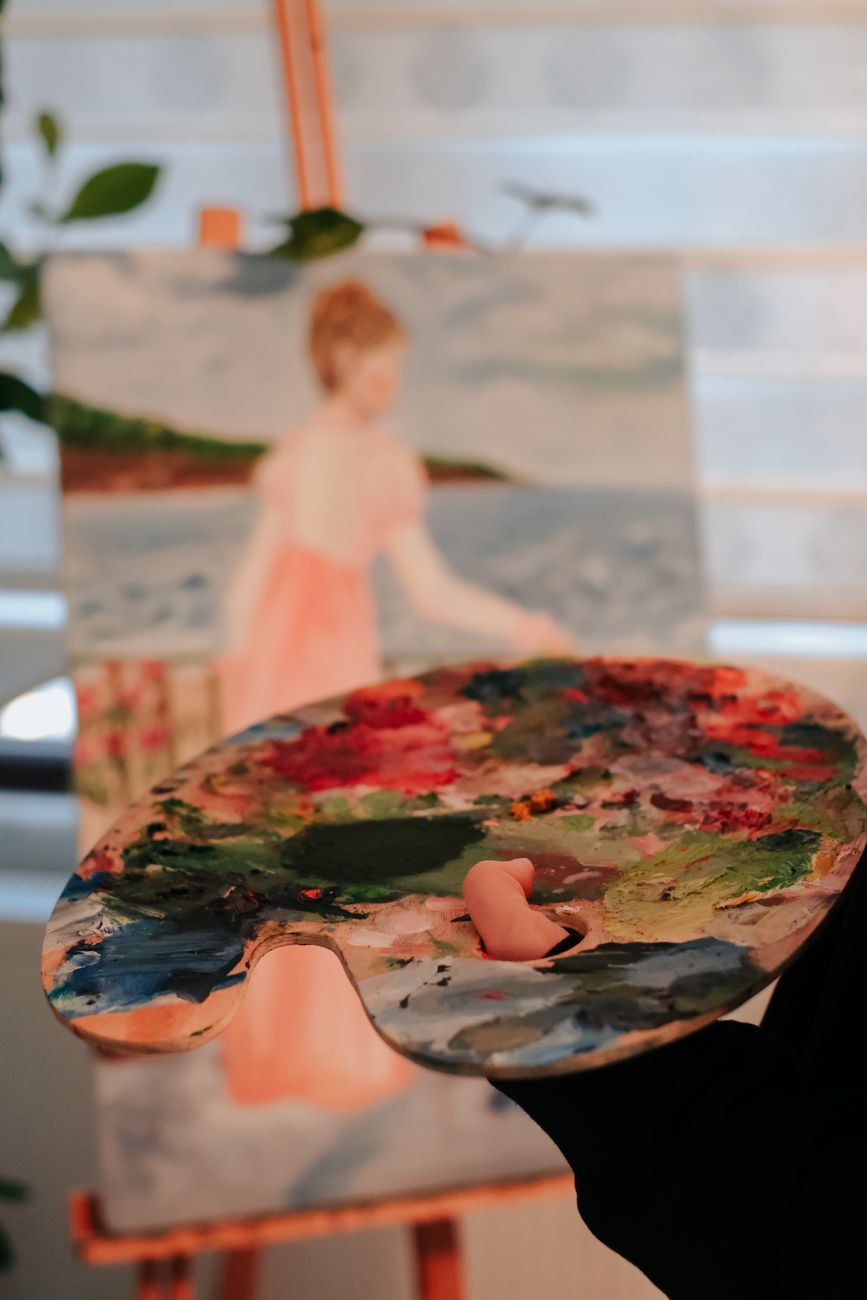
The crocheter is asked when she’s opening an Etsy shop. The painter is asked if they’ve considered the local gallery. The yoga enthusiast is told they should teach. The baker is suddenly “volunteered” for every birthday cake in a five-mile radius. And the poet, inevitably, is encouraged to submit to journals.

And it sounds reasonable, doesn’t it?

We are constantly told to pursue our passions. To follow what we love. To “do what you love and you’ll never work a day in your life.” A beautiful idea. And also… a slightly suspicious one. Because somewhere along the way, we stopped asking whether turning everything we love into something productive might quietly change the thing itself.

There was once an experiment with children who loved to draw. They were divided into groups—one received an external reward for drawing, the other did not.

The result was surprisingly consistent: the group that drew without reward maintained their interest. The group that drew for the reward lost motivation over time. And the group that received an unexpected reward? They also maintained their enjoyment.

In other words: motivation thrives not on chasing reward, but on the absence of needing one. We are most creatively alive when we are not negotiating with outcomes.

Photo by Cort Landt on Pexels.com

Another study, this time with adults, found something equally odd. One group completed a deliberately dull task before being asked to solve creative problems. The group that had just done the “boring” task actually produced more creative solutions.

Which is funny, because some of my best poetry has never arrived at a desk. It arrives while driving. While walking. While weeding the garden or cleaning something I definitely didn’t want to clean. It arrives when the conscious mind is occupied just enough to step aside.

But that kind of mental spaciousness is hard to come by when every hour is accounted for, optimized, monetized, or squeezed into productivity. And that’s where hobbies quietly begin to change shape. Because turning a hobby into a side hustle sounds empowering—until it isn’t.

At first, it’s just sharing something you love. Then it becomes selling something you love. Then it becomes needing to sell something you love. Then it becomes needing to make something people will buy. And slowly, almost imperceptibly, the question shifts from: “What do I want to make?” to “What will perform well?” The hobby is still there. But the play is not. And without play, something essential quietly drains out of the work. Not always immediately. Not dramatically. But steadily—like a color fading from fabric left in too much sun.

Photo by SHVETS production on Pexels.com

The uncomfortable truth is that most side hustles do not pay nearly as much as we imagine they will. Often, the return is small compared to the time invested. Sometimes it amounts to a few dollars an hour—or less—once everything is accounted for.

Which would be fine, if the primary goal was joy. But when the goal becomes income, validation, or traction… the relationship changes. We stop being in conversation with the thing we love. And start being evaluated by it. And I think that is the part we rarely say out loud: Not everything we love is meant to be optimized. Not everything we create is meant to scale. And not everything beautiful needs to become a business plan.

Sometimes the point is simply that it exists at all. Sometimes the point is that it made you feel alive while you were making it. And perhaps the real danger is not that we fail to monetize our passions… But that we succeed in doing so, and lose the ability to enjoy them without permission. So for now, I remain in my poetry hyperfixation. Not as a product. Not as a strategy. Just as a person who has been, for a while, deeply interested in making things that do not need to become anything else.

Oh do not get me wrong, dear reader, I will submit things to journals here and there, but not for any other reason than to put them out into the world. But mostly, I shall continue to focus on having fun.

Photo by betu00fcl nur akyu00fcrek on Pexels.com

The Lost Art of Becoming a Regular

Subscribe to continue reading

Subscribe to get access to the rest of this post and other subscriber-only content.

The Day My Phone Saved Me From Buying Another Purse

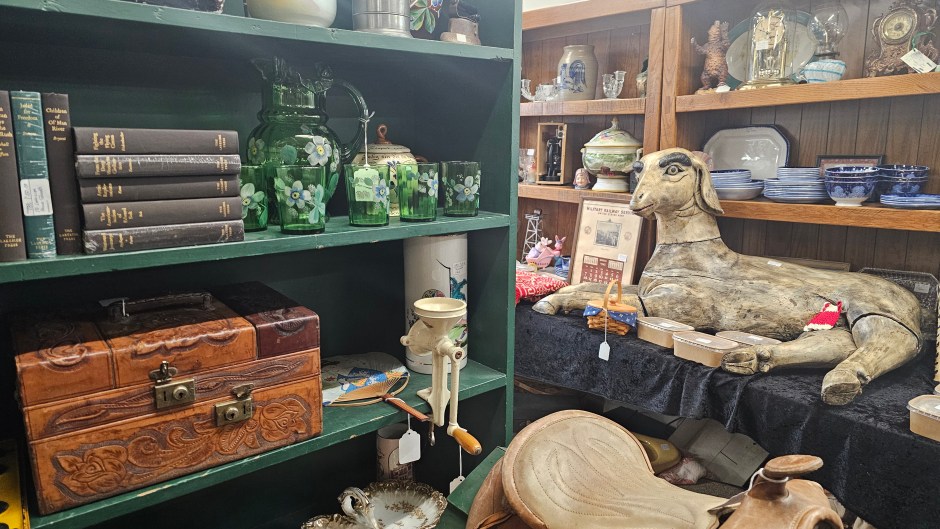
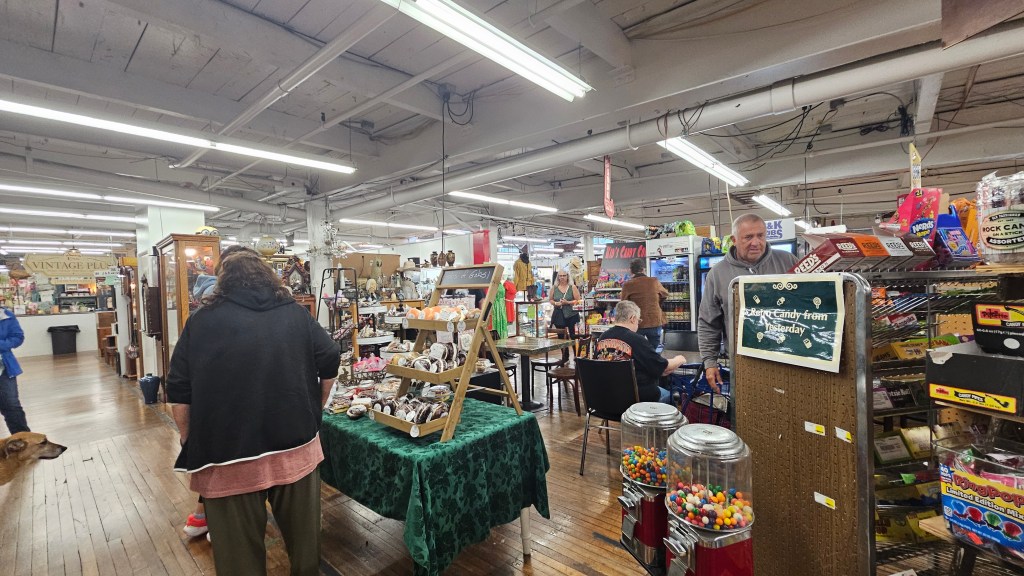
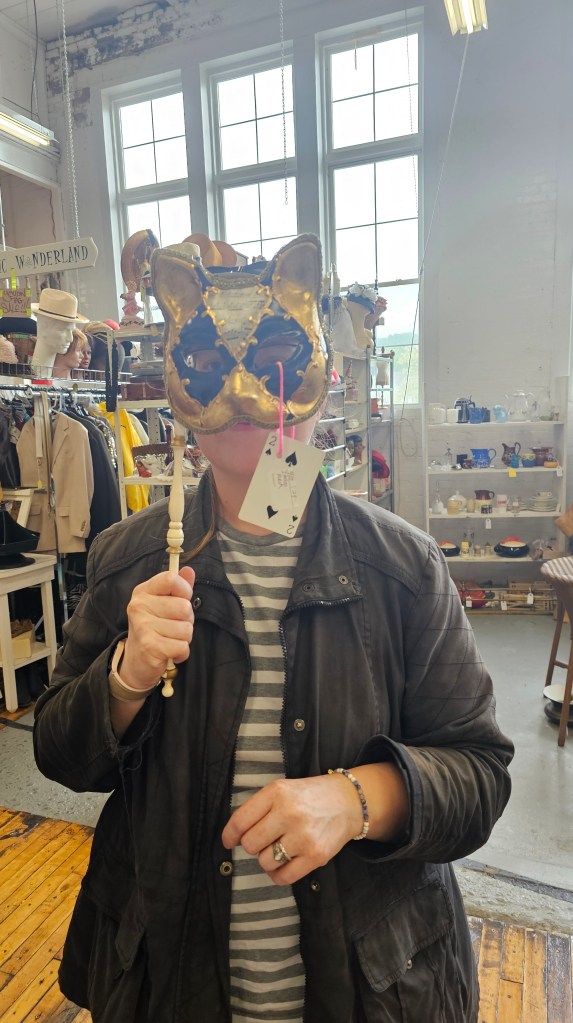
The other weekend, on a rainy afternoon, my sister and I ventured into a massive indoor antique store housed in an old warehouse. Two stories of treasures stacked on top of each other unfolded into a sprawling maze of booths, each one as varied as the colors of the rainbow.

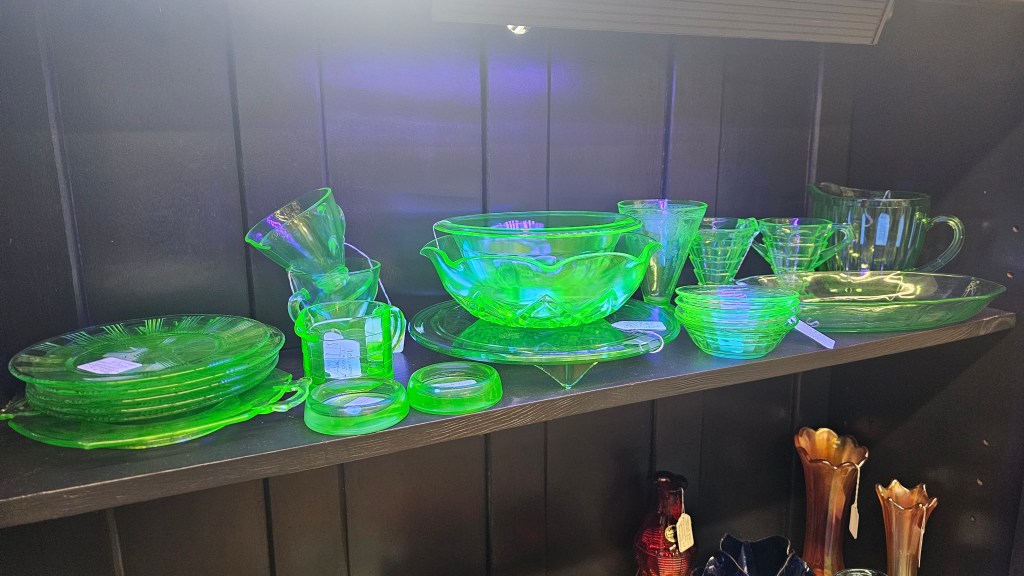
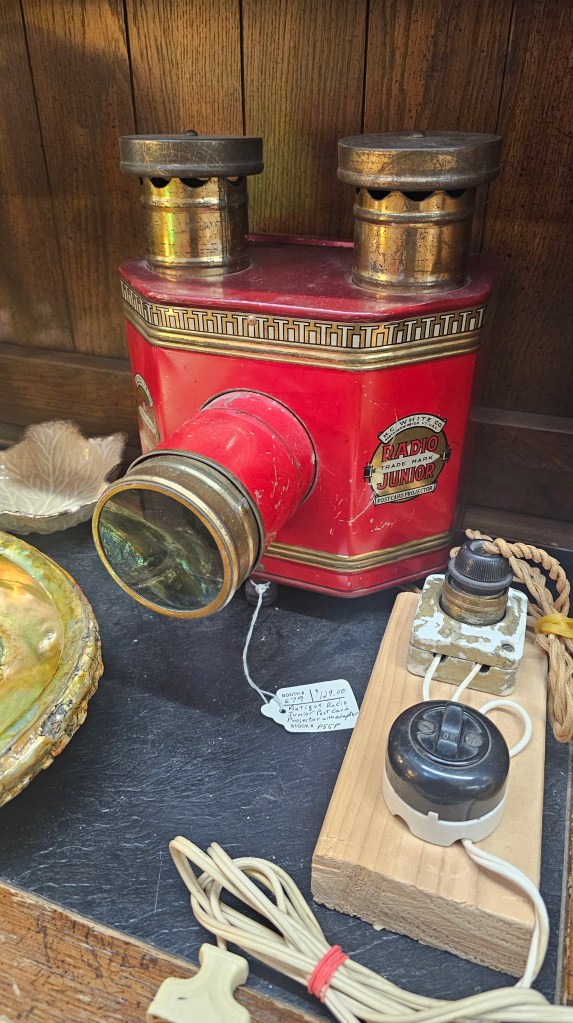
Old uranium glassware sat beside vintage clothing. A now-derelict gas pump stood comfortably next to forgotten household tools. It was a hodge-podge of decades and even centuries, all jumbled together in a kind of quiet, chaotic harmony. A cacophony of objects, each with its own story, none of them particularly concerned with being organized by time period.

We happily set off on a kind of treasure hunt, letting whatever caught our eye guide us. There is something uniquely joyful about wandering without purpose except curiosity, being delighted by strange finds and pausing often to compare notes.

Being both history nerds, we took turns educating one another, filling in the gaps of each other’s knowledge as we went. “Oh, that’s a…” inevitably became the start of several long conversations that may or may not have been entirely accurate but were delivered with great confidence nonetheless.

What makes antique stores so uniquely fun is that unlike museums, where objects are carefully preserved behind glass with a strict “do not touch” policy, here you are invited to engage directly. You can pick things up. Turn them over in your hands. Imagine not just where they came from, but what it would feel like to let them live in your space now. History becomes something you can hold, not just observe.

My sister and I have many fond memories of antiquing with our mother when we were younger, learning about objects we didn’t yet have the language to name, and giggling over cultural relics that felt ancient at the time but are now beginning to resemble our own childhood.

There is always a slightly unsettling moment, of course, when you realize something from your own past has made its way into an antique store. Yes, I am approaching forty, but are we really prepared to call the Tamagotchi “historical artefact” rather than simply “vintage nostalgia with battery anxiety”? Time, it turns out, is a bit unkind that way.

But that is part of the charm. Antique stores collapse time in on itself. What was once ordinary becomes curious again. What was once discarded becomes interesting. And what was once personal history becomes someone else’s discovery.

It turns out you don’t always need a destination to have an adventure. Sometimes you just need a rainy afternoon, a large warehouse full of forgotten things, and someone beside you willing to say, “Wait, come look at this.”

My sister, in her own successful treasure hunt, found a brass penguin, her husband’s favorite animal, which will now take up residence in her living room as a small but very specific piece of joy.

I, on the other hand, left empty-handed in the most literal sense. Well… almost.

There was an adorable purse shaped like a magazine that I briefly considered adopting. Unfortunately, it failed the most important test of all: it would not fit my phone. And if a purse cannot carry the one object I am legally required to bring everywhere, then it is more sculpture than accessory.

Honestly, my phone has probably saved me more money on impulsive purse purchases than any amount of self-control ever could. Perhaps it has already paid for itself in avoided financial mistakes alone.

And yet, even without a purchase, I did not leave empty. Because sometimes the point is not what you bring home. It is what you notice along the way.

How can you experience the thrill of the hunt?

If you ever find yourself with a rainy afternoon and a bit of curiosity, I would encourage you to go on your own treasure hunt. You never quite know what you will find when you let yourself wander without expectation. What’s wonderful is that antique stores litter the US so you’re almost certain to live nearby one. Of course, you will be hard pressed to beat Adamstown, the Antique Capital of the United States (located conveniently in my backyard), but don’t let that discourage your treasure hunt! 

If you do it right, you might even come home with something unexpected. Maybe a story. Maybe an object. Maybe both. Or, if you are my sister, a brass penguin that now lives quite happily on a living room shelf, quietly reflecting on the meaning of life but never sharing. 

Either way, the hunt is the point. 

Miles from home: 45 miles

Cost: Free (well gas is getting expensive)

Completed: First in childhood

Want to discover more adventures? Check out my whole Bucket List and Reverse Bucket List

When Life Only Happens in Big Moments

There is a particular kind of exhaustion that does not come from doing too much, but from feeling like your life only really happens in rare bursts. Oh certainly vacations, “milestones”, trips and celebrations are all well and good.  After all these are the “big moments” which make everything else feel worth it. Or are they?

Because if that’s true then….everything in between starts to feel like waiting. Waiting for the next thing that will make life feel real again. 

I think, in some quiet way, many of us fall into this pattern without noticing it. We begin to outsource our sense of aliveness to future events. We tell ourselves, I’ll feel better when I travel, or when this season is over, or when things finally calm down, or when I get to that version of my life that feels more like mine. And slowly, without meaning to, the present becomes something we are simply passing through.Not living in. Just moving through.

Don’t get me wrong, there is nothing inherently wrong with looking forward to things. Anticipation is a form of joy. But there is a difference between anticipation that enriches your life and anticipation that replaces it. One expands your experience. While the other quietly erases it.

Modern life does not exactly discourage this pattern. If anything, it reinforces it. We are surrounded by highlight reels, curated moments, and constant reminders of what life could look like if we were elsewhere, doing something else, being someone slightly different. So it becomes very easy to believe that life is happening over there rather than here or now. I am tempted dear reader to quote Yoda when he was talking to Luke Skywalker “All his life has he looked away… to the future, to the horizon. Never his mind on where he was. Hmm? What he was doing.” Forgive me there are just some temptations I cannot deny. 

Photo by Lydia Murray on Pexels.com

If you are not careful, your ordinary days begin to feel like maintenance. Something to get through. Something to manage. Something to endure until the next meaningful thing arrives. But a life that only feels real in its highlights is a fragile kind of life. Because highlights are, by definition, rare. And everything else is where you actually live.

This is where the trouble starts. Not in the big moments themselves, but in the assumption that they are the only moments that matter. Because if that is true, then most of your life becomes a kind of emotional outsourcing. You send your sense of meaning elsewhere and wait for it to return in concentrated form. A weekend. A trip. A breakthrough. A celebration. A “milestone” (whatever those actually are).

And in between those moments, you are left with everything else. The ordinary. The repetitive. The unglamorous structure of being a person who still has to answer emails and wash dishes and figure out what dinner is going to be. It is easy to dismiss those moments as unimportant. But they are not the exception to your life. They are your life where you wish to admit that or not. 

And this is where things begin to shift, because once you notice this pattern, you start to see how much of life is not actually made of peaks, but of repetition. The same mornings. The same responsibilities. The same quiet routines that shape your days more than any single highlight ever will. So the question becomes not how to eliminate the big moments, but how to stop abandoning your life in the meantime.

Because a life worth living cannot only be something you visit occasionally. It has to be something you can exist inside of. Something that does not require escape in order to feel bearable. This does not mean every moment must be exciting or meaningful in a dramatic sense. That would be its own kind of pressure.

Photo by Pixabay on Pexels.com

Instead, it might mean learning to notice what is already here, even in its simplicity. The small textures of a day that is not special, but is still yours. The way light comes through a window. The rhythm of familiar tasks. The quiet continuity of being alive without anything particularly remarkable happening.

And sometimes, it means gently asking yourself what you are waiting for. Not in a harsh way. Not as judgment. But as awareness. Because often, when we are honest, we are not waiting for one specific thing. We are waiting for life itself to begin feeling like it counts.

If you’ve ever watched or read the play “Our Town” there is a specific scene in which a woman, Emily Webb, has died in childbirth and asks to go back to relive parts of her life. She’s warned not to pick a big day like her wedding because it will be too much. No, she’s told to pick a quite ordinary day and so she picks her birthday as a young girl. She is immediately overwhelmed by how young and beautiful her mother looks, but she is instantly struck by a painful realization. The living are moving too fast, completely caught up in the routine details of the day. When her mother hands her a birthday gift without truly pausing to look at her, Emily experiences a rush of grief. She sees that human beings are blind to the preciousness of the present moment, treating time as if they have a million years to waste. 

Photo by Viktoria Panova on Pexels.com

How often do we live that way? How many times do we not really look at one another and savor the small moments of connection? 

But life is not waiting for permission to be meaningful. It already is happening. Even here. Even now. Even in the in-between.

“Oh, earth, you’re too wonderful for anybody to realize you. Do any human beings ever realize life while they live it—every, every minute?” – Emily Webb “Our Town” 

So perhaps the invitation is not to chase fewer big moments, but to stop outsourcing your aliveness to them. To let the big moments be a part of your life, not the place where your life finally starts. And to remember, gently, that a life well lived is not built in rare highlights. It is built in the ordinary days you stop overlooking.

Paris, Part 2: Walking the City and Choosing What Matters

Forgive the brief interlude in my tale of Paris, but as you well know, I always sprinkle tidbits of wisdom between my stories of adventure. After all, I don’t just want you to go off and have fun. I truly hope this is a place where we can grow together and create lives punctuated by adventure rather than longing for it as an escape from daily misery.

Now, we left off, dear reader, with my arrival: tired and exhausted from a sleepless night but pumped full of adrenaline, the equivalent of five or six cups of coffee coursing through my veins.

I had already gotten thoroughly lost on the way to the hostel and had largely given up on public transit as a viable means of navigating the city. Honestly, that’s only a feat a young twenty-something can get away with.

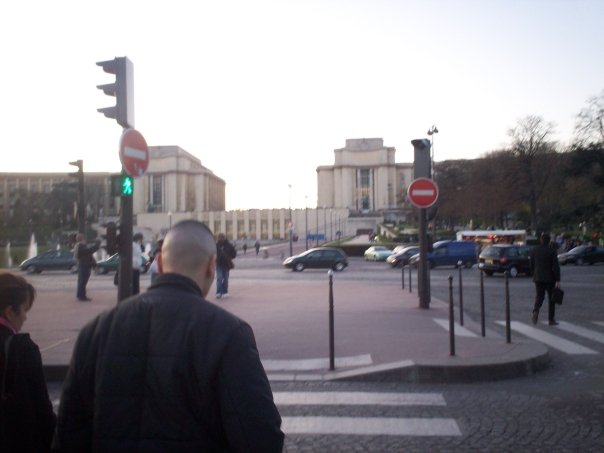
Now, I’m not entirely certain what the rules are for crossing the streets in Paris, but they did not appear to follow the ones I had grown up with. There were multiple occasions when the light was clearly red and people were walking, and others when it was green and everyone simply stopped.

Both my travel partner and I were quite confused by this apparent inconsistency.

It was decidedly not like Germany, where people display an almost obsessive adherence to rules. Even if there isn’t a car in sight, they will dutifully wait at the crosswalk until the light indicates it is time to cross.

However, after one or two close calls with traffic, we simply looked at each other, shrugged, said “when in Rome,” and followed the Parisians for guidance, forgoing the lights entirely since they clearly could not be trusted.

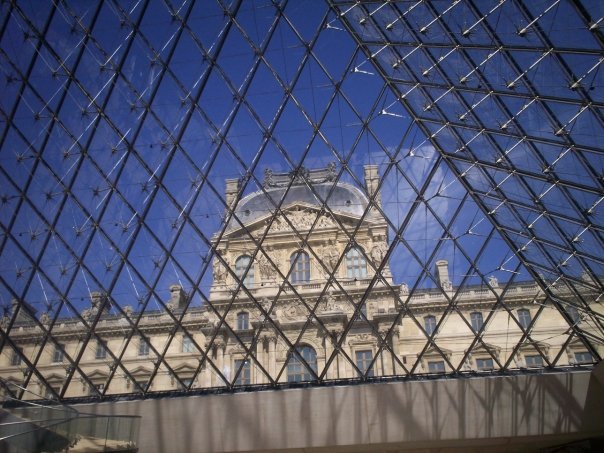
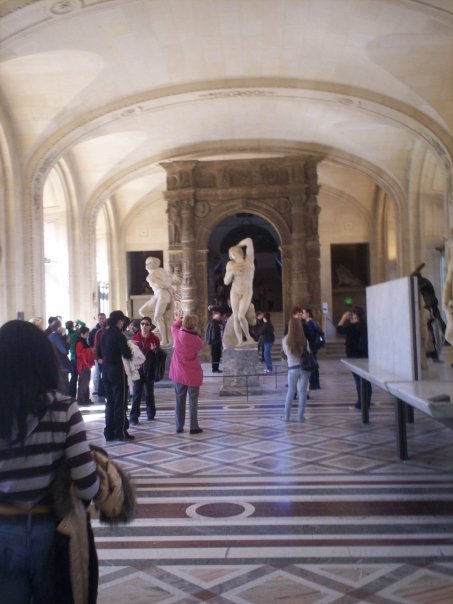
Our first stop was the Louvre, which is a must for any lover of art and history. Not only does it house one of the most famous paintings on earth, it is also the largest and most visited art museum in the world.

Originally built as a fortress and later expanded into a royal palace, the Louvre now spans roughly 2.3 million square feet. Of its approximately 380,000 objects, around 35,000 are on display at any given time.

Considering it would take over three months to see the entire collection, we decided to focus only on the highlights and the pieces that spoke most to us.

There are plenty of guides that will tell you the “must-see” works at the Louvre. But if something doesn’t speak to you, skip it. Focus on the areas of art and history you genuinely enjoy.

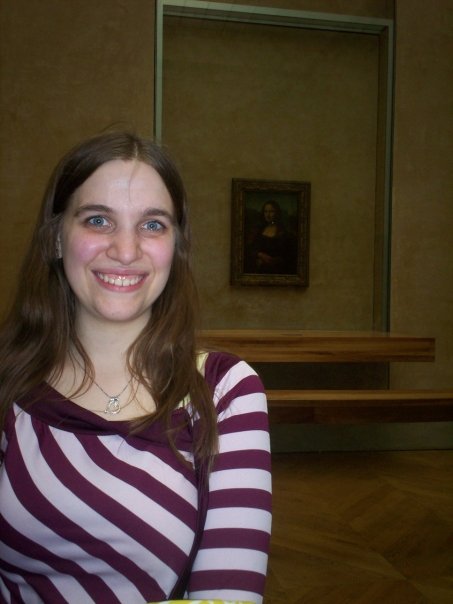
I, for one, would recommend skipping the Mona Lisa.

All it really amounts to is a photo opportunity for social media. It’s tiny, placed behind thick glass in a poorly lit room with hundreds of people pushing and shoving for a better look. You’re honestly better off googling a picture for all you’ll actually see.

Any contemplative awe you might have felt is drowned out by the din of the crowd and the smell of raised armpits as phones are hoisted into the air for a better shot.

If you aren’t paying attention, your belongings might get nicked, and you could spend the rest of your Paris trip trying to recover stolen credit cards while cursing the day you were introduced to the pernicious lady with her sly smile.

After all, she too was once stolen. Why not cavort with thieves once again?

As I’ve said in other posts, don’t let other people’s opinions dictate what you do or do not do. So if you must see the Mona Lisa, I shall not judge you for it.

Just remember that the Louvre houses centuries of art, offering millennia of history to explore, not just stuffy Italians and pretentious French painters.

Its oldest piece is estimated to be around 9,000 years old and is well worth the trek to see.

Since I was traveling with an archaeology major, we spent most of our time in the Greek and Roman sections, along with some of the French collections.

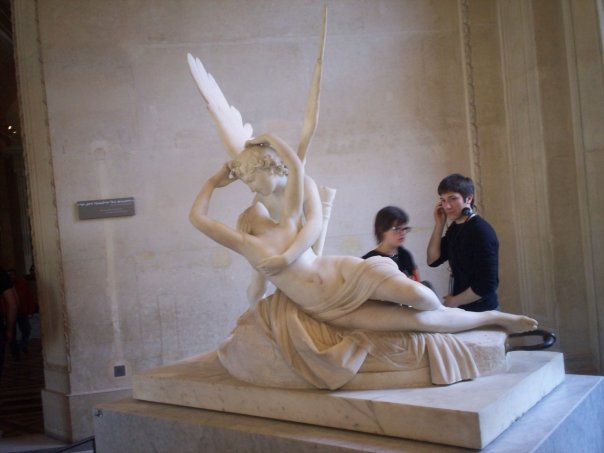
My personal favorite was the sculpture Psyche Revived by Cupid’s Kiss. Not because I have a particular fondness for eighteenth-century French sculpture, but because one of my favorite books is Psyche and Cupid by C. S. Lewis.

Art isn’t always just about what the artist intended, its place in history, or the techniques used. It is also about what it evokes in us.

I would argue that this is what art is most about: what we bring to the moment of encounter.

When I looked at that sculpture, I did not simply see the Greek myth. I saw it retold through a different lens. A revival not just of Psyche, but of myself.

Small tip: book your ticket in advance.

Prior to the pandemic, the best way to get into the Louvre was through one of the side entrances to skip the long lines. However, with its ever-growing popularity, daily visitor numbers are now capped, meaning the only way to guarantee entry is with a pre-booked ticket.

Sorry to all my free-spirited wanderers.

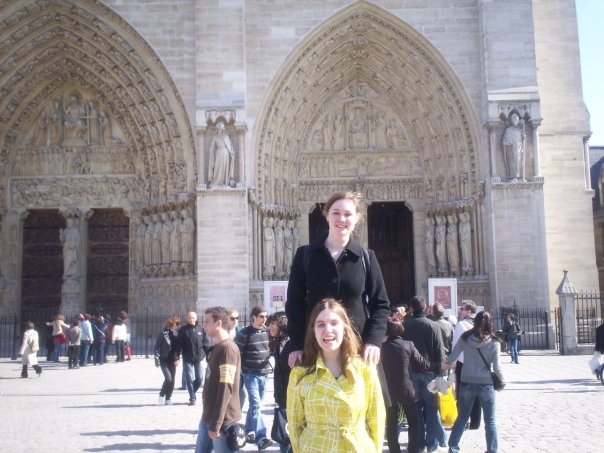
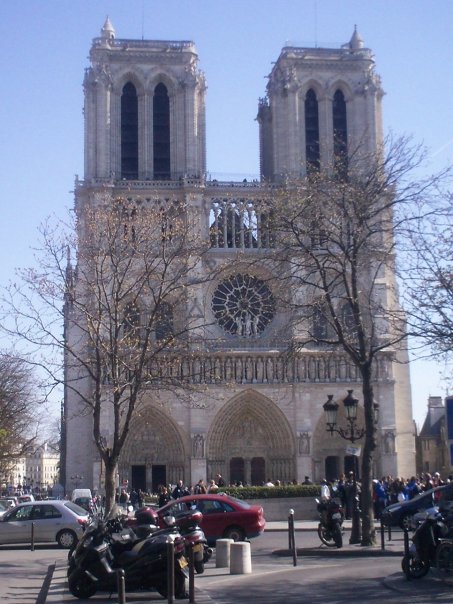
Having conquered a small portion of the Louvre, we ventured forth to the Lady of Paris: the Notre Dame Cathedral.

Walking through Paris instead of taking public transit allows you to experience the city in a completely different way. You breathe it in.

On foot, you notice the small shops and hidden corners that would otherwise blur past from a bus window or subway seat. The scent of coffee lingers in the air as you stroll by cafés, while the temptation of fresh-baked bread drifts from bakeries onto the street.

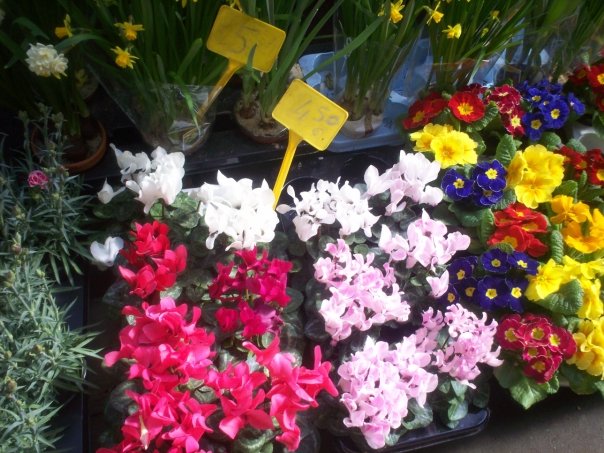
In early spring, the flowers spill across the sidewalks and painters emerge as if the season itself has burst through the concrete, refusing to remain buried beneath winter any longer.

Everywhere is a riot of color and life. Musicians greet you with cheerful melodies, and you cannot help but sway your hips just a bit in time with the music.

It was on our way to Notre Dame that we stumbled upon an artist selling watercolor paintings of the Eiffel Tower, the Arc de Triomphe, Notre Dame, and the Basilica of the Sacred Heart of Montmartre.

For a set of four, it was perhaps forty euros, an absolute steal, and it was there that my habit of buying art as a souvenir was born.

Erika and I split the cost and decided we would determine who received which painting at the end of the trip.

Long before we saw its doors, the twin towers of Notre Dame rose proudly above the surrounding buildings, beckoning us closer.

The cathedral was completed in 1260, though additions were made in the centuries that followed. Like any church nearly eight hundred years old, it has seen its share of glory and hardship: wars, neglect, desecration, and most recently, fire.

Fortunately, we visited before the fire and the subsequent debates over the restoration of its windows.

As a Christian myself, I was fascinated by the displays of Catholic artifacts that told the story of the church’s role in medieval Europe. I saw relics carefully displayed and read about how the church intersected with everyday life in the heart of France.

However, much like the Mona Lisa room, it was not a place of hushed awe but rather a chaotic stream of tourists passing through.

Contemplation was not something I readily found there. (For that, I recommend seeking out some of the lesser-known churches.)

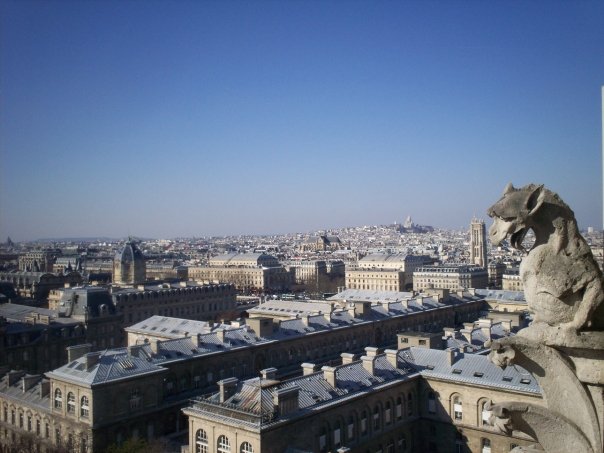
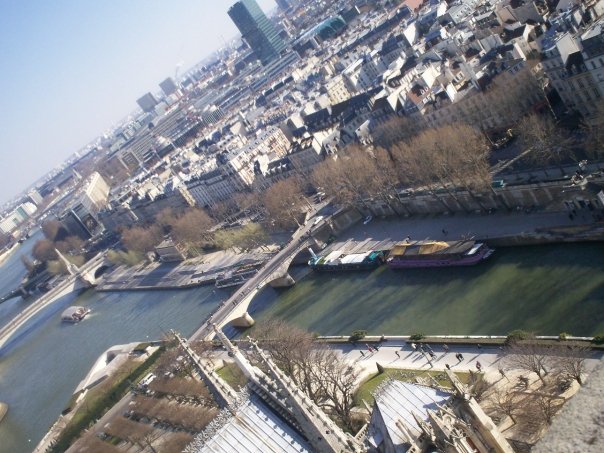
By this point my legs were beginning to feel the day’s journey, but that did not dissuade me from climbing to the top of the cathedral to take in the city below.

From there we saw, glittering in the bright spring sun, the white dome of the Basilique du Sacré-Cœur.

At the time, I must admit my ignorance. I had never heard of the church, and neither had Erika.

She suggested we should visit it.

I squinted across the grid of busy streets at what appeared to be an impossible distance to walk and declared quite confidently that there was absolutely no way I would trek all the way there.

Oh, dear reader, how the universe loves to laugh at the things we believe are beyond us.

For unbeknownst to me, I would indeed walk there.

But that is a story for another day.

And so, in the interest of time, I must pause my tale here.

You will have to return for Part Three.

Want to discover more adventures? Check out my whole Bucket List and Reverse Bucket List

Reverse Bucket List: A Weekend in Paris (Part I)

“How do you feel about a weekend in Paris?”

I twirled in my chair, hair whipping across my face, and fixed my friend Erika with a look that needed no elaboration. Her response was immediate. A squeal. A clap. An emphatic, “Yes.”

After all, what else does one say to Paris in the spring?

Such spontaneity, dear reader, is only possible when you are determined to drink deeply from the cup of life while living abroad. For an American especially, there is something intoxicating about the ability to hop on a train and cross into another country before lunch. When you come from a place where a single state can rival the size of an entire nation, the idea feels almost illicit, perhaps even scandalous.

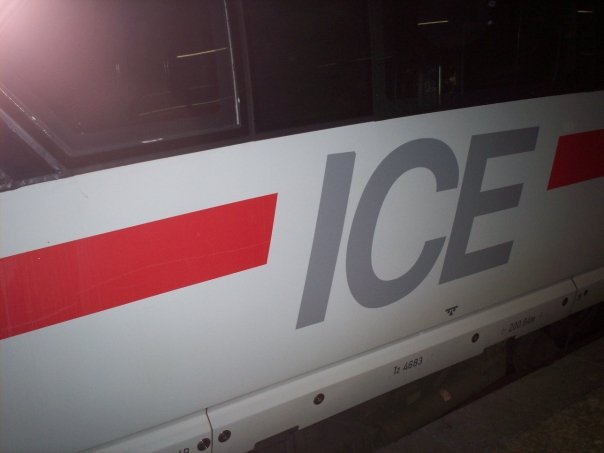
So without further ado, we secured tickets on the high-speed train from Frankfurt to Paris. Arm in arm, we walked toward the station, already breathless with plans: art, museums, music, culture, food, people. And what a people!

A sudden unplanned Paris in a weekend?

Madness. An affliction surely.

Which is precisely why we had to do it.

The true catalyst was a message from a dear friend who would be spending a week in the city and wondered if I might join him for a day. An afternoon in Paris with a friend who happened to be an artist of some renown? The answer could only be yes. After all, who could be the more perfect tour guide?

This was before smartphones lived in our pockets. Before we had google at our fingertips and the assuredness that comes with having all the answers tucked away. We packed lightly, wrote down the number of the American embassy, ensured we had our emergency contacts into our bags, and armed ourselves with a travel guide and a healthy dose of gumption. Travel then required nerve. Trust. If you got lost, you figured it out. If you mispronounced something, you survived the embarrassment. There was no digital rescue waiting in your palm. Which is honestly, what I miss most about travel these days.

The train hurled us across the countryside, fields bursting with early spring color flashing past the windows. I could not help comparing it to Pennsylvania. Lancaster County, in particular, bears a resemblance to parts of Germany, and for the first time I understood, in a small but tangible way, why so many Germans had settled there. Hiemweh melted away leaving a strange sense of coming home even across an ocean.

Three hours is long enough to plan a city and short enough to realize you cannot conquer it. We trimmed our ambitions to a few must-sees and a handful of hopefuls. The Louvre alone could swallow a week. Paris, we decided, would not be conquered. It would simply be experienced.

Crossing the border was almost anticlimactic. An announcement crackled overhead. That was all. No passport stamp. No interrogation. It felt like slipping into Ohio, except the anticipation hummed in your bones. No offense to Ohio of course, but really are we going to say it compares to France?

And then we arrived.

First Things First: Find the Bed

Before romance, before art, before croissants on café terraces, there is one universal truth of travel; You must find where you are sleeping.

Armed with a folded map and confidence wildly disproportionate to our navigational skill, we set off to locate our hostel.

Now, in our defense, the streets of Paris are confusing.

Unlike the tidy grid systems Americans grow up with, Paris feels as though it was designed by someone who enjoyed curves, diagonals, and the occasional act of mischief. Streets fork unexpectedly. They change names without warning. A road that appears straight on a map somehow bends in real life. And the street signs? They are affixed to the sides of buildings, charming blue plaques that would be immensely helpful if they were not routinely obscured by graffiti, peeling posters, or layers of mysterious paper advertising concerts long since passed. It was an exercise in hopeless confusion and frustration.

More than once we stood directly beneath a sign, craning our necks and squinting upward, trying to determine whether we were on Rue de Something Important or merely staring at a band flyer partially concealing our destiny.

And then there was the metro.

For the uninitiated American traveler, the Paris metro is not transportation. It is an initiation ritual.

Lines spiderweb across the city in a dizzying tangle of colors and numbers. Trains are labeled by their final destination rather than the direction you believe you are traveling, which requires you to know far more geography than you actually do. Stops are announced quickly, sometimes swallowed by the metallic roar of the car, and the maps inside the train might as well have been abstract art for all the clarity they offered at first glance. Especially, if one has never traversed public transit before. Which alas, many Americans have never been on anything more than a school bus.

You descend into the underground with confidence. You emerge twenty minutes later into a vast plaza with six exits, each pointing toward a different arrondissement, blinking in the daylight thinking, This seems right.

It is rarely right.

One exit leads you in the exact opposite direction. Another deposits you onto a boulevard you did not know existed. A third leaves you staring at a fountain that looks vaguely familiar but is, in fact, not the fountain you were seeking.

Given these small obstacles, I consider it nothing short of miraculous that after a few wrong turns and some enthusiastic but misguided pointing, we found our hostel at all. 

Little did we know, this was only the beginning of our navigational adventures and given the amount of confusion the metro caused, we determined that the best way to get anywhere was by foot. Yes, you read that correctly. I walked Paris in a weekend. I estimated that I traversed at least 15 miles. Though as this was before the popularity of step counters, I only have my best estimates.

The hostel itself was functional in the most generous sense of the word.

If you have never experienced a European student hostel, allow me to clarify something, it is not glamorous by any stretch of the imagination. It is economical. And it is very much a young person’s sport.

The shower required physical encouragement. You had to press the button, and water would flow for approximately twelve optimistic seconds before shutting off again. Want to rinse shampoo from your hair? You had to keep pressing it like you were negotiating terms. The “hot” water hovered somewhere between hopeful and politely lukewarm.

Breakfast was included, which sounded promising until we discovered that “included” meant toast, jelly, and coffee. For Americans raised on sprawling hotel buffets complete with eggs, waffles, fruit, yogurt, and pastries, this was a humbling cultural exchange. There was no omelet station. No waffle iron. There was toast.

And you were grateful for it.

We adapted quickly. A stop at a neighborhood grocery store provided bread, cheese, and sliced meat. It was the perfect strategy: sustain ourselves during the day, conserve our funds, and reserve our modest budget for dinners out in the evening. For two college students, it was a masterclass in practical travel. Frugal by day. Indulgent by night.

The hostel was never meant to be the highlight. It was the launchpad. A place to drop our bags. A place to sleep. A place from which to begin.

And begin we did.

What followed was a blur of museums and miscalculations, attempted French and accidental detours. We wandered into neighborhoods we had only read about. We misread maps. At one point, quite unintentionally, we discovered that we had strayed into the red-light district. There is nothing quite like realizing you are lost in a foreign city and that the neon lighting is… intentional.

But that, dear reader, deserves its own telling.

Because Paris was not merely art and architecture. It was a lesson in courage. In frugality. In friendship. In the quiet bravery required to step into the unknown without guarantees and trust that you will find your way.

This is what I mean by a reverse bucket list. Not the grand achievements we hope to accomplish someday when everything is perfect, but the moments we dared to say yes to when they appeared. The train we boarded. The map we unfolded. The hostel we made work. The city we entered anyway.

A fulfilling life is not built by waiting until conditions are ideal.

It is built by saying yes before you feel entirely ready.

In the next post, we will step fully into the city itself. The beauty. The bewilderment. The glorious inconvenience of getting lost in Paris.

And why, sometimes, that is exactly the point.

Want to discover more adventures? Check out my whole Bucket List and Reverse Bucket List