A Million People, One Very Silly Idea

What Is the Sound of Nearly 8 Billion People Clapping?

What is the sound of nearly 8 billion people clapping? We still don’t actually know!

But for a brief moment on a Sunday, thousands of people around the world stopped what they were doing and clapped. The sound could be heard by the people who were actually there, but that, dear reader, was not the point.

The point was that, for one moment, people around the world, regardless of country, race, religion, ethnicity, economic status, or whatever other category you care to create, came together in a small act of silliness.

So naturally, I set my alarm for 9:55 a.m. Eastern Time to make sure I stopped whatever I was doing, and another alarm for five minutes later so I could clap along with the scattered members of humanity participating with me.
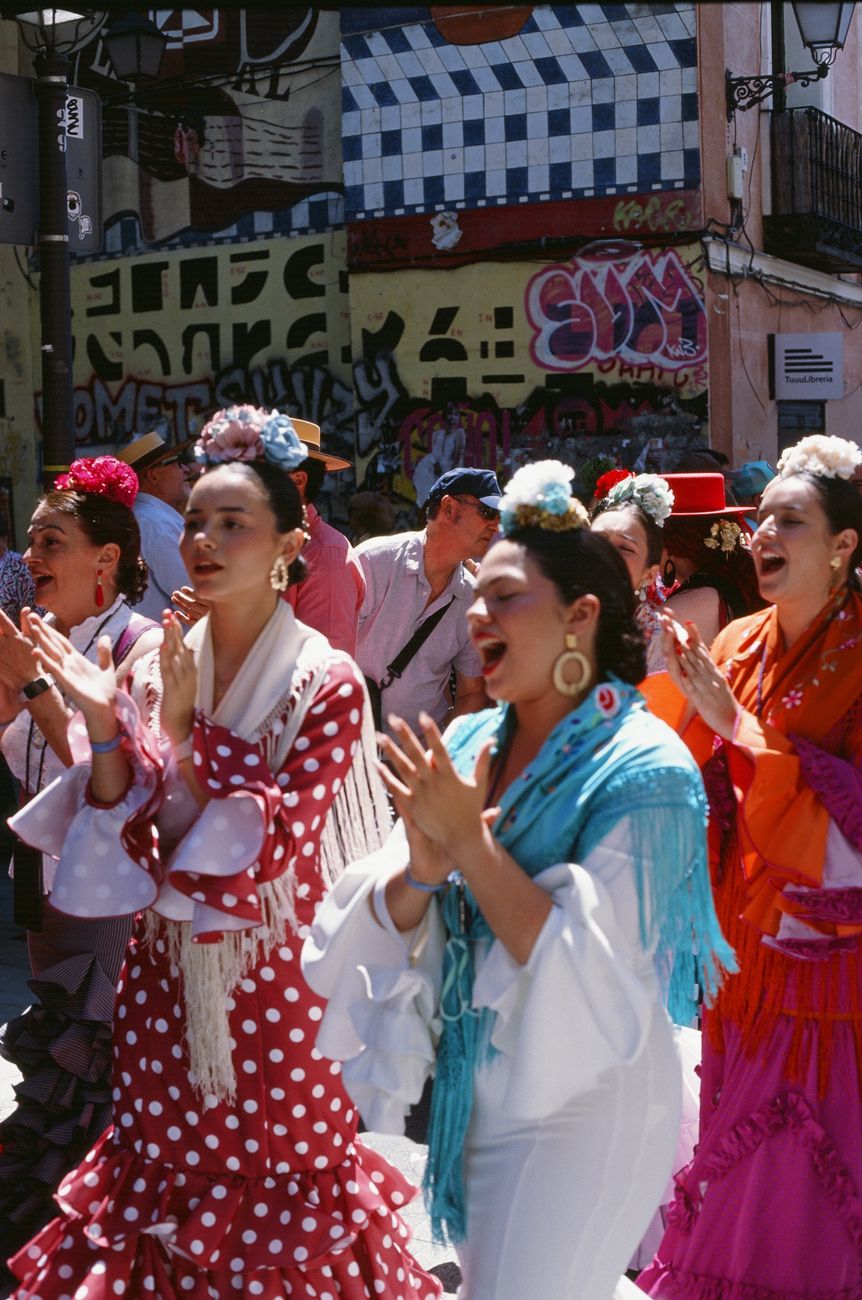
Photo by Rob Volz on Pexels.com

Did I feel any sort of cosmic connection? No. It honestly felt ridiculous and a little pointless. Nothing changed. There wasn’t a loud sonic boom of nearly 8 billion people clapping together. There was no great sense of unity that descended upon the planet. No wars were stopped. No marriages were saved.

It was actually quite quiet sitting in my kitchen, sweaty from gardening, dirt smeared on my pants, my hair in desperate need of washing from sweat and debris. 

Just me.

Clapping.

In my kitchen.

So why even do it?

Well, because I’m almost always down to try new things, especially things that seem a bit silly. And there is something rather wonderful about World Clap Day. We’re all different, yet we could all participate in exactly the same ridiculous little act. Nobody had to agree on politics, religion, nationality, or anything else. We didn’t have to accomplish anything. We simply had to clap. Which is, honestly, pretty beautiful. Beautiful enough that 1.7 million people signed up on the website to participate. Now, did 1.7 million people actually clap? Probably not.
Photo by cottonbro studio on Pexels.com

I’m certain plenty of people forgot. Others may have signed up with every intention of participating and then found themselves distracted by work, children, errands, or the eternal black hole of the internet. At the same time, there were undoubtedly people who never signed up at all but happened to hear about it and decided to join in. So perhaps it wasn’t thousands but closer to a million people who actually participated. Which sounds like a huge number until you put it into perspective. Even a million people would be only about one in every 8,000 people on Earth.

And somehow I find that both hilarious and impressive. A million people is almost incomprehensibly large. It is also almost nothing compared with humanity as a whole.

So how did this even become a thing?

Apparently, Andrea Bechis, a UK fitness entrepreneur, had a question back in December: essentially, What would happen if everyone on Earth clapped together. Rather than simply wonder about it, he decided to make it a thing. He picked a date and started gathering support. Originally, he hoped people would gather together in town squares and celebrate collectively. The actual execution was considerably more modest.

Basically, sitting in my kitchen sweating from gardening and clapping. I filmed it, but I doubt I’ll post it here.

Still, there is something inspiring about the whole ridiculous endeavour. With enough gumption and a willingness to endure a little ridicule, you can convince a considerable number of people to participate in your wild vision of silliness. And World Clap Day isn’t the only example.
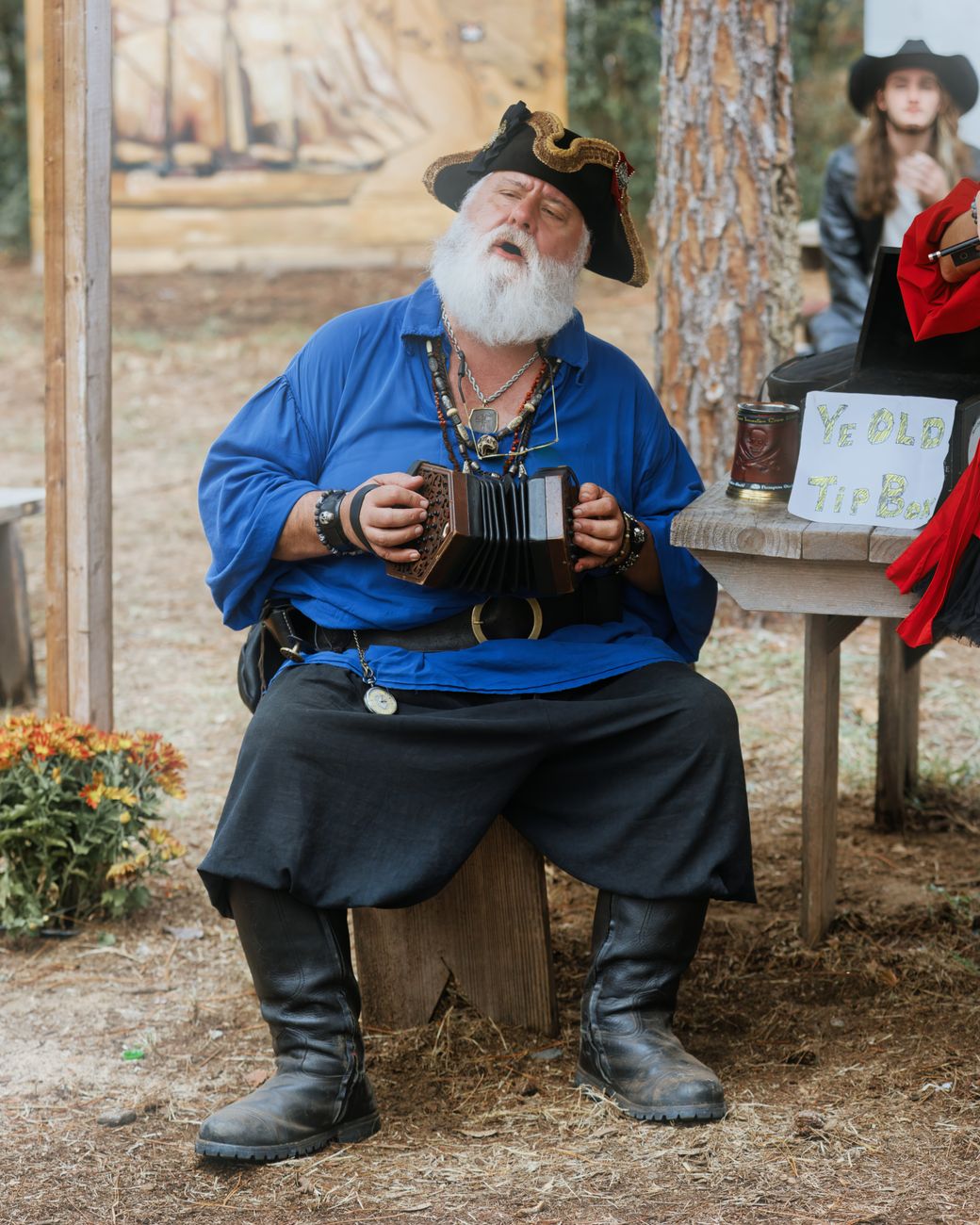
Photo by Marvin Corea on Pexels.com

It reminds me of my favourite holiday, Talk Like a Pirate Day, entirely because it is silly. Created in 1995 by two friends as an inside joke, it escaped Australia in 2002 when Dave Barry wrote about it and transformed into a semi-official holiday celebrated each September 19 by those of us with a sense of humour and a willingness to be seen as a bit odd.

It’s now been going for more than 30 years. It may eventually die out, or it may continue. Who knows? In 500 years, there may still be people celebrating it with the same level of gusto that they celebrate Halloween. Although I’m not sure I envy the future month of August being besieged by all things pirate instead of witches and ghosts.

World Clap Day and Talk Like a Pirate Day share something I find rather charming: neither one is necessary.

Nobody needs us to clap together. Nobody needs us to talk like pirates. There is no practical benefit to either activity. There’s no rich cultural heritage or religious event associated with it. It’s just kind of there as pure amusement. And perhaps that’s precisely why they’re worthwhile.

We live in a world that constantly asks us to be productive. Improve ourselves. Accomplish something. Build our careers. Exercise. Make money. Learn something useful. Optimize our lives. Sometimes I think we could stand to do a few things simply because they’re ridiculous.

Photo by Ivan Babydov on Pexels.com

There is also something about silliness that makes connection easier. When you’re willing to approach other people with humility and a sense of humour about yourself, you open doors that you might otherwise have trouble walking through. You don’t have to take yourself so seriously. You can laugh at your own absurdity and invite other people to laugh with you.

Comedians do this all the time. They point out the ridiculous things we all do and, for a moment, give us permission to laugh at ourselves together.

So was World Clap Day a success?

Possibly.

Will it happen again?

Who knows?

But perhaps those aren’t the questions that matter.

For a few minutes, people scattered across the planet stopped whatever they were doing and participated in the same completely unnecessary, wonderfully ridiculous activity.

There was no great transformation. No cosmic event. No world-changing consequence. Just people clapping and going about their day. And maybe that’s enough. Because not every moment of connection needs to change the world. Sometimes it can simply remind us that we’re all here, together, being ridiculous little humans on the same planet.

And perhaps that’s what makes it Bucket List worthy. Not because I accomplished something extraordinary. Not because I changed the world. Not even because I felt some profound cosmic connection.

I just tried something silly.

And somewhere out there, about a million other people did too.

Which, dear reader, is a pretty good reason to clap

Photo by olia danilevich on Pexels.com

Eat Bravely: A Love Letter to Curious Appetites

Not all adventures require stepping out into the world and exploring new places. There is not always a need to don our shoes or cross the threshold of our homes. Some adventures wait for us in a far more intimate space, where heat and spice mingle to create expectation. Where anticipation builds slowly. Where the experience lingers in memory and sends small electric thrills through the senses. Where worries are set aside, hands get busy, and something deeply satisfying, and dare I say even sensual, takes shape.

Lower your eyebrows, this is a family blog.

Of course, dear reader, I speak of the kitchen.

For thousands of years, humans have gathered around fire and flame, bonding through the shared rituals of preparing and eating food. Long before written language, recipes were passed hand to hand, memory to memory. Food has always been warmth, safety, and love made tangible. It is how we celebrate, how we grieve, and how we care for one another when words fall short. I once had a Puerto Rican colleague who would bring me food during especially stressful seasons of my life. One day, she arrived with a cake she had carefully crafted just for me. It was not simply a dessert or a cultural exchange. It was care wrapped in sweetness, a quiet reminder that I was not alone. 

Food is deeply embedded in a people. It is history, culture, memory, and survival served on a plate. Entire stories can be told through a single dish. Take Haiti’s Soup Joumou, a pumpkin-based soup once forbidden to enslaved people and now eaten each year to celebrate independence and freedom. Or consider corned beef and cabbage, a meal that became closely associated with Irish-American immigrants, not because it was common in Ireland, but because it was affordable and accessible in their new home. These dishes tell stories of resilience, adaptation, and identity.

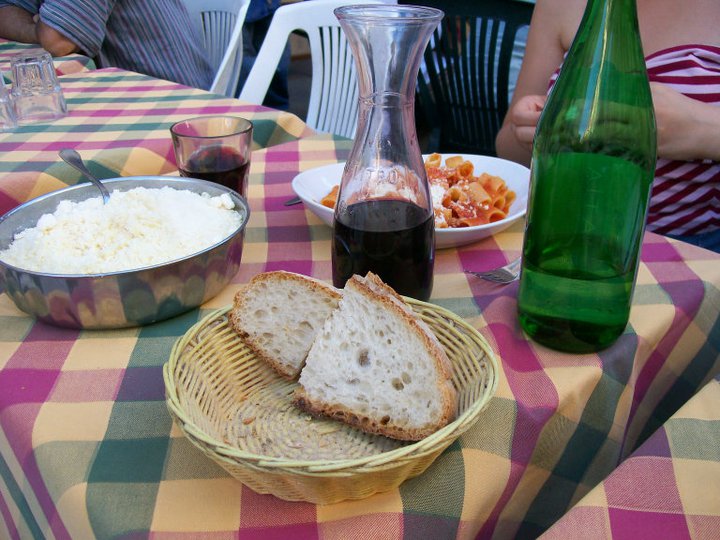
Pasta dinner in Rome

Sometimes food carries the quiet evidence of cultural exchange. Italy, so famously associated with pasta and tomato sauce, sits at a historical crossroads of trade. Noodles arrived through contact with the East, while tomatoes made their way from the New World. Local tradition met imported ingredients, and something entirely new was born. That cuisine later traveled across the Atlantic, where it transformed yet again into what we now call Italian-American cooking. This is why beloved favorites like fettuccine Alfredo or chicken parmigiana are rarely found in Italy itself. Food evolves as people move, adapt, and make do.

Many of the dishes I have named so far are familiar to most of us, especially here in America. But adventurous eating does not have to stop at what we already know. Those of us with wandering spirits often associate travel with food, and for good reason. What marks a journey more clearly than the flavors we encounter along the way? Thanks to global shipping networks and the rapid exchange of information, it is now easier than ever to recreate dishes from around the world in our own kitchens, no plane ticket required.

Will it always be perfect? No. The clotted cream I buy at my local grocery store is not quite the same as the clotted cream I was served in Cornwall. Still, for those of us who are budget-conscious or simply curious, it is close enough to spark delight and inspiration. Sometimes approximation is not a failure, but an invitation.

I am fortunate to live in a place that makes culinary exploration especially accessible. My hometown is something of a food mecca. We have a specialty meat and cheese shop, several farmers markets, close access to fresh seafood, and grocery stores that carry an impressive range of international ingredients. We are also home to many authentic markets representing cultures not typically found in mainstream American stores. This means I can often find traditional ingredients locally and at a fraction of the cost of ordering them online.

Lancaster is also known as America’s refugee capital, thanks in large part to the ongoing efforts of Church World Service. Refugees from around the world have made their homes here, continuing a long tradition of welcome rooted in our Amish and Mennonite history. With them, they have brought their food. And generously, they have shared it. Restaurants that prioritize employing refugees allow them to tell the story of their culture through cooking, creating a deeply local melting pot of flavors. It is history you can taste. Remember, food tells a story and in Lancaster it tells more than just an exchange of culture, it whispers welcome as well. 

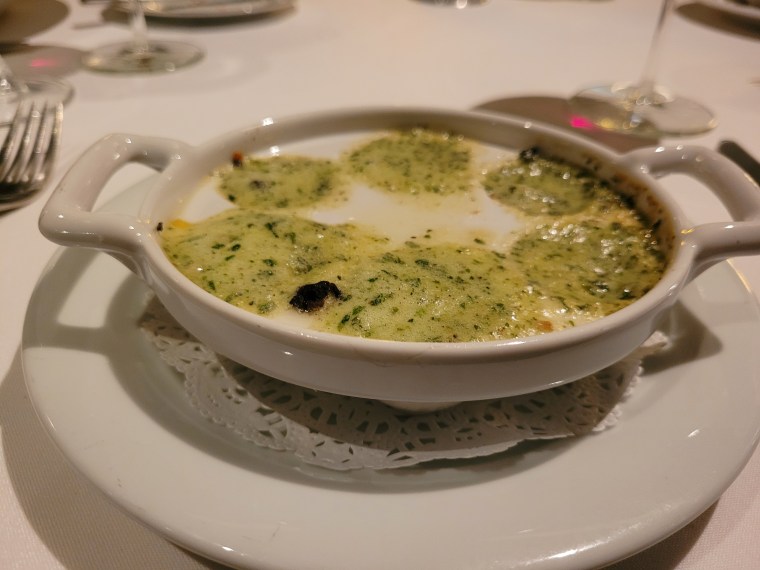
Escargot

Perhaps that is why I have always been adventurous with my food. I grew up with the world’s kitchen at my doorstep. I learned early that flavor has no single nationality and that spices are not something to be feared. When people joke that white people do not use spices, I laugh, spice is all I’ve known. My spice cabinet is perpetually overflowing with flavors from every corner of the globe. One of my favorite dishes to make is lamb with five spices, a recipe that fills the kitchen with warmth and complexity long before it reaches the plate.

Over the years, I have tried an astonishing range of foods. Kangaroo and lychee. Beluga caviar and jackfruit. Escargot, conch, buffalo, alligator, raw oysters. Authentic pad Thai and ramen. Croissants in Paris, doner kebab, calamari, and a full English breakfast. I have sipped absinthe, fine wines, countless teas, and more than a few drinks whose names I can no longer recall. I have eaten at Ichiban grills, Brazilian churrascarias, four-diamond restaurants, and casual pig roasts. I have wandered farmers markets while sipping fresh coconut water straight from the shell and watched rolled ice cream take shape on a freezing plate. Street food, in all its glorious variety, deserves an essay of its own. I’ve eaten at rotating restaurants high above the skyline. I’ve also eaten deep in the earth in old wine cellars. I’ve dined on the ocean and at the peak of mountains. 

Some of my most meaningful food memories, though, were made at home. Hours spent in the kitchen with my mother, learning new dishes together, experimenting, tasting, and laughing. Food is not only about novelty or prestige. It is about connection.

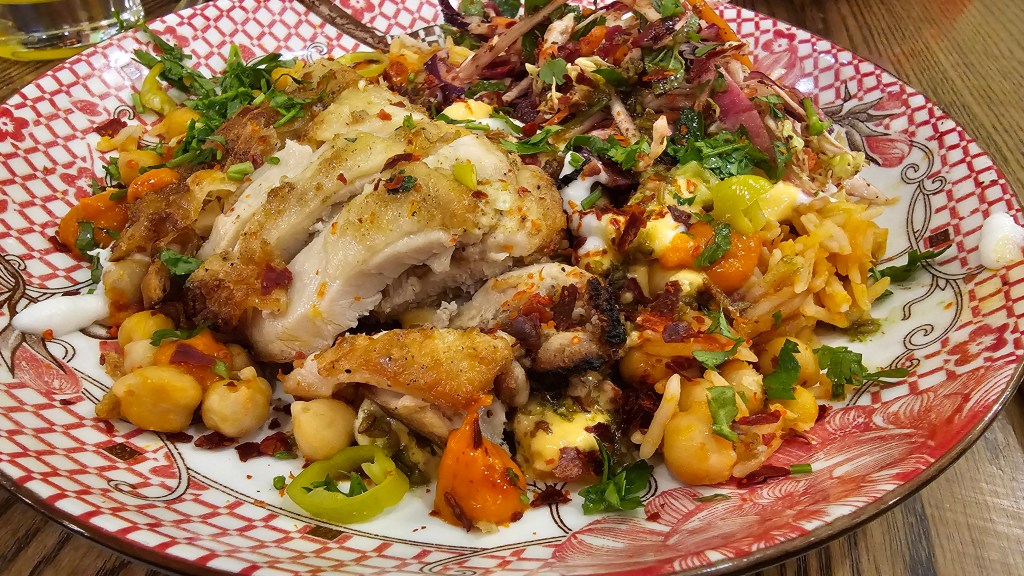
Lebanese Cuisine

In the end, adventurous eating is not about chasing the most exotic ingredient or the most impressive dish. It is about the willingness to step outside your comfort zone and try something new. It is about expanding your palate beyond the familiar rotation of meals. I still remember the first time I tried lavender ice cream. It stopped me in my tracks. I had never considered lavender as a flavor before, and suddenly a door opened. I started seeking out all sorts of new flavors like rose and violet. Since then, I have fallen in love with pine and rosemary ice cream as well.

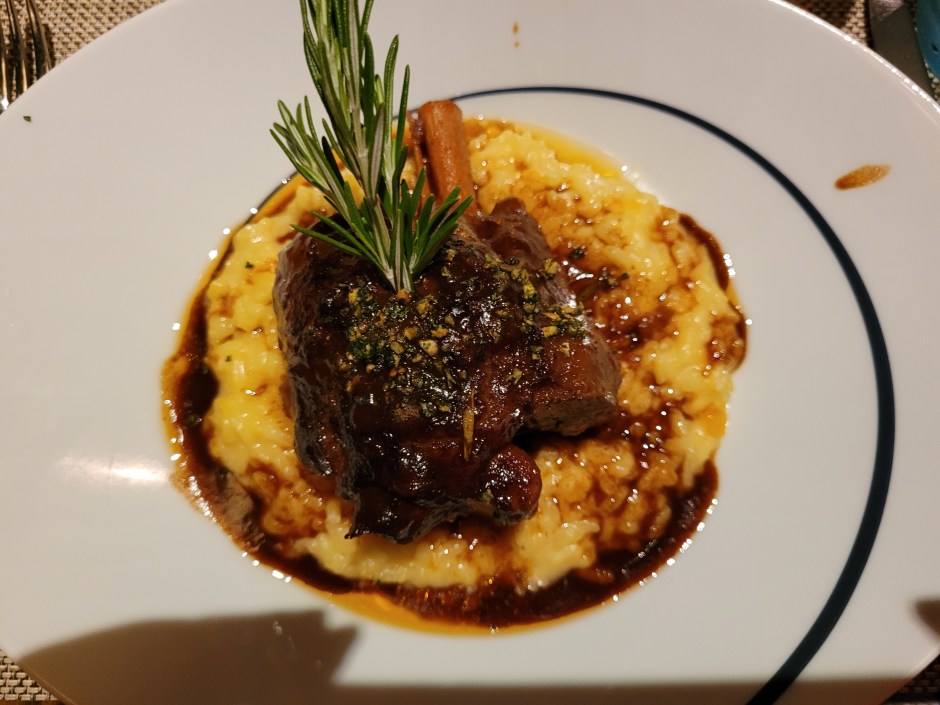
If lavender feels intimidating, start small. Try substituting lavender for rosemary in a recipe. Their flavor profiles are surprisingly similar, and the result is both comforting and slightly unexpected. That small shift is often all it takes. There are plenty of recipes and flavors out there. The world is truly your oyster! Adventure does not always roar and it doesn’t always require a passport. Sometimes it simmers quietly on the stove, waiting for you to take the first bite.

Want to discover more adventures? Check out my whole Bucket List and Reverse Bucket List