The Family We Gathered Into

Dear reader, some of the most important traditions in my life aren’t traditions that my family created.

At least, not my family by blood.

They began with a group of college friends of my parents who, somewhere along the way, decided that friendship deserved to be celebrated. Perhaps because most of them came from dysfunctional families, so they formed a family of their own and it was into this family that I was born. Decades later, the gatherings continue. The faces have changed over the years. Some people have joined us, others have moved away or passed on, and the locations have occasionally changed. But the traditions remain, some remain untouched from their beginnings. Others have slowly morphed or rolled into other traditions.

Three times a year, give or take, we gather. 

St. Patrick’s Day brings together those who share an Irish heritage, or perhaps simply an appreciation for good food, good drink, and the opportunity to sing Irish folk songs at increasingly enthusiastic volumes. We used to gather for Mid-summer’s and Mid-winter’s but they were rolled into St. Patrick’s when Mid-winter’s kept getting snowed out and our host for Mid-summer was no longer able to accommodate everyone camping on his property. And while I miss the bonfire where Jay would dress up like Merlin and entertain me with colored flames, I am a bit old for that now. I would want to be the one dressed up as a wizard.
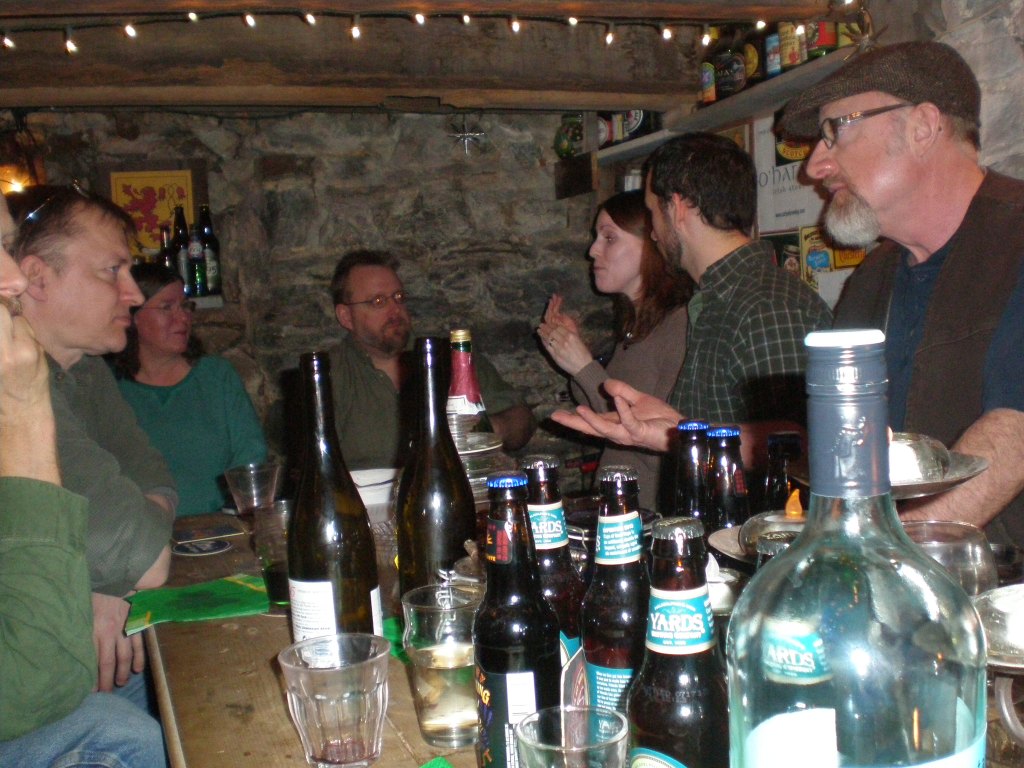
the infamous “pub”

The Garden Party marks the end of summer with music, food, lawn games, and sometimes dancing. It is the sort of afternoon where nobody seems particularly concerned about what time it is because there is always another game to play, another conversation to join, another drink to refill. It goes long into the night and often into the next day for those who choose to stay over. Each year is a different theme ranging from Morocco to China, from France to Mexico and even different decades. 

Then comes the Holiday Feast, an amalgamation of Thanksgiving and Christmas. We give thanks for the blessings of the year, eat an enormous meal, sing Christmas carols, and inevitably discover whatever puzzle has been devised for us that year. The puzzles have ranged considerably in ambition. Some years it has been little more than a worksheet. Other years have involved elaborate murder mysteries requiring us to search the house and garden for clues. Apparently, gratitude and Christmas cheer are insufficient entertainment for this particular group. We also require an opportunity to investigate fictional homicide. 

There is usually a familiar menu as well. If you attend either St. Patrick’s or Holiday Feast you never need to check the menu, you simply know.

And then there is the house. For most of my childhood, these gatherings took place at my godparents’ home, a house originally built in the 1700s and expanded in the 1800s. It is the sort of house that seems to remember the people who have passed through it.
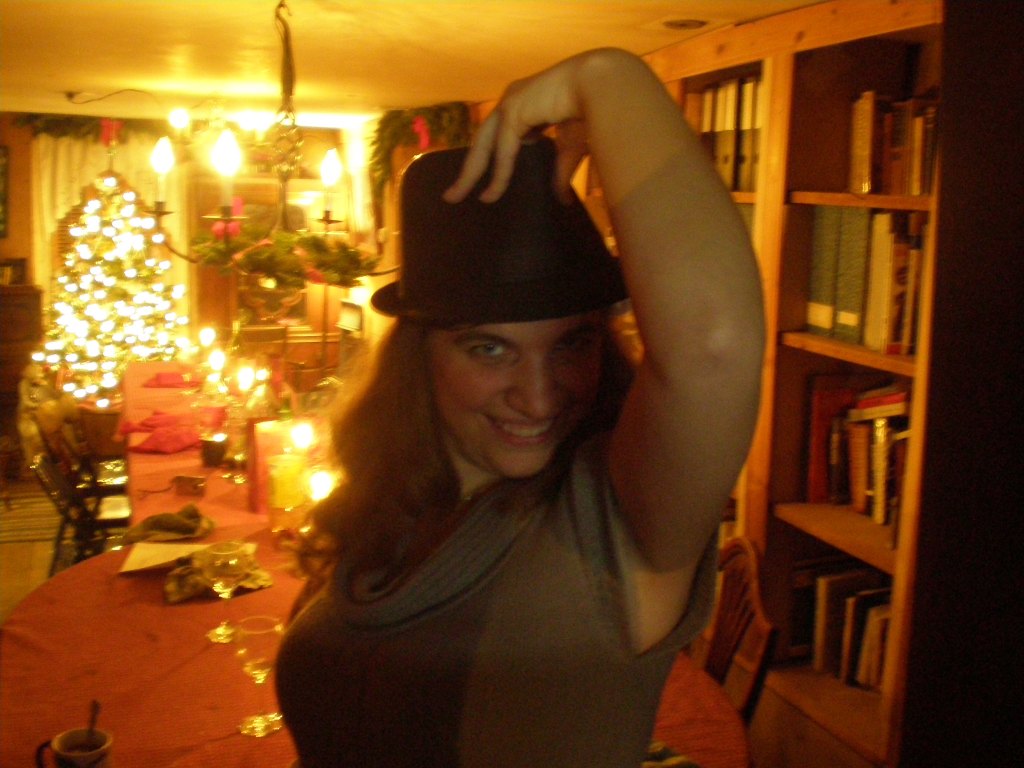
Getting into the holiday spirit

There is an old wood stove tucked into the hearth room. The cellar contains an Irish “pub” that my godfather quite literally dug out by hand, enlarging the space until there was enough room for our heads. The rough stone walls make you feel as though you have somehow stepped out of Pennsylvania and landed in the old country.

Every room has its own history. Every corner contains a memory. There are whispered ghost stories. There are stories about people who aren’t there anymore. There are objects whose significance I probably wouldn’t understand if I hadn’t spent so many years seeing them in the same places.

I can mark my childhood by these parties. At first, there was the children’s table. Playing with my siblings and my “god-sister”. Eventually, I graduated to the adults’ table. There was the first time I was old enough to drink at one of the parties. I learned crochet. I learned to play bocce ball. I learned how to mix drinks from our resident “expert” bartender. I listened to stories about places I had never been and people I had never met.

These people were my aunts and uncles, even though most of them weren’t related to me at all. One of them eventually became my college professor, which created the rather peculiar situation of having to remind myself not to call her Aunt Val in class. But the others taught me things, too.  Not in the formal sense of sitting me down for a lesson, but through years of conversations and arguments. They brought their own adventures with them and regaled us with stories. They introduced me to art, music, philosophy, history, and different ways of understanding the world.

We argued about politics, religion, economics, and just about everything else people are generally advised not to discuss over dinner. And they made me think. Perhaps that is one of the greatest gifts these gatherings gave me. They showed me that learning doesn’t only happen in classrooms. Sometimes it happens around a crowded dinner table with people who have lived long enough to have stories to tell and opinions they are more than willing to defend.
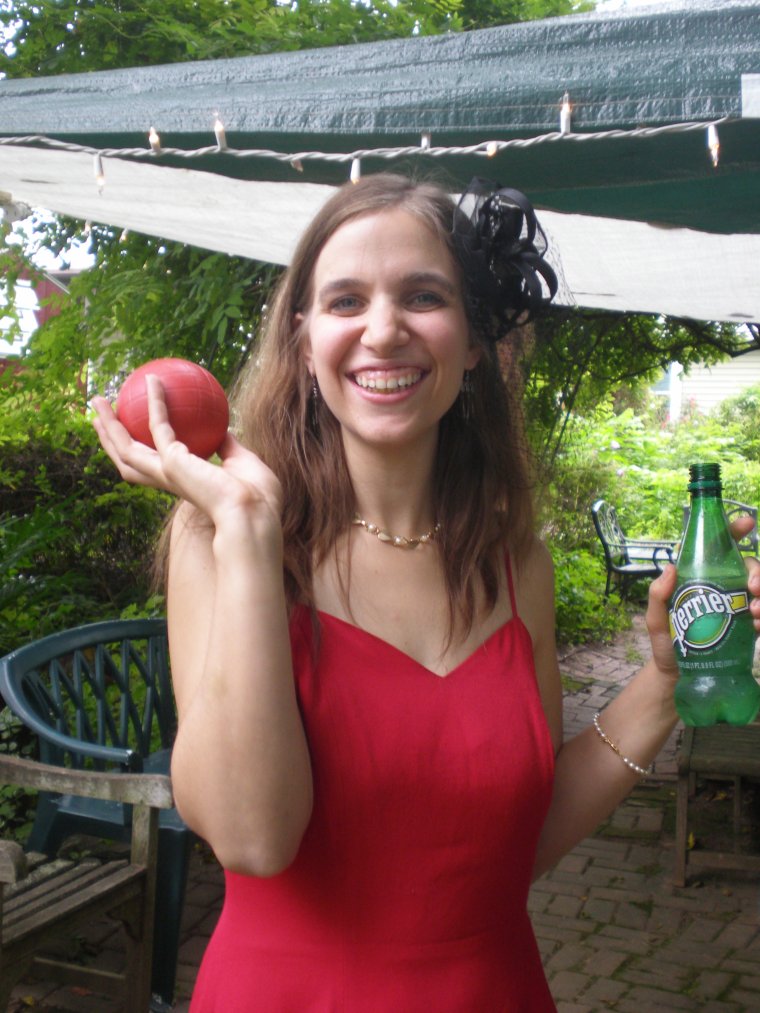
Anyone for a game?

As a child, I mostly listened. As I grew older, I began participating. Eventually, I became one of the adults arguing across the table. And somewhere along the way, I stopped being a child who attended these parties and became one of the people who helped carry the traditions forward.

That transition happened so gradually that I don’t think anyone announced it. There was no ceremony. No one said, Congratulations, you are now an adult member of the ritual. I simply found myself there. That may be the strange magic of tradition. The first time you experience something, it is an event. The tenth time, it is familiar. The twentieth time, you know what comes next. And eventually, you don’t even have to discuss it. The parties become almost like a dance. Everyone knows the steps. We know when we eat. We know when the games happen. We know when the drinks come out. We know which songs will be sung and, more importantly, when everyone is expected to join in. Nobody has to announce the choreography. We simply know it. And yet the dance is never quite the same. The people change. The stories change. Someone brings a new dish. Someone learns a new song. A child who once sat at the kids’ table is suddenly old enough to pour drinks. Someone who was always there is now conspicuously absent.

The ritual remains, even as the people within it change. I think that is why traditions matter so much. We often talk about experiences as though their value comes from novelty. We put new places, new activities, and new adventures on our bucket lists because there is something wonderful about doing something for the first time. But there is another kind of magic in doing something for the hundredth time. Traditions give us continuity. They give us something to return to. They create a shared history that stretches beyond any one person and allows memories to accumulate over generations. They remind us that our lives are not isolated events but part of a much longer story.

And perhaps most importantly, they create belonging. These people didn’t become my family because we share a last name or DNA. They became my family because we kept showing up. Year after year. Party after party. Song after song. We cultivated rituals together until they became part of the fabric of our lives. That is something worth putting on a bucket list, too.
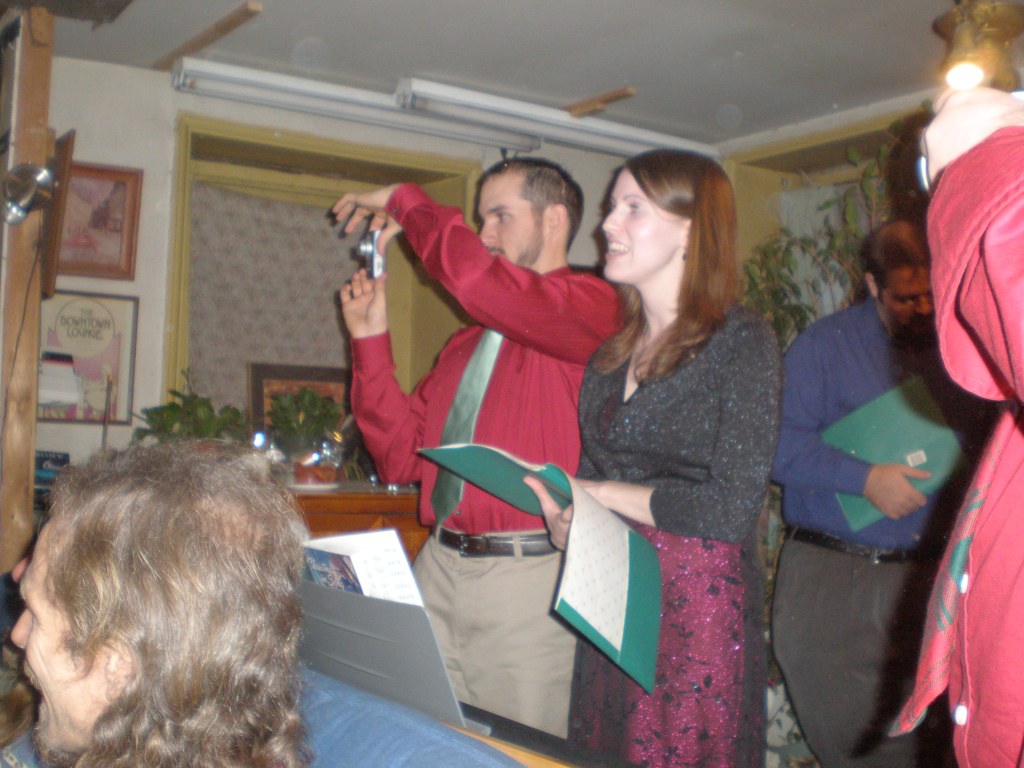
Christmas Carols

Not necessarily a particular holiday or a particular meal. Instead, consider creating something that you can return to. A yearly garden party. A friends’ Thanksgiving. A monthly dinner. An annual camping trip. A ridiculous family competition. A holiday tradition that makes absolutely no sense to anyone outside your groupIt doesn’t have to be elaborate. It simply has to be yours. 

Someday, you may look back and realize that you aren’t merely remembering the parties. You’re remembering your childhood. Your friendships. The people who taught you things. The people who watched you grow. The people who became family simply because they kept showing up. And perhaps that is one of the greatest adventures of all. Not discovering somewhere new, but building something worth returning to.
A Million People, One Very Silly Idea

What Is the Sound of Nearly 8 Billion People Clapping?

What is the sound of nearly 8 billion people clapping? We still don’t actually know!

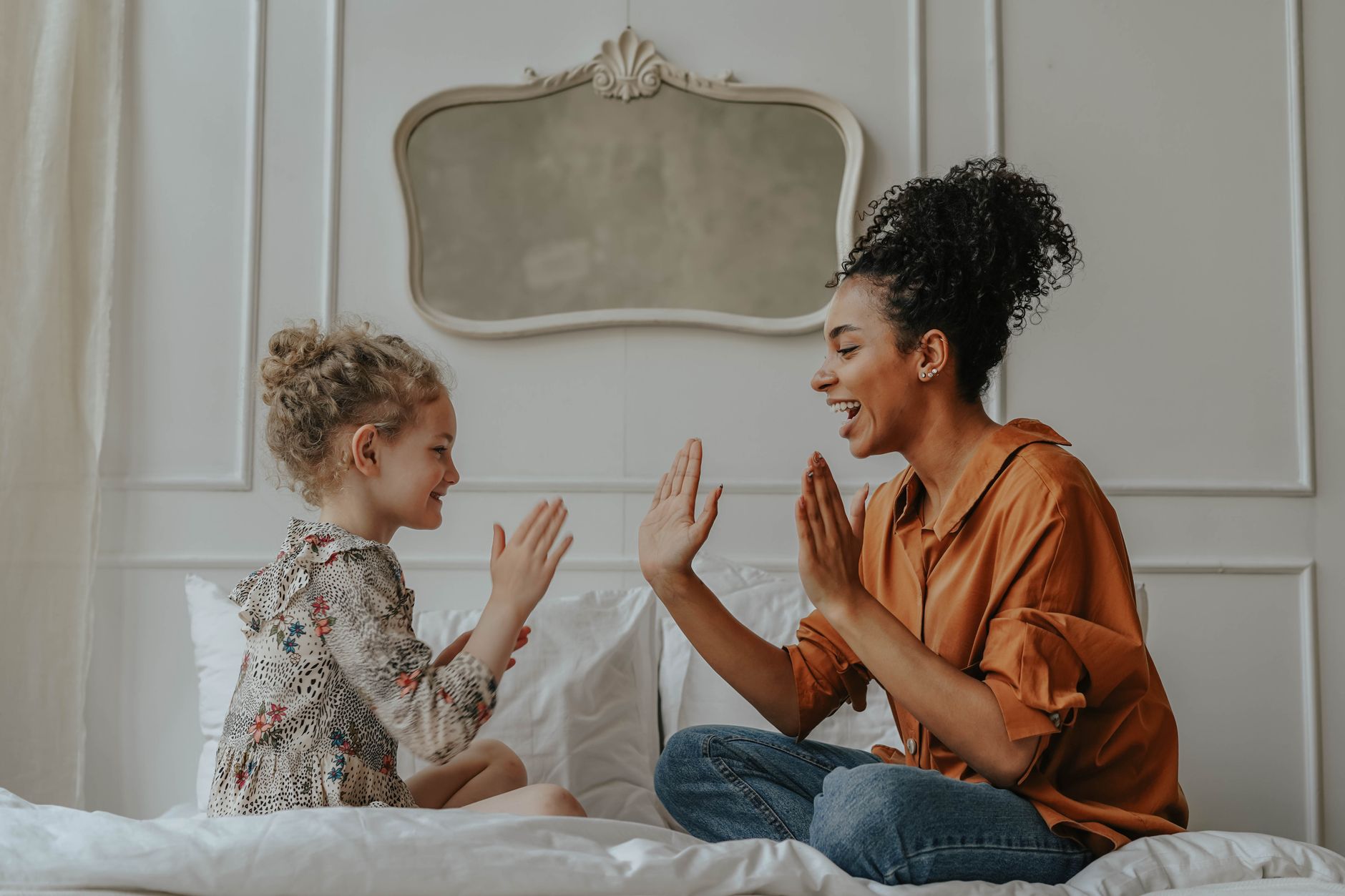
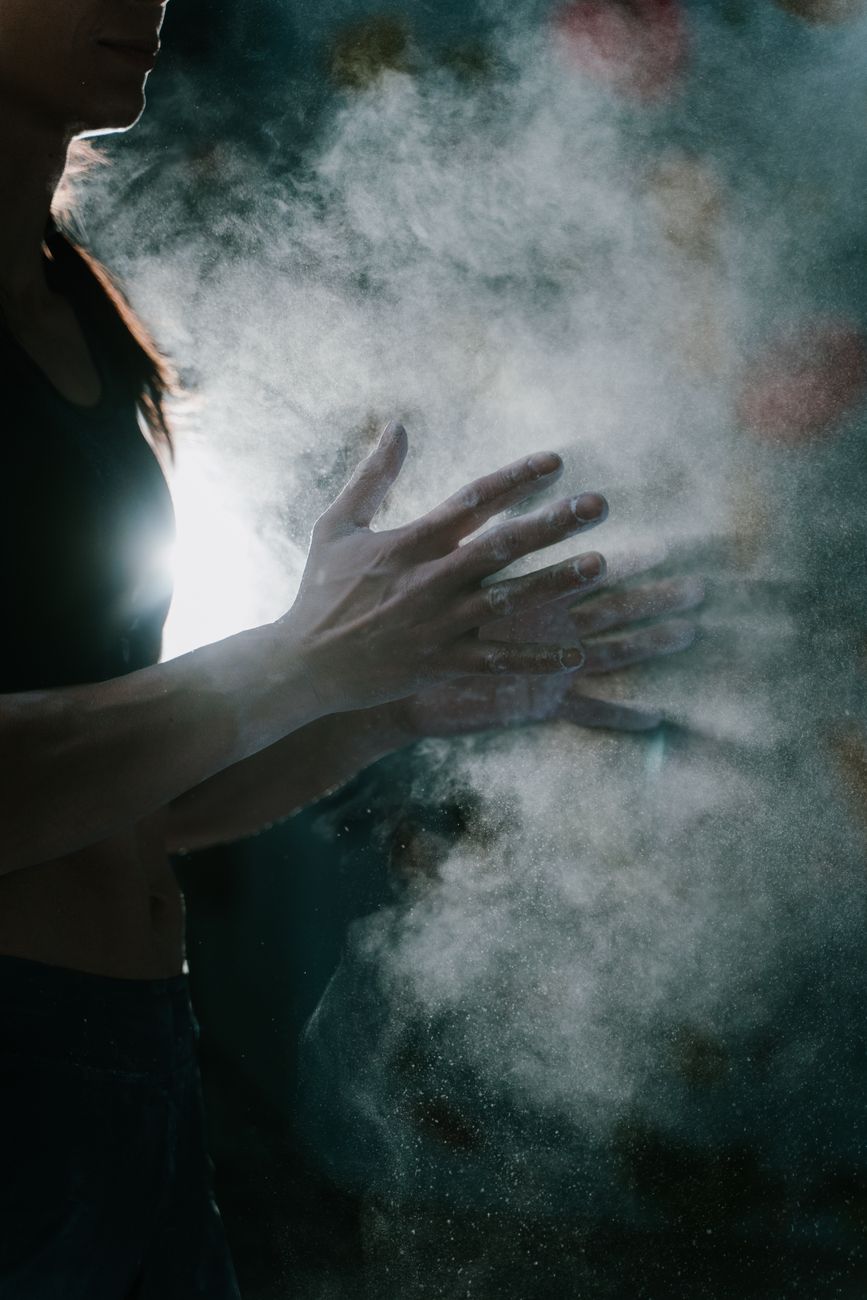
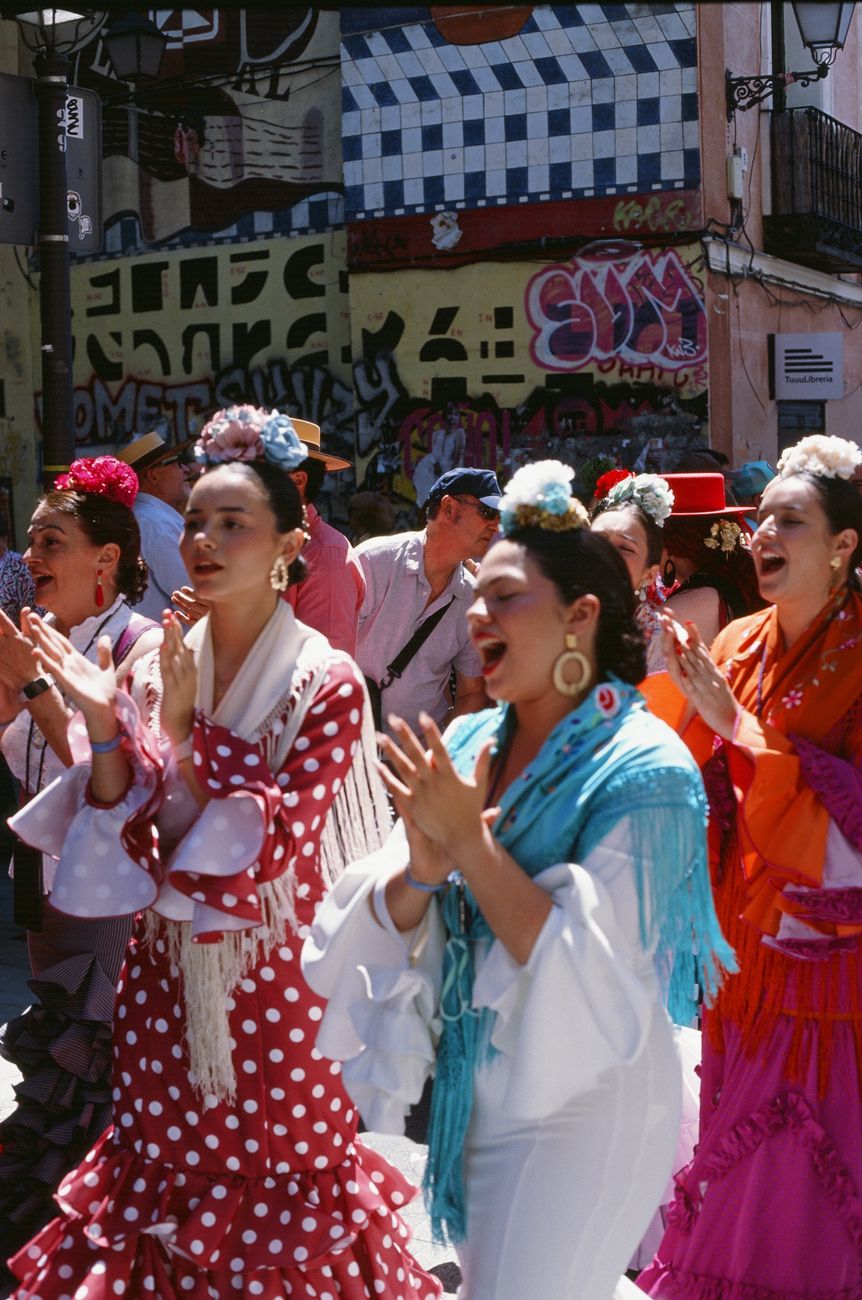
But for a brief moment on a Sunday, thousands of people around the world stopped what they were doing and clapped. The sound could be heard by the people who were actually there, but that, dear reader, was not the point.

The point was that, for one moment, people around the world, regardless of country, race, religion, ethnicity, economic status, or whatever other category you care to create, came together in a small act of silliness.

So naturally, I set my alarm for 9:55 a.m. Eastern Time to make sure I stopped whatever I was doing, and another alarm for five minutes later so I could clap along with the scattered members of humanity participating with me.

Photo by Rob Volz on Pexels.com

Did I feel any sort of cosmic connection? No. It honestly felt ridiculous and a little pointless. Nothing changed. There wasn’t a loud sonic boom of nearly 8 billion people clapping together. There was no great sense of unity that descended upon the planet. No wars were stopped. No marriages were saved.

It was actually quite quiet sitting in my kitchen, sweaty from gardening, dirt smeared on my pants, my hair in desperate need of washing from sweat and debris. 

Just me.

Clapping.

In my kitchen.

So why even do it?

Well, because I’m almost always down to try new things, especially things that seem a bit silly. And there is something rather wonderful about World Clap Day. We’re all different, yet we could all participate in exactly the same ridiculous little act. Nobody had to agree on politics, religion, nationality, or anything else. We didn’t have to accomplish anything. We simply had to clap. Which is, honestly, pretty beautiful. Beautiful enough that 1.7 million people signed up on the website to participate. Now, did 1.7 million people actually clap? Probably not.

Photo by cottonbro studio on Pexels.com

I’m certain plenty of people forgot. Others may have signed up with every intention of participating and then found themselves distracted by work, children, errands, or the eternal black hole of the internet. At the same time, there were undoubtedly people who never signed up at all but happened to hear about it and decided to join in. So perhaps it wasn’t thousands but closer to a million people who actually participated. Which sounds like a huge number until you put it into perspective. Even a million people would be only about one in every 8,000 people on Earth.

And somehow I find that both hilarious and impressive. A million people is almost incomprehensibly large. It is also almost nothing compared with humanity as a whole.

So how did this even become a thing?

Apparently, Andrea Bechis, a UK fitness entrepreneur, had a question back in December: essentially, What would happen if everyone on Earth clapped together. Rather than simply wonder about it, he decided to make it a thing. He picked a date and started gathering support. Originally, he hoped people would gather together in town squares and celebrate collectively. The actual execution was considerably more modest.

Basically, sitting in my kitchen sweating from gardening and clapping. I filmed it, but I doubt I’ll post it here.

Still, there is something inspiring about the whole ridiculous endeavour. With enough gumption and a willingness to endure a little ridicule, you can convince a considerable number of people to participate in your wild vision of silliness. And World Clap Day isn’t the only example.

Photo by Marvin Corea on Pexels.com

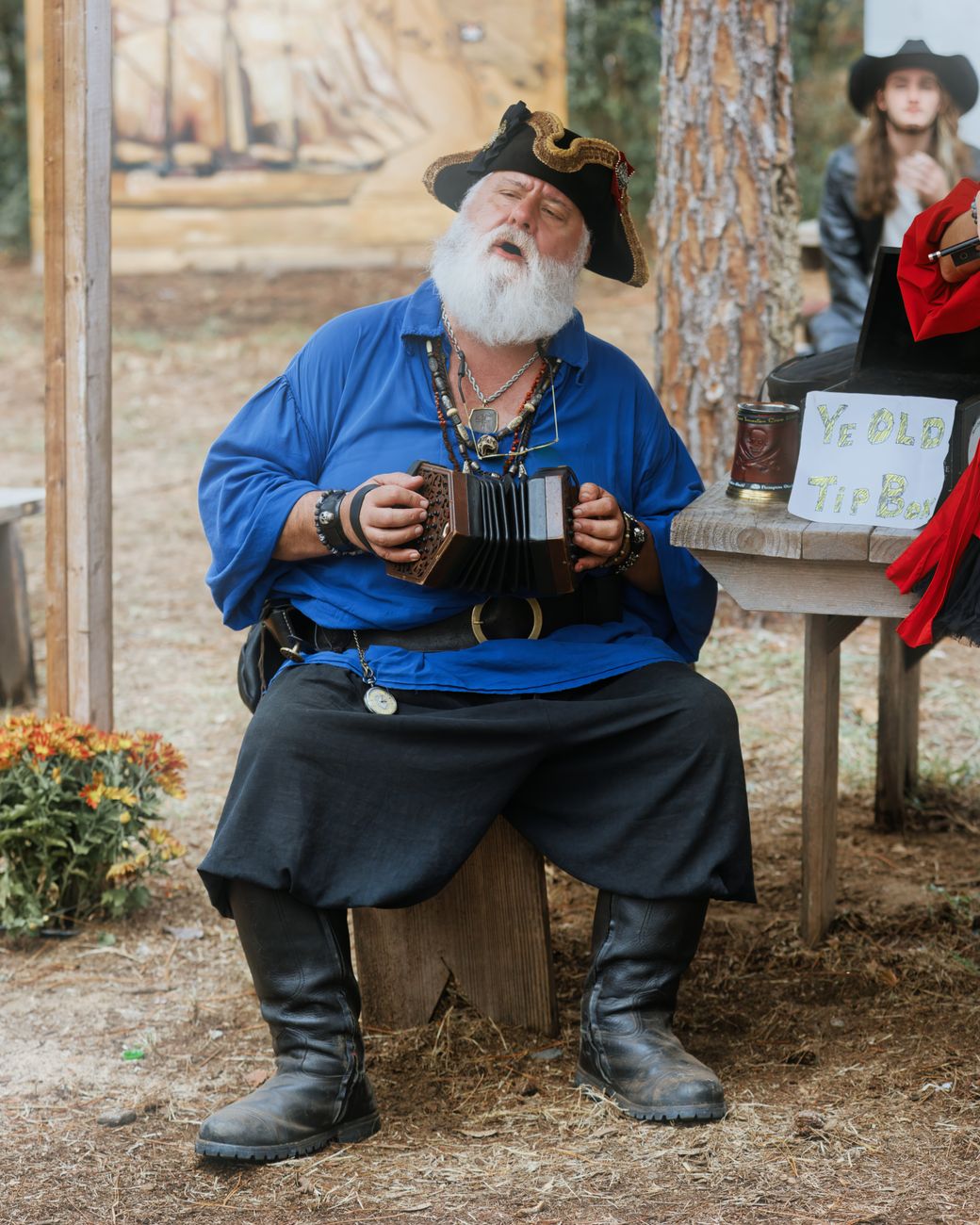
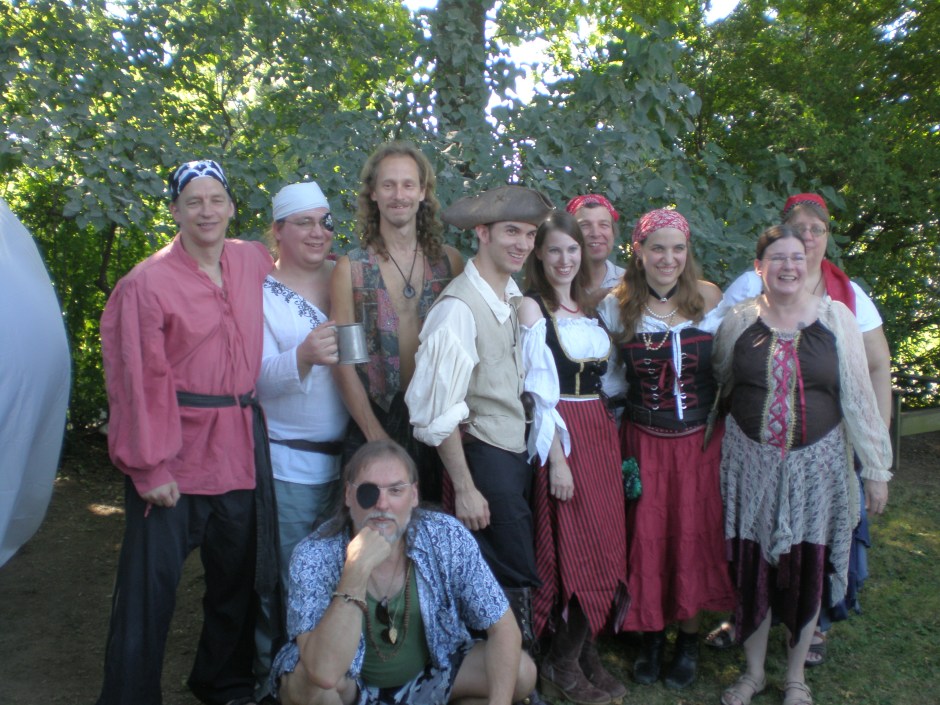
It reminds me of my favourite holiday, Talk Like a Pirate Day, entirely because it is silly. Created in 1995 by two friends as an inside joke, it escaped Australia in 2002 when Dave Barry wrote about it and transformed into a semi-official holiday celebrated each September 19 by those of us with a sense of humour and a willingness to be seen as a bit odd.

It’s now been going for more than 30 years. It may eventually die out, or it may continue. Who knows? In 500 years, there may still be people celebrating it with the same level of gusto that they celebrate Halloween. Although I’m not sure I envy the future month of August being besieged by all things pirate instead of witches and ghosts.

World Clap Day and Talk Like a Pirate Day share something I find rather charming: neither one is necessary.

Nobody needs us to clap together. Nobody needs us to talk like pirates. There is no practical benefit to either activity. There’s no rich cultural heritage or religious event associated with it. It’s just kind of there as pure amusement. And perhaps that’s precisely why they’re worthwhile.

We live in a world that constantly asks us to be productive. Improve ourselves. Accomplish something. Build our careers. Exercise. Make money. Learn something useful. Optimize our lives. Sometimes I think we could stand to do a few things simply because they’re ridiculous.

Photo by Ivan Babydov on Pexels.com

There is also something about silliness that makes connection easier. When you’re willing to approach other people with humility and a sense of humour about yourself, you open doors that you might otherwise have trouble walking through. You don’t have to take yourself so seriously. You can laugh at your own absurdity and invite other people to laugh with you.

Comedians do this all the time. They point out the ridiculous things we all do and, for a moment, give us permission to laugh at ourselves together.

So was World Clap Day a success?

Possibly.

Will it happen again?

Who knows?

But perhaps those aren’t the questions that matter.

For a few minutes, people scattered across the planet stopped whatever they were doing and participated in the same completely unnecessary, wonderfully ridiculous activity.

There was no great transformation. No cosmic event. No world-changing consequence. Just people clapping and going about their day. And maybe that’s enough. Because not every moment of connection needs to change the world. Sometimes it can simply remind us that we’re all here, together, being ridiculous little humans on the same planet.

And perhaps that’s what makes it Bucket List worthy. Not because I accomplished something extraordinary. Not because I changed the world. Not even because I felt some profound cosmic connection.

I just tried something silly.

And somewhere out there, about a million other people did too.

Which, dear reader, is a pretty good reason to clap

Photo by olia danilevich on Pexels.com

Make Tuesday a Life Worth Coming Home To

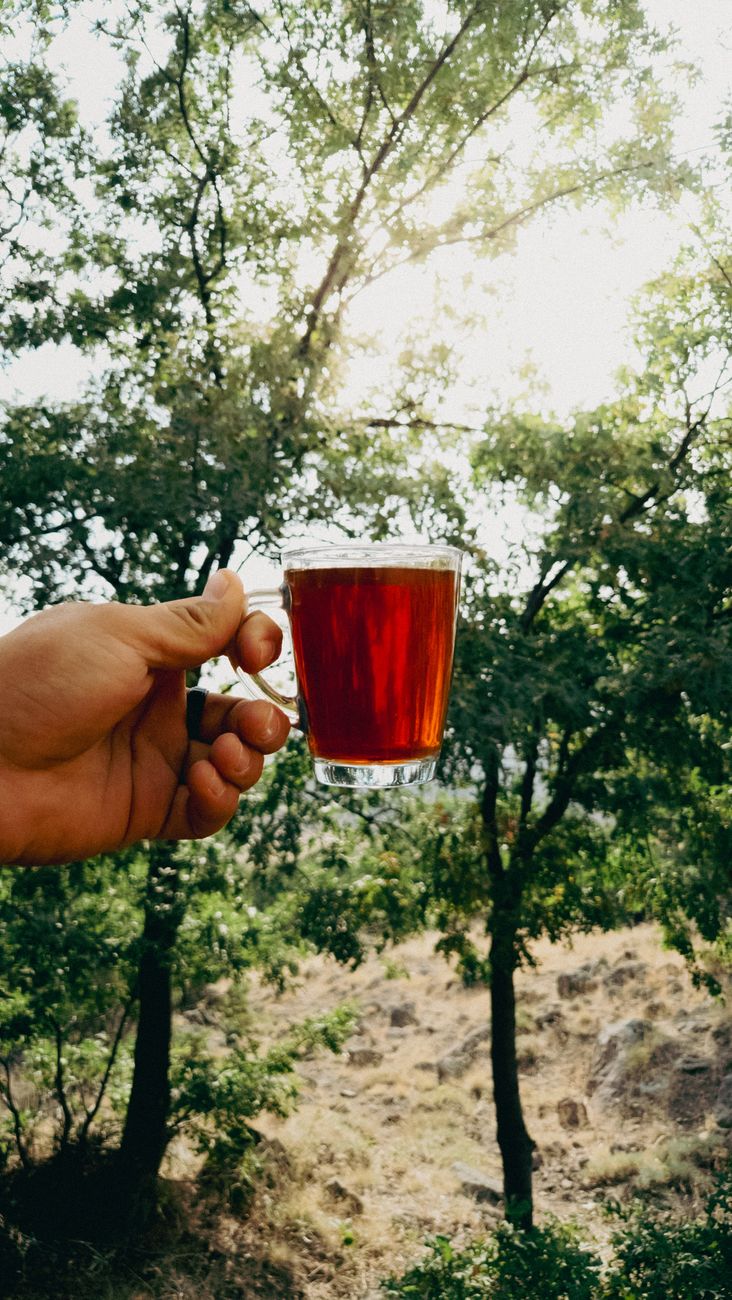
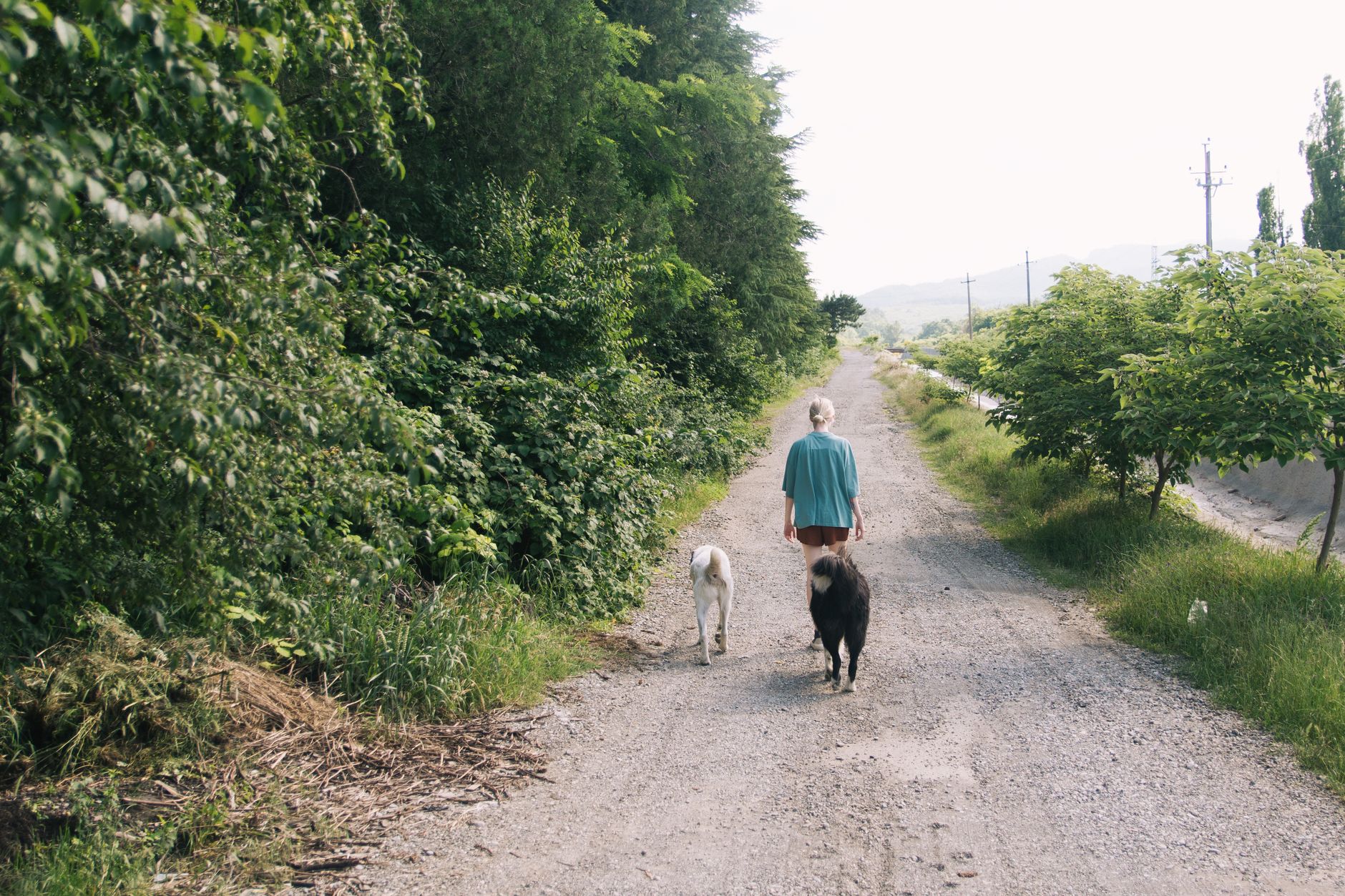
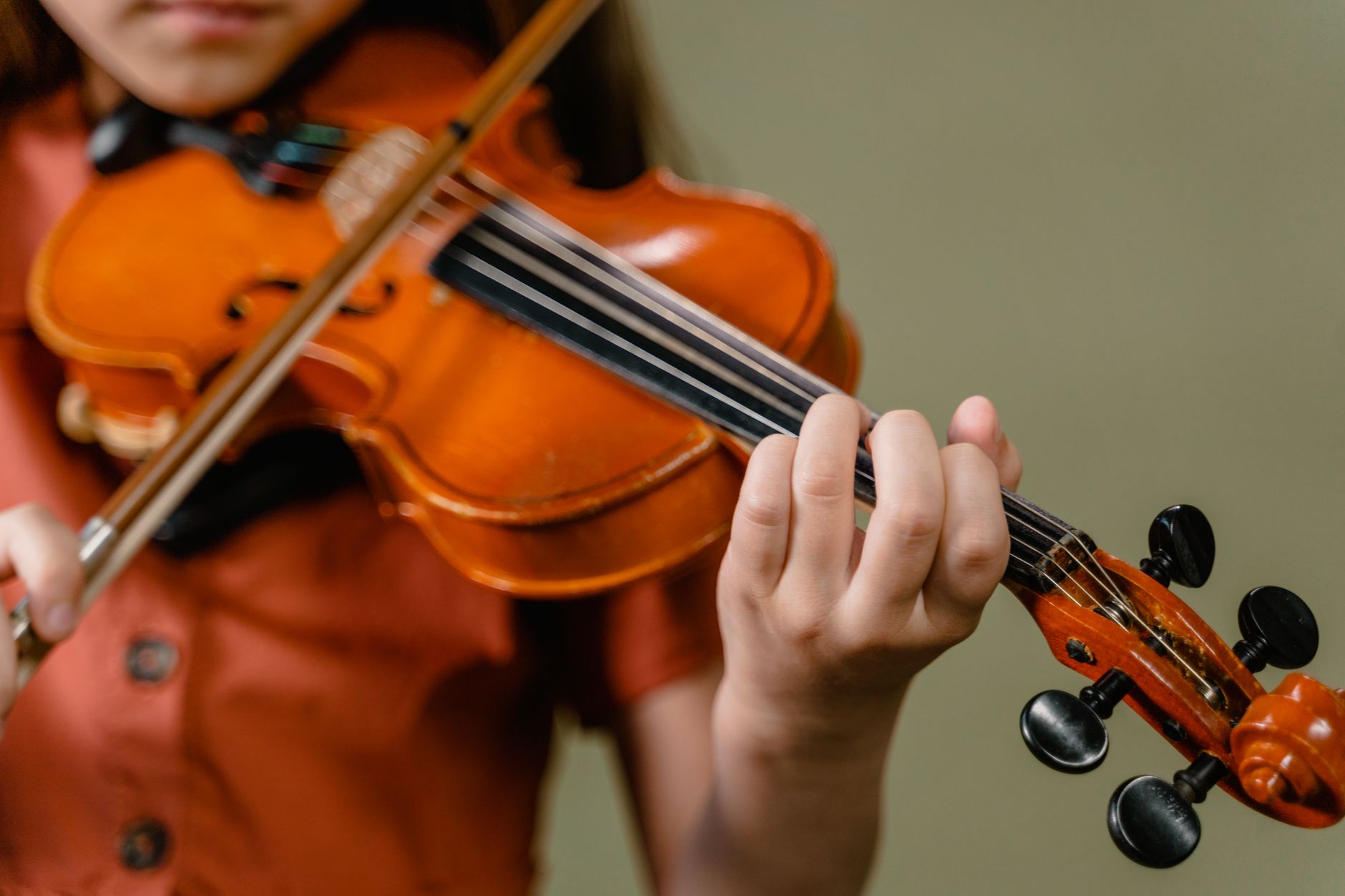
It’s a cup of tea in my hand as I look out over the garden, listening to music through my headphones. It’s the feel of warm wood beneath my chin as I play the violin. It’s admiring the neighbors’ gardens and noticing the subtle shifts as the seasons progress on my walks with Pixel. It’s spending Sunday afternoons in my own garden, pulling weeds and watching everything grow. And of course, dear reader, there are long, lazy Saturday mornings filled with cat snuggles.

Small daily or weekly rituals. Almost stolen moments that fill my days with joy.

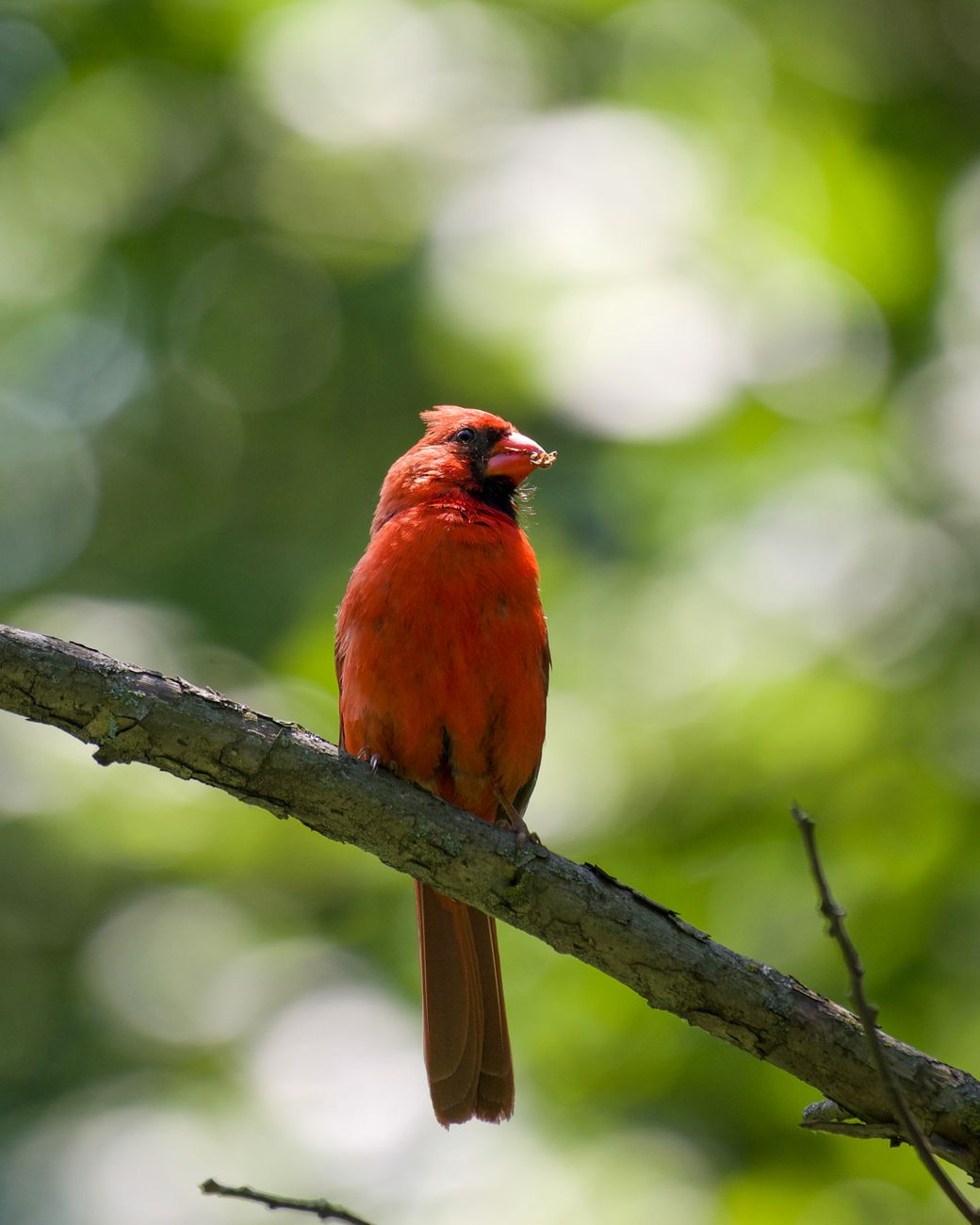
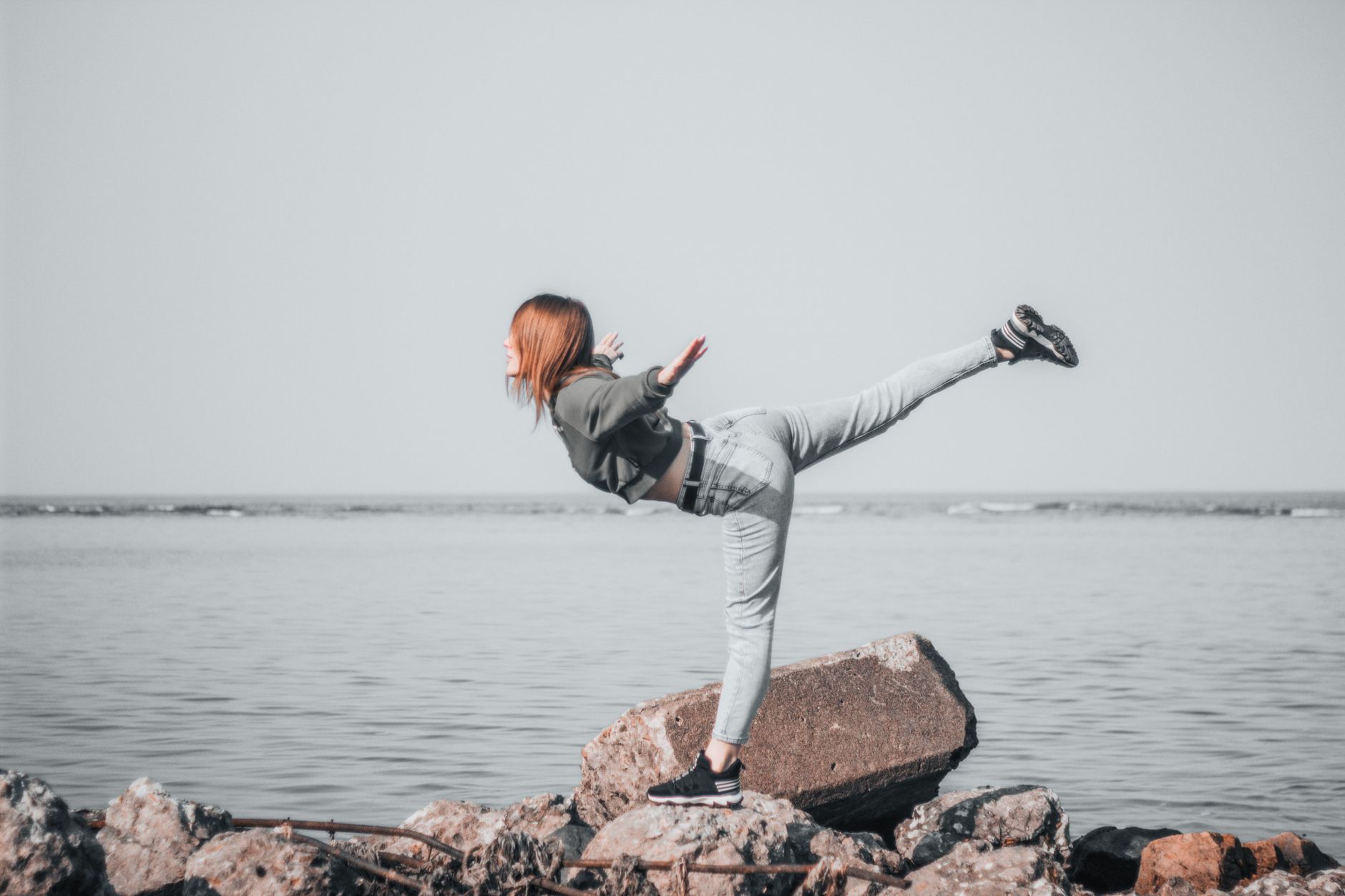
Life, dear reader, is not always adventures. Sometimes escape consists of a journal entry or a thirty-minute yoga session. Other times, it’s a book and a cup of coffee on your porch. Lately, it has been a morning visit from a cardinal, courtesy of a bird feeder I recently installed outside my bedroom window to entertain my cats.

I have inadvertently taken up birdwatching.

I may or may not be trying to learn his song on my violin.

A girl needs hobbies, dear reader, and in my fast-approaching middle age, I have decided to go full-on eccentric. I shall soon be donning enormous hats and calling people darling. ’Tis a cruel fate, but I plan on embracing it.

Photo by Andrew Patrick Photo on Pexels.com

But underneath all of these little eccentricities is something more important. Each of these habits fulfills a different need.

The violin and poetry fulfill my need to create. When I play music, I lose myself in the notes, sometimes reaching an almost meditative state where the sheet music ceases to be something I consciously process. My fingers simply know where to go. In poetry, I get to play with form, sound, rhythm, and the compression of ideas. I may spend hours contemplating a sonnet, drop a villanelle onto the page in a few minutes, and then follow it with free verse where I experiment with repetition, alliteration, rhyme, and half-rhyme.

On my walks and in my garden, I connect with nature. There is something grounding about putting my hands into the dirt, watching the seasons change, and noticing things that would otherwise pass unnoticed. And of course, there is Pixel, who seems to believe that every walk is an important expedition requiring his immediate participation.

A cup of tea or coffee gives me permission to stop. Sometimes I listen to music. Sometimes I simply sit and think. Sometimes I read or write in my journal. The ritual itself creates a small pause in the day, a moment to breathe before rushing into whatever comes next.

Photo by u0410u043bu0435u043au0441u0435u0439 u0412u0435u0447u0435u0440u0438u043d on Pexels.com

These things may seem insignificant.

They aren’t.

This blog is much more than Bucket List Adventures. It is also about building a Bucket List Life.

A Bucket List Life is not one where you are constantly chasing the next spectacular experience. It is a life where those spectacular experiences are woven into something that already feels meaningful. Travel can be wonderful, but if you need a two-week vacation every year simply to tolerate the other fifty weeks, perhaps the more interesting question is not “Where should I go next?” but “What is missing from the life I come home to?”

One way to begin answering that question is to look at the different areas of your life and consider whether they are receiving enough attention.

Some of you may recognize this concept from Dr. Bill Hettler’s Wellness Wheel, developed in the 1970s as a way of examining different dimensions of wellness. The model considers areas such as physical, social, occupational, intellectual, environmental, spiritual, financial, and emotional wellness. The premise is fairly simple: you can be doing wonderfully in several areas while struggling significantly in others.

Photo by Sergey Ochkanov on Pexels.com

Travel might temporarily touch several of those areas. A trip could provide physical activity, social connection, intellectual stimulation, environmental novelty, and emotional rejuvenation all at once. But eventually you come home.

Your luggage gets unpacked.

The vacation photos get posted.

And Monday morning arrives.

The goal, then, isn’t to use travel to fill every empty space in your life. It is to build enough small sources of nourishment into your ordinary routine that you aren’t depending on the next vacation to make you feel alive.

Photo by MART PRODUCTION on Pexels.com

For me, my violin and poetry provide intellectual and emotional stimulation. Tea and coffee, often accompanied by music, reading, or a devotional, give me opportunities for reflection and spiritual connection. Walking and gardening provide physical movement and environmental connection. My cats provide companionship. Friends and family fill another part of the picture entirely.

None of these things fills an entire category by itself. Nor do they need to.

They’re simply little threads woven into the larger fabric of my life.

And that’s an important distinction because wellness should not become another thing we feel obligated to optimize.

You do not need to maximize every category.

You don’t need a perfectly balanced Wellness Wheel.

You need to notice where you feel nourished and where you feel hungry.

Photo by Mike Jones on Pexels.com

Perhaps you look at your own life and realize that you’re getting plenty of intellectual stimulation from your career but almost no physical movement. Maybe your answer isn’t another vacation but a weekly hiking group, a dance class, gardening, yoga, or simply walking around your neighborhood after dinner.

Maybe you spend your entire day surrounded by people and realize that what you’re actually missing is solitude.

Maybe your work is deeply meaningful but you’re financially stressed.

Maybe you’re financially comfortable but have lost touch with creativity.

Maybe your social life is full but you haven’t spent any time alone with your own thoughts in months.

The point isn’t to judge yourself for what is missing. It’s to notice.

Then ask yourself what small, repeatable habit might help.

And make it something you actually want to do.

We don’t need to turn every empty space into a self-improvement project. If you’re deficient in intellectual stimulation, perhaps you don’t need to take an online course. Maybe you want to learn about birds. Maybe you want to read about astrophysics. Maybe you want to learn German, pick up a violin, study medieval history, or finally understand how that strange machine in the kitchen actually works. I’m currently studying the Drottkvaett form from Old Norse Court Poetry and seeing if I can’t apply it to modern English. It’s a lot harder than it sounds, but so much fun! 

If you’re lacking physical movement, you don’t necessarily need to join a gym. Maybe you want to garden. Maybe you want to walk around your neighborhood and admire everyone’s flowers. Maybe you want to take up dancing or sword fighting! 

Photo by Vitaly Gariev on Pexels.com

The best habit is often the one you will actually keep because it brings you some measure of joy.

That, ultimately, is what I mean by building a Bucket List Life.

Keep the adventures.

Absolutely take the trip to Italy. Go see the concert. Try glassblowing. Wander through the strange old arcade. Eat the deep-dish pizza in Chicago when your flight gets delayed.

Put extraordinary things on your list.

But don’t save all of your living for those moments.

Build a life that contains little adventures on an ordinary Tuesday. Find things you look forward to on Sunday morning. Give yourself reasons to put down your phone, step outside, make something, learn something, call someone you love, or simply sit quietly with a cup of tea.

Because eventually, every bucket-list trip ends.

The airplane brings you home. The suitcase gets put away. The souvenirs find their places on the shelf.

And then there is Tuesday.

Make Tuesday a life worth coming home to.