Make Tuesday a Life Worth Coming Home To

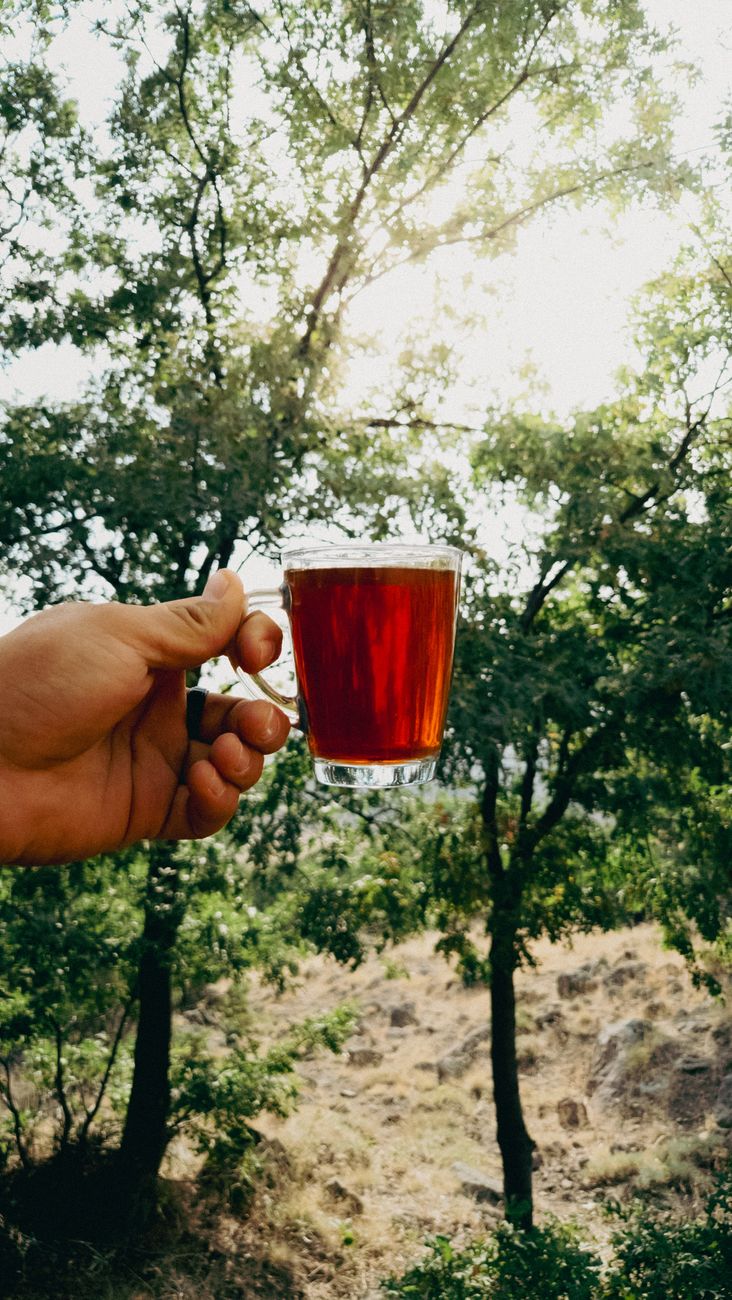
It’s a cup of tea in my hand as I look out over the garden, listening to music through my headphones. It’s the feel of warm wood beneath my chin as I play the violin. It’s admiring the neighbors’ gardens and noticing the subtle shifts as the seasons progress on my walks with Pixel. It’s spending Sunday afternoons in my own garden, pulling weeds and watching everything grow. And of course, dear reader, there are long, lazy Saturday mornings filled with cat snuggles.

Small daily or weekly rituals. Almost stolen moments that fill my days with joy.

Life, dear reader, is not always adventures. Sometimes escape consists of a journal entry or a thirty-minute yoga session. Other times, it’s a book and a cup of coffee on your porch. Lately, it has been a morning visit from a cardinal, courtesy of a bird feeder I recently installed outside my bedroom window to entertain my cats.

I have inadvertently taken up birdwatching.

I may or may not be trying to learn his song on my violin.

A girl needs hobbies, dear reader, and in my fast-approaching middle age, I have decided to go full-on eccentric. I shall soon be donning enormous hats and calling people darling. ’Tis a cruel fate, but I plan on embracing it.
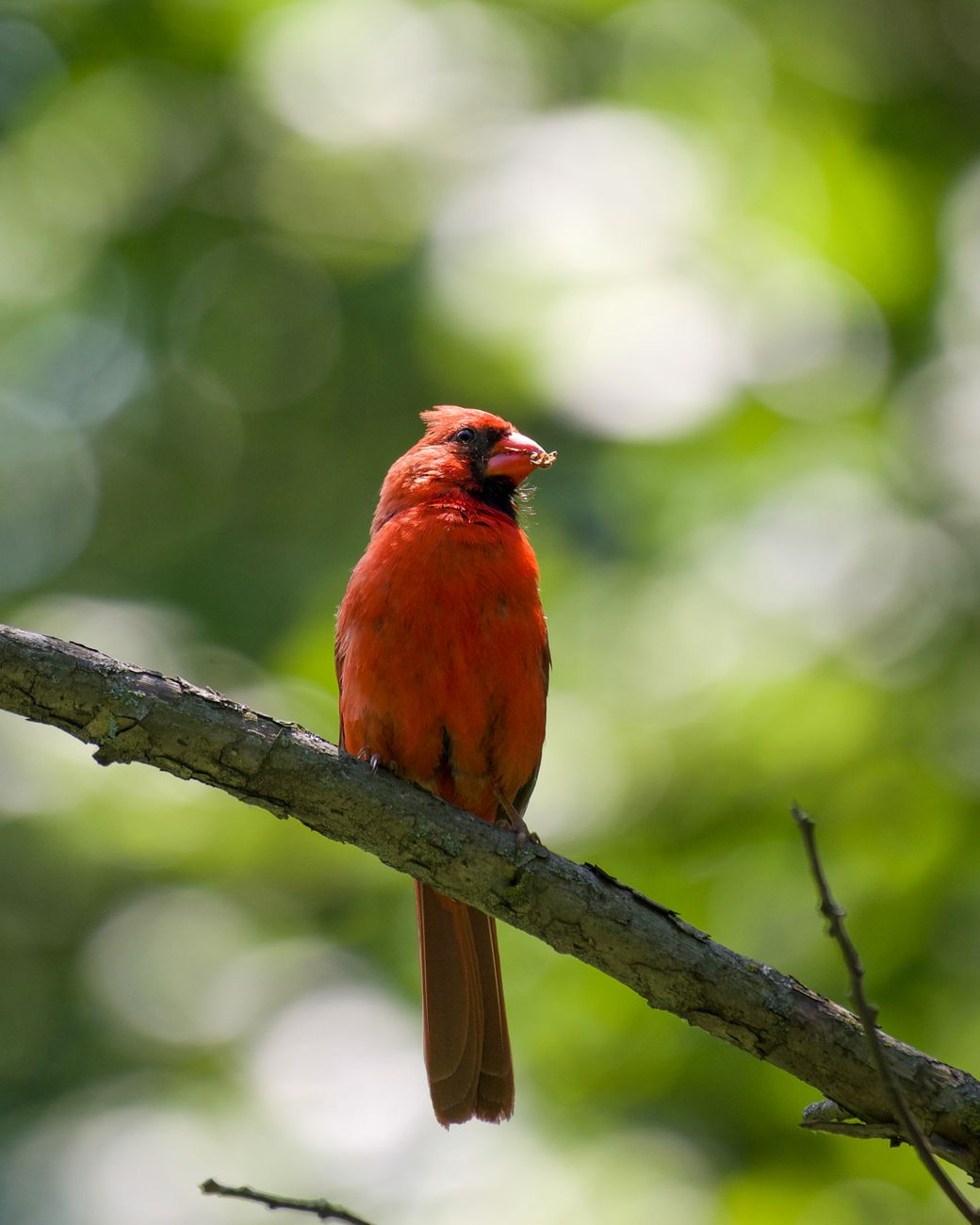
Photo by Andrew Patrick Photo on Pexels.com

But underneath all of these little eccentricities is something more important. Each of these habits fulfills a different need.

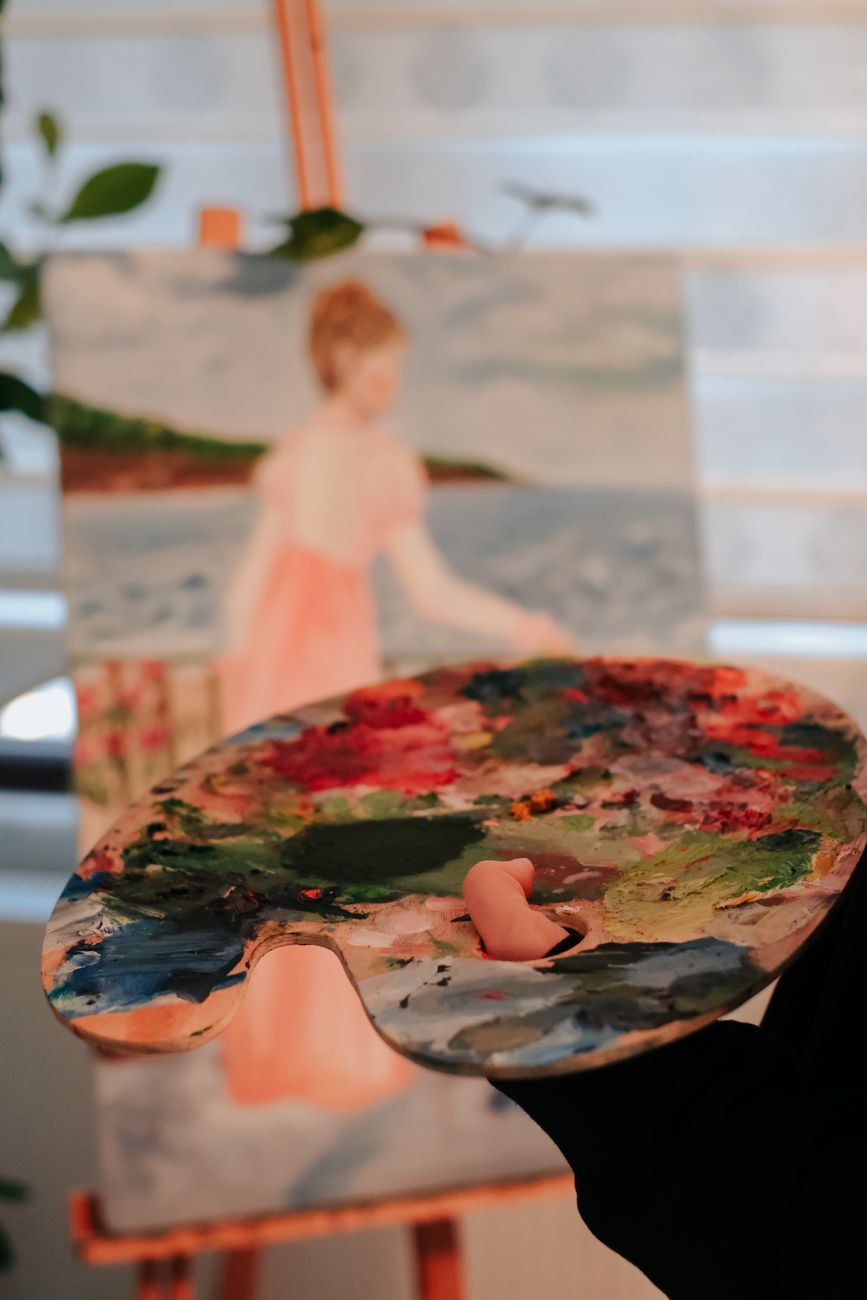
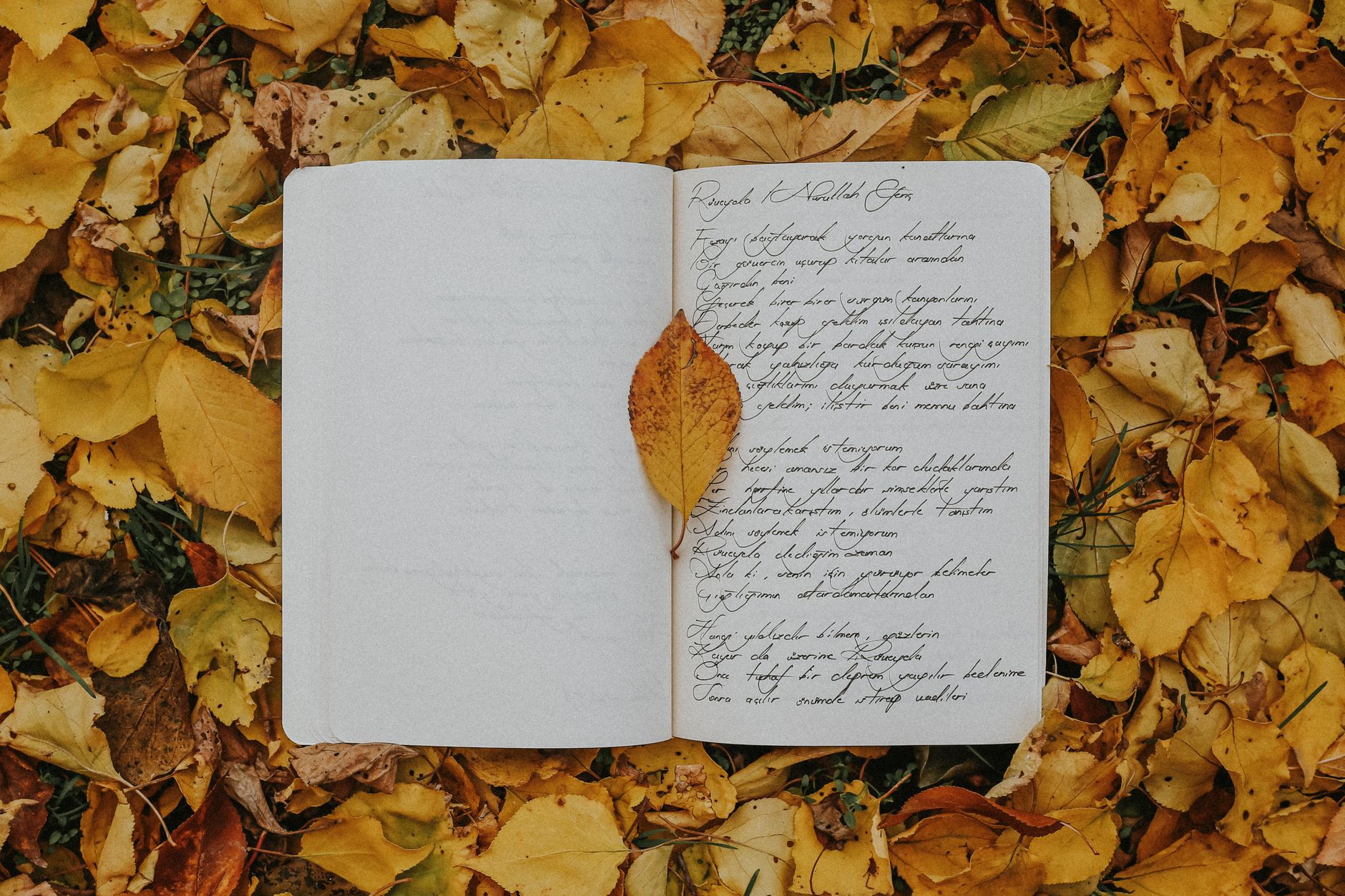
The violin and poetry fulfill my need to create. When I play music, I lose myself in the notes, sometimes reaching an almost meditative state where the sheet music ceases to be something I consciously process. My fingers simply know where to go. In poetry, I get to play with form, sound, rhythm, and the compression of ideas. I may spend hours contemplating a sonnet, drop a villanelle onto the page in a few minutes, and then follow it with free verse where I experiment with repetition, alliteration, rhyme, and half-rhyme.

On my walks and in my garden, I connect with nature. There is something grounding about putting my hands into the dirt, watching the seasons change, and noticing things that would otherwise pass unnoticed. And of course, there is Pixel, who seems to believe that every walk is an important expedition requiring his immediate participation.

A cup of tea or coffee gives me permission to stop. Sometimes I listen to music. Sometimes I simply sit and think. Sometimes I read or write in my journal. The ritual itself creates a small pause in the day, a moment to breathe before rushing into whatever comes next.
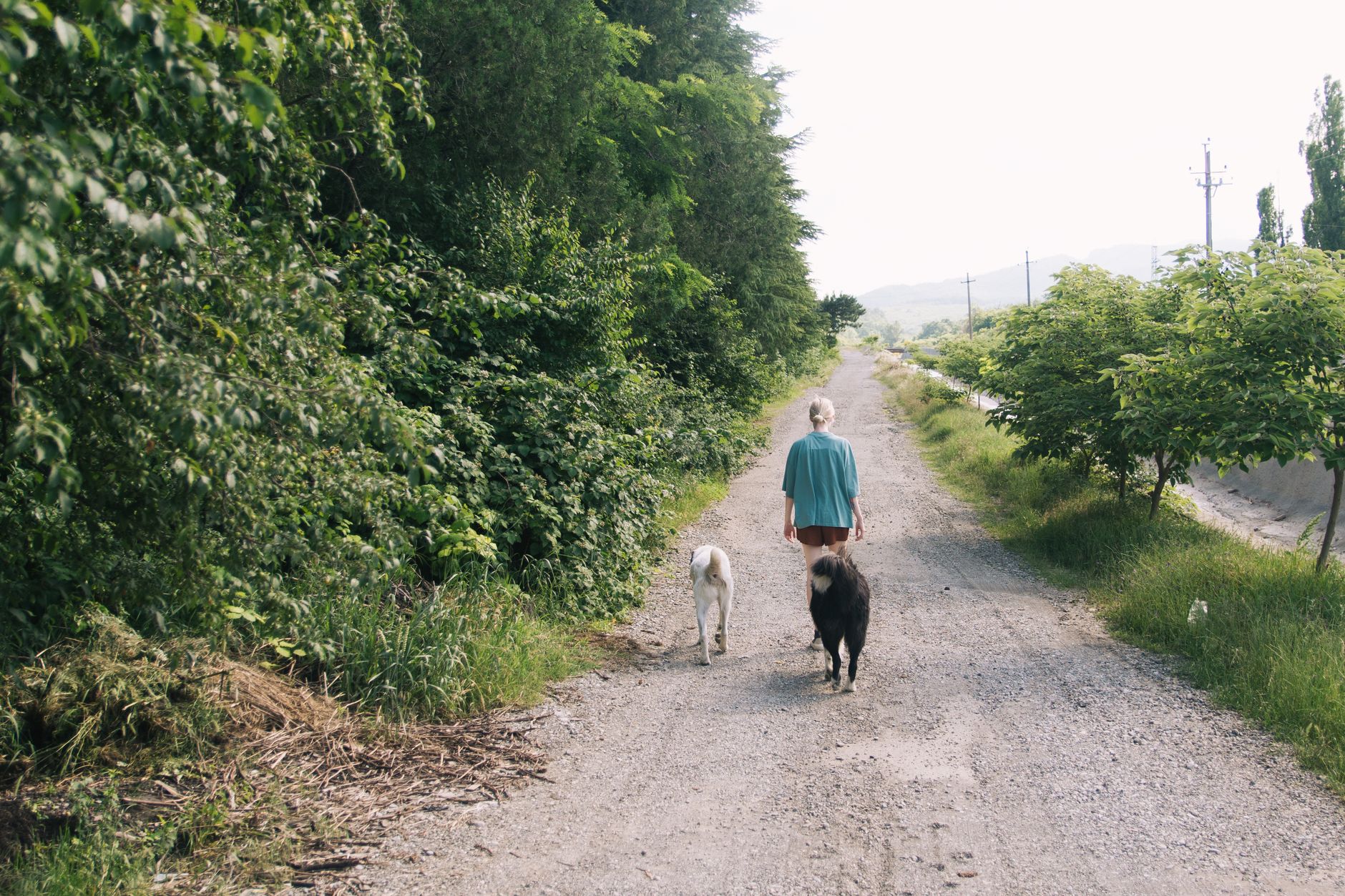
Photo by u0410u043bu0435u043au0441u0435u0439 u0412u0435u0447u0435u0440u0438u043d on Pexels.com

These things may seem insignificant.

They aren’t.

This blog is much more than Bucket List Adventures. It is also about building a Bucket List Life.

A Bucket List Life is not one where you are constantly chasing the next spectacular experience. It is a life where those spectacular experiences are woven into something that already feels meaningful. Travel can be wonderful, but if you need a two-week vacation every year simply to tolerate the other fifty weeks, perhaps the more interesting question is not “Where should I go next?” but “What is missing from the life I come home to?”

One way to begin answering that question is to look at the different areas of your life and consider whether they are receiving enough attention.

Some of you may recognize this concept from Dr. Bill Hettler’s Wellness Wheel, developed in the 1970s as a way of examining different dimensions of wellness. The model considers areas such as physical, social, occupational, intellectual, environmental, spiritual, financial, and emotional wellness. The premise is fairly simple: you can be doing wonderfully in several areas while struggling significantly in others.
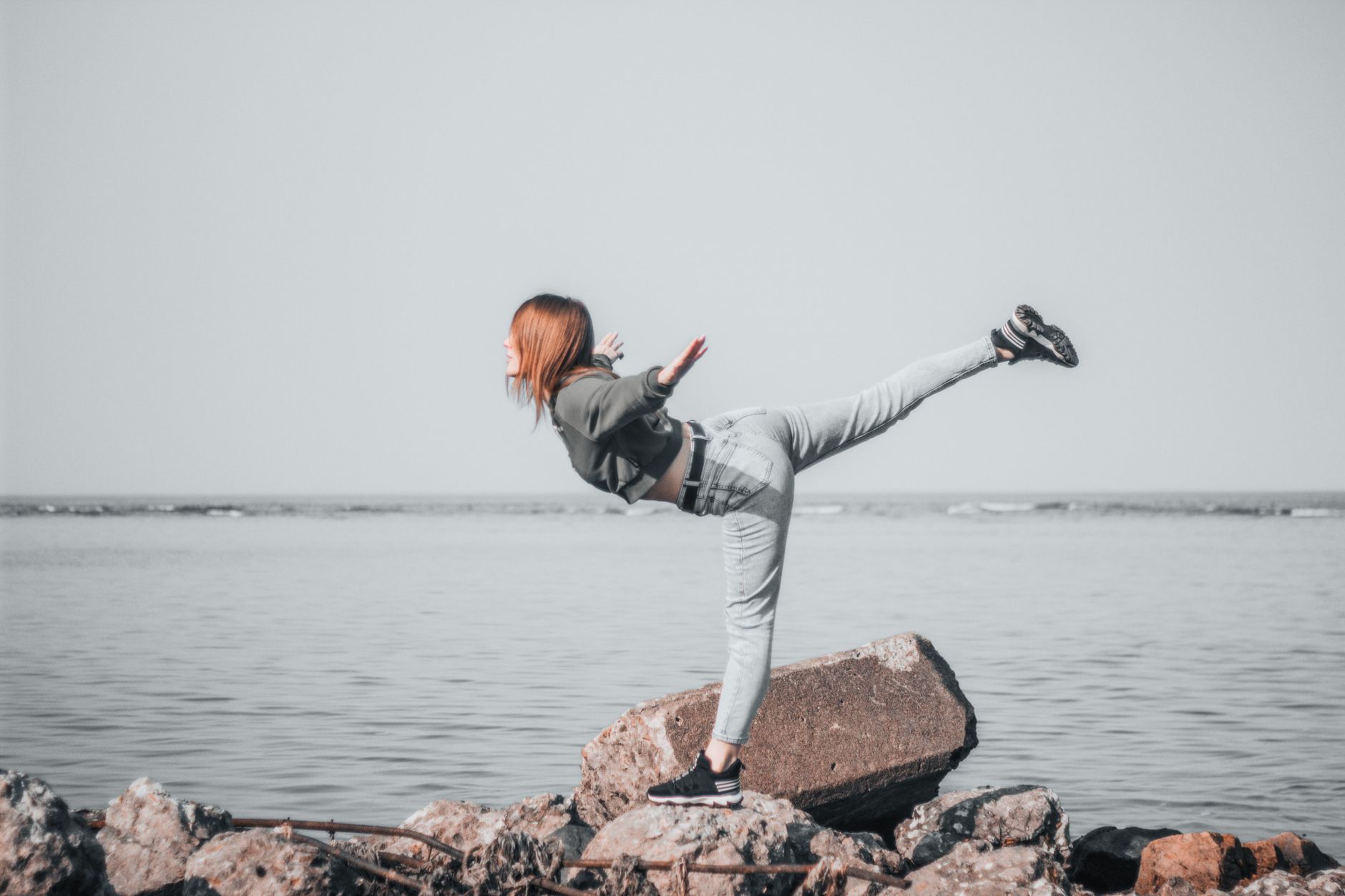
Photo by Sergey Ochkanov on Pexels.com

Travel might temporarily touch several of those areas. A trip could provide physical activity, social connection, intellectual stimulation, environmental novelty, and emotional rejuvenation all at once. But eventually you come home.

Your luggage gets unpacked.

The vacation photos get posted.

And Monday morning arrives.

The goal, then, isn’t to use travel to fill every empty space in your life. It is to build enough small sources of nourishment into your ordinary routine that you aren’t depending on the next vacation to make you feel alive.
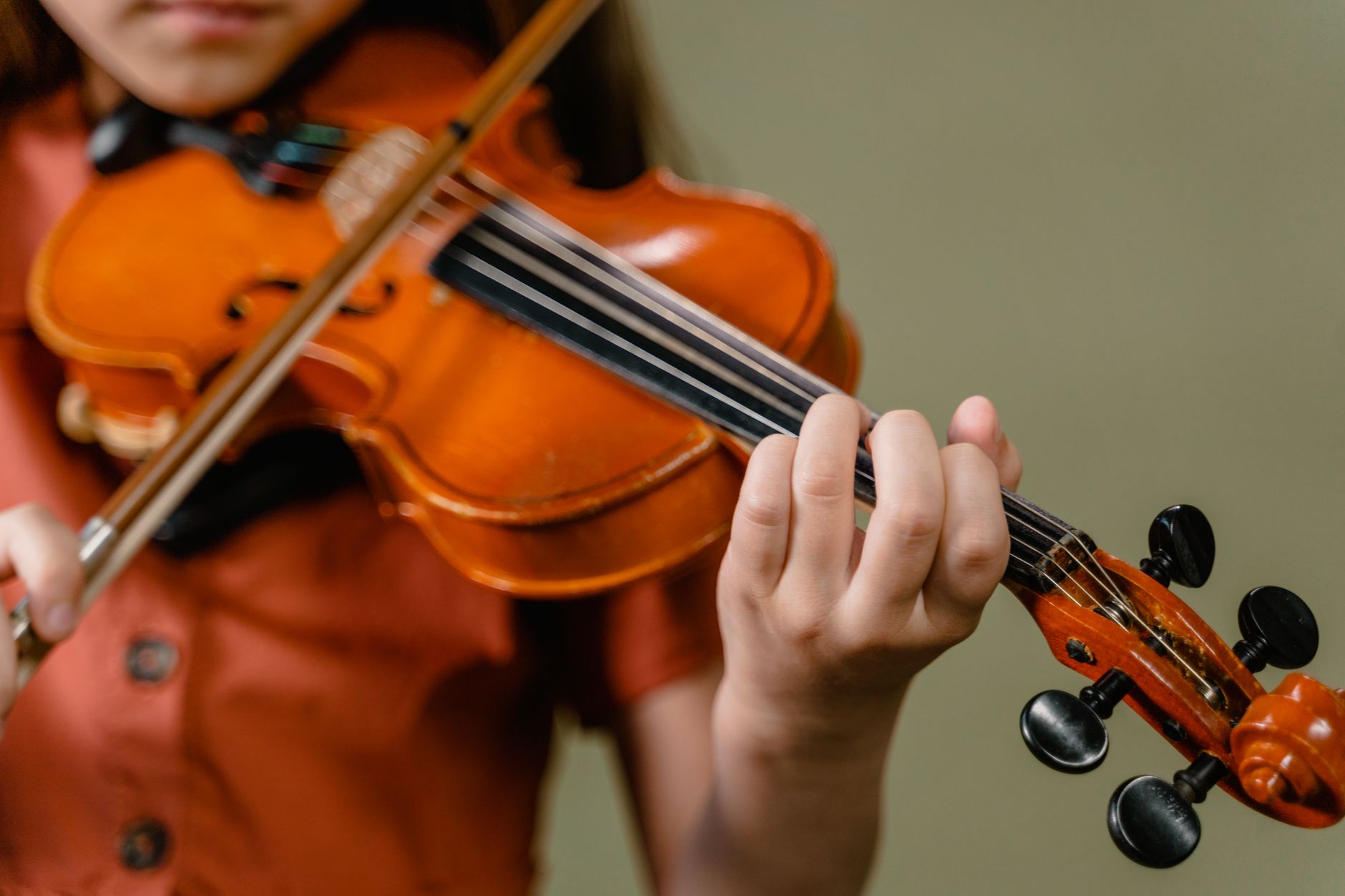
Photo by MART PRODUCTION on Pexels.com

For me, my violin and poetry provide intellectual and emotional stimulation. Tea and coffee, often accompanied by music, reading, or a devotional, give me opportunities for reflection and spiritual connection. Walking and gardening provide physical movement and environmental connection. My cats provide companionship. Friends and family fill another part of the picture entirely.

None of these things fills an entire category by itself. Nor do they need to.

They’re simply little threads woven into the larger fabric of my life.

And that’s an important distinction because wellness should not become another thing we feel obligated to optimize.

You do not need to maximize every category.

You don’t need a perfectly balanced Wellness Wheel.

You need to notice where you feel nourished and where you feel hungry.
Photo by Mike Jones on Pexels.com

Perhaps you look at your own life and realize that you’re getting plenty of intellectual stimulation from your career but almost no physical movement. Maybe your answer isn’t another vacation but a weekly hiking group, a dance class, gardening, yoga, or simply walking around your neighborhood after dinner.

Maybe you spend your entire day surrounded by people and realize that what you’re actually missing is solitude.

Maybe your work is deeply meaningful but you’re financially stressed.

Maybe you’re financially comfortable but have lost touch with creativity.

Maybe your social life is full but you haven’t spent any time alone with your own thoughts in months.

The point isn’t to judge yourself for what is missing. It’s to notice.

Then ask yourself what small, repeatable habit might help.

And make it something you actually want to do.

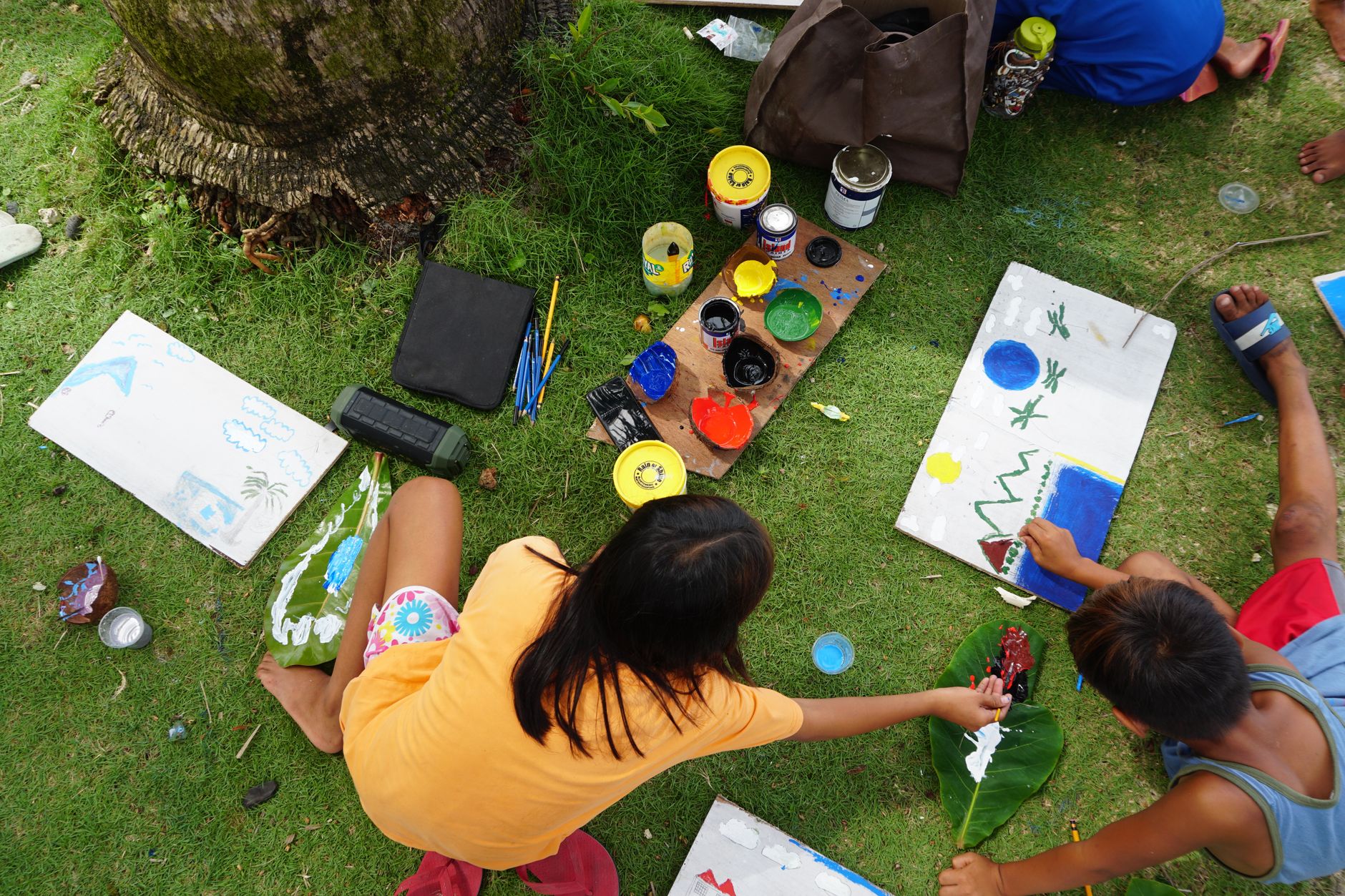
We don’t need to turn every empty space into a self-improvement project. If you’re deficient in intellectual stimulation, perhaps you don’t need to take an online course. Maybe you want to learn about birds. Maybe you want to read about astrophysics. Maybe you want to learn German, pick up a violin, study medieval history, or finally understand how that strange machine in the kitchen actually works. I’m currently studying the Drottkvaett form from Old Norse Court Poetry and seeing if I can’t apply it to modern English. It’s a lot harder than it sounds, but so much fun! 

If you’re lacking physical movement, you don’t necessarily need to join a gym. Maybe you want to garden. Maybe you want to walk around your neighborhood and admire everyone’s flowers. Maybe you want to take up dancing or sword fighting! 
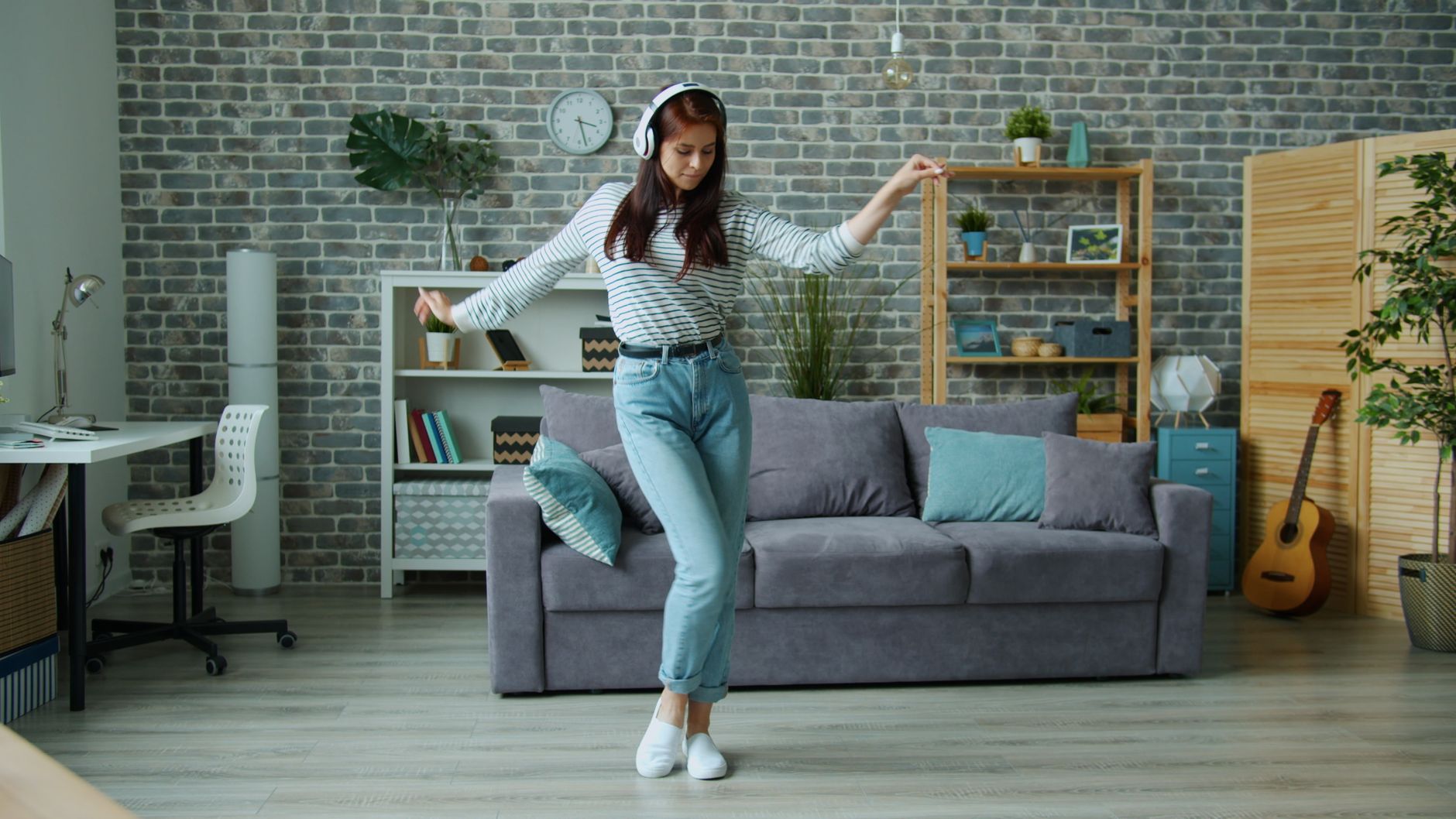
Photo by Vitaly Gariev on Pexels.com

The best habit is often the one you will actually keep because it brings you some measure of joy.

That, ultimately, is what I mean by building a Bucket List Life.

Keep the adventures.

Absolutely take the trip to Italy. Go see the concert. Try glassblowing. Wander through the strange old arcade. Eat the deep-dish pizza in Chicago when your flight gets delayed.

Put extraordinary things on your list.

But don’t save all of your living for those moments.

Build a life that contains little adventures on an ordinary Tuesday. Find things you look forward to on Sunday morning. Give yourself reasons to put down your phone, step outside, make something, learn something, call someone you love, or simply sit quietly with a cup of tea.

Because eventually, every bucket-list trip ends.

The airplane brings you home. The suitcase gets put away. The souvenirs find their places on the shelf.

And then there is Tuesday.

Make Tuesday a life worth coming home to.

Letting the World Spin Without You: JOMO

Dear reader, I think I have made it quite clear over the years that I am, for a myriad of reasons, simply not a sports person. I don’t typically watch or participate in many sports, nor do I have any particular inclination to change that. I have nothing against them, of course. Why should I advocate for depriving someone else of an activity that brings them joy?

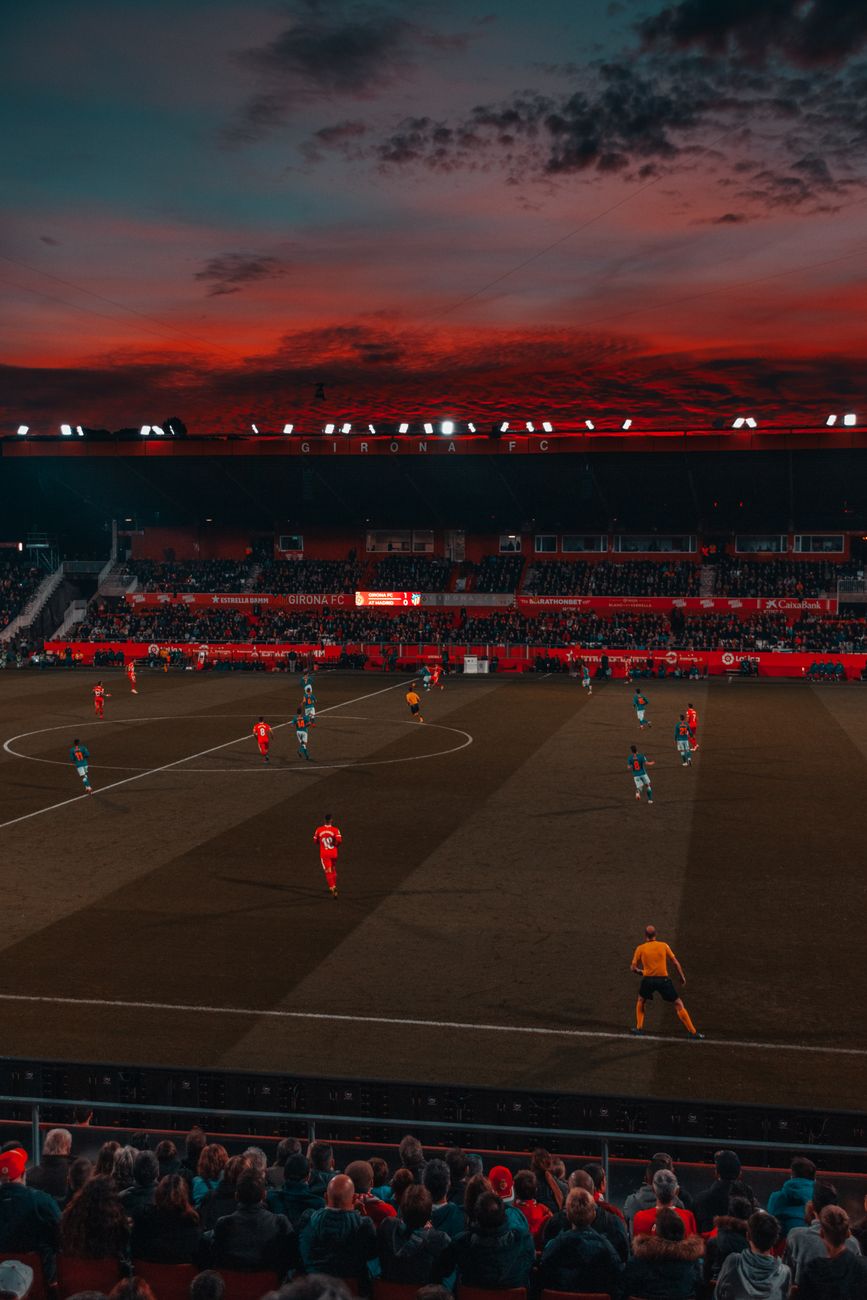
Yet over the past few weeks I found myself, quite unexpectedly, drawn into the orbit of soccer—or football, as nearly everyone outside the United States insists on calling it. (I’m beginning to suspect America simply enjoys being contrarian.)

The World Cup had arrived, and suddenly it seemed to be everywhere. Friends hosted watch parties. Restaurants filled with cheering fans. Social media overflowed with celebrations, dramatic finishes, and clips of supporters singing in unison. Perhaps it was because the tournament was being played on home soil, but even people I had never known to care much about soccer suddenly had passionate opinions about offsides, penalty kicks, and championship predictions.

Photo by Unknown User on Pexels.com

Watching all of this unfold, I experienced something surprisingly familiar.

The fear of missing out.

It wasn’t that I had suddenly developed a deep appreciation for the sport. I hadn’t. It was the feeling that everyone else was participating in a shared cultural moment while I stood quietly on the outside looking in.

Perhaps I should learn the rules.

Maybe I ought to watch a few matches.

Should I start reading about the teams so I can contribute to the conversation?

If you’ve ever felt that little tug, you know exactly what I’m talking about. FOMO has very little to do with the activity itself. More often, it stems from our deeply human desire to belong. We see everyone around us enjoying something together, and we begin to wonder whether we should be enjoying it too.

But somewhere along the way, I realized something.

I didn’t actually want to watch soccer.

What I wanted was the feeling of being included.

Those are not the same thing.

There is something wonderfully liberating about recognizing the difference.

Photo by Ali Karimiboroujeni on Pexels.com

In recent years people have begun talking about JOMO—the Joy of Missing Out. Rather than anxiously trying to participate in every trend, every event, every conversation, JOMO invites us to make peace with the opportunities we choose not to pursue.

Not everything has to become our hobby.

Not every cultural phenomenon needs our attention.

Not every invitation must be accepted.

Every “yes” we give something is also a “no” to something else. Our time and attention are finite, and spending them intentionally is one of the greatest gifts we can give ourselves.

For me, that meant happily scrolling past match highlights while smiling at the unmistakable enthusiasm of Dutch fans dancing in brilliant seas of orange. Their joy was contagious, even if their pastime wasn’t. I could appreciate their excitement without feeling compelled to make it my own.

Perhaps that is the real lesson.

We do not need to borrow someone else’s passions in order to live a meaningful life. We simply need to cultivate our own.

So the next time the entire world seems to be rushing toward the newest trend, the latest series, the biggest sporting event, or whatever everyone insists you simply must experience, remember this:

It is perfectly acceptable to let other people have their joy while you quietly pursue your own.

Sometimes the greatest peace comes not from doing more, but from realizing there was never any need to join the crowd in the first place.

Photo by Tobias Bju00f8rkli on Pexels.com

Keep the Thing You Love Useless

Dear readers, I have been in the midst of an ADHD hyperfixation.

Poetry.

For the past three months, I have been utterly consumed—writing forty-plus poems in three months, which even I have to admit is a slightly absurd amount of poetry

Now, I shalln’t subject you to the entirety of the collection. However, I have shared a few with friends and family, who have begun to gently (and not so gently) encourage me to seek publication. After all, it seems such a shame that such a collection should simply languish on my desktop.

Suddenly, a list of journals sits before me, complete with deadlines looming and pressure quietly building. Some even come with significant cash prizes if the poems are selected.

Photo by Hatice Baran on Pexels.com

Isn’t that just the way of hobbies?

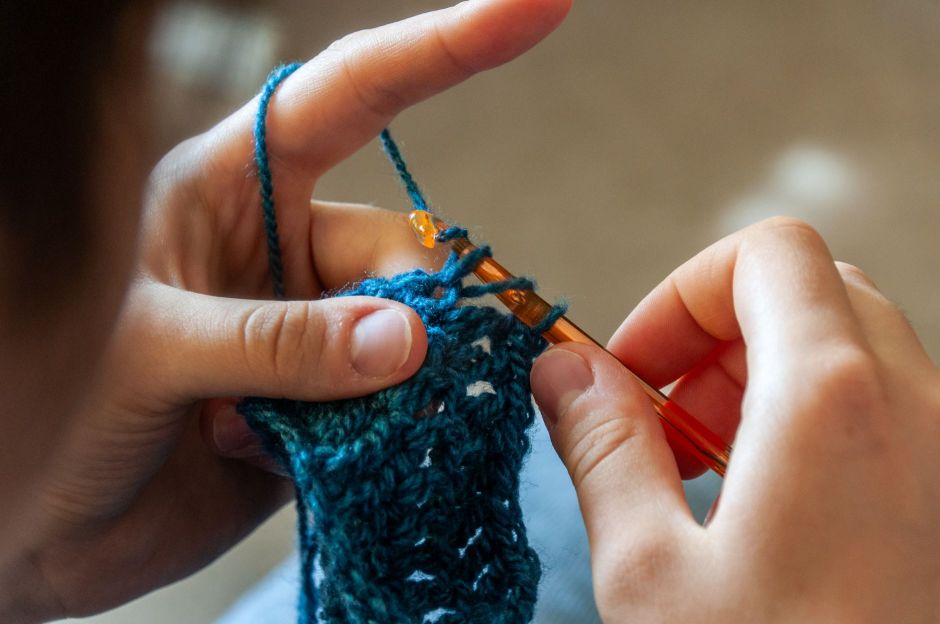
The crocheter is asked when she’s opening an Etsy shop. The painter is asked if they’ve considered the local gallery. The yoga enthusiast is told they should teach. The baker is suddenly “volunteered” for every birthday cake in a five-mile radius. And the poet, inevitably, is encouraged to submit to journals.

And it sounds reasonable, doesn’t it?

We are constantly told to pursue our passions. To follow what we love. To “do what you love and you’ll never work a day in your life.” A beautiful idea. And also… a slightly suspicious one. Because somewhere along the way, we stopped asking whether turning everything we love into something productive might quietly change the thing itself.

There was once an experiment with children who loved to draw. They were divided into groups—one received an external reward for drawing, the other did not.

The result was surprisingly consistent: the group that drew without reward maintained their interest. The group that drew for the reward lost motivation over time. And the group that received an unexpected reward? They also maintained their enjoyment.

In other words: motivation thrives not on chasing reward, but on the absence of needing one. We are most creatively alive when we are not negotiating with outcomes.

Photo by Cort Landt on Pexels.com

Another study, this time with adults, found something equally odd. One group completed a deliberately dull task before being asked to solve creative problems. The group that had just done the “boring” task actually produced more creative solutions.

Which is funny, because some of my best poetry has never arrived at a desk. It arrives while driving. While walking. While weeding the garden or cleaning something I definitely didn’t want to clean. It arrives when the conscious mind is occupied just enough to step aside.

But that kind of mental spaciousness is hard to come by when every hour is accounted for, optimized, monetized, or squeezed into productivity. And that’s where hobbies quietly begin to change shape. Because turning a hobby into a side hustle sounds empowering—until it isn’t.

At first, it’s just sharing something you love. Then it becomes selling something you love. Then it becomes needing to sell something you love. Then it becomes needing to make something people will buy. And slowly, almost imperceptibly, the question shifts from: “What do I want to make?” to “What will perform well?” The hobby is still there. But the play is not. And without play, something essential quietly drains out of the work. Not always immediately. Not dramatically. But steadily—like a color fading from fabric left in too much sun.

Photo by SHVETS production on Pexels.com

The uncomfortable truth is that most side hustles do not pay nearly as much as we imagine they will. Often, the return is small compared to the time invested. Sometimes it amounts to a few dollars an hour—or less—once everything is accounted for.

Which would be fine, if the primary goal was joy. But when the goal becomes income, validation, or traction… the relationship changes. We stop being in conversation with the thing we love. And start being evaluated by it. And I think that is the part we rarely say out loud: Not everything we love is meant to be optimized. Not everything we create is meant to scale. And not everything beautiful needs to become a business plan.

Sometimes the point is simply that it exists at all. Sometimes the point is that it made you feel alive while you were making it. And perhaps the real danger is not that we fail to monetize our passions… But that we succeed in doing so, and lose the ability to enjoy them without permission. So for now, I remain in my poetry hyperfixation. Not as a product. Not as a strategy. Just as a person who has been, for a while, deeply interested in making things that do not need to become anything else.

Oh do not get me wrong, dear reader, I will submit things to journals here and there, but not for any other reason than to put them out into the world. But mostly, I shall continue to focus on having fun.

Photo by betu00fcl nur akyu00fcrek on Pexels.com

The Day My Phone Saved Me From Buying Another Purse

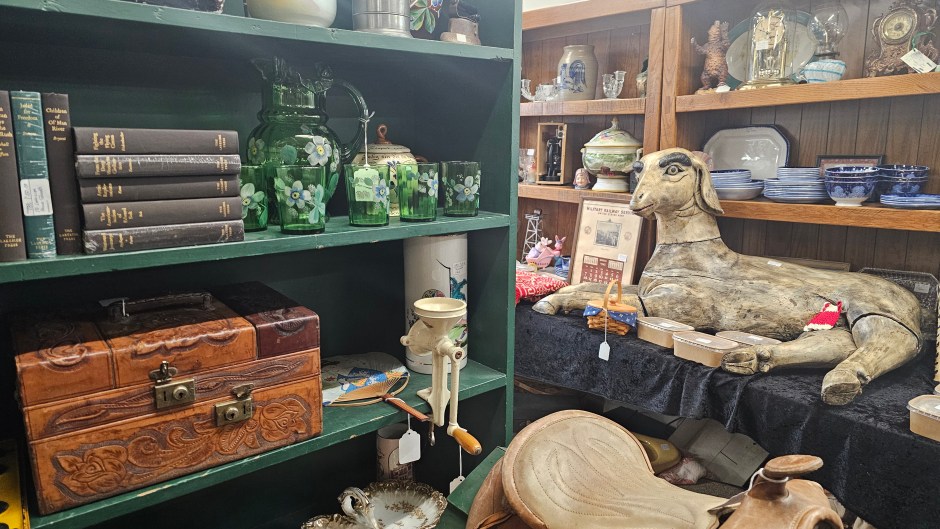
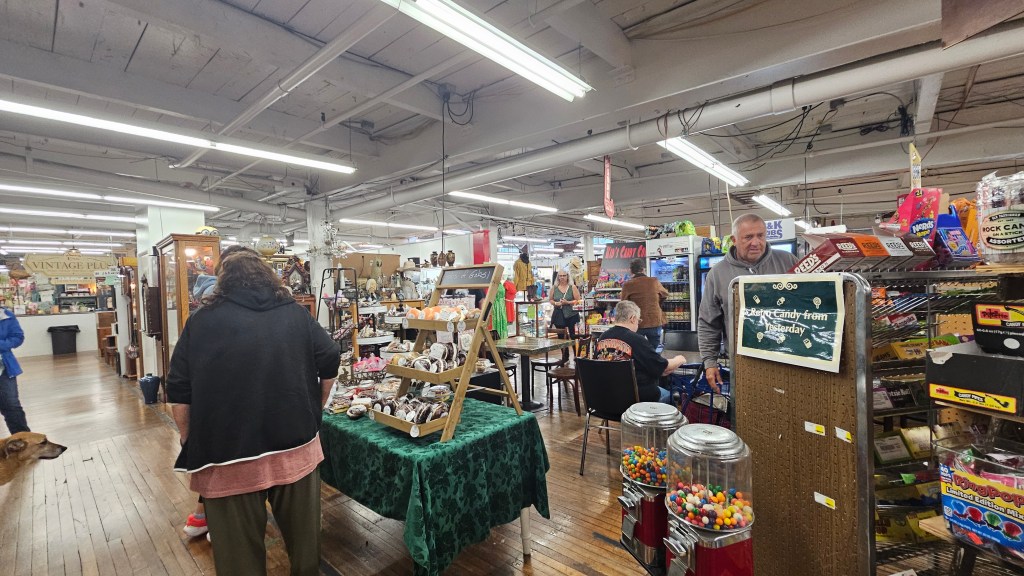
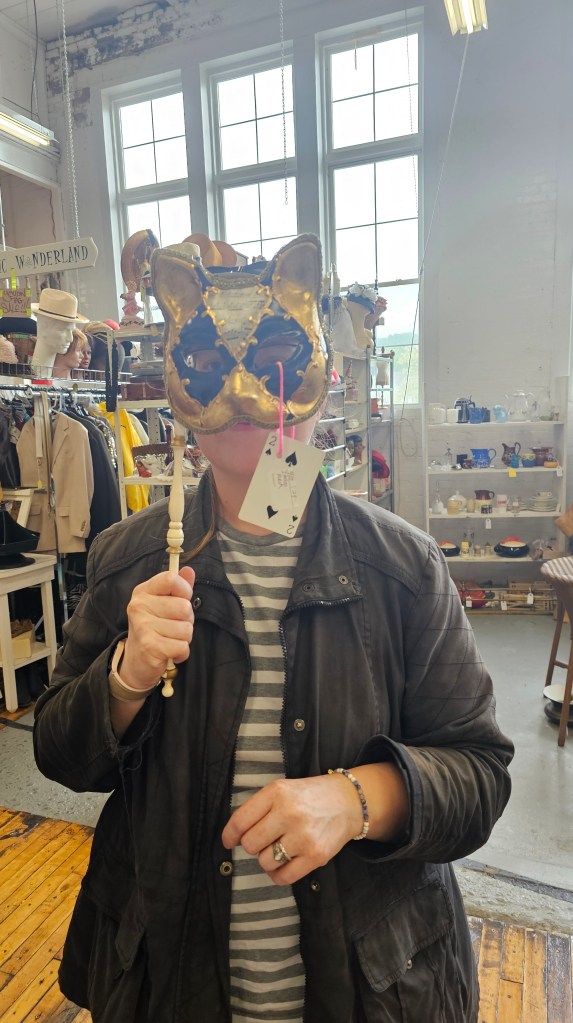
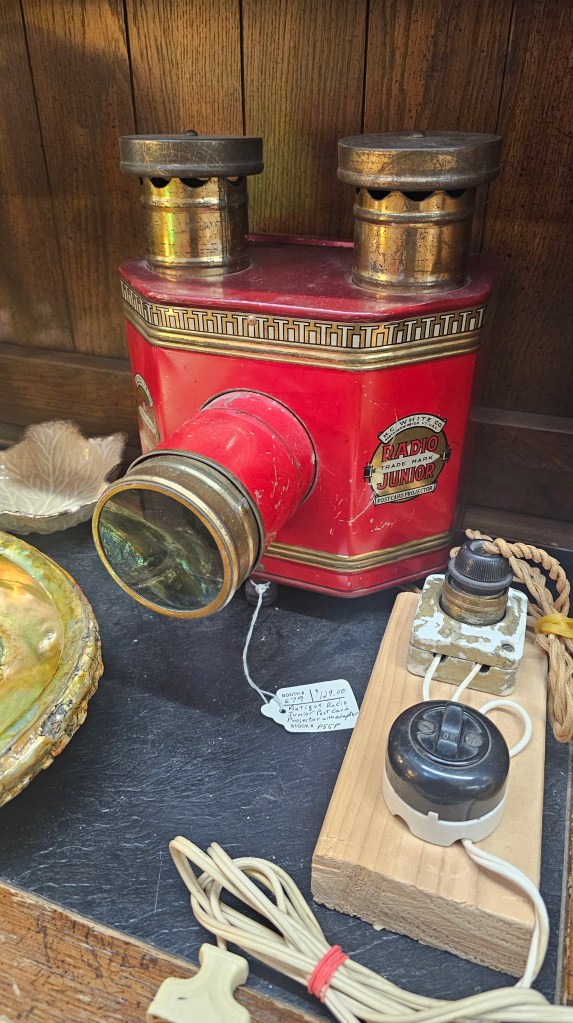
The other weekend, on a rainy afternoon, my sister and I ventured into a massive indoor antique store housed in an old warehouse. Two stories of treasures stacked on top of each other unfolded into a sprawling maze of booths, each one as varied as the colors of the rainbow.

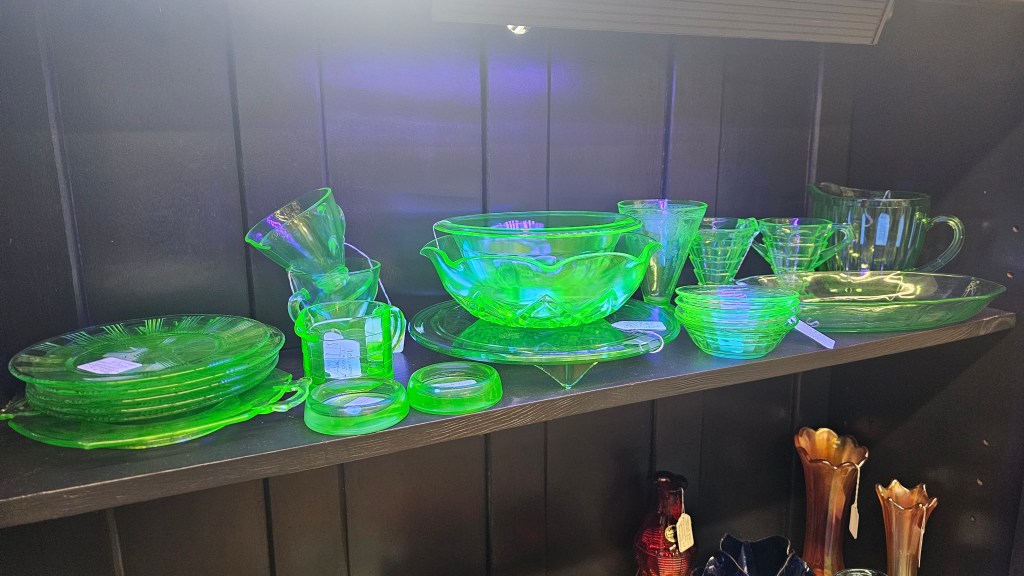
Old uranium glassware sat beside vintage clothing. A now-derelict gas pump stood comfortably next to forgotten household tools. It was a hodge-podge of decades and even centuries, all jumbled together in a kind of quiet, chaotic harmony. A cacophony of objects, each with its own story, none of them particularly concerned with being organized by time period.

We happily set off on a kind of treasure hunt, letting whatever caught our eye guide us. There is something uniquely joyful about wandering without purpose except curiosity, being delighted by strange finds and pausing often to compare notes.

Being both history nerds, we took turns educating one another, filling in the gaps of each other’s knowledge as we went. “Oh, that’s a…” inevitably became the start of several long conversations that may or may not have been entirely accurate but were delivered with great confidence nonetheless.

What makes antique stores so uniquely fun is that unlike museums, where objects are carefully preserved behind glass with a strict “do not touch” policy, here you are invited to engage directly. You can pick things up. Turn them over in your hands. Imagine not just where they came from, but what it would feel like to let them live in your space now. History becomes something you can hold, not just observe.

My sister and I have many fond memories of antiquing with our mother when we were younger, learning about objects we didn’t yet have the language to name, and giggling over cultural relics that felt ancient at the time but are now beginning to resemble our own childhood.

There is always a slightly unsettling moment, of course, when you realize something from your own past has made its way into an antique store. Yes, I am approaching forty, but are we really prepared to call the Tamagotchi “historical artefact” rather than simply “vintage nostalgia with battery anxiety”? Time, it turns out, is a bit unkind that way.

But that is part of the charm. Antique stores collapse time in on itself. What was once ordinary becomes curious again. What was once discarded becomes interesting. And what was once personal history becomes someone else’s discovery.

It turns out you don’t always need a destination to have an adventure. Sometimes you just need a rainy afternoon, a large warehouse full of forgotten things, and someone beside you willing to say, “Wait, come look at this.”

My sister, in her own successful treasure hunt, found a brass penguin, her husband’s favorite animal, which will now take up residence in her living room as a small but very specific piece of joy.

I, on the other hand, left empty-handed in the most literal sense. Well… almost.

There was an adorable purse shaped like a magazine that I briefly considered adopting. Unfortunately, it failed the most important test of all: it would not fit my phone. And if a purse cannot carry the one object I am legally required to bring everywhere, then it is more sculpture than accessory.

Honestly, my phone has probably saved me more money on impulsive purse purchases than any amount of self-control ever could. Perhaps it has already paid for itself in avoided financial mistakes alone.

And yet, even without a purchase, I did not leave empty. Because sometimes the point is not what you bring home. It is what you notice along the way.

How can you experience the thrill of the hunt?

If you ever find yourself with a rainy afternoon and a bit of curiosity, I would encourage you to go on your own treasure hunt. You never quite know what you will find when you let yourself wander without expectation. What’s wonderful is that antique stores litter the US so you’re almost certain to live nearby one. Of course, you will be hard pressed to beat Adamstown, the Antique Capital of the United States (located conveniently in my backyard), but don’t let that discourage your treasure hunt! 

If you do it right, you might even come home with something unexpected. Maybe a story. Maybe an object. Maybe both. Or, if you are my sister, a brass penguin that now lives quite happily on a living room shelf, quietly reflecting on the meaning of life but never sharing. 

Either way, the hunt is the point. 

Miles from home: 45 miles

Cost: Free (well gas is getting expensive)

Completed: First in childhood

Want to discover more adventures? Check out my whole Bucket List and Reverse Bucket List