
Make Tuesday a Life Worth Coming Home To

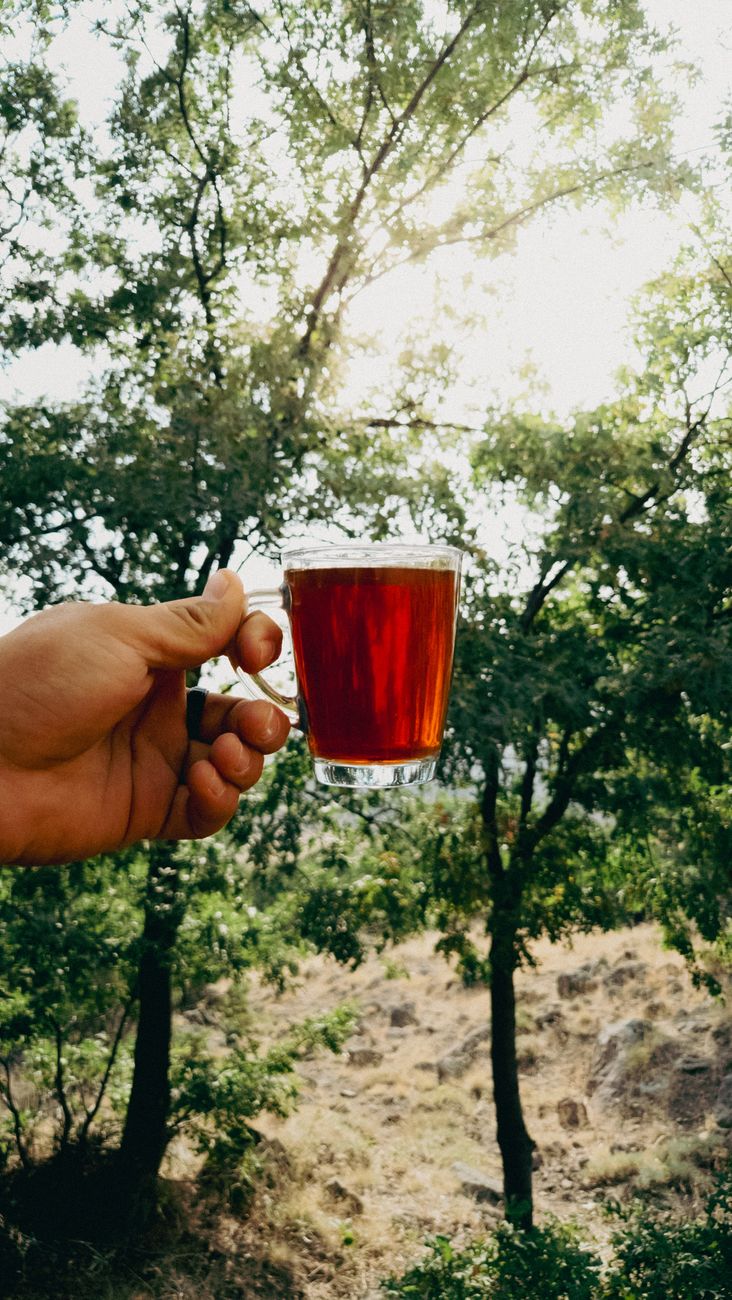
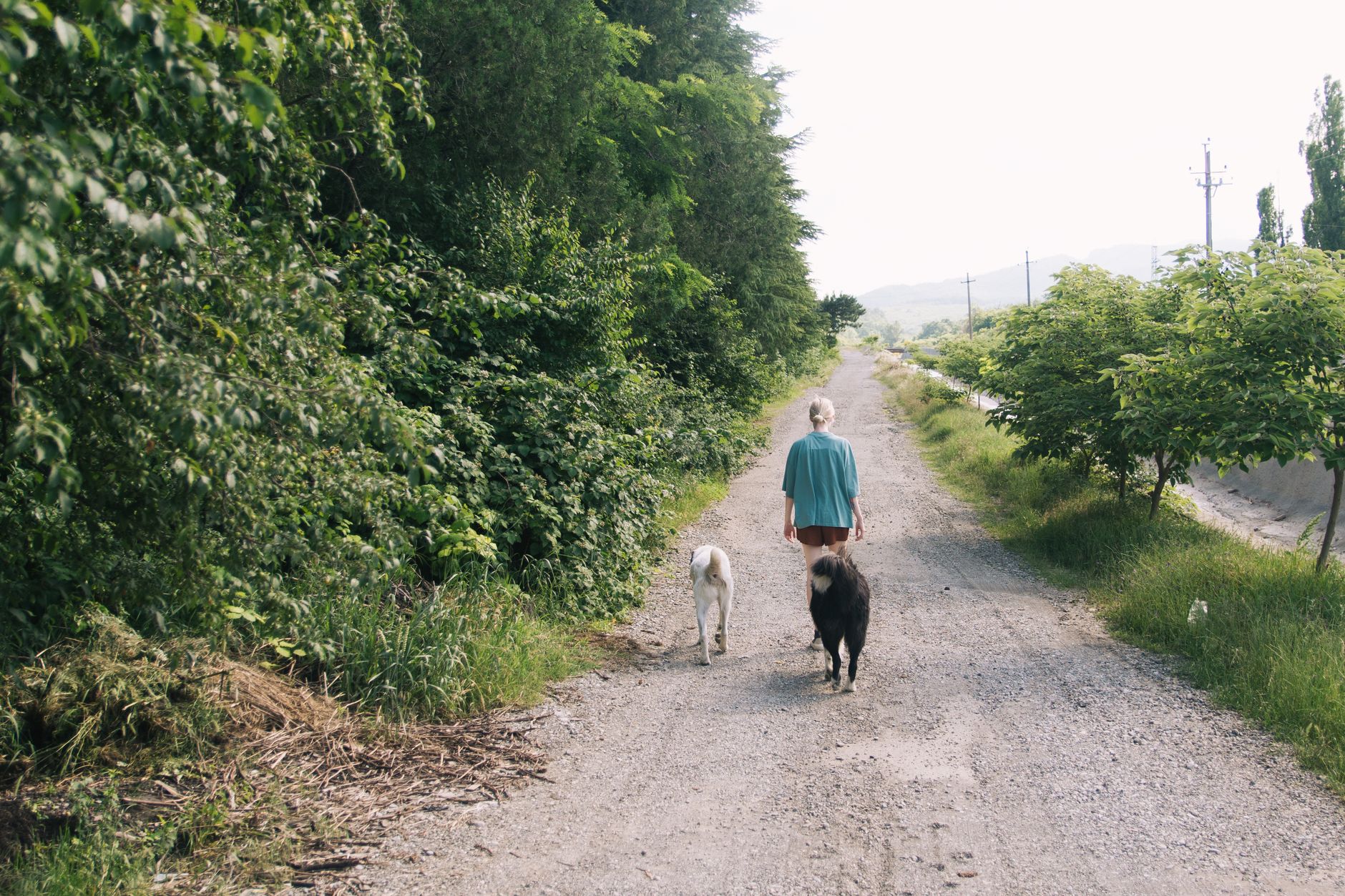
It’s a cup of tea in my hand as I look out over the garden, listening to music through my headphones. It’s the feel of warm wood beneath my chin as I play the violin. It’s admiring the neighbors’ gardens and noticing the subtle shifts as the seasons progress on my walks with Pixel. It’s spending Sunday afternoons in my own garden, pulling weeds and watching everything grow. And of course, dear reader, there are long, lazy Saturday mornings filled with cat snuggles.

Small daily or weekly rituals. Almost stolen moments that fill my days with joy.

Life, dear reader, is not always adventures. Sometimes escape consists of a journal entry or a thirty-minute yoga session. Other times, it’s a book and a cup of coffee on your porch. Lately, it has been a morning visit from a cardinal, courtesy of a bird feeder I recently installed outside my bedroom window to entertain my cats.

I have inadvertently taken up birdwatching.

I may or may not be trying to learn his song on my violin.

A girl needs hobbies, dear reader, and in my fast-approaching middle age, I have decided to go full-on eccentric. I shall soon be donning enormous hats and calling people darling. ’Tis a cruel fate, but I plan on embracing it.

Photo by Andrew Patrick Photo on Pexels.com

But underneath all of these little eccentricities is something more important. Each of these habits fulfills a different need.

The violin and poetry fulfill my need to create. When I play music, I lose myself in the notes, sometimes reaching an almost meditative state where the sheet music ceases to be something I consciously process. My fingers simply know where to go. In poetry, I get to play with form, sound, rhythm, and the compression of ideas. I may spend hours contemplating a sonnet, drop a villanelle onto the page in a few minutes, and then follow it with free verse where I experiment with repetition, alliteration, rhyme, and half-rhyme.

On my walks and in my garden, I connect with nature. There is something grounding about putting my hands into the dirt, watching the seasons change, and noticing things that would otherwise pass unnoticed. And of course, there is Pixel, who seems to believe that every walk is an important expedition requiring his immediate participation.

A cup of tea or coffee gives me permission to stop. Sometimes I listen to music. Sometimes I simply sit and think. Sometimes I read or write in my journal. The ritual itself creates a small pause in the day, a moment to breathe before rushing into whatever comes next.

Photo by u0410u043bu0435u043au0441u0435u0439 u0412u0435u0447u0435u0440u0438u043d on Pexels.com

These things may seem insignificant.

They aren’t.

This blog is much more than Bucket List Adventures. It is also about building a Bucket List Life.

A Bucket List Life is not one where you are constantly chasing the next spectacular experience. It is a life where those spectacular experiences are woven into something that already feels meaningful. Travel can be wonderful, but if you need a two-week vacation every year simply to tolerate the other fifty weeks, perhaps the more interesting question is not “Where should I go next?” but “What is missing from the life I come home to?”
One way to begin answering that question is to look at the different areas of your life and consider whether they are receiving enough attention.

Some of you may recognize this concept from Dr. Bill Hettler’s Wellness Wheel, developed in the 1970s as a way of examining different dimensions of wellness. The model considers areas such as physical, social, occupational, intellectual, environmental, spiritual, financial, and emotional wellness. The premise is fairly simple: you can be doing wonderfully in several areas while struggling significantly in others.

Photo by Sergey Ochkanov on Pexels.com

Travel might temporarily touch several of those areas. A trip could provide physical activity, social connection, intellectual stimulation, environmental novelty, and emotional rejuvenation all at once. But eventually you come home.

Your luggage gets unpacked.

The vacation photos get posted.

And Monday morning arrives.

The goal, then, isn’t to use travel to fill every empty space in your life. It is to build enough small sources of nourishment into your ordinary routine that you aren’t depending on the next vacation to make you feel alive.

Photo by MART PRODUCTION on Pexels.com

For me, my violin and poetry provide intellectual and emotional stimulation. Tea and coffee, often accompanied by music, reading, or a devotional, give me opportunities for reflection and spiritual connection. Walking and gardening provide physical movement and environmental connection. My cats provide companionship. Friends and family fill another part of the picture entirely.

None of these things fills an entire category by itself. Nor do they need to.

They’re simply little threads woven into the larger fabric of my life.

And that’s an important distinction because wellness should not become another thing we feel obligated to optimize.

You do not need to maximize every category.

You don’t need a perfectly balanced Wellness Wheel.

You need to notice where you feel nourished and where you feel hungry.

Photo by Mike Jones on Pexels.com

Perhaps you look at your own life and realize that you’re getting plenty of intellectual stimulation from your career but almost no physical movement. Maybe your answer isn’t another vacation but a weekly hiking group, a dance class, gardening, yoga, or simply walking around your neighborhood after dinner.

Maybe you spend your entire day surrounded by people and realize that what you’re actually missing is solitude.

Maybe your work is deeply meaningful but you’re financially stressed.

Maybe you’re financially comfortable but have lost touch with creativity.

Maybe your social life is full but you haven’t spent any time alone with your own thoughts in months.

The point isn’t to judge yourself for what is missing. It’s to notice.

Then ask yourself what small, repeatable habit might help.

And make it something you actually want to do.

We don’t need to turn every empty space into a self-improvement project. If you’re deficient in intellectual stimulation, perhaps you don’t need to take an online course. Maybe you want to learn about birds. Maybe you want to read about astrophysics. Maybe you want to learn German, pick up a violin, study medieval history, or finally understand how that strange machine in the kitchen actually works. I’m currently studying the Drottkvaett form from Old Norse Court Poetry and seeing if I can’t apply it to modern English. It’s a lot harder than it sounds, but so much fun! 

If you’re lacking physical movement, you don’t necessarily need to join a gym. Maybe you want to garden. Maybe you want to walk around your neighborhood and admire everyone’s flowers. Maybe you want to take up dancing or sword fighting! 

Photo by Vitaly Gariev on Pexels.com

The best habit is often the one you will actually keep because it brings you some measure of joy.

That, ultimately, is what I mean by building a Bucket List Life.

Keep the adventures.

Absolutely take the trip to Italy. Go see the concert. Try glassblowing. Wander through the strange old arcade. Eat the deep-dish pizza in Chicago when your flight gets delayed.

Put extraordinary things on your list.

But don’t save all of your living for those moments.

Build a life that contains little adventures on an ordinary Tuesday. Find things you look forward to on Sunday morning. Give yourself reasons to put down your phone, step outside, make something, learn something, call someone you love, or simply sit quietly with a cup of tea.

Because eventually, every bucket-list trip ends.

The airplane brings you home. The suitcase gets put away. The souvenirs find their places on the shelf.

And then there is Tuesday.

Make Tuesday a life worth coming home to.

One Big Inside Joke: An Evening with Weird Al in Hershey, Pennsylvania

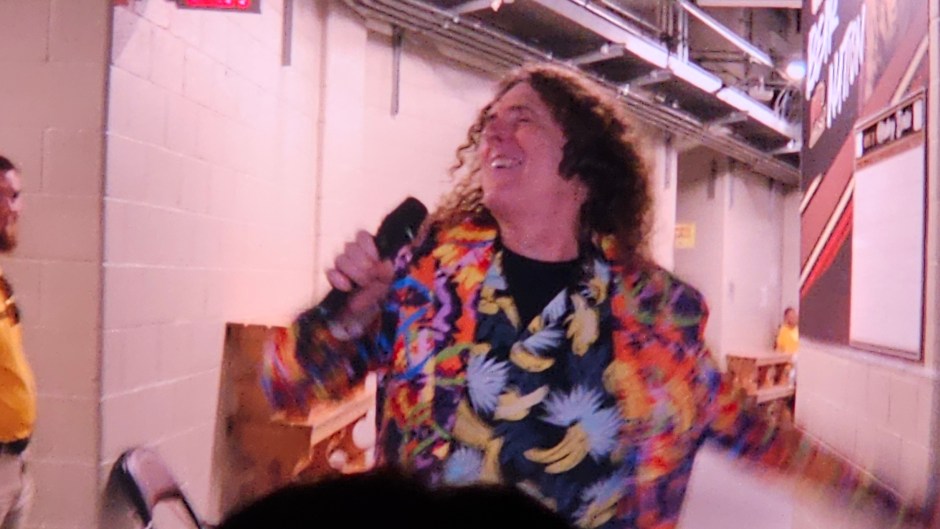
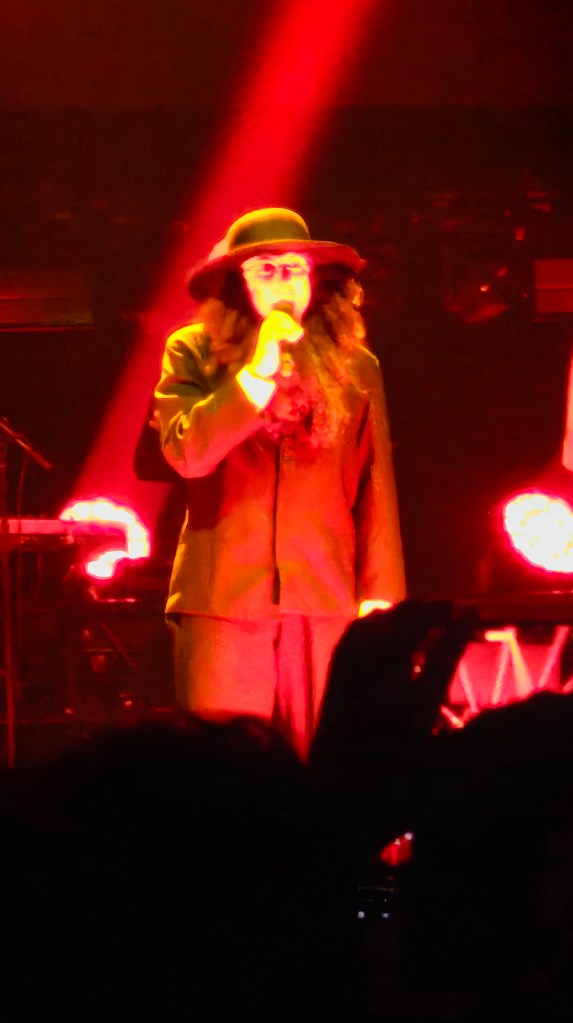
The entire stadium buzzed with barely contained energy that only seemed to grow with each passing moment, like an electric current caught in a positive feedback loop. On the giant screen, a figure danced and sang through the backstage corridors, weaving ever closer to the arena. At first everyone’s attention remained fixed on the video. Then, almost imperceptibly, a ripple spread through the crowd as people realized they had been looking in the wrong direction. Heads began to turn one by one until the entire stadium pivoted toward the aisle behind us.

Then he appeared.

The stadium erupted.

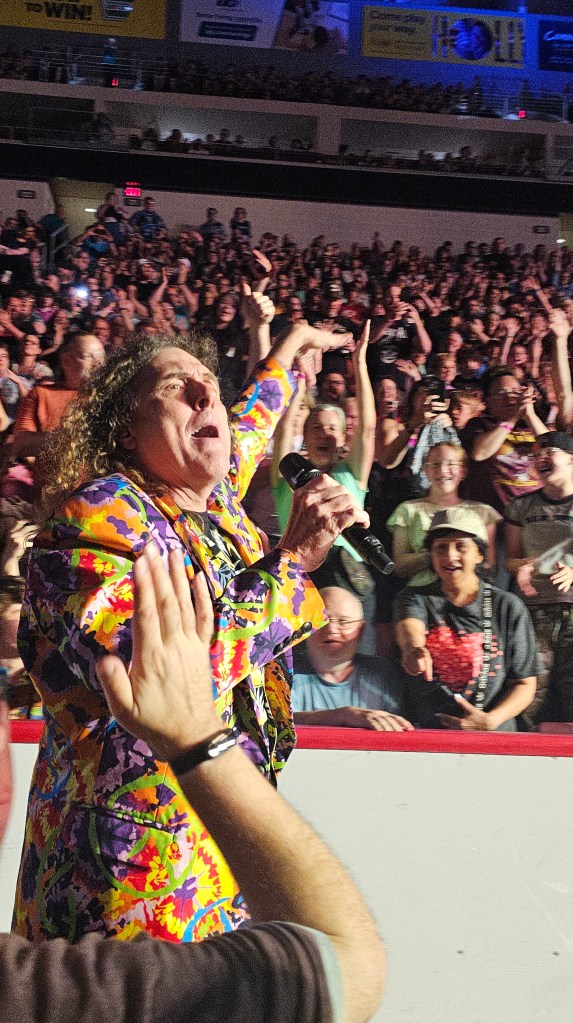
Cheers crashed over us like a tidal wave. People leapt to their feet, phones shot into the air, and for a few glorious moments it was impossible to hear anything except the roar of thousands of delighted fans. It just so happened that I was sitting directly beside the path he took to the stage. I really must remember to thank my sister’s father-in-law for buying those tickets. They may not have been the best seats in the house for watching the entire concert, but they were certainly among the best seats in the house for one unforgettable entrance.

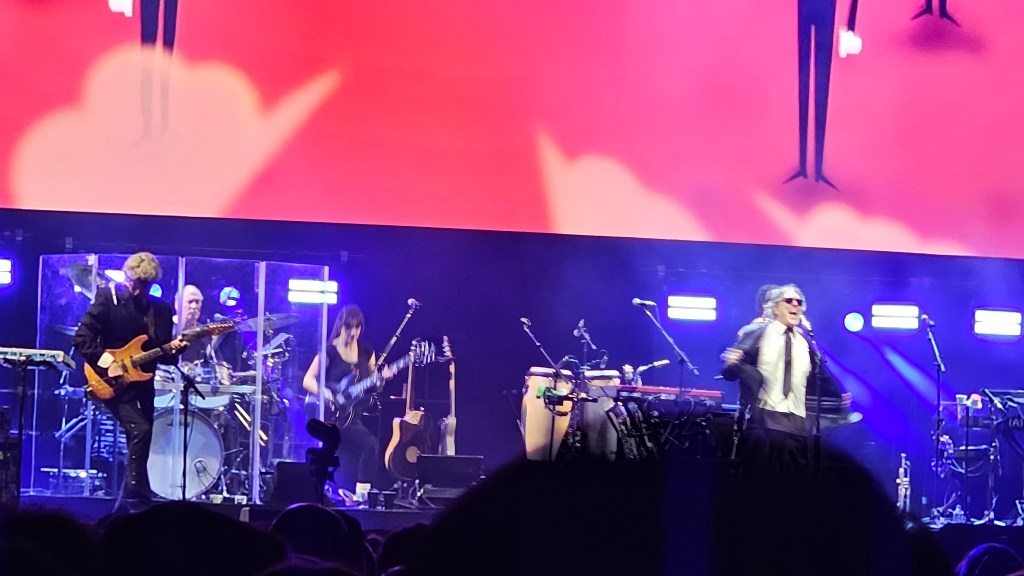
Of course, before Weird Al took the stage, we were introduced to his opening act, Puddles Pity Party. Now, dear reader, if someone had told me beforehand that I would thoroughly enjoy watching a giant sad clown sing power ballads, I would have questioned their sanity. Yet there he stood: towering over the stage, face painted in permanent sorrow, speaking scarcely a word while delivering one astonishing vocal performance after another. The juxtaposition was equal parts hilarious and impressive. Somewhere beneath the oversized clown costume was a voice worthy of Broadway. It was the perfect opening for a Weird Al concert because it left the audience delightfully confused, thoroughly entertained, and wondering what wonderfully bizarre thing could possibly happen next.

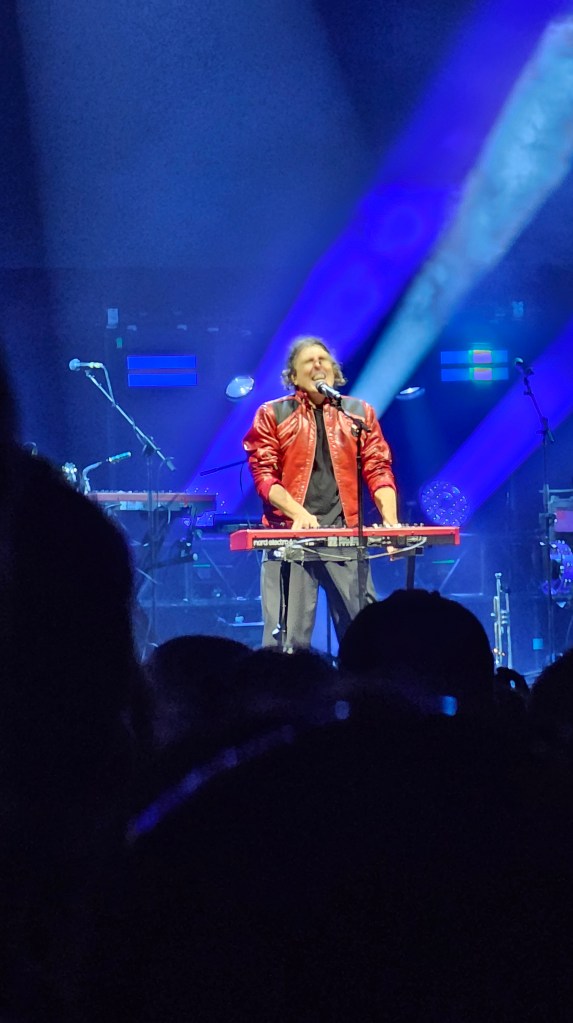
As the evening unfolded, I was delighted by the familiar songs I have come to love over the years. I could not help but dance along from my seat, much to the amusement of my sister beside me. Between songs came the signature humor I have come to expect from none other than Weird Al, who is truly a national treasure.

I am certain, dear reader, that he needs little introduction. For over four decades he has somehow managed the impossible: parodying popular culture with biting wit while never feeling mean-spirited. His songs gently poke fun at our favorite artists, our culture, and ourselves, all while celebrating the very music they imitate. If by some extraordinary chance you have never experienced his work, then by all means pause here for a few minutes, or perhaps a few hours, and explore his library on YouTube, Spotify, or whichever musical service you happen to use. I’ll happily wait.

After his grand entrance, he quickly pivoted to Polkamania! Announced by an accordion descended majestically from the ceiling as though it were some sacred relic delivered from the heavens. Before a single note had been played the audience exploded into cheers. I challenge you to find another performer capable of making thousands of people wildly enthusiastic over the arrival of an accordion. Only Weird Al could transform an instrument often associated with polka festivals into the undisputed rock star of the evening.

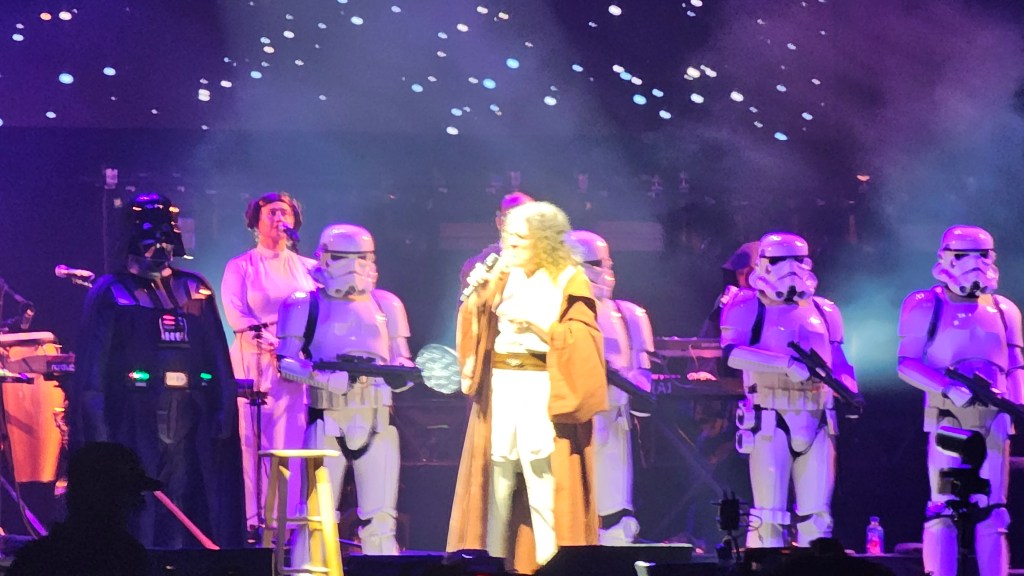
The performance itself was every bit as delightfully absurd as one would hope. Costume changes happened at an almost impossible pace. During the compilation numbers it seemed jackets, wigs, and entire outfits vanished and reappeared between verses so quickly that I found myself wondering whether there was some hidden portal backstage devoted entirely to quick changes. It was choreography in its own right.

The comedy never stopped. At one point Weird Al paused, looked thoughtfully at the audience, and confessed that he felt as though we were all waiting for something that we had a sort of weird energy he could sense and only one thing would satisfy us:

“A drum solo.”

The drummer dutifully struck the drums perhaps twice.

The crowd responded with thunderous applause as though we had just witnessed the greatest drum solo in rock history. You would have thought John Bonham himself had returned to perform Fool in the Rain. That, perhaps, was the joke’s greatest strength. Every single person in the arena understood exactly what was happening and committed wholeheartedly to the bit.

Of course, the crowning jewel of the evening for me was Amish Paradise.

Living in Lancaster County gives one a rather unique appreciation for that particular song. Much of the music video was filmed less than an hour from where I live, and here we were in Hershey, practically in the shadow of Amish Country itself, singing along with thousands of fans. It was the first Weird Al song that I ever heard, the first rap song I ever liked and I am not ashamed to admit I know every word. It felt oddly fitting, almost as though the song had come home.

I will readily admit, dear reader, that I am not usually one for concerts. First, there is the crowd. Simply reaching your seat involves weaving through a maze of people carrying trays piled high with pretzels and bags of popcorn, balancing oversized drinks, or standing uncertainly in the aisle while trying to decipher the seat numbers. Then there are the inevitable lines for merchandise, food, and the restroom. Add in the ever-present smell of buttery popcorn, soft pretzels, spilled drink, and several thousand warm bodies packed together like sardines, and I have generally concluded that my headphones provide a far more civilized musical experience.

Not to mention the audience often has the audacity to sing along. I realize this is considered one of the principal attractions of concerts, but listening to my favorite songs accompanied by hundreds of enthusiastic yet spectacularly off-key strangers has never struck me as a compelling selling point. Throw in questionable acoustics and modern ticket prices, and I have often wondered whether many people attend concerts simply to say they were there.

Yet somewhere around the third or fourth song, I began to see why people do.

There is something remarkable about standing among thousands of complete strangers who all understand the same references, laugh at the same jokes, and erupt into applause because an accordion has descended from the ceiling. Before the show you chat with the people beside you in line. During the performance you exchange knowing glances at jokes only fellow fans could appreciate. For one evening, you become part of a wonderfully peculiar little community brought together by a shared affection for one delightfully eccentric musician.

The excitement becomes contagious. Energy flows from the audience to the stage and back again in an endless feedback loop. I found myself shouting lyrics to songs that would not even make my personal top ten simply because everyone around me was having such an incredible time. Somewhere along the way I stopped observing the concert and became part of it.

It was certainly a different experience from seeing Joshua Bell last fall, where the audience sat in near reverent silence between movements, hanging on every note. Nor was it quite like attending Flogging Molly years ago, where the energy was louder, rougher, and far more chaotic. Each concert possessed its own distinct atmosphere.

But Weird Al’s felt less like attending a performance and more like being invited to the world’s largest inside joke. For one evening, thousands of strangers gathered not merely to listen to music, but to laugh together, sing together, and celebrate an artist who has spent his entire career reminding us that perhaps we should all take ourselves just a little less seriously.

So remember dear reader, to be a little bit bigger and little bit weirder. 

How might you find a little weirdness in your own life or at least some music?

You don’t have to be a devoted music fan to appreciate the experience of a live performance. In fact, I would argue that’s precisely the point. Bucket lists aren’t always about checking off your favorite activities; sometimes they’re about discovering something you never expected to enjoy. Whether it’s a local orchestra, a bluegrass festival, an outdoor Shakespeare production, a tribute band in the park, or your favorite artist on tour, give yourself permission to step into someone else’s world for an evening. You may leave with more than a few songs stuck in your head—you may discover a community you never knew you belonged to.

The Lost Art of Becoming a Regular

Subscribe to continue reading

Subscribe to get access to the rest of this post and other subscriber-only content.

The Day My Phone Saved Me From Buying Another Purse

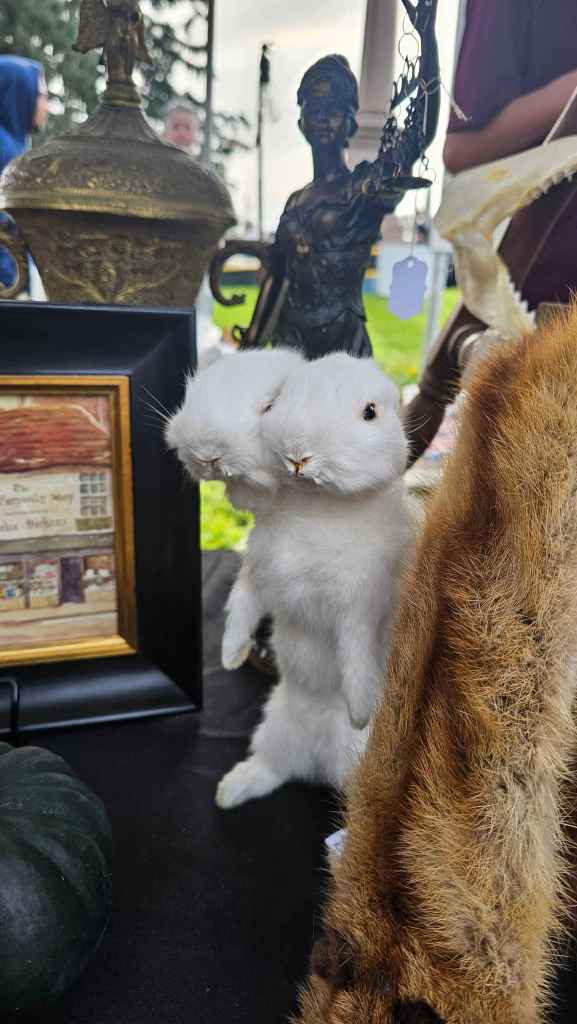
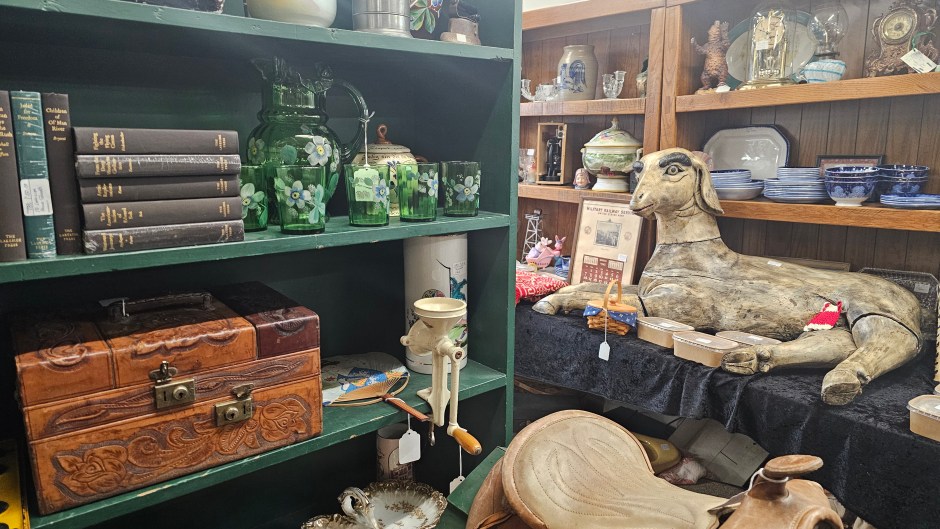
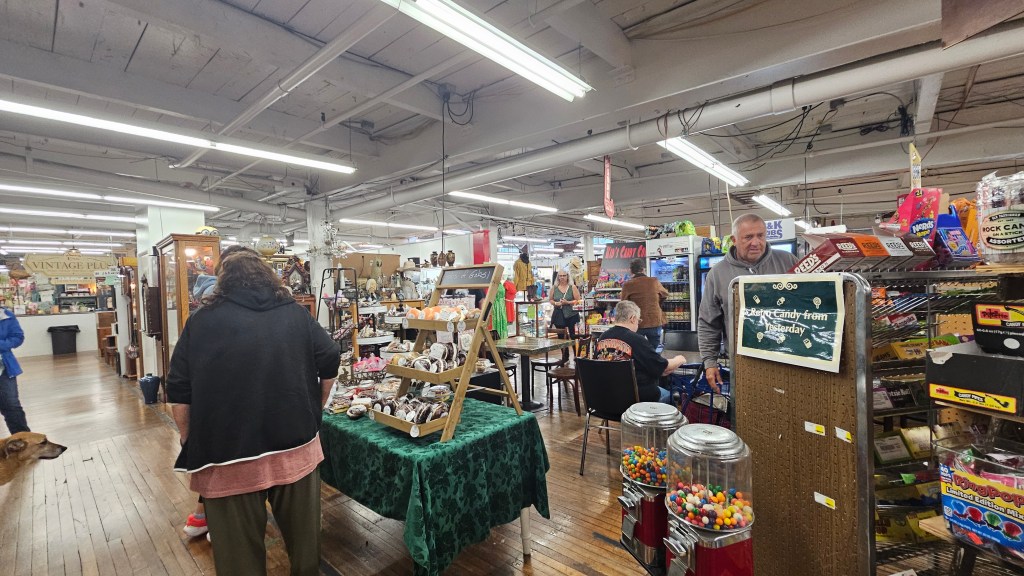
The other weekend, on a rainy afternoon, my sister and I ventured into a massive indoor antique store housed in an old warehouse. Two stories of treasures stacked on top of each other unfolded into a sprawling maze of booths, each one as varied as the colors of the rainbow.

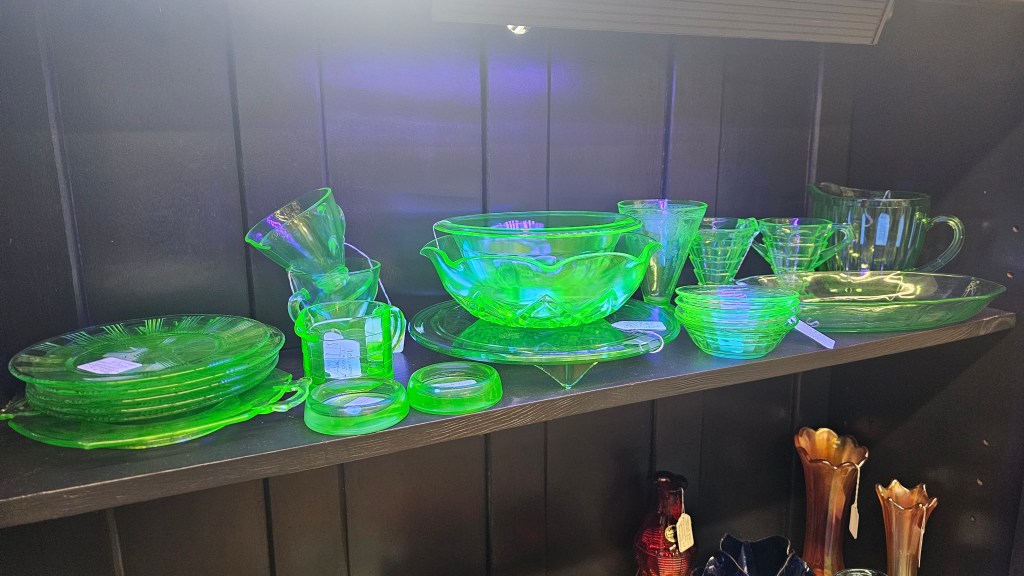
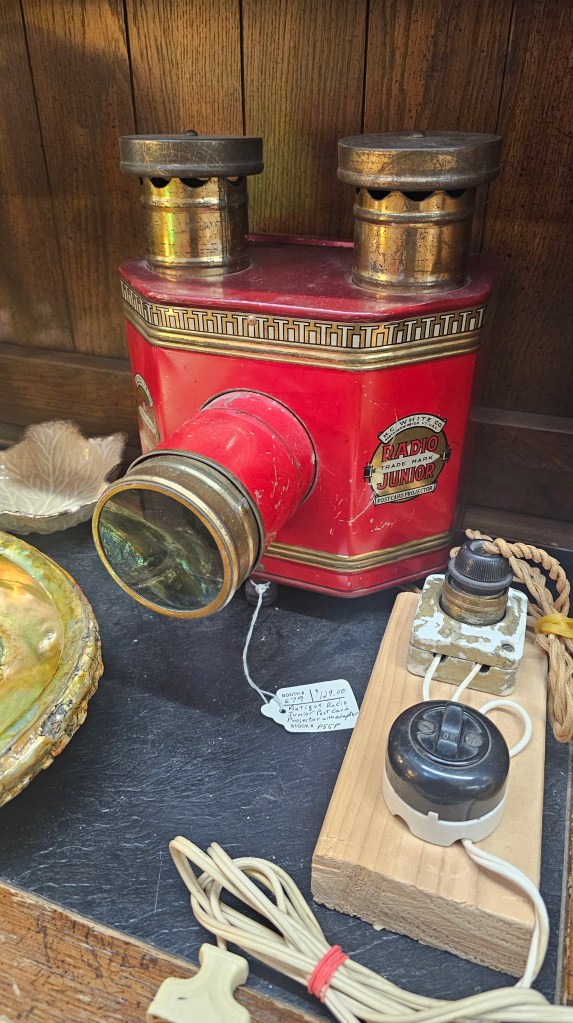
Old uranium glassware sat beside vintage clothing. A now-derelict gas pump stood comfortably next to forgotten household tools. It was a hodge-podge of decades and even centuries, all jumbled together in a kind of quiet, chaotic harmony. A cacophony of objects, each with its own story, none of them particularly concerned with being organized by time period.

We happily set off on a kind of treasure hunt, letting whatever caught our eye guide us. There is something uniquely joyful about wandering without purpose except curiosity, being delighted by strange finds and pausing often to compare notes.

Being both history nerds, we took turns educating one another, filling in the gaps of each other’s knowledge as we went. “Oh, that’s a…” inevitably became the start of several long conversations that may or may not have been entirely accurate but were delivered with great confidence nonetheless.

What makes antique stores so uniquely fun is that unlike museums, where objects are carefully preserved behind glass with a strict “do not touch” policy, here you are invited to engage directly. You can pick things up. Turn them over in your hands. Imagine not just where they came from, but what it would feel like to let them live in your space now. History becomes something you can hold, not just observe.

My sister and I have many fond memories of antiquing with our mother when we were younger, learning about objects we didn’t yet have the language to name, and giggling over cultural relics that felt ancient at the time but are now beginning to resemble our own childhood.

There is always a slightly unsettling moment, of course, when you realize something from your own past has made its way into an antique store. Yes, I am approaching forty, but are we really prepared to call the Tamagotchi “historical artefact” rather than simply “vintage nostalgia with battery anxiety”? Time, it turns out, is a bit unkind that way.

But that is part of the charm. Antique stores collapse time in on itself. What was once ordinary becomes curious again. What was once discarded becomes interesting. And what was once personal history becomes someone else’s discovery.

It turns out you don’t always need a destination to have an adventure. Sometimes you just need a rainy afternoon, a large warehouse full of forgotten things, and someone beside you willing to say, “Wait, come look at this.”

My sister, in her own successful treasure hunt, found a brass penguin, her husband’s favorite animal, which will now take up residence in her living room as a small but very specific piece of joy.

I, on the other hand, left empty-handed in the most literal sense. Well… almost.

There was an adorable purse shaped like a magazine that I briefly considered adopting. Unfortunately, it failed the most important test of all: it would not fit my phone. And if a purse cannot carry the one object I am legally required to bring everywhere, then it is more sculpture than accessory.

Honestly, my phone has probably saved me more money on impulsive purse purchases than any amount of self-control ever could. Perhaps it has already paid for itself in avoided financial mistakes alone.

And yet, even without a purchase, I did not leave empty. Because sometimes the point is not what you bring home. It is what you notice along the way.

How can you experience the thrill of the hunt?

If you ever find yourself with a rainy afternoon and a bit of curiosity, I would encourage you to go on your own treasure hunt. You never quite know what you will find when you let yourself wander without expectation. What’s wonderful is that antique stores litter the US so you’re almost certain to live nearby one. Of course, you will be hard pressed to beat Adamstown, the Antique Capital of the United States (located conveniently in my backyard), but don’t let that discourage your treasure hunt! 

If you do it right, you might even come home with something unexpected. Maybe a story. Maybe an object. Maybe both. Or, if you are my sister, a brass penguin that now lives quite happily on a living room shelf, quietly reflecting on the meaning of life but never sharing. 

Either way, the hunt is the point. 

Miles from home: 45 miles

Cost: Free (well gas is getting expensive)

Completed: First in childhood

Want to discover more adventures? Check out my whole Bucket List and Reverse Bucket List

When Winter Howls, Let the Opera Sing

We are experiencing a bit of a cold snap here in Pennsylvania. The wind howls outside as I write this, and temperatures plummet from merely chilly to, quite frankly, unbearable. We are advised to stay indoors, and even the sun itself has decided to deprive us of what little warmth it might have offered. While I can certainly enjoy winter outdoor activities, it is on days like these that perhaps we ought to turn to indoor pursuits. Ones that do not come with frostbite warnings attached.

Given the gloomy monotony of the outdoors, I also tend to gravitate toward things with a bit more flair and ambiance. And what could offer more of both than the opera?

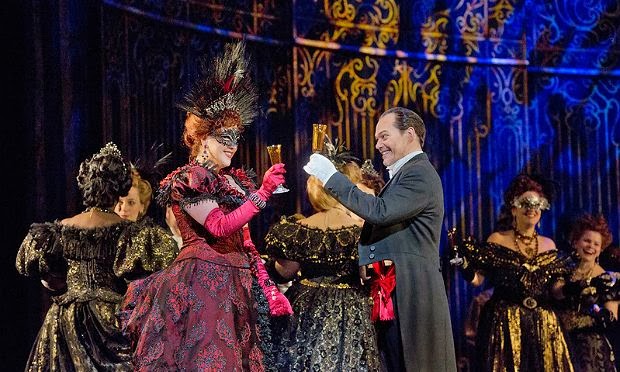
Now, dear reader, I can imagine what you may be thinking. The opera? Where everything is sung in a language you do not understand? Where people dress in finery and say things like, “Why, Penelope, your gown looks absolutely divine. I am certain it will catch Edward’s eye,” as if you have been whisked away to eighteenth-century England. Perhaps you are intimidated by the grand architecture of the opera house itself, the richness of the spectacle, or the sheer weight of history behind it all. You may worry the plotlines will feel distant or the music dull.

Allow me to assuage your fears. Opera is far more down to earth than it first appears, especially today, when it has become a welcoming space for all, not just wealthy elites and snobbish intellectuals. Though I am sure they are still wandering about somewhere, we need not pay them any mind.

As for dressing up, you certainly can, but you do not have to. I did on my first visit, simply for the fun of it. Besides, I had a beautiful gown begging for a night out, and how could I deny it the pleasure of an opera house? It was stunning, a deep purple with a jeweled neckline that hugged my waist before falling into an A-line skirt. It swirled around my legs as I practically danced through the halls in excitement. As a senior in high school at the time, I earned a mixture of approving and amused glances from my elders.

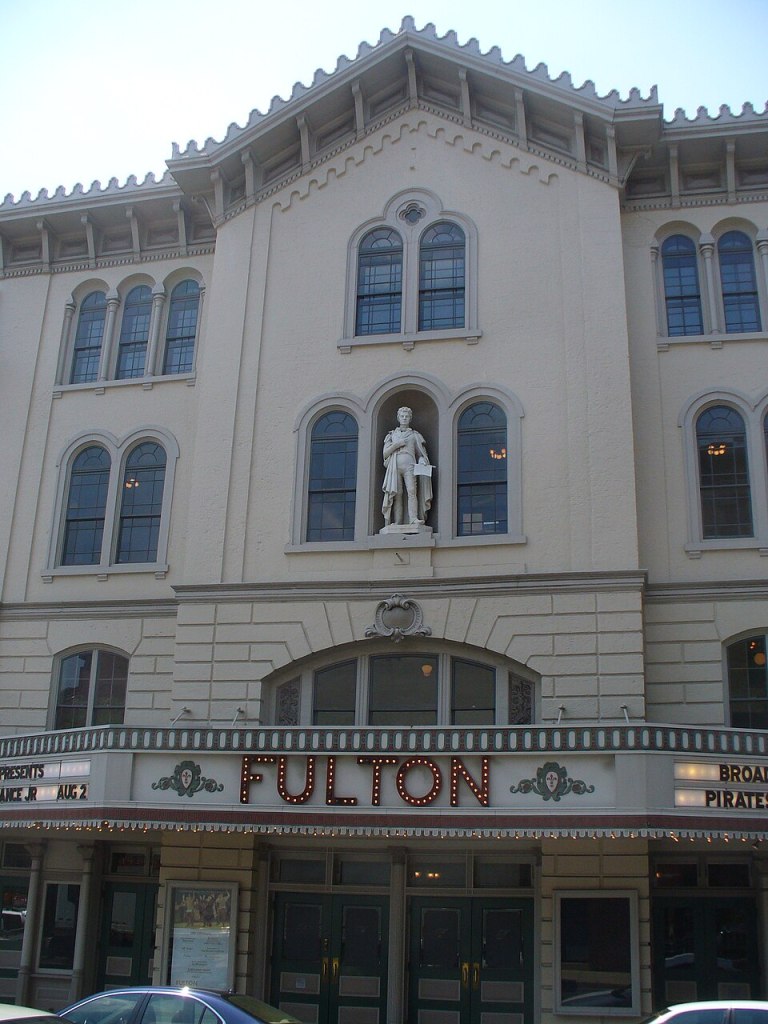
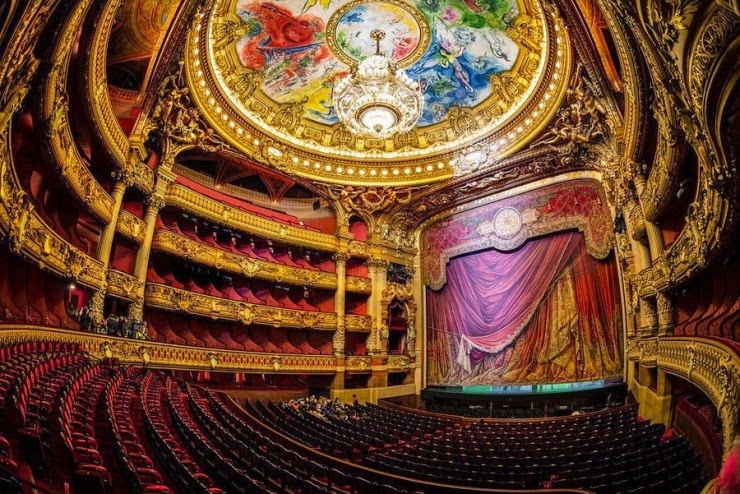
That first experience was a German opera, Die Fledermaus (The Bat), at the Fulton Opera House, one of the few opera houses designated as a National Historic Landmark. The building itself was breathtaking, restored in 1995 to its original Victorian elegance. One step inside, and you might think yourself transported to the opera halls of Europe, with ivory hues, rich red accents, gilded columns, and balconies adorned with swirling gold details. The ceiling features elegant arches and intricate designs that invite the eye upward. I remember being awestruck by this unassuming treasure in my own community.

From the outside, the Fulton sits modestly among other historic buildings, its facade surprisingly plain. The sign announcing “Fulton” feels more reminiscent of a mid-century movie theater than an esteemed opera house, which is fitting in a way. For a time, it did serve as a run-down movie theater before its restoration transformed it into the jewel of Lancaster City that it is today.

My second opera experience, however, was far more casual. It did not take place in an opera house at all, but rather at my local movie theater. It is hard to find anything less intimidating than a relaxed afternoon at the cinema, complete with popcorn and soda. You could show up in pajamas and no one would bat an eye.

This accessibility is thanks to the Metropolitan Opera, often shortened to the Met, which streams live performances to movie theaters around the world. The Met is one of the most renowned opera houses in existence and sits high on any opera lover’s list of must-visit destinations. With the Met: Live in HD series, one no longer needs to travel to New York City to experience world-class performances. Depending on your theater, the seats may even be more comfortable. Mine has reclining chairs and serves alcohol, which makes a four-hour performance surprisingly enjoyable.

One of my favorite parts is coordinating visits with friends who live far away. We attend the same performance in different cities, text during intermission, and discuss it afterward. Even separated by hundreds of miles, it becomes a shared experience. The Met: Live in HD series offers a wide range of composers and styles. Some productions are modernized with contemporary settings and costumes, while others lean into the historical period in which they were written. Still others fully embrace fantasy, transporting audiences into worlds of myth and legend. Because the performances are filmed, you never miss a detail. Every embellishment on a costume and every carefully placed set piece is visible.

Of course, far beyond the costumes, props, scenery, and architecture is the music itself. It is enchanting, enrapturing, and enthralling in equal measure. Opera spans the full breadth of human emotion, joy, sorrow, longing, fury, tenderness, capturing your heart and refusing to let go. I still remember the hush that fell over the audience as the first notes rose from the orchestra pit, the way sound seemed to ripple through the room. Then came the singers, their voices soaring with jaw-dropping range and power, filling every corner of the space. You do not simply hear opera. You feel it vibrating in your chest, settling into your bones.

Although I speak German conversationally, it is nowhere near sufficient to follow an opera. Thankfully, modern audiences no longer need fluency in French, Italian, or German to enjoy the art form. Operas are almost always subtitled in English, allowing viewers to follow the plot while fully immersing themselves in the music. I vividly remember sitting in the theater, completely enraptured in a way I had never experienced through recordings at home. The notes were richer and fuller, the harmonies more layered, the emotion unmistakable.

Opera is more than a theatrical performance. It is poetic song and living art. It carries a rich cultural history across Europe, filled with timeless stories and enduring truths. Nor is opera confined to the past. Contemporary operas continue to be written and performed, carrying the tradition forward into the modern world.


First Operas to Try (A Gentle Introduction)

If you are curious about opera but unsure where to begin, starting with the right work makes all the difference. These operas are frequently recommended for newcomers because they feature engaging stories, memorable music, and emotional clarity.

Die Fledermaus – Johann Strauss II
A lively comic opera full of humor, mistaken identities, and infectious music. Lighthearted and approachable. It was also my own first opera, so it comes highly recommended.

La Bohème – Giacomo Puccini
A deeply human story of love, friendship, and loss, paired with lush, emotionally direct music.

Carmen – Georges Bizet
Dramatic, passionate, and instantly recognizable, with a strong central character and unforgettable melodies.

The Magic Flute – Wolfgang Amadeus Mozart
A blend of fantasy, symbolism, and humor, written to appeal to broad audiences and still accessible today.

The Barber of Seville – Gioachino Rossini
Fast-paced, witty, and energetic, this comedy is a joy from start to finish.


How to See an Opera Yourself

If you find yourself intrigued, seeing an opera is easier than you might expect.

Check local listings.
Many cities have regional opera companies or host touring productions. Local arts calendars are a great place to start.

Look into streaming performances.
The Met: Live in HD series brings world-class opera to movie theaters worldwide, often at a much lower cost than live tickets.

Seek out local opera houses and smaller companies.
Do not overlook intimate venues. Smaller productions are often more affordable and can feel wonderfully personal.

Do not be afraid to start small.
Matinees, shorter operas, or chamber performances can be ideal first experiences.

Opera has a way of meeting you where you are. All you need to do is step inside and listen.


Opera does not have to be intimidating. It is a welcoming, fantastical place that offers refuge from the cold and invites you into a world of sound and story. So when the wind howls and winter presses in, consider, dear reader, letting the opera sing you warm.

Completed: 2006

Cost: $23 (The Met Live is typically $23 and Opera house tickets can range from $25 to $100)

Miles from home: Home town

Want to discover more adventures? Check out my whole Bucket List and Reverse Bucket List

Podcast From a Galaxy Not All That Far Away

Dear readers, I have a bit of a confession to make. I am not always the posh, delicately spoken flower you may have come to know me as. There are moments when I am decidedly less than ladylike, especially when I am in the throes of passion. Passionate nerdom, to be precise.

Picture me fiercely debating and analyzing the world of science fiction with three of my friends. Add to that the unfortunate fact that I learned to swear from a literal sailor, and when I get salty, I bring the whole ocean with me. It is actually rather freeing to allow a different aspect of myself to shine. After all, we are all multifaceted beings with many sides to ourselves. I am not always channeling my inner Victorian. Sometimes it is my inner Viking warrior, and in this case, it is a girl with some serious beef with filmmakers who simply cannot respect the source material. Is it really so difficult? But honestly, that is part of the fun. My wit and banter at full strength, turned loose on a topic near and dear to my heart: science fiction.

About twice a month, I get together with Scott, Miles, and Dave to review and discuss all things sci-fi. We tend to focus on movies and television, largely because not everyone in the group is as avid a reader as I am. Asking someone to complete an 800-page novel in two weeks is unlikely to end happily. A film, by contrast, is a two-and-a-half-hour commitment instead of twenty hours of reading. Well, twenty hours for them. I can usually polish off a book in eight to ten, depending on how compelling it is.

Alongside reviews, we dive into science fiction news, theories, and the occasional heated debate. Opinions are shared freely, defended passionately, and sometimes gleefully attacked. There is a lot of laughter, teasing, and the kind of spirited disagreement that only works when everyone genuinely enjoys one another. Lest you worry that the boys cannot hold their own against me, fear not. Listen long enough and you will hear them all start to sing “It’s Been a Long Road” just to derail me. Of course, we cannot help but needle Dave for his love of lens flares in Star Trek (for the record, he detests the J. J. Abrams films known for them).

It wouldn’t be a convention without cosplayers

One of my favorite aspects of the podcast is that we do not limit ourselves to recent releases. Often, we revisit older films, the kind that have been forgotten, overlooked, or never widely known in the first place. Sometimes we strike gold. Other times we are left staring into the abyss, wondering how something ever made it to screen. Either way, the process has expanded my palate and deepened my appreciation for different kinds of media.

Some of the films I have ended up loving are ones I never would have chosen on my own. Not because they were masterpieces, but because they offered a fascinating window into how past generations imagined the future. One surprising treasure was Battle Beyond the Stars, which drew inspiration from The Magnificent Seven and the classic Japanese story Seven Samurai. Was it campy? Yes. Was it ridiculous? Absolutely. But goodness, was it funny to watch. Which, admittedly, I was already primed to enjoy given my fondness for older Japanese films. Believe it or not, it was nominated for five Saturn Awards, including Best Science Fiction Film and Best Special Effects. Watching films like this, you can see how cultural values, fears, and hopes were projected forward in time. I have found myself thinking more about how special effects have evolved, how our expectations of technology have shifted, and how often we miss the mark when predicting where we will be in twenty, fifty, or even a hundred years. It makes me wonder what things we consider innate and unchanging now will one day be quietly overturned.

That is what I love most about science fiction. It asks questions. It forces us to examine the implications of technologies just beyond our reach and to consider whether they will ultimately be used for good or for harm. Science fiction reflects the norms of its time, but at its best, it challenges them.

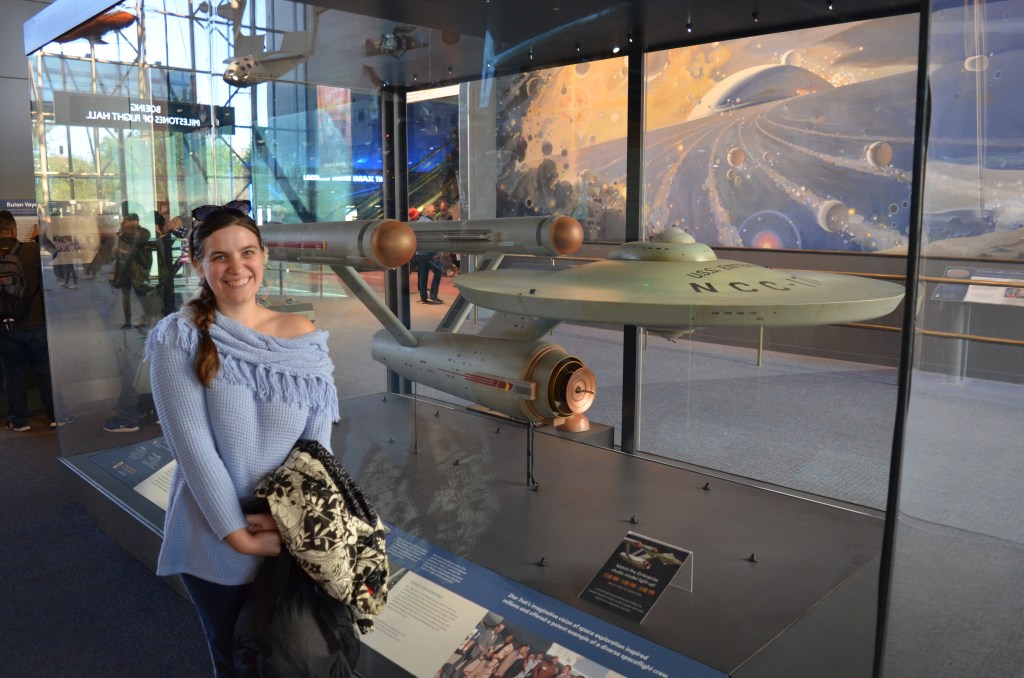
My pilgrimage to Star Trek’s Enterprise housed in the Smithsonian

Star Trek, in particular, has always excelled at this. It does not just explore the possibilities among the stars, but asks us to consider what is possible here on Earth. It gave us the first interracial kiss on television. It pushed audiences to wrestle with the idea of artificial personhood through Data, asking what consciousness really is and what, if anything, separates us from a machine.

This franchise comes up the most on our podcast, likely because it has spanned generations, but also because it is such a deeply philosophical show, challenging and shaping its viewers’ thinking. It certainly shaped mine growing up. I vividly remember watching the Voyager episode “Nemesis,” where Chakotay is seemingly taken in by an alien race, the Vori, who are fighting against the technologically advanced and oppressive Kradin. It is later revealed that this conflict is part of a brainwashing simulation designed to condition him to hate the Kradin. Even after the truth is uncovered, Chakotay struggles to be in their presence. That episode left a lasting impression on me, illustrating how propaganda can turn a compassionate heart toward hatred more effectively than any history book ever could.

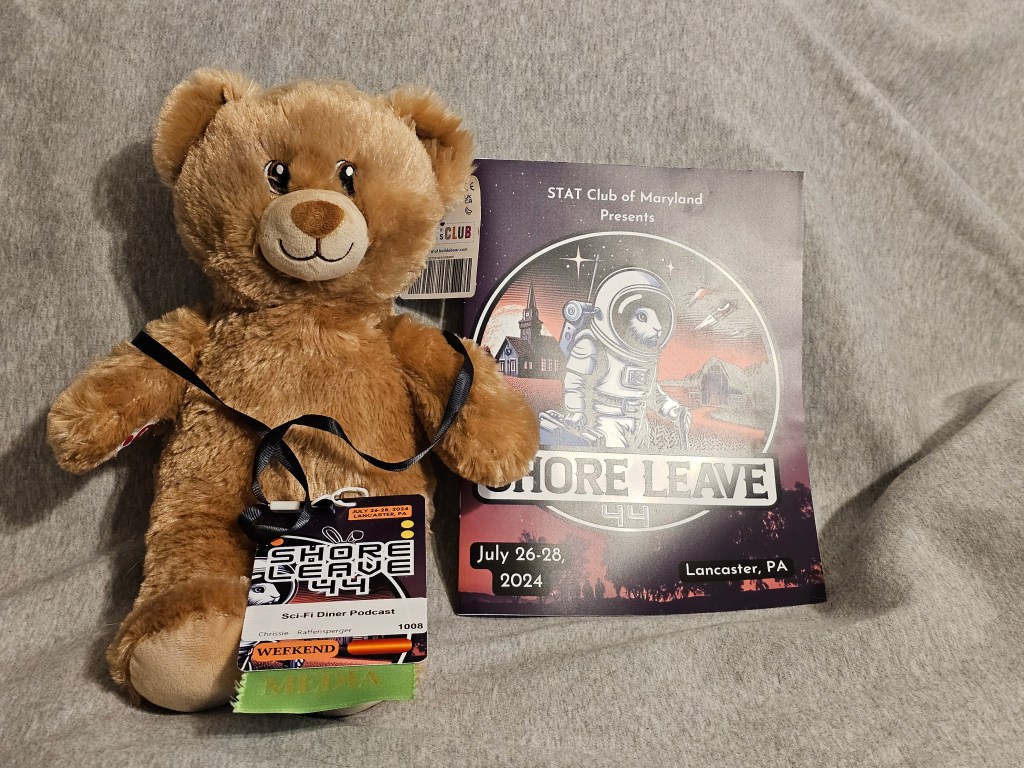
I have been podcasting with the guys for nearly ten years now, and it has been a wild ride. Beyond broadcasting my thoughts and engaging with listeners on social media, the podcast has taken me to science fiction conventions, where I have had the opportunity to interview actors, creators, and other figures within the genre.

None of them have been A-list celebrities, but many have graced a red carpet or two. More importantly, the vast majority have been genuinely lovely people: gracious, thoughtful, and generous with their time. They offer insightful answers, often laced with humor, and seem truly appreciative that anyone still cares about the stories they helped bring to life.

Star Trek Panel 2025 Shore Leave Convention

I still vividly remember my first solo interview. It was surreal walking up to the booth at the start of the convention and being handed a press pass. Me? Press? I had not gone to school for journalism. I was a cheeky woman arguing on the internet with her friends for entertainment. I glanced down again and began taking pictures of the wild chaos that is a convention: costumed characters from different franchises co-mingling with those of us dressed in street clothes. I studied the map and instructions for where I needed to go and made my way through the crowd, stopping to take photos and absorb everything around me. Since the interview would not happen for an hour or two, I scouted the location so I knew exactly where I needed to be. In the meantime, I checked the convention schedule, trying to determine which panels to cover so I could report back properly to my colleagues who were counting on me. Ever the overachiever, I was determined not to disappoint the guys.

As the time approached, my nervousness grew. Here I was, face to face with someone who surely had better things to do than talk to me, yet had kindly agreed to do so anyway. I had carefully written and submitted my questions in advance for approval, determined to avoid any last-minute improvisation. My stomach fluttered with butterflies as I reread my notes, silently begging my ADHD impulse control to please, just this once, stick to the script. Somehow, I managed not to fumble with the recording equipment.

After the first question, something shifted. The nerves faded, and the conversation began to flow. Perhaps it was the therapist in me, instinctively comfortable in a question-and-answer rhythm. I promise there was no psychoanalyzing involved. Mostly. Some habits are harder to turn off than others. I walked away with the realization that these people are, at their core, just like everyone else I have met along the way. One particularly lovely memory from this past summer is of Tracee Cocco, who was simply delightful. She seemed genuinely stunned by the crowd cheering for her, walking out on stage with her phone raised, filming the audience with the same awe we felt toward her. This from a woman who has spent over thirty years in Hollywood as an actress, model, and stuntwoman, appearing in more than one hundred Star Trek episodes and rubbing elbows with the likes of Patrick Stewart.

Not all my interviews were famous for their screen time: Charles Dunbar is an anthropologist who studies anime

Being on the podcast has opened doors I never imagined possible and has cemented friendships across generations: Boomer, Gen X, and Millennial, with the occasional appearance by Scott’s son, a Gen Z. When I was first invited on, I never imagined I would still be doing this years later, or that saying “sure” to chatting about shows I loved would lead to such unexpected experiences.

What it has ultimately given me is a space where all my selves are welcome: the thoughtful analyst, the passionate fan, the therapist, the nerd, the woman who swears too much and cares deeply. In a genre devoted to imagining better futures, the podcast has quietly given me something just as meaningful in the present, a place to belong, to question, to laugh, and to keep wondering.

Thinking About Starting a Podcast?

If you have ever considered starting a podcast, my best advice is to begin simply. Pick a topic you genuinely care about and find people you enjoy talking to. You do not need professional equipment or a perfectly polished format right out of the gate. What matters most is consistency, curiosity, and a willingness to keep showing up even when the audience is small. A good podcast grows out of conversation, not performance. If you are having fun and asking thoughtful questions, listeners will feel it.

Give yourself time to find your rhythm. Early episodes may feel awkward, unfocused, or rough around the edges, and that is completely normal. Podcasting, like any creative practice, is learned by doing. The skills come with repetition, reflection, and the humility to improve as you go.

Miles getting attacked by an alien

A Gentle Reality Check

It is also worth saying that starting a podcast does not automatically lead to press passes, convention access, or interviews with celebrities. Those opportunities take time and careful cultivation. They are built on reputation, respect for the process, and a genuine appreciation for the people whose work you are covering.

If you hope to conduct interviews at conventions, begin by reaching out to the event’s leadership to learn their specific process. Each convention handles media requests differently, and respecting those boundaries matters. From there, reach out to guests thoughtfully, ideally through their handler or publicist when possible, and be prepared to hear no. A declined request is not a failure; it is simply part of the landscape.

Always do your research. Know who you are speaking with, understand their work, and come prepared with questions in advance. Showing up informed and professional signals that you value their time. Over time, that consistency builds trust. And trust, more than anything else, is what earns you a reputation as someone who is respectful, reliable, and welcome in these spaces.

Completed: Started 2018

Cost: I honestly have no idea how much it costs Scott to host the website each month or the recording equipment for me it’s free.

Miles from home: We record virtually

For more reflections on meaningful experiences, future dreams, and moments worth remembering, explore my Bucket List and Reverse Bucket List posts.

All Aboard for Christmas Magic

There is something undeniably quintessential about a model train at Christmas. Perhaps it is the nostalgia of it, those miniature worlds humming softly beneath a glowing tree, harkening back to simpler times. Or perhaps it is the romance of travel itself, when journeys felt grand and full of promise, long before crowded terminals and flight delays dulled their shine.

Model trains were not just toys but marvels. At the turn of the twentieth century, railroads represented the height of modern technology. They stitched together cities, transformed commerce, and shrank vast distances into something manageable. It was only natural that this fascination would find its way into the home. Trains became one of the earliest mechanized toys of the modern era, first gaining popularity in the early 1900s. These were not flimsy playthings but sturdy, intricate machines meant to be admired as much as played with.

By the 1920s and 1930s, model trains had cemented their place in Christmas tradition. Department stores leaned heavily into the spectacle, constructing increasingly elaborate displays that wound through snowy villages and bustling cities, all carefully designed to stop shoppers in their tracks. The base of the Christmas tree became the perfect stage. It was practical, yes, but it was also symbolic. A glowing tree overhead, a circling train below, motion and magic contained within the heart of the home.

Whether by convenience or clever marketing, Christmas and trains became inseparable. That connection only deepened over time. Films like The Polar Express reignited the wonder for new generations, reminding us that belief, imagination, and a little suspension of disbelief are part of the season. During the pandemic, when traditions were disrupted and people sought comfort in familiar rituals, many rediscovered hobbies that had quietly faded into the background. Model trains experienced a resurgence, not as relics, but as reminders of patience, craftsmanship, and shared joy.

In recent years, that magic has increasingly moved into public spaces. Libraries, historical societies, and community centers across the country now host model train displays each December. Often these exhibits double as fundraisers, particularly for children’s literacy programs, ensuring that the magic of stories and imagination carries on long after the trains are packed away.

It was on a cold December evening that I found myself invited to see one of these displays for myself. I will admit, dear reader, that I was not initially enthused. I am not someone who has ever considered myself a “train person,” and model trains seemed, at best, mildly interesting. However, I was willing to indulge my companions in a bit of whimsy; I am nothing if not whimsical. Imagine my surprise, then, at just how utterly delightful the library display turned out to be.

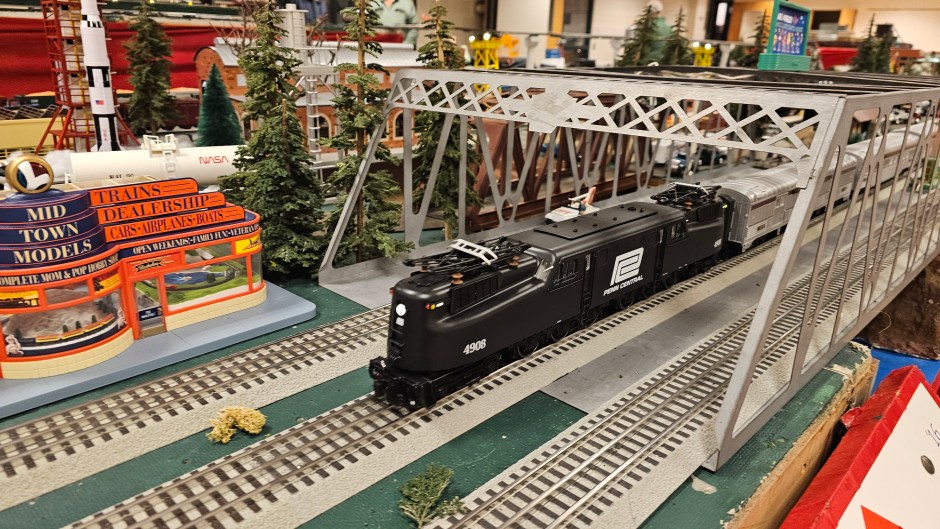
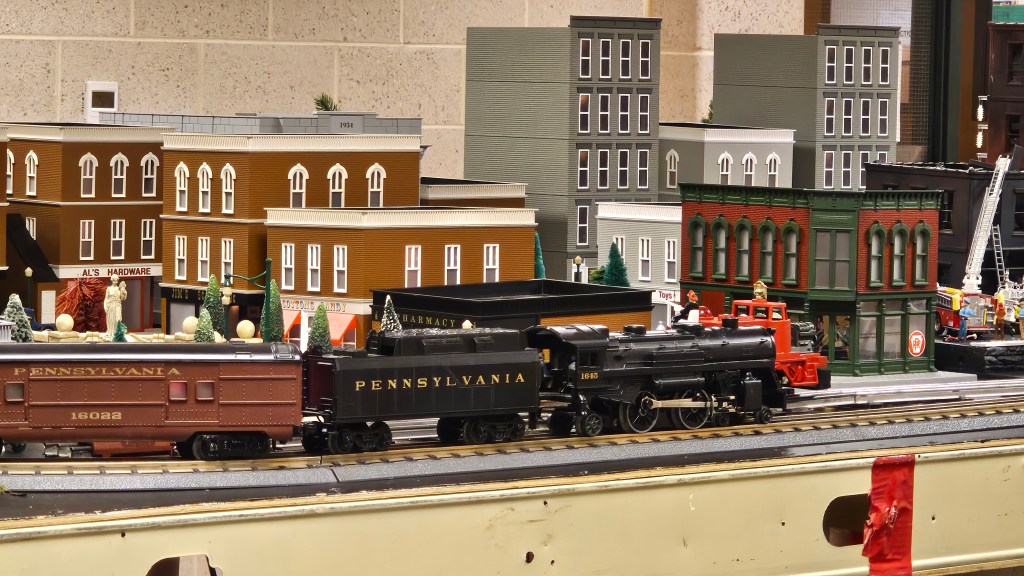
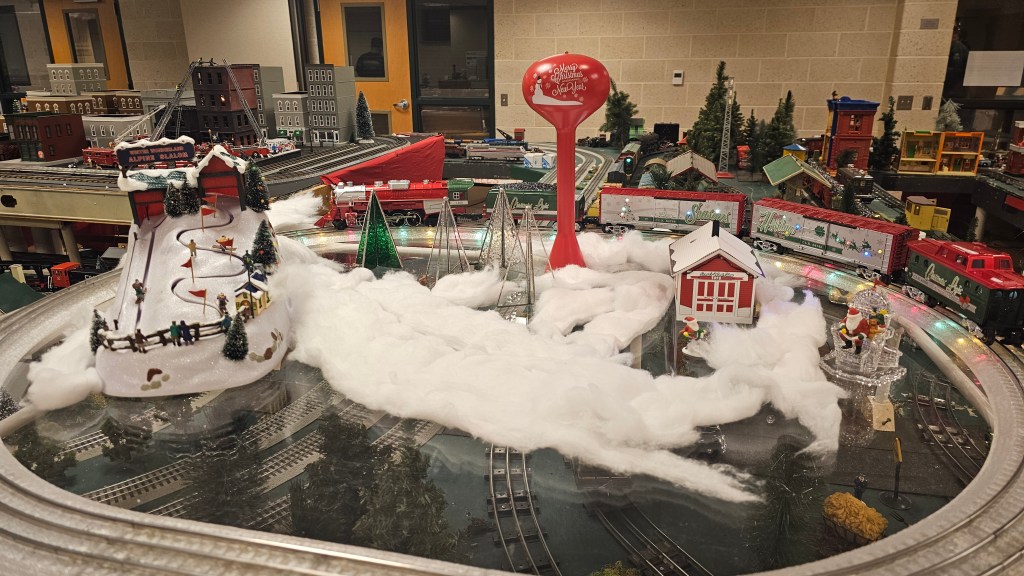
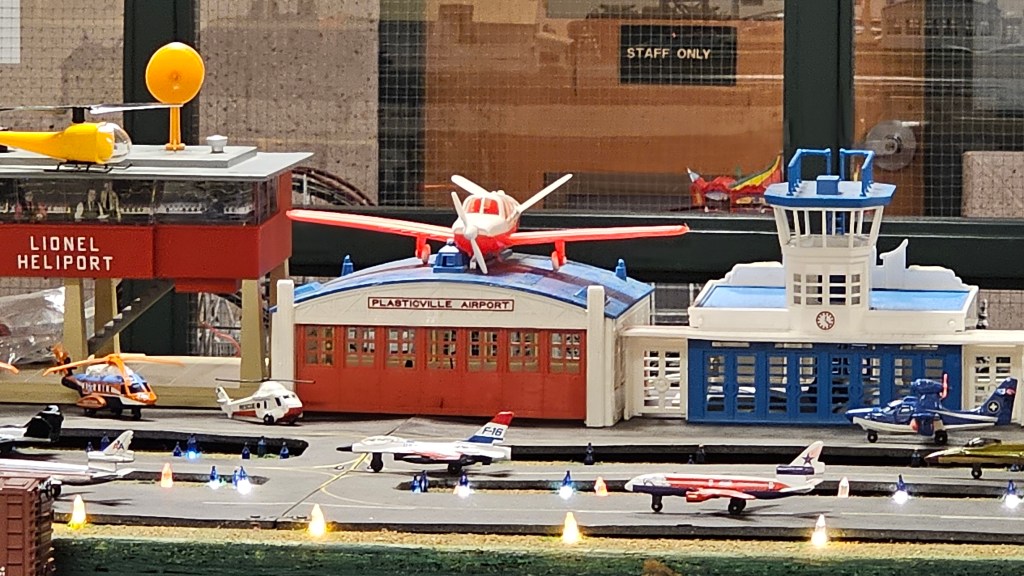
The small library’s basement had been transformed into a sprawling miniature world. The display ran nearly wall to wall, a carefully constructed metropolis alive with motion and detail. Multiple tracks wove through snowy villages and industrial hubs. A baseball field sat mid-game, an airport buzzed with tiny planes, shipping lanes carried cargo through a busy harbor, and a circus burst with color and whimsy. There was even a theme park, complete with rides in motion.

What made it truly special was how interactive it all was. Throughout the display, visitors were encouraged to press buttons and bring the city to life. A ski slope sprang into motion. Barrels were loaded onto a train car. Lights flickered on in tiny buildings. Each interaction revealed another layer of thought and care poured into the exhibit.

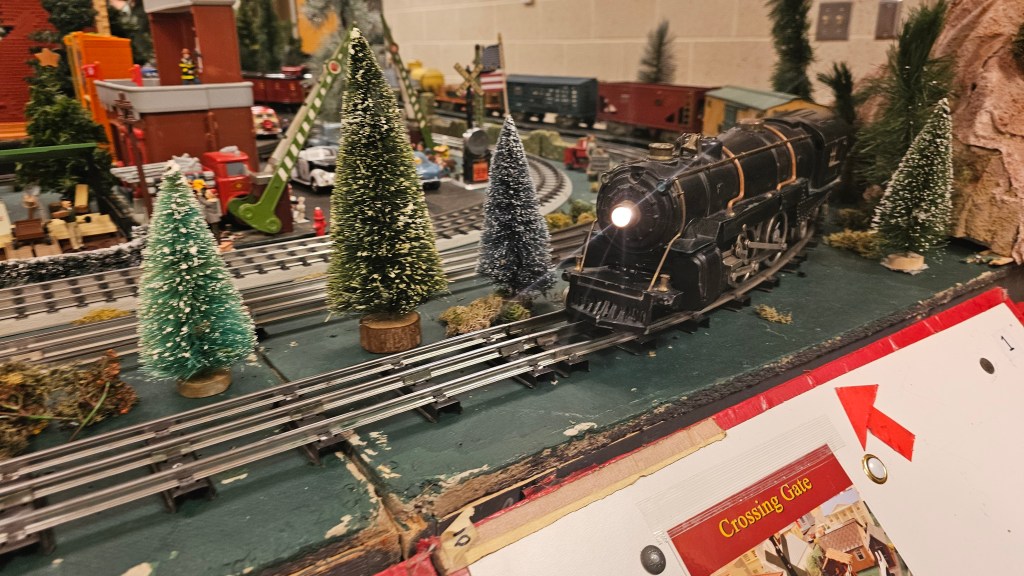
I felt like a child again, eagerly pressing buttons and craning my neck to take it all in. Every section had been lovingly created by a volunteer using their own personal train sets. One display even featured a train over a hundred years old, still running, still enchanting, a direct link to the earliest days of electric model trains. It was humbling to realize how many Christmases that little engine had seen.

For nearly an hour, I was completely absorbed, pointing out details to my companions and discovering something new with each pass around the room. The volunteers were just as much a part of the experience as the trains themselves. They eagerly shared stories about the models and about the local area. One tale recounted the time a major league baseball team stopped to play the local team while passing through town, a small but vivid slice of history preserved alongside the miniature world.

It was, in every sense, magical.

Where can you see Christmas Magic?

For those inspired to seek out a display of their own, they are often closer than you think. Local libraries are a wonderful place to start, especially in December. Historical societies, model railroad clubs, botanical gardens, and even shopping centers frequently host seasonal displays. Many towns also have dedicated train shows or open houses where hobbyists invite the public to view their layouts. And for the truly adventurous, there is always the option of creating a small display at home. Even a single loop of track under a tree can carry more charm than one might expect.

Sometimes, Christmas magic arrives in unexpected forms. Sometimes, it hums quietly, circles endlessly, and reminds us that wonder is often found in the smallest of worlds.

Completed: 2025

Cost: Suggested donation $2

Miles from home: 18 miles

Want to discover more adventures? Check out my whole Bucket List and Reverse Bucket List

Rooted in Community: A Favorite Local Market Adventure

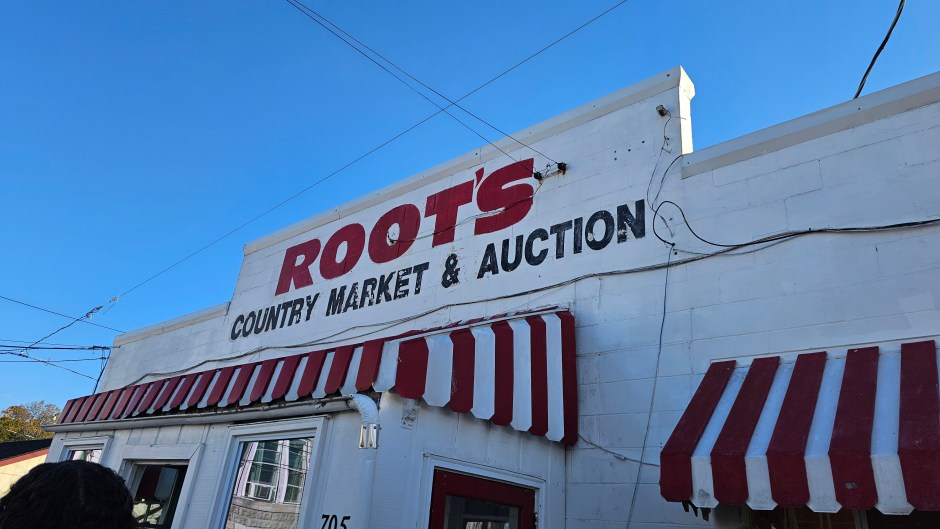
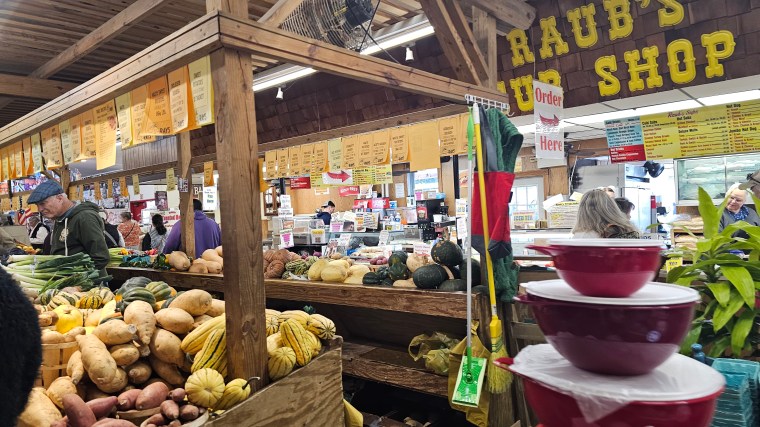
Every Tuesday, without fail, something wonderful happens in the next town over. Long before the rest of the world has finished its morning coffee, Root’s Country Market comes alive. It starts quietly at first, a few trucks pulling in, the soft murmur of vendors setting up, the smell of early morning coffee drifting across the lots, and then, before you know it, the place is buzzing. Root’s has been a Lancaster County staple since 1925, and in the hundred years since it first opened, it’s become something more than just a market. It’s a living, breathing community tradition.

Side bar: Locals pronounce it “Ruut’s,” not like tree roots, a small detail, but one that marks you as someone who really knows the place. Welcome to Lancaster County where nothing is pronounced like you think it would be, not even Lang-kiss-ter.

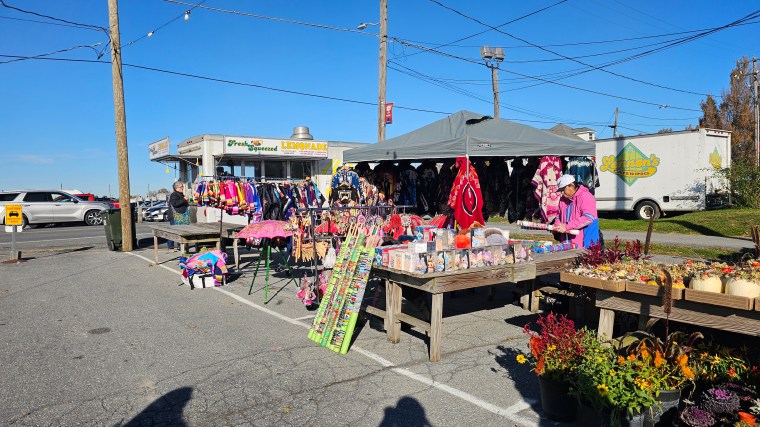
Roots is a sprawling labyrinth of over 175 indoor and outdoor stalls, each one offering a little piece of local life. You’ll find farmers with fresh produce still damp from the morning dew, bakers arranging pies so fragrant you can smell them before you see them, and crafters setting out handmade candles, quilts, and wooden toys. Step a little further and you’ll stumble into antiques and flea market finds, old tools, vintage glassware, forgotten records. It’s perfect for a treasure hunt! There’s even a livestock auction, which means you might be standing in line for a soft pretzel while hearing the rhythmic chant of a fast-talking auctioneer in the background. It’s part of the charm.

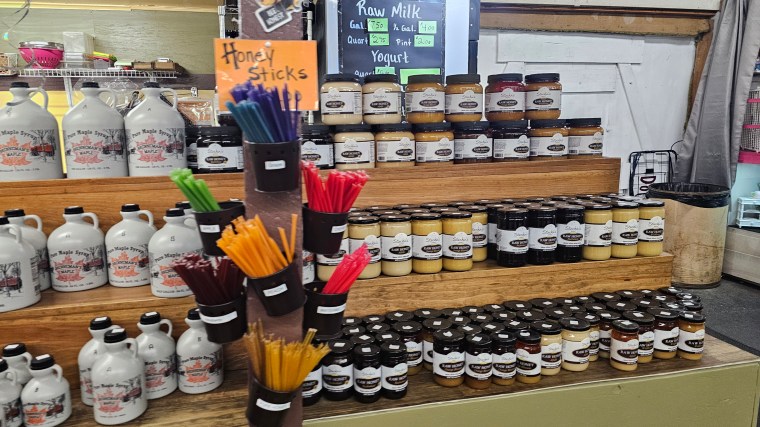
Root’s is the kind of place that engages all five senses at once. The air is thick with the smells of kettle corn and barbecued chicken, mingling with freshly turned earth from the produce stands and, occasionally, that unmistakable farm scent that reminds you you’re in the heart of the country. Fresh country air takes on a new meaning in farm country. There’s the shine of ripe tomatoes, the golden glow of honey jars, the colorful chaos of flower bouquets. Vendors call out greetings to regulars. 

If you visit during the busy seasons, late spring through early fall, the crowd hums like a hive. There’s a rhythm to it, a flow of movement as people drift from stall to stall, chatting, sampling, bargaining. You can lose hours wandering without realizing it. And then, just when you think you’ve seen it all, you’ll turn a corner and find something unexpected: a new baker, a quirky handmade sign, a table full of fresh herbs or a bin of farm-fresh eggs that look like they came from a paint box.

I may not be a morning person, but my favorite time at Root’s is the early morning, when the sun is barely up and the crowd hasn’t yet arrived. The vendors are still setting out their goods, the coffee is hot and strong, and there’s a quiet peace to it all. That’s when you can have those real, unhurried conversations, when you can talk to the man who grows the apples you buy every fall, or the woman who hand-pours every candle on her table. You’re not just shopping; you’re connecting.

What makes Root’s special isn’t just what you can buy, it’s who you’re buying it from. There’s something grounding about handing your money directly to the person who grew your tomatoes or baked your bread that morning. You can ask them how the season’s been, or what variety of pepper this is, or how long they’ve been coming to Root’s, and they’ll tell you, usually with a story that’s worth hearing.

Some families have been selling here for generations. Others are just starting out, testing their small business dreams one Tuesday at a time. Together, they form the heartbeat of this place, a reminder that commerce can still be personal, that community can be built over a counter full of peaches and pies.

And the prices? Let’s just say that fresh, local, and affordable aren’t mutually exclusive terms here. You can fill a tote bag with vegetables, grab a fresh-baked loaf of bread, and still have money left for lunch, maybe a chicken pot pie or a funnel cake, depending on how virtuous you’re feeling, and I am seldom neglect to give into temptation here. 

Root’s began back in 1925, when local farmers gathered to sell their goods directly to neighbors. A century later, it’s grown into a sprawling market and auction complex that somehow still feels small-town. It’s open year-round, rain, snow, or sunshine (not blizzards or floods though) every Tuesday without fail. Generations have grown up wandering its aisles, marking time not by the seasons but by the rhythms of Root’s, sweet corn in July, apples in October, wreaths and crafts in December.

It’s rare, in a world where everything feels increasingly online and anonymous, to have a place like this, one where you can see the faces behind your food, hear the laughter of old friends meeting up by the pretzel stand, and know that you’re part of something with roots (pun intended) deep in local soil.

Not everyone is lucky enough to have a place like Root’s right outside their door. For me, it’s not just a market, it’s a midweek adventure, a reminder to slow down and savor the simple joys: fresh food, friendly faces, a good deal, and a connection to the land and people that make up my home. Every visit feels different, but it always leaves me with that same contented feeling — a mix of nostalgia, community, and appreciation for the abundance that surrounds us.

So if you ever find yourself in Lancaster County on a Tuesday, make your way to Root’s. Come early, bring cash (although most vendors do now accept cards), and be ready to wander. Take in the smells, the sounds, the cheerful chaos of it all. Chat with the farmers and crafters, find something unexpected, and maybe grab a slice of shoo-fly pie for the road.

Because at Root’s, you’re not just shopping,  you’re stepping into a century-old story that still unfolds, week after week, right in the heart of the community.

How can you experience your own farmer’s market adventure?

If you don’t live near Lancaster County, don’t worry, almost every community has its own version of Root’s tucked away somewhere. Previously, it seemed farmer’s markets were going the way of the dodo, but community efforts have revived the practice all over as determined locals, with pride and love for their communities decided to reconnect us all with our roots. Look for local farmers markets or seasonal pop-ups in your town or the next one over. Many run weekly through the spring and summer, while others operate year-round. Visit early, bring cash, and take the time to talk with the people behind the tables. You’ll find that even the smallest market has its own personality, its own rhythm, and its own sense of community. It’s one of the easiest, and most rewarding, ways to connect with the place you call home.

Completed: A Tuesday in my childhood and ongoing into my adulthood

Miles from home: About 10

Cost: Free parking and however much you want to spend. My most recent visit was about 6 dollars.

Still looking for ideas to do in your own local community? Check out the rest of my Bucket List – most of the items completed from my own backyard!

How I Became a Lady (Sort Of)

It finally happened, dear reader, I’ve ascended the social ladder or perhaps I was just finally given my due. After years of modest living and an enduring fondness for mud-splattered hiking boots, I am now… a Lady. Or at least, that’s what the certificate says.

This rather illustrious transformation occurred thanks to my brother, who, in an act of Christmas generosity (and perhaps a touch of mischief), purchased me an “Irish title.” Technically, I am now the Lady of Kerry, complete with a small plot of land, or as the fine print clarifies, a symbolic square foot that could just about accommodate a particularly skinny daisy. I can go visit it, but I can’t redecorate or reside there on a permanent basis. 

A castle in Kerry, Ireland

Now, before you curtsey, a word of reality: companies like Established Titles offer honorary recognition rather than true nobility. My title doesn’t come with a castle, serfs, or even a teapot emblazoned with my crest. Although, now that I think of it, I could perhaps purchase one for my stove here at home. Historically, “Lord” and “Lady” were titles granted by monarchs or inherited through noble bloodlines, not acquired via online checkout. But honestly, who am I to let historical accuracy get in the way of a good story?

Besides, the funds go toward preserving the land and history of Ireland, a cause close to my heart. My mother’s family is Scots-Irish, and I’ve always felt a deep connection to that misty emerald isle. I fell in love with its spirit: the wild cliffs, the songs that seem to rise from the earth itself, and the way history hums beneath every stone wall and ruined abbey. I love reading its stories, exploring its history back into the very days of Newgrange over 7,000 years old.

When I was younger, I took up the Irish fiddle and have returned to the instrument of my youth. I dabbled in Irish step dance in college. More recently, I even tried my hand at learning the language through Duolingo — Dia dhuit, if you will. When I finally visited Ireland, it felt like walking into the pages of an old legend. The Book of Kells took my breath away, and the rolling green hills seemed to whisper secrets older than time. Part of me was quite tempted to simply disappear into the countryside and see if the fae truly existed.

A day in Dublin

So yes, while my noble title may be symbolic, the sentiment behind it is genuine. And as an avid fantasy reader, I’d be lying if I said I hadn’t dreamed of being a Lady, though perhaps more the sword-wielding, dragon-slaying kind. If this little piece of parchment brings me one step closer to that dream, then I say it was money well spent.

Of course, being a lady hasn’t exactly transformed my daily routine. I still brew my own tea, scrub my own floors, and trip over my own dignity with regularity. No invitations to high society luncheons have arrived (yet), and my “estate” is still contained within a flowerpot on my porch. But perhaps the true nobility lies not in titles, but in finding humor, history, and heart in the small things.

So here I stand, Lady of Kerry, warrior of laundry day, slayer of dust bunnies, and humble admirer of the Irish hills. My crown may be metaphorical, but my affection for Ireland is entirely real.

My very own title!

So how might you become a “lord” or “lady”

Ever since the launch of Established Titles, there has been a plethora of copy-cat companies all offering the same thing, a little certificate saying you “own” a piece of land or castle in Ireland or elsewhere in the British Isles and therefore can now call yourself a “lady”. The money raised usually goes to the preservation of that land or castle, because it is expensive to maintain that history. Who knew that nobility was only a mouse click away?

Completed: 2021

Miles from home: 0

Cost: $25- $60 depending on the kit purchased

Want to check out my other adventures?

Start exploring here

Beyond the Classics: Fantasy Books to Add to Your Reading Bucket List

While most bucket list items require at least a trip out your front door, some of the best ones ask for nothing more than a comfortable chair, a cup of tea, a purring cat, and a book. Not everyone thinks of reading as a bucket list activity, but plenty of readers consider finishing the “greats” an accomplishment worth doing before you “kick the bucket.”

Lists of Books to Read Before You Die are everywhere, compiled by literary authorities, publishers, or critics. The argument for reading them is solid: classics can enrich your life through timeless themes, enduring wisdom, and universal insights into the human condition. They can expand your vocabulary, sharpen your writing, and deepen your appreciation for culture and history. Sometimes, one book really does shift your perspective forever.

And yet, I don’t always agree with these lists. It’s not that the classics aren’t worthy, it’s just that… well… many of them are boring. There, I said it and I shan’t take it back! I’m a fantasy and science fiction reader at heart. Outside a few exceptions, books outside those genres are of little interest to me. Oh, do not mistake me for an uneducated plebian. I’ve read my share of “required” classics (even in German, no less), but some really do go on. Did I really need to know that much about the Parisian sewer system, Victor? I appreciate the symbolism, but I nodded off halfway through. Perhaps, it’s my ADHD mind which just wanders off when things don’t spark my intrigue.

Photo by Suzy Hazelwood on Pexels.com

That doesn’t mean I don’t have a reading bucket list outside my “To Be Read Pile”, which we aren’t discussing. They will be read, when they are read! I digress.

My Reading Bucket List simply reflects my love for fantasy and science fiction, the genres that spark my imagination most. A few years ago, I stumbled upon a “Top 20 Fantasy Series of All Time” list, not compiled by critics, but by a survey of BookTube influencers. Yes, it’s biased toward modern titles (and leans millennial/Gen Z), but I liked the idea of readers (not industry insiders) deciding which stories deserved a place on the list. (We won’t get into all the politics behind what books get placed on those classic lists, we’d be here all day with me ranting.)

To my delight, I had already read about half. The rest became my summer project in 2022. Armed with my library card and Kindle, I sampled each new series, reading at least the first book to see if it hooked me. Some didn’t, but then not every book will be my cup of tea. Others were revelations, hidden gems I never would have found without the list. They were witty, profound, beautifully written, and layered with history, culture, and insight, even while transporting me to other worlds. While none of them were life-changing, they certainly sparked introspection and reflection, opened up ideas, and at times challenged my ways of thinking.

If you’ve struggled through traditional “must-read” lists and found yourself uninspired, maybe it’s time to look at fantasy. Between epic sagas and modern masterpieces, there’s a wealth of stories waiting to change the way you think, or at least keep you delightfully entertained. The list below is a great place to start. You’ll find household names alongside underappreciated treasures, each with the potential to expand your reading horizons.

Photo by Jeffry S.S. on Pexels.com

Suggested Top 20 Fantasy Series to Read Before You Die

Rank 19 (3 series)

  • Ash and Sand — Richard Nell
  • The Dandelion Dynasty — Ken Liu
  • The Earthsea Cycle — Ursula K. Le Guin

Rank 17 (2 series)

  • Harry Potter — J.K. Rowling
  • The Kingkiller Chronicle — Patrick Rothfuss (warning this series is unfinished and has been for over 10 years)

Rank 15 (2 series)

  • The Books of Babel — Josiah Bancroft
  • The Broken Earth Trilogy — N.K. Jemisin

Rank 14

  • Memory, Sorrow, and Thorn — Tad Williams

Rank 13

  • The Green Bone Saga — Fonda Lee

Rank 11 (2 series)

  • The Poppy War Trilogy — R.F. Kuang
  • Gentleman Bastard — Scott Lynch (also an unfinished series, my recommendation is you read the first as a stand alone as it does give a satisfying ending)

Rank 10

  • The Greatcoats — Sebastien de Castell

Rank 9

  • Discworld — Terry Pratchett

Rank 8

  • Malazan — Steven Erikson & Ian Esslemont,

Rank 7

  • The Realm of the Elderlings — Robin Hobb

Rank 5 (2 series)

  • A Song of Ice and Fire — George R.R. Martin (Also unfinished, but feel like you all should know this by now)
  • The First Law Universe — Joe Abercrombie

Rank 4

  • The Wheel of Time — Robert Jordan

Rank 3

  • The Banished Lands — John Gwynne

Rank 2

  • Middle-earth — J.R.R. Tolkien

Rank 1

  • The Cosmere — Brandon Sanderson

Photo by Lisa from Pexels on Pexels.com

Final Thought

Reading bucket lists don’t need to be confined to dusty classics or daunting tomes. If fantasy and sci-fi are what light you up, then let those genres guide your journey. After all, books are more than assignments, they’re invitations into new worlds. And what better way to spend your limited time than wandering through worlds filled with wonder?

Completed: Ongoing

Costs: Free depending on your library, borrowing from friends and book exchanges

Miles from home: Light years depending on the book

There’s a surprising amount of things to do just outside your door if you know where to look. Check out my Bucket List and Reverse Bucket List to see how I have checked out my list without having to go very far.