Oktoberfest in My Own Backyard

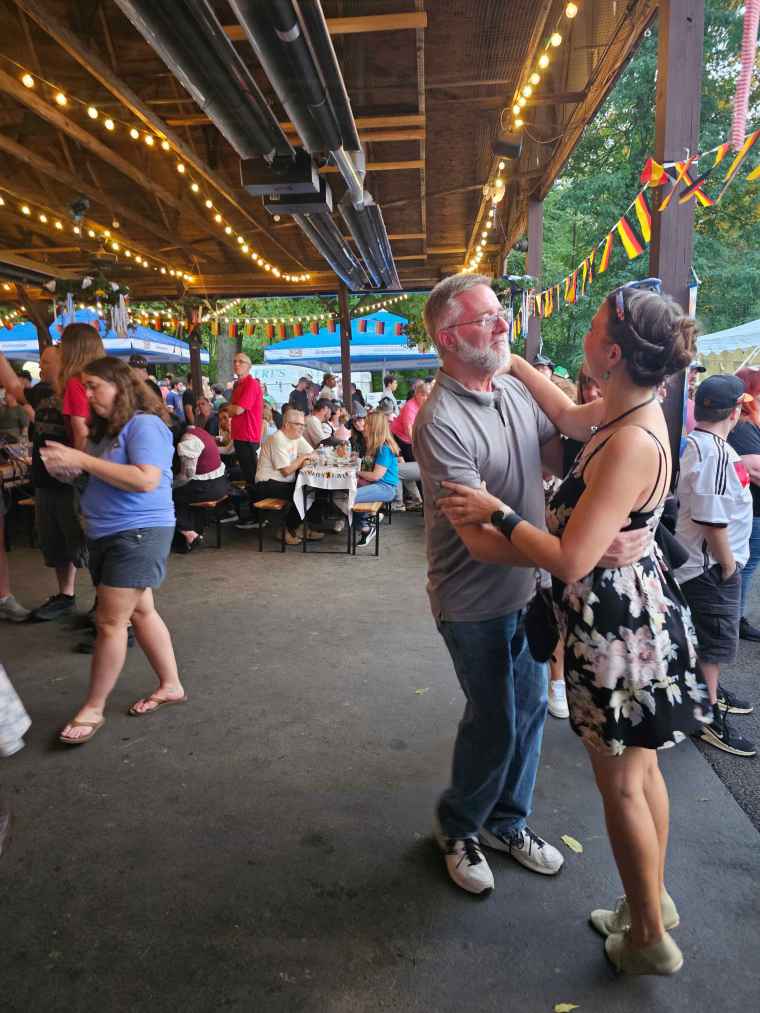
It was the accordion music pumped from the stage that sealed the deal. A crowd gathered on the dance floor, raising a hundred glasses in unison as we chanted, “Zicke-Zacke, Zicke-Zacke, Oi, Oi, Oi!” and drank as one.

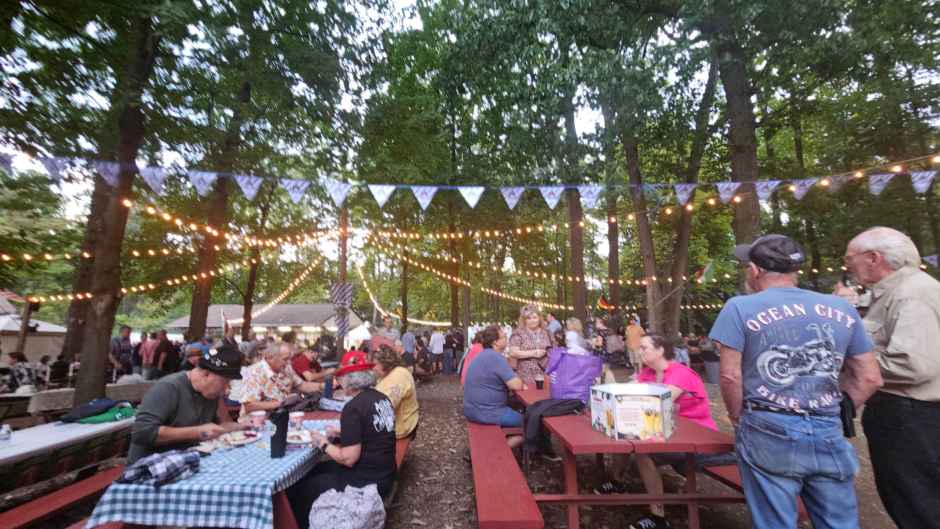
Beer sloshed over the edges of full mugs as they clanged together. Schnitzel and wurst were piled high on plates next to potato salad, kraut and red cabbage. The crowd was squeezed together underneath the tents, and strangers squished themselves onto the long benches of the impromptu beer halls. For those left with standing room only, they found themselves dancing and swaying with the music, whether it was a polka or a rendition of “Thunderbird.” For a few hours, everyone was friends. It was a barely controlled, perpetual party on the edge of a mountain range.

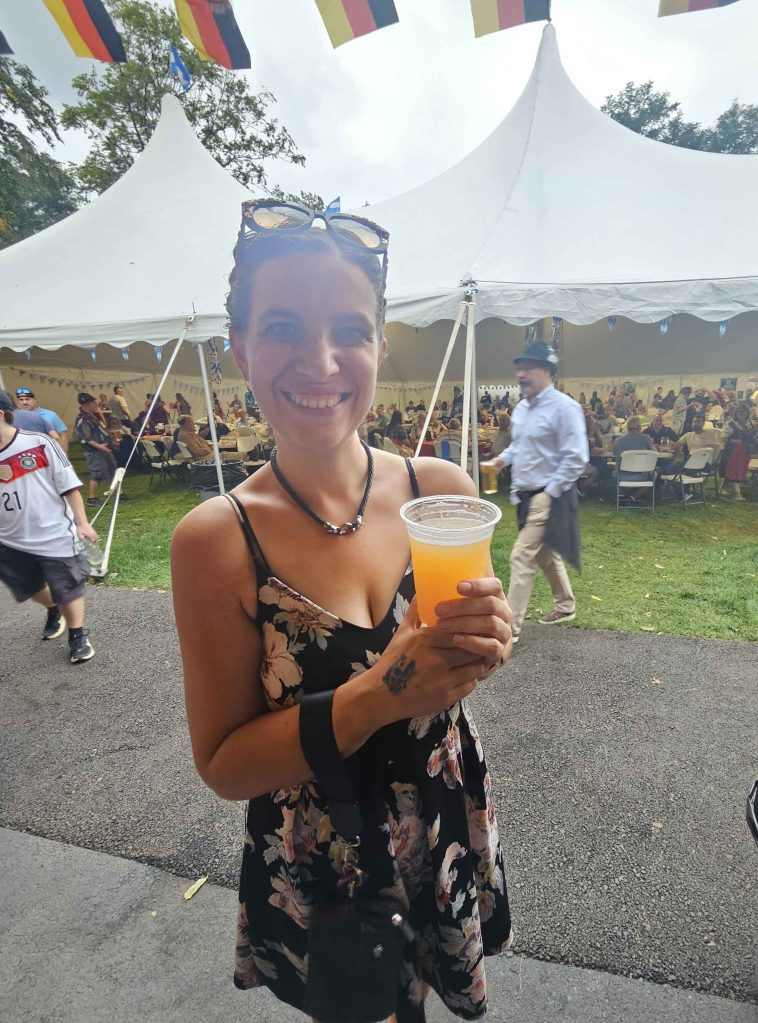
No, dear reader, I did not book a flight to Germany for Oktoberfest. I did, however, do the next best thing by attending one of the top Oktoberfests this side of the Atlantic, conveniently located only 45 minutes from my house.
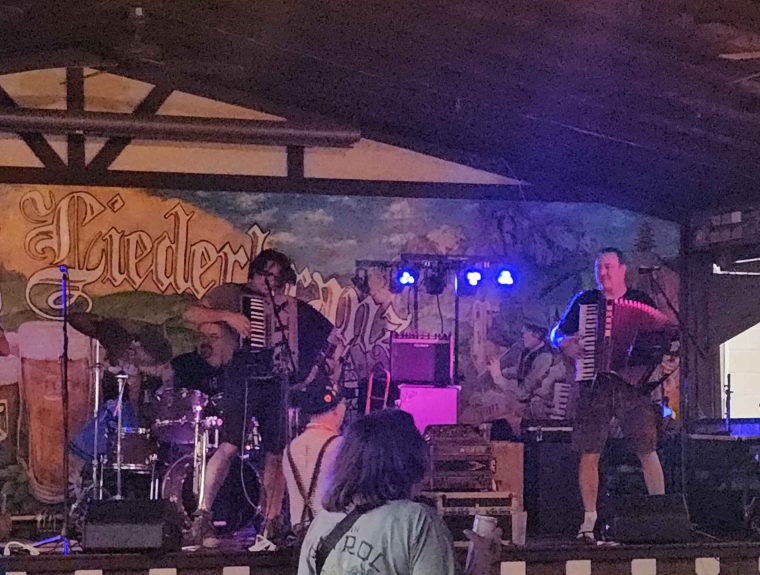
The Reading Liederkranz is known for putting on one heck of a party. It is consistently ranked among the top four Oktoberfests in America and has snagged the number one spot twice. What makes it so good isn’t necessarily the sheer size, though it boasts that it is the largest in Pennsylvania, but rather its adherence to authenticity. At least as much as one can get in the United States.

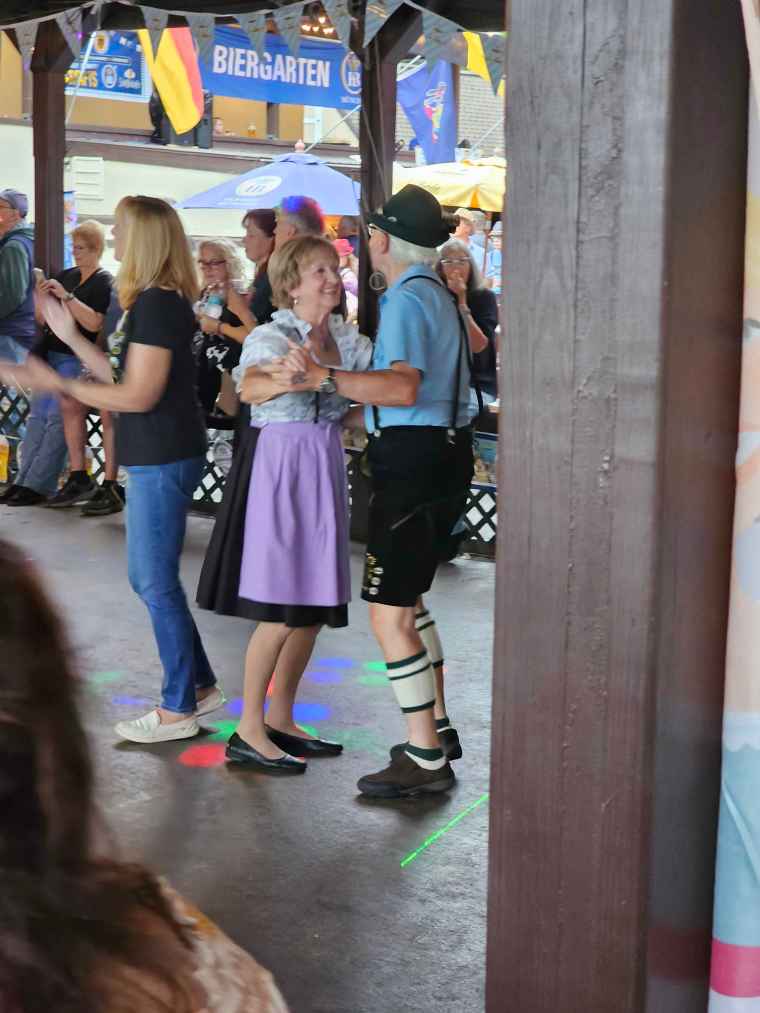
Rather than being put on by a beer corporation or local tourism bureau looking to cash in, it is hosted by a German social club. This means they are dedicated to preserving their German heritage, as they have been since the late 1800s. They are descendants of German settlers, committed to maintaining their culture. The celebrations open with the tapping of the beer by local officials. German bands are brought in to play, and many of the members show up wearing authentic lederhosen and dirndls.

The food is certainly worth celebrating as well. It held up to my memories of Bavarian food from my brief sojourn there during my study abroad. And, of course, there is the beer. It flows from every corner of the festivities, with generous pours.
I went on a Friday evening with my sister. Unlike Oktoberfest in Bavaria, the Reading Oktoberfest is a bit more truncated, with only a few days beginning in September and running into the first weekend of October. We met at one of the free parking lots to take the shuttle up to the Liederkranz, which sits near the summit of Mount Washington, although it’s technically more of a hill. We arrived right around 5:00 pm, when the food vendors were opening and before the crowd could fill up.

The first thing we did was just wander around to take it all in. For me, it was like taking a plane ride back to Germany, with the exception that almost no one spoke German, an oversight if you ask me.

For my sister, it was like stepping into a whole other world. When I just seemed to know exactly what to do when prompted, such as calling out “Oi, Oi, Oi!” or knowing to drink when they said “Prost,” she just looked semi-confused. Half the fun was sharing my love of German culture with her and teaching her things about it that I had forgotten weren’t self-evident to an American unfamiliar with it.
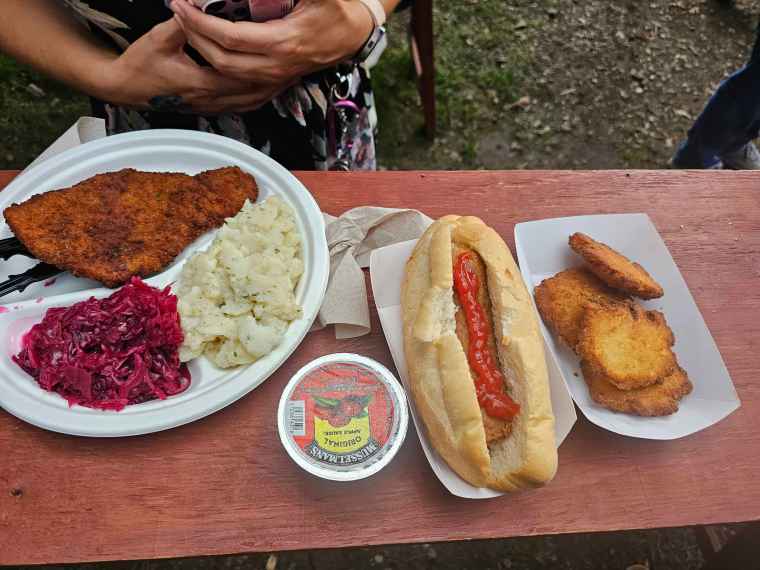
Naturally, we had to sample the food and have a beer before being thoroughly entertained by the band that was playing. I had the schnitzel platter, whereas she had a “Beyond Wurst” and potato pancakes with applesauce, as she doesn’t eat pork. We split an apple strudel with ice cream for dessert. The beer we chose was an apple cider beer, as my sister is also not that fond of beer. I suppose it’s not much of a surprise why she wasn’t overly familiar with German culture prior to this outing. I probably drank most of the beer, but she had some as well.

Of course, this particular Oktoberfest cannot compare to the one in Munich. A small social club simply cannot compete with a city hosting over 7 million people. It was much closer to the “quieter” celebrations of the rest of Bavaria, which is precisely why I enjoyed it.

I am not someone who enjoys huge crowds and, while I love German culture, I’m also not a huge beer drinker. I enjoy a party, but I went to a dry campus on purpose in college. So, to be honest, I wasn’t sure I would actually ever want to go to Oktoberfest in Germany. It would be extremely expensive to go and discover that I actually do not want to spend hours drinking beer, eating food, riding random attractions, singing loudly in a huge crowd and being part of one of the world’s largest parties.
As it turns out, it probably would not be on my Bucket List to do.

I enjoyed my time, but not for more than a few hours. I certainly wouldn’t want to go for a whole week or more. Besides, there are many other places I would want to go in Germany other than a beer tent. If I happened to be travelling around that time and happened to have a day to pop in, I could see going. Although the sheer logistics of trying to get in would probably make it a pass, and I’d instead opt for a smaller celebration nearby.

Which I only really learned by trying out a scaled-down version of it in my own backyard.

And honestly, that might be one of my favourite things about the Bucket List Life. Sometimes you don’t have to travel halfway around the world to discover whether something belongs on your list. You can find a smaller version nearby, try it for yourself and discover that the experience you imagined might not actually be the experience you wanted.
If you’re looking for your own Oktoberfest next year, I’d recommend doing a little digging before simply buying tickets to the biggest event you can find. If authenticity is what you’re after, skip the corporate-sponsored celebrations and look for a local Liederkranz, German social club or German cultural organisation. These smaller celebrations are often rooted in the communities that are actually preserving the traditions, rather than simply recreating the aesthetic of them.

You might not get seven million people, a giant midway or enough beer to fill a swimming pool. What you might get is an accordion band, a plate of schnitzel, someone teaching you when to yell “Oi, Oi, Oi!” and a table full of strangers who are suddenly your friends.

And really, isn’t that what a good Oktoberfest is supposed to be?
When Winter Howls, Let the Opera Sing

We are experiencing a bit of a cold snap here in Pennsylvania. The wind howls outside as I write this, and temperatures plummet from merely chilly to, quite frankly, unbearable. We are advised to stay indoors, and even the sun itself has decided to deprive us of what little warmth it might have offered. While I can certainly enjoy winter outdoor activities, it is on days like these that perhaps we ought to turn to indoor pursuits. Ones that do not come with frostbite warnings attached.

Given the gloomy monotony of the outdoors, I also tend to gravitate toward things with a bit more flair and ambiance. And what could offer more of both than the opera?

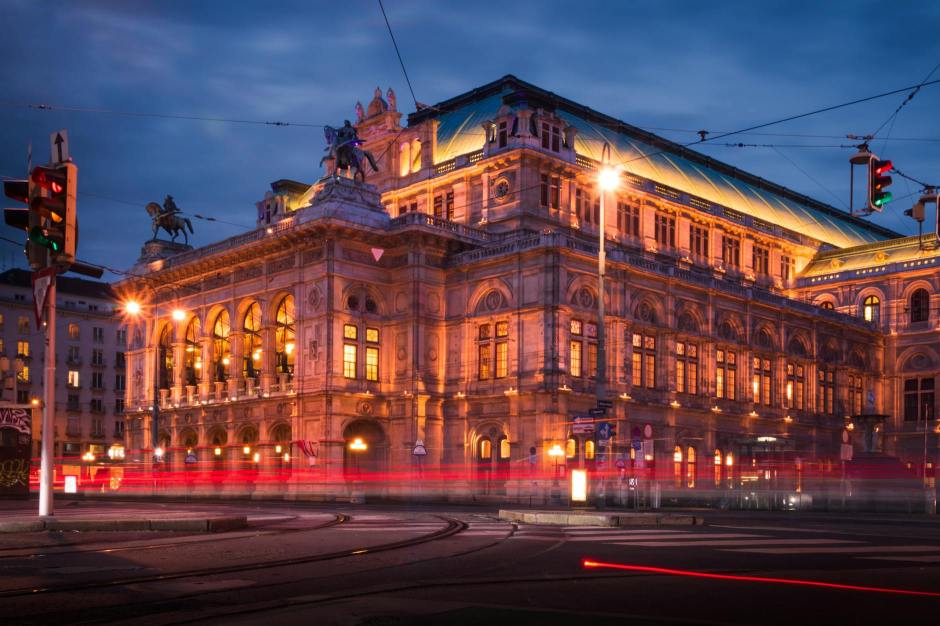
Now, dear reader, I can imagine what you may be thinking. The opera? Where everything is sung in a language you do not understand? Where people dress in finery and say things like, “Why, Penelope, your gown looks absolutely divine. I am certain it will catch Edward’s eye,” as if you have been whisked away to eighteenth-century England. Perhaps you are intimidated by the grand architecture of the opera house itself, the richness of the spectacle, or the sheer weight of history behind it all. You may worry the plotlines will feel distant or the music dull.

Allow me to assuage your fears. Opera is far more down to earth than it first appears, especially today, when it has become a welcoming space for all, not just wealthy elites and snobbish intellectuals. Though I am sure they are still wandering about somewhere, we need not pay them any mind.

As for dressing up, you certainly can, but you do not have to. I did on my first visit, simply for the fun of it. Besides, I had a beautiful gown begging for a night out, and how could I deny it the pleasure of an opera house? It was stunning, a deep purple with a jeweled neckline that hugged my waist before falling into an A-line skirt. It swirled around my legs as I practically danced through the halls in excitement. As a senior in high school at the time, I earned a mixture of approving and amused glances from my elders.

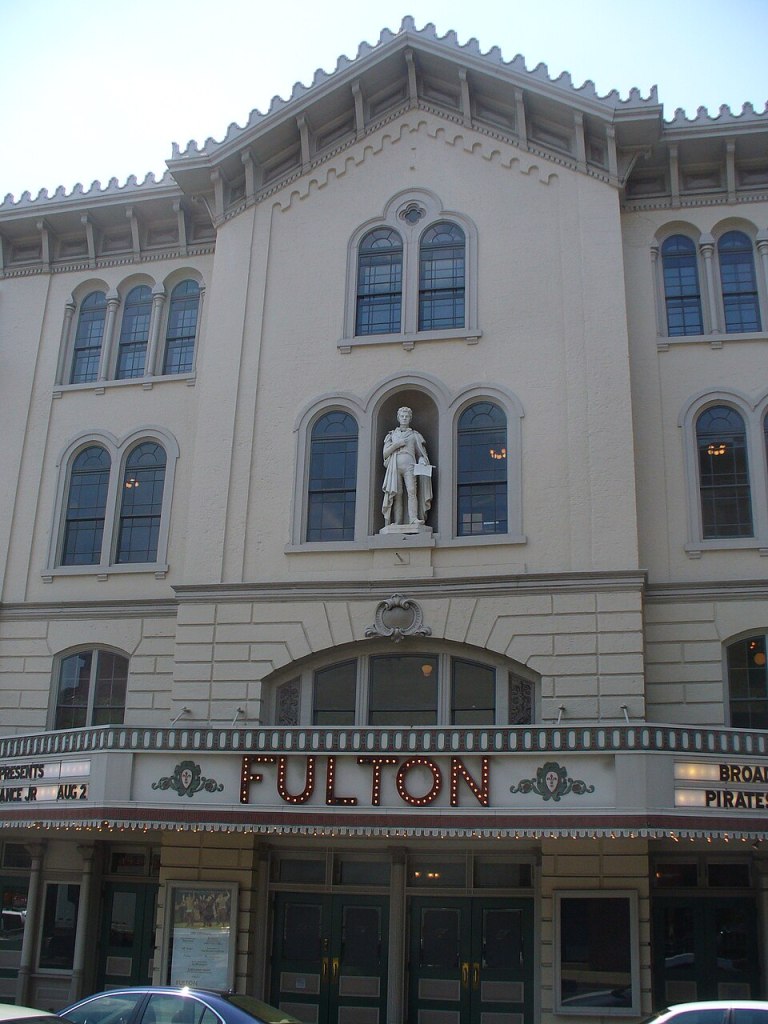
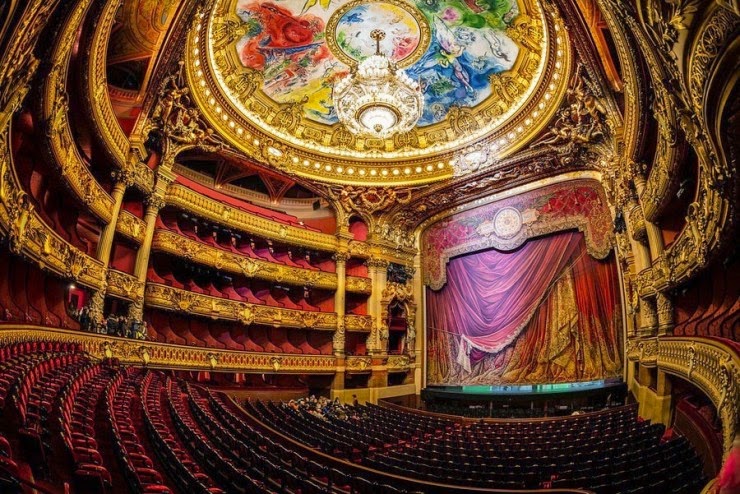
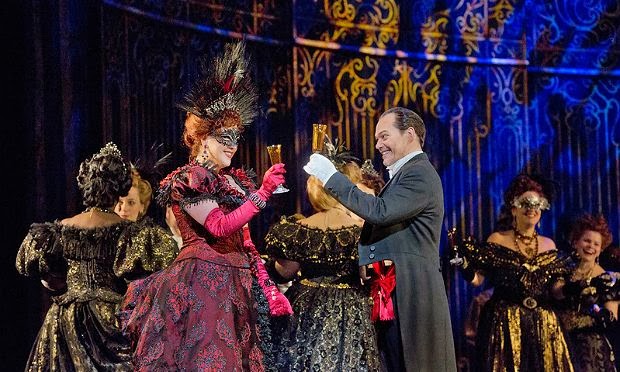
That first experience was a German opera, Die Fledermaus (The Bat), at the Fulton Opera House, one of the few opera houses designated as a National Historic Landmark. The building itself was breathtaking, restored in 1995 to its original Victorian elegance. One step inside, and you might think yourself transported to the opera halls of Europe, with ivory hues, rich red accents, gilded columns, and balconies adorned with swirling gold details. The ceiling features elegant arches and intricate designs that invite the eye upward. I remember being awestruck by this unassuming treasure in my own community.

From the outside, the Fulton sits modestly among other historic buildings, its facade surprisingly plain. The sign announcing “Fulton” feels more reminiscent of a mid-century movie theater than an esteemed opera house, which is fitting in a way. For a time, it did serve as a run-down movie theater before its restoration transformed it into the jewel of Lancaster City that it is today.

My second opera experience, however, was far more casual. It did not take place in an opera house at all, but rather at my local movie theater. It is hard to find anything less intimidating than a relaxed afternoon at the cinema, complete with popcorn and soda. You could show up in pajamas and no one would bat an eye.

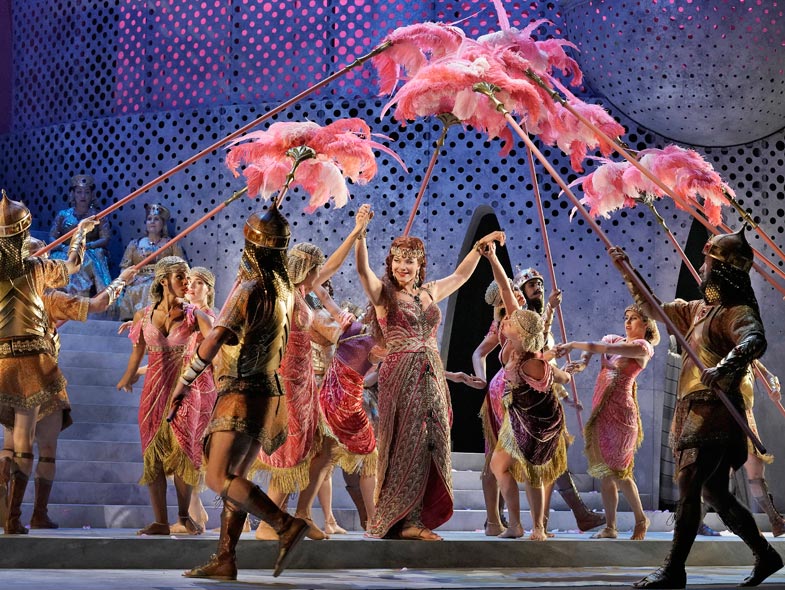
This accessibility is thanks to the Metropolitan Opera, often shortened to the Met, which streams live performances to movie theaters around the world. The Met is one of the most renowned opera houses in existence and sits high on any opera lover’s list of must-visit destinations. With the Met: Live in HD series, one no longer needs to travel to New York City to experience world-class performances. Depending on your theater, the seats may even be more comfortable. Mine has reclining chairs and serves alcohol, which makes a four-hour performance surprisingly enjoyable.

One of my favorite parts is coordinating visits with friends who live far away. We attend the same performance in different cities, text during intermission, and discuss it afterward. Even separated by hundreds of miles, it becomes a shared experience. The Met: Live in HD series offers a wide range of composers and styles. Some productions are modernized with contemporary settings and costumes, while others lean into the historical period in which they were written. Still others fully embrace fantasy, transporting audiences into worlds of myth and legend. Because the performances are filmed, you never miss a detail. Every embellishment on a costume and every carefully placed set piece is visible.

Of course, far beyond the costumes, props, scenery, and architecture is the music itself. It is enchanting, enrapturing, and enthralling in equal measure. Opera spans the full breadth of human emotion, joy, sorrow, longing, fury, tenderness, capturing your heart and refusing to let go. I still remember the hush that fell over the audience as the first notes rose from the orchestra pit, the way sound seemed to ripple through the room. Then came the singers, their voices soaring with jaw-dropping range and power, filling every corner of the space. You do not simply hear opera. You feel it vibrating in your chest, settling into your bones.

Although I speak German conversationally, it is nowhere near sufficient to follow an opera. Thankfully, modern audiences no longer need fluency in French, Italian, or German to enjoy the art form. Operas are almost always subtitled in English, allowing viewers to follow the plot while fully immersing themselves in the music. I vividly remember sitting in the theater, completely enraptured in a way I had never experienced through recordings at home. The notes were richer and fuller, the harmonies more layered, the emotion unmistakable.

Opera is more than a theatrical performance. It is poetic song and living art. It carries a rich cultural history across Europe, filled with timeless stories and enduring truths. Nor is opera confined to the past. Contemporary operas continue to be written and performed, carrying the tradition forward into the modern world.


First Operas to Try (A Gentle Introduction)

If you are curious about opera but unsure where to begin, starting with the right work makes all the difference. These operas are frequently recommended for newcomers because they feature engaging stories, memorable music, and emotional clarity.

Die Fledermaus – Johann Strauss II
A lively comic opera full of humor, mistaken identities, and infectious music. Lighthearted and approachable. It was also my own first opera, so it comes highly recommended.

La Bohème – Giacomo Puccini
A deeply human story of love, friendship, and loss, paired with lush, emotionally direct music.

Carmen – Georges Bizet
Dramatic, passionate, and instantly recognizable, with a strong central character and unforgettable melodies.

The Magic Flute – Wolfgang Amadeus Mozart
A blend of fantasy, symbolism, and humor, written to appeal to broad audiences and still accessible today.

The Barber of Seville – Gioachino Rossini
Fast-paced, witty, and energetic, this comedy is a joy from start to finish.


How to See an Opera Yourself

If you find yourself intrigued, seeing an opera is easier than you might expect.

Check local listings.
Many cities have regional opera companies or host touring productions. Local arts calendars are a great place to start.

Look into streaming performances.
The Met: Live in HD series brings world-class opera to movie theaters worldwide, often at a much lower cost than live tickets.

Seek out local opera houses and smaller companies.
Do not overlook intimate venues. Smaller productions are often more affordable and can feel wonderfully personal.

Do not be afraid to start small.
Matinees, shorter operas, or chamber performances can be ideal first experiences.

Opera has a way of meeting you where you are. All you need to do is step inside and listen.


Opera does not have to be intimidating. It is a welcoming, fantastical place that offers refuge from the cold and invites you into a world of sound and story. So when the wind howls and winter presses in, consider, dear reader, letting the opera sing you warm.

Completed: 2006

Cost: $23 (The Met Live is typically $23 and Opera house tickets can range from $25 to $100)

Miles from home: Home town

Want to discover more adventures? Check out my whole Bucket List and Reverse Bucket List