Keep the Thing You Love Useless

Dear readers, I have been in the midst of an ADHD hyperfixation.

Poetry.

For the past three months, I have been utterly consumed—writing forty-plus poems in three months, which even I have to admit is a slightly absurd amount of poetry

Now, I shalln’t subject you to the entirety of the collection. However, I have shared a few with friends and family, who have begun to gently (and not so gently) encourage me to seek publication. After all, it seems such a shame that such a collection should simply languish on my desktop.

Suddenly, a list of journals sits before me, complete with deadlines looming and pressure quietly building. Some even come with significant cash prizes if the poems are selected.
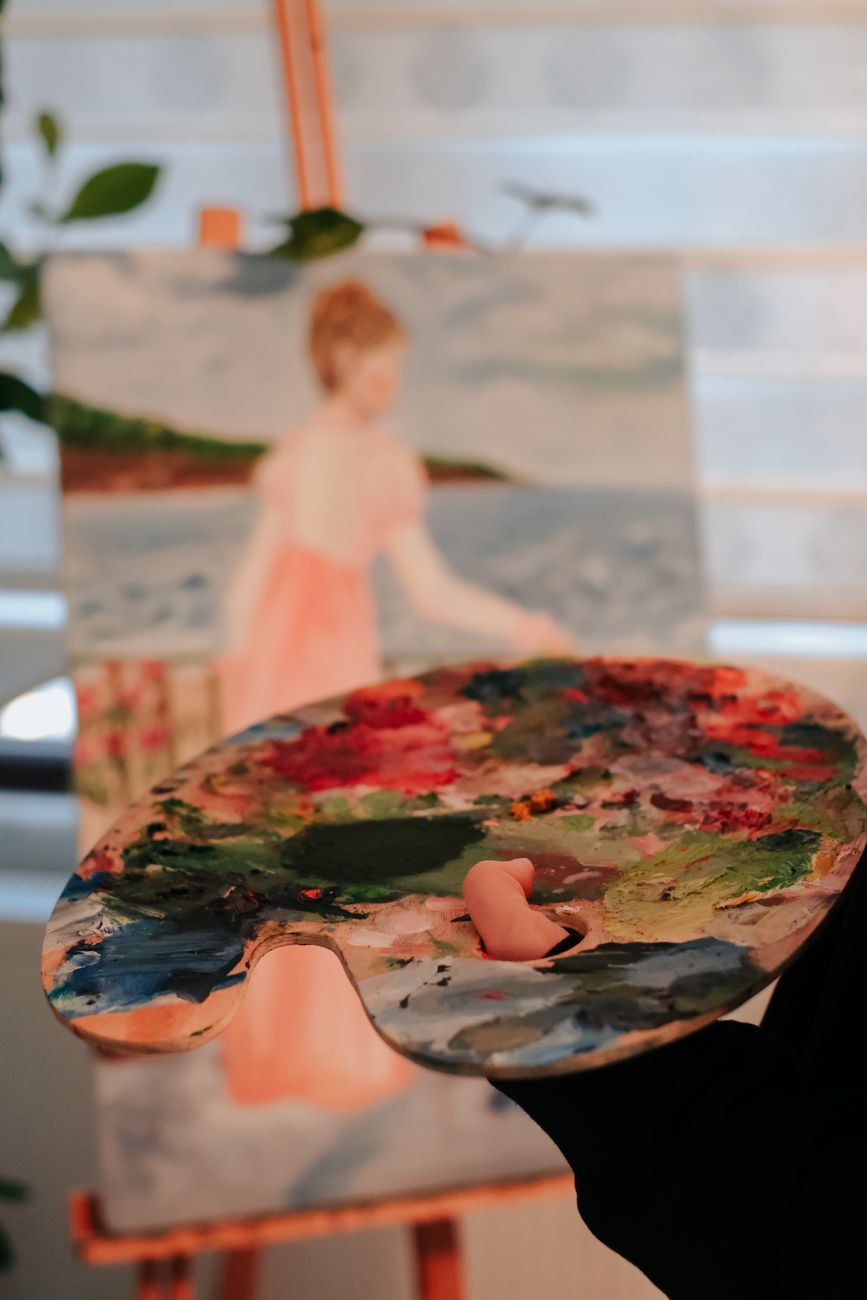
Photo by Hatice Baran on Pexels.com

Isn’t that just the way of hobbies?

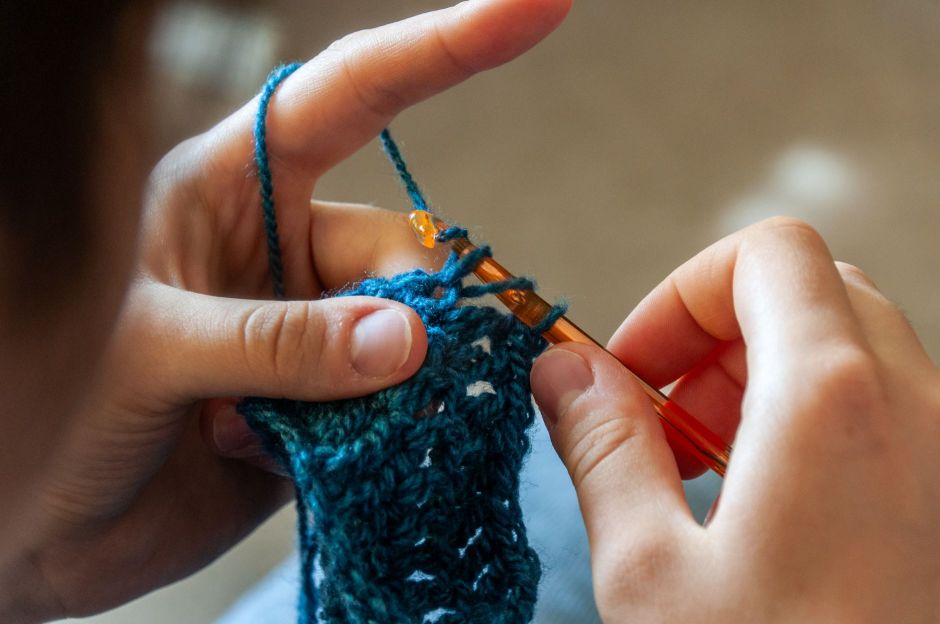
The crocheter is asked when she’s opening an Etsy shop. The painter is asked if they’ve considered the local gallery. The yoga enthusiast is told they should teach. The baker is suddenly “volunteered” for every birthday cake in a five-mile radius. And the poet, inevitably, is encouraged to submit to journals.

And it sounds reasonable, doesn’t it?

We are constantly told to pursue our passions. To follow what we love. To “do what you love and you’ll never work a day in your life.” A beautiful idea. And also… a slightly suspicious one. Because somewhere along the way, we stopped asking whether turning everything we love into something productive might quietly change the thing itself.

There was once an experiment with children who loved to draw. They were divided into groups—one received an external reward for drawing, the other did not.

The result was surprisingly consistent: the group that drew without reward maintained their interest. The group that drew for the reward lost motivation over time. And the group that received an unexpected reward? They also maintained their enjoyment.

In other words: motivation thrives not on chasing reward, but on the absence of needing one. We are most creatively alive when we are not negotiating with outcomes.
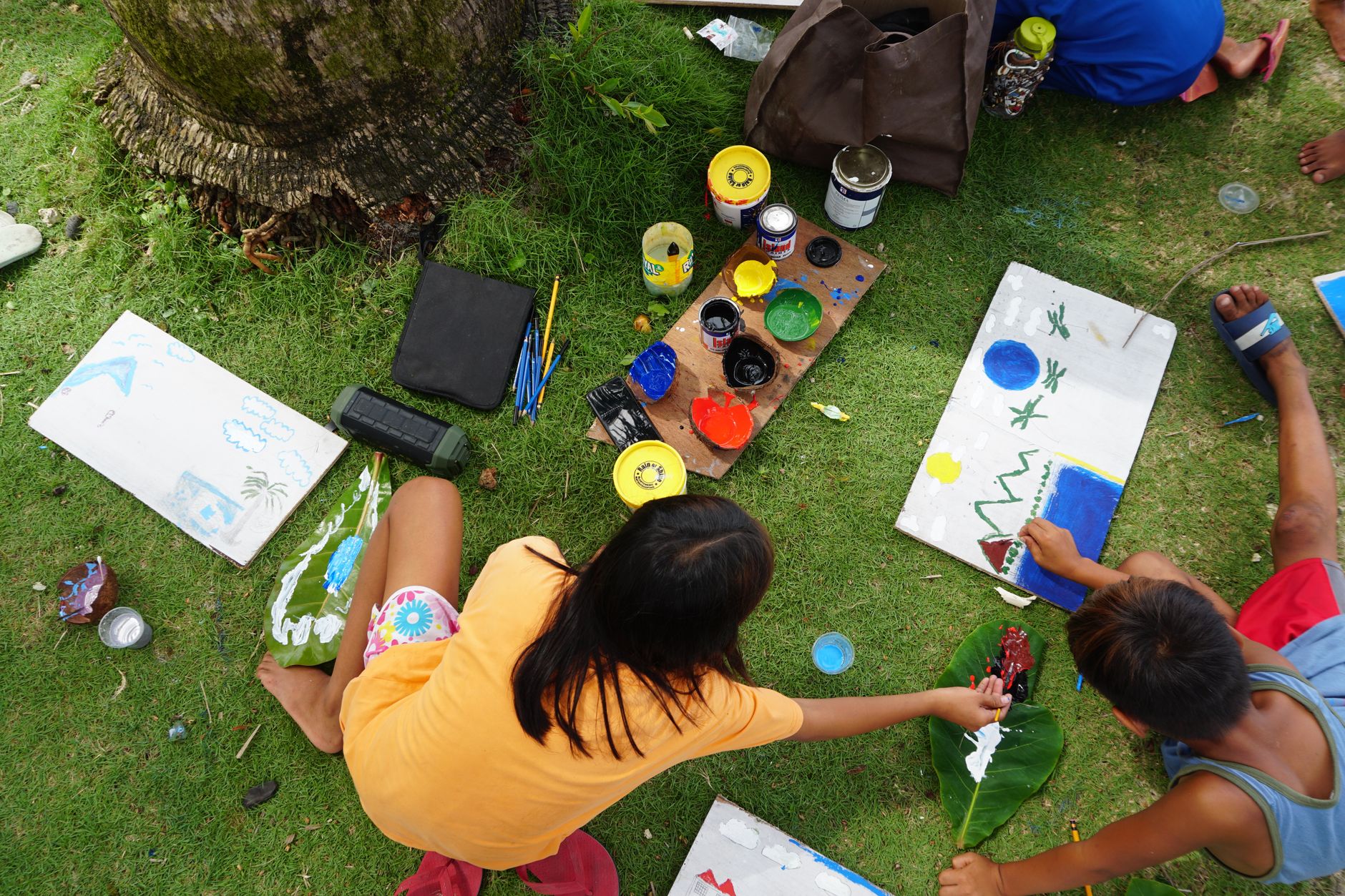
Photo by Cort Landt on Pexels.com

Another study, this time with adults, found something equally odd. One group completed a deliberately dull task before being asked to solve creative problems. The group that had just done the “boring” task actually produced more creative solutions.

Which is funny, because some of my best poetry has never arrived at a desk. It arrives while driving. While walking. While weeding the garden or cleaning something I definitely didn’t want to clean. It arrives when the conscious mind is occupied just enough to step aside.

But that kind of mental spaciousness is hard to come by when every hour is accounted for, optimized, monetized, or squeezed into productivity. And that’s where hobbies quietly begin to change shape. Because turning a hobby into a side hustle sounds empowering—until it isn’t.

At first, it’s just sharing something you love. Then it becomes selling something you love. Then it becomes needing to sell something you love. Then it becomes needing to make something people will buy. And slowly, almost imperceptibly, the question shifts from: “What do I want to make?” to “What will perform well?” The hobby is still there. But the play is not. And without play, something essential quietly drains out of the work. Not always immediately. Not dramatically. But steadily—like a color fading from fabric left in too much sun.

Photo by SHVETS production on Pexels.com

The uncomfortable truth is that most side hustles do not pay nearly as much as we imagine they will. Often, the return is small compared to the time invested. Sometimes it amounts to a few dollars an hour—or less—once everything is accounted for.

Which would be fine, if the primary goal was joy. But when the goal becomes income, validation, or traction… the relationship changes. We stop being in conversation with the thing we love. And start being evaluated by it. And I think that is the part we rarely say out loud: Not everything we love is meant to be optimized. Not everything we create is meant to scale. And not everything beautiful needs to become a business plan.

Sometimes the point is simply that it exists at all. Sometimes the point is that it made you feel alive while you were making it. And perhaps the real danger is not that we fail to monetize our passions… But that we succeed in doing so, and lose the ability to enjoy them without permission. So for now, I remain in my poetry hyperfixation. Not as a product. Not as a strategy. Just as a person who has been, for a while, deeply interested in making things that do not need to become anything else.

Oh do not get me wrong, dear reader, I will submit things to journals here and there, but not for any other reason than to put them out into the world. But mostly, I shall continue to focus on having fun.


Photo by betu00fcl nur akyu00fcrek on Pexels.com

When Life Only Happens in Big Moments

There is a particular kind of exhaustion that does not come from doing too much, but from feeling like your life only really happens in rare bursts. Oh certainly vacations, “milestones”, trips and celebrations are all well and good.  After all these are the “big moments” which make everything else feel worth it. Or are they?

Because if that’s true then….everything in between starts to feel like waiting. Waiting for the next thing that will make life feel real again. 

I think, in some quiet way, many of us fall into this pattern without noticing it. We begin to outsource our sense of aliveness to future events. We tell ourselves, I’ll feel better when I travel, or when this season is over, or when things finally calm down, or when I get to that version of my life that feels more like mine. And slowly, without meaning to, the present becomes something we are simply passing through.Not living in. Just moving through.

Don’t get me wrong, there is nothing inherently wrong with looking forward to things. Anticipation is a form of joy. But there is a difference between anticipation that enriches your life and anticipation that replaces it. One expands your experience. While the other quietly erases it.

Modern life does not exactly discourage this pattern. If anything, it reinforces it. We are surrounded by highlight reels, curated moments, and constant reminders of what life could look like if we were elsewhere, doing something else, being someone slightly different. So it becomes very easy to believe that life is happening over there rather than here or now. I am tempted dear reader to quote Yoda when he was talking to Luke Skywalker “All his life has he looked away… to the future, to the horizon. Never his mind on where he was. Hmm? What he was doing.” Forgive me there are just some temptations I cannot deny. 

Photo by Lydia Murray on Pexels.com

If you are not careful, your ordinary days begin to feel like maintenance. Something to get through. Something to manage. Something to endure until the next meaningful thing arrives. But a life that only feels real in its highlights is a fragile kind of life. Because highlights are, by definition, rare. And everything else is where you actually live.

This is where the trouble starts. Not in the big moments themselves, but in the assumption that they are the only moments that matter. Because if that is true, then most of your life becomes a kind of emotional outsourcing. You send your sense of meaning elsewhere and wait for it to return in concentrated form. A weekend. A trip. A breakthrough. A celebration. A “milestone” (whatever those actually are).

And in between those moments, you are left with everything else. The ordinary. The repetitive. The unglamorous structure of being a person who still has to answer emails and wash dishes and figure out what dinner is going to be. It is easy to dismiss those moments as unimportant. But they are not the exception to your life. They are your life where you wish to admit that or not. 

And this is where things begin to shift, because once you notice this pattern, you start to see how much of life is not actually made of peaks, but of repetition. The same mornings. The same responsibilities. The same quiet routines that shape your days more than any single highlight ever will. So the question becomes not how to eliminate the big moments, but how to stop abandoning your life in the meantime.

Because a life worth living cannot only be something you visit occasionally. It has to be something you can exist inside of. Something that does not require escape in order to feel bearable. This does not mean every moment must be exciting or meaningful in a dramatic sense. That would be its own kind of pressure.

Photo by Pixabay on Pexels.com

Instead, it might mean learning to notice what is already here, even in its simplicity. The small textures of a day that is not special, but is still yours. The way light comes through a window. The rhythm of familiar tasks. The quiet continuity of being alive without anything particularly remarkable happening.

And sometimes, it means gently asking yourself what you are waiting for. Not in a harsh way. Not as judgment. But as awareness. Because often, when we are honest, we are not waiting for one specific thing. We are waiting for life itself to begin feeling like it counts.

If you’ve ever watched or read the play “Our Town” there is a specific scene in which a woman, Emily Webb, has died in childbirth and asks to go back to relive parts of her life. She’s warned not to pick a big day like her wedding because it will be too much. No, she’s told to pick a quite ordinary day and so she picks her birthday as a young girl. She is immediately overwhelmed by how young and beautiful her mother looks, but she is instantly struck by a painful realization. The living are moving too fast, completely caught up in the routine details of the day. When her mother hands her a birthday gift without truly pausing to look at her, Emily experiences a rush of grief. She sees that human beings are blind to the preciousness of the present moment, treating time as if they have a million years to waste. 

Photo by Viktoria Panova on Pexels.com

How often do we live that way? How many times do we not really look at one another and savor the small moments of connection? 

But life is not waiting for permission to be meaningful. It already is happening. Even here. Even now. Even in the in-between.

“Oh, earth, you’re too wonderful for anybody to realize you. Do any human beings ever realize life while they live it—every, every minute?” – Emily Webb “Our Town” 

So perhaps the invitation is not to chase fewer big moments, but to stop outsourcing your aliveness to them. To let the big moments be a part of your life, not the place where your life finally starts. And to remember, gently, that a life well lived is not built in rare highlights. It is built in the ordinary days you stop overlooking.

Rest Is Not a Reward

It may seem shocking to people who know me as a bit of a workaholic, but rest isn’t a reward. It’s not something we earn by slogging through long days, hitting every deadline, or checking every box. Rest is a fundamental human need. Still, how often do we hear ourselves or others say, “I’ll rest when I’m done,” or worse, “I can sleep when I’m dead”? An amusing turn of phrase to be sure, but there’s hard truth behind it and that truth often lands us squarely in the doctor’s office or emotionally drained on the bathroom floor.

Rest isn’t a luxury. It’s a lifeline.

This is hardly a new idea. In fact, it’s deeply rooted in the rhythms of life and spirituality. Two of the major monotheistic religions, Judaism and Christianity, place rest at the center of their practice. In both traditions, followers are instructed to rest every seven days, mirroring the divine pattern of creation. Jesus himself reminds us: “The Sabbath was made for man.” That is, we were created to rest. It is not merely permissible; it is essential.

Nature mirrors this cycle. Soil that lies fallow becomes fertile. Trees drop their leaves to rest in winter. Crops rotate and fields pause. So why do we, of all living things, believe that perpetual output makes us better?

Ironically, research shows the opposite: productivity increases when we work less, not more. Countries with shorter workweeks and more frequent breaks often report higher productivity, not lower. It’s not about working harder; it’s about working smarter and that includes knowing when to stop.

Photo by Pixabay on Pexels.com

There was a video circulating online of two people racing to move bottles into a box. The first ran the length of the line, starting from the farthest bottle and working toward the closest. The second began with the closest bottles, exerting more effort up front. Though they both moved the same number of bottles, the first person conserved energy, maintained a steadier pace, and completed the task with less fatigue. The lesson? We aren’t machines. Even in short bursts, poor pacing exhausts us. Conserving energy through rest lets us go further.

Beyond productivity, rest is a matter of health. Chronic stress has been shown to reduce cognitive performance, compromise immune function, and even shrink parts of the brain related to memory and decision-making. One study found that high stress can drop your IQ by as much as 20 points in the moment. That’s not just inconvenient; it’s dangerous. When we’re running on fumes, we’re more likely to make poor decisions, lash out, or withdraw.

Here’s where things get even more interesting: when we rest, we’re not just recovering. We’re improving. Creativity increases. Problem-solving sharpens. Emotional regulation steadies. We return to ourselves.

I used to think I couldn’t rest until everything on my list was done. Laundry needed folding, emails needed replies, the garden needed weeding. There was always something. I would sit down, tea in hand, only to jump back up at the sight of a dusty shelf or an unchecked item on my to-do list. I felt guilty for resting. It felt lazy. But I’ve come to understand that rest itself is a task, one just as essential as any errand. If I only ever rested when the work was done, I’d never rest at all.

Photo by Nataliya Vaitkevich on Pexels.com

Now, I protect my rest. I schedule it, defend it, honor it. Just like I wouldn’t skip meals, I won’t skip rest. And something beautiful has happened: I’m more present. More focused. More me.

Practical Ways to Prioritize Rest

  • Schedule it. Treat rest like an appointment. Block it off.
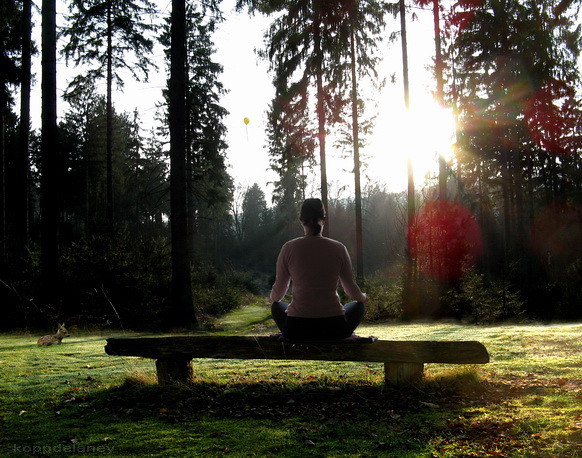
  • Start small. Try a “mini-Sabbath”: 30 minutes of screen-free silence, a guilt-free nap, or a short walk with no destination.
  • Name your rest. Know what makes you feel restored—books, baths, hikes, baking, journaling, music.
  • Watch the guilt. If you feel it creeping in, treat it as a signal—not to push harder, but to ask yourself why rest feels wrong.

Other cultures have long understood this need. In Spain, the siesta remains a valued (if shrinking) tradition. In Japan, the concept of forest bathing walking quietly in the woods is seen as medicine. Scandinavians practice hygge, a cozy kind of restful living that celebrates softness and slowness. These aren’t lazy practices, they’re wise.

Rest also helps us manage crisis. When I’m in a high-stress period, family illness, professional setbacks, emotional upheaval, I know now that my first move isn’t to power through. It’s to pause. Even five minutes of stillness can reset my thinking, stop a spiral, and allow my rational brain to return. Otherwise, I’m just making tired decisions on a tired brain that will create more problems down the line.

Let me be clear: sometimes we do need to push through. Emergencies happen. Sacrifice is real. But those should be the exception, not the norm. If we consistently ignore our bodies and brains when they beg for rest, we won’t just burn out; we’ll break down.

We live in a culture that worships hustle and labels exhaustion as noble. It tells us to chase productivity like a prize. We see rest as a reward to be earned something we get only when everything else is perfect. But life doesn’t work that way. There’s always another errand. Another inbox. Another obligation.

Photo by Andrea Piacquadio on Pexels.com

So here’s your permission, if you needed it: you don’t have to finish everything to earn rest. You’re allowed to stop. You’re allowed to care for yourself not because you’ve done enough but because you are enough.

Rest isn’t about checking out. It’s about tuning in. It’s the quiet space where we meet ourselves again.

So kick up your heels, grab a cup of tea, find your favorite corner of the couch, and take the rest of the afternoon off. You’ve got nothing to prove. And everything to gain.


Reflection prompt: When was the last time you rested—not because you earned it, but because you needed it? What changed afterward?

What is Work Life Balance? Setting Boundaries

With the age of the internet and cell-phones work has managed to invade almost every aspect of our lives. People have stopped talking about work-life balance and talk about things like blending work and life together. Which is really short hand to say, having no boundaries with work and work being able to take precedence in your everyday life. It has even begun to take over things like people’s vacations. 

In countries like France, they’ve adopted the right to disconnect meaning your work may not send you emails after work hours. Some companies have a system in place where if you’re on PTO any email is automatically responded to with “this person is on vacation and your email has been deleted, please reach out to this other team member”. I LOVE these. We should work to live, not live to work. Setting appropriate boundaries with work and holding to them is both difficult and extremely rewarding. 

No wonder we dream of packing up and leaving our homes. Our homes are no longer sanctuaries from work. Instead it follows us to the door, hounding us with phone calls and emails. Sometimes seemingly frantic demands during your off hours. I’m going to hazard a guess that you dear reader are not in the medical profession and therefore are not tasked with the life and death of others. This means that since no one is going to die if you don’t answer that email at 9 pm, maybe it can wait until 8 am. What objectively are  you going to accomplish at 9 pm that cannot be done at 8 am? It will probably take you twice as long to accomplish it late at night than in the morning, when you’re awake and refreshed, especially when adding in the inevitable and natural human response of grumbling to yourself and emotionally having to process this unwanted demand on your private time. 

Rest is important to our functioning, our physical health, our mental well-being, our emotional wellness and spiritual wellness. Paradoxically, when we’re allowed to rest our work performance and output increases rather than decreases. Unfortunately, companies fail to understand that thinking they can just continue to push us to get more results.When we keep work at work and home at home, it allows us to thrive in both places. Once we start blending the two, it can be hard to perform well at either. You find yourself torn in two trying to constantly please two masters. You allow work to encroach on your life so you don’t meet the obligations of the home so then home may start to encroach on your work. It feeds anxieties, worries and distractions. You start to need more and more time to talk out your emotions and process which only robs you of more precious moments and gets you further behind. Just writing this makes me want to scream in frustration. How is anyone supposed to thrive let alone survive in such conditions?  

If you are hourly, you’re probably not tracking this time and ensuring you’re getting reimbursed. If you are, you’re likely getting push back for it. If you’re salaried you have to consider that every hour you work extra is time you aren’t getting back and you aren’t getting paid for, thus lowering your hourly salary. Consider working for 50,000 a year. At 40 hours a week that’s about $24 an hour. If you consistently work closer to 50, you’re now lowering your rate to $19. Would you really do all that you’re doing for $19 an hour? Because you are. By working so many extra hours, your company is essentially robbing you. Even just 1 hour each evening still adds up to 5 extra hours a week or $21 an hour. You’re allowing them to undervalue you and it also means they will continue to not hire the help they clearly need by you enabling this behavior. If protecting your rest time isn’t motivating enough to start setting some boundaries, this monetary incentive should be. 

So what does setting boundaries look like? Well first, what is a boundary?The American Psychological Association defines boundaries as the psychological demarcations that protect the integrity of an individual or group, or that help someone or a group set realistic limits on participation in a relationship or activity. In the most basic terms, it’s about what’s okay and what’s not okay. A boundary isn’t about controlling the other person, that’s impossible. It’s about when person x does y, what will you do? 

Your boss or work colleague will continue to email you even if you request he or she stop. It can be as simple as refusing to answer until the next business day. It could be setting your phone to “do not disturb” and communicating to your boss that after work, your phone goes to “do not disturb”. Some phones let you select which apps and phone numbers to block when which can be really helpful. It could be having a frank conversation about your contracted hours and how often you’re going over them. Letting your boss know that you’re no longer willing to go over your hours without additional compensation because you’re not contracted to (if you have a contract of course). It may be asking your boss to then prioritize the duties and re-allocate them to other team members if you do not have enough time in your day to complete everything they are demanding of you. Some bosses don’t even realize how much they’re asking you to do until you show them. They may even have tricks or strategies to help you structure your day better. Not every boss who has you working overtime is nefarious, sometimes they just don’t know how much you’re doing or how you’re struggling. Use your voice and speak up. 

Photo by Andrea Piacquadio on Pexels.com

It is important to remember that someone else’s poor boundaries does not give them the right to violate yours. It can be very tempting to give in when other people around you consistently allow their boundaries to be violated. You may fear not looking like a team player or missing out on a promotion. The thing is, in most companies, you are no longer rewarded for going above and beyond. It’s often easier to get a promotion or pay raise going to another company than sticking with your current job. That’s why quiet quitting or “acting your wage” was trending as a movement. The reality wasn’t that people were quitting working, rather they were setting healthy boundaries with their company and refusing to be taken unfairly advantage of. 

It will probably look different depending on your company’s culture and your boss. It’s easy for me to say “turn your phone to “do not disturb”, refuse to answer work emails until the next day”, but if your boss berates you if you don’t respond immediately or continues to send escalating emails that will make it more difficult. Especially if you feel you need this job and it’s currently difficult to simply go get another one. So it may be responding with “I saw your email boss and I put your request on my calendar to get done first thing in the morning.” rather than simply ignoring it. You still responded, but you didn’t immediately get it completed on your off hours. It’s a small but important step. Once they start accepting that initial boundary, you may find it easier to follow up with “Hey I’m not going to keep sending you a response that I saw your email, just trust that I will see it and get it done like I’ve been doing”. It may be having a conversation with your boss letting them know that you want to be a team player, and you’d like to know which requests are expected to be answered right away and which requests can wait until the next day. Maybe your boss doesn’t even realize that you don’t know you can wait until the next day to respond. Only you know your boss and your company’s culture to know what approach is right for you. It may also involve going to therapy to get coaching on how to set boundaries if you’re someone who struggles with pleasing people or assertiveness. 

We want to live rich and meaningful lives, but how can we if our jobs are always lurking around every corner of our lives, demanding our time, energy and sacrifice while giving us so little in return? It’s time to return to work being at work and home being at home, keeping those spheres separated to allow us to thrive in both. I always do my best work when I hold to strong boundaries and I think that my performance allows me to back up that claim when I’ve had to speak with my supervisor or colleagues about my boundaries. I do let them know I’m available for emergencies and I define what emergencies look like and what they aren’t. 

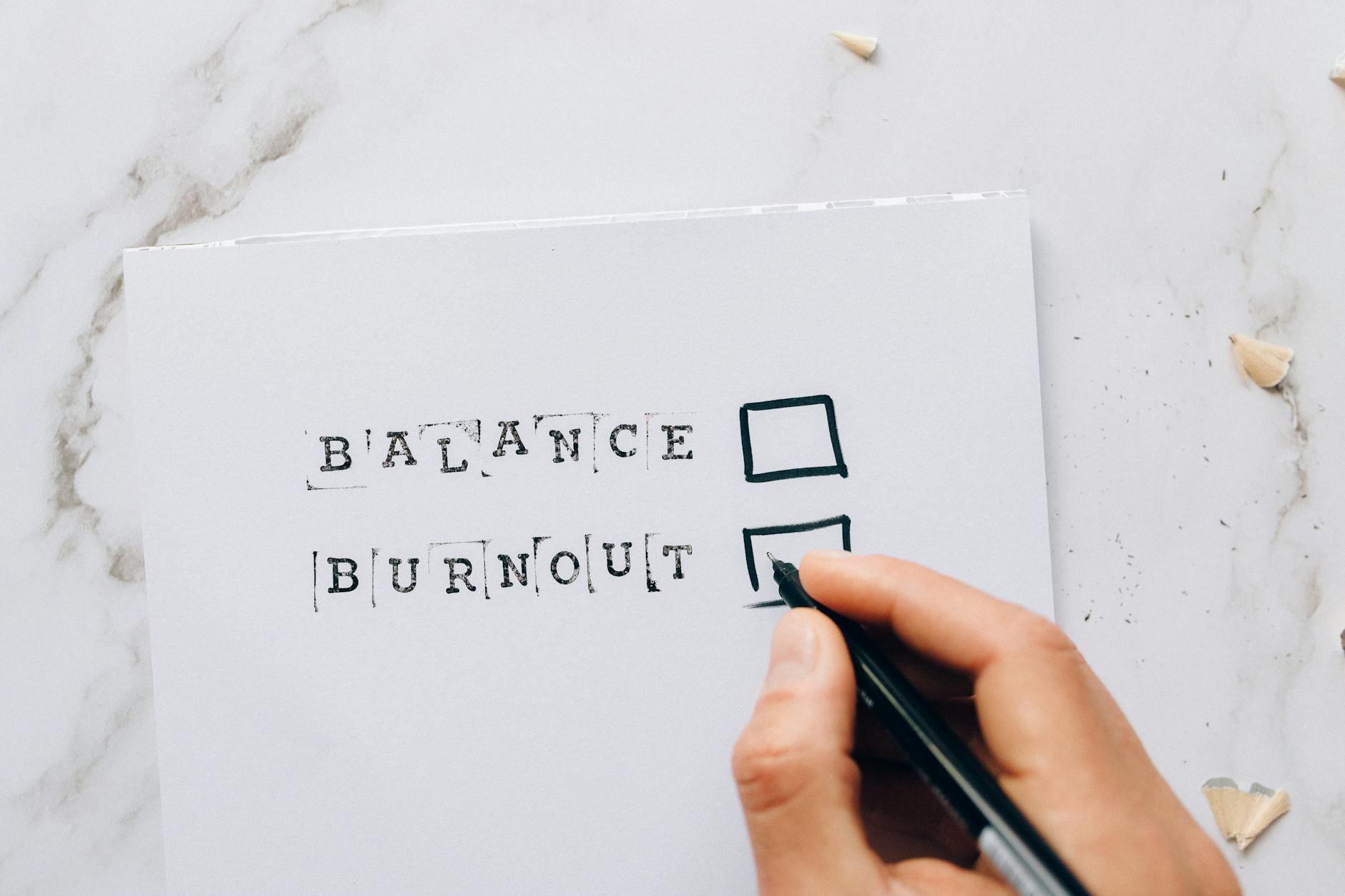
Am I perfect with this? No, but I always found that the more I’ve held to my boundaries the better work I do at work and the less burned out I feel because I am able to get the necessary break every day not just when I escape to another state or country. The reality it this, soon you will be dead and then all the emails, powerpoints, deadlines and team meetings will be meaningless. No one gets to the end of their life and wishes they had spent more time at work. They wish they had spent more time with their children or their pets. They wish they had prioritized their personal relationships more than their work colleagues. They wish they had taken the time to learn a language, play and instrument or pursue their hobbies. Life is too short to work all the time, work to live, don’t live to work.