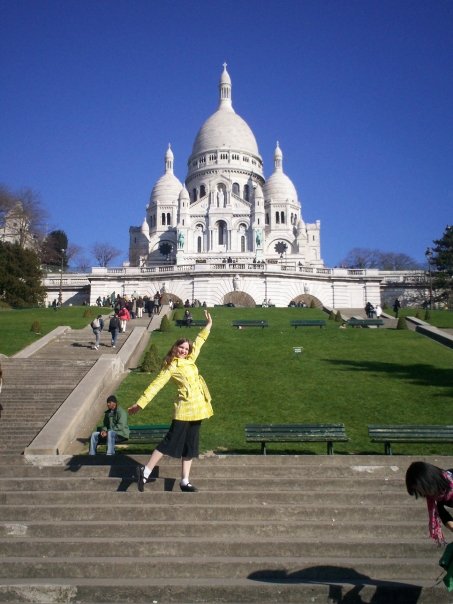
We left our story (Part 1, Part 2, Part 3), dear reader, at the steps of the Basilique du Sacré-Cœur, with the universe laughing as I stared in disbelief at a place I had already declared far too distant to reach that day. In the years since, I have often found myself accomplishing things that once felt equally out of reach. When doubt creeps in, I return to this memory. The path may not be direct, but you will arrive. The trick is learning to enjoy the detours.
And perhaps, if I am being honest, that is part of why I share stories like this at all.
Occasionally, I wander further afield in these tales. Not to abandon the spirit of this blog, but to present it honestly. Some dreams require more than staying close to home. Some experiences ask you to stretch beyond your usual borders. I have no desire to present a life neatly curated into something it is not. The truth, as it turns out, is far more interesting. And far more instructive.
Had we marched straight to Sacré-Cœur, we would have missed the Eiffel Tower and the Archaeological Museum entirely. Travel, when approached with openness, teaches far more than what sits behind glass displays.
The Basilique du Sacré-Cœur stood in quiet contrast to the more widely known Notre-Dame Cathedral. There was a preserved sacredness here. Where Notre-Dame hums with the steady rhythm of tourism, Sacré-Cœur felt… guarded. Not unwelcoming, but intentional.
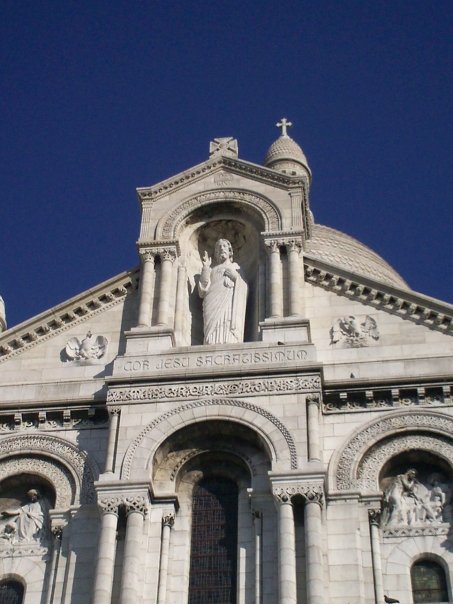
No photographs. Voices lowered to a hush. Nuns gently, but firmly, reminding visitors that this was not merely a site to be consumed, but a space still in use, still sacred.
Some may find that restrictive. I found it grounding.
We were the ones intruding, and we were given boundaries. Watching worshippers in quiet devotion, I felt something I can only describe as a pull upward, a stillness that settled over the space and demanded respect. It remains one of my favorite memories, not despite those restrictions, but because of them.
We left eventually, though I could have lingered longer, stepping once more into the lively streets of Paris as though emerging from another world.
Our destination was the Musée d’Orsay, home to some of my favorite artists. In those pre-smartphone days, coordinating across countries required optimism and a bit of guesswork. When the appointed meeting time with Frieman came and went, we were left waiting… and waiting… only to discover later we had managed to wait for one another at entirely different museums.
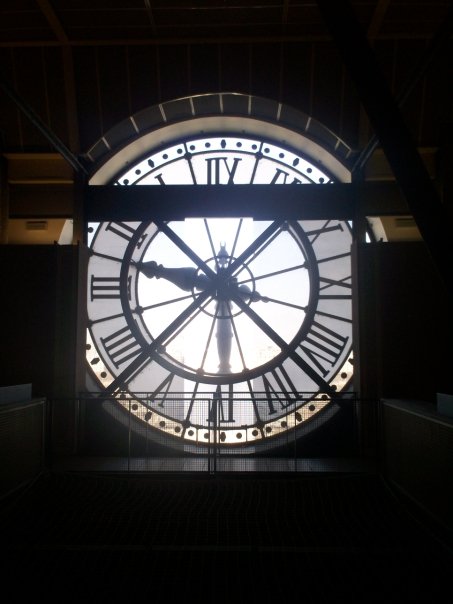
A perfect summary of early 2000s travel, really.
Accepting defeat for the day, we went inside anyway, trusting that an email later would sort things out.
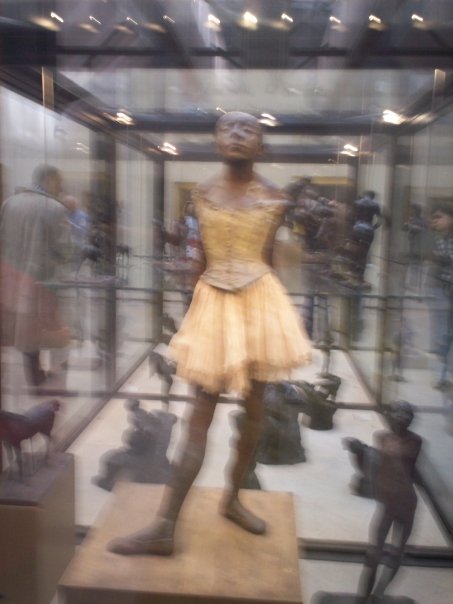
The Musée d’Orsay itself deserves more than a passing mention. Once a grand train station, its soaring ceilings and iron framework still echo its former life. There is something poetic about a place once built for movement now holding stillness. Light pours in through enormous windows, illuminating canvases that themselves chase fleeting moments.
We wandered slowly, letting the space guide us. Monet’s work shimmered with that signature softness, as though the world itself refused to stay still long enough to be fully captured. Renoir’s figures felt alive in a different way, their warmth and movement drawing you into their world. Impressionism has always felt less like observation and more like memory, imperfect, glowing, and deeply human.
With our plans unraveled, we turned next to Sainte-Chapelle.
There are beautiful places, and then there are places that feel almost unreal.
Sainte-Chapelle belongs firmly in the second category.
The structure itself nearly disappears, replaced by walls of stained glass that stretch impossibly high. Over a thousand panels catch the light and fracture it into color so vivid it feels alive. Reds, blues, and golds spill across the floor and over the people standing within it. You do not simply look at the windows. You stand inside them.
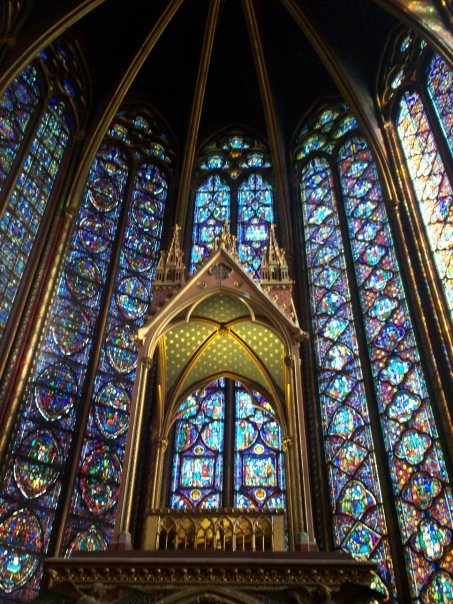
It is overwhelming in the best possible way. Quiet falls over the room, not because it is enforced, but because it feels required.
Still caught in that awe, we wandered into the gift shop, and it was there that something clicked into place.
I had been seeing unicorn tapestries everywhere.
At first, I dismissed them. Tourist fare. Decorative patterns meant to evoke something vaguely medieval. But they kept appearing, on bags, on notebooks, in displays. Persistent.
Curious, I asked the woman behind the counter, half expecting a vague answer.
Instead, she smiled and told me exactly where they were.
Right here. In Paris. At the Musée de Cluny.
Now, dear reader, it should come as no surprise that I love unicorns. This is me after all.
(If you’d like the full story behind that lifelong obsession, and a deeper dive into the tapestries themselves, you can read it here.)
This is not a casual appreciation. This is a lifelong commitment.
My very first stuffed animal was a unicorn named Rainbow, a music box that played Somewhere Over the Rainbow. She traveled with me across countries and still sits on a shelf in my room. Growing up in the 90s, unicorns were not nearly as easy to find as they are now, which only made each one feel that much more special. Books, toys, anything I could find, I devoured it. Really today’s children have no idea how easy it is to find them!
And somewhere along the way, I discovered The Lady and the Unicorn.
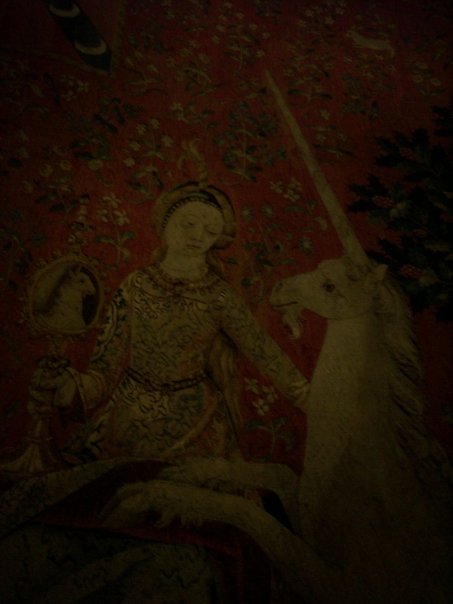
A series of six medieval tapestries, each rich with symbolism, each woven in the millefleurs style—“a thousand flowers”, their backgrounds alive with intricate botanical detail. Created around the turn of the 16th century, likely in Flanders, they depict the five senses: taste, touch, smell, sight, and hearing. The sixth, bearing the phrase À mon seul désir, “to my only desire”, remains something of a mystery.
Interpretations vary. A renunciation of earthly pleasures. A declaration of free will. Perhaps even a representation of a sixth sense, something beyond the physical. I have always liked that it resists certainty.
It felt fitting.
Armed with directions and far too much enthusiasm, Erika and I set off at once. My feet protested. Fifteen miles the day before had seen to that. But there are moments when discomfort becomes irrelevant.
This was one of them.
There were unicorns to see.
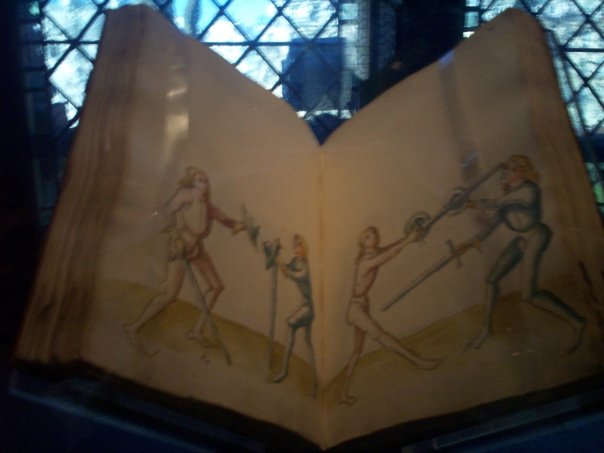
I did my best to behave like a reasonable adult upon entering the museum. I failed. Spectacularly. While I attempted to maintain composure, I am fairly certain my barely contained excitement gave me away. To her credit, Erika insisted we take our time, lingering over artifacts, allowing the museum to unfold properly.
I tried.
I truly did.
And then we reached them.
The tapestries did not merely meet expectations. They erased them.
Reproductions flatten them. They shrink them. They strip away the very things that make them extraordinary. In person, every thread is visible. Every flower distinct. The scale alone is commanding, but it is the detail that captures you. And I apologize dear reader that my photos do them little justice. As it was the early 2000s technology was woefully lacking and I did not use flash photography. However, the ones you see are the ones I took.
You begin to think about the time embedded in them. The hands that worked them. The months, perhaps years, of labor required to bring them into existence. These were not casual creations. They were declarations of wealth, of artistry, of devotion to craft.
In a world where we can summon decoration with a click, it is difficult to comprehend that level of patience.
As I stepped into the dim gallery, my excitement softened into something quieter.
Awe.
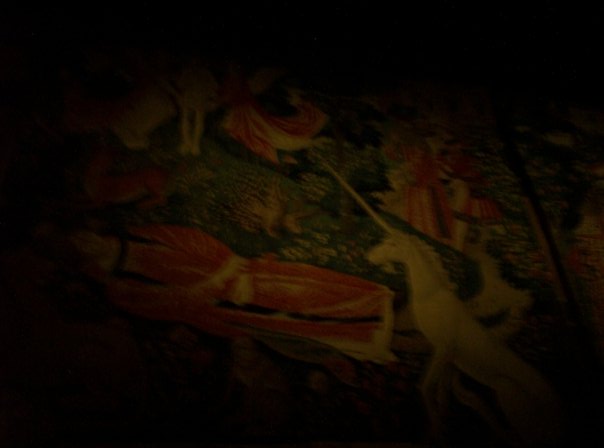
My breath caught as I approached, drawn forward as though the space itself required stillness. I do not know how long I remained there. Time loosened. I studied each panel carefully, tracing patterns, noting symbols, wishing—once again—that I knew enough about botany to name every plant.
I said very little.
What could be said?
Some things refuse translation. They must be experienced fully, in person, to be understood at all.
Too soon, we moved on. There was still more of Paris waiting.
And so, from a missed meeting, a chance question, and a persistent pattern I almost ignored, we found ourselves swept into yet another unexpected adventure.
Want to discover more adventures? Check out my whole Bucket List and Reverse Bucket List

