

I think it’s important to acknowledge that many bucket list items contain cultural experiences especially when traveling. Before going further, I understand this post may ignite some heated conversations. Please, be respectful and extend understanding and grace to one another, this post is intended to encourage us all to be respectful of one another’s cultures and differences. It is not intended to guilt or shame people, and I am open to constructive, respectful feedback.
While cultural experiences can be very exciting, it can also lead to some unfortunate incidents. Even when we’re trying to engage in good faith, we may find ourselves interacting with significant, even sacred, cultural artifacts, rituals and traditions and if we don’t understand what we’re doing, we risk offense or worse. We may find ourselves attracted to the aesthetic of a culture without understanding its significance or true nature and end up utilizing items in a completely inappropriate and disrespectful manner.
Take the 90’s henna tattoo trend which was imported to the West from India. Henna is used for marriage ceremonies. The patterns utilized have deep spiritual meaning and importance. So it must have been a bit of a surprise to them to see women and girls using henna tattoos as a fun activity to do at the beach. Westerns saw them as fun, decorative temporary fashion accessories rather than tied to the ritual of marriage. Was it wrong? Perhaps. Not knowing the history, I am uncertain if it was a conscious effort on the part of Indians to share and market their culture to the west or someone from the west seeing it, thinking its pretty and selling it to girls here. Which is the much more likely story.
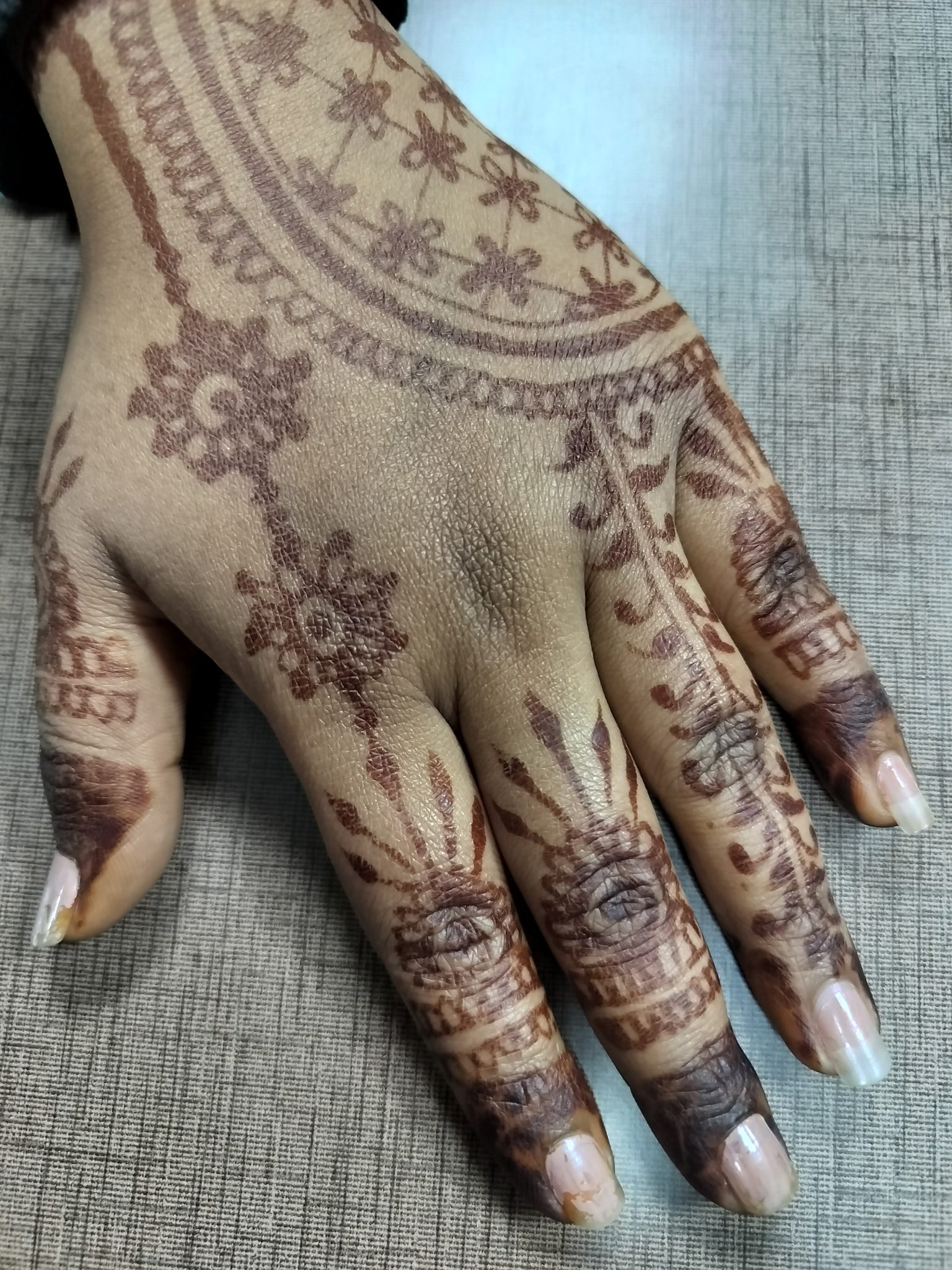
The Japanese Embassy here in the US invited people to come and learn how to properly wear a Kimono. The Japanese Society in Philadelphia invites the public to participate in their tea ceremonies. Hence, I am much more comfortable engaging in those sorts of things, than, say getting a Henna tattoo or box braids. For me, one is a purposeful cultural exchange, undertaken willingly by the people themselves and often comes with a sense of cultural context. The other was taken without the understanding of the culture, not untaken by the people to whom it came from and delivered to the rest of the world without a cultural context to understand it. Despite its prevalence everywhere in my childhood, it wasn’t until I was in college that I learned that Henna was tied specifically to marriage and religious festivals. I still think it’s beautiful, but until I get a sense that Indians are setting up henna tattoo stations at the mall and selling it to us willingly, I’m going to pass.
The box braids are a little more tricky because when I’ve gone to places in the Caribbean, I do see local women offering to braid anyone’s hair. It does appear to be a willing exchange of cultural expression. During my mission trip to Haiti, the women seemed to sincerely want us to participate in that part of their culture with them. It checked my boxes of are these people freely and willingly offering us this part of their culture without coercion as part of an exchange. However, if I came back to the United States with braids, it might be seen in a very different light, not as a symbol of acceptance and friendship but of stolen identity from a subculture I have not been invited to. Sometimes people within the same group may disagree on what is allowable to share and what’s not. Context matters. Do your best to engage in good faith.
Luckily, for most of the items in this blog, we’re in the United States, so it’s not quite as tricky to navigate when it’s okay in one place but not okay back home as in that example. However, it is still tricky when engaging with a culture not your own. Whether you’re near your house or not, when entering another person’s cultural space, you are no longer home and you are an outsider. Which means, you cannot simply show up and demand to participate. The first step is of course to be invited.
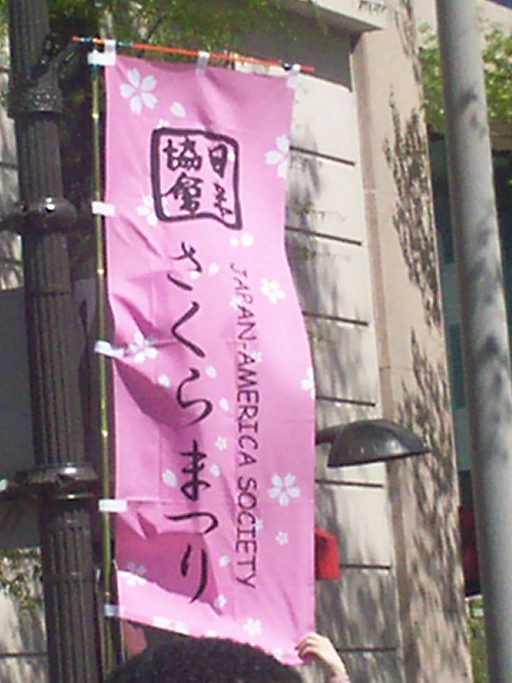
In general, anything open to the general public means you’ve been invited. So cultural festivals, demonstrations, concerts and parades are usually safe to assume you can come regardless of whether you’re part of the group or not, you’re a guest. It doesn’t mean you’re an “honored’ guest, you may be a tolerated one. You can reach out to a group that meets in public places and inquire if you are permitted to join, but you should not impose yourself. If there is a group dedicated to Italian Heritage and you’re not Italian, they would have every right to politely decline you attending their next dinner even if they did book it in the park or other public place. However, if they hold an Italian Festival in the park, by all means partake in the festivities. The festival is a place for them to showcase their culture, share their traditions, have us try their food, hear their music, and take pride in themselves.
Now there are some things that aren’t quite as clear cut as them putting up a banner that says “all are welcome”. My main filter is to go back to what I said earlier to some basic questions like are these people from the culture themselves, are they willingly engaging in this exchange and not due to some sort of exploitation, is there a sense of cultural context to this experience or is it divorced from the larger culture? I may ask some further filter questions to determine in the moment if I should or should not engage such as is this invitation being extended by an individual whom I have come to know well out of friendship, or a commercial venture which exploitation is more likely? Is this activity linked to any sacred or religious rituals or traditions? Am I in a place where that person is of the dominant culture or in a place where they are the minority? Even if we are in say Chinatown does that mean that they’re still the dominant culture for this area?
This isn’t to say that you should do one or the other thing, I’m only sharing with you my process for when I’m trying to determine if I am invited or imposing. The henna tattoo seems like an imposition to me, but I’m not going to tell you, dear reader, what to do or not to do. For some my threshold is too high, for others my threshold is too low. This is not intended to shame anyone or imply they are a bad person if they get a henna tattoo. I’m still learning and evolving. Maybe in a few years, I’ll come to a different conclusion and a different way to filter when I’m a guest, when I’m an imposition and when I absolutely should not participate. The point is for us to at least consider the question to try and do better than we did before in order to be respectful of others. After all, wouldn’t we want the same consideration when people come to our home towns?

The second step is of course to act the part of the guest. A humble, curious spirit goes a long way. If possible, try to do a little research beforehand of proper etiquette especially if going to a culturally significant celebration. A festival in the park with music and food is a bit different than say a procession honoring a Catholic Saint. For example, in Rome I was required to have my shoulders covered when visiting many of the churches. Not having known this beforehand, I had to hastily purchase a shawl to cover my shoulders in order to spare myself the embarrassment of being turned away when I packed a tube top shirt. That was not the time to go on a rant or argument about women’s bodies and whether it was right to insist I cover it up. I was a guest of their city, in their sacred spaces, and I did not have the right to impose my culture and beliefs on them.
The third is to be open to learning and respectfully asking questions. Your questions should not be made with condescension or from the idea that what they’re doing is wrong or strange. Remember, you’re the strange one in this relationship. If you are corrected on a misstep, respond with gratitude and humility rather than defensiveness. I always make the analogy to stepping on someone’s toes. You may not have meant to step on someone’s toes, but you did. The polite, socially acceptable thing to do is apologize and be more careful where you put your feet. Be willing to get uncomfortable and try new things, that is after all the whole point otherwise you may as well have stayed in your own place.
The key principle behind all of these ideas is to be respectful of other people. Their culture isn’t your playground and they aren’t a Disney ride at Epoc. You wouldn’t show up at someone else’s house uninvited and just start messing with their stuff, getting in the way and taking their things as yours. You wouldn’t rudely tell them that their house sucks and that your house is way better. You wouldn’t demand that they make special food just for you and redecorate. The point of traveling is to experience different things and to be a little bit uncomfortable. That’s how we grow. We just don’t want our growth to be at the expense of other people and we often don’t grow very much when it is at other people’s expense. I’m not the definitive expert on this topic, but I do think it’s an important topic to consider when venturing out in the world. Hopefully as you sally forth on your own cultural experiences this short post helps you be a better global sojourner.
 Budget Bliss: Bucket List