
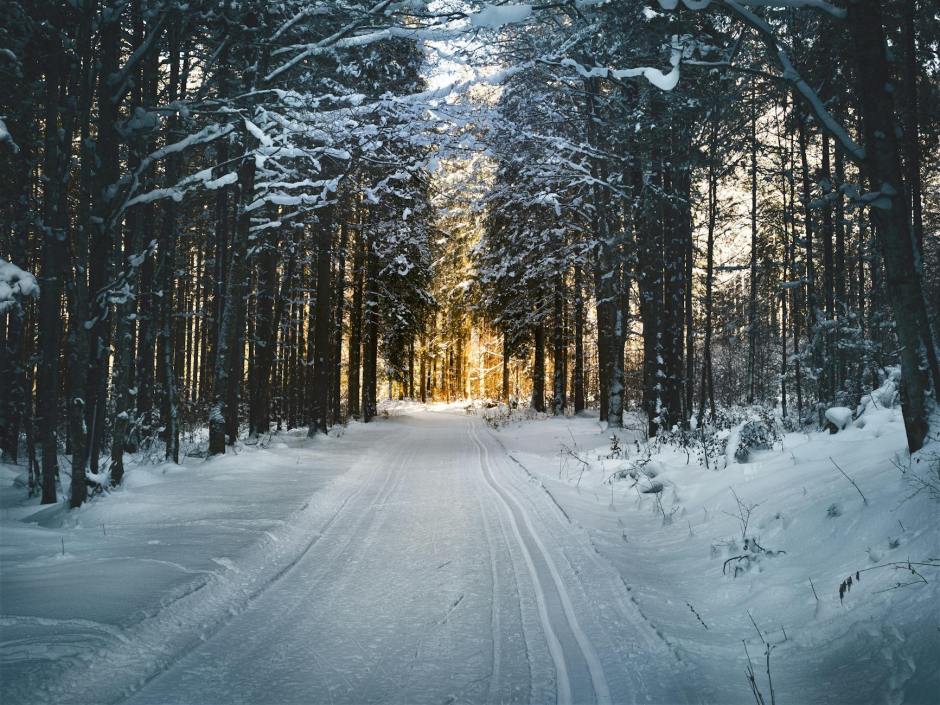
December is always the darkest month. The Winter Solstice arrives with the longest night of the year, quietly marking the slow ascent back toward the light of spring. It is both an ending and a beginning. A hinge in the calendar. A pause between what has been and what might be.
It is also a time of renewal. We reflect on the year behind us, tallying lessons learned and losses survived, and we look ahead with cautious hope. Yet for all that symbolism, December still represents another three to four months before winter fully loosens its grip. The cold does not politely retreat once the holidays end. The bitter reach of Arctic winds lingers, stretching farther south than usual this year, brushing even warmer regions with frost and ice.
With the sun reduced to a pale visitor and the cold driving us indoors, many people feel the familiar post-holiday letdown. The lights come down. The tinsel disappears. The steady drumbeat of gatherings and celebrations fades into silence. Roads turn ugly with soot and slush. Gardens lie flattened and forgotten. Trees stand stripped bare, their branches like exposed bones against the sky. Everything feels gray, muted, suspended.
Time stretches out ahead of us, long and uncertain, offering only the occasional tease of warmth on a rare day that creeps near fifty degrees. It can feel like winter has sucked the life out of the world. And sometimes, out of us too.
All this to say, winter can really drain a person.
And yet, over the years, I have learned something important. Winter is not devoid of wonder. We are simply out of practice at seeing it.
Why Wonder Feels Harder in Winter
Wonder thrives on contrast, novelty, and movement. Spring explodes with color. Summer buzzes with life. Autumn dazzles us with fire and gold. Winter, by comparison, feels like subtraction. Color drains away. Sound is muffled. Life retreats underground or inward. Our modern world does not help. We are conditioned to associate wonder with spectacle, with big moments and bright displays especially at Christmas time. When those disappear, we assume wonder has gone with them.
But winter does not offer pageantry in the same way. It offers something quieter. Subtler. More restrained. Like a dancer who understands that all she needs is a stage and her movements to create beauty, rather than an entire set and multiple costume changes.
As we are often exhausted by the time winter truly sets in, we are not exactly primed to go looking for subtlety. December often follows a marathon of busyness. Social obligations. Emotional labor. Financial strain. The pressure to show up smiling and generous even when you are running on fumes. By the time January arrives, many of us are not ready to be curious. We are ready to be done.
So when the world slows down, we interpret it as emptiness instead of invitation to rest, reflect and truly see what is all around us.

The Magic Hidden in Plain Sight
Yes, driving in snow can be maddening. The clenched jaw. The white knuckles on the steering wheel. The muttered curses when traffic crawls and visibility drops. And yet, there are moments when the frustration cracks open into something else. Sunlight hits freshly fallen snow and suddenly everything sparkles. The world looks newly made. Ordinary streets turn luminous. Even the most familiar landscape feels briefly enchanted.
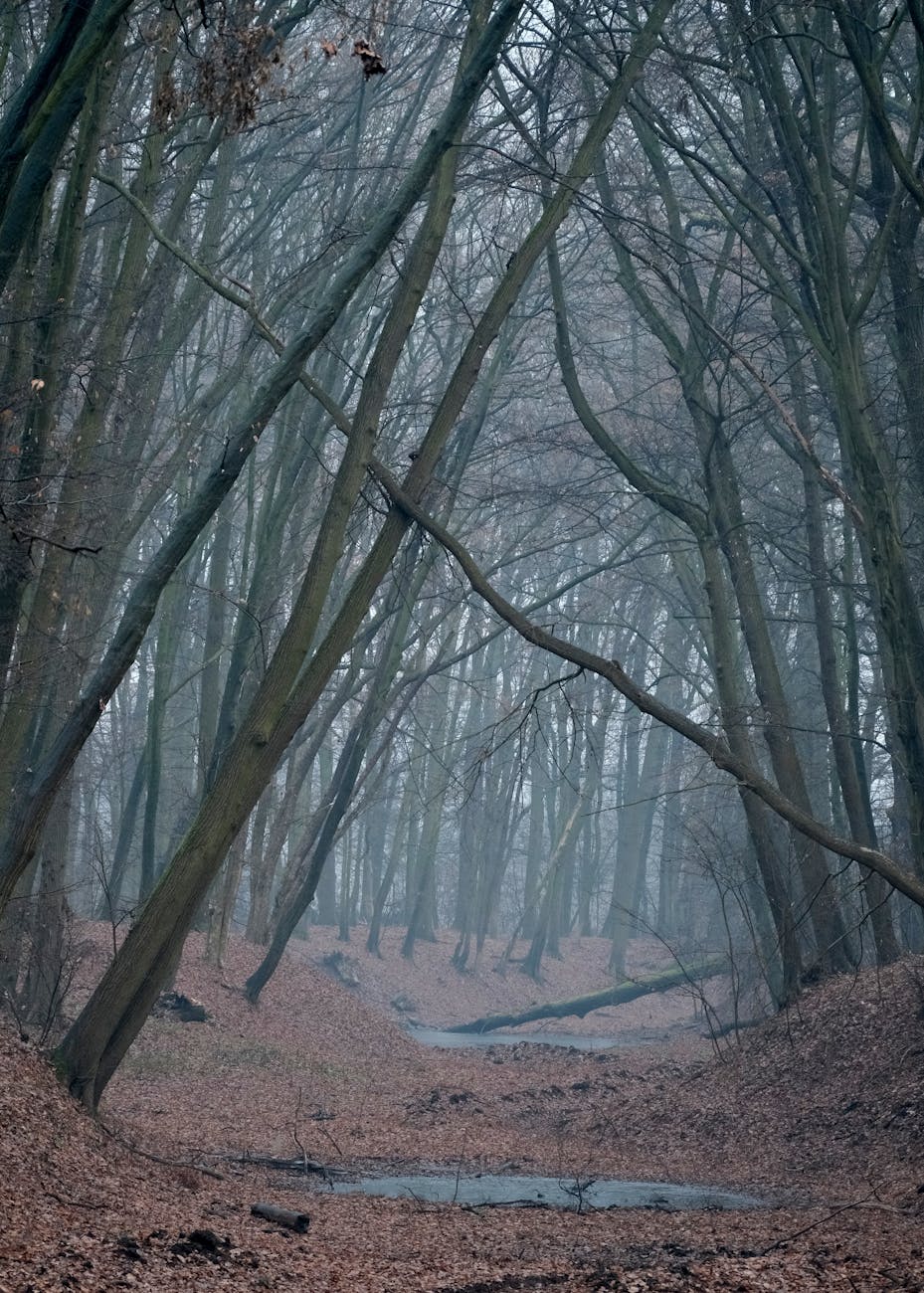
A winter forest carries its own kind of beauty. Bare trees reveal shapes and patterns hidden all summer long. Branches lace together like sketches against the sky. Fog drapes itself through trunks and hollows, softening edges and swallowing sound. There is a stillness there that feels almost sacred. There is nothing quite like a walk in the forest alone in the winter. For that brief time it feels as if you have been swallowed up into another world long forgotten.
Winter wonder often arrives unannounced and unadorned. It does not shout for attention. It waits for you to notice.
Learning to Look Differently
Finding wonder in darker months requires a shift in how we look at the world. Not faster. Slower. Not broader. Narrower. It asks us to trade spectacle for attention.
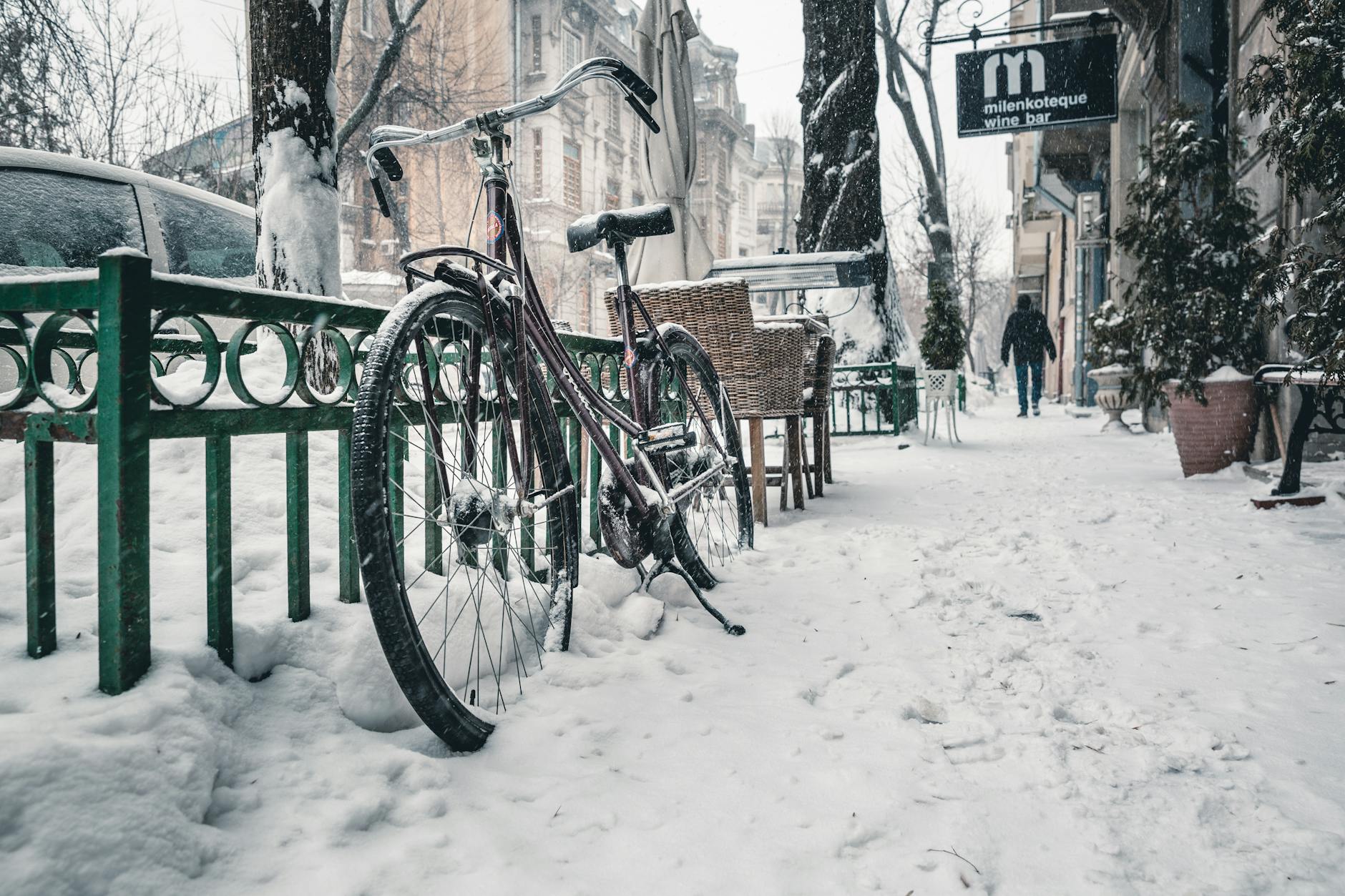
This is not a season that rewards multitasking. It rewards presence, something many of us struggle with these days. Winter is asking us to be grounded, to notice the smaller things. It’s the warm cup of tea in your hands. Watching the steam curling upwards as you gaze out at footprints in freshly fallen snow an echo of life passing through. These are not dramatic moments. They are small, fleeting, and easily overlooked.
Winter teaches us that awe does not always arrive dressed in grandeur. Sometimes it arrives disguised as ordinary.
Practicing Everyday Awe
Awe is often framed as something rare. Something reserved for mountaintops and once-in-a-lifetime experiences. But everyday awe is built through habit, not circumstance.
Start small. Choose one moment each day to truly notice. The quality of the light. The texture of cold air in your lungs. The sound of wind moving through bare branches. Write it down if you can. Not to be poetic. Just to be honest.
Create rituals that slow you down. An evening walk at dusk. A morning routine that does not involve a screen. Lighting a candle not for ambiance but for intention. These small acts train your attention. They remind your nervous system that the world is still capable of holding beauty, even now.
Stillness as a Teacher
After a month of constant motion, winter almost demands that we become still. Nature itself seems to insist on it. Fields lie fallow. Animals hibernate. Growth pauses beneath frozen ground. Nothing is rushed, but rather everything seems to be waiting.
We resist this at first. Stillness can feel uncomfortable. Without constant distraction, we are left alone with our thoughts, a dangerous proposition for many. We are faced with questions we have postponed and emotions we have not fully processed. But stillness is not emptiness.
Winter invites us to stop long enough to hear what has been whispering beneath the noise all year. It asks us to listen not to the loud and boisterous, but to the quiet and the waiting. To the parts of ourselves that are not yet ready to bloom but are still very much alive. Perhaps, they are parts that we have not heard in years. We may find that whatever those parts have to offer are far better ideas to pursue than whatever resolution we came up with when we were caught up in the dazzle of celebrations.

Carrying Wonder Forward
Winter wonder is fragile. It thrives in moments of pause and disappears when rushed. But once you learn how to find it here, you can find it anywhere.
The practice of noticing does not end when spring returns. It deepens. The quiet skills winter teaches us carry forward into brighter seasons. Attention. Patience. Reverence for small things.
Winter is not an obstacle to wonder. It is a different teacher of it.
And perhaps that is the greatest gift of the darker months. They remind us that beauty does not only exist in bloom and abundance. Sometimes it exists in rest. In waiting. In the soft whispers of what has not yet awakened.
If you listen closely enough, winter is not empty at all. It is full of quiet promises.
 Budget Bliss: Bucket List