
Last week, I shared the basic premises of any budget, money in and money out and then focused on how to keep more of that money that comes in from going out. Which is easier said than done especially in this economy. However, I know that it can be done with careful planning and by looking at things that we can control to a degree. Now food is a fairly flexible area in our budgets, but it has quite a bit of pitfalls for the budget conscious. Between rising prices, forgotten leftovers, and the magnetic pull of takeout, things can spiral out of control fast. But eating well doesn’t have to come at the cost of your financial well-being. With a few intentional habits and some creative thinking, it’s entirely possible to enjoy nourishing meals without draining your wallet.
Now, I will say this before going further, that eating can be a form of entertainment and it is important to separate out your food budget from your entertainment budget. Eating out or buying fun and exotic food to try should be considered under a separate category. I certainly have enjoyed eating at special restaurants and trying new things like conch, escargot and kangaroo. However, none of those things came out of my food budget but instead came from the money I saved up for my various local adventures.
I grew up in a home where cooking was the norm and leftovers were just tomorrow’s dinner. That mindset stuck with me. These days, I still batch cook and freeze extras, brew my own coffee, and pack lunches small, consistent actions that chip away at grocery costs without compromising on flavor or nutrition.
Meal planning is part of my weekly rhythm, but I keep it flexible. I’ve learned the hard way that overly rigid plans invite burnout and wasted food. Instead, I use a loose framework, thinking ahead just enough to avoid duplicate ingredients or last-minute drive-thrus, but still leaving space to improvise.

When I go shopping, it’s a combination of a precision strike force and treasure hunt. I always enter the store with a shopping list to keep me focused, but I always make a beeline for the quick-sale sections and Flashfood. These are goldmines for deeply discounted perishables nearing their sell-by date. I stock up on meat, yogurt, or produce and freeze what I can’t use right away. Depending on what I find, my shopping list may drastically change to accomodate my discoveries. However, if you are new to cooking this strategy may not work for you. In which case still buy it but plan on freezing it until you can decide on what you will do with it. Just be certain you will use this food within a week or two. Food that molds, gets freezer burnt or otherwise spoils is money wasted not saved.
If you know when your store marks things down, you can shop smarter without sacrificing quality. Timing, as it turns out, can be as important as location. Personally, I find that showing up about one to two hours after the store opens gives me the largest selection of options.
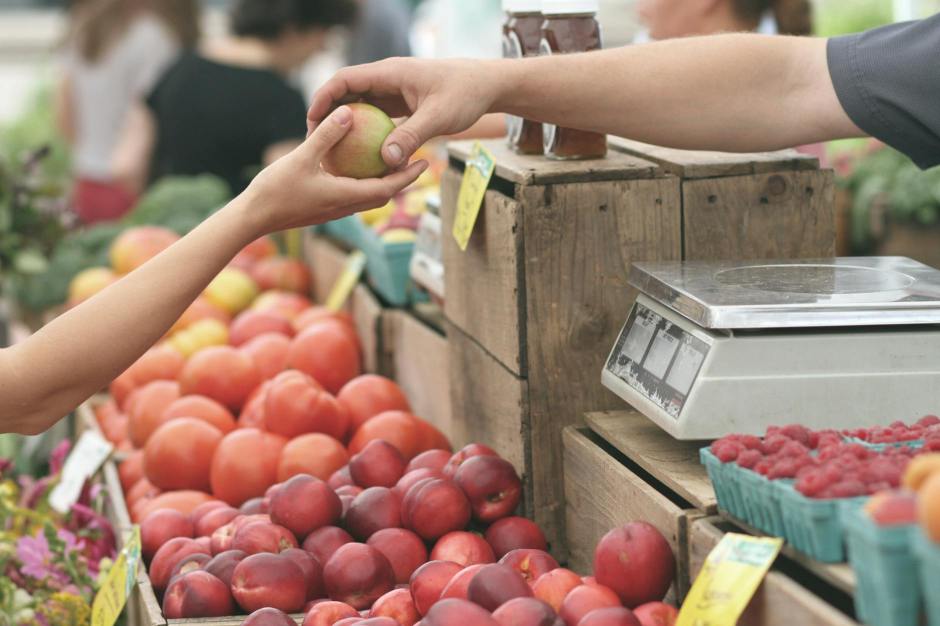
I also will make semi-frequent trips to the local grocery outlets as they often sell “ugly” or surplus produce, misshapen tomatoes, slightly bruised apples, discolored pears, all for a fraction of the price. They may not win beauty contests but they still taste great. Besides, I’m certainly not having Gordon Ramsey over for dinner so I needn’t be too concerned after presentation.
I also take fully advantage of the produce stands for in-season fruits and vegetables. Not only are they fresher and more affordable, but also it supports the local economy.
Tiny Tweaks That Save Big
The devil is in the details—and so are the savings.
- Keep pantry staples visible: If you can’t see it, you’ll forget you have it—and rebuy it unnecessarily.
- Our smaller fridge was a surprise win: With less space to lose leftovers in, we actually eat what we’ve made.
- Clear bins help organize everything from canned beans to opened snack bags, keeping waste (and frustration) to a minimum.
- Learn to get creative with leftovers: One of my mother’s great talents was pulling out several different leftovers and combining them into a new dish. Don’t be afraid to experiment, take time to read cooking blogs to learn how to combine flavors. I have shocked friends by being able to take a small amount of leftovers and stretch them with just a two or three ingredients into something completely new.
Smart Shopping Rules I Swear By
Some habits have become second nature. These are the rules that keep my grocery bills from creeping upward:
- Always check the unit price. The bigger package isn’t always the better deal nor is the lowest price.
- Buy in bulk only if it makes sense for your household. Wasted food is wasted money.
- Use coupons, digital apps, and loyalty programs, but make sure you’re not buying things you wouldn’t normally use.
- Know your store’s layout and markdown schedule. The more familiar you are, the less likely you are to impulse buy.
- Never skip the day-old bread rack. Great for toast, croutons, or a cheap French toast brunch.
Staying on budget doesn’t mean sacrificing quality—or joy. With a few mindful shifts in how we shop, store, and prepare our food, it’s possible to eat well and still have money left over for the things that really matter.
Whether you’re cooking for one or feeding a family, remember: your food budget is a tool, not a constraint. When used wisely, it can help you feel both nourished and empowered.





 Budget Bliss: Bucket List