
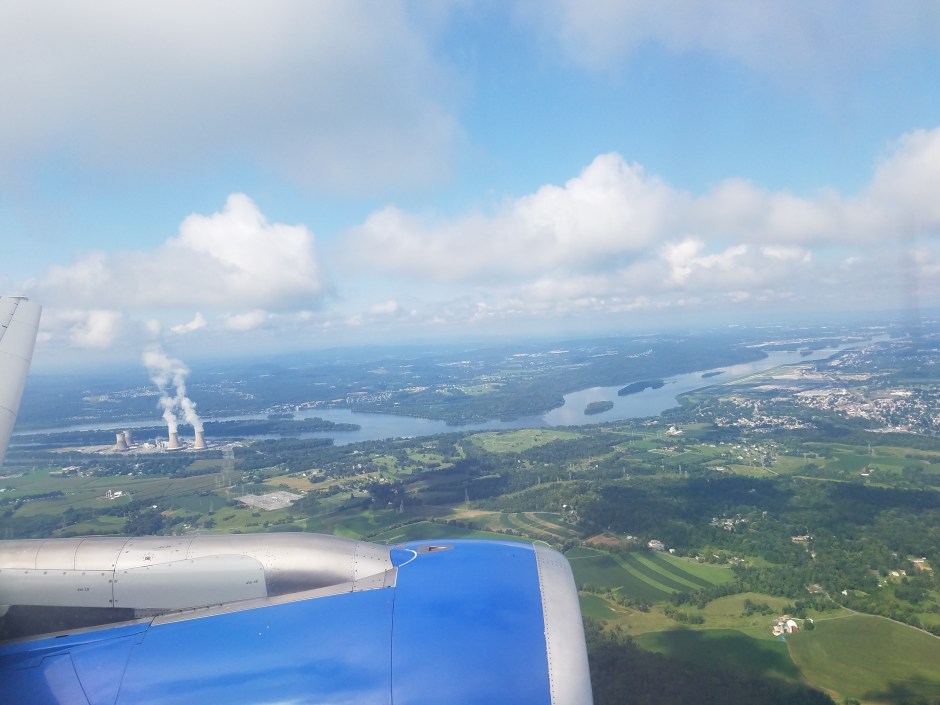
As my original intended post ended up being far too long, I had to break it down into several different ones. Since the original post was titled “Trains, planes and Automobiles”, it seems to make sense that I shall be covering tips for planes next. In a previous post, I discussed luggage and maximizing space with tricks of layering, additional pockets, etc. So I will not insult you gentle reader by repeating myself as I am certain you are capable of remembering previously presented information. Nor will I go into how to snag cheap flights as I have already covered that in other posts, although only briefly. I may eventually make a dedicated post for how to get cheap tickets when traveling, but this post isn’t that. Mostly, this will cover how to help make your plane experience as pleasant as possible because let’s face it, unless you’re flying first class, flying is pretty miserable.
One of the easiest ways to make your flight more pleasant is by having the right seat. There are many different considerations for optimal seat position. Some people love to be at the window (like me), others swear by the aisle seat because it gives them a place to stretch their legs. On some planes there are aisle seats that have no seats in front of them as they make the transition from economy plus to economy, so if you’re looking to maximize leg room, there are two aisle seats on the plane with lots of extra space. However, if you cannot snag those positions then you’ll want either a bulkhead or exit row seat. If you can look at the plane you’ll be flying on ahead of time (information that should have been available at time of booking), you’ll already know which rows those are.
Some people want to sit in the “safest” seat which surprisingly is a middle seat in the back of the plane as those have the highest survival rates in the event of a crash. The other upside to the back of the plane is this is where you’re most likely to have an empty seat next to you since most people don’t want to sit in the back. After all the back of the plane is where you’ll experience the most turbulence and have the longest disembark time. This is also where one of the on-flight kitchens is located meaning that there will be increased noise. You will also have more noise at the very front of the plane for the same reason.
Sometimes you can pick your seat the same day as you book your flight without paying a fee to do so, but most of the time you have to wait until 24 hours in advance to “check-in” in order to avoid paying a fee. Some airlines are starting to charge you even during the 24 hour window, as always do your research when comparing prices. If traveling internationally be sure to have your passport waiting with you so you don’t waste precious time looking for your passport trying to snag your preferred seat. Check out other blogs for the specific airline or airplane you’re traveling with to see if there’s any tips for optimal seating. If you’re traveling on an overnight flight, you may want to double check the location of the bathroom if you’re a light sleeper to avoid being disturbed or if you’re someone who needs to go frequently, be sure to snag that aisle seat near by.
Extra tip: Many people will rush the bathroom right after take off, after meal times and right before landing. Set an alarm for about 2 hours before landing on long haul flights to avoid the rush.
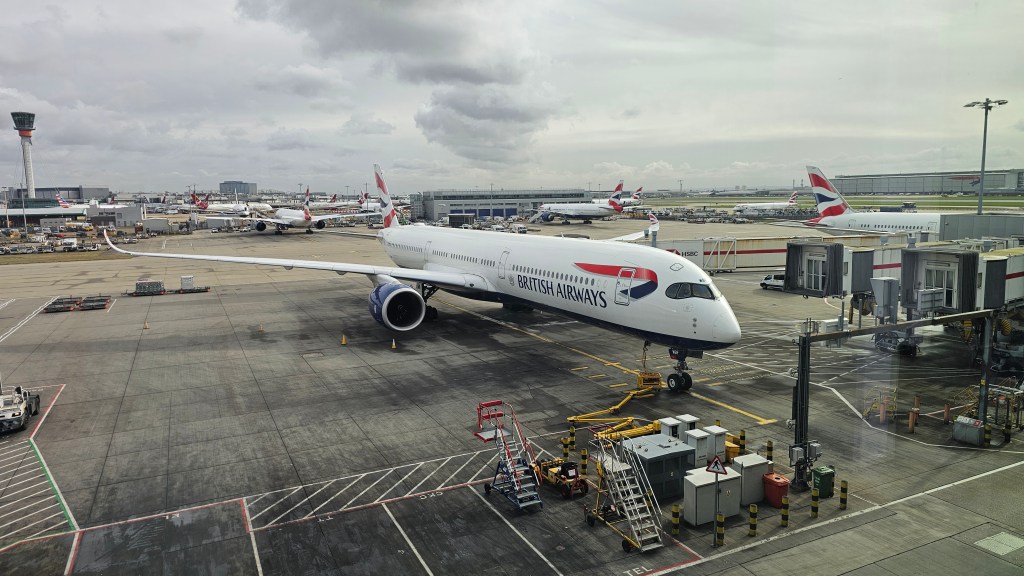
Once you have your seat selected, the next step is to time your arrival at the airport. Many first time flyers make the mistake of thinking the time of their flight is the last possible minute they can board the plane. This isn’t the case. Make sure that when you do your online check in you take a moment to check your ticket. Often they will have two other times listed, the time that you have to have cleared security by and the time the doors to the plane will close. Just because you’ve cleared security doesn’t mean that they’ll hold the plane while you shop or finish a meal. Make sure you allow an hour to make it through security, so whatever time it says try to arrive at least an hour ahead of time. If you’re parking in a long term economy lot, add an extra 15-20 minutes to locate a parking spot, get to a bus stop and take the bus to the correct terminal. Make sure you take a picture of where you parked and what bus stop you were picked up at. Depending on typical traffic for the airport you’re going to, add extra time to your commute and check online for tips of frequent travelers in and out of your airport to see if there is anything you should know. I usually try to add at least 30 extra minutes to my commute into Philadelphia and an extra 60 minutes if traveling during rush hour.
To help make security easy, try and have all your paperwork in an easy to locate place. Wear shoes that are easy to slip on and off (not every airport makes you take off your shoes anymore as it depends on their machines and the thickness of your soles). Have your clear bag of toiletries on top of any luggage you’re bringing through security (like with your shoes not every airport makes you take it out of your bag, but some still do so it’s better to be prepared). If wearing layers try to make sure you can slip your layers on and off without much fuss. The less you have to take off and out, the easier and less stressful this process is. The key is of course to follow the verbal directions of the security people, don’t try to be smart or funny with them, even if you’re the most hilarious person at the airport that day. If you’re unsure of a directive just ask politely for clarification. If you think for any reason that you may need extra assistance with a disability, contact the airport ahead of time to discuss and make sure to clarify with them their recommendations on additional time needed to get through security with assistance. I personally recommend at least an extra hour if you’re going to need assistance as a wheelchair may not be available right when you arrive, they may be short staffed or assisting other customers. Most airlines subcontract this out and the airline you booked with may have little control over these personnel.

I usually don’t get pulled aside at security but here are the three reasons I have been patted down before or searched. The first was a big surprise. I’m an avid reader and apparently the way my rather thick book was packed triggered off the alarm bells as a potential bomb. e. To avoid this, I now only use my e-reader or smaller, shorter books. The second reason is that I have really thick, long hair so when I wore it in a single braid down my back, that triggered a check. To avoid that happening again, I now wear it in two braids. The third was sweat on my back. I was just anxious that I was forgetting something important and it was clawing at the back of my mind the whole drive to the airport – as it turns out, I had forgotten to pack my hairbrush, so nothing that couldn’t be rectified upon arrival but it did trigger a search. As you can see, you can get pulled aside for a search for seemingly no reason, honestly a book, my hair and a sweaty back? The last one was slightly embarrassing, but what can I say, sweating is a natural human reaction to stress and flying can be a stressful thing. To avoid this, take deep breathes and wear breathable clothing.
Now there are many things that one can do to make the flight more comfortable. The first thing I do, is make sure I have something to block out noise and typically carry two ways to do this. The first is my earbuds, the second is a headwrap with bluetooth speakers that I can also use as a sleep mask. I really like the headwrap with bluetooth speakers because I don’t have to worry about my earbuds falling out and they’re super compact to pack. Other people swear by noise cancelling headphones, I don’t like this option because it means that I may miss important announcements, but for other people they’re a must have on a flight.
The second thing I do is to have a variety of ways to entertain myself. I load up on my e-reader and pack a small book that I can read in the event I run out of battery. I also carry a small activity book with puzzles or other games to keep me entertained. My phone has a few apps that can be used offline, along with lots of music. Most long haul flights do include headphones to allow you access to inflight movies and other entertainment, but not every airline will do this so you may want to pack ones that can use a headphone jack rather than a USB. It’s rare that I find myself watching an inflight movie, so I tend to skip packing headphones. I do, however, always carry a portable charger since I can’t guarantee that a charging station will be available or that it will have the right plug. A lot of airlines are getting better about this but in economy class there is often only two plugs per three passengers, so rather than chance ending up in the news over a charging station, I just have my own.
Prior to boarding I try and go for a brief walk just to get my legs moving and blood pumping. Usually this walk consists of going to the bathroom one last time. I also try and dress in at least two layers because I am almost never comfortable on a plane, I am either freezing cold or dying from heat. Having a layer ensures that I comfortable. The same can be said for shoes that can easily be slipped off and exchanged for slippers (remember most people do not want your bare feet out and about, it’s considered rude and there are airlines that are starting to crack down on bare feet, slippered feet however is usually acceptable). Make sure to put your shoes back on if you’re walking about the plane for sanitary reasons.

Make sure to pack a portable water bottle and some snacks. Once you’re through security, you can fill up your water bottle at the many water fountains to help keep yourself hydrated as travel can and does take a lot out of you. I also like to pack snacks. While most airlines do offer snacks and even meals there’s no promise that you’ll like them or that you will get them. On a recent long haul flight, we were supposed to end the flight with a snack. However, several of the flight staff suddenly came down with an illness mid-flight so for safety reasons they did not feed us. So with my snacks, I always pack and use hand sanitizer and sanitizing wipes. I don’t know about the other passengers on my flight, but I do know that I managed to avoid contracting the illness. Additionally, in an effort to save money some airlines have stopped including meals and now require you to pay for them. They may require you to use their app in order to make inflight purchases rather than accepting cash or credit card in flight.
Along with hand sanitizer, I will usually pack a few things to help keep me feeling fresh. As I shared earlier, flying can be stressful and when we are stressed, we sweat. Having a few baby wipes, moistures and even travel toothbrushes can help you feel, look and smell your best.
Now there are people who swear by travel pillows. Personally, I never use them. I don’t sleep on planes, I never could and often the long haul flights do offer small travel pillows and blankets anyways. But that doesn’t mean you shouldn’t if you’re the sort of person who can sleep anywhere (first stop and post in the comments below your secrets, I wish to learn oh wise one!). If you are someone who plans on sleeping, don’t sleep during take off or landing as it apparently negatively impacts your ears ability to regulate their air pressure. Not having ever slept on plane, I cannot comment to the validity of this rumor, but I’ve seen this advice in several places. Travel pillows may also be helpful for people with back or neck pain as planes aren’t known for their superior lubar support. However, if you’re not one of those people then a travel pillow becomes an unnecessary burden and I wholly recommend skipping it.
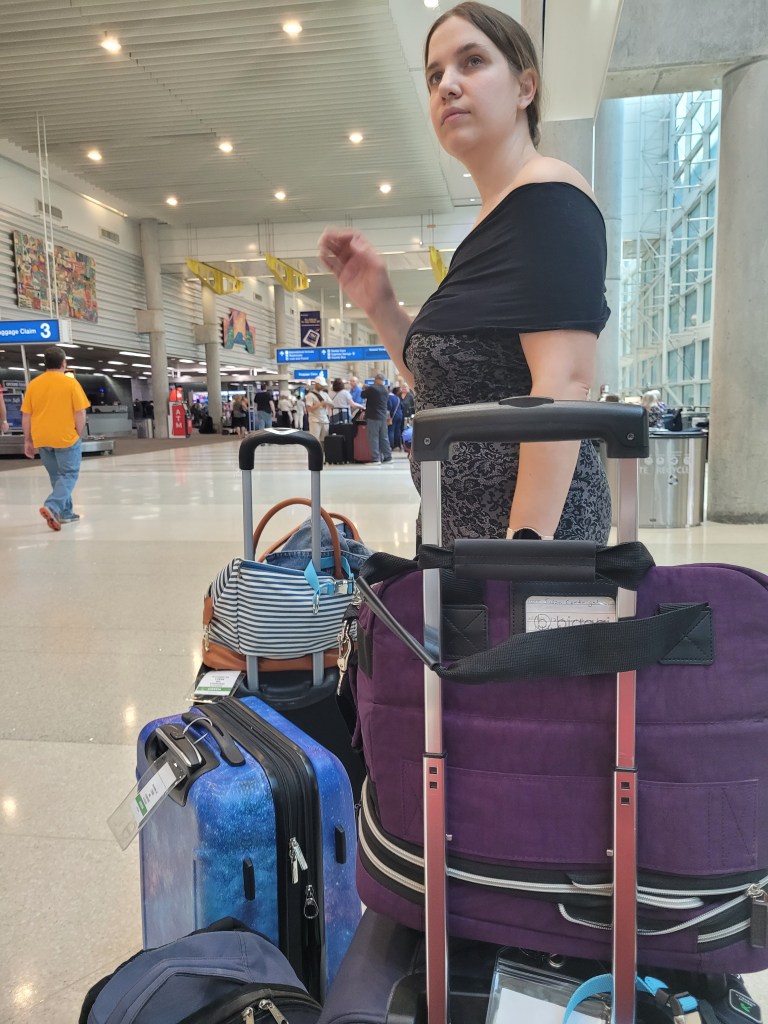
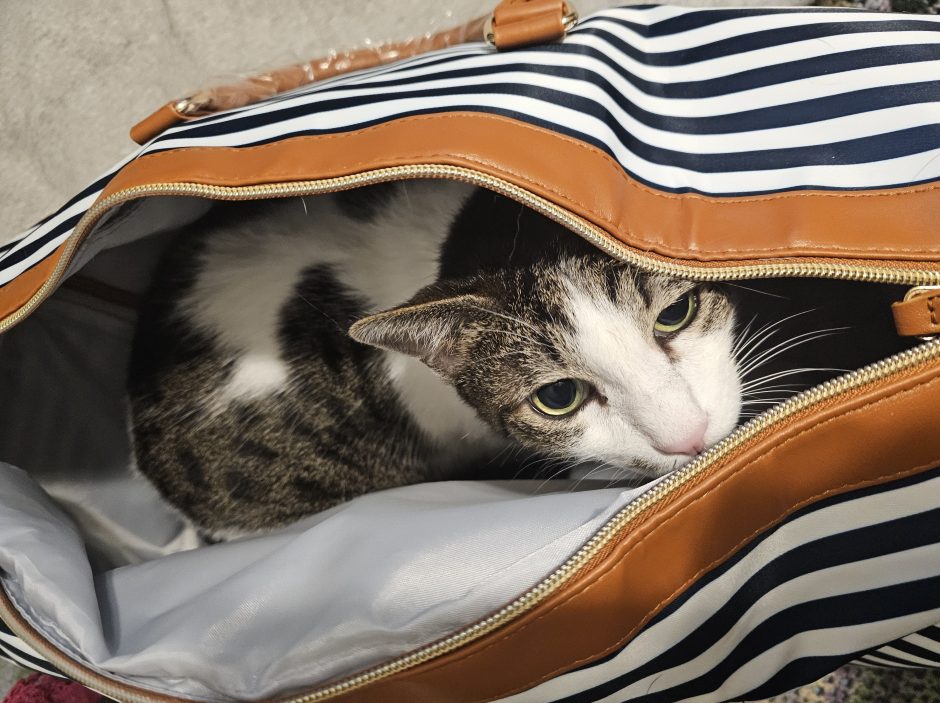
This last one should seem obvious but it always surprises me how few people do it, I see them popping up and down all flight getting their stuff. Keep your airplane essentials in one place and I recommend that be in your personal item. There is no promise that your luggage will end up in the overhead compartment above you. You may end up having it in an entire other section of the plane, or checked in at the gate for various reasons. I often will pack my personal item with all the things I may want on the plane: e-reader, portable charger, activity book, notebook, earbuds, snacks, etc. Within my personal item, these things are often packed in smaller bags which makes it really easy to just reach in and find what I want quickly. I have a collection of small purses because I either have a massive purse with everything in it or a tiny purse that literally holds my phone, my wallet, my keys and maybe a tube of lipstick. The purses are so useful for organizing my luggage and then I have cute handbags for all my outings on my trips, fashion meets practicality, a win for all.
There are certainly other tips that people may recommend and I encourage you to go out and see what other passengers have done to make flights more comfortable. As with all tips and tricks, consider whether they will work for you. As I said earlier, I don’t bother with travel pillows, I don’t ever seem to use them and always regret packing them, but for many people they are essential and worth the extra hassle they cause. You may also read tips and tricks that other passengers won’t appreciate so if it seems a little odd, you may want to check the comment section or the rest of the internet to see if you’re breaking unspoken plane etiquette which could land you in hot water with your fellow passengers. While it may be your “right” to do something, you do increase your chances of ending up in a mid-flight brawl if you ignore plane etiquette, so I encourage you to be polite.
Keep in mind the airline industry is always evolving. Airlines are cracking down on what people can carry on a plane. They’re no longer allowing a free pass on things like pillows and blankets but rather counting those as your personal item. Always, always, check the airline’s website for the most up to date rules and if you’re looking at a blog for luggage “hacks” to avoid fees, make sure you check to see when it was published because the tricks may no longer apply.


 Budget Bliss: Bucket List