
It may seem shocking to people who know me as a bit of a workaholic, but rest isn’t a reward. It’s not something we earn by slogging through long days, hitting every deadline, or checking every box. Rest is a fundamental human need. Still, how often do we hear ourselves or others say, “I’ll rest when I’m done,” or worse, “I can sleep when I’m dead”? An amusing turn of phrase to be sure, but there’s hard truth behind it and that truth often lands us squarely in the doctor’s office or emotionally drained on the bathroom floor.
Rest isn’t a luxury. It’s a lifeline.
This is hardly a new idea. In fact, it’s deeply rooted in the rhythms of life and spirituality. Two of the major monotheistic religions, Judaism and Christianity, place rest at the center of their practice. In both traditions, followers are instructed to rest every seven days, mirroring the divine pattern of creation. Jesus himself reminds us: “The Sabbath was made for man.” That is, we were created to rest. It is not merely permissible; it is essential.
Nature mirrors this cycle. Soil that lies fallow becomes fertile. Trees drop their leaves to rest in winter. Crops rotate and fields pause. So why do we, of all living things, believe that perpetual output makes us better?
Ironically, research shows the opposite: productivity increases when we work less, not more. Countries with shorter workweeks and more frequent breaks often report higher productivity, not lower. It’s not about working harder; it’s about working smarter and that includes knowing when to stop.

There was a video circulating online of two people racing to move bottles into a box. The first ran the length of the line, starting from the farthest bottle and working toward the closest. The second began with the closest bottles, exerting more effort up front. Though they both moved the same number of bottles, the first person conserved energy, maintained a steadier pace, and completed the task with less fatigue. The lesson? We aren’t machines. Even in short bursts, poor pacing exhausts us. Conserving energy through rest lets us go further.
Beyond productivity, rest is a matter of health. Chronic stress has been shown to reduce cognitive performance, compromise immune function, and even shrink parts of the brain related to memory and decision-making. One study found that high stress can drop your IQ by as much as 20 points in the moment. That’s not just inconvenient; it’s dangerous. When we’re running on fumes, we’re more likely to make poor decisions, lash out, or withdraw.
Here’s where things get even more interesting: when we rest, we’re not just recovering. We’re improving. Creativity increases. Problem-solving sharpens. Emotional regulation steadies. We return to ourselves.
I used to think I couldn’t rest until everything on my list was done. Laundry needed folding, emails needed replies, the garden needed weeding. There was always something. I would sit down, tea in hand, only to jump back up at the sight of a dusty shelf or an unchecked item on my to-do list. I felt guilty for resting. It felt lazy. But I’ve come to understand that rest itself is a task, one just as essential as any errand. If I only ever rested when the work was done, I’d never rest at all.
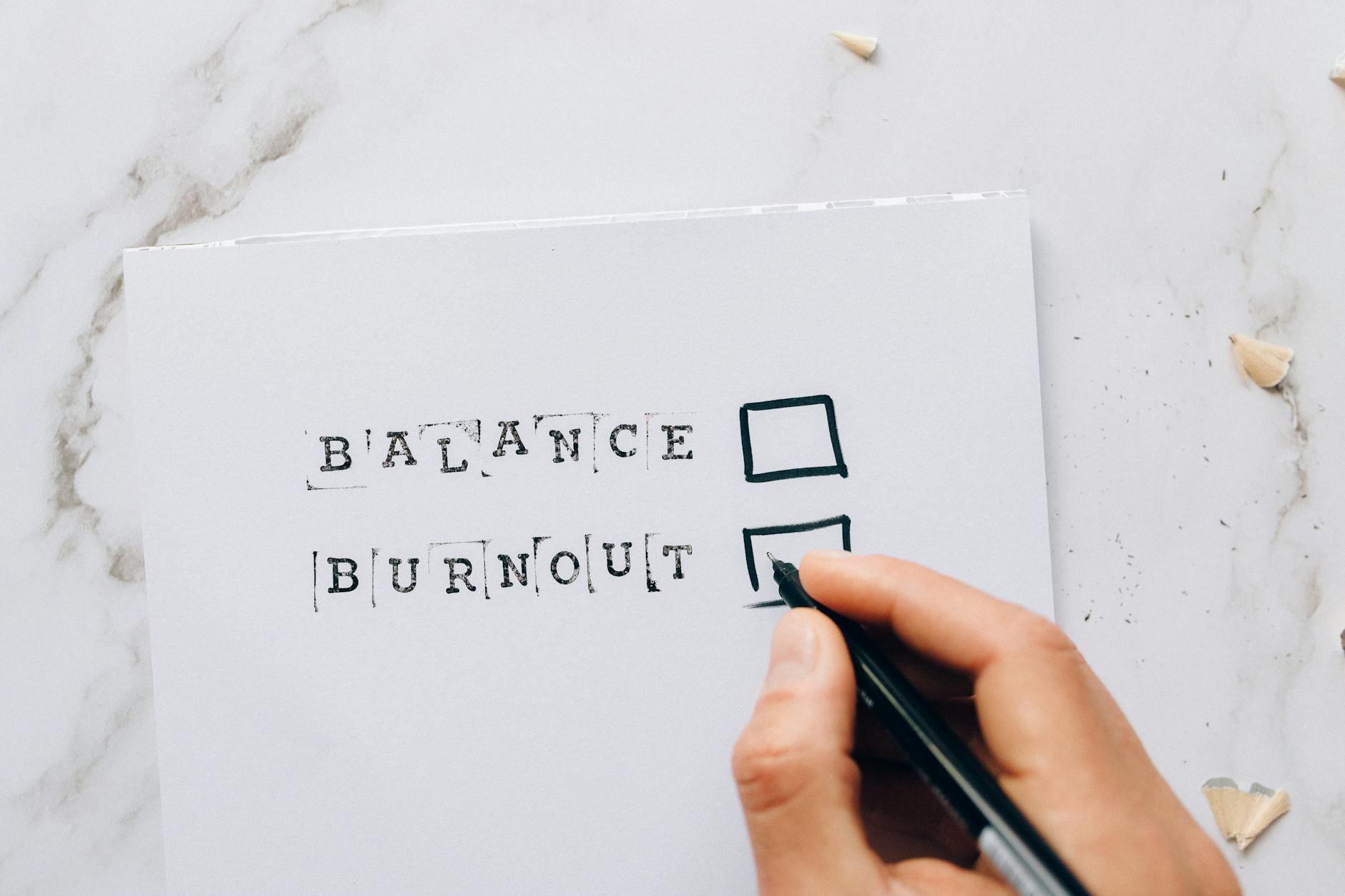
Now, I protect my rest. I schedule it, defend it, honor it. Just like I wouldn’t skip meals, I won’t skip rest. And something beautiful has happened: I’m more present. More focused. More me.
Practical Ways to Prioritize Rest
- Schedule it. Treat rest like an appointment. Block it off.
- Start small. Try a “mini-Sabbath”: 30 minutes of screen-free silence, a guilt-free nap, or a short walk with no destination.
- Name your rest. Know what makes you feel restored—books, baths, hikes, baking, journaling, music.
- Watch the guilt. If you feel it creeping in, treat it as a signal—not to push harder, but to ask yourself why rest feels wrong.
Other cultures have long understood this need. In Spain, the siesta remains a valued (if shrinking) tradition. In Japan, the concept of forest bathing walking quietly in the woods is seen as medicine. Scandinavians practice hygge, a cozy kind of restful living that celebrates softness and slowness. These aren’t lazy practices, they’re wise.
Rest also helps us manage crisis. When I’m in a high-stress period, family illness, professional setbacks, emotional upheaval, I know now that my first move isn’t to power through. It’s to pause. Even five minutes of stillness can reset my thinking, stop a spiral, and allow my rational brain to return. Otherwise, I’m just making tired decisions on a tired brain that will create more problems down the line.
Let me be clear: sometimes we do need to push through. Emergencies happen. Sacrifice is real. But those should be the exception, not the norm. If we consistently ignore our bodies and brains when they beg for rest, we won’t just burn out; we’ll break down.
We live in a culture that worships hustle and labels exhaustion as noble. It tells us to chase productivity like a prize. We see rest as a reward to be earned something we get only when everything else is perfect. But life doesn’t work that way. There’s always another errand. Another inbox. Another obligation.

So here’s your permission, if you needed it: you don’t have to finish everything to earn rest. You’re allowed to stop. You’re allowed to care for yourself not because you’ve done enough but because you are enough.
Rest isn’t about checking out. It’s about tuning in. It’s the quiet space where we meet ourselves again.
So kick up your heels, grab a cup of tea, find your favorite corner of the couch, and take the rest of the afternoon off. You’ve got nothing to prove. And everything to gain.
Reflection prompt: When was the last time you rested—not because you earned it, but because you needed it? What changed afterward?
 Budget Bliss: Bucket List