

Some of my bucket list items come from the desire for self-improvement. I have written about how certain things that grace the typical bucket list are representative of some higher value like health. Learning to meditate comes out of that value system. I do want to be a healthy individual physically, mentally, emotionally and spiritually. I had hoped that learning would help me achieve this continuous goal.
Meditation isn’t something I had been able to do before this challenge. In the movies, they’re always talking about “clearing your mind”. I don’t know about any of you, but my mind is never quiet. It’s always going, thinking of new things, making new connections, analyzing, processing, creating and making up an entire new worlds or languages. I often have trouble sleeping not because I’m up worrying about anything. No, I have a vivid and active imagination. I’ll space out and be dreaming up a whole creative story without even really being conscious of it. So being able to “clear” my mind is almost impossible.
I tried a meditation app which told me to picture my mind as a horse that I’m gently lassoing and making the rope shorter and shorter in order to learn the skill of clearing my mind. It would have me try to build up the time of having a clear mind with short bursts and to not worry if the thoughts drift in. It didn’t really work. My mind does not shut up, like ever. I would be just taking in the sound of a fan and suddenly, I’m thinking about the wind and thunderstorms and writing a poem about a gothic fairy prince stealing children like in the German poem Erlkoenig. I am very easily distracted.

The word meditation comes from a latin word meaning “to ponder” but the practice of meditation is far older than even the latin language itself going back perhaps 150,000 or even 200,000 years. There are some theories that propose that the very act of “fire-gazing” meditation caused key changes in the brains of our ancestors to give rise to humans meaning that meditation may be older than the human species itself. There is a lot of evidence to suggest a long history of meditative states being used in rituals and shamanic practices. The earliest written records of the practice are found in the Hindu Vedas about 1500 BCE, but It isn’t as many may think strictly an Eastern practice. Records of meditative practices exist in the records of ancient Greeks, the Jewish Torah, druidry practices of the pagans spanning Ireland, France and Spain and even the Christian tradition. However, it got its more secular roots in the late 70’s from Kabat-Zinn when he founded the Stress Reduction Clinic which helped spawn the mindfulness movement in psychology.
Going into the second summer of the pandemic, I found myself with a little more time at work than usual, in that I actually could take my 30 minute lunch break instead of shoving food in my mouth at my desk for about five minutes in between clients and writing my notes. We were also one of the only agencies not working from home because the nature of my job required me to work directly with people. This meant the common areas of our office building were sitting empty.
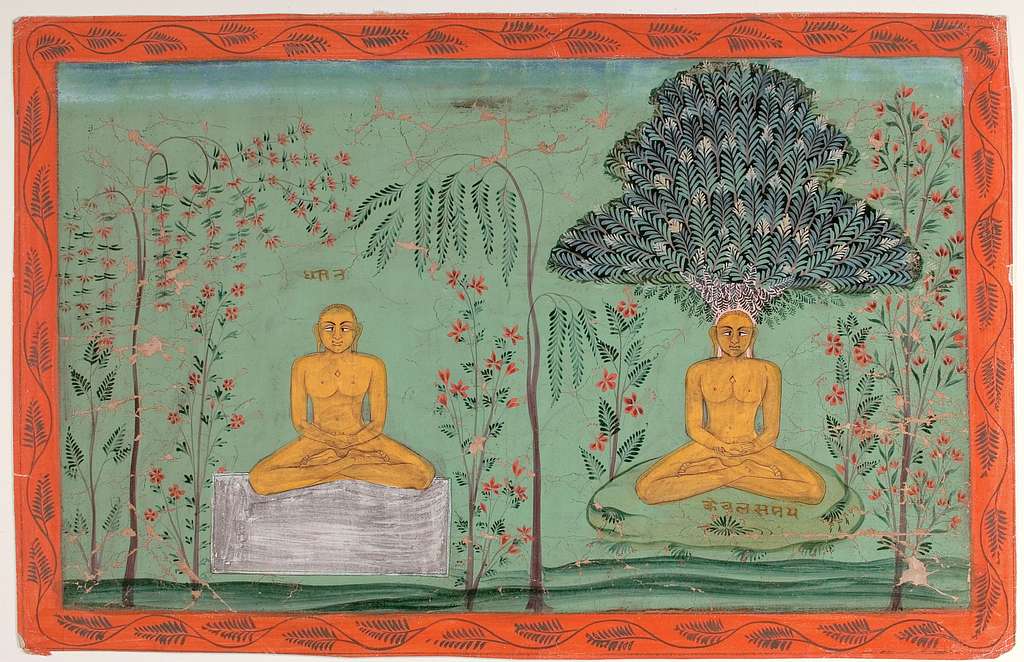
Considering we were entering the second year of the pandemic and there didn’t seem to be a real end in sight to the ongoing upheaval as the affect shocks continued to roll their way through our society, it seemed that it was the opportune time to expand my repertoire of stress management. So I decided to spend a month meditating on my lunch break. I wasn’t doing it as part of a social media craze or anything, I just wanted to try meditation for 30 days and see whether my overall stress was reduced. I once heard a habit takes about 30 days, it actually is closer to 66 days.
I went to one of the common rooms which was usually vacant away from any distractions or noise and pulled up youtube on my phone. A quick search yielded a 30 day meditation for beginners with most of the videos lasting about 20 minutes. I put myself in a comfortable position on the floor, closed my eyes and hit play. A soothing male voice then introduced me to the world of meditation. It was unlike any meditation I had ever tried before.
Instead of telling me to clear my mind, my guide invited me to take in all the different sounds to let them flow into my mind and just notice the things around me. Instead of trying to “clear my mind” and ignore things, I was told to become aware of my surroundings. It was the first successful meditation I had ever tried and it was enjoyable. The previous times even a 10 minute habit a day quickly became a dreaded chore. Listen, if your “relaxation” technique becomes a dreaded chore, you’re not relaxing. He also had me try things like walking meditation, which also jived with me. I am someone who fidgets a lot and has trouble sitting still so a walking meditation was perfect for those days that I just needed to move. Ironically by not fighting all the inputs my brain was much quieter than when I was trying to not focus on the inputs and just exist.
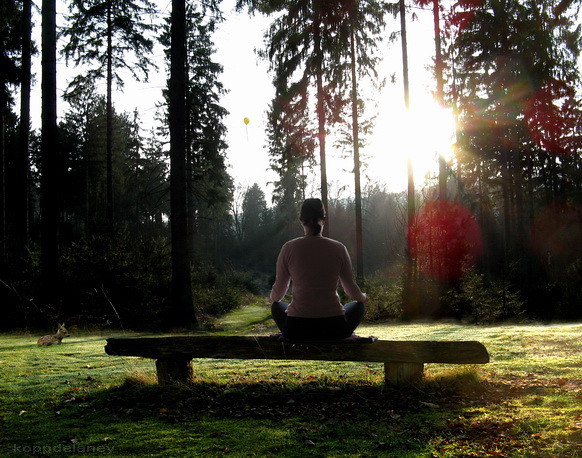
After 30 days, I don’t know that I found my overall stress was that much reduced, but I did have another tool in my belt for handling stress. There are times when I do take a few moments to get a cup of tea and meditate on the tea itself. The principles that I learned and the skill that I began to develop are things I use and have used in my own social work practice. It gave me a better understanding of meditation and a different way of communicating its principles to clients. I actually really enjoyed my daily meditation, so much that even afterwards I continued to visit his videos and listen to his guided mediations. Sadly, work did pick up again and I wasn’t able to keep up with the new lunch time habit. I did not find a way to incorporate it consistently at home.
Overall, it was a good experience and I do recommend you try it. You may find, like me, that the usual guided meditations don’t work for you. Fear not! You may be neuro-atypical and a
different approach is needed to achieve the same effect. Remember there are many forms of mediation that have been developed over the millenia, it isn’t a one size fits all. Sitting cross legged on the floor breathing deep and clearing your mind is one form. Talking a meditative walk may be more effective for you. It isn’t about the how, more developing the skill of being able to relax and allow the world to happen around you without the need to change it.
How can you learn to meditate?
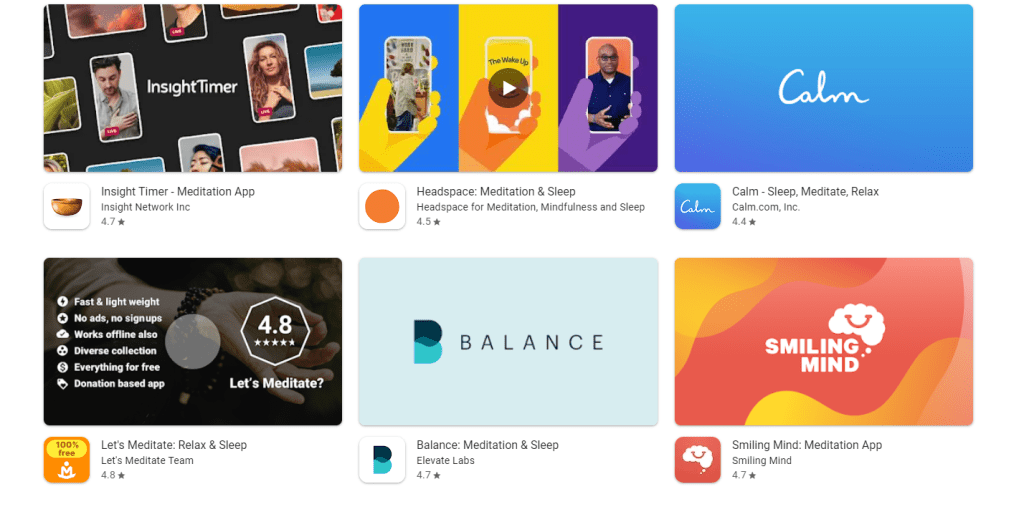
It’s easy! There are many aps and youtube channels which take you through various kinds and methods of meditation. The key is finding one that resonates with you. Maybe you find one voice soothing or another irritating (pick the soothing voice), maybe telling you to “notice” things starts your brain racing and you need a different sort of strategy. Experiment and try it. It’s a crazy world and it seems that we are continuing to move from one global crisis to the next. While it won’t fix the crisis, meditation can help give you the extra edge to navigate your way through it successfully.
I watched a 30 Day Meditation Challenge from One Mind Dharma on Youtube
https://www.youtube.com/@oneminddharma/playlists
Completed: 2021
Miles from home: Can be completed anywhere
Cost: $0-10 depending on the app you use
 Budget Bliss: Bucket List