
I’ve written before that we often have to pick and choose our battles when it comes to living out our values as almost nothing we can do in this modern world exempts us from harming others, short of going completely off grid and homesteading out in the middle of the wilderness surviving on nothing but what you create yourself. However, even those intrepid homesteaders buy some of their things at least to get started, so they still participate even if they say otherwise because without a village full of specialized craftsmen how could they not? Even the fact that they can live peacefully on their land free from marauding warbands is because they are surrounded by a modern society with an active army and local law enforcement agencies.Plus the tax man always comes in one form or another and if they’re youtubing their experience guess what they’re participating in?
The truth is we have to accept that we cannot make perfectly ethical choices that always align with our values. We have to pick and choose our battles and make compromises. I value the environment, but I have gone on cruises with my mother. Which is arguably one of the worst choices when it comes to environmentalism. Unfortunately, I’ve found that cruising is one of the friendliest travel options for someone with chronic health conditions if you want to see multiple countries and a bit more of the world. She worked very hard as my mom and practically killed herself to provide for me a modicum of middle class lifestyle growing up and to support me as best she could through college, a job that while it required a college degree paid me less than 20,000 a year, and grad school. She gave up her dreams of travel to give me a good life, so I help make her bucket list happen. The best way to do that has been cruising once every three to four years.
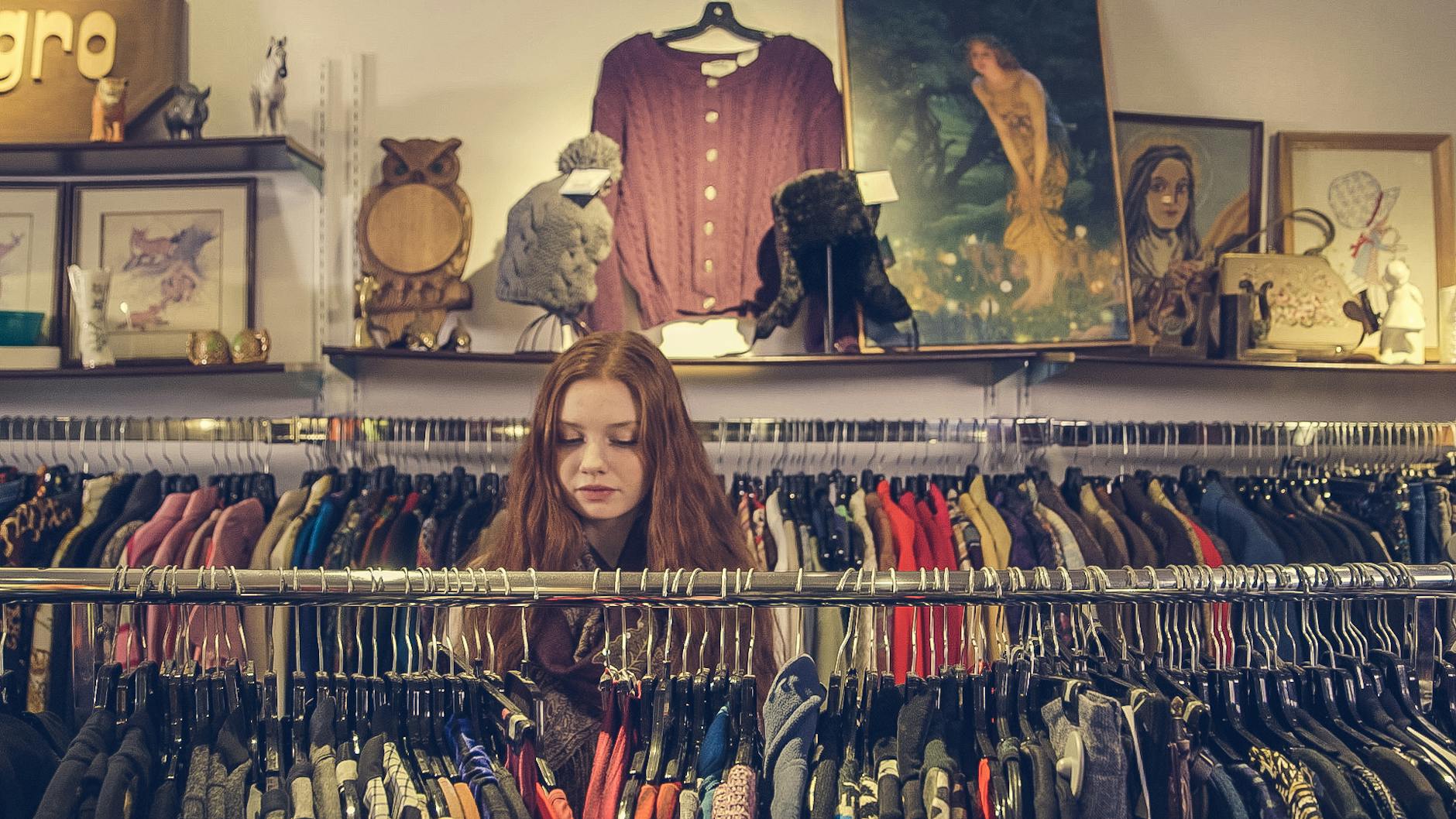
The two values that conflict are the environment and family. In general, my family lives in a very environmentally friendly way. We reduce our energy consumption as much as possible, avoid purchasing new items preferring thrift shops, ebay and Facebook marketplace. We buy “ugly” produce and check the quick sale items to reduce food waste. As one can see in the rest of this blog, in general we avoid travel to far flung places. I try to garden with native plants or at least plants that are non-invasive and friendly to my local area. I’ve planted a number of trees which all contribute to the environment. Even our toilet paper and tissues are made from bamboo to try and reduce the waste. However, every three to four years we do go on a trip that is truthfully bad for the environment. Is it better than the person who takes a week trip to various foreign countries around the world once a year? It’s probably on par to be honest.
It could be easy to start trying to calculate carbon “credits” to “off-set” the indulgence, which isn’t really the point of our daily lifestyle choices. If you indulge occasionally in fast fashion you may try to justify it with all the second hand purchases you’ve made. It may be a logical fallacy to say “well I can be ‘bad’ in this one instance because I’m so good all the other times.” We see this when people decide to go off their diets, or buy something from a place they know has a terrible reputation for how they treat their employees. It can be easy to judge people (or ourselves) who do make these compromises negatively. However, we all do it and we all make judgments about what compromises we’re willing to make when our values conflict or our budgets come up against certain realities of life.
It may not even be about having different values but how we rank our values in a given situation. Would I much rather purchase all my clothing from etsy shops supporting American small businesses? Absolutely. Do I have the money to do so? Absolutely not. Clothing is expensive to make at $15 to $20 an hour for a living wage. It’s even more expensive if you want them to use material that is also American made; perhaps you want it to be of all natural fibers and dyes from an organic cotton farm here on US soil using only the best sustainable, environmentally friendly practices.
I’m someone blogging about living her best life on a salary that is less than the median income. I don’t have that sort of cash, despite my greatest wishes otherwise. Almost none of us do and sometimes despite your best efforts you can’t find what you need at the thrift store given that it’s based on donations. I’m lucky in that I wear pretty common sizes but even then I can’t always find what I need and I’m forced to go to a regular store to purchase something new and not sustainably made, free from exploitative labor practices.
The overarching value is reduction of waste, but it sometimes conflicts with what I may feel I need. Like when I needed to go to the gala as part of a fundraising event as part of my job and I didn’t have a dress for the occasion. I wasn’t spending over $100 on a dress for my non-profit job. I also wasn’t buying a used prom dress from my local thrift shop to do it because I don’t want to look like I’m 15 instead of over 30. I placed the value of helping raise money for a good cause over my usual value of reducing consumption of goods.
The point of this post is to simply have you begin to reflect on how you personally navigate your values and to recognize that sometimes it’s not about being a hypocrite but rather having two conflicting values where you make a decision about which one to value more given your own limited resources whether that be time, money or energy. It’s not about telling you what to do but to get you to pause and reflect on how you may be navigating these conflicts without putting much thought into it leading to negative judgements of yourself and perhaps even others. This is a time to practice some self-compassion as well as compassion for the choices that others are making. It’s easy to throw stones in glass houses, but one really shouldn’t. It’s a kinder gentler approach to living out values
You can be more mindful about the decisions you are making to more align your actions with the things you actually care about. This allows us to create more meaningful and impactful lives that bring us joy. This also causes reflection about what we might be doing that doesn’t align and to ask, is there a different way to achieve the same ends without as extreme of a compromise? I like quality clothing that will last years not months, so I may go to ebay and try to find used designer clothing for a steal. Goodbye fast fashion, hello sustainability that isn’t breaking the bank. If I decide to go on a cruise because I want to be able to travel places with my mother and help her obtain her dreams, is there a line that is a little better for the environment than the rest? Is there one that also treats their staff well? What about the excursions it offers? Even something as simple as purchasing biodegradable paper plates if I decide I want to have a picnic with my sister in the park.
I’m always asking, is there a way I can do this better to fit my values? I am also willing to revisit previous decisions. I may say that upon further reflection that it was a compromise I shouldn’t have made. I can’t change the past, but I can move forward with making a different decision moving forward. Perhaps, I am at a different place where I have more freedom to choose. When I was purchasing my car there wasn’t really a hybrid with four wheel drive in my price range. I had to determine which was more important to me: the safety of having four wheel drive in a job that required me to drive in bad weather or a hybrid that was better for the environment considering the amount of driving I was doing. At the time, I chose safety, because I like living and couldn’t afford to become disabled from a catastrophic accident. As I begin to consider purchasing another car, my driving needs have changed so I will more likely choose a hybrid. Additionally, there are now more options which combine hybrid technology with all wheel drive.
We won’t always be able to live out our lives in perfect harmony with our values. We will have to pick and choose. We should be asking ourselves which values are in competition with one another and weigh the impact of those choices against the conflicting values. Sometimes one value will win out over another value. The ranking can vary from decision to decision. We should be willing to recognize when there is conflict to allow for self-reflection and arrive at the best decision for ourselves while owning that we are making a choice that conflicts with the values we have.



 Budget Bliss: Bucket List