
All Aboard for Christmas Magic

There is something undeniably quintessential about a model train at Christmas. Perhaps it is the nostalgia of it, those miniature worlds humming softly beneath a glowing tree, harkening back to simpler times. Or perhaps it is the romance of travel itself, when journeys felt grand and full of promise, long before crowded terminals and flight delays dulled their shine.

Model trains were not just toys but marvels. At the turn of the twentieth century, railroads represented the height of modern technology. They stitched together cities, transformed commerce, and shrank vast distances into something manageable. It was only natural that this fascination would find its way into the home. Trains became one of the earliest mechanized toys of the modern era, first gaining popularity in the early 1900s. These were not flimsy playthings but sturdy, intricate machines meant to be admired as much as played with.

By the 1920s and 1930s, model trains had cemented their place in Christmas tradition. Department stores leaned heavily into the spectacle, constructing increasingly elaborate displays that wound through snowy villages and bustling cities, all carefully designed to stop shoppers in their tracks. The base of the Christmas tree became the perfect stage. It was practical, yes, but it was also symbolic. A glowing tree overhead, a circling train below, motion and magic contained within the heart of the home.

Whether by convenience or clever marketing, Christmas and trains became inseparable. That connection only deepened over time. Films like The Polar Express reignited the wonder for new generations, reminding us that belief, imagination, and a little suspension of disbelief are part of the season. During the pandemic, when traditions were disrupted and people sought comfort in familiar rituals, many rediscovered hobbies that had quietly faded into the background. Model trains experienced a resurgence, not as relics, but as reminders of patience, craftsmanship, and shared joy.

In recent years, that magic has increasingly moved into public spaces. Libraries, historical societies, and community centers across the country now host model train displays each December. Often these exhibits double as fundraisers, particularly for children’s literacy programs, ensuring that the magic of stories and imagination carries on long after the trains are packed away.

It was on a cold December evening that I found myself invited to see one of these displays for myself. I will admit, dear reader, that I was not initially enthused. I am not someone who has ever considered myself a “train person,” and model trains seemed, at best, mildly interesting. However, I was willing to indulge my companions in a bit of whimsy; I am nothing if not whimsical. Imagine my surprise, then, at just how utterly delightful the library display turned out to be.

The small library’s basement had been transformed into a sprawling miniature world. The display ran nearly wall to wall, a carefully constructed metropolis alive with motion and detail. Multiple tracks wove through snowy villages and industrial hubs. A baseball field sat mid-game, an airport buzzed with tiny planes, shipping lanes carried cargo through a busy harbor, and a circus burst with color and whimsy. There was even a theme park, complete with rides in motion.

What made it truly special was how interactive it all was. Throughout the display, visitors were encouraged to press buttons and bring the city to life. A ski slope sprang into motion. Barrels were loaded onto a train car. Lights flickered on in tiny buildings. Each interaction revealed another layer of thought and care poured into the exhibit.

I felt like a child again, eagerly pressing buttons and craning my neck to take it all in. Every section had been lovingly created by a volunteer using their own personal train sets. One display even featured a train over a hundred years old, still running, still enchanting, a direct link to the earliest days of electric model trains. It was humbling to realize how many Christmases that little engine had seen.

For nearly an hour, I was completely absorbed, pointing out details to my companions and discovering something new with each pass around the room. The volunteers were just as much a part of the experience as the trains themselves. They eagerly shared stories about the models and about the local area. One tale recounted the time a major league baseball team stopped to play the local team while passing through town, a small but vivid slice of history preserved alongside the miniature world.

It was, in every sense, magical.

Where can you see Christmas Magic?

For those inspired to seek out a display of their own, they are often closer than you think. Local libraries are a wonderful place to start, especially in December. Historical societies, model railroad clubs, botanical gardens, and even shopping centers frequently host seasonal displays. Many towns also have dedicated train shows or open houses where hobbyists invite the public to view their layouts. And for the truly adventurous, there is always the option of creating a small display at home. Even a single loop of track under a tree can carry more charm than one might expect.

Sometimes, Christmas magic arrives in unexpected forms. Sometimes, it hums quietly, circles endlessly, and reminds us that wonder is often found in the smallest of worlds.

Completed: 2025

Cost: Suggested donation $2

Miles from home: 18 miles

Money Matters: Real-Life Budgeting that Doesn’t Suck the Joy out of Living (Part 4 Shopping)

Ah, retail therapy. Who doesn’t love a little shopping spree?

Your future self, that’s who; when she checks her bank account and wonders where all the money went.

Shopping has been the downfall of many otherwise solid budgets. After all, stores (both online and in person) are designed to make you spend money. Their goal is to lull you into a false sense of security, then spring subtle traps you don’t even notice until your bank statement arrives and ruins your vibe. Fending off their tricks requires the vigilance of a tourist navigating pickpockets in a crowded plaza.

So how do you protect your hard-earned cash?

Photo by Mikhail Nilov on Pexels.com

Step One: Make Shopping Inconvenient

One of the biggest tactics stores use is reducing friction, they want buying to be as easy as breathing. So I turn that strategy on its head and make shopping inconvenient. For starters, I delete my saved payment info on online stores. Why? Because getting up to grab your card adds just enough effort to kill the impulse buy. Bonus: it also improves your online security. The fewer websites that store your payment details, the fewer doors hackers have to kick in. In a store, implement a cash only policy the act of having to get out cash before you shop helps you stick to a budget and makes it less likely that you will impulsively wander into a store to buy.

Step Two: Impose a Waiting Period

Impulse buys lose their shine with time. I wait at least 24 hours for in-person purchases and two weeks for anything online. If I still remember the item—and care enough to go back and buy it—then I probably truly want it. This one habit has saved me from many would-be regrets.

Step Three: Question the Urgency

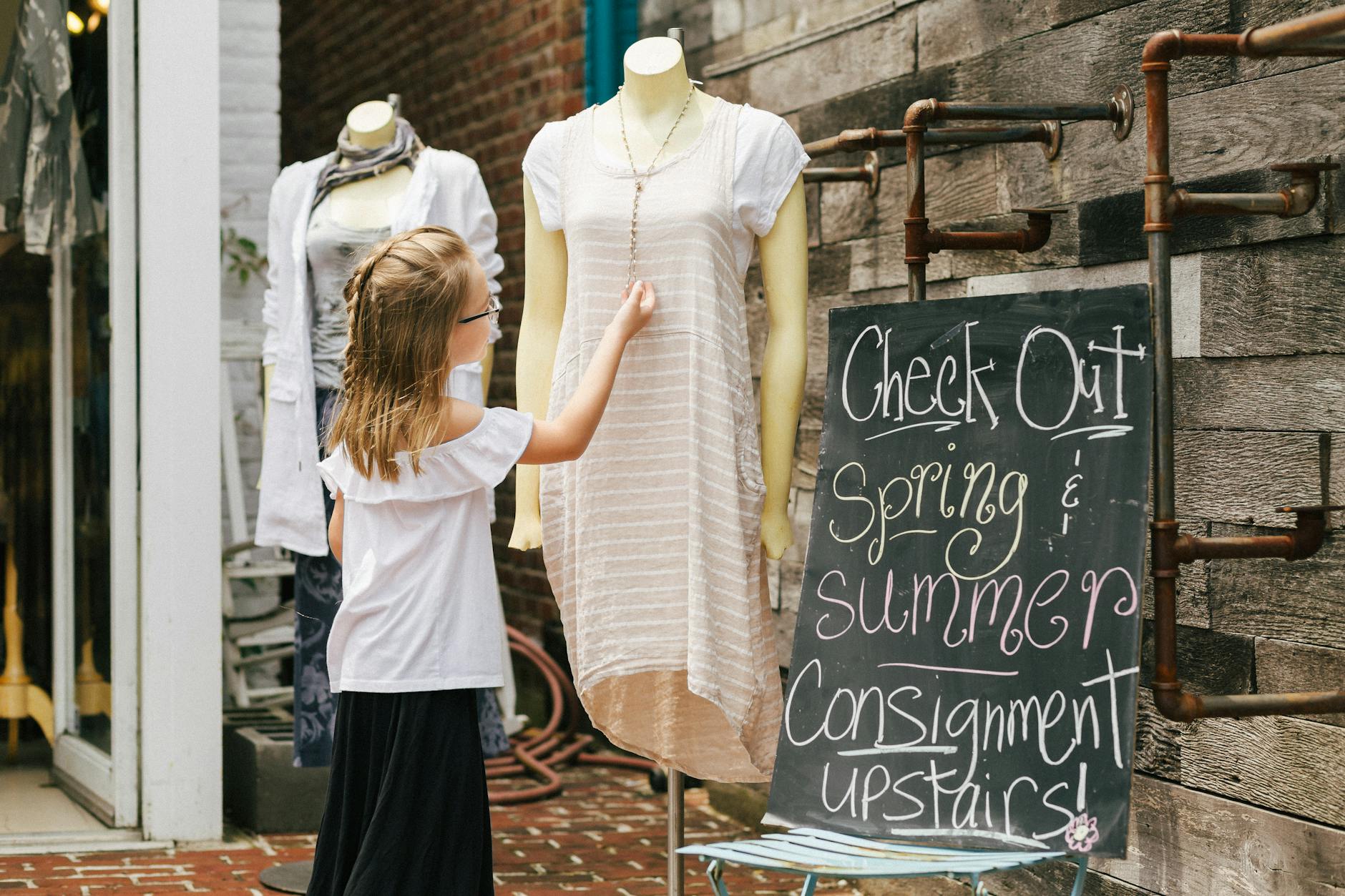
Most “deals” aren’t urgent. If I miss a sale, it’ll come back around. I use browser extensions to track price history and compare retailers—no FOMO required. Spoiler alert: a lot of “sale” items are actually at that price 90% of the time. Retailers love using “suggested price” vs. “actual price” as a manipulation tactic. Ignore it. Nine times out of ten, I can find it secondhand for less, which keeps stuff out of landfills and cash in my wallet.

Photo by Michael Morse on Pexels.com

A Word on Thrifting

Thrifting is a beautiful thing—but it’s not a budget fail-safe. You might “save” $50 on an item, but if you spent $150 on things you didn’t need, did you really save anything? That feeling of “this is my one shot” can be strong at the thrift store or on Facebook Marketplace. But I’ve learned that “one-of-a-kind” often isn’t. I’ve lost track of how many “unique” items I’ve passed on, only to find something nearly identical (and often better) a few weeks later.

When I thrift, I come prepared. I shop with a plan: I’m looking for specific colors, staple pieces, or items I’ve previously identified as gaps in my wardrobe or home. If it doesn’t fit the plan, it stays on the rack. Accessories are my one soft spot—but even they have a budget cap.

Facebook Marketplace Favorites

I love Marketplace for:

  • Garden tools and supplies
  • Home décor and furniture
  • Miscellaneous odds and ends

But even there, I stay vigilant. A “great deal” is only great if it doesn’t become clutter.

My Shopping Litmus Test

Before I buy anything, online, in person, or secondhand, I ask myself:

1. Is this something I would have bought anyway?
The “girl math” mindset is fun in theory, but let’s be real: spending $150 to “save” $50 only works if you were already planning to spend the $150. Otherwise, you’ve just spent $150 you weren’t going to spend.

2. Does this item solve a real problem I’ve actually noticed?
Marketers are sneaky. They’ll convince you that you have a problem so they can sell you the solution. If I’ve never thought, “Wow, this task is a nightmare—I wish I had a tool to fix it,” then I probably don’t need it. Too often, new gadgets end up collecting dust while we go back to the old method that worked just fine. If you weren’t looking for a solution, it wasn’t a problem.

3. Do I have space for it?
Space is not infinite, even if you’ve mastered Tetris-level closet organization. Every item you bring home costs you space—and that has a price. A cluttered environment can raise stress levels, affect your eating habits, and even mess with your cognition. So while I’ll never be a minimalist, I understand the appeal. An uncluttered home is cheaper than therapy.

4. What’s the quality like?
I take time to learn about quality. I look at materials, stitching, thread count, and overall craftsmanship. I’ve ditched the “expensive = better” myth. If I’m unsure, I’ll phone a friend who knows what they’re talking about. When I was car shopping, I brought my mechanic friend along. He spotted warning signs I’d have missed—and steered me toward a vehicle that’s lasted me almost eight years with minimal issues.

Photo by Borko Manigoda on Pexels.com

Extra Shopping Smarts

  • Use cashback apps and credit card rewards—but wisely.
  • Unsubscribe from marketing emails. Temptation isn’t your friend.
  • Always factor in the cost of storing, cleaning, and maintaining what you buy.
  • Repurpose what you already have before replacing it.

Final Thoughts: Budgeting That Works for You

None of these tips are one-size-fits-all—and that’s the point. Real-life budgeting should work for your lifestyle, not against it. For me, that means prioritizing comfort, avoiding waste, and being mindful. The goal isn’t to hoard every dollar (we can’t take it with us), but to spend in a way that supports what matters most.

Money Matters: Real-life Budgeting that Doesn’t Suck the Joy out of Living (Part 3 Entertainment)

Are You Not Entertained?

If you’re on a budget, the answer could very well be “no, not really.” But fear not, my fiscally responsible friend! I’ve got a bag of tricks to help stave off boredom without emptying your pocketbook. Whether your vibe is books, movies, games, or local adventures, there’s always a fun, frugal version to explore.

Let’s start with the screen-sized elephant in the room: entertainment subscriptions. Cable? Extinct. Like a fossilized VHS, it’s long gone in my world. Streaming? It gets a seat at the table, but only as a guest, not a live-in family member. I rotate subscriptions the way fashionistas rotate seasonal wardrobes. Netflix one month, Hulu the next, and maybe Disney+ when I’m in the mood for animated nostalgia or intergalactic drama. This way, I avoid both boredom and ballooning bills. Pro tip: brands have no feelings, and loyalty won’t earn you discounts so play hard to get. They often toss free trials or discounts your way just to lure you back. Works like a charm.

YouTube also fills in the gaps with everything from quirky documentaries to cozy cottagecore vlogs. Admittedly, the recent AI invasion is a bit much, but with some creative searching, there are still gems to be found.

Photo by Anton Porsche on Pexels.com

Gaming on a budget? Don’t let the $80 price tags on new Triple-A titles scare you. Steam is a wonderland of indie games, charming, innovative, and often under $20. Many are just as satisfying (if not more so) than their big-budget cousins. Your local library might surprise you too, offering games for various consoles. And don’t forget secondhand marketplaces, because gently loved games still spark joy.

Speaking of libraries, they’ve fully stepped into the digital age. Between the Libby app, Project Gutenberg, and Librivox, you can have books (ebooks, audiobooks, classics) all for free, 24/7. Libraries are no longer just for the Dewey Decimal devotees; many offer board games, workshops, and community events like Dungeons & Dragons or Magic: The Gathering nights. If Magic’s your thing, I recommend building your own Commander decks; they’re easier on the budget and still a blast to play.

Now let’s talk about the ultimate budget hack: borrowing. Not just from libraries, but from your friends, family, and community. Swap DVDs, music, books, board games, video games, you name it. Not only does it cut down costs, it gives you access to a curated collection based on people who know you. You might even discover a new favorite hobby through someone else’s obsession. Gather your friends and family for game nights.

Photo by Element5 Digital on Pexels.com

And don’t sleep on your local area! Free events, museum days, neighborhood festivals, and nature trails are often just a quick search away. Parks, gardens, and hiking paths offer a change of scenery (and pace) without a price tag. You may be shocked at the fun things you discover that are close by and completely free! Apps like Meetup can connect you to like-minded folks for everything from book clubs to language exchanges to “bring your own blanket” picnics. Socializing doesn’t have to cost more than a smile and a snack.

Some libraries even offer museum and state park passes, yes, you read that right. Free access to enriching experiences, courtesy of your dusty old library card. And you all thought libraries only offered books.

So: are you entertained?

Why yes.

Money Matters: Real-Life Budgeting That Doesn’t Suck the Joy Out of Living (Part 2: Food)


Last week, I shared the basic premises of any budget, money in and money out and then focused on how to keep more of that money that comes in from going out. Which is easier said than done especially in this economy. However, I know that it can be done with careful planning and by looking at things that we can control to a degree. Now food is a fairly flexible area in our budgets, but it has quite a bit of pitfalls for the budget conscious. Between rising prices, forgotten leftovers, and the magnetic pull of takeout, things can spiral out of control fast. But eating well doesn’t have to come at the cost of your financial well-being. With a few intentional habits and some creative thinking, it’s entirely possible to enjoy nourishing meals without draining your wallet.

Now, I will say this before going further, that eating can be a form of entertainment and it is important to separate out your food budget from your entertainment budget. Eating out or buying fun and exotic food to try should be considered under a separate category. I certainly have enjoyed eating at special restaurants and trying new things like conch, escargot and kangaroo. However, none of those things came out of my food budget but instead came from the money I saved up for my various local adventures.

I grew up in a home where cooking was the norm and leftovers were just tomorrow’s dinner. That mindset stuck with me. These days, I still batch cook and freeze extras, brew my own coffee, and pack lunches small, consistent actions that chip away at grocery costs without compromising on flavor or nutrition.

Meal planning is part of my weekly rhythm, but I keep it flexible. I’ve learned the hard way that overly rigid plans invite burnout and wasted food. Instead, I use a loose framework, thinking ahead just enough to avoid duplicate ingredients or last-minute drive-thrus, but still leaving space to improvise.

Photo by Sam Lion on Pexels.com

When I go shopping, it’s a combination of a precision strike force and treasure hunt. I always enter the store with a shopping list to keep me focused, but I always make a beeline for the quick-sale sections and Flashfood. These are goldmines for deeply discounted perishables nearing their sell-by date. I stock up on meat, yogurt, or produce and freeze what I can’t use right away. Depending on what I find, my shopping list may drastically change to accomodate my discoveries. However, if you are new to cooking this strategy may not work for you. In which case still buy it but plan on freezing it until you can decide on what you will do with it. Just be certain you will use this food within a week or two. Food that molds, gets freezer burnt or otherwise spoils is money wasted not saved.

If you know when your store marks things down, you can shop smarter without sacrificing quality. Timing, as it turns out, can be as important as location. Personally, I find that showing up about one to two hours after the store opens gives me the largest selection of options.

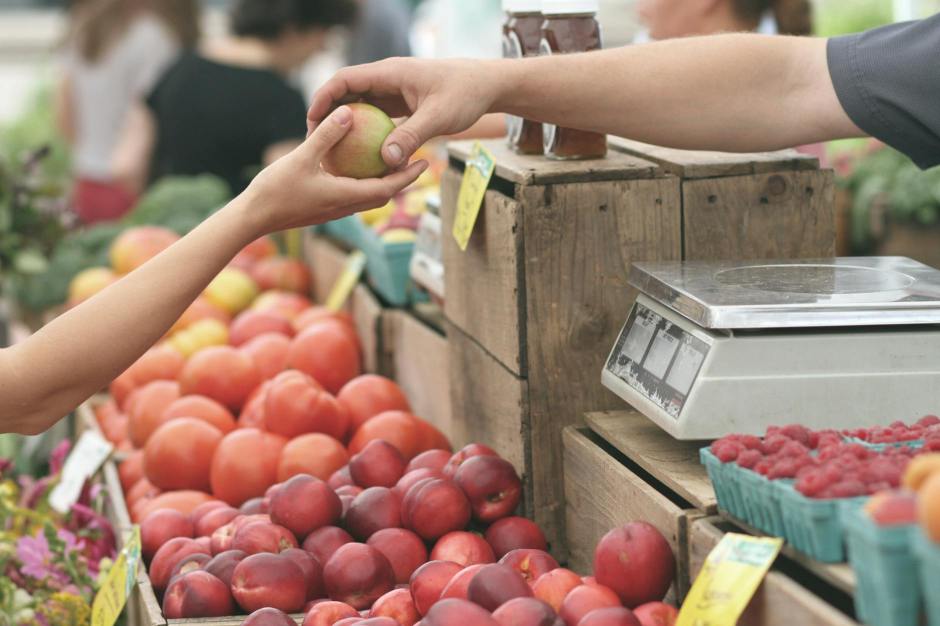
I also will make semi-frequent trips to the local grocery outlets as they often sell “ugly” or surplus produce, misshapen tomatoes, slightly bruised apples, discolored pears, all for a fraction of the price. They may not win beauty contests but they still taste great. Besides, I’m certainly not having Gordon Ramsey over for dinner so I needn’t be too concerned after presentation.

I also take fully advantage of the produce stands for in-season fruits and vegetables. Not only are they fresher and more affordable, but also it supports the local economy.

Photo by picjumbo.com on Pexels.com

Tiny Tweaks That Save Big

The devil is in the details—and so are the savings.

  • Keep pantry staples visible: If you can’t see it, you’ll forget you have it—and rebuy it unnecessarily.
  • Our smaller fridge was a surprise win: With less space to lose leftovers in, we actually eat what we’ve made.
  • Clear bins help organize everything from canned beans to opened snack bags, keeping waste (and frustration) to a minimum.
  • Learn to get creative with leftovers: One of my mother’s great talents was pulling out several different leftovers and combining them into a new dish. Don’t be afraid to experiment, take time to read cooking blogs to learn how to combine flavors. I have shocked friends by being able to take a small amount of leftovers and stretch them with just a two or three ingredients into something completely new.

Smart Shopping Rules I Swear By

Some habits have become second nature. These are the rules that keep my grocery bills from creeping upward:

  • Always check the unit price. The bigger package isn’t always the better deal nor is the lowest price.
  • Buy in bulk only if it makes sense for your household. Wasted food is wasted money.
  • Use coupons, digital apps, and loyalty programs, but make sure you’re not buying things you wouldn’t normally use.
  • Know your store’s layout and markdown schedule. The more familiar you are, the less likely you are to impulse buy.
  • Never skip the day-old bread rack. Great for toast, croutons, or a cheap French toast brunch.

Staying on budget doesn’t mean sacrificing quality—or joy. With a few mindful shifts in how we shop, store, and prepare our food, it’s possible to eat well and still have money left over for the things that really matter.

Whether you’re cooking for one or feeding a family, remember: your food budget is a tool, not a constraint. When used wisely, it can help you feel both nourished and empowered.