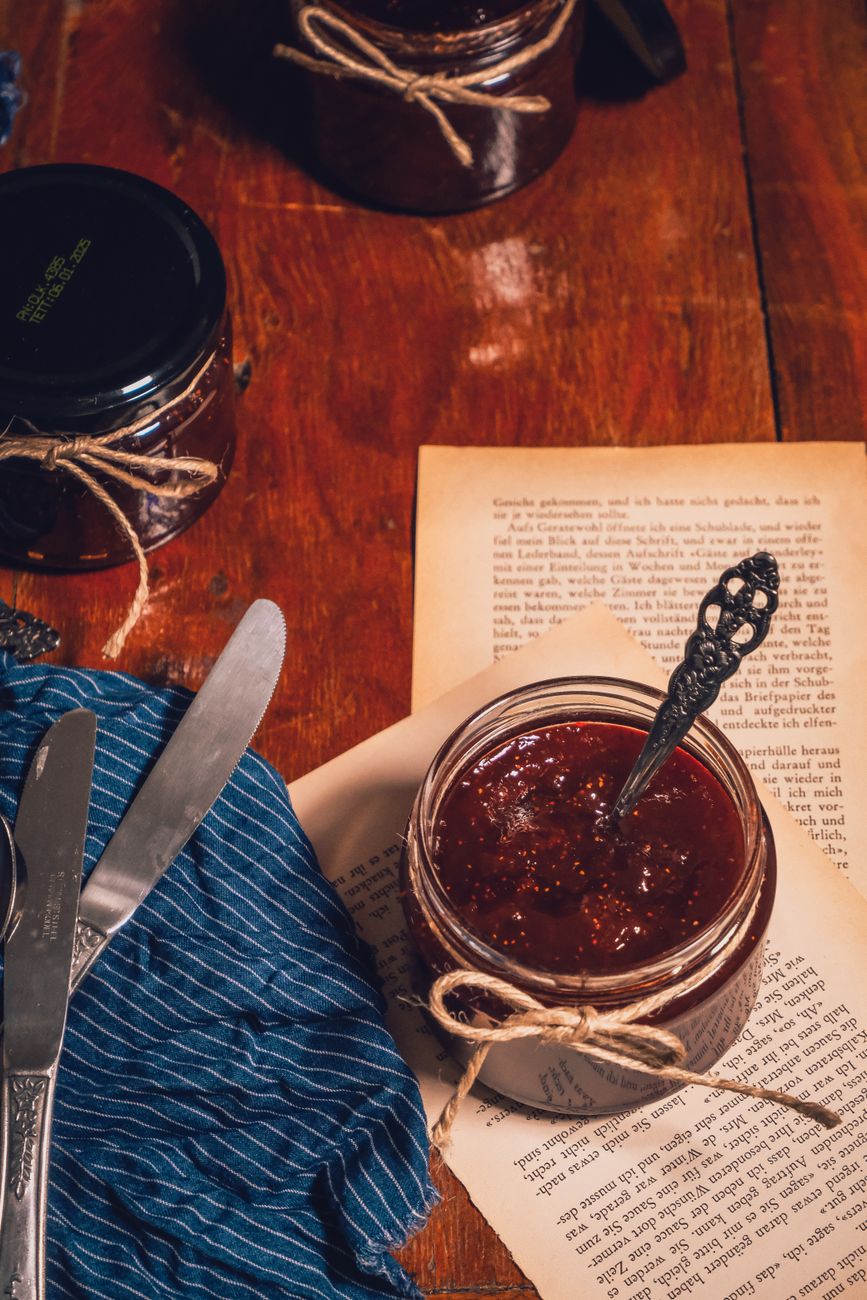
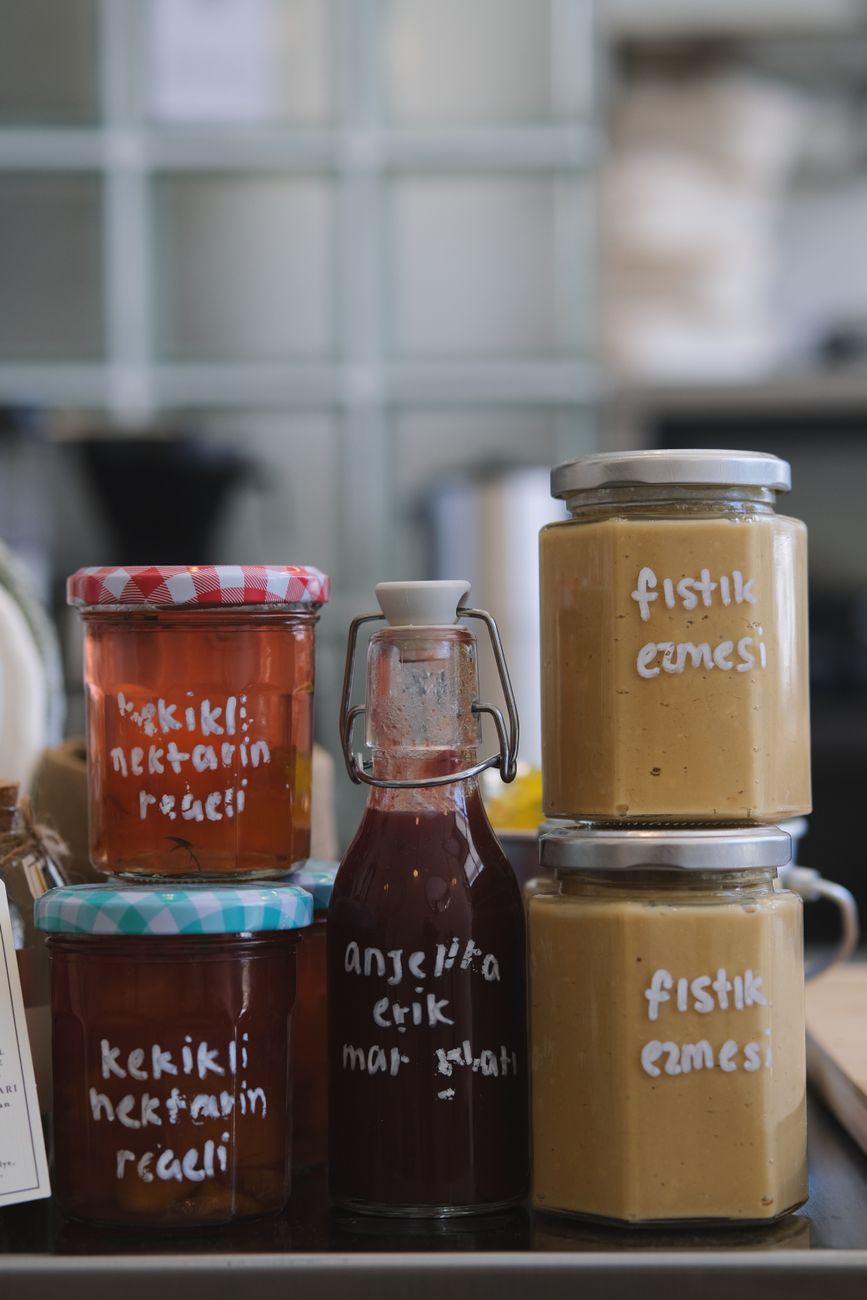
It’s Labor Day weekend. The children have returned to school. The leaves have just begun their transition from green to yellow, red, and orange. There’s just the slightest nip in the air. Though not officially here by the calendar, autumn is announcing her impending arrival, armed with pumpkin spice everything and spooky décor.
It’s enough to make anyone feel a bit witchy. And what better way to celebrate than by creating some magic in the kitchen?
Upon my stove boils a curious concoction of preserved summer. A spell sealed away until the time is right, most likely in the midst of winter’s blast, its bright heat pushing back against a blizzard’s howl. The kitchen fills with the sweet smell of fruit and sugar as the mixture bubbles away, slowly transforming from something ordinary into something that, with a little patience and the right ingredients, will become something entirely different.
Yes, armed with a dark brew, this concoction will my guests renew!
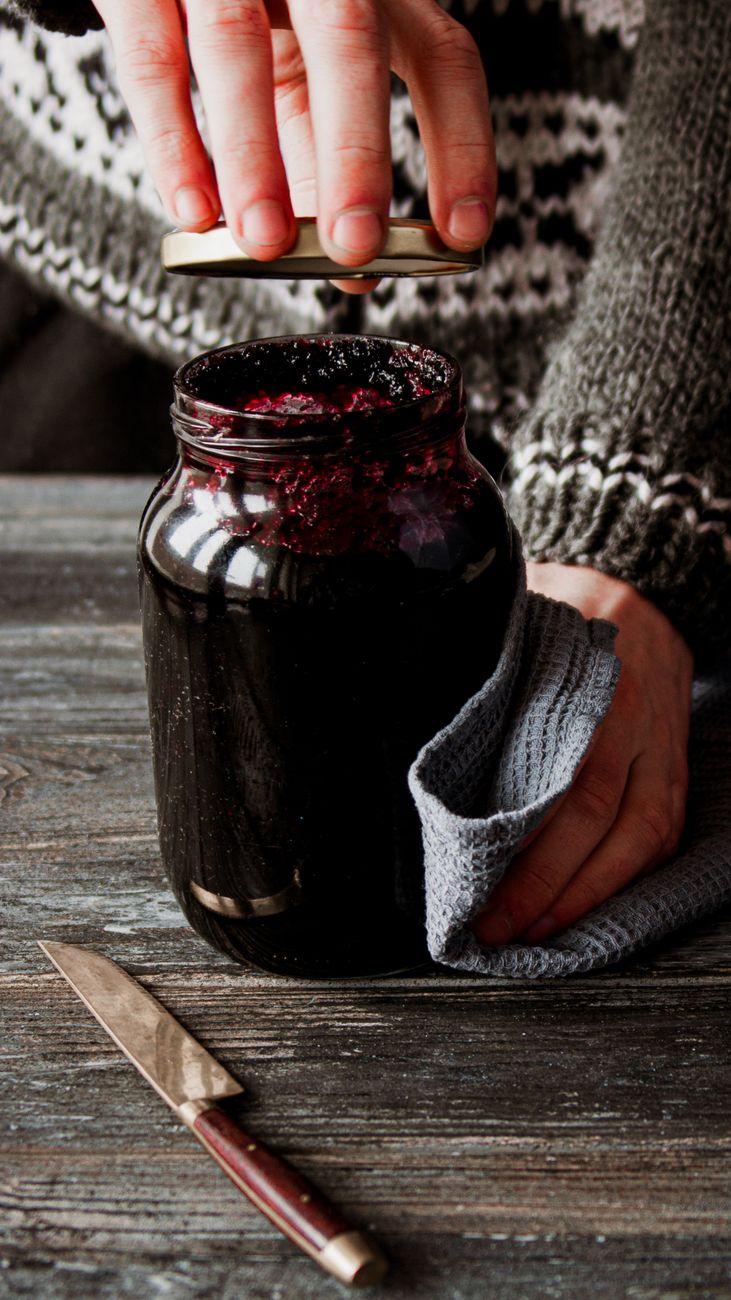
I speak, of course, of making jellies, jams, and shrubs, of drying, pickling, canning, and all the other delightful ways humans have devised to capture the bounty of one season and carry it into another.
You will be forgiven, dear reader, if you are not familiar with all the forms of preservation previously listed. I shall assume that you are particularly unfamiliar with “shrubs.” Most people are, and no, it isn’t a bush one plants in one’s garden.
A shrub is a sweet and tart beverage made from a concentrated syrup of fresh fruit, sugar, and vinegar. It is one of the earliest forms of food preservation, and I simply adore adding it to iced tea or using it in homemade cocktails. There is something wonderfully satisfying about taking fruit that is abundant for a brief moment in summer and turning it into something you can enjoy months later.
And, like any good witch, I must be careful with my spells. There is a recipe to follow. Measurements matter. Temperatures matter. Sterilization matters. The jars must be prepared properly, the seals must be checked, and everything must be handled with care. There is a certain amount of magic involved in watching fruit, sugar, heat, and time transform into something completely different, but this is not the sort of magic where one can simply wave a wand and hope for the best. An improperly prepared spell may have unintended consequences.
In this case, those consequences are less likely to involve turning someone into a frog and considerably more likely to involve food poisoning. So I follow the recipe. Carefully.
I measure the sugar. I measure the pectin. I watch the temperature. I stir and wait and watch the bubbles rise and burst. There is a strange satisfaction in following a process developed and refined by generations of people who figured out how to make the harvest last just a little longer. And when the spell is complete, I ladle the glowing mixture into jars and seal them away.
Can I go to the store and buy jam? Absolutely. I can buy pickles (not that I would I happen to hate pickles but you can!). I can buy dried fruit. I can buy salsa and tea and any number of other things I might otherwise make myself.
But there is something to be said for capturing the flavors of locally grown produce and preserving them with your own hands. There is satisfaction in carefully measuring out the ingredients, following the recipe, watching the transformation happen, and eventually opening a jar months later to discover that you have somehow managed to preserve a little piece of summer.
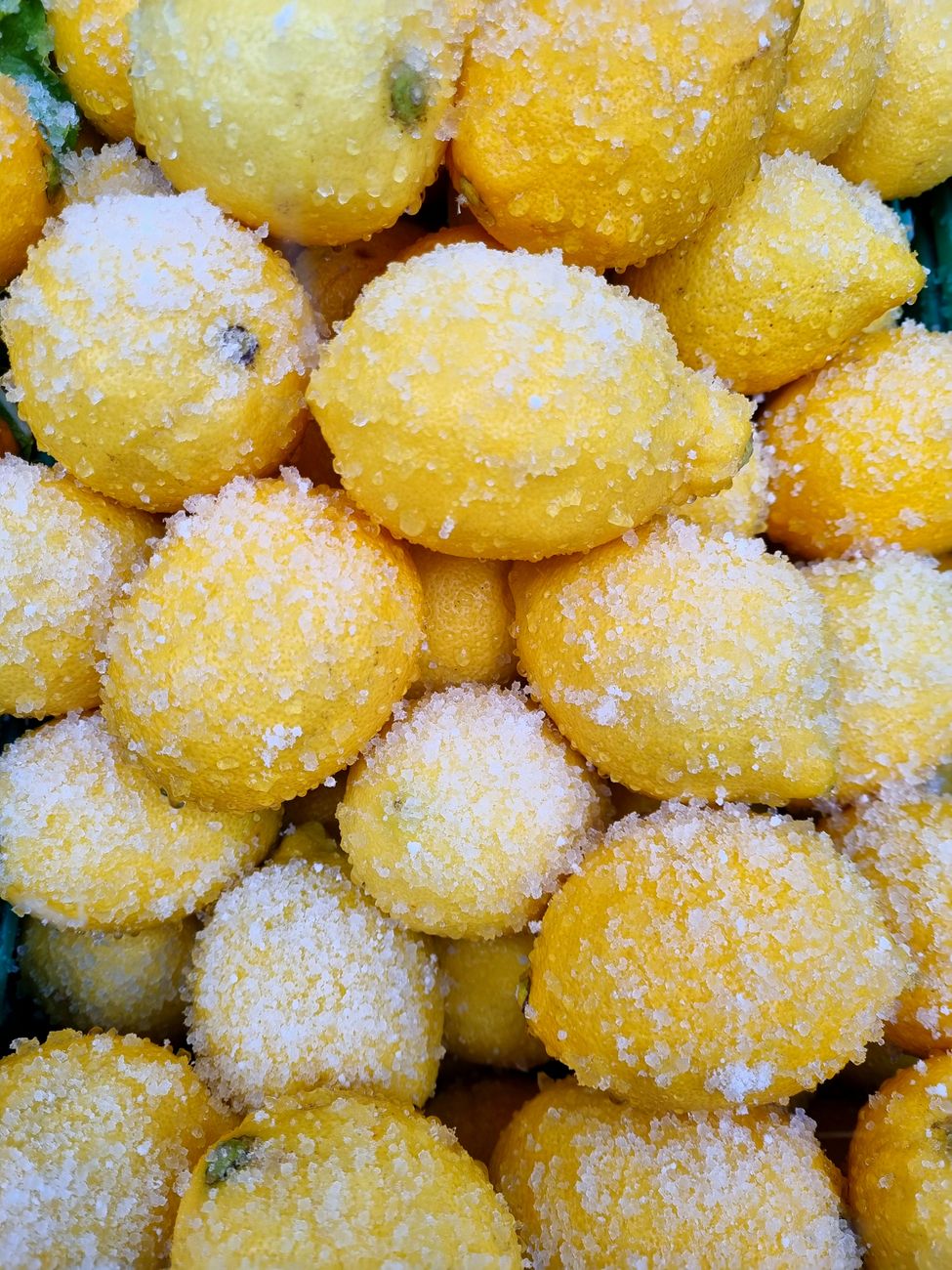
I have canned salsas and spreads. I have pickled lemons in salt water. I’ve dried various vegetables to use in soups later. I’ve even made my own fruit tea from scraps of summer fruit, using things like strawberry tops and apple peels. That last one is particularly delightful on a snowy afternoon. Take the scraps that might otherwise end up in the compost and turn them into a fragrant cup of tea. Add a little honey, curl up somewhere warm, and suddenly January seems considerably less offensive.
And that, dear reader, is where I think food preservation becomes more than simply a frugal hobby. It is a skill.
There is a tendency to think of bucket-list adventures as things that require plane tickets, reservations, expensive equipment, or some dramatic story to tell afterward. We put things like skydiving, visiting exotic countries, climbing mountains, or swimming with sharks on our lists.
And those things can certainly be wonderful. But learning how to do something is an adventure too. Learning to preserve food means acquiring a skill that doesn’t disappear when the experience ends. I can make another batch of jam next summer. I can try a different fruit. I can experiment with a new shrub. I can dry vegetables for another winter’s soup.
The experience becomes something I can return to. That is one of my favourite things about learning new skills. You don’t simply check the box and move on. You take the knowledge with you. Perhaps you’ve always wanted to learn how to bake bread. Maybe you’ve wondered about woodworking, gardening, knitting, pottery, fermenting, playing an instrument, making soap, painting, or any of the countless skills humans have developed over thousands of years.
You don’t have to become an expert. You don’t even have to love it. Try it. Learn something. And if you discover that you enjoy it, you’ve gained something you can carry with you for the rest of your life.
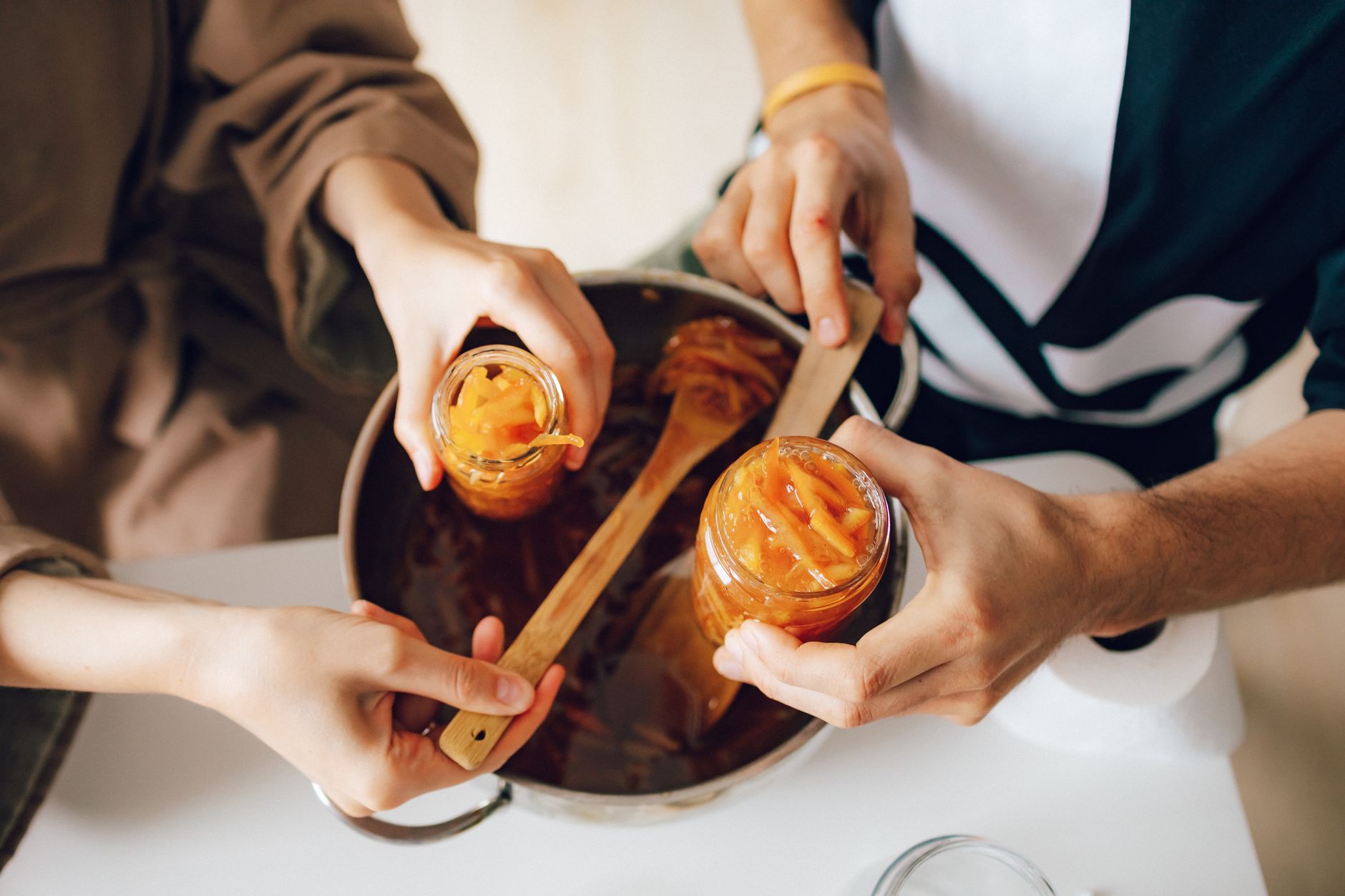
I certainly haven’t become some grand master of food preservation. I don’t have a cellar filled with hundreds of perfectly labelled jars. My kitchen isn’t a scene from a nineteenth-century homestead where I’ve somehow become the keeper of ancient culinary wisdom. I’m simply someone who enjoys making things.
And I particularly enjoy making things that allow me to cheat time. That may be the real magic of preservation. Summer is fleeting. The strawberries disappear. The peaches soften. The tomatoes eventually stop producing. The herbs die back. The garden goes quiet. But I can capture some of it. I can put summer into a jar. Then I can tuck that jar away and wait. Months later, when the trees are bare and the wind is howling against the windows, I can pull it from the pantry. I can spread it across warm toast. I can stir preserved fruit into something I’m baking. I can pour a little shrub into a glass of iced tea and remember the heat of July.
And I don’t have to keep all the magic to myself. I spread it around, too. Slightly intended pun. Jams, jellies and other homemade treats make wonderful holiday gifts. There is something special about receiving something someone made themselves. It says, I thought of you when I made this; I took the time to make something; I put this away months ago and remembered you when it was time to bring it out. And perhaps most importantly, it says, I hope this makes your day a little brighter. That feels like a much more meaningful gift than something grabbed from a shelf five minutes before Christmas.
So as autumn settles in and the farmers’ markets begin their final abundance of the season, perhaps consider adding a little practical magic to your own bucket list. You don’t need a cauldron. You don’t need a pointy hat. Although, I always love a good hat, bonus points if it’s festive. A hairnet will probably suffice. Head to your local farmers’ market. Find something delicious. Learn how to preserve it. Follow the recipe carefully. Respect the science. Don’t accidentally poison your loved ones. Then seal away a little bit of summer.
Because when winter finally arrives, when the snow is falling and the cold seems determined to seep into your bones, you can reach into your pantry and open a jar. And there it is. Summer. Waiting for you. A little magic you made yourself.