Practical Magic: Capturing a Jar of Summer

It’s Labor Day weekend. The children have returned to school. The leaves have just begun their transition from green to yellow, red, and orange. There’s just the slightest nip in the air. Though not officially here by the calendar, autumn is announcing her impending arrival, armed with pumpkin spice everything and spooky décor.

It’s enough to make anyone feel a bit witchy. And what better way to celebrate than by creating some magic in the kitchen?

Upon my stove boils a curious concoction of preserved summer. A spell sealed away until the time is right, most likely in the midst of winter’s blast, its bright heat pushing back against a blizzard’s howl. The kitchen fills with the sweet smell of fruit and sugar as the mixture bubbles away, slowly transforming from something ordinary into something that, with a little patience and the right ingredients, will become something entirely different.

Yes, armed with a dark brew, this concoction will my guests renew!
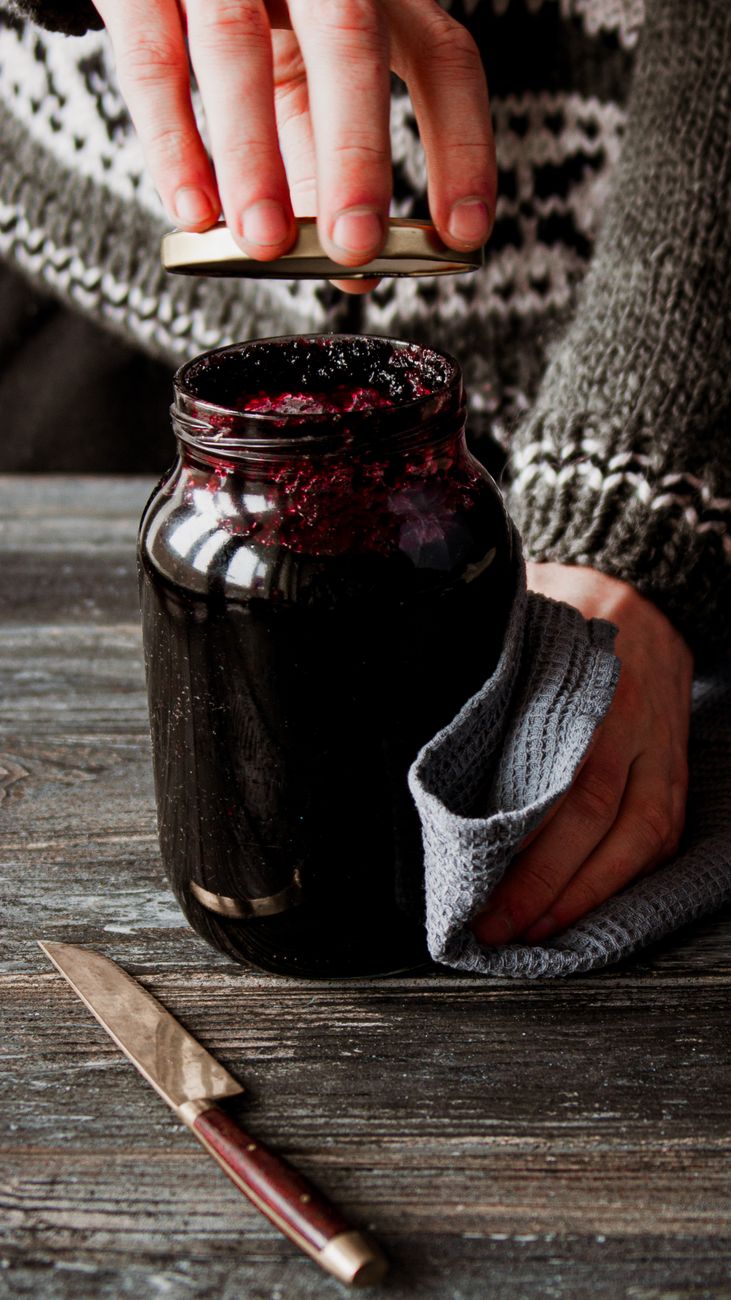
Photo by Boryslav Shoot on Pexels.com

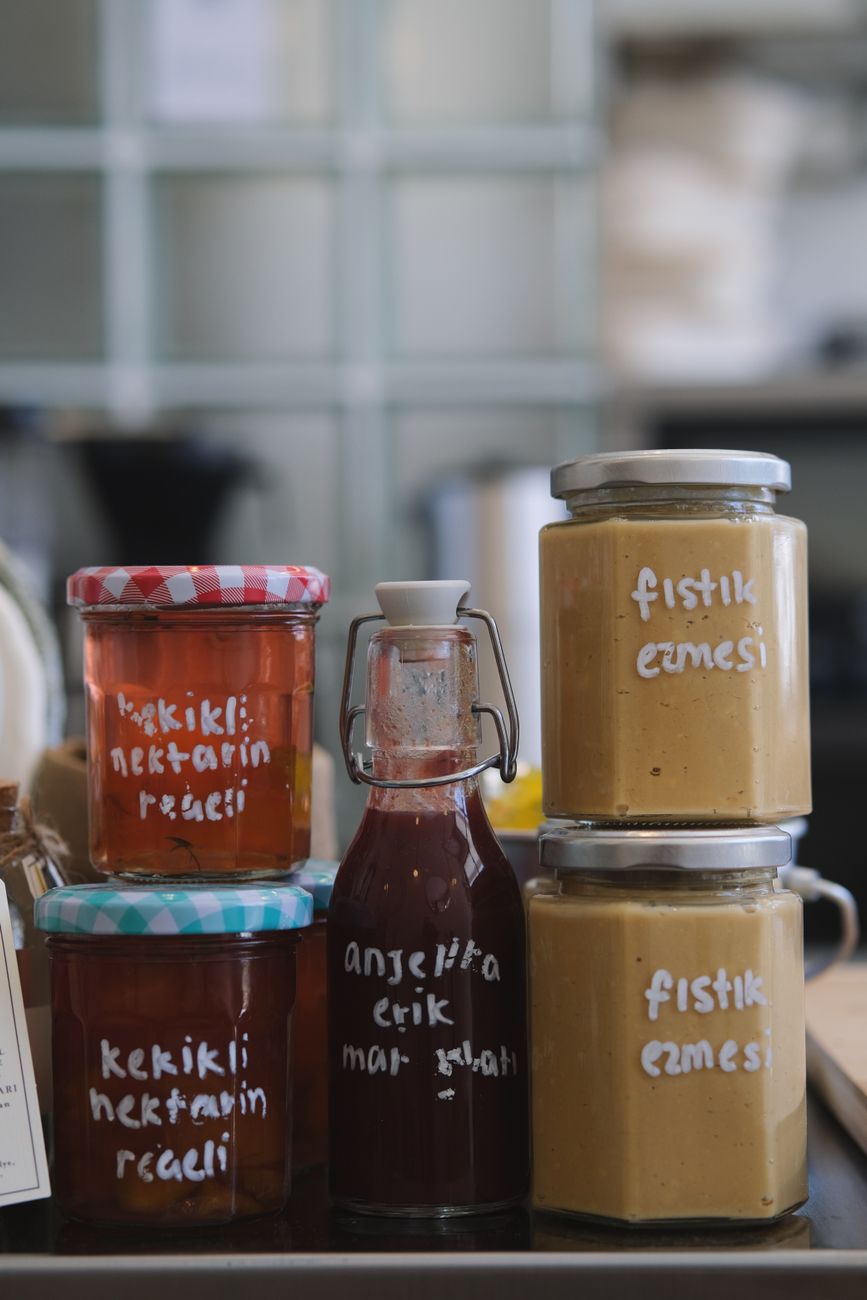
I speak, of course, of making jellies, jams, and shrubs, of drying, pickling, canning, and all the other delightful ways humans have devised to capture the bounty of one season and carry it into another.

You will be forgiven, dear reader, if you are not familiar with all the forms of preservation previously listed. I shall assume that you are particularly unfamiliar with “shrubs.” Most people are, and no, it isn’t a bush one plants in one’s garden.

A shrub is a sweet and tart beverage made from a concentrated syrup of fresh fruit, sugar, and vinegar. It is one of the earliest forms of food preservation, and I simply adore adding it to iced tea or using it in homemade cocktails. There is something wonderfully satisfying about taking fruit that is abundant for a brief moment in summer and turning it into something you can enjoy months later.

And, like any good witch, I must be careful with my spells. There is a recipe to follow. Measurements matter. Temperatures matter. Sterilization matters. The jars must be prepared properly, the seals must be checked, and everything must be handled with care. There is a certain amount of magic involved in watching fruit, sugar, heat, and time transform into something completely different, but this is not the sort of magic where one can simply wave a wand and hope for the best. An improperly prepared spell may have unintended consequences.

In this case, those consequences are less likely to involve turning someone into a frog and considerably more likely to involve food poisoning. So I follow the recipe. Carefully.

I measure the sugar. I measure the pectin. I watch the temperature. I stir and wait and watch the bubbles rise and burst. There is a strange satisfaction in following a process developed and refined by generations of people who figured out how to make the harvest last just a little longer. And when the spell is complete, I ladle the glowing mixture into jars and seal them away.

Can I go to the store and buy jam? Absolutely. I can buy pickles (not that I would I happen to hate pickles but you can!). I can buy dried fruit. I can buy salsa and tea and any number of other things I might otherwise make myself.

But there is something to be said for capturing the flavors of locally grown produce and preserving them with your own hands. There is satisfaction in carefully measuring out the ingredients, following the recipe, watching the transformation happen, and eventually opening a jar months later to discover that you have somehow managed to preserve a little piece of summer.
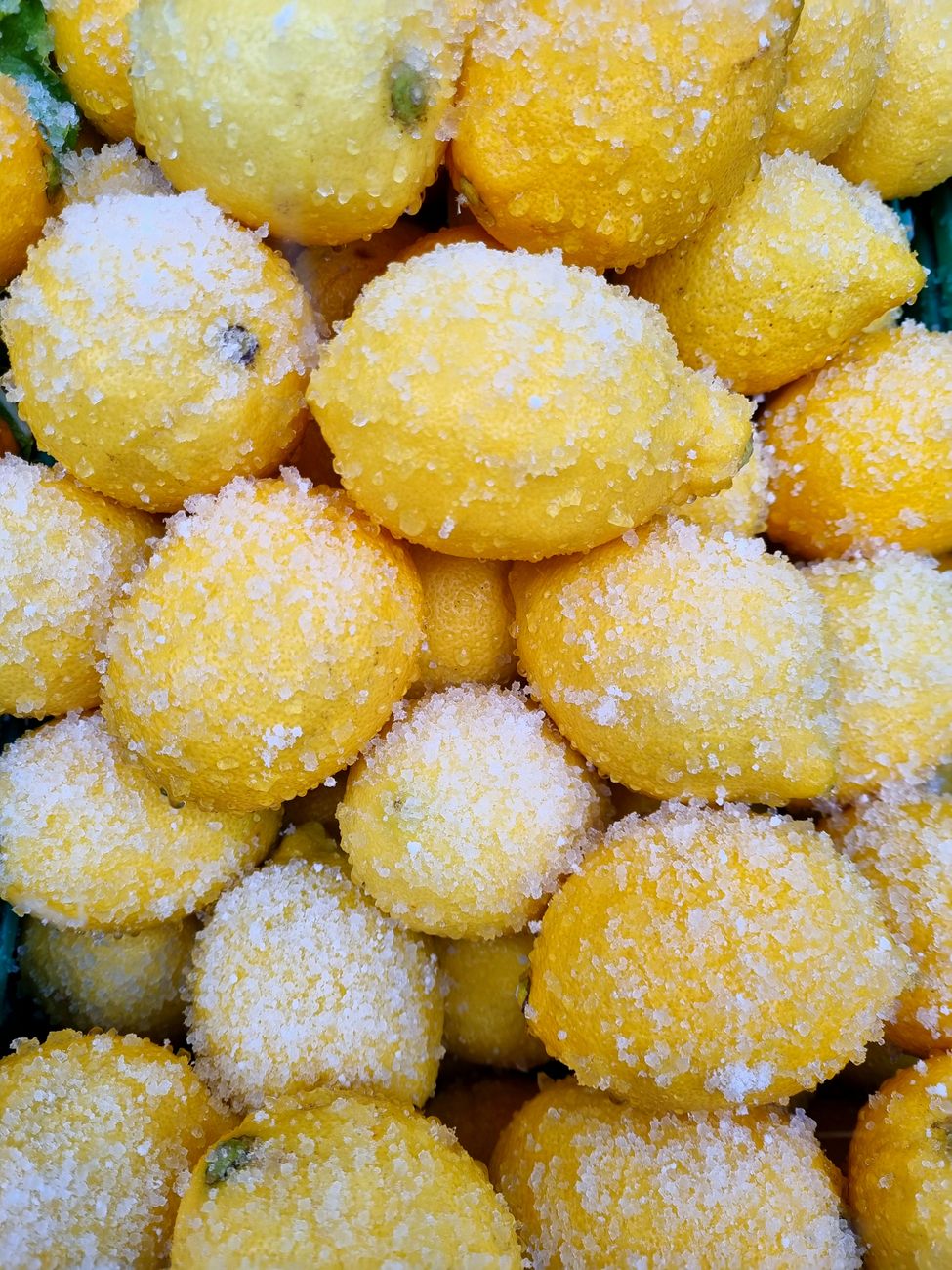
Photo by Art Chameleon on Pexels.com

I have canned salsas and spreads. I have pickled lemons in salt water. I’ve dried various vegetables to use in soups later. I’ve even made my own fruit tea from scraps of summer fruit, using things like strawberry tops and apple peels. That last one is particularly delightful on a snowy afternoon. Take the scraps that might otherwise end up in the compost and turn them into a fragrant cup of tea. Add a little honey, curl up somewhere warm, and suddenly January seems considerably less offensive.

And that, dear reader, is where I think food preservation becomes more than simply a frugal hobby. It is a skill.

There is a tendency to think of bucket-list adventures as things that require plane tickets, reservations, expensive equipment, or some dramatic story to tell afterward. We put things like skydiving, visiting exotic countries, climbing mountains, or swimming with sharks on our lists.

And those things can certainly be wonderful. But learning how to do something is an adventure too. Learning to preserve food means acquiring a skill that doesn’t disappear when the experience ends. I can make another batch of jam next summer. I can try a different fruit. I can experiment with a new shrub. I can dry vegetables for another winter’s soup.

The experience becomes something I can return to. That is one of my favourite things about learning new skills. You don’t simply check the box and move on. You take the knowledge with you. Perhaps you’ve always wanted to learn how to bake bread. Maybe you’ve wondered about woodworking, gardening, knitting, pottery, fermenting, playing an instrument, making soap, painting, or any of the countless skills humans have developed over thousands of years.

You don’t have to become an expert. You don’t even have to love it. Try it. Learn something. And if you discover that you enjoy it, you’ve gained something you can carry with you for the rest of your life.
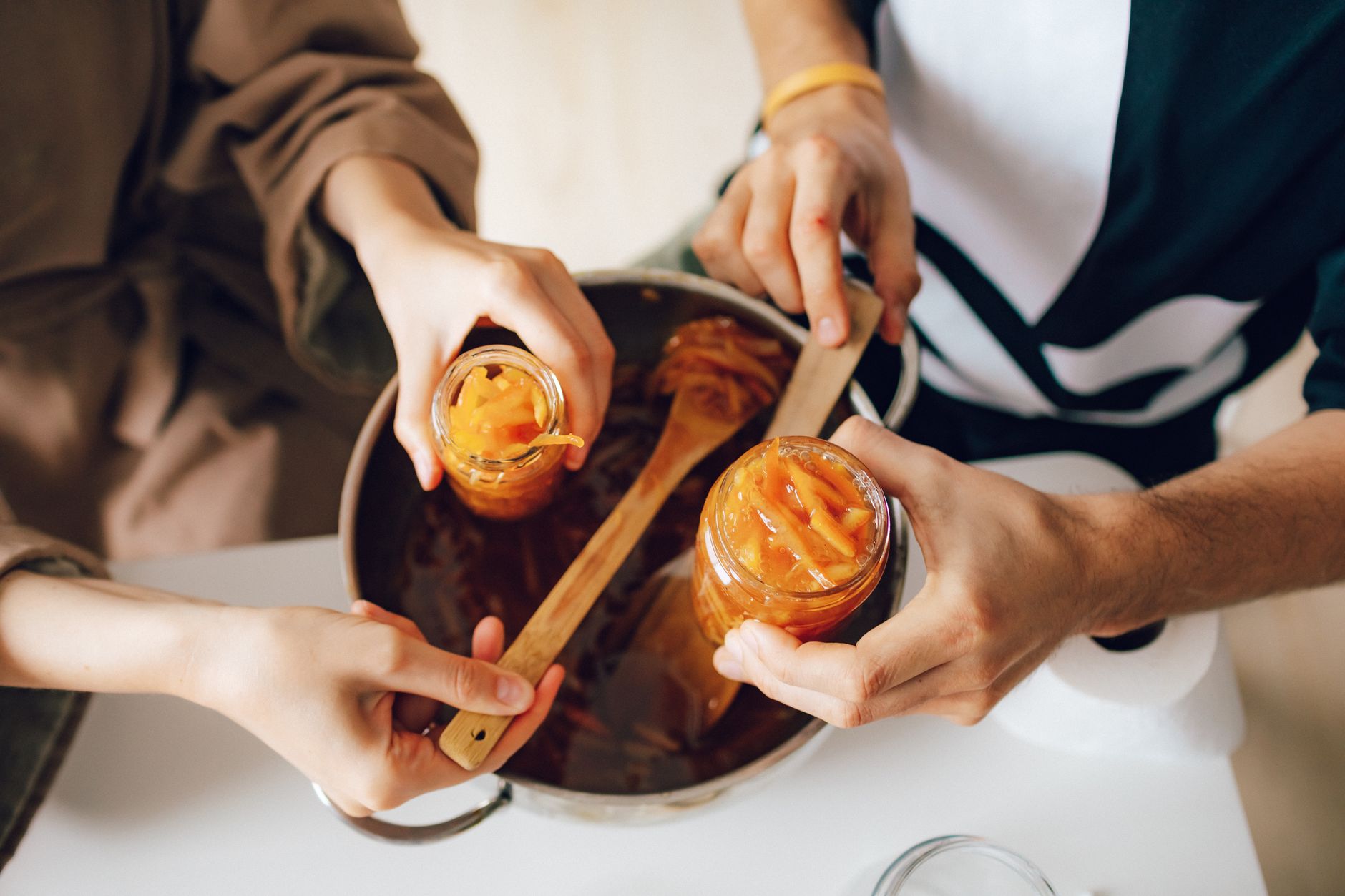
Photo by ROMAN ODINTSOV on Pexels.com

I certainly haven’t become some grand master of food preservation. I don’t have a cellar filled with hundreds of perfectly labelled jars. My kitchen isn’t a scene from a nineteenth-century homestead where I’ve somehow become the keeper of ancient culinary wisdom. I’m simply someone who enjoys making things.

And I particularly enjoy making things that allow me to cheat time. That may be the real magic of preservation. Summer is fleeting. The strawberries disappear. The peaches soften. The tomatoes eventually stop producing. The herbs die back. The garden goes quiet. But I can capture some of it. I can put summer into a jar. Then I can tuck that jar away and wait. Months later, when the trees are bare and the wind is howling against the windows, I can pull it from the pantry. I can spread it across warm toast. I can stir preserved fruit into something I’m baking. I can pour a little shrub into a glass of iced tea and remember the heat of July.

And I don’t have to keep all the magic to myself. I spread it around, too. Slightly intended pun. Jams, jellies and other homemade treats make wonderful holiday gifts. There is something special about receiving something someone made themselves. It says, I thought of you when I made this;  I took the time to make something; I put this away months ago and remembered you when it was time to bring it out. And perhaps most importantly, it says, I hope this makes your day a little brighter. That feels like a much more meaningful gift than something grabbed from a shelf five minutes before Christmas.

So as autumn settles in and the farmers’ markets begin their final abundance of the season, perhaps consider adding a little practical magic to your own bucket list. You don’t need a cauldron. You don’t need a pointy hat. Although, I always love a good hat, bonus points if it’s festive. A hairnet will probably suffice. Head to your local farmers’ market. Find something delicious. Learn how to preserve it. Follow the recipe carefully. Respect the science. Don’t accidentally poison your loved ones. Then seal away a little bit of summer.

Because when winter finally arrives, when the snow is falling and the cold seems determined to seep into your bones, you can reach into your pantry and open a jar. And there it is. Summer. Waiting for you. A little magic you made yourself.
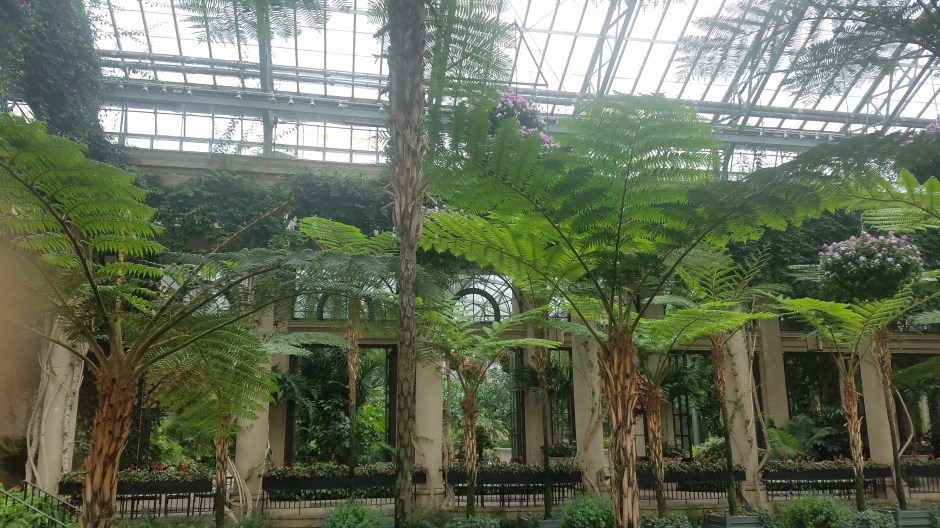
Photo by hello aesthe on Pexels.com

Did I visit a Botanical Garden or Paradise?

The title is a slight exaggeration, but I think the comparison is apt. After all, in three of the world’s major monotheistic religions, paradise is a garden. 

So, what exactly is a botanical garden? Aside from being a beautiful place to wander around in quiet contemplation, botanical gardens are gardens with a documented collection of plants for the purposes of scientific research, education, conservation and display. They feature the botanical names of the plants. Hence the name botanical garden – not necessarily the cleverest of names, but it certainly gets the job done. 

Some of my earliest memories consist of gardening. Lacking cable, one of my favorite pastimes was actually watching “The Digging Show” or my parents gardening. I loved spending time among the plants and the flowers learning their names, cataloging their color, inhaling their scents and at times nibbling upon them. I quite enjoyed the various herbs and was quite familiar with which ones were safe for me to consume and which ones were best avoided. I spent many hours going to various nurseries. As my parents shopped, they became my playgrounds. Not that I disturbed the merchandise (I had been taught to look not to touch), but I still explored, searching out new plants and finding the statutory and other garden decor scattered about. Our garden was huge and well known in the neighborhood as one of the best. We even had a photographer request to come and take photographs of our garden. 

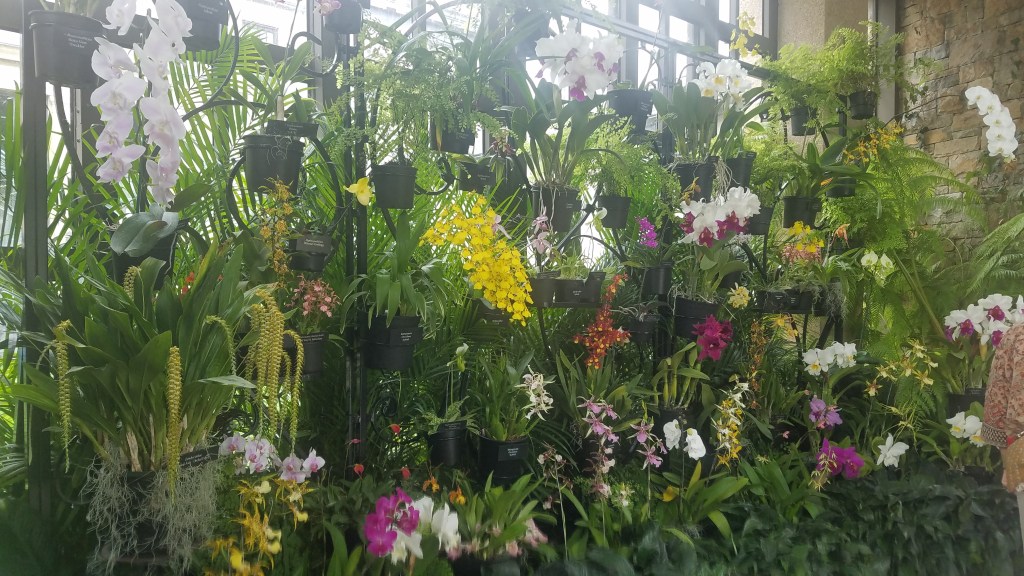
It should come as no surprise then, that I love going to botanical gardens to stroll among the flowers and greenery. Each one is so different which only serves to highlight the vast biodiversity of our planet where no two gardens are alike. Some focus on specific areas while others span ecosystems throughout the planet. No matter what I always find a bit of wonder in them as I am taken in by the majestic blooms and vibrant hues of the leaves. I’ve seen giant lilly pads and a huge array of orchids. I have been overpowered by the sweet scent of roses and delighted by the scent of apple blossoms.

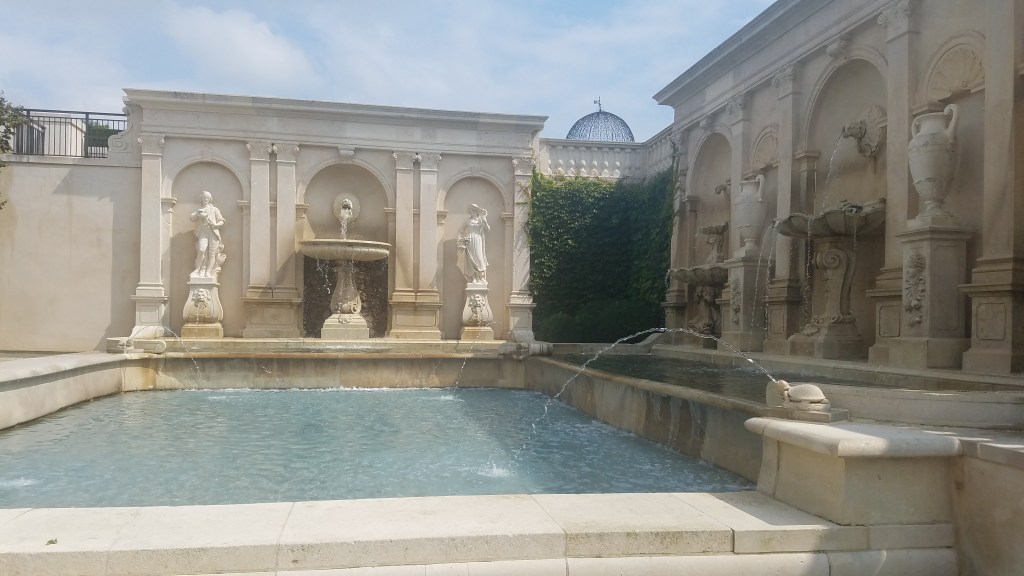
The architecture of these gardens are often a highlight as well featuring delicate archways and imposing pillars. Many of the gardens have various fountains and waterways snaking through them. They may even have plunging waterfalls. Longwood Gardens in particular is known for its spectacular water show which is predominately displayed in the center of the gardens. However, it is also home to more humble buildings, small wooden cottages or small towers tucked away in forested areas.  To traverse the gardens is to move from landscape to landscape each with its own unique take on what makes a garden. There are times when the juxtaposition of the two can almost seem jarring as one moves from one area to the next as if the doorways themselves are portals to between worlds. 

Each world is a delight to the senses and one hardly notices the passage of time or the encroaching heat of a warm day or the way the chill of a winter begins to seep its way into your bones on those cooler days. In all seasons, the gardens offer something new as they are always changing with the pattern of the year. It means there is never a bad time to visit and one can visit quite often as there is always a shift. What was in bloom only a few weeks ago may have faded and a new plant has come to take its turn in the spotlight. The gardens can be enjoyed both in quiet solitude or with a group of friends. 

I find that day among the plants and flowers is as refreshing as a day at the spa. A connection to nature is an important part of mental health. Time outdoors helps to reduce stress and anxiety. Fresh air is also correlated with increased physical health. Exposure to nature is associated with better cognitive function. Certainly spending time in such oxygen rich environments is good for your lungs when we spend so much of our time inside. So yes, it can certainly feel like one has discovered a small slice of paradise when visiting as the stress of the outside world begins to melt away. I certainly envision heaven as a botanical garden, populated with cats of course, with ready access to a vast library of books and tea. 

How can you visit your own slice of paradise?

Luckily, botanical gardens are found throughout the country and indeed the world, so finding one should be relatively simple. I recommend wearing comfortable walking shoes and to pick a day when the weather is particularly good. You will most likely want to bring some water as they are often deceptive in size – they are always bigger than you anticipate. Armed with proper hydration and shoes, you will ensure that your beautiful garden experience doesn’t become hellish. 

Completed: First completed in childhood in a visit to Longwood Gardens

Cost: $32 per person (can vary depending on time of year)

Miles from home: 45 miles from home

I have also visited other gardens throughout the country as I am always up for visiting a garden.

Japanese Tea Ceremony

“There is no trouble so great or grave that cannot be diminished by a nice cup of tea.”. – Bernard-Paul Heroux. 

When I was about five years old, I was obsessed with tea parties. I was first introduced to them through my mother’s own passion. She would take us to the local herb shop and the tea shop nearby to purchase quality tea and scones. At home, the water would be boiled and poured into a china pot, a timer set for the proper amount of time for brewing and then carefully poured out into the cups. It was during this time that she imparted to me the rules of tea, how to hold the cup, what order the tea should be poured out to each guest, the polite amount of sugar to add, when to add milk, how to stir it without making a ruckus. I learned the difference between afternoon tea and high tea (it’s not the same thing), that one eats the savory first then the sweets and exactly how one eats a scone properly (by breaking it apart into small bits). 

Over tea, she taught me about Victorian England and the antiques that decorated our house. She was quite fond of the late Victorian era, and I developed the same fondness. As part of my education, she bought me a tea book for my birthday. I was elated (yes, I was a strange child, I grew up to be a strange adult and I’m okay with this fact). I flipped through the pages and discovered an entirely new sort of tea, the Japanese Tea Ceremony. The book did not go into it overly much but it did allude to the sorts of things one might encounter, the special Macha tea, the whisk and the sweet that they might serve. In combination with my discovery of the Karate Kid, my love of Japanese culture was solidified and later reinforced with my introduction into anime (which I won’t get into here, other than Princess Mononoke was a definitive experience of my childhood). 

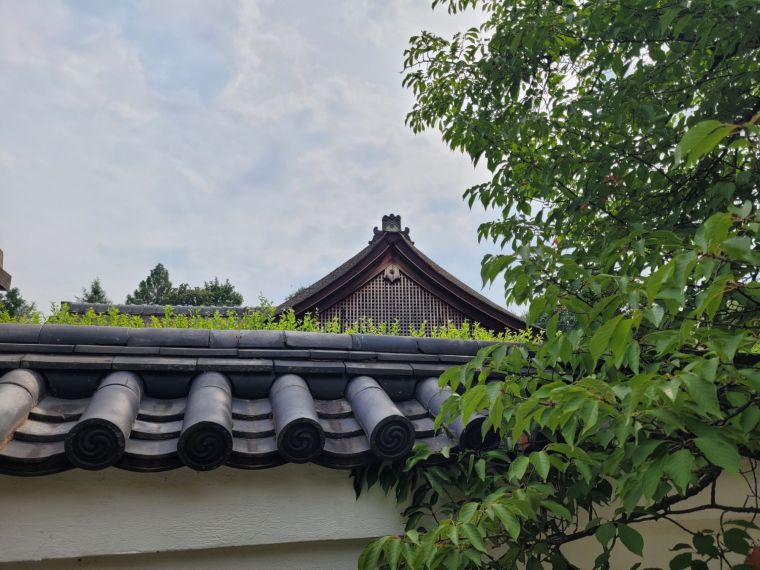
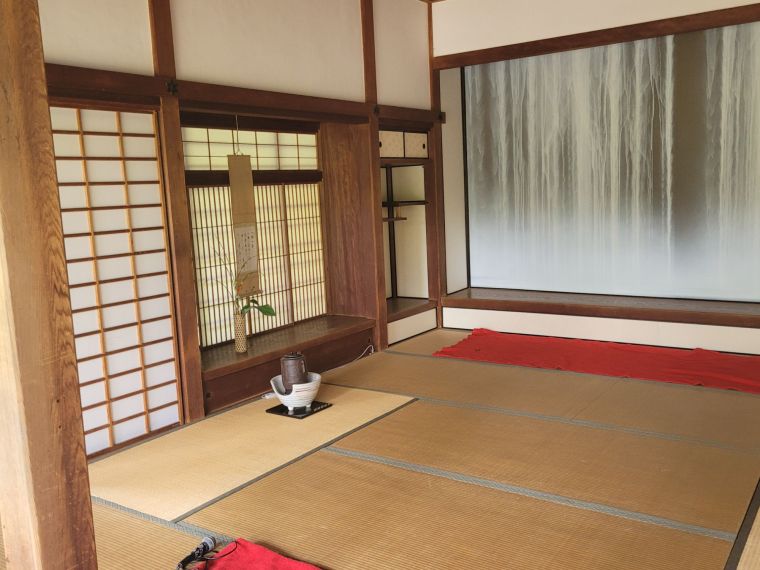
Ever since my discovery of the Japanese Tea Ceremony and all things Japan, I had wanted to experience it for myself. I got the chance in the summer of 2021, when I took the hour drive out to Shofuso Japanese Cultural Center.  The house was designed by Junzo Yoshimura as a 17th century style home. It was built in Japan in 1953 utilizing traditional techniques and then shipped to New York as part of the Museum of Modern art. It found its home, however, in West Fairmount Park in 1958 where it has graced the greater Philadelphia area ever since nestled in a beautiful Japanese Garden. It includes a pond garden with a waterfall, island, koi fish, traditional tea house and bathhouse.  

Walking through its gates, one could easily forget that one has not in fact hopped on a plane to the middle of Japan. Every corner of the building is a beautiful work of art, carefully tended and maintained. What delighted me was the dedication to keeping the building authentically Japanese. Unlike in America when something like a floorboard has some sort of damage or rot, the Japanese do not uproot the whole floorboard and replace it. Instead they cut around the damaged section and then fill it in like a puzzle piece. There was a sort of beauty in keeping the story of time rather than a focus on perfection. Flaws were a natural outgrowth of a house in use and there was a sort of artistry in the repair. 

Men and women in kimonos graciously answered questions about the house and pointed out its secrets. They informed us that the murals of the house were donated by an artist in 2007 and were inspired by the waterfalls. They told us about the hinoki bark root (the only one outside of Japan) and how it took 1.4 million dollars to repair it back in 1999. They were excellent hosts whose presence engendered a sort of respectful quiet in the guests. It is not that we did not speak, only more in hushed whispers as to not disturb the peaceful atmosphere. It is a house that invites calm reflection and relaxation rather than exuberant outbursts. 

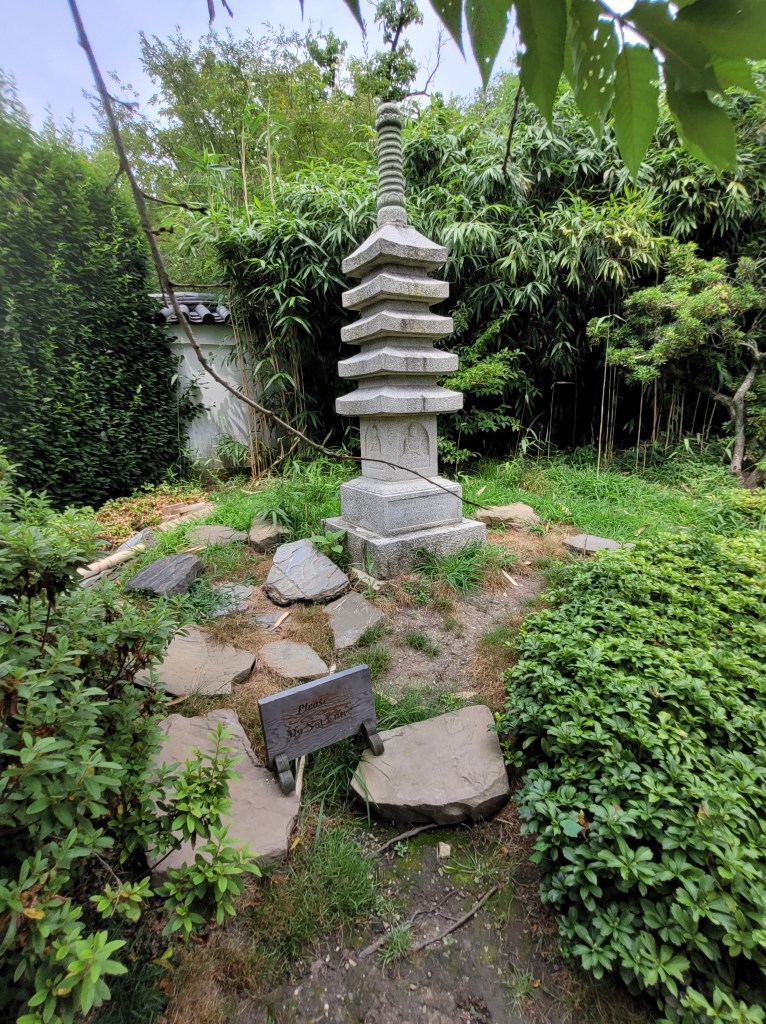
In the heat of the summer, my sister and I explored the small garden which encircles the house. We took a moment to pause by the Buddha statue, littered with small offerings and tucked away among the bamboo. We sat in quiet reflection watching the lazy circles of the koi fish which were only interrupted when a tourist decided to feed them. The noise of the nearby city melted away and one could almost believe that we had stepped through a portal to the other side of the world. 

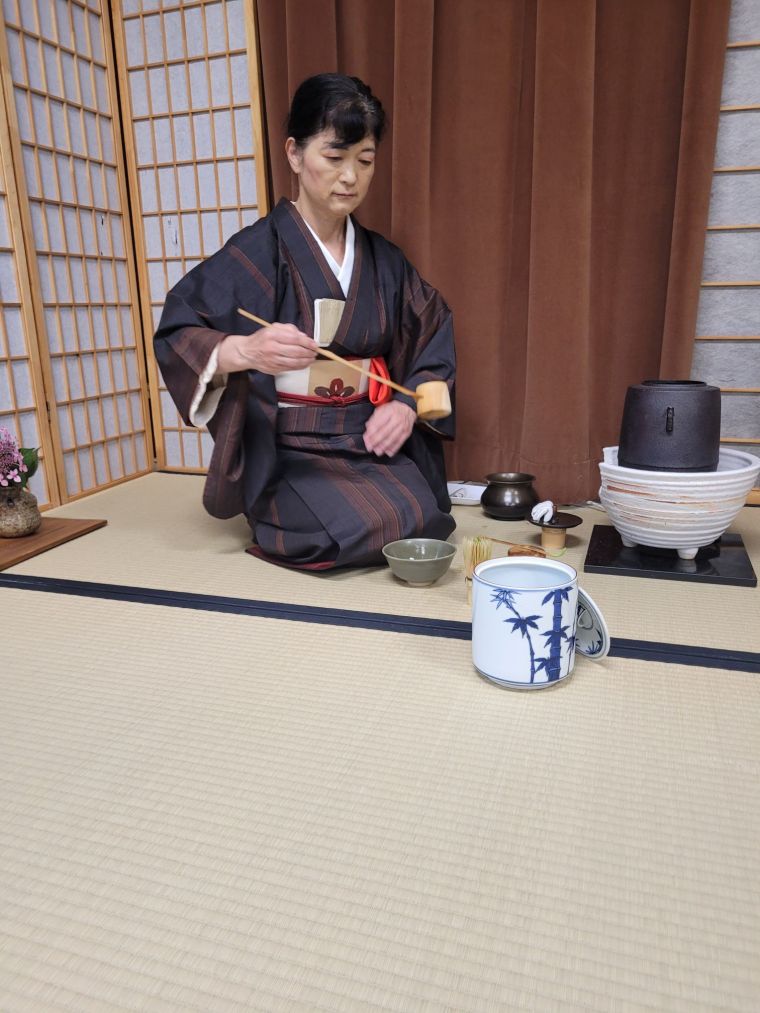
Soon we were invited to sit for tea. A woman dressed in a beautiful kimono came out to prepare the tea for us. While she began to prepare the tea. The male host graciously explained the “ceremony” as not a ceremony but more a set of expectations of manners that one should adhere to when invited to a formal tea in Japan. I suppose in truth, it was no more a “ceremony” than a proper English tea though perhaps the rules were a bit more structured to give the illusion of ceremony or ritual. One could make arguments either way – but he was speaking as a Japanese person and he indicated that it wasn’t a ceremony persay, so I am going to believe him as the expert in his own culture. 

We were instructed that we would be expected to admire the carefully chosen decorations such as the scroll. He explained the symbolism of the arrangement of the flower. As the woman began to prepare the tea he explained the different instruments and tools that she was using the small white cloth, the bamboo whisk, the scoop, tea powder and the metal pot to heat the water. 

First, the hostess brings in all the tools necessary for the tea preparation and then begins cleansing the utensils. Then she carefully places in the powder and hot water into the cup and whisks it expertly into a perfectly foamed tea. The cups of tea were passed around to the various guests and our male host continued his lesson. 

We were instructed in how to pick up our cups, turn it the proper 90 degrees and to take slow sips. He explained that we would be expected to admire the craftsmanship of the cups and to express appreciation for everything the host had done for us.

The tea made from the matcha powder had almost a soft, velvety texture in my mouth. It was a bit more potent than a typical green tea, but lacked the harsh bitterness that the black teas can have. Despite the heat of the day the hot tea was refreshing. I enjoyed the texture of the cup in my hand and took in the smell of the tea. 

We were also given a sweet to enjoy along with the tea. I felt quite terrible as the host had gone through great trouble to prepare the sweets and it had a jello like substance to it. Unfortunately, I have a sensory issue with jello as it makes me gag. I graciously accepted it and forced it down as I did not wish to offend her by refusing. However, I may still have offended her with my face. It did taste delicious, it was the texture of the jello that made it difficult to swallow. 

Despite my potential faux-pas, it was a delightful time and dream come true and the following year, I was surprised to find myself once again at a Japanese Tea Ceremony. This time armed with previous knowledge and in a more intimate though less peaceful setting. 

Each year, there is an annual tea festival in my state. As previously stated, I am a bit obsessed with tea. Together my sister, myself and my mom journeyed to a small town only an hour and a half away from home to a cozy tea shop tucked away along the main street. Behind the unassuming little tea house is a beautiful hidden garden which is where the highlights of the festival take place. Unfortunately for us, the day was quite wet, necessitating for much of the festival to be moved to the inside of a nearby church. This meant that the church basement was crowded, loud and somewhat uncomfortable. 

So it may surprise you to hear that within the noise and the crowd, I stumbled across an oasis of peace and zen, a small tea ceremony. A woman sat on the stage, her small tea house set up and invited you to sit. My sister and I eagerly took our seats in anticipation having so thoroughly enjoyed our last tea ceremony and my mother followed close behind. With a small polite bow and a tiny smile tugging on the woman’s lips, the ceremony began. Do not ask me what magic spell the woman wove, I only know that under her expert care, the crowd disappeared from my mind. For a small window of time, we were transported out of the world and into a quiet pocket of serenity. We took our time sipping the tea and making conversation. As expected, my sister and I expressed admiration for the cups and remarked on her beautiful display. We enjoyed the sweet treat offered (thankfully nothing gelatin, so I did not have to repeat my unfortunate behavior of last time!) We complimented her and thanked her for her time and consideration both verbally and with a small donation to help support the tea house in Philadelphia. All too soon, we found ourselves back in the crowded basement, but I shall always remember the spell that such skill can weave. That is after all part of the point of the tea ceremony, to approach the act of drinking tea with a mindfulness; to transform the mundane into an extraordinary art that allows the participants to enter into a calm space. Tea, dear reader, really can be magic. 

How can you participate in a tea ceremony?

If you live within a reasonable distance to Philadelphia, then you can buy tickets to the Shofu Teahouse and for an additional cost, participate in their tea ceremony. You can also check out the PA Tea Festival as the teahouse typically sends a representative to perform small ceremonies for the guests of the festival. 

If not, then google is as always, your friend. See if there are any Japanese cultural clubs or organizations in your area. They may offer classes or demonstrations to the public.

A word of caution, do not join a cultural organization only to check off something off your list; someone else’s culture is not your personal playground. As with any cross-cultural experience it should be done with genuine curiosity and humility. The tea ceremonies I attended were extended by invitation to the general public. I did my best to participate with respect and to be a student of their culture.