
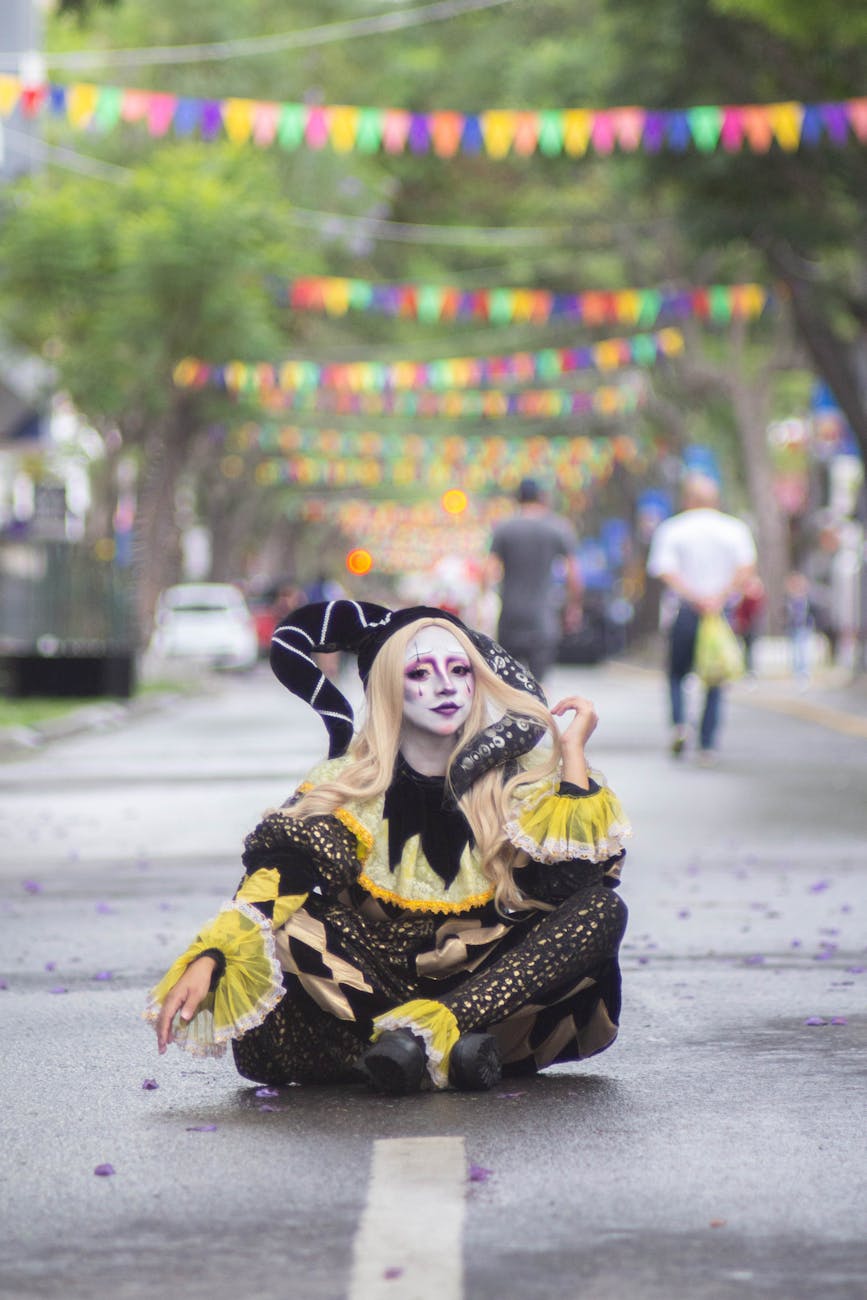
We live in a digital age where we can curate our lives to project an idea of who we are into the world. Are we bubbly and outgoing? Sophisticated and refined? We can place almost any lens or filter over our photos and our lives. With artificial intelligence, that line blurs even further. We can compose music, generate art, write entire essays, and pass them off as our own. We can feed in a photo and receive a picture-perfect version in return.
All of it in pursuit of likes and comments.
All of it for confirmation that we are enough.
Which is what we’re all striving for, isn’t it?
It becomes easy to let these illusions shape our identity. The mask we wear for acceptance begins to fuse with who we are. Much like The Mask, it clings to us until we can no longer separate it from our face. And without it, we’re not entirely sure who we are.
Maybe when you were younger, your father took you to baseball games. You wore the jersey, learned the lingo, found community in the crowd. When he asked if you wanted to play, you said yes. You spent your childhood in a sport that never quite fit, quietly forgetting about the gymnastics class you once wanted to try. When the Olympics came on, you changed the channel rather than sit with the ache in your chest as athletes flipped and soared with ease.
After all, that’s not what earns a high five from Dad.
That’s not what earns acceptance.

Or maybe you were told you were too loud, so you became soft. Too much, so you became small. You watched a sibling get scolded for being wild, so you became controlled, composed. You saw a parent retreat when overwhelmed, so you learned to hide your emotions. You absorbed opinions about “the kind of people” who go to college or work with their hands, and somewhere along the way, your own desires got quieter.
Without the judgment of others, who are we?
What do we actually like?
What are our passions?
If no one were watching, what would we choose?
If no one were clapping, what would we keep?
Deciding to live authentically is not a small thing. Especially when our relationships have been built on versions of ourselves that were easier to accept. There’s a quiet fear that lingers: Who stays if I change? If they really see me, will they accept me? If I tell them my truth, will I be cast out? They say they love me, but if they never knew who I really am, was it ever actually love?
Not every truth is seismic. Not every revaluation risks losing everything. Sometimes it’s quieter. You grow up dismissing a genre of music you’ve never actually heard, repeating what you were taught. Then one day, you listen. And you like it. You begin to question what else you’ve inherited without examination.
You realize how much of you was shaped before you ever had the chance to choose.
Of course, not all of this comes from a place of harm. A father may have brought his child to baseball games simply to connect, to give what he never received. A mother may have hidden her tears to protect her child from carrying burdens that were never theirs to hold.
But even well-intentioned messages can clip our wings.
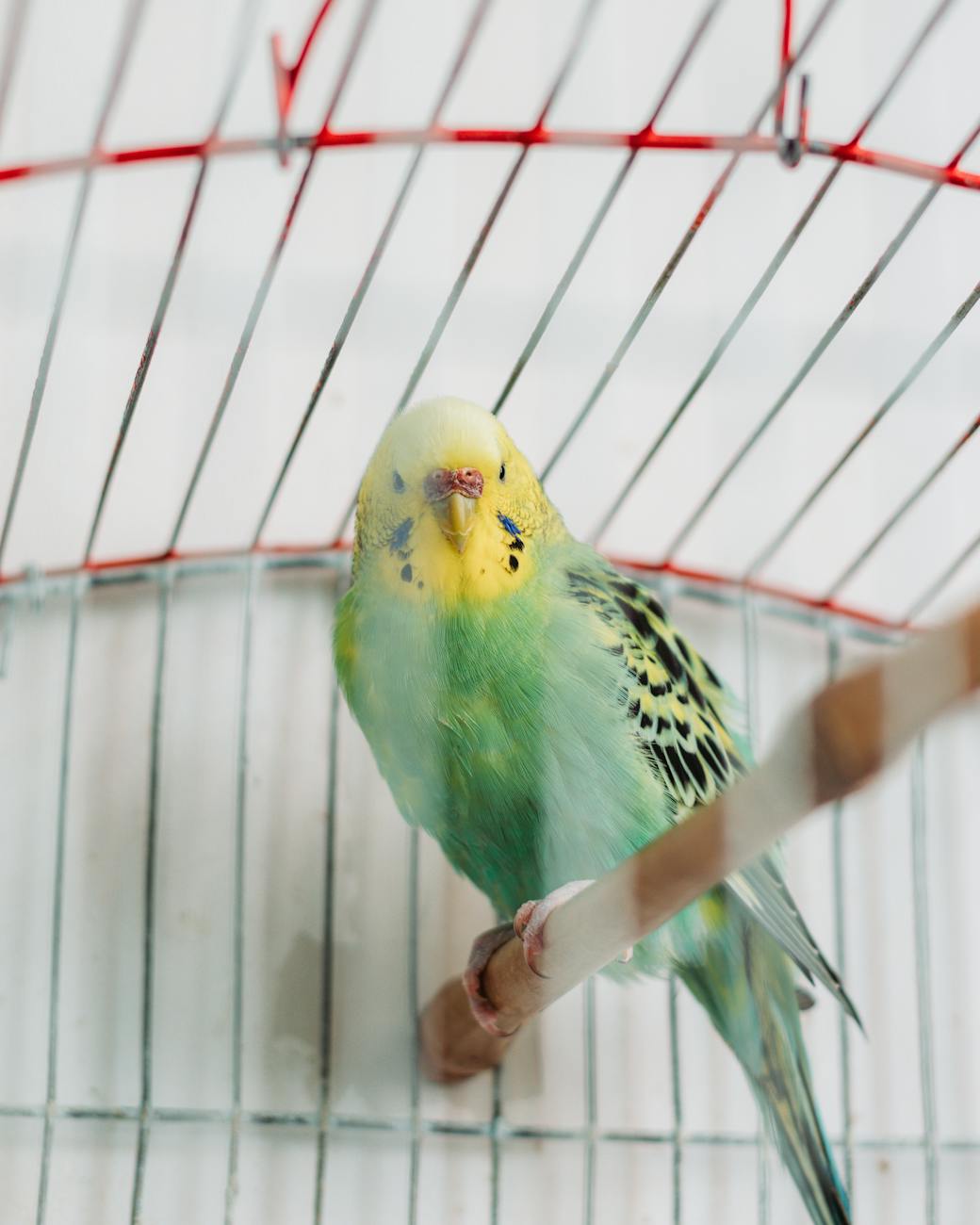
We try on identities like hats, convinced they fit, until one day they don’t. We outgrow them. Or maybe we never grew into them at all. We become fractured. The version of us at work looks different from the one at a party, which looks different from the one who sits alone in the quiet.
And eventually, the question surfaces:
Who am I, really?
Maybe that’s the real fear.
Not that others won’t recognize us…
but that we won’t recognize ourselves.
If the mask came off, would you recognize yourself?
 Budget Bliss: Bucket List