
Shhh, It’s a Secret: The Best Kept Secret of the Summer

In the world before COVID, there was a growing tradition in my local city. A secret, invitation only pop-up party to kick off the summer season. One could only be invited. There was no ticket payment system or special way to get in. You simply reached out to have your name on a list. Then the list for invitees was opened and you could sign up to go (at least that is what happened the year I went and my sister went). Those in the know, knew how to find their way to this not well advertised gem. I heard about it through the grapevine, whispers in the community of such an event and with a little investigation, I found it.

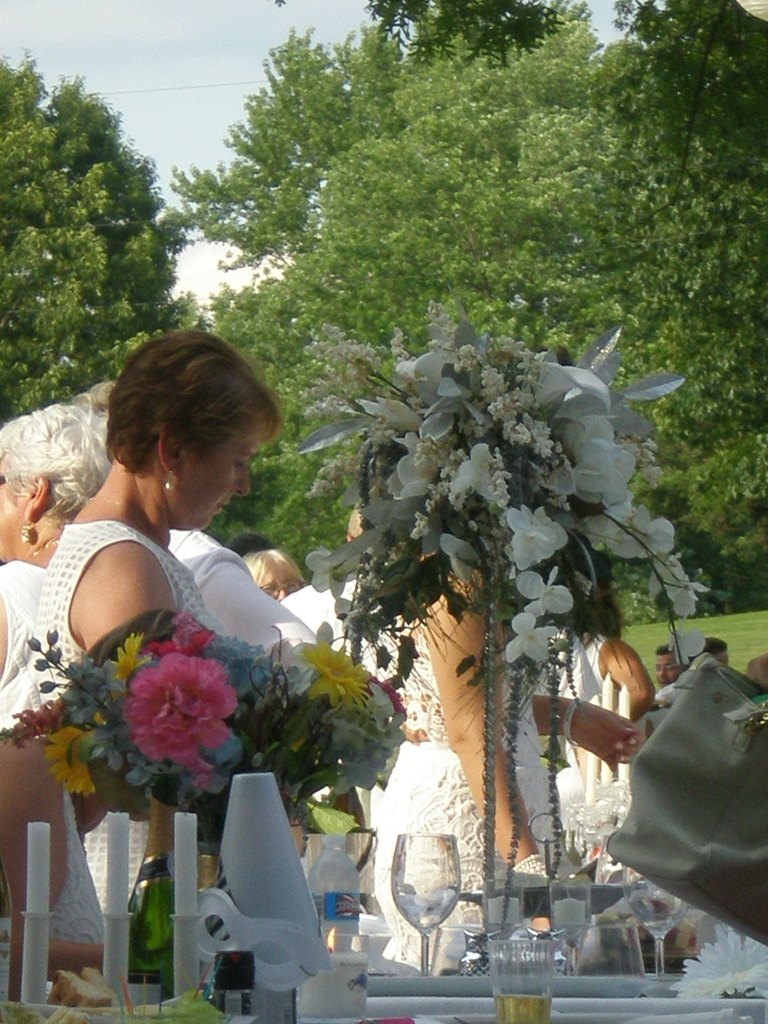
Despite the location of the event being a closely held secret, the theme of the party was not. Fete en Blanc or Party in White was a premier event. Everyone, dressed up in white, brought their own picnic, wine, tables, chairs and table decorations to create the signature party of the summer. Courtesy of our hosts, they provided the decorations and music. You found yourself seated in a long row next to neighboring tables and just enjoying the spectacle. 

OLYMPUS DIGITAL CAMERA

Fete en Blanc is one of hundreds of white pop-up parties started in Paris in 1988. The theme has always been the same. No one knows where dinner will be until the last moment and everyone wears white. You bring your own table and chairs and until recently you provided your own food. The tradition has spread to hundreds of other cities around the world. Some of them do have a ticket fee. Some are more strict on what counts as white. Whereas many places will allow “pops” of color or off white, Philadelphia is a strict white only. It varies from place to place.

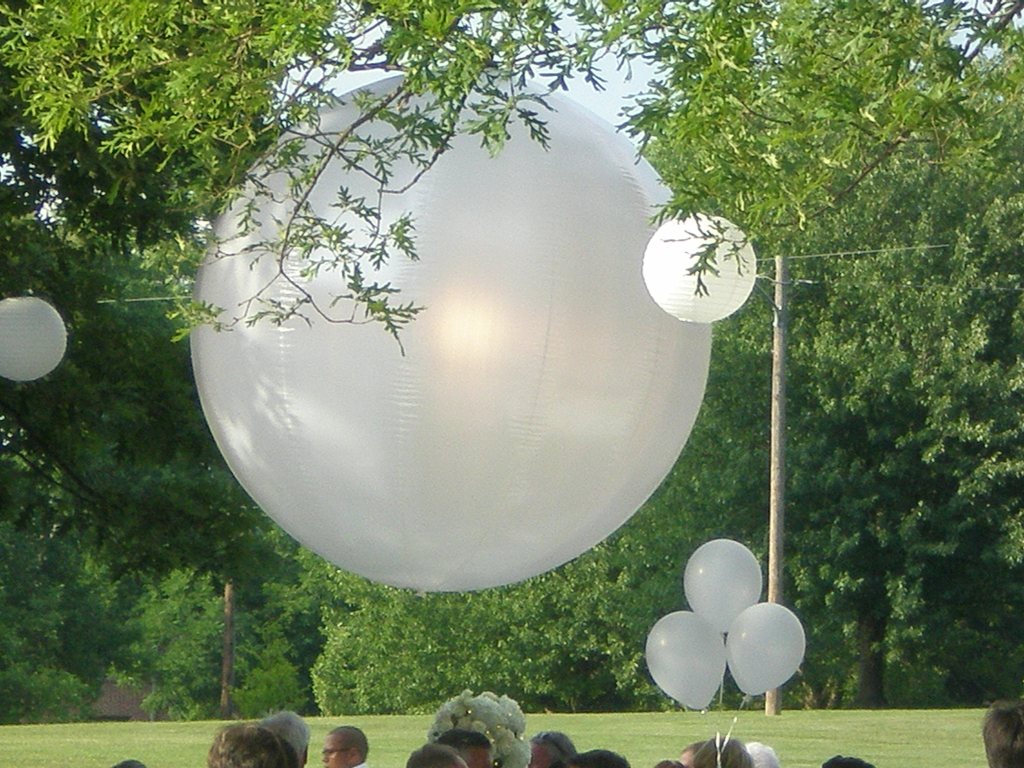
An army of volunteers helped to direct the crowd of people all overseen by an intrepid Master of Ceremonies to ensure all had a delightful time. The local park had been transformed into a magical world of floating spheres and twinkling lights. What made it special was precisely that it was not an event held only for those who could afford it. As tickets were free and by invite only, there was no monetary barrier to entry. As you were directed to sit wherever by the volunteers, one could easily find themselves shoulder to shoulder with Lancaster’s finest. Imagine what sort of friends one might make at such an event! 

OLYMPUS DIGITAL CAMERA

My sister and I did not have a table, so we spread ourselves out near the bottom of a tree. We enjoyed a spread of white wine, white cheese, white grapes, cauliflower and light crackers. After all, a party in white ought to have white food. However, me being myself, I could not resist just a small “pop” of  bright, pink color on my hat. I always did have to stand out in a crowd and besides, rules were made to be broken, darling! As we ate, a duo of drummers moved throughout the tables, their pops of color stark against the white of the crowd. Their enthusiasm was contagious and all to kick off the summer season!

After we ate, we meandered through the crowd taking in the different decorations that graced the tables. Those who were clearly experienced party goers had some truly elaborate displays in stark contrast to our simple set up. As the dusk settled, the atmosphere took on an almost dream-like quality. One could almost believe you had been transported into an in-between realm with the changing of the season. Was the veil between worlds just a little thin that night? Perhaps, it was the wine, perhaps it really was the magic of midsummer. 

We did not stay long into the night, both of us had work in the morning. So we packed up our small picnic and made our way out of the dream and back into reality. We were unable to snag tickets the following year in 2017 and in 2018, we determined we wanted to focus on new experiences rather than repeating ones we already had. Sadly, 2019, seems to have been the last year for Fete en Blanc at least for the Lancaster area. Covid came in 2020 canceling any plans for the event and I have not seen its return since. I hope to see its return one day as it was a truly special thing for our community. Perhaps with the advent of my new job I may have extra time on my hands and it is something I could organize here in my local community. It might be something to add to my list – throw a giant party for my community? What do you think dear reader?

OLYMPUS DIGITAL CAMERA

How can you experience a Fete en Blanc?

Well, as I said, our own local White Party does not seem to have returned after COVID, so if you happen to be in my area you will have to look further afield. If you do manage to locate one, be rest assured it is a difficult event to get into as most are lottery based given the demand for attendance typically overtakes the capacity of the given venue. In Paris, over 13,000 people may attend and they still do not have enough spaces for all the people who wish to go. Paris has a waitlist of over a million people and is considered one of the most exclusive dinner parties in the world. 

The copy-cats around the world are little different in terms of demand outpacing capacity. Almost all of them take place between May and September as a celebration of the summer and given that they occur all over the world, there is a very good chance you can find one in your area. Given the difficulty and exclusivity of such an event, you may dear reader feel a bit disheartened by the prospect of ever experiencing the spectacle yourself even if you are nearby. 

Now, what have we learned in such situations? When one cannot do a specific item, one can examine the principles and values of the experience. That is not to discourage you from throwing your hat in the ring and trying to get a coveted spot, after all most of the time it is a matter of throwing your name on a list and hoping your name is drawn. 

OLYMPUS DIGITAL CAMERA

In this case there are many festivals, events, parties and even secret going-ons that are occurring in your local community. One must merely be attuned to what might be happening around you. I found that the more I got out to do things the more things I found to do. Your friends and family start reaching out with cool ideas that might interest you for your next adventure. They start inviting you to things to do with them. Do you know the number of your friends and family who want to do things but have difficulty finding people to do things with? When you’re the person always going off and doing new things, you’re often the first person they call! 

I was not looking to do this party, I heard about it, signed up and snagged a coveted spot! I encourage you dear reader to get out and do! Soon enough you’ll be hearing about all the secrets your community has been hiding right under your nose! 

There is also another option. Given that all that is necessary is a venue, some music, white decor and a few friends, there is nothing to say that you can’t start your own Fete en Blanc tradition in your local community. Imagine being able to give a bucket list experience to not only yourself but your whole town as well? That’s how Lancaster got started and I hope to see its return soon.

Completed: June 2017

Miles from home: 11 

Cost: Free Invite – $30 for dinner supplies, I already had an entirely white outfit from my wardrobe

Now, while other people may be good at keeping secrets, clearly I am not. In fact, I’m revealing all my best secrets on how to have bucket list experiences on a budget both here on my Bucket List and here on my Reverse Bucket List.

This is a list of all the major cities that hosted a Fete en Blanc in 2018 

Seattle, Washington

Memphis, Tennessee

Charlotte, North Carolina

Philadelphia, Pennsylvania 

Wilmington, Delaware 

Chicago, Illinois 

Washington, D.C.

Baltimore, Maryland 

Honolulu, Hawaii 

Boston, Massachusetts 

Charleston, South Carolina 

Albuquerque, New Mexico 

Cincinnati, Ohio 

Pittsburgh, Pennsylvania 

Long Island, New York 

New York, New York

Indianapolis, Indiana 

Los Angeles, California 

Sacramento, California 

Atlanta, Georgia

Fort Lauderdale, Florida 

Orange County, California

San Diego, California 

Dallas, Texas 

Houston, Texas 

Miami, Florida 

Orlando, Florida 

Rochester, New York 

West Palm Beach, Florida 

Focus on the “What” Not the “How”

We all have goals and if you’re reading this blog, you probably have a long list of them like me. Things you want to do, places you want to see, milestones you want to accomplish. Some of the items on the list are more just for fun or it seems like it would be a cool thing, some are things we really do want to do and a few of them are deep, burning desires. It’s those last ones that this post is for. After all one will not obtain goals simply by sitting around awaiting the golden opportunity. As in a previous post, sometimes fate needs a little nudge in the right direction. If one is going to achieve something truly worthwhile then it stands to reason that one will be putting a significant amount of effort into the cause. 

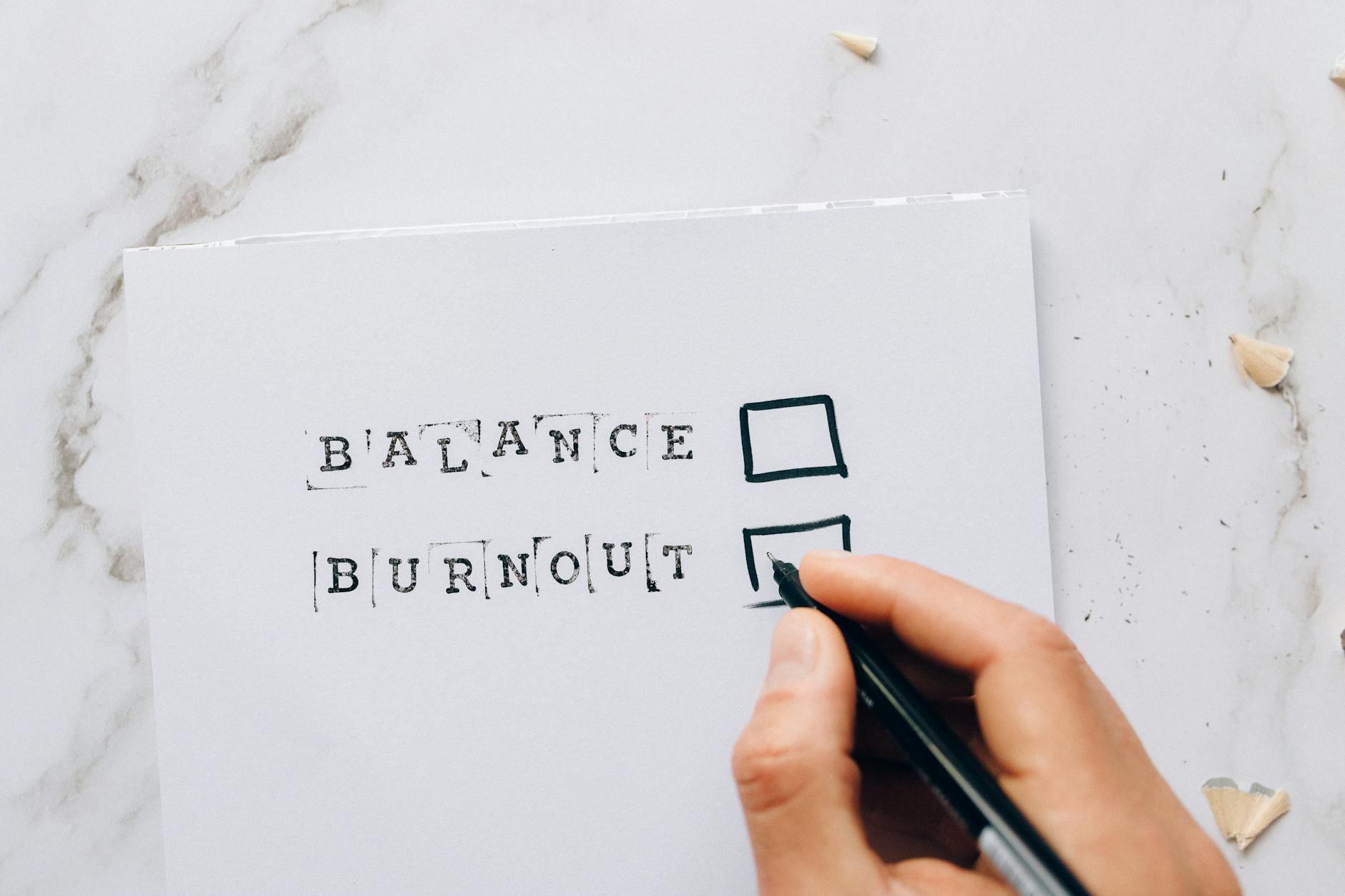
Obtaining a goal is about clarity, focus and action. It’s those first two steps that often trip people up because before one acts one ought to take time to plan, right? Maybe not or at least not how most people plan. What if we stopped asking “How” and instead started to ask “What”?

I’m stealing this piece of advice from the business world for improving our lives and meeting our goals. It takes the classic approach of obtaining goals and turns it on its head. Most people set a goal then ask the next, seemingly logical question of, how am I going to achieve that? After all that’s the problem solving approach most of us were taught. You set a goal and make a plan which is always followed by “How am I going to do it”? However, that question is a trap! It’s a question designed to take you down a path that’s ineffective and frustrating, to get you bogged down in the details. You’re bound to get yourself so tied up in knots thinking of all the reasons you can’t achieve your goal and the seemingly insurmountable barriers that the question is bound to bring up. You lose your focus and start trying to break down the goal into other sub-goals to get around the barriers which only lead to more how questions. It can also get you lost in the illusion of taking the action of “planning” rather than the action of “doing”. 

Photo by Leeloo The First on Pexels.com

Instead, you ought to be asking what questions: 

  1. What do I want?
  2. What do I desire from this goal?
  3. What skills and resources do I have to make it happen?
  4. What resources do I have need?
  5. What people should I connect with?
  6. What will keep me motivated and inspired?
  7. What will I do to celebrate the milestones?
  8. What will I do when I’ve obtained this goal?

It’s about shifting you from thinking about a plan to actually doing the steps which will actually take you there. There isn’t time to worry about the barriers because you’re too busy ticking off your to-do list after answering those questions. It moves the goal from a what if to a when. In the immortal words of Zig Ziglar “when obstacles arise, you change your direction to reach your goal; you do not change your decision to get there”. 

When I set out to start checking off my list, I didn’t really focus on the how. Had I done that, I probably wouldn’t have much checked off because I would have gotten caught up in all the barriers, the cost of travel, the distance, the time, the difficulties, etc. But because I’m not focused on the how, I’ve found that I am constantly finding and stumbling upon opportunities to complete my goals. When I decided to become a therapist, I didn’t worry about the exact how but rather the what college would I go to, what major, what jobs should I apply for? It also keeps you flexible to discover a different path to your goal that you may not have realized was there before. When becoming a therapist, I had a path that I thought I would need to follow, which was to get a PhD in psychology. Instead, I ended up with a LCSW, which was a much cheaper option. Had I been too focused on the how, I would have never strayed from the original “what” to a much better fit for my goal. I have a friend whose goal is to help people in a similar way and is in the process of becoming a Life Coach.

This simple but powerful change can help you go from merely goal setting to goal achievement. 

Photo by Aliaksei Lepik on Pexels.com

Expand Your Horizons

One thing that I love about my Bucket List is that I’m almost always trying new things. I recently read somewhere that research indicates that when we focus solely on the interests we’re already interested about we can miss out on entirely undiscovered aspects of ourselves. We may limit ourselves artificially without even knowing it. We may love art and never take up a paint brush or admire finely made clothes and never consider sewing. 

I never thought I’d enjoy a videogame but I certainly enjoy playing World of Warcraft (I’m a nerd deal with it). I wouldn’t have thought I’d like D’n’D but as it turns out, I do enjoy collaborative storytelling. I’ve discovered I draw the line at larping which was a surprise because I would have thought I’d love dressing up and acting out the story like D’n’D after enjoying D’n’D, going to the Renaissance Faire, acting, etc., but absolutely not for me. My sister is afraid of heights but I have discovered a thrill for them. I’ve learned I like hacking down trees and the physical labor of gardening. I don’t have the patience for a lot of crafts, but I love trying to hone my skills on the violin.

We don’t even need to do them well. We can do something poorly, in fact it’s almost better to do something poorly at first. After all, if we’re good at it then we think that we have a “knack” for it and then when we inevitably come up against a hurtle, we lack the skills we need to overcome. Sometimes just doing something for the sheer thrill of doing it is the best way to learn. When we have fun we aren’t focused so much on doing it perfectly as enjoying ourselves. We’re no longer motivated by outside rewards and people pushing us to do it. We are competing against ourselves, learning our way of doing things and probably becoming better than we would have if it just came easy.

I think it’s good to explore new things that we may have dismissed when we were younger or just missed out on. I remember thinking that learning to ride a horse wasn’t something I could do, but then I spoke with a work colleague who was taking lessons bi-weekly. Another work colleague had joined a small college’s orchestra after taking up the violin again post-high school which in part inspired me to take up the instrument once again. It’s caused me to re-evaluate what I can do as an adult and that maybe I didn’t actually miss out on opportunities or that I could return to things that I did as a child. As it turned out the only person keeping the doors shut to possibilities was me. 

I’ve also been pushed to try things I wouldn’t have previously thought to try like Eco-dying, water tubing, and zip-lining. I find myself saying “sure why not” when presented with new adventures and raising my hand to volunteer at public events because “why not”? It was that attitude that pushed me to rent a car in Britain. Before, I’m not sure that I would have had the confidence to drive on the opposite side of the road because I’m dyslexic and ADHD with poor spatial awareness and their roads are tiny. Now granted I didn’t just hop in a car and drive out of London. I knew I was going to be jet lagged, without sleep for over 24 hours (I don’t sleep in planes I have insomnia, it’s a whole thing) and so even driving under normal circumstances would not be advisable let alone in another country, on the opposite side of the road. However, I was undaunted by the idea in part because I am already in the habit of getting outside my comfort zone. 

And this is sort of a life hack. When we push ourselves, we feed our confidence and our feelings of competence. Which you may think, “wait, didn’t she just say that some of the stuff she was bad at? So how does it help her feel competent?” Yes! Here’s the awesome, amazing thing, it didn’t kill me! It didn’t end me and in fact, I embraced being bad at it at first because I’ve learned to enjoy the process of mastering something. It’s about learning and growing your inner self not just checking boxes and doing something for an afternoon before swiftly moving on to the next thing. I feel more competent to try things and look foolish even in front of others. I am conquering anxiety and loving it! 

Photo by Akil Mazumder on Pexels.com

We are wired for growth, not stagnation. We are meant to go, explore and conquer. Too many times we assume that we will stay the same person that we are today until we die, that we’ve already completed our growth. However, that’s not the case and studies show that its the people who don’t stop growing that live longer, healthier, happier lives. So what are you waiting for? Go out and try that new thing! 

Comparison is the Thief of Joy

It is easy dear reader to compare ourselves to others especially since others splash their lives up on social media for all to see. Granted, they are curated versions of themselves, but it’s so difficult to remember that. We see people more successful, more well traveled, in the perfect job, having the perfect relationship, enjoying their children, wearing the latest fashion, doing whatever it is we wish we were doing. The algorithm is merciless in that it shows us that which we engage with and of course we are going to engage in the very things we long to have and thus the viscous cycle. 

In focusing so much on all the things we do not have, we lose sight of the things we have. We are lost in the mire of have not. Not only that but it robs us of the joy of the things we previously had. How often have we finally received that which we asked for, full of joy and wonder only for a few months later to be grumbling about it? 

When I received a rather cheap car that had been through a hailstorm and was close to 20 years old, I was incredibly grateful and amazed at my luck. After all, having not had a car before, having any car was a dream. However, it wasn’t long before the twinges of comparison started. It was by no means a looker in the car department with its dents, faded color and sagging cloth. It was clearly old and not only that but also dented from the hailstorm. When I was interning for an organization whose donors were from the higher echelons of society, I was embarrassed by it. Where was my joy? Where was my gratitude? And frankly, why did I care what they thought?

We pray for a house and then grumble that it doesn’t have a living room and a family room after visiting our aunt’s house. We pay for new floors and then wish we had paid for a vacation instead when we see our friend’s Instagram photos. We give our boyfriend the cold shoulder when Jill from accounting flashes her new engagement ring. We force a smile when our sister announces her second pregnancy and then go home to cry. Our best friend gets a promotion at work and we feel that we’ve fallen behind now. We scroll online and see a headline of a 26 year old retiring using the Fire Method or a list of 30 millionaires under 30 when our 40th birthday looms ever closer. We forget what we have when we start focusing on others. Their blessings become our lack. 

Do not get me wrong, ambition and wanting more can be great things. After all, it’s drive and ambition that has put a man on the moon, given us electricity, discovered antibiotics, written symphonies and painted masterpieces. Without it we wouldn’t have our modern world. Competition can also be a good thing when you have someone to push against and with, you both can end up going further than if you were by yourself. However, when that comparison of value and worth starts to creep in, we lose. Part of the problem is that there is always someone above us on the ladder of life and we tend to look ahead of us rather than behind us. 

When you move to a nicer neighborhood that you’ve dreamed of being able to be in, after a few months you start seeing the cracks in the sidewalk, the unkempt garden (sorry, neighbors I don’t use herbicides, it’s more a habitat for pollinators) and soon the next neighborhood looks much better. Each house is detached with a garage and clearly has plenty of space each surrounded by a nice neat fence. If you do manage to move then you start eyeing the one where everyone has a 3 to 5 door garage, the houses are more accurately described as mansions with private pools and there’s even a gate to keep out the riff raff. We are so prone to eye the next rung up to strive for what we do not have that we become burdened by ambition creating our own gilded cages of dissatisfaction and envy. 

Photo by Pixabay on Pexels.com

No matter how much we get, how far we go, how much we achieve, it will never be enough so long as we keep comparing ourselves to others because we can never win. The happiest people I know are the ones who live simply unburdened by things, pretenses and social status. They’re the ones who live in the woods or cultivate a small garden in the midst of their urban center. They snuggle cats and walk their dogs. They form genuine connections with others. 

Not only does comparison rob us of our joy, but also it robs us of shared joy with others and the connections those shared joys can form. Rather than celebrating those we care most about and instead those moments are like small thorns twisting in our hearts poisoning our spirit. It also poisons our relationships causing a rift to form as you turn away. You begin to question your value and what you bring to the relationship. Perhaps, they sense your distance and wonder at your less than enthusiastic response to their news. They may attribute it to jealousy rather than feelings of inadequacy which can erode the foundations of your relationship. 

It robs them of their joy as well. Have you ever gotten great news and when you shared it with someone you got a less than enthusiastic response? What about one that sucks the joy right out of you, leaving you with guilt or remorse? Yes, there are certain circumstances where two people cannot have the same thing, two friends may enter a contest knowing that if one wins the other will lose, but often that’s not the case. If my friend gets a promotion and I respond making it about me and my lack of one, I’ve just diminished her joy instead of amplifying it. 

Photo by Helena Lopes on Pexels.com

This isn’t to say that you can’t feel how you feel. After all, when you have worked really hard to get somewhere only to see someone else seemingly skate on by to the top, it can be incredibly frustrating and disheartening. You absolutely should let yourself feel those feelings in order to process them. I never recommend suppression and pretending. You can be joyful for another’s triumph while holding your own pain. That’s why I speak about joy rather than happiness. I don’t want to be happy, I want to be joyful. 

However, bitterness against your circumstances, the world and even those you care about can set in. Usually, it’s not about the not having, it’s about what the not having means, that you’re less than everyone else. You’re not your job title, your social status, your income bracket, your marital status or any of the world’s measures for worth and value. Focusing on what brings you joy and bringing beauty, kindness, compassion, hope and love to the world are far more worthy pursuits than keeping up with the Joneses. Besides, why do we care what they think? If they look down on you for not having a brand new car or being able to go on a vacation in Belize every summer, that speaks to the low level of their character not yours. 

When we stop worrying about what others think and embrace ourselves fully we find joy. When we stop comparing ourselves to everyone around us and “above” us, we find that we are enough just as we are. You are enough, dear reader. 

Travel Tips: Planes, Trains and Automobiles Part 3

We now, come to the end of my travel tips and my post on various modes of traveling, automobiles which usually come in two flavors when traveling abroad, taxis/ubers and rental cars.

Taxis are famously expensive and so I avoid them if possible, but sometimes you simply won’t have much of a choice, whether public transit isn’t running, doesn’t go to the destination or you’re simply too exhausted to bother hauling your luggage onto a subway in the middle of rush hour. On a recent trip to England, I actually opted for a combination of all these forms of transportation, a plane, buses, trains, subways, taxis and a rental car. I ended up taking a taxi mostly when the rental car wasn’t available because I arrived late on a Saturday afternoon several hours after it closed and it didn’t open until Monday and I really wanted to have time to go to Saint Michael’s Mount that Sunday because of other various parameters, Sunday was the optimal time to visit. Now as a tidal island, it’s only accessible by a causeway during low tide which happened to be from 11:30 to about 3:30 that. The bus didn’t leave until Sennen Cove until 12:00 pm and was an hour and a half ride meaning I wouldn’t have arrived until 1:30 pm, I still would have had a significant walk to the causeway giving me a rather slim amount of time to visit. Additionally, I would have been waiting until about 5 pm for a bus back to Sennen Cove. Meaning I would have had almost and hour and a half of waiting around outside. Given the parameters, I opted for a taxi.

If you find yourself at a major hub, hailing a taxi is usually as easy as walking up to the assembled line of taxis and hopping in the first one. Just be sure you’re going to an official taxi stand. Keep in mind you will pay an arm and a leg if you’re traveling far away from the hub. Now if you are going further out, you may run into taxi drivers refusing your business. Most countries have laws in place to protect you, but they may still try to. The best way to avoid that is first do your research to see if there are laws to protect you and the second is to wait until you get in the cab to tell the driver where you’re going. It’s a little harder for them to simply refuse your business once you’re all settled and they’ve pretty much committed to driving you.

Photo by Ingo Joseph on Pexels.com

If you aren’t at a major hub, you may need to either reserve a taxi ahead of time or call one. Make sure to verify the taxi’s credential look for the company’s name, logo and the driver’s identification card. If the local laws don’t require that or you’re using an app like Uber or Lyft be certain to note the license plate number. When using an ride hailing app double-check the car’s make, model and license plate match the information provided in the app. Other safety tips include refraining from sharing personal information, paying in cash if possible, sharing your trip details and keeping your valuables secure. If you ever feel unsafe, you can always request the driver drop you off at a safe place and call for a different cab. Make sure you know the local emergency numbers.

Make sure you have the address of your destination in an easily accessible place as you would hate to have the meter start running while you fumble about trying to confirm your destination. Don’t assume your driver will know precisely where to go.

Be sure you understand the fare structure when you’re traveling some places may charge a flat rate for rides within a given area, most use a meter to calculate fares based on distance and time. Knowing this ahead of time can help you budget. Make sure you research common scams and pitfalls related to taxi fares especially in high tourist areas as you may find yourself being charged unfairly. However, most of the time the drivers are honest and quite pleasant. In my experience most drivers prefer cash over card and they will often round down if you do offer them cash rather than card. You won’t save a ton of money but you may save a few bucks, so be prepared to pay with cash over card. 

Photo by Negative Space on Pexels.com

Now you may say, to heck with all this public transit and taxi nonsense, I’ll simply rent a car and drive as God intended! And it may be worth doing that. Depending on where you want to go, the availability of public transit to your desired destinations, how much time you have and the expense of taxis, renting a car may be the best option.

Remember that small trip to Saint Michael’s Mount? The taxi ended up costing me nearly 80 pounds for just one back and forth trip. Given that I desired to go to multiple places where buses and other forms of public transit simply did not go, taking a taxi everywhere was going to be quite a bit expensive. This meant that I opted for a rental. My rental car cost me 60 a day for the week (perhaps a little more with gas factored in). I was able to take multiple trips in a day, didn’t have to wait for a taxi to pick me up and didn’t have to worry about a meter running.

Additionally, I wanted to venture a bit further afield visiting Stonehenge, Bath, the Seal Sanctuary and Tintagel. Had I attempted to visit Stonehenge using public transit, I would have spent nearly 7 to 9 hours traversing the country side by taxi, bus and train. With a rental car, the trip was only 4 hours and I was able to add on Bath. The unexpected expense was of course the price of gas. It was astronomical, I certainly complain about gas prices in my home state of PA, but the UK made it look positively cheap.

The other unexpected challenge was not that I was driving on a different side of the road or even the traffic circles (we actually have several of them in my area), no instead it was that I had inadvertently rented a giant SUV and those roads are tiny! There were plenty of places in Cornwall where you couldn’t even fit two cars together meaning you had to drive backwards until hitting a spot with a section just wide enough for your to squeeze your car into while they passed you or they had to drive backwards to let you pass (I shall write a whole post about the adventures of driving in a foreign country eventually). 

This meant that everytime I drove, I was worried about scratching the darn thing, so much so that I sprang for a little extra protection against damage to the car to reduce potential costs from 2,000 to 250. As it turns out most of the world does have tiny roads and unfortunately car manufacturers insist on making ever bigger cars. It may be worth it to research the models of car and pick the smaller one or to simply forego the SUV. Although, you may not want to do that if you will be going into the backroads since some of them are little more than dirt paths. I really felt that it was a no win situation with regards to the risk of damage to the car. Luckily, the fates were with me and I managed not to scratch the car. The key is not to rely solely on the camera and the sensors but rather ensure your mirrors are positioned so you can see the rear wheels and a little bit next to them. I learned this trick from an ambulance driver and I think if anyone knows how to maneuver a vehicle backwards without getting into an accident it would be them.

Additionally when renting a car, and this is very important, make sure you’ve rented an automatic car. Much of the world drives stick and much of America does not. I do not recommend renting a manual car if you’ve not driven them much before especially if going to a country like the UK. Do you really want to try driving on the opposite side of the road, with a million traffic circles, trying to drive stick while jet lagged? I didn’t think so. Additionally, make sure you’ve taken the time to research and review the relevant traffic laws and common symbols of the country you’ll be traveling to. Don’t assume that traffic signs are universal, yes most are self-explanatory but some aren’t.

There are other common pitfalls with rentals such as mileage, tolls, insurance, late returns and different pick up and drop off locations which can cost you money. When you do rent a car be certain to check the mileage as not every rental comes with unlimited mileage. Some will even limit you on taking your rental out of state or the local region. When traveling in the United States, a common issue for tolls is that rental cars will vastly overcharge you for any tolls that they cover. It can be difficult to opt out unless you ensure the toll transponder is closed and that you make sure you pay directly at the booth or online. Most places recommend you bring your transponder. The other option is to avoid toll roads altogether.

Insurance can be another place where you get overcharged. If you have a personal car insurance policy or a credit card that covers rental car insurance then getting it through the rental car company may be something you don’t need. If you have a credit card for coverage make sure it offers primary collision damage waiver and that the type of car you’re renting is covered and the country you’re traveling in is covered. However, credit card collision damage waivers do not cover personal injuries to you, your passenger or pedestrians involved in an accident.

Photo by Matheus Bertelli on Pexels.com

Many rental car companies define rental period by 24 hours so if your return time is later than your pick up time, you’re going to pay for an entire additional day even if it’s a few hours difference. Some companies do have a grace period from 30 minutes to 2 hours if you return the car after the designated return time. This probably would have been helpful knowledge when I rented a car in England and saved me $60 as my pick up time was 9 am and I selected my drop off time as 12. I ended up picking it up closer to 10 am and dropping it off at around 11 am and could have saved about $60. Additionally if you pick up and drop off at a different location be prepared to be charged extra. Even if it’s convenient and easy for you to do so, it isn’t for the company and they’ll be certain to charge you for their trouble.

I also would recommend avoiding booking through third party sites. They may be attractive for lower prices but you lose a lot of protections if something goes amiss. If you need to alter your reservation or get a refund, it’s much easier to get what you need if dealing directly with the rental car company to begin with.

Finally, make sure that you check the vehicle before you drive off. Make sure that it has a full tank of gas, you take pictures and video of the car to note any damage and make sure you check the car’s vehicle identification number for information on the car’s features and any recalls. Be certain that any of issues are documented at the time of pick up.

Hopefully, you’ve found my tips to be informative and helpful for maximizing your travels and checking off your list. After all, while most of the things can be done closer to home, there are some things that can only truly be experienced by traveling.

Travel Tips: Trains, planes and Automobiles Part 2

As my original intended post ended up being far too long, I had to break it down into several different ones. Since the original post was titled “Trains, planes and Automobiles”, it seems to make sense that I shall be covering tips for planes next. In a previous post, I discussed luggage and maximizing space with tricks of layering, additional pockets, etc. So I will not insult you gentle reader by repeating myself as I am certain you are capable of remembering previously presented information. Nor will I go into how to snag cheap flights as I have already covered that in other posts, although only briefly. I may eventually make a dedicated post for how to get cheap tickets when traveling, but this post isn’t that. Mostly, this will cover how to help make your plane experience as pleasant as possible because let’s face it, unless you’re flying first class, flying is pretty miserable.

One of the easiest ways to make your flight more pleasant is by having the right seat. There are many different considerations for optimal seat position. Some people love to be at the window (like me), others swear by the aisle seat because it gives them a place to stretch their legs. On some planes there are aisle seats that have no seats in front of them as they make the transition from economy plus to economy, so if you’re looking to maximize leg room, there are two aisle seats on the plane with lots of extra space. However, if you cannot snag those positions then you’ll want either a bulkhead or exit row seat. If you can look at the plane you’ll be flying on ahead of time (information that should have been available at time of booking), you’ll already know which rows those are.

Some people want to sit in the “safest” seat  which surprisingly is a middle seat in the back of the plane as those have the highest survival rates in the event of a crash. The other upside to the back of the plane is this is where you’re most likely to have an empty seat next to you since most people don’t want to sit in the back. After all the back of the plane is where you’ll experience the most turbulence and have the longest disembark time. This is also where one of the on-flight kitchens is located meaning that there will be increased noise. You will also have more noise at the very front of the plane for the same reason.

Sometimes you can pick your seat the same day as you book your flight without paying a fee to do so, but most of the time you have to wait until 24 hours in advance to “check-in” in order to avoid paying a fee. Some airlines are starting to charge you even during the 24 hour window, as always do your research when comparing prices. If traveling internationally be sure to have your passport waiting with you so you don’t waste precious time looking for your passport trying to snag your preferred seat. Check out other blogs for the specific airline or airplane you’re traveling with to see if there’s any tips for optimal seating. If you’re traveling on an overnight flight, you may want to double check the location of the bathroom if you’re a light sleeper to avoid being disturbed or if you’re someone who needs to go frequently, be sure to snag that aisle seat near by.

Extra tip: Many people will rush the bathroom right after take off, after meal times and right before landing. Set an alarm for about 2 hours before landing on long haul flights to avoid the rush.

Once you have your seat selected, the next step is to time your arrival at the airport. Many first time flyers make the mistake of thinking the time of their flight is the last possible minute they can board the plane. This isn’t the case. Make sure that when you do your online check in you take a moment to check your ticket. Often they will have two other times listed, the time that you have to have cleared security by and the time the doors to the plane will close. Just because you’ve cleared security doesn’t mean that they’ll hold the plane while you shop or finish a meal. Make sure you allow an hour to make it through security, so whatever time it says try to arrive at least an hour ahead of time. If you’re parking in a long term economy lot, add an extra 15-20 minutes to locate a parking spot, get to a bus stop and take the bus to the correct terminal. Make sure you take a picture of where you parked and what bus stop you were picked up at. Depending on typical traffic for the airport you’re going to, add extra time to your commute and check online for tips of frequent travelers in and out of your airport to see if there is anything you should know. I usually try to add at least 30 extra minutes to my commute into Philadelphia and an extra 60 minutes if traveling during rush hour.

To help make security easy, try and have all your paperwork in an easy to locate place. Wear shoes that are easy to slip on and off (not every airport makes you take off your shoes anymore as it depends on their machines and the thickness of your soles). Have your clear bag of toiletries on top of any luggage you’re bringing through security (like with your shoes not every airport makes you take it out of your bag, but some still do so it’s better to be prepared). If wearing layers try to make sure you can slip your layers on and off without much fuss. The less you have to take off and out, the easier and less stressful this process is. The key is of course to follow the verbal directions of the security people, don’t try to be smart or funny with them, even if you’re the most hilarious person at the airport that day. If you’re unsure of a directive just ask politely for clarification. If you think for any reason that you may need extra assistance with a disability, contact the airport ahead of time to discuss and make sure to clarify with them their recommendations on additional time needed to get through security with assistance. I personally recommend at least an extra hour if you’re going to need assistance as a wheelchair may not be available right when you arrive, they may be short staffed or assisting other customers. Most airlines subcontract this out and the airline you booked with may have little control over these personnel.

I usually don’t get pulled aside at security but here are the three reasons I have been patted down before or searched. The first was a big surprise. I’m an avid reader and apparently the way my rather thick book was packed triggered off the alarm bells as a potential bomb. e. To avoid this, I now only use my e-reader or smaller, shorter books. The second reason is that I have really thick, long hair so when I wore it in a single braid down my back, that triggered a check. To avoid that happening again, I now wear it in two braids. The third was sweat on my back. I was just anxious that I was forgetting something important and it was clawing at the back of my mind the whole drive to the airport – as it turns out, I had forgotten to pack my hairbrush, so nothing that couldn’t be rectified upon arrival but it did trigger a search. As you can see, you can get pulled aside for a search for seemingly no reason, honestly a book, my hair and a sweaty back? The last one was slightly embarrassing, but what can I say, sweating is a natural human reaction to stress and flying can be a stressful thing. To avoid this, take deep breathes and wear breathable clothing.

Now there are many things that one can do to make the flight more comfortable. The first thing I do, is make sure I have something to block out noise and typically carry two ways to do this. The first is my earbuds, the second is a headwrap with bluetooth speakers that I can also use as a sleep mask. I really like the headwrap with bluetooth speakers because I don’t have to worry about my earbuds falling out and they’re super compact to pack. Other people swear by noise cancelling headphones, I don’t like this option because it means that I may miss important announcements, but for other people they’re a must have on a flight.

The second thing I do is to have a variety of ways to entertain myself. I load up on my e-reader and pack a small book that I can read in the event I run out of battery. I also carry a small activity book with puzzles or other games to keep me entertained. My phone has a few apps that can be used offline, along with lots of music. Most long haul flights do include headphones to allow you access to inflight movies and other entertainment, but not every airline will do this so you may want to pack ones that can use a headphone jack rather than a USB. It’s rare that I find myself watching an inflight movie, so I tend to skip packing headphones. I do, however, always carry a portable charger since I can’t guarantee that a charging station will be available or that it will have the right plug. A lot of airlines are getting better about this but in economy class there is often only two plugs per three passengers, so rather than chance ending up in the news over a charging station, I just have my own.

Prior to boarding I try and go for a brief walk just to get my legs moving and blood pumping. Usually this walk consists of going to the bathroom one last time. I also try and dress in at least two layers because I am almost never comfortable on a plane, I am either freezing cold or dying from heat. Having a layer ensures that I comfortable. The same can be said for shoes that can easily be slipped off and exchanged for slippers (remember most people do not want your bare feet out and about, it’s considered rude and there are airlines that are starting to crack down on bare feet, slippered feet however is usually acceptable). Make sure to put your shoes back on if you’re walking about the plane for sanitary reasons. 

Make sure to pack a portable water bottle and some snacks. Once you’re through security, you can fill up your water bottle at the many water fountains to help keep yourself hydrated as travel can and does take a lot out of you. I also like to pack snacks. While most airlines do offer snacks and even meals there’s no promise that you’ll like them or that you will get them. On a recent long haul flight, we were supposed to end the flight with a snack. However, several of the flight staff suddenly came down with an illness mid-flight so for safety reasons they did not feed us. So with my snacks, I always pack and use hand sanitizer and sanitizing wipes. I don’t know about the other passengers on my flight, but I do know that I managed to avoid contracting the illness. Additionally, in an effort to save money some airlines have stopped including meals and now require you to pay for them. They may require you to use their app in order to make inflight purchases rather than accepting cash or credit card in flight.

Along with hand sanitizer, I will usually pack a few things to help keep me feeling fresh. As I shared earlier, flying can be stressful and when we are stressed, we sweat. Having a few baby wipes, moistures and even travel toothbrushes can help you feel, look and smell your best. 

Now there are people who swear by travel pillows. Personally, I never use them. I don’t sleep on planes, I never could and often the long haul flights do offer small travel pillows and blankets anyways. But that doesn’t mean you shouldn’t if you’re the sort of person who can sleep anywhere (first stop and post in the comments below your secrets, I wish to learn oh wise one!). If you are someone who plans on sleeping, don’t sleep during take off or landing as it apparently negatively impacts your ears ability to regulate their air pressure. Not having ever slept on plane, I cannot comment to the validity of this rumor, but I’ve seen this advice in several places. Travel pillows may also be helpful for people with back or neck pain as planes aren’t known for their superior lubar support. However, if you’re not one of those people then a travel pillow becomes an unnecessary burden and I wholly recommend skipping it.

This last one should seem obvious but it always surprises me how few people do it, I see them popping up and down all flight getting their stuff. Keep your airplane essentials in one place and I recommend that be in your personal item. There is no promise that your luggage will end up in the overhead compartment above you. You may end up having it in an entire other section of the plane, or checked in at the gate for various reasons. I often will pack my personal item with all the things I may want on the plane: e-reader, portable charger, activity book, notebook, earbuds, snacks, etc. Within my personal item, these things are often packed in smaller bags which makes it really easy to just reach in and find what I want quickly. I have a collection of small purses because I either have a massive purse with everything in it or a tiny purse that literally holds my phone, my wallet, my keys and maybe a tube of lipstick. The purses are so useful for organizing my luggage and then I have cute handbags for all my outings on my trips, fashion meets practicality, a win for all. 

There are certainly other tips that people may recommend and I encourage you to go out and see what other passengers have done to make flights more comfortable. As with all tips and tricks, consider whether they will work for you. As I said earlier, I don’t bother with travel pillows, I don’t ever seem to use them and always regret packing them, but for many people they are essential and worth the extra hassle they cause. You may also read tips and tricks that other passengers won’t appreciate so if it seems a little odd, you may want to check the comment section or the rest of the internet to see if you’re breaking unspoken plane etiquette which could land you in hot water with your fellow passengers. While it may be your “right” to do something, you do increase your chances of ending up in a mid-flight brawl if you ignore plane etiquette, so I encourage you to be polite.

Keep in mind the airline industry is always evolving. Airlines are cracking down on what people can carry on a plane. They’re no longer allowing a free pass on things like pillows and blankets but rather counting those as your personal item. Always, always, check the airline’s website for the most up to date rules and if you’re looking at a blog for luggage “hacks” to avoid fees, make sure you check to see when it was published because the tricks may no longer apply.

Travel Tips: Trains, Planes and Automobiles Part 1

And buses! And taxis! And other forms of transportation! I kept the title short because it was more catchy, but truthfully there are many different ways for humans to get around, but not all of them are a straightforward as one might think. Despite me trying to keep it brief, it ended up being a rather long post so I’m splitting it up.

I shall begin by giving an overview of most public transit systems, how to read their schedules and their routes since most Americans haven’t used public transit much in their lives if ever. A byproduct of the post-WW II infrastructure bills was an increase of car usage and a decline of public transit. I won’t go into all the politics involved or discuss the lobbies by the car manufactures because it’s not exactly relevant here, but it’s a fascinating history that is well worth the investigation for my more academically mined readers. As politics and history aren’t exactly within the scope of this blog, we shall simply acknowledge the reality that in America the car is king and so many haven’t had much experience with public transit. 

We’ll start with subway and train maps for most cities. They can be a bit deceptive in that the inventor of this system made them for ease of reading for stops and connections not to show how far apart those stops and connections were nor all the twists and turns of how to get there in reference to any specific direction. Just because it reads left to right doesn’t mean that a line is going precisely east to west, it could go in a general northeast to southwest direction or a northwest to southeast direction. Nor are the stations in a precise line, they may be quite staggered all over the city but be represented in a straight line.  Once you understand that, it becomes much easier to understand what you’re looking at and to connect a city map to a subway map. It’s actually quite intuitive once you understand that.

Photo by Enric Cruz Lu00f3pez on Pexels.com

Most subway and train platforms will show you which side leads to which direction. Many subways will have signs that start at the station you are at and show you all the stops until the line terminates in one direction and then have another sign that shows you all the stops until the line terminates in the other direction with helpful arrows pointing to which side of the platform corresponds to which part of the line. It’s actually rather intuitive. Now occasionally a line will branch further down or a platform will service multiple lines. To eliminate the guess work, simply look at the electronic signage typically above the platform that will usually display something helpful like “train to X stop in y minutes” (usually where the line will terminate), look at the list of stops on the sign and you can easily see which train is coming in. You will notice that I also added that these signs will often have the number of minutes you’ll be waiting. For most subways, the lines run every 10 or so minutes so there’s no need to rush to try and catch a subway car since they run quite frequently.

Once you’re on the subway or train, there is usually electronic signage indicating what stop is coming next. If not, then there is usually an announcement that comes on and you’ll often see signage outside the windows as you’re coming into a station to indicate where you are. Typically, all three indicators are present, which makes it quite easy to know what stop you’re arriving in. 

Now to figure out which stop you need, you’ll often have to consult a city map for the various landmarks you wish to see and then look to see what the nearest station will be. You may need to transfer to different lines depending on your stay. You should also make sure you know how late various lines run as not every line may run 24 hours a day and you should be certain to check their websites for the most accurate and up-to-date information. Don’t assume because your friend did it a month ago that it hasn’t changed. Staffing shortages and weather can cause last minute issues. You don’t want to be caught in the middle of the night in the pouring rain miles from your hotel. 

The subway is my favorite public transit because of its ease of use and simplicity. Most subways will pop you out within a five to ten minute walk of most landmarks and many subways have helpful signage pointing you in the general direction of those landmarks. I do recommend purchasing those city maps at local stations rather than simply relying on your phone as the maps are made for tourists. They often have the lists of the most popular sites along with an indicator of where on the map they are which can help you plan your trip, cluster sights together and potentially discover lesser known attractions that are tucked alongside bigger ones. These maps can also indicate lesser known entrances for popular destinations to help avoid crowds. For example did you know the Louvre has several entrances and you can avoid longer lines by using them rather than the main one?  

You may need to purchase a subway card, tickets or simply use your credit card to tap and go. Every city is different so look up what you’ll need before you go. Some cities even have specific apps for their public transit system which can be quite helpful when trying to figure out routes. While google maps may be helpful, it won’t necessarily show you which stops are handicapped accessible if you’re traveling with someone who has limited mobility, their app will.

Now, I’m not as much of a fan as the bus, but I will say that they do tend to help close the gaps of the subway stations, especially when not every subway is handicapped accessible and in many of the smaller towns and villages the bus is your only option. I have not found the bus system to be as straight forward and easy to read as the subway nor are the systems employed by the various cities as universal as the subway. I have found that once you master the subway system in one city, it translates exceedingly well to other cities. Not so with the buses. The bus stops don’t always post bus schedules, they don’t always indicate where the bus is going, you may not realize that multiple lines stop at the same place. Often the maps provided will show where each line goes and won’t give you a nice neat way of seeing connecting lines like a subway. Now, this isn’t the case for every city, some are really good, others not so much. So make sure you research before you go and try to have a good idea of how to get around with the bus system before arriving at your destination. Just like with the subway system paying for the ride will be dependent on the city you’re using so be ready to purchase a card, ticket or to tap your credit/debit card. Just know that if you choose to tap your credit/debit card you may incur overseas processing fees depending on the type of card you have, so check with your bank prior to your travels and see if you qualify for a card that will forgo those fees.

Additionally, there are different sorts of buses, the buses within a city and the buses that traverse between major hubs. Buses within cities tend to follow similar rules as the subway. The buses between cities and major hubs may include things like a hold below for your luggage. These also tend to be a little more comfortable than the usual city bus as they’re made for longer trips. These buses have less stops but travel further. Be sure to bring both card and cash with you for the trip as sometimes they will only take one or the other depending on where you’re traveling.

In some cities, there is even a public boating system that will ferry you down the main river going through the city. Be sure to check out that potential if visiting a place with a larger river running through it like London. 

Now if you’re traveling a longer distance, you may find yourself opting to travel by train usually because the airport isn’t the same place as your destination. Much like every other mode of public transit, it can vary vastly by country and even region as you may have a regional rail that you take, a national rail or a combination of the two. Typically taking a regional rail will mean more stops and thus slower whereas a national rail will be faster with fewer stops. Train stations can serve both national and regional rails. Regional rails tend to be cheaper than national, so when you’re booking tickets be certain to compare. Yes, the regional rail may be vastly cheaper, but you may lose an entire day of travel on a train rather than half a day if you take the national.

I advise purchasing tickets ahead of time as same day tickets tend to be more expensive. Now there are some systems in which different windows of time prior to the travel date affects the price of the ticket, so it may actually be better to wait a week or two for the optimal time when making your purchases. Some countries have rail passes which may be better to purchase. It is sometimes better to purchase your tickets directly through the rail system other times a 3rd party website can help you get the best deal by splitting the ticket for you. A split ticket, is when you pay for a ticket to a city between your start and end point and then pay for another ticket from that city to your end point which can save you money depending on how the fares work out.

Now this can be a bit of a trick as some train systems have windows of time where train tickets are cheaper, and same day tickets are usually the most expensive, so it’s better to purchase tickets in advance. This can be tricky if you’re unsure of the timing for flights, arrival and customs. However, this stress can be alleviated by purchasing flex-time tickets if they’re available for that train system. Flex-time tickets is fairly self-explanatory, it allows you to “flex” the time you take the train, so if your flight is delayed or your luggage took forever to arrive at the carousel, you needn’t worry about missing your train, as you can catch the next one, they are a more expensive option, but it’s still less expensive than purchasing a same day ticket or having to purchase multiple. Sometimes peace of mind is worth the extra cash. Many rail systems allow you to reserve your seats. If you’re someone prone to motion sickness, be certain to get a seat facing the front of the train. Personally, I like getting a seat with a table so I can spread out, work on a puzzle book, read, journal and relax. It also gives me a nice place to rest my head comfortably.

The best way to know what to do is to research the country’s train system that you’re going to since every rail system is going to be different, but there are usually ways to save money when taking the train with some foresight and careful planning.

Travel Tips: The Art of the Deal

To continue on my tips for traveling, we’re going to talk about deals, their pros, cons, constraints and other considerations. Because we’ve all seen those travel blogs and social media posts promising cheap travel or insider tips and it can be tempting to jump on what seems to be an offer you can’t refuse, but there can be pitfalls that even the savviest person may find themselves prey to.. Here’s my tips on how to help you find good deals and how I keep costs down when I travel. After all this is a budget bucket list blog and I hope to show you how to live a life full of adventure without having to go into debt to do it.  

In a previous post, I discussed a form of reverse travel planning of considering all your constraints ahead of time and then picking your destination. There are some people who will do a form of reverse travel by first picking the time they want to travel and then just look for deals to any destination and go based on that. I had a work colleague who took off for three weeks every summer and would travel for about one to two of those weeks being highly flexible with the dates and going to wherever was cheapest during that time. She enjoyed using Kayak to help her find those deals and then usually backpacked her way around a given country. There are many other websites and social media pages devoted to helping people find cheap flights and accommodations. Some people swear by hello going and others will literally troll websites for mistake deals and price track. If you aren’t too picky about where you’re going, these are great resources and can help you cross off your bucket list for less than you’d ever imagine. 

Photo by Pixabay on Pexels.com

Checking out a cruise line for last minute deals for cruises departing in only a few weeks or even days, could yield fantastic savings. I remember seeing a cruise to Iceland and the British Isles for two weeks for about $700 a person for a balcony suite. Booking it in advance would have been about $2,000 or more. So if you don’t much care where you go, then finding a destination at the last minute could open up a world of possibilities.  

However, there are some considerations before grabbing your credit card and jumping on cheap fares. As previously discussed, one may find that you’ll be traveling to the destination when the weather is terrible for what you want to do. If you planned on going hiking in the mountains of Colorado, going in January might prove difficult given the snow cover, but if you want to go skiing then it’s probably the perfect time to go! The other consideration is the cost of the other parts of the vacation. The flight might be cheap but the accommodations are astronomical or it’s a flight to the middle of nowhere and it will cost you an arm and a leg to get to the actual place you want to go. Perhaps as with Rayanair the flight is cheap but it’s out of an airport that isn’t easily accessible necessitating extra travel time. It may be during a big festival that closes down the sites you want to visit or if you’re relying on public transit, there’s been a series of strikes over the past several months with no end in sight. It’s important to research the destination first before hitting that payment button. 

While a cruise may seem like a surefire way to ensure that you will go to a destination during a prime time to visit, if you were hoping to join the excursions you’ll probably find them booked up meaning that you’ll be running an increased risk of being left behind. Be certain to plan plenty of extra time to return to the ship as you’ll be exploring the ports on your own. 

Now before you resign yourself to only traveling during peak seasons, the off season can have its charm and with some careful timing, it may be the perfect time to go. Consider Cornwall in the UK. Its off season is the winter, many attractions are shut down, the weather isn’t the greatest, and the beaches are home to freezing waters. One may think me insane for having traveled towards the end of February. However, my visit coincided with the Half-term break for school children. This meant that attractions typically closed for the winter were open to welcome parents and children looking to pass the time. Ticket prices were still lower than during peak season, saving me money for sight-seeing. Additionally, the crowds were much lower than during the peak season because most of the people visiting were locals rather than throngs of foreign visitors. 

Photo by Rachel Claire on Pexels.com

The wonderful part of Cornwall is that the weather is actually fairly stable throughout the year so even though the summer is better weather, with the exception of one day, the weather was actually quite nice. Yes, it had frequent cloud cover, but the clouds are what help keep the climate so stable. I avoided crowds, had cheaper tickets and was still able to access everything I wanted to see by timing my visit with half-term. So before crossing off a destination because it’s not the “best time” to visit, take the time to investigate why. If you’re not someone who wants to lounge about on the beach but rather want to take in the local culture, see their museums and visit religious sites then perhaps a trip during the rainy season won’t be so bad, so long as you don’t time it with the peak of the rainy season. 

Personally, a beach is a beach, so I see little reason to travel far just to lounge about when I have plenty of beaches nearby my home, but to each their own. I’m not here to judge, I’ll be a bit quizzical about it, but if you’re on the beach it means you aren’t crowding my museums or historic sites so by all means kick back and relax! 

There are other tricks to keeping costs down. One of my favorite tricks comes from my time as a student studying abroad. Rather than paying to eat out for every meal, I would go to the local grocery store to pick up bread, meat and cheese. I could pack these in my backpack as I ran about a city which gave me extra time to sightsee and saved me a lot of money. For the cost of one meal out, I was able to eat two to three meals. It can certainly be fun to sample the local cuisine and to enjoy a hot meal, but if one is trying to keep a lower budget then this is a great way to do it. Of course before traveling ensure you’re done your research into what food items are generally safe to purchase for example fresh fruit may not always be safe unless you peel them or wash them yourself. One should always be mindful about the potential for food borne illnesses. 

Another way I kept costs down while traveling was making liberal use of public transportation. It can be a bit tricky to use, but I will cover that in a later post. If you’re traveling to a major city the chances are pretty good that you’ll have access to half decent public transit to most major tourist destinations. I especially liked the transportation in Rome because the subway system was marked with pictures of the popular attractions making it a breeze to navigate. 

Photo by Paul IJsendoorn on Pexels.com

When it comes to accommodations, there are ways to keep the costs down. As with everything, do your research. In the United States, many national and state parks have affordable cabins to camp in. Although they may not be more than a roof over your head with limited access to toilets, electricity and running water, so double check what sort of site you’re booking and be sure to do it in advance since they’ve become quite popular in recent years. Perhaps the country you’re visiting has a similar system. 

In many European countries, youth hostels are the cheapest places to stay. The trick with them is to try and find ones in the safer part of the city and to pay a little bit more for your own private room rather than more open areas as there are some safety concerns with using them. There are some social media groups for people to house sit or even pet sit in various cities. Some groups will do house exchanges among members where they come to your house and you go to theirs. I shouldn’t have to outline the risks to these particular ventures such as people stealing from you, abusing your pets, accusing you of stealing or damage to the home, getting to the destination and finding out they were dishonest about their housing, stalking, etc. That isn’t to say staying at a regular hotel doesn’t have risks, but in general they are less risky than going to a stranger’s house from the internet. However, this is one way to get cheap accommodations. 

You can also use tools to price track or even do it yourself. I found that for Norwegian Cruise Line for whatever reason booking 5 to 6 months out from the fall season yielded the best price (this may have changed). If you’re someone who is just starting to save up money and it’s going to take you several years then it might be a good idea to start tracking the prices of flights and accommodations for where you want to go. You can see when a company typically offers their best sales and adjust your plans accordingly. 

One other trick is using your connections. My recent trip to the United Kingdom was only possible because I was invited to stay for free at a friend’s long term rental. That saved me about a third of the cost of the overall trip, turning it from unaffordable to affordable. My trip to Colorado and Montana was made possible by staying with some distant relatives (my mother’s uncle and cousins). My trip to Vermont was with a friend of my mom’s and while we were up North, we spent some time in the Boston area with another family friend. Be sure that if you’ve been invited to stay, you extend an invitation to your own area. I am sure after reading my blog, you have lots of ideas of fun things to do in your area to make their trip truly memorable.

Another way to use your connections is inviting them along. A hotel room split among several people can drastically reduce the cost (just ensure you know how many guests a room can accommodate and watch out for charges for extra guests). When traveling to Michigan solo, it made more sense to fly since the cost of gas and tolls was almost as expensive and it was significantly more time. However, when traveling with a companion suddenly my cost was halved and I had someone to switch off driving, which made driving the much more affordable option. My friend worked for a rental car company and so by traveling with her we were able to save on a rental car when I was going down to North Carolina. Another friend’s parents had a timeshare and we were able to use it for a hotel. 

As you can see there are many ways to help keep the costs of travel down with some creativity and flexibility. 

Travel Tips for Travel: Preparation

One may be forgiven for thinking that I’ve already covered preparation in the packing section. After all, is that not where one places all the things that one will need in the luggage? Well yes, but this is a dedicated section to logistical and necessary paperwork considerations. 

Americans have been a bit spoiled since the advent of commercial flights given that our passports have pretty much cleared us through most countries without much fuss. However with the increased concern for security over the years more and more countries are implementing pre-checks and restrictions to people looking to cross their borders. For example, when I was a student studying in Germany I could have easily hopped a plane last minute to visit the UK without any additional paperwork than my passport. In fact, I was a little disappointed that most of the borders I crossed didn’t require any stamp or passport check during my time in Europe because of the European Union allowing for easy travel across borders. However, on my recent trip to the UK, I was required to download an app and apply for an Electronic Travel Authorization. It’s essentially a pre-screening tool for people intending to travel into a country and it is linked to your passport. They’re intended to help catch high risk individuals who may overstay their welcome or pose other security threats. I imagine that more and more countries will be adopting these in the future. Some countries require your passport to be no more than 6 or even 3 months from expiration. Other countries require visas, even for US citizens. As always research the country’s requirements before visiting and do not assume that because you were able to freely cross even a few months ago that you will be able to freely cross again as laws are constantly being updated. 

Another lesser known consideration is vaccinations. During COVID some places were requiring proof of vaccination and even to this day there are countries which require you to show proof of a yellow fever vaccination. While a COVID shot was easily obtained at a local pharmacy or doctor’s office, a yellow fever vaccination is less readily available and may require an appointment at a travel clinic. Keep in mind most of these vaccinations are not necessarily covered by insurance and will cost you out of pocket to obtain them. Double check which vaccinations are covered by insurance and arrange with your doctor to obtain them there since many travel clinics don’t accept insurance. 

Photo by Nataliya Vaitkevich on Pexels.com

Now just because a country doesn’t require a vaccination doesn’t mean you shouldn’t consider visiting a travel clinic anyways. While traveling to many countries along the equator is affordable they do tend to be places with higher levels of disease and thus pose an increased health risk. My personal recommendation is to visit the U.S. Department of State for travel advisories. This website often lists potential concerns for travelers including diseases. When going on a mission trip to Haiti, I invested in some malaria medication to ensure I did not contract it. Not everyone in my group did but given that mosquitos adore me, I felt that I ran a higher risk than others. This website can also tell you about other risks that a country may pose. It may advise you to stay away from certain areas or of ongoing conflicts that the news may have not covered. Be mindful that when you go to the travel clinic they will try and upsell you additional things, be certain of what you want before you go in to avoid unnecessary expenses. 

When looking up information on the US Department of State, I make sure to write down the US Embassy information for the country I will be visiting and you can even register your visit with the US Consulate to help smooth out processes should the need arise. I always make a copy of my passport and other travel documents, not that these will get your very far but they are helpful in emergency situations where they’ve been stolen or lost. 

In addition to safety, be sure to look up the local emergency number for the country you are visiting. Dialing 911 is not a universal number which will connect you to emergency services. Be sure to program that number in your phone along with the number of the US consultant for the country you’ll be going to. 

I also try and google “things Americans should know about traveling to x” to help keep me appraised of local laws we typically run afoul of. Did you know in certain countries wearing camouflage is illegal? Not that I am a fan of wearing camo for myself, but I know many Americans are. There may also be certain customs and social expectations that we frequently break through ignorance. For example, while visiting in Boston, I took up with a few German tourists and we went out to eat together. I was horrified when I realized that they were only going to round up to the nearest dollar amount as a tip instead of giving the customary minimum of 15%. I had to explain to them that what they were doing was extremely rude to the waitstaff. See, Americans aren’t the only ones who mess up when traveling abroad. It is easy to assume similarities when visiting other Western nations since we are so culturally similar in most respects, but still do your research and don’t be afraid to inquire about local customs. If people see you are earnestly trying to be polite, they usually appreciate the effort and are happy to educate you if you miss something. 

Now when traveling it can be tempting to simply call your bank, inform them of your plans and then use your credit or debit card. However, this can lead to unexpected charges and cost you money in the end. Many bank cards charge additional fees unless you have obtained a card intended for travel, so double check with your bank to avoid unexpected costs. Additionally, consider going to the bank and exchanging your money for the local currency. As always double check the currencies that a country accepts. Many Caribbean and Central American countries accept dollars when visiting. As of this writing, Venezuela even accepts bitcoin if you happen to have that. Keep in mind, it can take several days for your bank to get the money in so my advice is to do it two weeks prior to your departure that way in case you make a mistake, you have time to rectify the situation. Remember most banks will exchange notes and not coins so when you are abroad be sure to use up your coins when possible to maximize your ability to exchange the money upon your return. Always take more money than you think you’ll need as you may need the money for tips, parking and other miscellaneous items.Your cards can be lost, stolen or mistakenly locked out. You’ll be grateful to have cash to get you through emergency situations. 

The other phone call to make is to your phone company for potential international plans. AT&T offers a 12 dollar a day plan and you only pay for the days you access their network. It’s not terribly expensive if you plan to keep your phone in airplane mode and only plan to use it for emergencies as I personally don’t recommend using your phone abroad. Instead, if your phone is unlocked you can purchase a sim card or download an app for an electronic sim card for the country you’re in. Often you can purchase plans for about 10-15 dollars for an entire month rather than per day. If your phone isn’t unlocked, you can either get it unlocked or purchase a cheap phone for purposes of GPS and local phone calls. To communicate to people back in the US, I currently recommend Whatsapp as a way to make phone calls without incurring tons of additional costs. Along the same lines with the phone, don’t assume your apps and things will work to access items like tickets. Always download the tickets to your phone or print them out and pack them. 

Photo by FOX ^.u11bd.^= u222b on Pexels.com

Depending on where you’re going, you may want to consider purchasing a camera instead of using your phone as one. Certain places in the UK, are known for phone theft and there are plenty of videos of thieves snatching phones right out of the hands of unsuspecting victims. Don’t think that because you’re going to a first world country that you won’t encounter crime. I had a work colleague whose phone was stolen off the secretary’s desk. Within minutes the thieves had broken into her phone, accessed a money transfer app and stole $1,000 out of her bank account. Her photos were never recovered and she was out $1,000 because neither the bank nor the app would reimburse her. It can and does happen here at home and abroad, so consider the risks carefully. 

Along with other electronic devices, make sure you know what the electrical outlet situation is like in the places you’re going to. Nothing would be more frustrating than arriving with a low battery only to discover that the plug you packed doesn’t fit! If you think you’ll be going to a lot of different countries you can purchase one that has different attachments and then you won’t have to worry about it. 

Finally consider the pros and cons of travel insurance. Are you traveling to a place where you can access their healthcare? What sort of healthcare are they offering? Are you planning on going hiking in the mountains? Do you have emergency evacuation covered? There are lots of different options and some of them are practically scams promising coverage for things that in the fine print aren’t as covered as one would think or offer coverage for things that you could have gotten for free or low cost. Research, research and research.

When encountering issues with my phone abroad, I was grateful I had the foresight to print out my tickets having solved the problem before it even happened. When driving in a foreign country, I had already looked up the common road signs so I knew what they meant and avoided potential tickets. By looking up potential risks, I knew better than to pet the local cats as they may have been carrying rabies (it was very tempting to befriend them). Although, I suppose  for $700 I could have gotten a rabies vaccine and then felt free to pet, so maybe next time? With the right preparation, your trip can run smoothly even with unexpected difficulties and pitfalls. 

Travel Tips: Packing

One might not think that this topic deserves its own post, after all packing is pretty simple, gather things, throw in luggage, take with you, done! However, this is a vital part of travel as it can make or break your whole trip. Pack too little and you may find yourself in a rather awkward situation or in need of some vital item that you cannot precure easily. Pack too much and you don’t have room for souvenirs, you end up having to pay more to check your luggage and your back is sore from carrying it around everywhere. 

Obviously the first step is to double check the luggage allotment for how you’re traveling. After all, that will often determine what you can even take, so before you even start selecting items, it’s important to consider how much room you even have for all those cute outfits and stylish heels. How many carry-ons can you take, what are the allowed dimensions? Don’t assume that every mode of transportation or even company has the same rules. Check every one and go with the least/smallest amount, this will help you avoid unexpected fees and difficult decisions.

Personally, I try to avoid checking luggage whenever possible, especially when going to a place. I don’t mind it as much on my return because if luggage is lost I usually have the essentials in my carry on and I have plenty of extras at my house. However, if luggage is lost when I’m traveling to a place, I may find myself without enough clothing or I missed a connection trying to sort out the lost luggage resulting in extra expenses and unnecessary stress. Most of the time if I have to gate check luggage I can pick it up at the gate. Sometimes, I will pack an extra bag that I can use as a personal item later and then check my carry on and turn my previous personal item into my carry on. This ensures I have plenty of room for souvenirs. Another consideration is wheeling your luggage versus carrying it. One might think that the best answer is wheels. After all, I just said earlier how carrying luggage around can make your back sore. 

Photo by Abdulvahap Demir on Pexels.com

However, that doesn’t take into consideration the bane of wheeled luggage, stairs. This can be especially important if one is trying to take more than two wheeled pieces of luggage which I did when I spent a semester abroad in Germany. Not having traveled much previously, I only ever encountered transportation which was easily accessible meaning that wheeled luggage had no problems. Not so, in Germany where the trains had steps. Narrow almost ladder-like steps. This meant I had to quickly throw my luggage up the steps and try to climb up myself all before the doors closed. I almost fell out of the train and got left behind because I was struggling with my luggage. Had I been able to put it around my body and just climb up, I wouldn’t have had that issue. My recommendation is try not to bring more than one wheeled luggage and make sure your other luggage can comfortably sit on top of the wheeled luggage for easy transportation. This also means that you can easily switch to carrying your luggage if the terrain calls for it. 

There is also the debate between hard and soft luggage. Some people swear by the soft luggage, others by the hard cases. The soft luggage tends to give a bit more give for packing, but is less secure. It comes down to a matter of preference and what you’re using the luggage for. There is also a large market out there for luggage that helps you maximize space. Before shelling out tons of money for expensive bags, remember there is really only so much you can do to reduce the amount of space an object takes up in your bag. Often those viral videos are too good, so maybe save your money for souvenirs.

Now if one is pressed for space, then clever use of pockets may be necessary to help expand your carry-on capacity. There are all sorts of things one can purchase from cargo pants, to scarves with hidden pockets to jackets that specialize in acting as a second carry-on. Just be mindful that stuffing your pants pockets full of various items won’t make you the most popular person at the security line and will add extra time to your check in procedure. This method can lead to extra discomfort during your travels. A scarf will make you warm. A jacket with items in it, won’t be comfortable to sit with. Just like with luggage, vial videos make it seem like a great idea until you actually try it it.

Additional thought and consideration should be given to what you’re going to wear. It is generally recommended to wear your bulkiest items when traveling. Maximizing what’s on your person will help maximize your limited space. Wearing layers on the plane is another good way to turn your body into additional bag storage. However, you do want to consider your travel outfit for more than just storage so don’t go too crazy here or your may end up on a very long flight wearing things that are very uncomfortable. I usually opt for an extra layer, a scarf with a pocket and shoes that are easy to slip on and off, breathable fabrics that are stretchy and I avoid anything with zippers or buttons. 

As you can see before you’ve even packed a single item, careful thought must be given to your luggage and potentially the outfit you’re going to wear to travel. 

During COVID, I opted for a sleeves top with a light jacket and a Norwex cloth mask for a plane ride. My hair was up in braids that kept it out of my way and allowed me to comfortably recline when I went out to visit some friends in Michigan.

So once you’ve figured out what luggage to use, then it’s a matter of figuring out what to pack. Pretty much googling “essential packing list” will pull up a good checklist for packing. Obviously, don’t pack everything suggested on the list, you’re supposed to make adjustments based on where you’re going. If traveling to a tropical beach destination you probably don’t want to pack a sweater. If you aren’t going anywhere formal, then leave the formalwear at home, but if you’re going to a wedding, then pack your formal attire. When picking outfits, consider sticking with a color pallet that mixes well together so you can mix and match. You should also try and pack items that can be dressed up or dressed down. I happen to own several yoga pants that look like dress pants, so I can pack those and be comfortable going on a hike or attending a meeting. I usually pack more tops than bottoms since my legs don’t usually get sweaty so I can wear bottoms several times. However, if one is expecting to get muddy then you may want to pack more bottoms than tops. Most carry-on luggage fits roughly two pairs of jeans, three sweaters, two dresses, and five shirts, so if you’re going longer than a week, you may need to get creative. Often people advise you to pick out what you need and then halve (with exception of underwear) the clothes you’re going to take. Consideration should be given for how often you can do laundry and for how sweaty you will get. Some people will pack small laundry sheets to be able to do laundry in their sink or utilize the laundry services at their destination.

Try to get liquids that can multitask. For example, did you know that you can use conditioner for shaving cream? If you can get a tinted moisturizer you can use that as foundation. You can also get tinted chapstick to substitute for lipstick. If you’re going to a hotel, most provide some toiletries, usually shampoo, conditioner and soap. You could also consider purchasing travel sized from a local store at your destination if the prices aren’t too different from your home. If traveling with companions, consider sharing some items like sunscreen, bug spray or moisturizers.

Try and minimize your devices if you can substitute with another you should. My only exception is my kindle because it’s bad for your eyes to read books from a tiny phone screen and I’m not getting a headache from tiny print. I have one universal portable charger that has all the attachments for various devices neatly attached to it. Always try and get creative with

Once you formalize your packing list, it’s a matter of locating the items. 

Photo by Hana Brannigan on Pexels.com

In general, pack clothes that won’t wrinkle like knits and stretchy fabrics. Fabrics that are woven tend to wrinkle more. Unfortunately, traveling in colder months or to cooler destinations means that your clothes will take up more space. A good trick is to pack lighter clothes with a light sweater that can go over them rather than several bulkier items. There are lots of videos debating between rolling or folding clothing, but in general either method will work so long as the focus is on eliminating air. Packing cubes can be very helpful in squeezing out extra air and ensuring every space is filled. They can also help create easily arranged “blocks” inside your luggage. I personally, like to use several smaller cubes rather than one big cube. If packing an extra purse or tote, these can also be used to organize and store items. This also helps make unpacking easy and keeps my stuff organized at the hotel. I often will pack two empty cubes for dirty laundry which helps keep my luggage from smelling. I have a bag for my shoes which also keeps the rest of my luggage clean. 

Place heavier items, like shoes, towards the bottom to help stabilize the luggage. As shoes often result in wasted space, consider packing items inside the shoes, like socks. The key is to try and maximize every inch of your luggage and ensure there’s no wasted space in between items. Although many airports no longer make you take your liquids out, organize your liquids in one bag that you keep at the top of your luggage for easy access to help make security a breeze just in case. If you have outside pockets, then packing items that you want ready access to should be placed there. 

If traveling with fragile items, place them in a plastic bag (in case they break) and pack them surrounded by clothing to help act as a cushion or bubble wrap substitute. 

Photo by Esther on Pexels.com

If you do decide to check your luggage make sure to put essentials such as medications, at least one change of clean clothes, a cell phone charger, etc. inside your carry-on luggage. You should be able to survive at least one to two days without your checked luggage. Make sure you have your contact information, like your email and phone number, on your checked luggage in case the airline loses it so they’re able to contact you. I would not put your home address on it for security reasons. 

Unless your luggage is a unique color or design consider putting a brightly colored ribbon or other distinguishing mark on your luggage to help prevent people from accidentally grabbing yours or from you accidently grabbing someone else’s. I usually have a yellow ribbon on mine since it’s black.  Baggage claim can take a long while as luggage has the lowest priority when it comes to runway traffic, so if you think you’ll have to catch a train or other form of transportation at your destination be sure to add plenty of time when purchasing tickets.

Hopefully, these tips will help you maximize your available space and ensure you have everything you need to make your trip wonderful.