Why I Finally Fell in Love with Tiki Bars

Ever curious, I pressed my hand against the weathered wooden door beneath an otherwise unassuming sign. My eyes struggled to adjust from the brilliant Florida sunshine to the dim interior where a carved wooden mask silently greeted us. Tropical plants spilled from every corner, framing walls covered in intricate carvings. A smiling hostess emerged from the shadows.

“Two?”

Following after her felt like stepping into another world. Everywhere my eyes wandered I discovered something new: mischievous masks peering from the walls, towering totems, dancing island maidens frozen in carved wood, and ceramic mugs shaped like volcanoes, sea monsters, and forgotten gods. Bamboo, woven rattan, stained wood, and shimmering tile blended together into organized chaos. Colored lanterns bathed the room in a warm amber glow while deep rhythmic drums pulsed beneath the conversations, as though the building itself had a heartbeat.

I had heard of tiki bars before, but I never understood why people became so enamored with them.
Trader Sam’s Grotto

The tiki bar as we know it began during the Great Depression when Ernest Raymond Beaumont-Gantt, better known as Donn Beach, opened a Polynesian-inspired bar unlike anything Americans had seen before. It wasn’t meant to be authentic Polynesian culture so much as an elaborate fantasy, complete with exotic décor, inventive rum cocktails, and the promise of escaping everyday life for a few hours. After World War II, America’s fascination with the South Pacific exploded, and tiki bars flourished throughout the 1950s before gradually fading into kitsch. Thankfully, the craft cocktail movement of the early 2000s rediscovered what made those original bars so magical.

Now, I should confess that my first tiki bar experience wasn’t exactly inspiring.

Back in the early 2000s I found myself sitting beneath a thatched roof at an outdoor bar in Atlantic City during Biker Weekend, surrounded by enough leather jackets and chrome to outfit a small motorcycle dealership. Palm trees had been added with varying degrees of enthusiasm, the drinks were decent enough, and I left wondering why anyone made such a fuss over tiki bars.
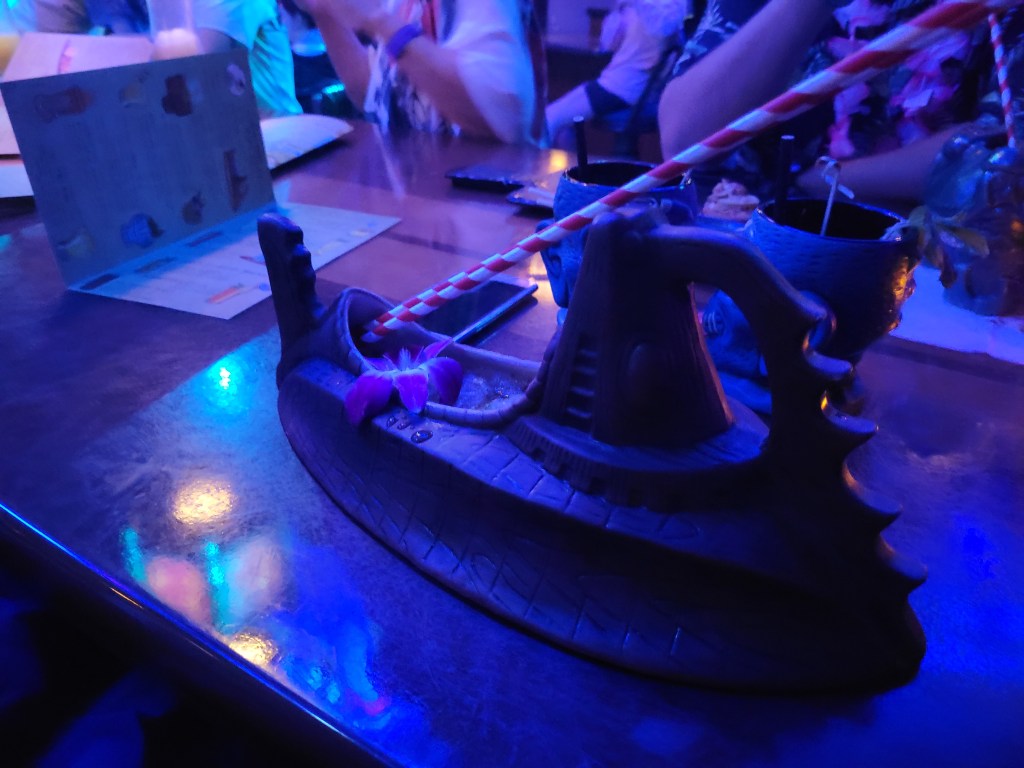
Nautilus Drink at Trader Sam’s

Years passed before my boyfriend insisted we visit Trader Sam’s Grog Grotto at Disney’s Polynesian Village Resort.

Apparently, getting inside is something of an adventure. Guests begin lining up well before opening just to earn a place on the waiting list. After finally securing our names, we were quoted nearly a two-hour wait, so we wandered over to Adventureland. Since we were already embracing the tropical mood, we stopped at Walt Disney’s Enchanted Tiki Room to visit the singing parrots before boarding the Jungle Cruise, a leisurely voyage powered almost entirely by terrible puns.

Halfway through the afternoon we discovered we’d missed the phone notification summoning us back forty-five minutes earlier than expected. We hurried across the park, explained our predicament to the hostess, and, thankfully, she smiled and waved us inside.

Behind the ordinary wooden door waited tropical magic.

Storm clouds rolled overhead. Thunder cracked across the room. Ancient gods awakened. A volcano erupted. Every specialty cocktail seemed to trigger another hidden surprise as lights flashed, effects sprang to life, and the entire room joined the performance. We shared appetizers served on a surfboard while chatting with another couple eager to recommend their favorite drinks and point out effects we hadn’t yet witnessed.

Naturally, we ordered the cocktail that required sacrificing to the gods in hopes of calming their wrath and preventing the volcano from erupting.

Interactive dining at its finest.
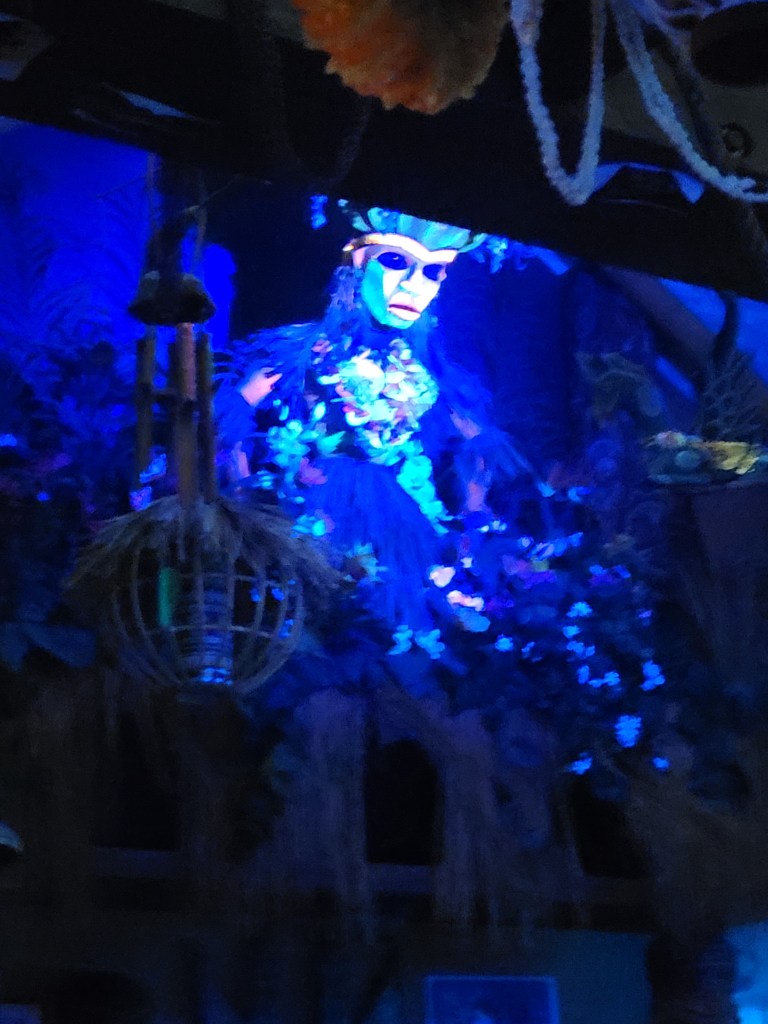
The gods were angry!

One sip later, I understood.

The drinks weren’t simply fruity cocktails dressed up in novelty mugs. They were surprisingly complex, balancing citrus, spice, bitters, and multiple varieties of rum into something far more sophisticated than I expected. Combined with the immersive atmosphere, the whole experience felt less like visiting a bar and more like stepping onto the set of an adventure movie.

I was hooked.

Now, one might think Disney had perfected the tiki experience.

In Lancaster, that may very well be true.
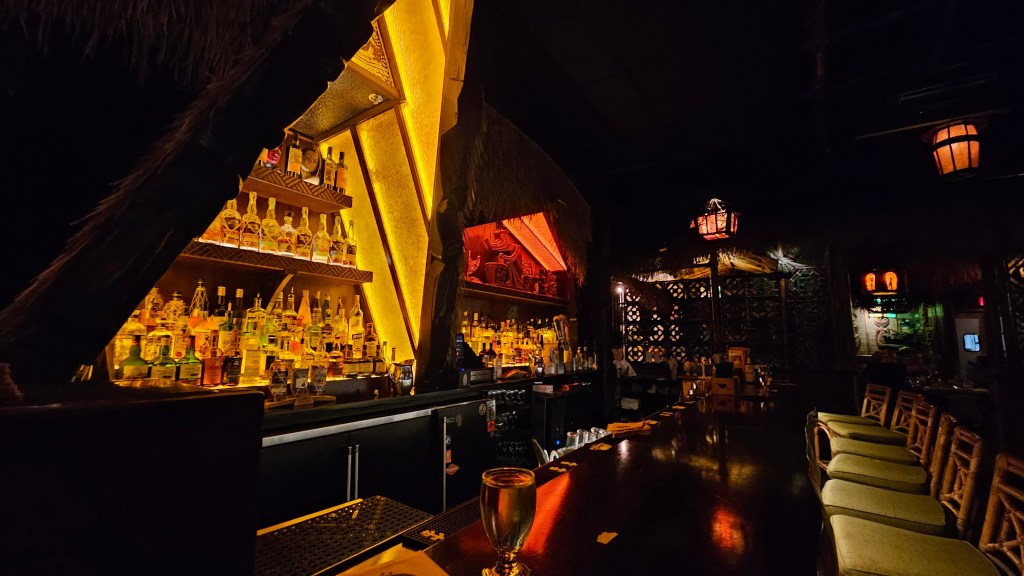
Max’s South Seas Hideaway

But my boyfriend, being from Michigan, introduced me to a place that somehow raised the bar even higher: Max’s South Seas Hideaway in Grand Rapids.

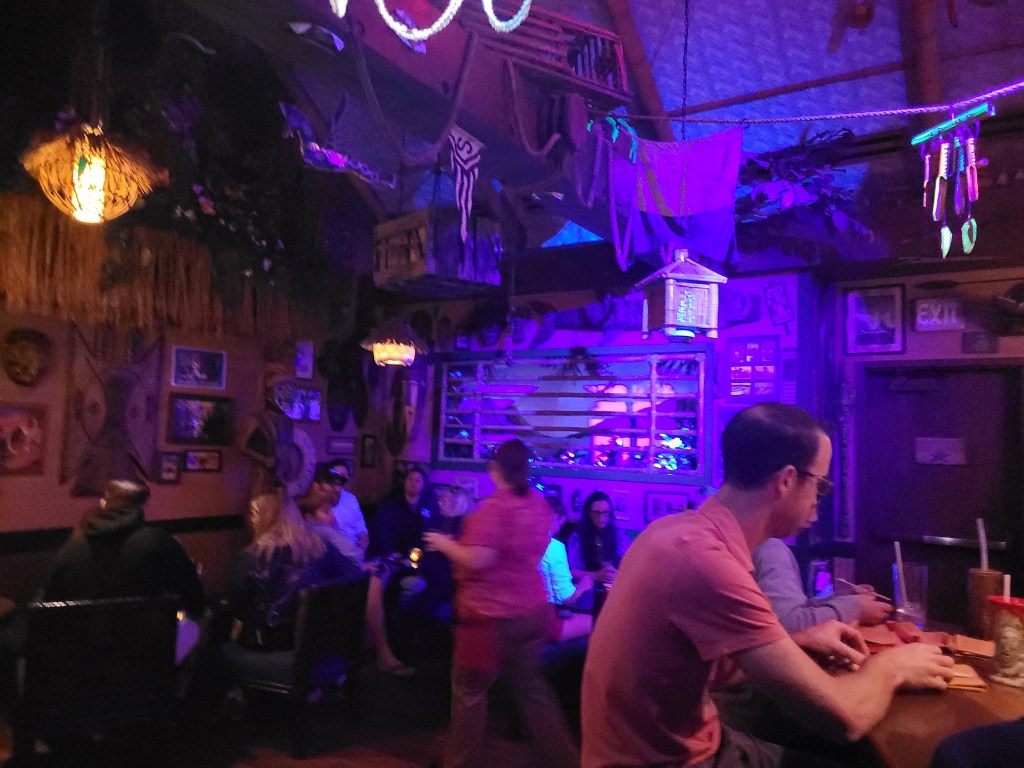
Home to one of the world’s largest private collections of tiki artifacts, Max’s feels less like a themed restaurant and more like an interactive museum where someone happens to serve exceptional cocktails. Every wall, ceiling beam, corner, and shelf is covered in carvings, masks, vintage mugs, outrigger canoes, glowing lanterns, tribal artwork, and enough hidden details to reward several laps around the building. Upstairs, the bar recreates the deck of a Polynesian sailing ship, complete with a carved mermaid figurehead extending proudly from the bow.

The cocktails are every bit as memorable as the décor, but be warned, dear reader: one or two are more than enough to leave even the most steadfast landlubber feeling delightfully unsteady.

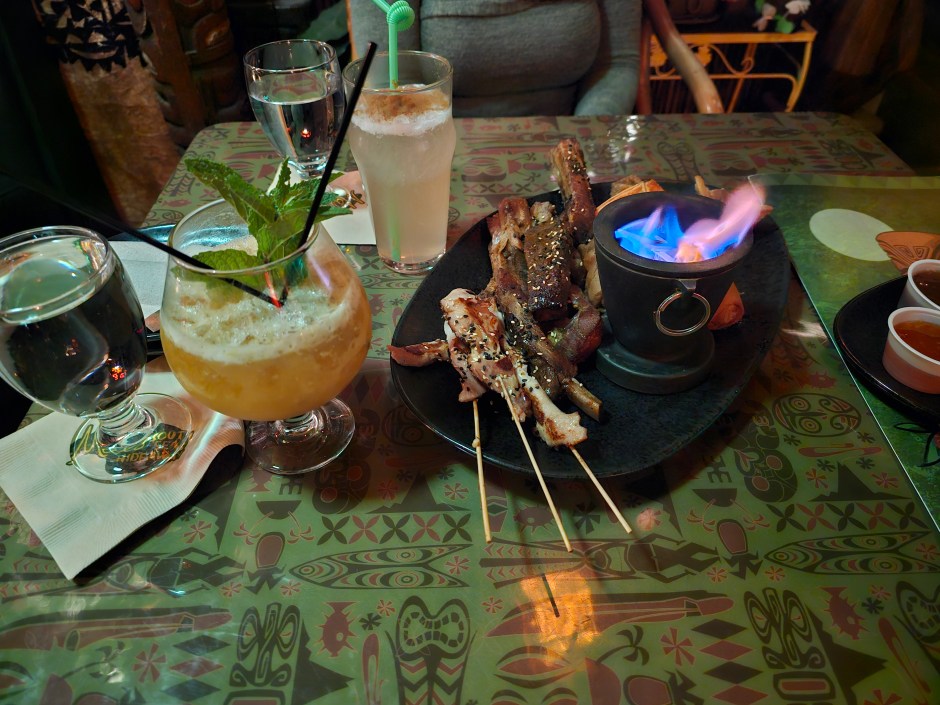
As for the food, order the pu pu platter.

Not because it’s the best value, though it is.

Order it because it arrives at your table surrounding a miniature bonfire.

Because if you’re going to escape to paradise for an evening, your dinner really ought to be on fire.
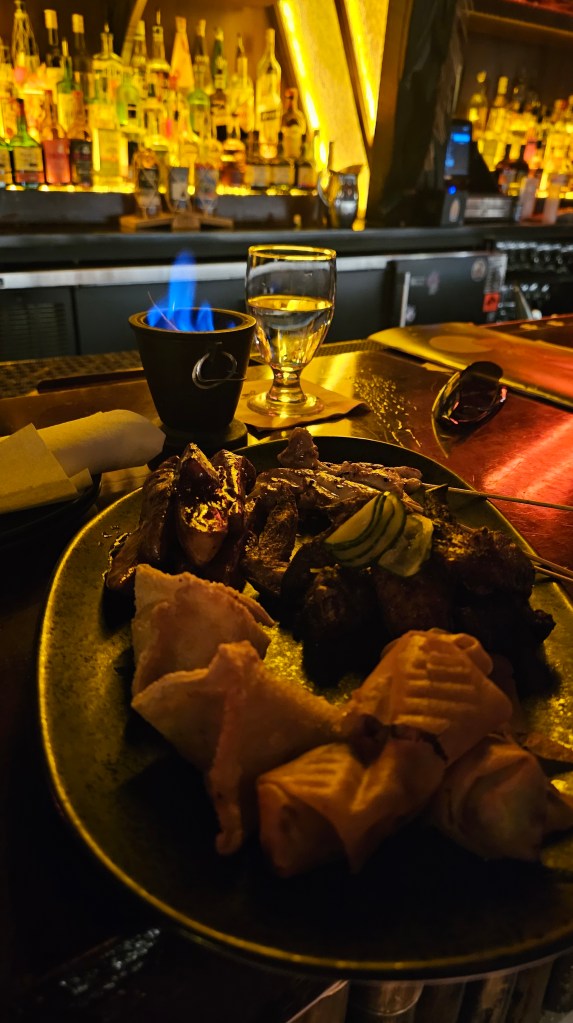
the famous pu pu platter!

How can you go on your own tiki adventure?

Of course, dear reader, Google is always happy to point you toward the nearest tiki bar. But if you happen to find yourself traveling through one of these cities, these are a few destinations that have earned a reputation among tiki enthusiasts for transporting guests far beyond their front doors. Consider them worthy additions to your own bucket list.

Smuggler’s Cove (San Francisco, CA) – Often considered the gold standard of modern tiki, with an extraordinary rum selection and immersive pirate-inspired décor.

False Idol (San Diego, CA) – Hidden behind another restaurant, this intimate speakeasy-style tiki bar feels like discovering a secret island.

Latitude 29 – Created by legendary tiki historian Jeff “Beachbum” Berry, this New Orleans favorite is a pilgrimage site for cocktail lovers.

Trader Sam’s Grog Grotto – Disney’s delightfully interactive bar, where cocktails can literally change the room around you.

Max’s South Seas Hideaway – Home to one of the world’s largest private tiki collections and, in my admittedly biased opinion, one of the most immersive tiki experiences anywhere.

Three Dots and a Dash (Chicago, IL) – A hidden basement escape serving exceptional cocktails in an unforgettable setting.

The Inferno Room (Indianapolis, IN) – Equal parts restaurant, museum, and tiki bar, with authentic décor and fantastic food.

Undertow – Designed to make you feel as though you’re aboard a nineteenth-century trading ship crossing the Pacific.

The Sorrow Drowner – A newer addition to the tiki scene that has quickly developed a devoted following.

Tiki Tatsu-Ya (Austin, TX) – A wonderfully theatrical blend of inventive cocktails, immersive storytelling, and excellent food.

Whether you’re planning a cross-country road trip or simply looking for an excuse to escape reality for an evening, perhaps there’s a little tropical paradise waiting just around the corner. Sometimes all it takes is opening an unassuming wooden door.
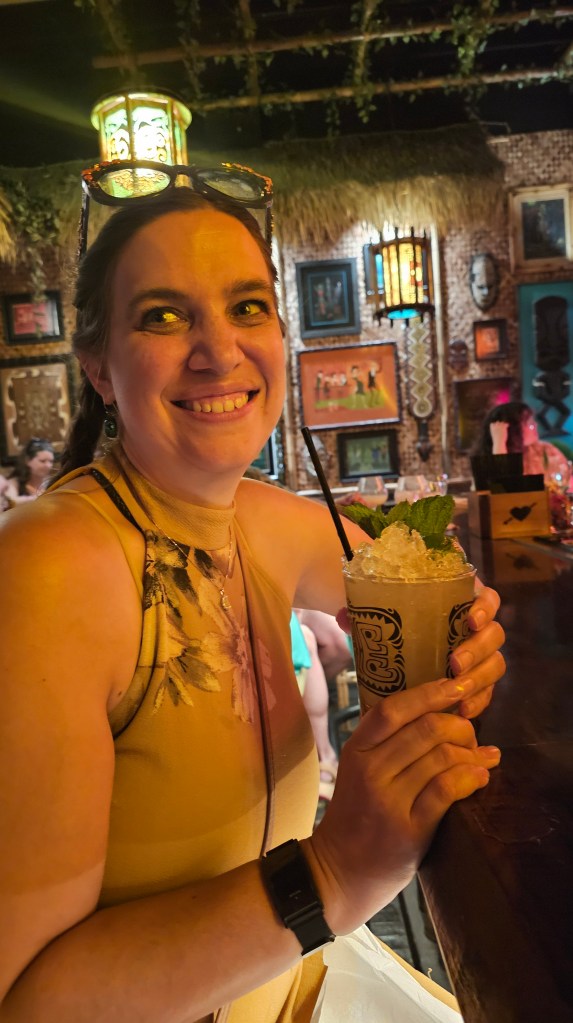
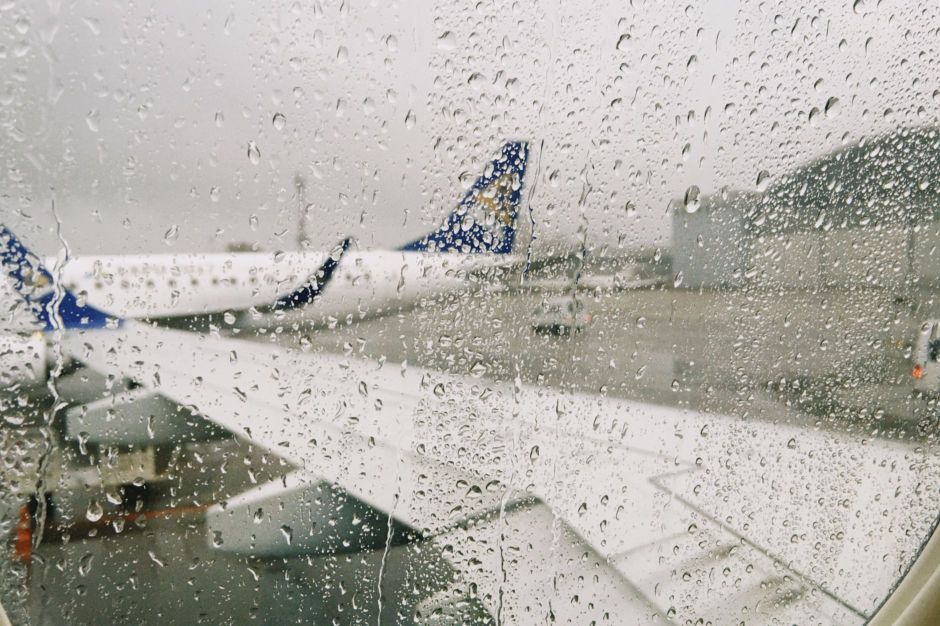
Enjoying a delicious cocktail

Finding Opportunities in the Storm

Dear reader, life does not always go as planned. There are times when fires, storms, and even pandemics disrupt our carefully laid plans. We are, after all, but mere mortals battered about by fate’s whims. That does not mean we should throw in the towel. Quite the contrary, we should throw our hats into the ring, step forward to meet fate where she stands, take her hand, and dance.

Which is exactly what I did on a recent trip to Michigan, where the bucket list adventure happened not at my destination but somewhere along the journey.

I certainly had no intention of adding an airport to my bucket list, but when life hands you lemons, make lemonade, or perhaps lemon drops if you’re inclined to add a little vodka and triple sec (and I am inclined). But I digress.

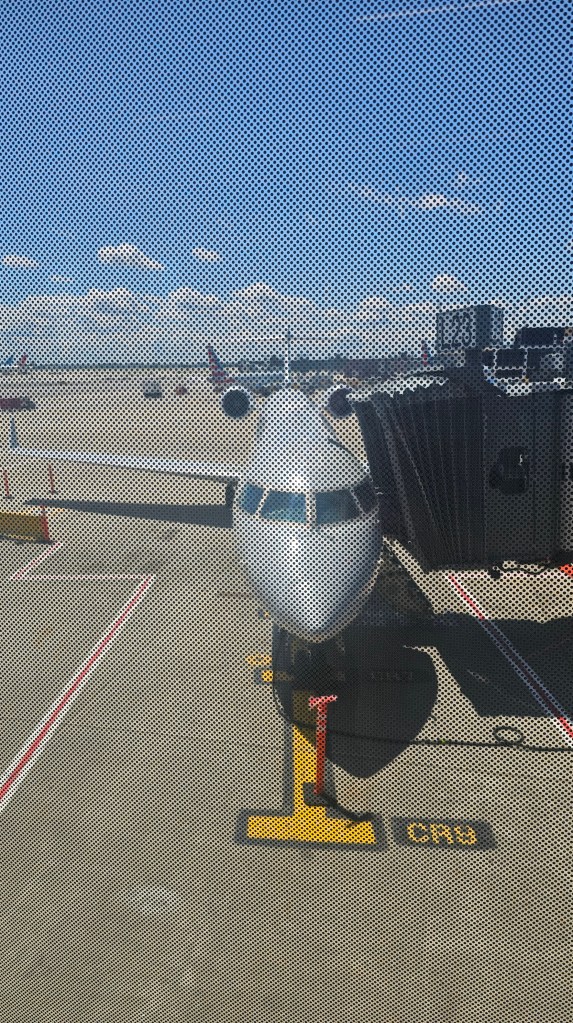
The plan had been simple: depart from Harrisburg, make a brief connection through Chicago O’Hare, and continue on to a small airport in Michigan. As it turns out, dear reader, one ought to be cautious about booking evening flights to the Midwest during thunderstorm season. A powerful summer storm settled over Chicago, grounding flights for hours. 

Consider this your bonus travel tip: Don’t schedule evening flights in the summer if you’re going to the mid-west.

At first, I did what nearly every traveler does when a delay appears on the departure board. I sighed, checked the app for the tenth time, looked hopefully toward the gate agent and realized I had a decision to make; chance going to Chicago once the ground order was lifted and potentially miss my connecting flight late that night or wait until the next morning and have a significant layover. 

After discussing my options with the gate agent, it was clear that if I missed my connecting flight there wouldn’t be another flight until nearly 1 pm the next day and if I went out the next morning on the first flight out I would still be stuck in the airport for hours until 1 pm. I opted for the second option rather than chance a 15 hour layover in an airport. I wasn’t going to chance falling asleep and then missing my flight.  

Regardless, I found myself red eyed in the wee hours of the morning in Chicago sighing in frustration wondering if I shouldn’t have chanced it the night before. 

Then I realized something.

How often does one actually have the opportunity to explore one of the busiest airports in the world?

Normally airports are places we hurry through with singular determination. We race from terminal to terminal, clutching boarding passes, eyes darting from gate numbers to departure screens, scarcely noticing where we are. This time, however, there was nowhere I needed to be except exactly where I already was.

Freed from the tyranny of the boarding clock, I began to wander.

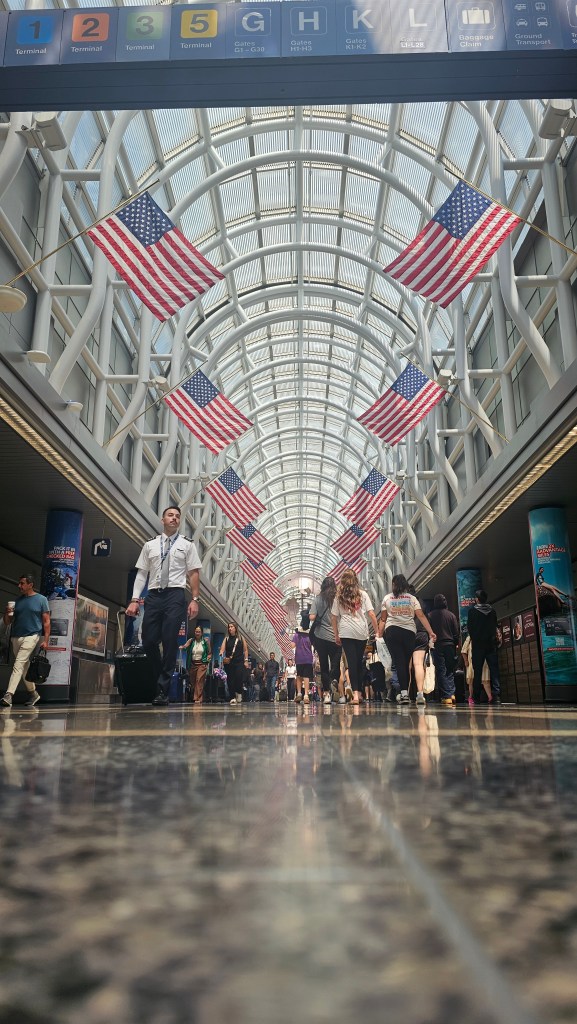
Sunlight poured through towering vaulted windows high above the concourse, washing the polished floors in warm afternoon light. Massive American flags hung proudly from the ceiling while a giant globe floated overhead, quietly reminding travelers just how many corners of the world intersected beneath this roof. Off to one side, almost hidden from the hurried crowds, I discovered displays detailing the airport’s history, small exhibits that most people likely rushed past without ever noticing. Another terminal displayed banners from all over the world proudly declaring all the destinations one might jet off to if only one could secure a boarding pass. 

The airport itself felt less like a transportation hub and more like a bustling indoor city.

The aroma changed every few dozen steps. Fresh coffee drifted from cafés just opening another pot. Warm pretzels perfumed the air outside bakeries while cinnamon, butter, and freshly baked pastries tempted even those who had no intention of eating again. Somewhere nearby onions sizzled on a grill while deep-dish pizza disappeared into ovens. Every restaurant seemed to compete with the next, each trying to lure weary travelers in with one more irresistible smell. I found the juxtaposition of a restaurant pretending luxury next to a kiosk of questionable food to be quite curious. Where else can one find the appearance of luxury sitting so comfortably beside convenience? 

The shops were equally fascinating. Tiny storefronts overflowed with merchandise, every square foot carefully maximized. Shelves stretched from floor to ceiling. Jewelry glittered beneath bright display lights while colorful clothing spilled from crowded racks. Stacks of books, souvenirs, snacks, electronics, and travel gadgets filled every available corner, transforming even the smallest kiosk into something resembling a magician’s cabinet of curiosities. Of course, basic necessities were priced for desperation, but we’ll leave the commentary on exploitive practices for a different author.

Then there were the people.

Thousands upon thousands of them.

Business travelers marched purposefully toward their gates while families attempted the impossible task of shepherding overtired children through the crowds. Couples wandered hand in hand. Flight crews glided confidently through the chaos as though they possessed some secret map unavailable to the rest of us. I caught snippets of conversations in languages I couldn’t identify. Some travelers wore tailored suits destined for important meetings while others looked as though they had rolled directly out of bed and into the security line. Matching family vacation shirts mingled with backpacks, hiking boots, designer luggage, and neck pillows.

The people watching alone was worth the delay.

My favorite moments, however, were the unintentionally comedic ones. Travelers had surrendered completely to exhaustion, sleeping wherever they could find an empty patch of floor. Some curled up beneath windows. Others stretched across rows of chairs. One industrious soul had somehow wedged themselves into a quiet corner between two pillars, blissfully oblivious to the constant parade of rolling suitcases. Nearby, passengers jockeyed for position as boarding announcements echoed through the terminal, each convinced that standing in line fifteen minutes early would somehow get them onto the airplane faster. Even if they did manage to get on sooner, it’s not like the plane was going to leave until everyone in the line was on. Such a curious practice, I never did quite understand.

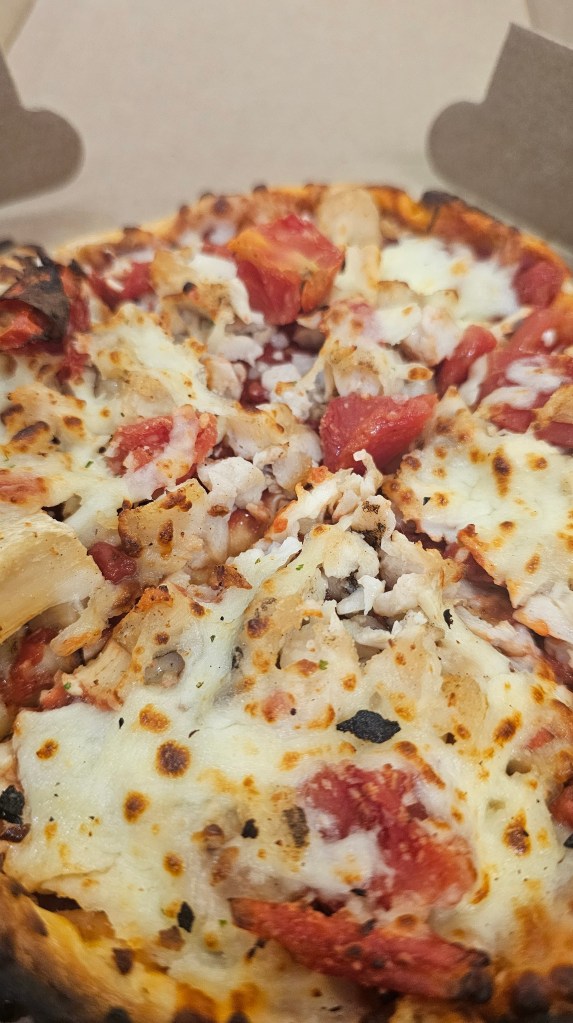
Naturally, I couldn’t leave Chicago without adding one more item to my bucket list: eating Chicago-style pizza in Chicago. Was it the greatest deep-dish pizza ever created? Probably not. But considering I have little intention of making a dedicated trip into the city itself, I decided this was my one and only opportunity, and it seemed a shame to let it pass me by.

Another traveler might have grumbled about their bad luck. Instead, I found myself unexpectedly grateful.

Normally, I write a paragraph about how you can experience this for yourself. However, this is one instance in which the only advice I offer is this:

Sometimes the greatest adventures arrive disguised as inconveniences. They invite us to slow down, pay attention, and discover that even an airport, a place designed simply to move us somewhere else, can become a destination if we are willing to wander.

Perhaps the next time your carefully crafted itinerary falls apart, don’t immediately look for the nearest customer service desk. Look around instead.

You may discover your next bucket list adventure waiting exactly where you never intended to stop.

Visiting Exhibtions: When the World Comes to You

Pennsylvania is known as the Keystone State in part because of its strategic position on the Eastern Seaboard. It sits at the heart of the action on the East Coast and, thanks to the Mississippi River, serves as a gateway to the West. This historic and geographical advantage means I have relatively easy access to some incredible places. By extension, when traveling exhibitions come to those places, it’s not a terrible imposition for me to make the trip. Cities like New York, Philadelphia, Washington D.C., Pittsburgh, and Baltimore are all within reasonable distance.

It was by leveraging this advantage that I was able to see the Darwin exhibition at the American Museum of Natural History in New York, the King Tut exhibition in Philadelphia, and the Russian Tsars exhibition in Delaware. I’m not sharing this to brag about my state but rather to point out that, depending on where you are, you may be closer to the action than you realize. There are often more opportunities in your area than meet the eye.

The Darwin exhibition offered a fascinating look at the scientist’s life, work, and impact. It even featured two Galápagos giant tortoises. Darwin was a keen observer of nature, and through those observations, he developed one of the most revolutionary theories in the history of biology. His theory of evolution has shaped everything from genetics and epidemiology to biodiversity and our understanding of the fossil record. Prior to Darwin, most people saw the natural world as static and unchanging since the moment of creation. Instead, he proposed a dynamic and interdependent system in which relationships and exchanges alter the inhabitants of the world, who in turn shape their environment.

One of my favorite stories is how he looked at an orchid and hypothesized the existence of an undiscovered insect capable of pollinating it. That insect was discovered forty years after his death. This exhibit was the perfect combination of science, history, and anthropology. It showed how discoveries ripple outward into society and helped me understand just how interconnected everything truly is. Is it any wonder that seeing Darwin’s journals, tools, and legacy made its way onto my Bucket List?

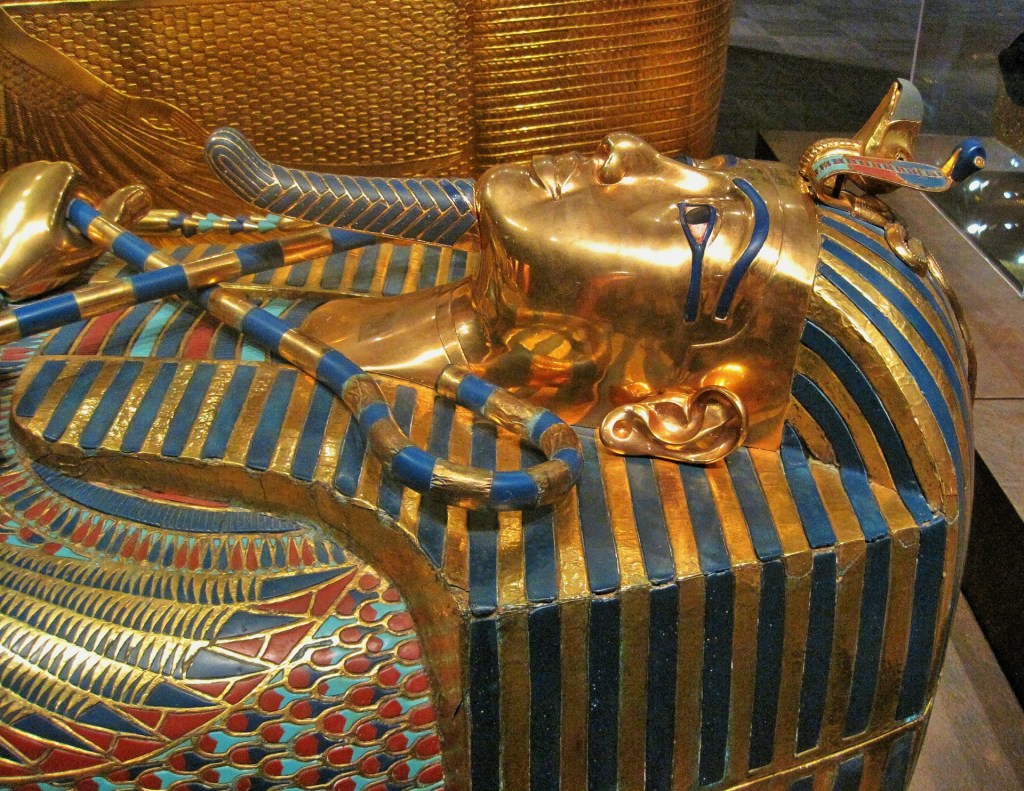
Not to be outdone by New York, Philadelphia often hosts exhibitions and installations that rival its northern neighbor. Just because it’s the Keystone State doesn’t mean it lets the other states have all the fun. In the winter of 2007, I braved a snowstorm to visit the exhibition Tutankhamun and the Golden Age of the Pharaohs at the Franklin Institute. The exhibition included fifty major objects from King Tut’s tomb—among them a vessel containing his mummified organs—and over seventy artifacts from the royalty of Egypt’s 18th Dynasty (1555 to 1305 BC), including a sarcophagus.

King Tut’s tomb was discovered in 1922, sparking a global fascination with ancient Egypt that still persists—my own obsession included. Many of these artifacts have rarely left Egypt, so I certainly wasn’t going to let a snowstorm stop me from seizing this rare opportunity. It was history made tangible, a brush with the ancient world that I’ll never forget.

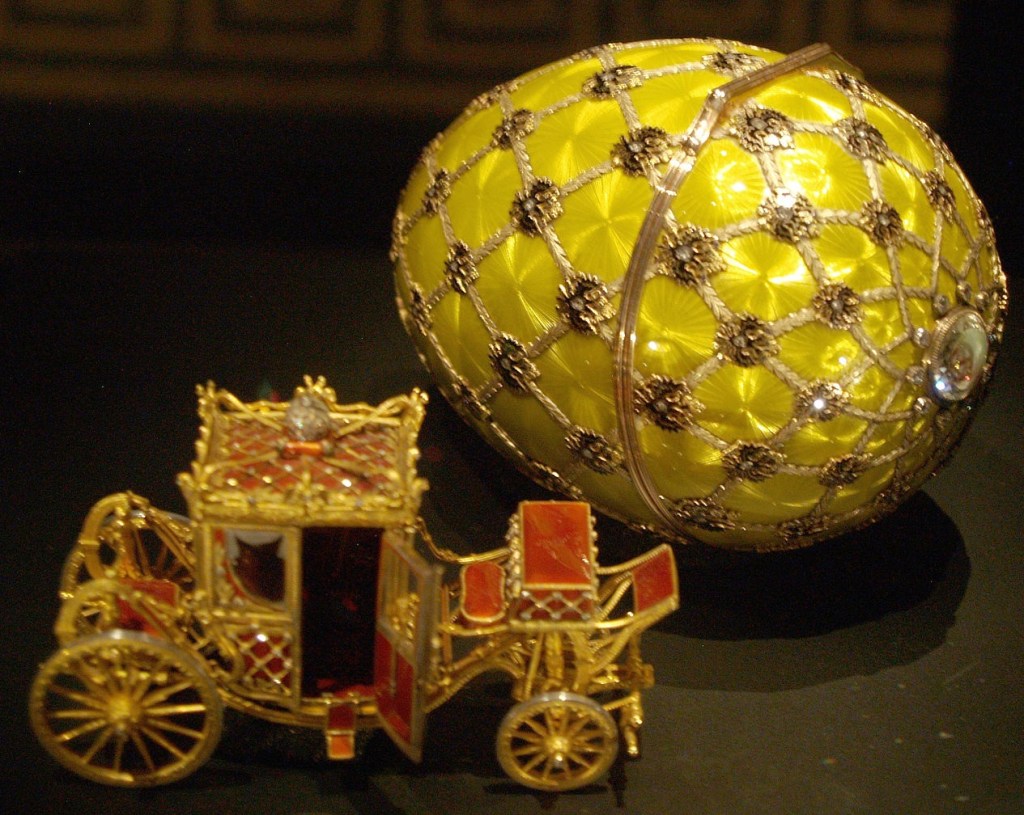
In 1998, Delaware hosted the first major Tsarist exhibition, Nicholas and Alexandra, and I was lucky enough to see it on a fifth-grade field trip. It left a lasting impression on me. We had spent several weeks learning about Russia’s history leading up to the Bolshevik Revolution and the rise of the Communist Party. Featuring nearly 700 objects, it was one of the largest and most prestigious collections of Russian treasures ever to tour outside the country. Most of the items had never before left Russia.

Among the many items on display were the Coronation Egg, an imperial throne, court gowns and uniforms, a gilded state carriage, and artifacts from the Russian Orthodox Church. Even as a child, I was struck by the sheer opulence of the exhibit—particularly the Fabergé Egg, which felt all the more extravagant when considered against the suffering of the Russian people at the time. The experience helped solidify my understanding of the revolution and the dangers of unchecked power and inequality. I’ll avoid getting too political here, but suffice it to say, it made an impression.

Each of these exhibitions made my Bucket List for different reasons. Each one broadened my perspective, deepened my understanding, and shaped how I see the world. They weren’t just collections of artifacts; they were immersive experiences that gave context to history, society, culture, and their ongoing relevance today. Most importantly, they taught me that I don’t always need to travel far to experience the world. Sometimes, the world comes to me.


How Can You Experience Unique Exhibitions?

Start by identifying how far you’re willing to travel. Then make a list of major cities or cultural hubs within that radius—they’re your best bets for hosting large-scale or rare exhibitions. But don’t count out smaller museums, either.

Check their websites to find out when they release their exhibition calendars. I’ve found that many post their schedules for the coming year, although some are less predictable. Once you know when they update their schedules, you can simply mark your calendar to check back. If there’s no set schedule, just take note of when the current exhibition ends and plan to check again around that time.

If you’re searching for something specific—say, an artist or historical topic you love—an online search every six to eight months may yield results. Just be prepared to wait. Some exhibitions, like the Russian Tsars, are generational events.

Lastly, if you’re visiting a city you don’t often travel to, take a few minutes to see what exhibitions are currently on display. You never know what rare gem you might find. It’s easy to miss out by only checking travel sites when planning your trip.

Costs: Range in price from $15 – $25 for museum entrance

Miles from home: Range from a 35 miles to 150

Completed: Childhood – College

The world may not always seem like it’s just outside your door step, but it really can be! Don’t believe me? Check out my Bucket List and Reverse Bucket List for stories both near and afar that are sure to challenge those preconceived notions of what is possible.