
Sometimes, dear reader, our own bucket lists take a polite step to the side so someone else’s long-cherished dream can finally march forward in all its glory. In this case, it wasn’t a bucket list at all. It was a basket list. A Nantucket Shiplight Basket list, to be precise, which I admit feels far more poetic. After all, who among us would not be charmed by the idea of holding a piece of maritime history in our hands.
My mother certainly was. Ever since she was a teenager, she had been enchanted by these elusive vessels after reading about them in some long-forgotten book or article. I picture her as a younger version of herself, curled up somewhere cozy, imagining the rugged New England coastline, the wild Atlantic surf and perhaps, if I know her, a sailor or two with a jawline sharp enough to cut rope. I cannot blame her. The sea does tend to conjure such visions.
I am sorry, where were we. Ah yes. Baskets. The point is, dear reader, these particular baskets are not ordinary containers for fruit or wayward junk mail. They are woven pieces of history, shaped by sailors who braved storms, isolation and boredom of legendary proportions. The romance is built right in.
A Bit of History for the Curious Soul
Long before tourist shops and Instagram feeds filled with beach scenes, the waters south of Nantucket Island were treacherous. Shoals shifted like restless spirits and ships were known to meet rather unfortunate ends. Since the terrain was not suitable for a proper lighthouse, lightships known as shiplights took up residence. Picture a floating lighthouse, bobbing in the waves, anchored against the dark and fog and hoping a vessel would notice it in time. That was the job of the lightship. Simple in theory. Terrifying in practice.
These ships were staffed by small crews who lived aboard for long stretches, typically thirty days at a time. They battled storms, loneliness and the constant fear that some overconfident captain might sail directly into them. Many did. More than one lightship was destroyed after being struck by the very boats it tried to save.
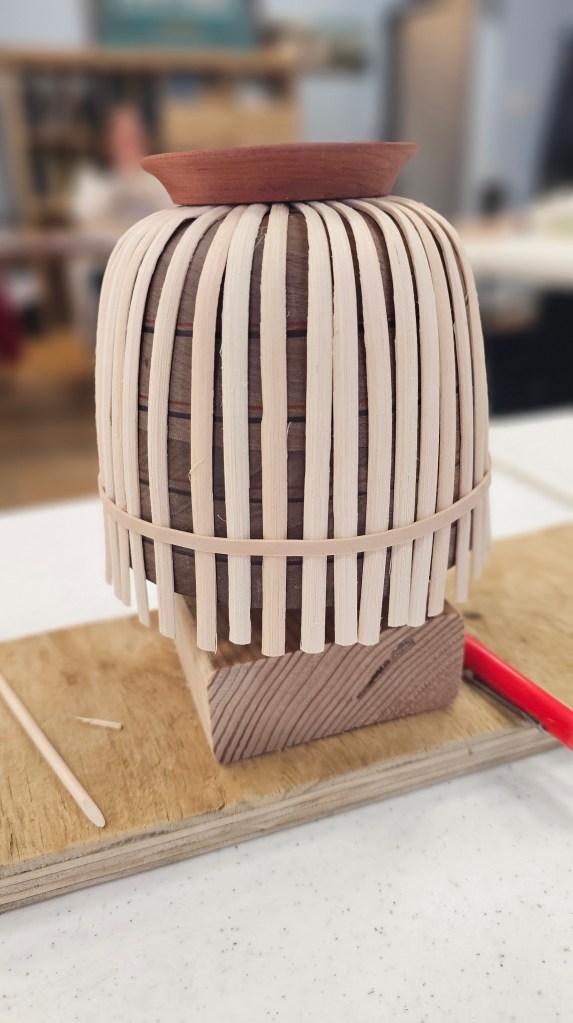
With little to do during calmer stretches, sailors turned to crafting. By the 1860s, the earliest Nantucket Lightship Baskets began to appear. These were not decorative heirlooms but practical, sturdy, beautifully utilitarian containers. Their bases, rims and staves were usually made back on the island. Sailors then brought them aboard, using the long quiet hours to weave. The moulds were created from old ships’ masts, giving the baskets yet another tie to maritime life.
Over generations, the basket-making tradition shifted from survival activity to artistic craft. Baskets became more decorative, more intricate and far more sought after. Today, Nantucket baskets are treasured symbols of New England craftsmanship. And, thanks to the price tags, they are also symbols of New England’s talent for charging quite a lot for tradition.
A Dream My Mother Tucked Away
My mother fell in love with the history long before she ever saw an actual basket in person. For decades she dreamed of owning one. But as prices climbed higher and higher, the dream began to sag under the weight of practicality. The baskets became something for “someday.” And someday, as we all know, is a tricky creature. It slinks away easily.
Years passed. Then decades. The dream gathered dust like so many silent hopes. She never complained about it. She never pined or sighed dramatically like a Victorian heroine. She simply tucked it away, which was somehow even sadder.
Thankfully, dear reader, she has me. And I am not someone who lets dreams die quietly.
A Daughter on a Mission
The spark reignited on a trip to Boston to visit a friend who, as it happened, made Nantucket baskets as a hobby. When my mother held one of his creations, her whole face softened. There was awe. There was longing. And there was that quiet little note of resignation. The “oh well, not meant to be” tone that mothers perfect somewhere around the third decade of adulthood.
Absolutely not, I thought. To hell with resignation. Not on my watch.
Now, could I have snagged her a $400 basket. Technically yes. But financially, spiritually and stubbornly, no. That felt like cheating. I wanted something more meaningful. Something rooted in effort and delight and a little bit of chaos, as most great family stories are.
The opportunity arrived in the most unexpected way, as opportunities often do. Last fall, my mother and I took an eco-dyeing class at the PA Guild of Craftsmen. We spent the morning dunking fabric into pots of botanical color like two witches brewing questionable potions. During the class, we met a man named Bob, who casually mentioned that he taught classes on Nantucket Baskets.
Was it fate. Probably. Was it the universe gently nudging me toward destiny. Quite possibly. Was it also the direct result of my inability to mind my own business and my tendency to ask questions of every friendly stranger. Absolutely yes. Sometimes, fate needs a little nudge or a full on push.

The Watch Begins
From that moment on, I became a woman possessed. I haunted the Guild’s website like a Victorian ghost with unfinished business. Week after week I checked for upcoming classes. I refreshed the page with the kind of intensity usually reserved for airline deals or Taylor Swift ticket drops.
Then one day, I saw it. A class scheduled for the weekend of my mother’s birthday. Perfect. Beautiful. A sign from the gods themselves.
I contacted my sister. I confirmed schedules. I clicked the button to register.
The class had just filled.
Great was the gnashed teeth. Fierce was the shaking of my fist. Dramatic was my lamentation to the heavens. I am after all nothing if not dramatic!
But if you know nothing else about me, know this: I do not give up. Not even when the universe tests my patience for sport.
Not two weeks later, a new class appeared. Spots: available. And I pounced. I registered so fast you would think I was trying to secure the last lifeboat on the Titanic. Victory was mine. And so was a guaranteed memory for the ages.
The Big Day Arrives
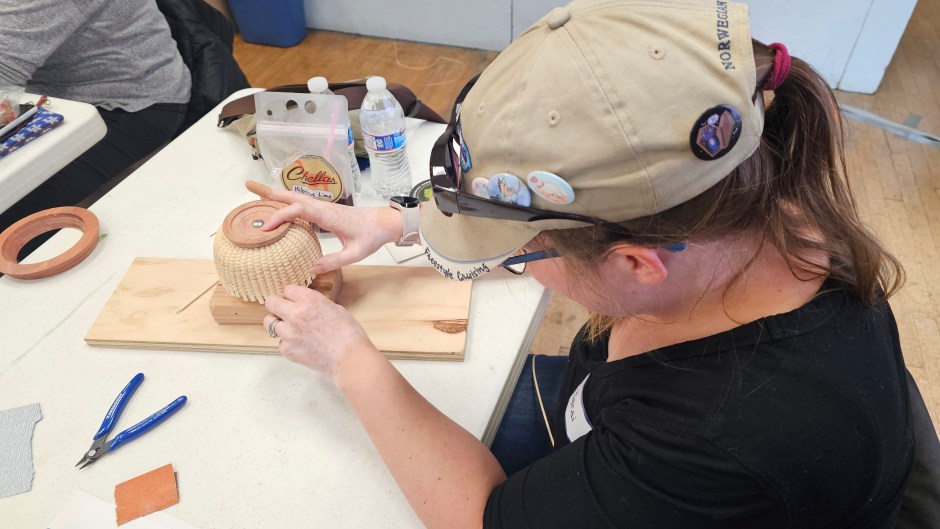
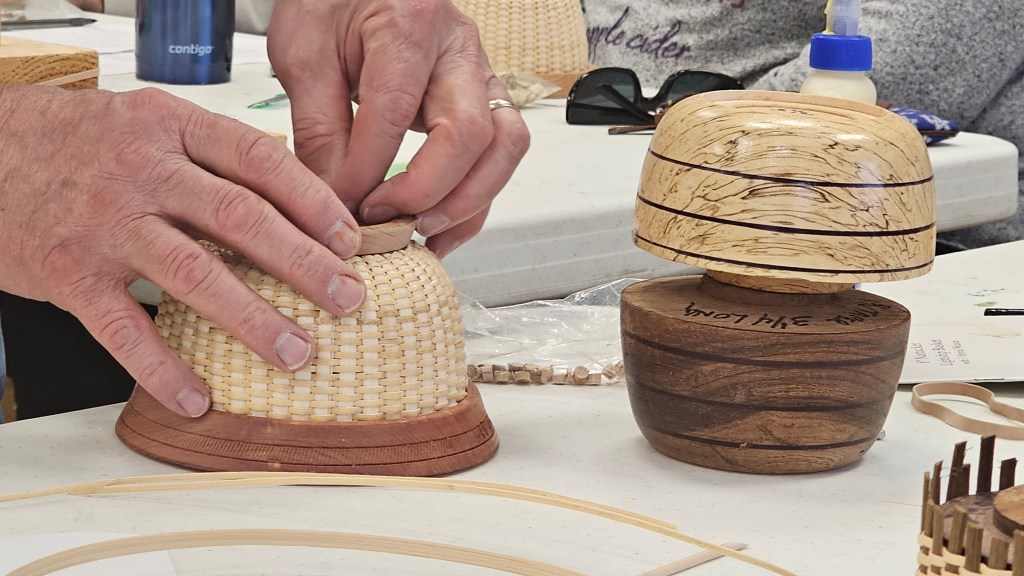
Two weeks after her birthday, my mother, sister and I arrived for our class. For those unfamiliar, Nantucket baskets are not really considered beginner friendly. They require precision, patience and a willingness to accept that reeds will snap at the least convenient moment. Luckily, we had Bob. And Bob is a gem. If basket making had spirit guides, he would be one.
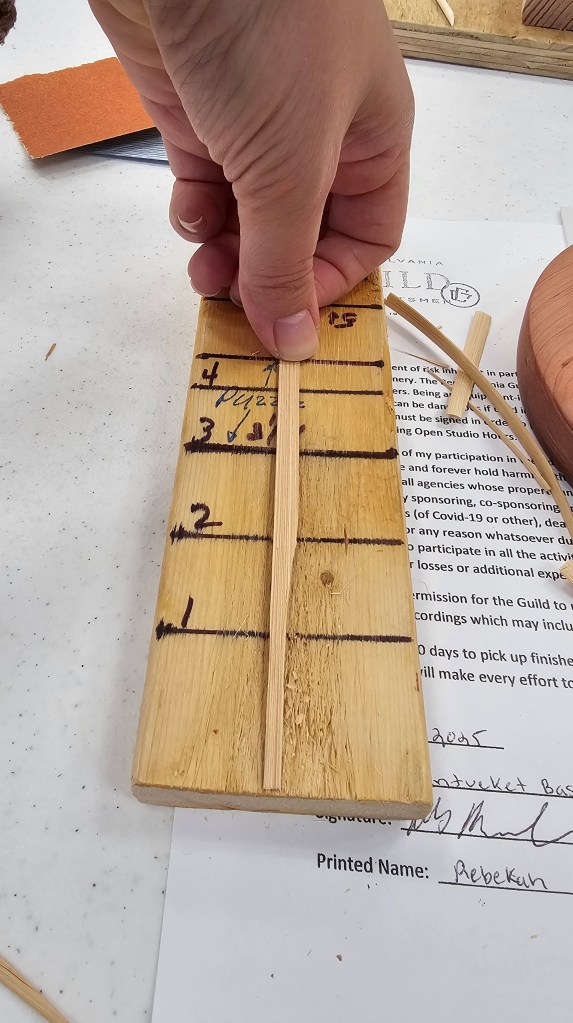
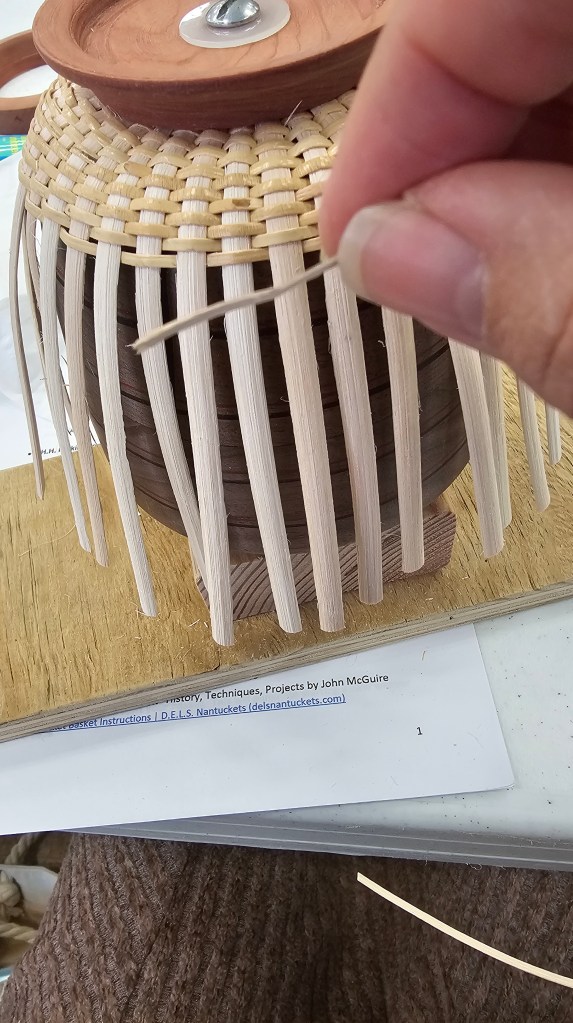
With calm instruction and gentle humor, he helped us understand the mechanics behind the magic. He showed us how to keep the weave tight. How to handle breakage. How to adjust when things started to go sideways, which they did often. There was laughter. There was mild cursing. There was one moment when my mother threatened to throw her reeds into the void, but Bob intervened with the patience of a saint.
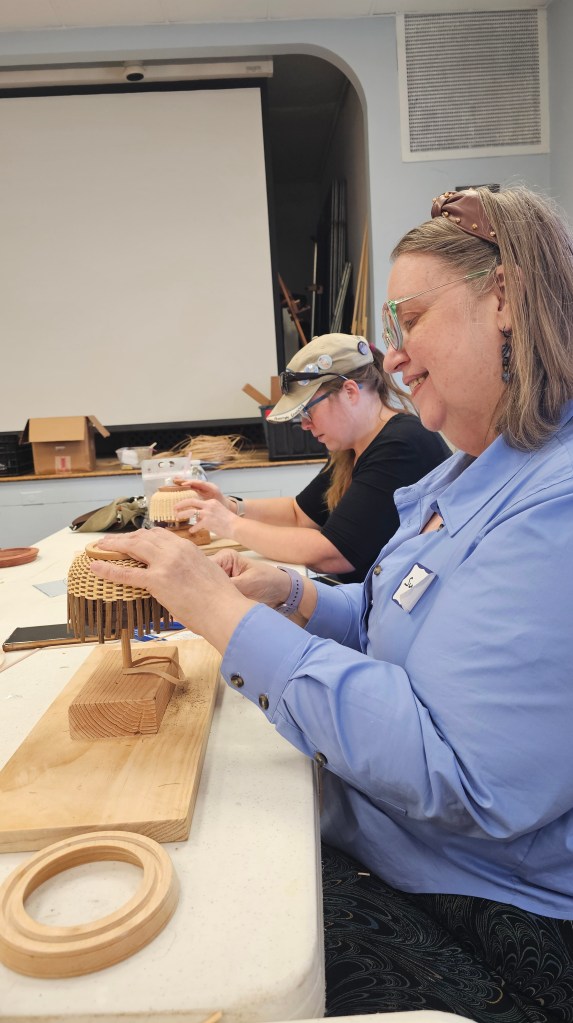
My mother struggled at times, especially early on. Her arthritis made the tight initial weaving difficult. But here is where the real beauty emerges. When her hands faltered, my sister and I stepped in. We held reeds steady. We tightened the weave. We supported her hands with our own. And together, we built something worth far more than its materials. Something no price tag could ever reflect.
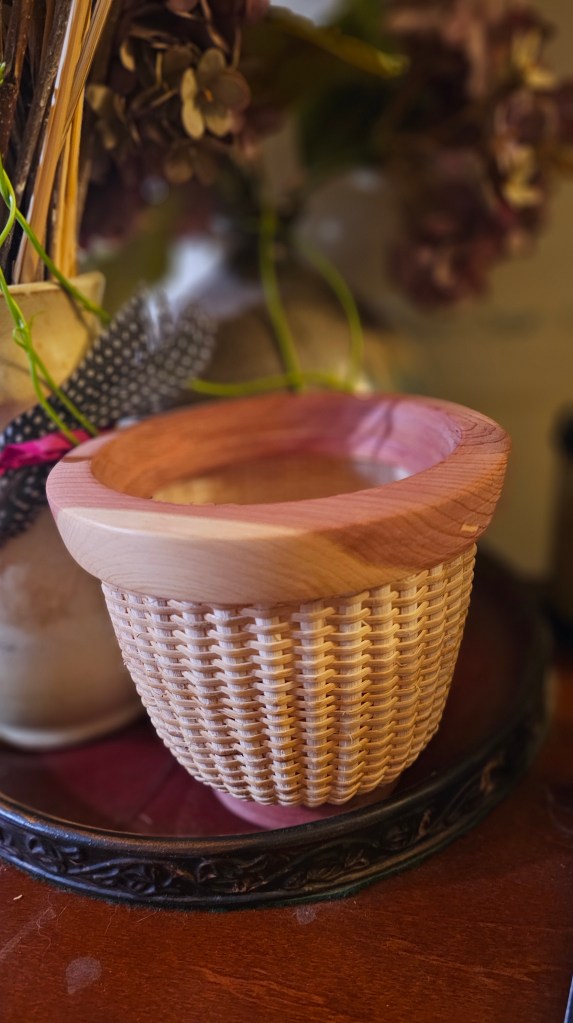
When the baskets were finally complete, we sat back in awe. They were beautiful. Not flawless. Not identical. But better. They were us. They were hers. They were woven with history and love and the combined effort of three determined women.
A Dream Fulfilled at Last
My mother waited more than forty years for this. Four decades spent admiring a dream from afar, telling herself it was too impractical, too expensive, too indulgent. But standing there with her basket in her hands, crafted by her own perseverance and supported by her daughters, something shifted. The dream became real. Tangible. Hers.
At sixty-five years old, she crossed something off her list that she never thought possible. And she did it in the best way imaginable. Not by purchasing a finished piece but by creating one with her own hands.
And if that is not the very heart of bucket lists, I do not know what is.
We often think of bucket lists as daring adventures or far-flung travels, but sometimes they are simpler. Sometimes they are woven, stitch by stitch, in quiet rooms with people we love. Sometimes the most meaningful items are the ones rooted in memory and heritage and personal longing. And sometimes the best thing we can do is help someone else check off something they stopped believing was possible.
So here is the lesson for you, dear reader. Do not be fooled by dreams that go silent. They are still there, waiting for you. Whether they are big or small or slightly unexpected, they deserve air and attention and the chance to surprise you. And it is never too late. Never too strange. Never too sentimental.
Sometimes a dream is simply a basket. But sometimes that basket carries forty years of hope, a good story, a tiny bit of chaos and a whole lot of love woven into its staves.
And those are the dreams worth chasing.
How might you chase your own piece or maritime history?
If reading this has awakened something in your soul, dear reader, perhaps a tiny spark whispering that you too might enjoy owning or crafting your very own bit of seafaring heritage, then rejoice. You are not alone. There is something irresistible about holding an object shaped by hands, hope and history. It connects you to all the sailors who once sat aboard those rocking lightships, weaving to pass the time while storms rolled over the horizon.
So how might you chase your own piece of maritime magic.
First, you can absolutely look for a class in your local area. Basket weaving workshops pop up in the most unexpected places. Community art centers, craft guilds, even the occasional museum loves to host heritage craft classes. The only caveat is that the further you wander from Nantucket’s salty shores, the rarer these particular baskets become. The tradition simply never spread far inland, perhaps because weaving a basket while imagining rolling waves is far more romantic when you can actually hear them outside the window.
If you would rather skip the learning curve entirely, you can always purchase your own Nantucket basket from a skilled maker. These pieces are true works of art, and buying directly from an artisan helps keep the craft alive. It also saves you from the mild existential crisis that comes from snapping reeds for the fourth time in an hour. Trust me. I have lived it.
But maybe you are like me and prefer a little chaos with your creativity. Maybe you want to try your hand at the weaving itself. In that case, you are in luck. You do not need a ship. You do not need a lighthouse. You do not need to brave the open ocean with only six crewmates and a questionable supply of biscuits.
What you need is a guidebook, some materials and the enthusiasm of a determined dreamer.
Thanks to the endless wonders of the internet, you can now find instructional books for a very modest sum along with kits containing everything from bases to staves to the all-important mould. No need to fashion one from a retired ship’s mast like the sailors of old. Unless you happen to have a ship’s mast lying around, in which case, dear reader, I have questions.
With online tutorials, craft forums and even weaving groups on social media, it has never been easier to learn a heritage craft from the comfort of your own home. You can chase your own dream while sipping tea in your pajamas, which feels like a delightful improvement from doing it aboard a lightship in a gale.
And that is the beauty of our modern world. Dreams that once required proximity, luck or a friendly sailor now simply require curiosity and a willingness to start.
So whether you sign up for a class, purchase a handmade treasure or gather your supplies and embark on the weaving adventure yourself, may your own journey into maritime history be filled with joy, discovery and perhaps a little bit of mischief. After all, the best stories are the ones we make with our own hands.
Completed: Nov. 2025
Cost per person: $150
Miles from home: 12 miles
If this was your cup of tea, I have plenty more stories to inspire your own.










 Budget Bliss: Bucket List