
Your Bucket List Is a Lie

Before we clutch our pearls at such a title, you must first indulge me in a bit of theatrical storytelling.

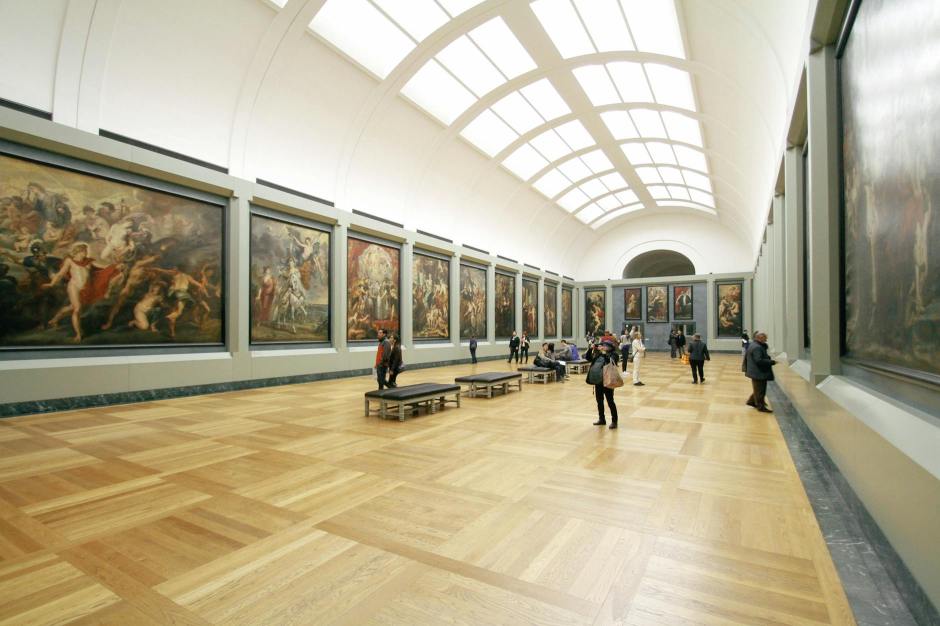
There was once a painting known to the art world but given little regard by the general public. Sure, some waxed poetic about it, but the intelligentsia has always been a bit eccentric in its proclamations of greatness. To anyone outside the art world, it was unremarkable. It may have hung in a museum, but no one would have gone out of their way to see it. Like so many other paintings in a gallery, it was forgettable, small, dark, and easy to overlook.

Then it was stolen.

No one knew how. One day, it was just gone. And suddenly, people noticed. For two years, the public speculated wildly. The fever-dream of mystery only grew with every twist. Perhaps absence does make the heart grow fonder, or at least more curious. While the intelligentsia is eccentric, the general public is fickle, like a cat who demands to be let out only to want back in the moment the door shuts.

When the painting was returned, it became a sensation. A must-see. A cultural event. And not just any painting – THE painting.

The painting in question? The Mona Lisa.
The real reason it’s famous? The drama. The theft. The story. The hype.

Without that? It might still be hanging half-forgotten, quietly smirking at a handful of art students instead of hoarding crowds behind velvet ropes.

And that, dear reader, is what your bucket list might be made of: hype.
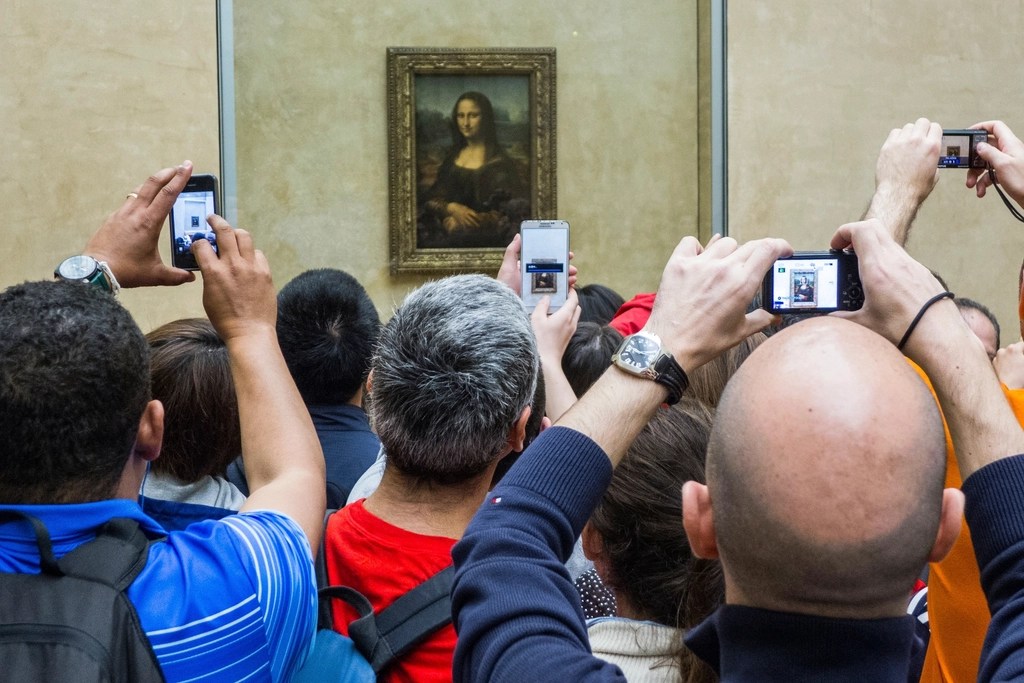

So many bucket list items are fueled not by intrinsic value, but by the frenzy that surrounds them. Don’t get me wrong, the Mona Lisa is a lovely painting, and Da Vinci was no slouch, but why that painting? Why not another of his works? Why not another artist entirely? Yes, yes, I am sure you’ll tell me all the reasons it’s such a great painting, a master piece of its time, blah, blah, blah., but there’s lots of great paintings you can’t name or even are aware of. The answer lies in marketing. In myth-making. In the way a compelling narrative shapes our desires

Travel magazines dazzle, influencers entice, advertisements whisper, “You must go here.” But what’s really behind that? How many times have you visited a place only to find it…underwhelming? A glorified photo op? Something that looks better on Instagram than it feels in person?

Perception shapes reality. And marketing shapes perception. Don’t believe me? Riddle me this, dear reader why do we consider Jackson Pollock a great artist? The CIA orchestrated the entire Art Movement of Abstract Expressionism’s rise to prominence, engineering hype around the artist Jackson Pollock by buying his paintings and creating a frenzy around the art movement through bought and paid for critics. It was for political reasons and to combat the dangers of Soviet Russia. However, until the CIA engineered the hype, it was mostly ignored and barely considered real art. After all, it looked like a five year old could have painted it.

Nor is the art world, the only place where bought and paid for critics shape our perceptions. There was an rather large controversy in the video game world of creators influencing magazines and reviewers to generate hype around game releases. Those travel influencers filling your feed are often being paid by travel magazines, hotels and even the local department of tourism to promote various locations and experiences.
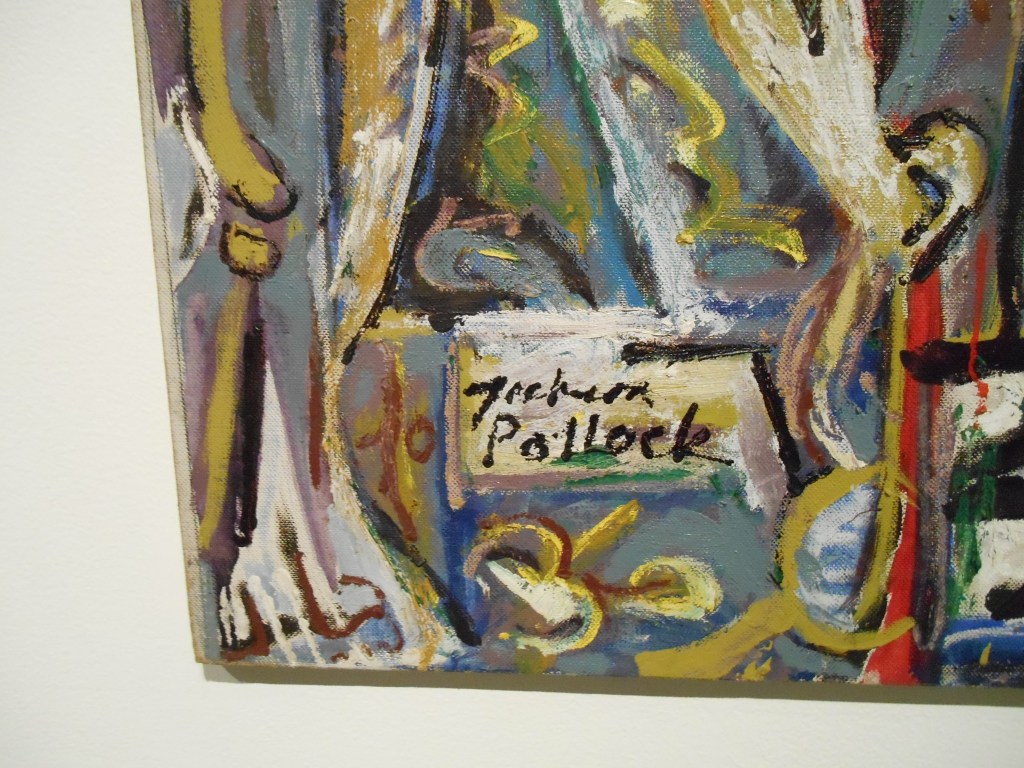
Signature of Jackson Pollock on Pasiphaë (1943; Metropolitan Museum of Art) Ned Hartley – Own work

Let’s be clear: I’m not criticizing your personal travel goals. I’m encouraging you to interrogate them.

Are your bucket list items there because you want to experience them, or because someone told you they’re “must-see”? Would another location fulfill the same desire, perhaps with less hype and fewer crowds?

For instance: Why London? What do you actually want to see there? Do you even know the history behind the city’s major attractions? Could a neighboring town offer the same experience without the same price tag?

Yes, Stonehenge is cool. But have you heard of the Calanais Standing Stones in Scotland? Same vibe. Fewer tour buses. Also, older.

We should be asking ourselves:

  • Do I understand why this place matters?
  • Does it resonate with me personally?

I, for example, will probably never visit the Great Wall of China. It’s a feat of engineering, sure. But so was ancient Rome. And frankly, the Wall didn’t even fulfill its intended purpose, more a monument to hubris than a functional defense system. And trust, me there are plenty of monuments to hubris. There are other ancient walls, built with equal ingenuity, that never make the “Top 10 Things to See Before You Die” lists. Just because it’s the biggest, doesn’t mean it’s the best or even the most impressive.


Take Napa Valley, for example, America’s answer to French wine country. It became famous after a 1976 wine tasting in which Napa wines beat out French ones and cementing its place in the wine world as one of the premier wine regions. But wine tasting is…flawed. Studies show judges rate wines inconsistently. Presentation plays an outsized role. In one study, the same wine earned wildly different scores when served in different bottles.

So why is Napa “the place” and not, say, the Finger Lakes or Walla Walla? Marketing. Perception. Hype. South-central Pennsylvania has lots of wineries that produce lots of delicious wines.

If we let others dictate what’s “best,” we surrender our own preferences to their story. But if we challenge that narrative, we open the door to a world of options.

Maybe that famed “must-see” destination isn’t any better than the quieter, lesser-known place next door. And that’s great news for the budget-conscious among us. It means you can experience something wonderful without the tourist trap markup, and maybe even get a more authentic experience while you’re at it.
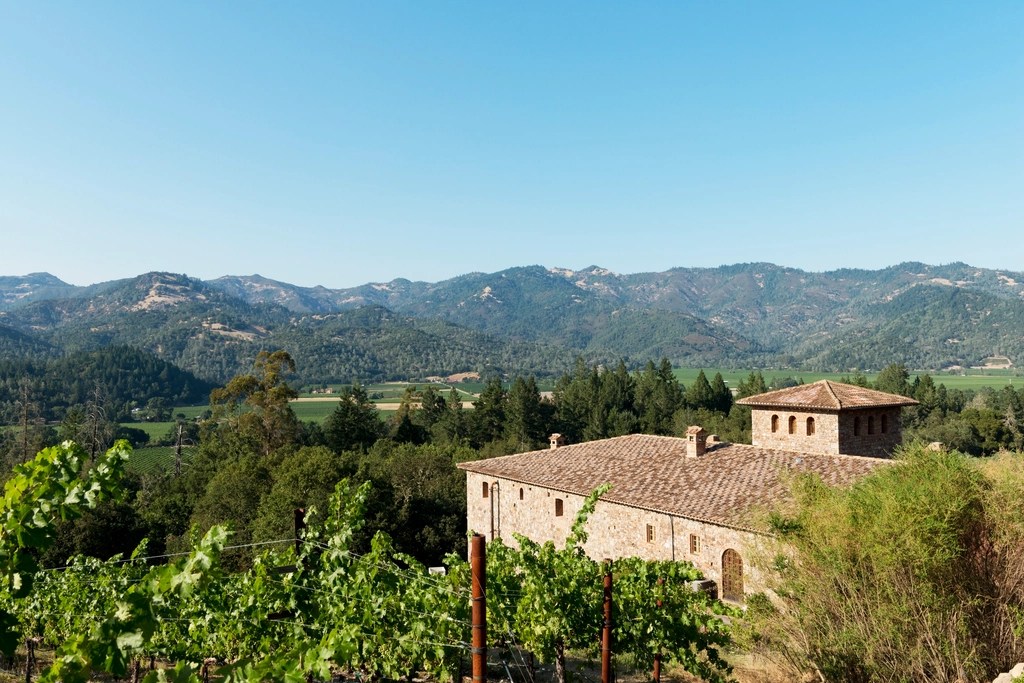

Vineyard Napa Valley, California by Carol M Highsmith is licensed under CC-CC0 1.0

More importantly, it means you’re not missing out.

So many bucket list items are inaccessible to people with normal jobs and normal paychecks. That doesn’t make your life less fulfilling. It just means your version of “extraordinary” isn’t dictated by a Top 10 list.

Why the Panama Canal and not the Welland Canal in Canada? They use the same technology. One just has better PR. Okay, yes, there are certain historical contexts which does make the Panama extremely significant, perhaps more so than Welland Canal. But could you honestly, tell me what those are without looking them up? I didn’t think so. Would you have done that research before booking your trip to Panama? Probably not.

If you told your friend you went to Welland, they might look at you funny. But unless they’re an engineering nerd (in which case, they’d love it), they probably can’t explain why Panama is “better.” They’re just repeating what they’ve heard.


To help you separate real desires from borrowed hype, ask yourself:

  • What is the historical or cultural significance of this place or experience?
  • Do I genuinely care about that significance?
  • Are there other options that fulfill the same interest or vibe?
  • If it’s “the best,” who decided that—and how subjective is that claim?
  • Is it overrun with tourists to the point of losing what made it special?
  • Are there similar or adjacent experiences nearby that are less crowded, more affordable, or more authentic?
  • Am I excited for this because it aligns with my values and interests, or because I saw an influencer do it?

Once you start asking these questions, you may find your list isn’t a map of your soul’s desires—but a collage of other people’s priorities.

The good news? You can scrap that list and make your own.

Because the best journeys aren’t built on hype, they’re built on what matters to you.
Sole-Full Sips: The Joy of Grape Stomping

If a bottle of wine contains more philosophy than all the books in the world, then a barrel of freshly picked grapes awaiting their fate must contain all the mysteries of the ancients. Wine making has been a centuries-old tradition, originating over 8,000 years ago when the transformation of juice to wine was thought to be a divine mystery. Though the modern era has brought stainless steel presses and fermentation machines, it may have lost some of its ancient wisdom and mystery, rendering the process more mundane. Perhaps that’s why there’s such allure in the old ways, hand-picked grapes tossed into wooden barrels, squished by stomping feet, then carefully aged in wood to absorb its complex flavors over time.

The crushing releases the grape’s juice, allowing it to mix with the skins to absorb flavor, color, and tannins. Depending on the type of wine desired, the presence of stems or skins may be either vital or avoided. After the initial crushing, yeast is added; the juice is fermented, pressed, and finally aged. While details may vary, the process has remained largely unchanged for centuries.

Many were first introduced to grape stomping through the infamous I Love Lucy episode. For me, it was A Walk in the Clouds, the laughter, singing, and juice-splashing celebration enchanted me. It transformed wine into a celebration of life and love. Hollywood may have romanticized it, but wine itself is inherently romantic, so I can be forgiven my idealized vision of the process.

Determined to check off this long-standing bucket list item, I began searching for grape stomping opportunities. While I was certain a plane ticket to Portugal wouldn’t be necessary, I was surprised to discover just how few vineyards in my state actually offered it. Some festivals held stomping competitions, but alas, I lacked a team. And most options were three to four hours away, not exactly convenient for a quick outing. Perhaps, if I could make a weekend of it, but I was loathe to do an overnight.

Undeterred, I expanded my search. That’s how I found Four Sisters Winery, just across the Pennsylvania/New Jersey border, only two hours away. They offered barefoot grape stomping, wine tasting, and dinner. When I floated the idea to my sister, she declined, apparently, squishy, slimly, sticky grapes between the toes was not her idea of a good time. Which, fair. It’s not everyone’s glass of wine.

What is a bucketlister to do when one’s partner in crime is not up for the proposed heist? Would I need to shelve the idea? Remove it from possibility altogether? Fear not, dear reader, I had a backup adventurer: my mother. As fate would have it, she also had grape stomping on her bucket list. And thus, it became a perfect Mother’s Day gift.

We registered for the event on June 21st, a fine way to ring in the summer. With the heatwave beginning, we drove through picturesque farm hills dotted with vineyards, perfect for a potential wine-themed day trip. We used the time to chat and simply enjoy each other’s company.

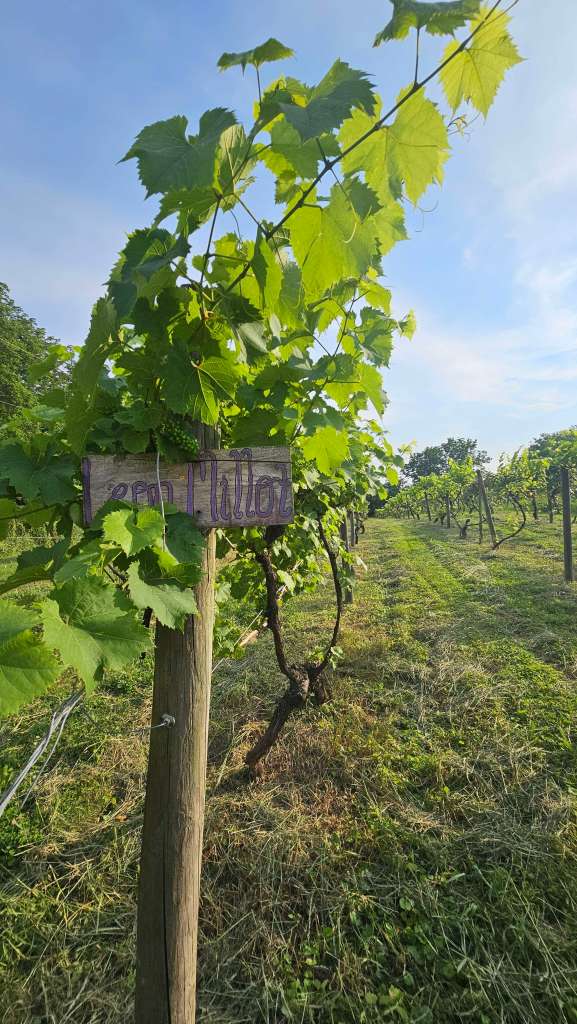
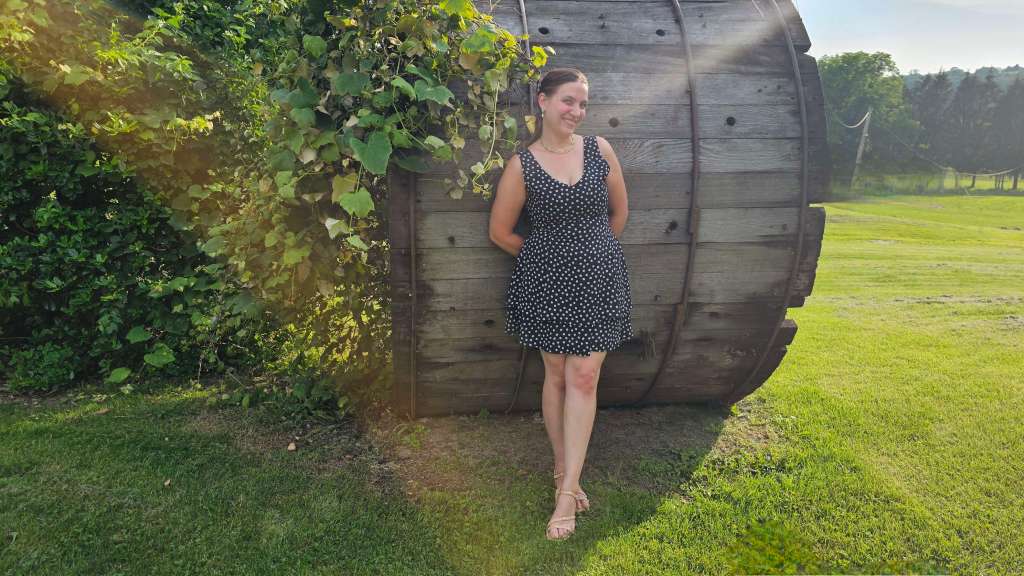
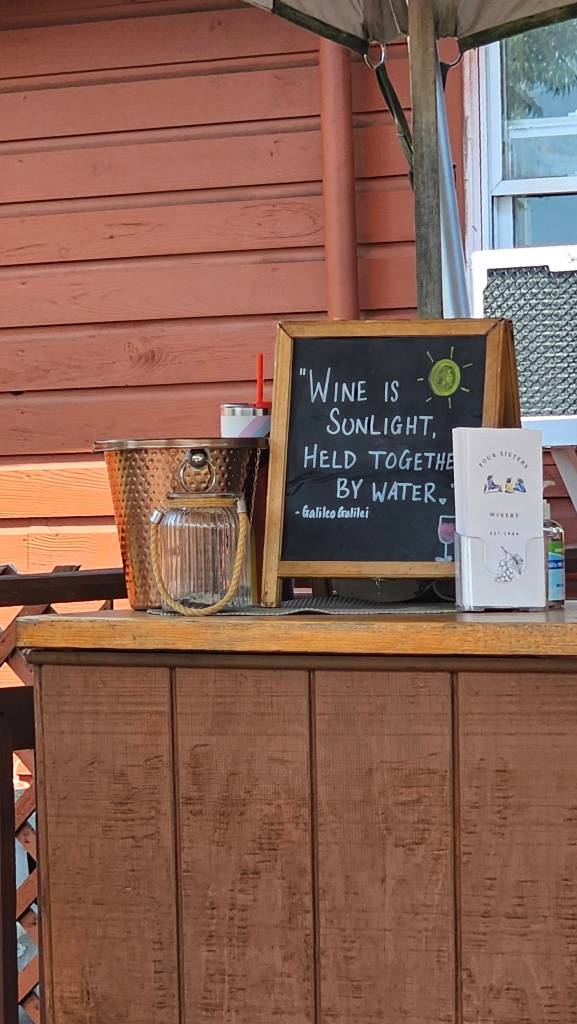
Four Sisters Winery was tucked among the trees with an unassuming sign and small shop. It belied the expansive four-acre vineyard boasting 19 varieties of grapes and three event spaces. We arrived early and relaxed under an awning listening to live music. The rustic benches and tables added to the atmosphere that they’ve clung to the older ways (although they probably have the modern machinery tucked away).

Once ushered into the event space, we were seated at a table with two other adult children treating their mothers and a pair of friends. It was delightful to make new acquaintances over the course of the evening.

Before the dinner commenced, we were given a short overview of the winery. The Four Sisters has been in operation for over 40 years, having begun by a farmer from Essex in 1984. His main focus was on vegetables but began to produce wine as a secondary revenue stream. It was such a success, the vineyard paid for all four sisters to go to college and obtain both their masters and PhD. However, it meant that none of the sisters were much interested in continuing to manage the vineyard and it was sold to the new owners a few years ago.

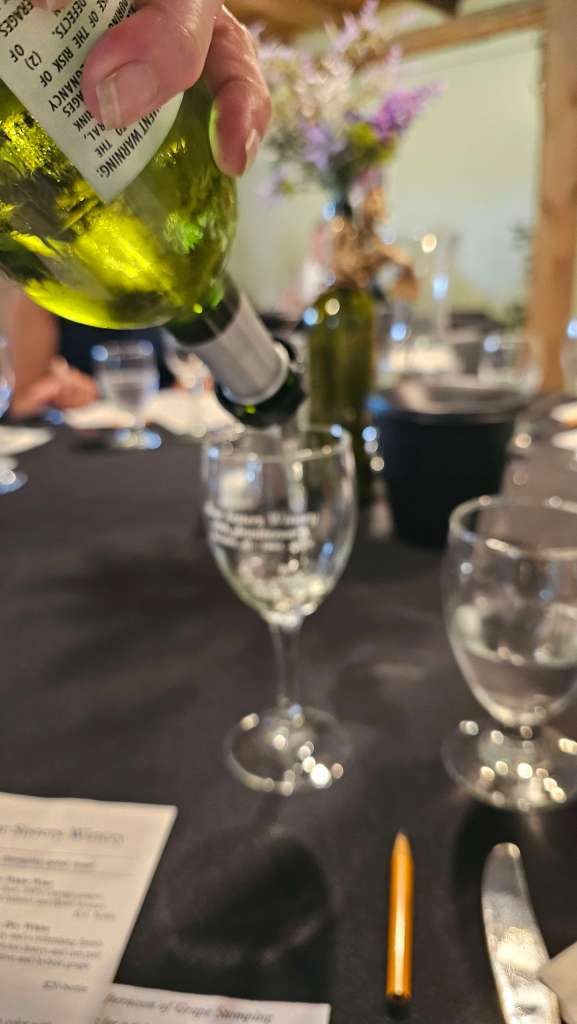
We tasted ten wines, ranging from whites to reds, dry to sweet. My preference leaned toward the reds and dry varieties, though a semi-dry called Cayuga stood out. We rated each wine, chatted about pairings, and judged grape varietals like seasoned sommeliers.

Dinner included a raspberry vinaigrette salad, parmesan chicken with pasta and seasonal vegetables, and a brownie for dessert. Dietary restrictions? Accommodated with grace. The vegan dessert of peaches and blueberries looked particularly delicious, a strong case for food envy.

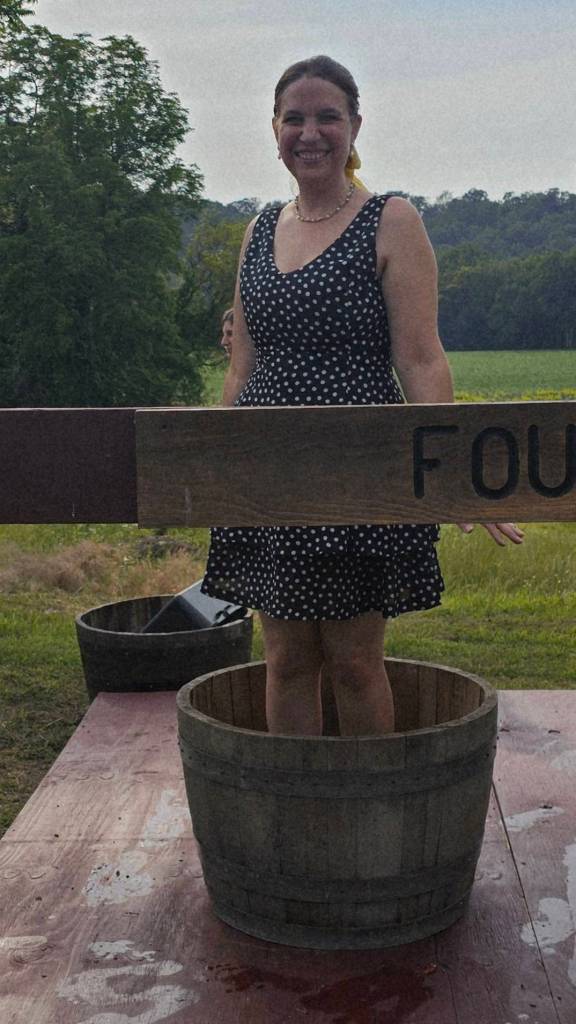
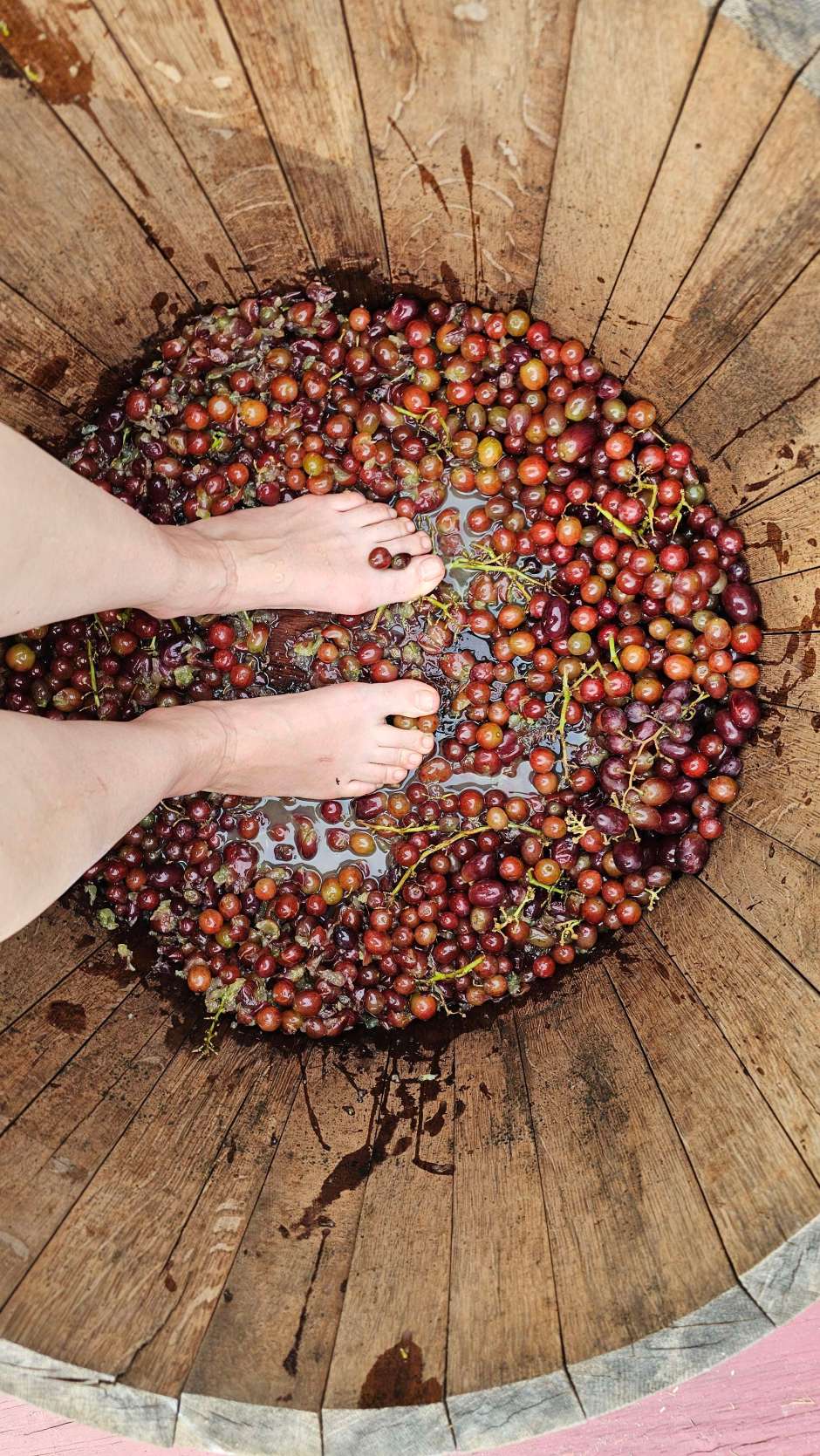
Then came the moment we’d been waiting for: the stomp. Three barrels were prepped for us to take turns. Slipping off my shoes, I stepped in. The sensation was surprising; the grapes rolled like a foot massage, slick and dense underfoot.  They slipped around as I tried to crush them and the barrel became slick underneath me. Grapes are a bit more dense than one may imagine. The stems of the grapes added an extra texture which lightly scraped my feet. I could not help but remember the songs about crushing the grapes as I moved around in the small barrel. It was clumsy, slippery, and joyful. I paused for a photo, then climbed out to let others have their turn.

A rinse station awaited to wash off the sticky grape residue. I grabbed my complimentary wine glass, said my goodbyes, and my mother and I set off, bottles of our favorite wines in hand, winding our way home with laughter and plans for our next adventure.

Most of my escapades happen close to home, but sometimes a short road trip delivers a memory worth bottling. This one was certainly like walking among the clouds.

How can you have a stomping good time?

If you’re lucky, you may live near a winery offering grape stomping events. A quick Google search of local wineries or wine festivals may reveal hidden gems. If it requires a road trip, consider turning it into a full-day or weekend experience.

But for those far from the vines? Bring the stomp to you. Invite friends, fill a barrel with grapes, spin some music, open a few bottles, and get stomping. (Just don’t drink the juice!) When you’re done, convert the barrel into a flower planter or save it for your next party.
Whether we go to the adventure or bring the adventure to us, life tastes better when we take the time to stomp the grapes.


Completed: 2025

Miles from home: 95

Cost: $60 per person

Salt, Steam, and Serenity: Self-Care on the High Seas


I’ve written before about being intentional with travel, seeking experiences that give you the most bang for your buck and making the most of every opportunity. I’ve also shared about my ongoing love affair with self-care and spa days. So when I booked my first cruise with my sister, it felt only natural to explore the ship’s wellness amenities, especially the thermal suite.

This particular suite offered a variety of spa experiences: a steam room, sauna, salt room, sanarium, hot tub, and even a snow room. It was like a smorgasbord of relaxation.

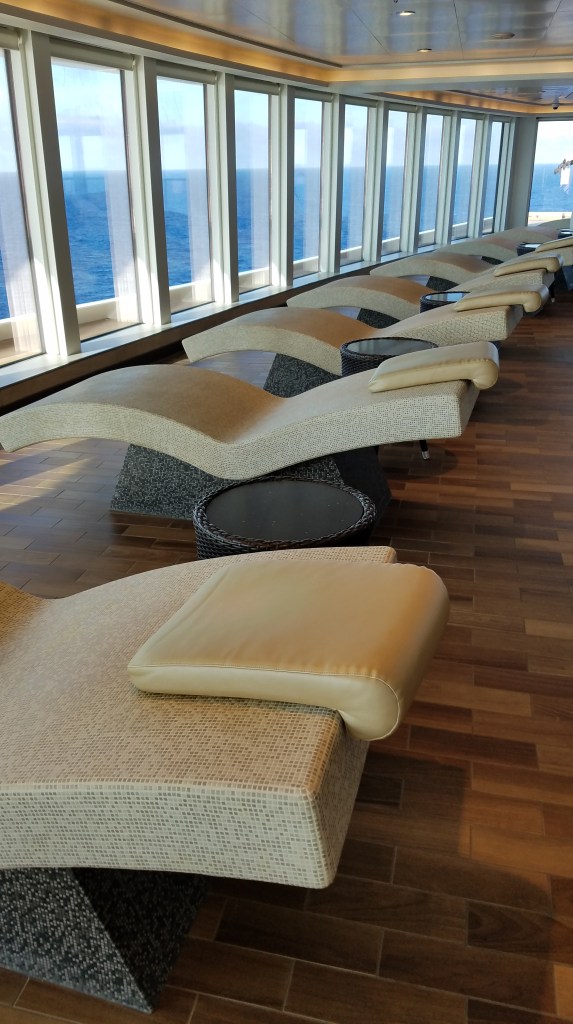
As someone who values health and is always open to new experiences, I chose to pay for the thermal suite upgrade, which granted unlimited access for the full seven-day voyage. At about $200, it felt like a worthwhile investment, an opportunity to explore several treatments without paying for each one individually. I’d been curious about these kinds of experiences for a while but hesitant to try them back home. Here, in the peaceful, adults-only section of the ship, it felt risk-free. The space offered stunning views, heated stone loungers, and a quiet, luxurious ambiance.

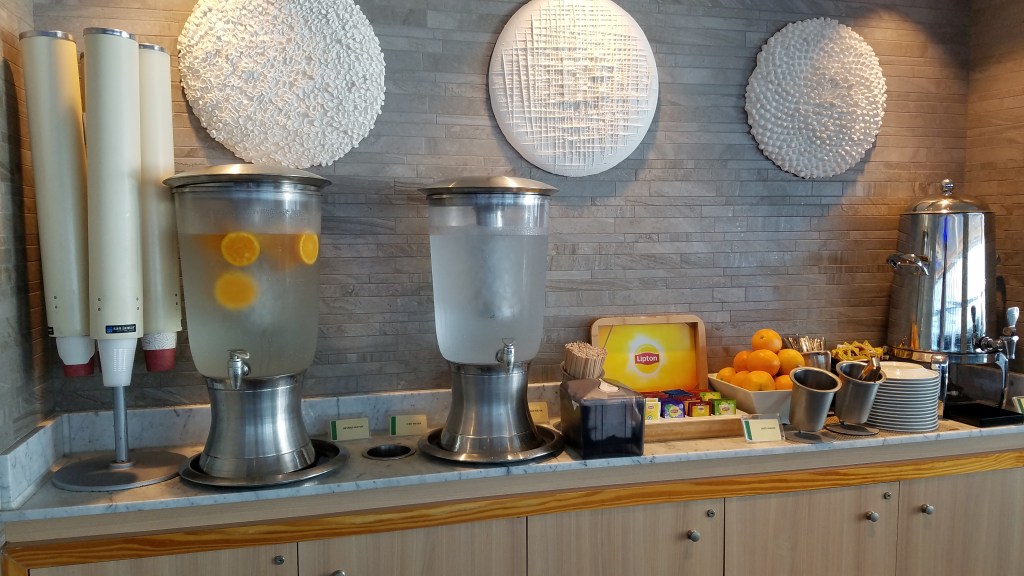
Tucked at the front of the ship and high above the ocean, the thermal suite may have had the best view onboard. The warm, lightly scented air welcomed me instantly. A refreshment station offered fruit-infused water, tea, and plush robes from the changing rooms completed the sense of serenity.

A Spa Circuit at Sea

My first stop? The sauna.

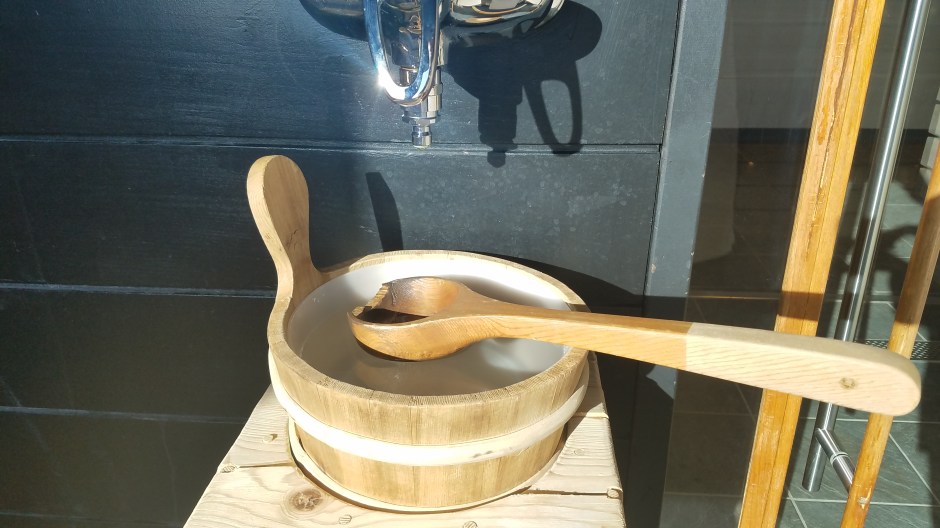
Built in traditional Scandinavian style, the sauna featured pale wood and tiered seating, with a bucket of water to ladle onto the hot stones. While the dry heat felt mild at first, I was quickly overwhelmed and made a dash for the snow room—just like a Scandinavian might leap into a snowbank after a hot session.

Normally, I loathe the cold, but fresh from the sauna, the snow room felt invigorating. I stayed for five to ten minutes, letting the chill settle into me before returning to the sauna. Alternating between hot and cold therapy is said to improve circulation and support immune health, but I simply enjoyed how it made me feel—refreshed, relaxed, and alert. This became my morning ritual. Few others visited early, so I often had the space to myself.

The sanarium, while similar in design to the sauna, was cooler and more humid—ideal for those with allergies or respiratory concerns. It didn’t appeal to me as much. Likewise, I found the steam room too intense; the heavy eucalyptus-scented air and thick mist overwhelmed my senses. I couldn’t see more than a foot in front of me, which made it feel disorienting rather than relaxing.

The salt room, on the other hand, was a quiet surprise. Halotherapy is said to support respiratory health, reduce stress, and improve skin. Whether or not those claims hold up, I appreciated the soft lighting and the calming pink glow of Himalayan salt. Without a view, it became the perfect space for reading and reflection.

To round out my spa circuit, I soaked in the thermal pool—a supersized hot tub with vigorous jets that massaged like a skilled therapist. A gentler hot tub was available nearby, and I alternated between the two before finishing each visit on the heated stone loungers, gazing out across the ocean.

Self-Care at Sea

Throughout the cruise, I returned again and again to the sauna, the thermal pool, and the loungers. These became my personal sanctuary, often the quietest places on the ship besides my own cabin. While not every experience was my favorite, I’m glad I tried them all. This voyage was about exploration, not only of new places, but also of myself. I learned what soothes me, what challenges me, and what I’ll say yes to again. A sauna-and-snow-room combo? Absolutely. Another go in the eucalyptus steam bath? Probably not.

More than anything, this experience reminded me of the importance of self-care. I’ve said it before, and I’ll say it again: it’s easy to forget your own needs. Even on vacation, we tend to bend to others’ expectations or try to do it all. In the rush, we forget to rest.

This spa day at sea gave me permission to slow down, recharge, and care for myself. It wasn’t just a treat; it was a necessity.


How Can You Enjoy a Full Spa Experience?

In my experience, land-based spas are often more limited in scope. You might find a sauna but not a steam room, or a hot tub with no cold plunge or salt room. That’s why this cruise was such a compelling opportunity, a chance to explore a wide range of spa treatments in one location. It’s a perfect example of applying the Budget Bucket List philosophy: maximizing experiences without breaking the bank.

Still, land-based options do exist. Some high-end resorts offer full thermal circuits (at a higher price point), and you might find hidden gems in unexpected places with a little research and curiosity. Keep your eyes open, and don’t hesitate to ask questions or explore.

I encourage you to seek out opportunities like this for yourself. Who knows, you may discover a new ritual to fold into your everyday life. Because a well-lived life isn’t only made up of adventures and accomplishments. It also includes intentional moments of rest, reflection, and renewal.


Completed: 2019

Miles from home: About 800 miles to Bermuda

Cost: $200 upcharge

A Blind Date: A Bookshop, A Park, and A Historic Site

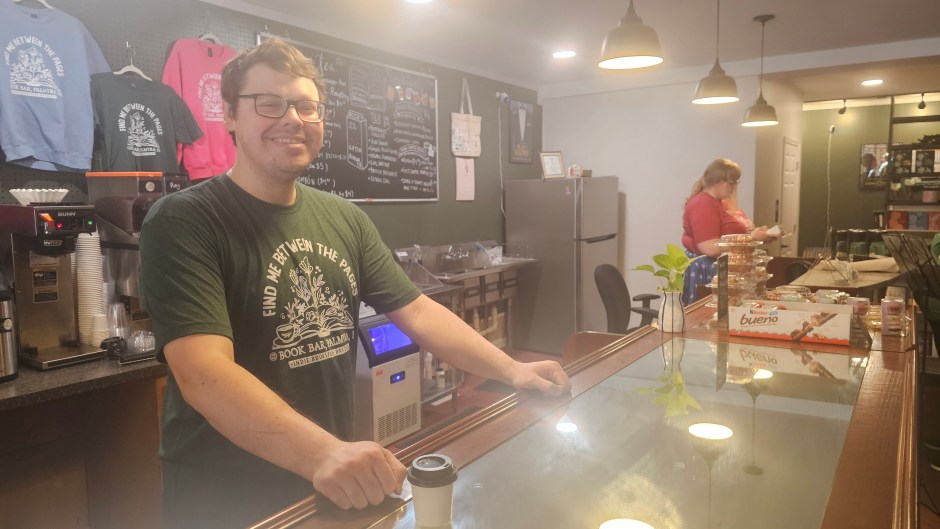
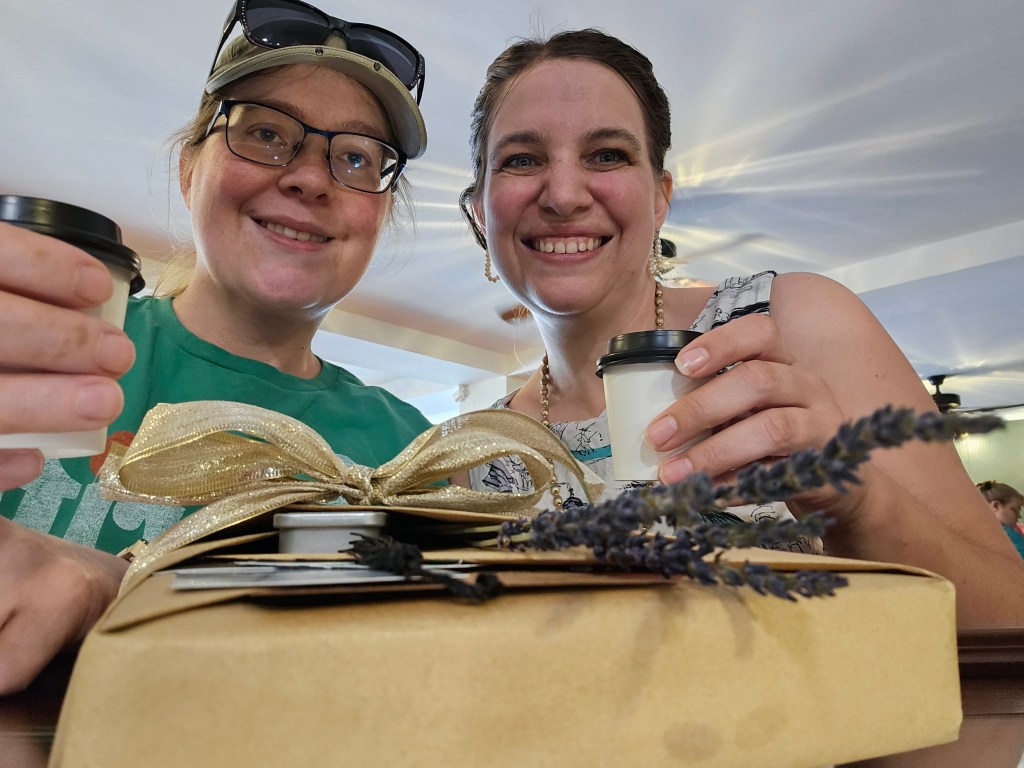
We were first introduced on Indie Book Day, with a subtle hint of mystery and the allure of suspense among the bookshelves of the BookBar. The bartender handed me a drink on the house with a wink and a smile. The aroma wafted up from the cup, promising a rare treat. With a slow sip, a burst of rich flavor exploded across my tongue, accenting the dark roast and chocolate with a lingering whisper of strawberry for a sweeter finish. It was with this drink in hand that I browsed the shelves in search of hidden treasures.

The aesthetic of the shop resembled an old private library in England with a slightly gothic bent: dark walls, rich old leather sofas, and trinkets more expected in a professor’s office than a place of capitalism. It all set the atmosphere of whispered stories on stormy nights. But indie bookstores are known for their peculiarities.

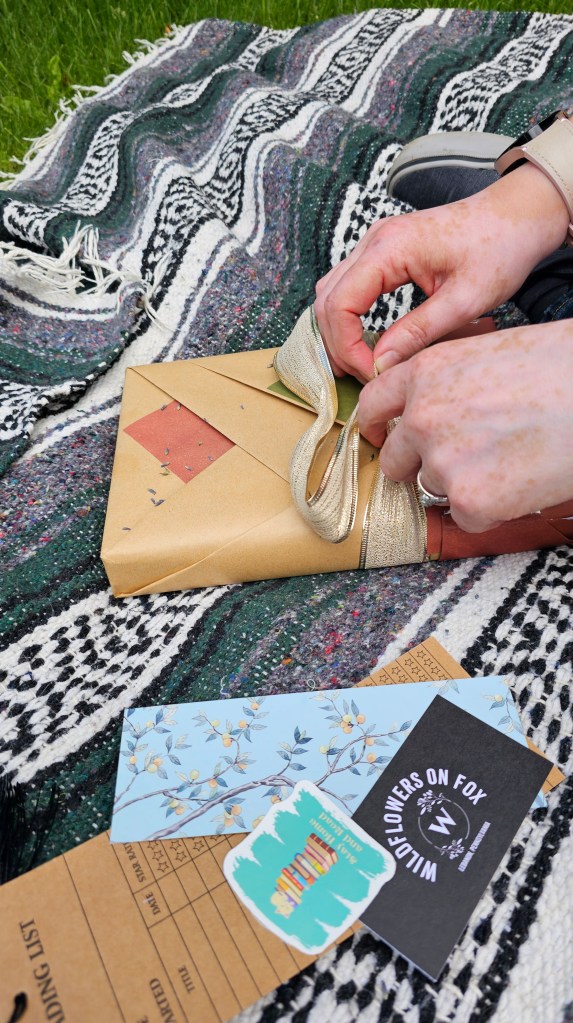
It was there that I was first introduced. Not directly, of course—nothing so uncouth. Our meeting was arranged through the usual channels: a third party carefully selecting options suited to a lady’s general tastes. The matchmaker, ever busy, offered a short meeting and a curated selection of potentials. Each came wrapped, labeled only by genre, with a few clues as to what might await.

I made my choice and a plan was hatched: a rendezvous, a park, a picnic, and of course, my blind date. My sister joined me, not as a chaperone, but with a date of her own. A married woman, you ask? Was I part of a scandal? Not when the blind date is with a book, dear reader!

Yes, BookBar not only serves up delicious coffee and mocktails with a side of dark academia, but it also offers a unique reading experience designed to stretch your literary palate. Each mystery book is carefully wrapped with a genre label, accompanied by a few sprigs of lavender, a lip balm, bookmarks, and stickers—everything you need to charm a curious reader.

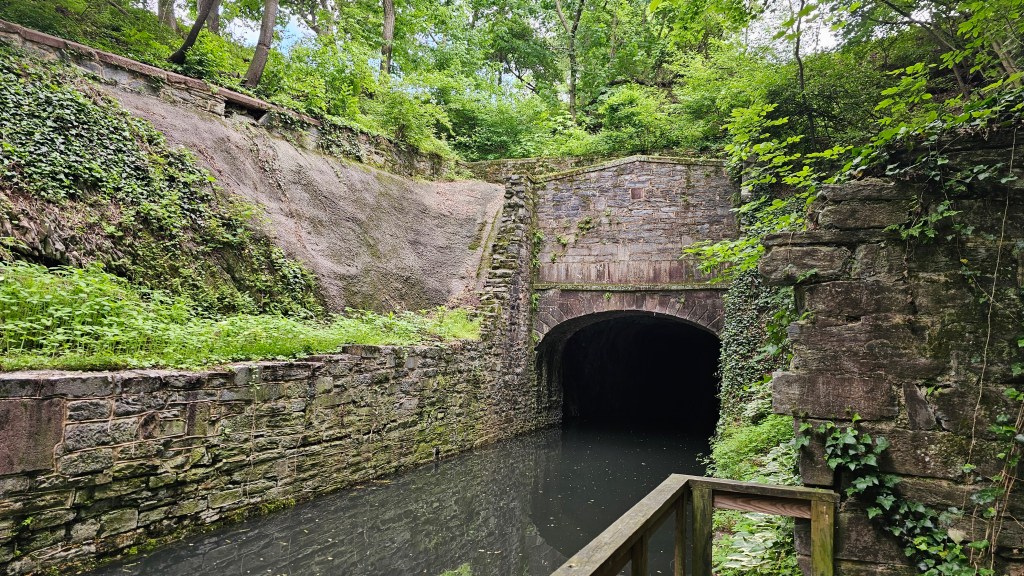
A few days before, we checked the weather and settled on a park near my sister’s home. To our delight, we discovered a local hidden gem: the oldest existing water transportation tunnel in the United States. Naturally, the history nerds in us were thrilled.

The canal’s beginnings date back to 1792, during George Washington’s administration, though financial troubles delayed its completion until 1828. This golden link of trade connected east and west, serving the expanding nation until 1881, when the Lebanon Valley Railroad rendered it obsolete.

Today, the remaining stretch is lovingly maintained by the Historical Society of Lebanon County. Only a small fraction of the canal remains, surrounded by parkland and dotted with plaques detailing the history and engineering marvels of the time. The park includes a pavilion, picnic benches, and a meandering path alongside the river. Every Sunday, they even offer boat tours through the tunnel—a dream for any history buff.

My sister and I spread out a picnic of crackers, cheese, and meats under a shady grove. We caught up on life as the breeze gently rustled the trees. The weather was cool for mid-May, but nearly perfect for reading. No harsh glare from the sun, no stifling heat—just peace and pages.

When we opened our blind date books, mine turned out to be a historical mystery thriller with a dash of time travel, set in Victorian Scotland. A surprisingly perfect pairing with our 19th-century setting! I found the forensic methods of the era fascinating, especially in contrast to modern crime-solving techniques. My sister’s book was a thriller translated from Ukrainian, and she was equally pleased with her pick. We agreed this date was well worth repeating.

After an hour of reading, we explored the rest of the park. What we found was a quiet oasis tucked away from the modern world. Birdsong echoed across the water, interrupted only by the occasional “plop” of frogs and fish. We climbed a small hill to better see the tunnel and read each historical plaque. A small bridge overlooked an old lock that once helped boats travel along the canal.

It wasn’t quite the Panama Canal we visited last spring, but it was still an impressive feat of engineering and a reminder of human perseverance. We couldn’t help but reflect on how far we’ve come—not just in terms of technology, but culture and society. What would the Irish laborers who built the canal think of the world today?

Want to Plan Your Own Literary Adventure?

You don’t need a fancy bookstore to enjoy the fun of a blind date with a book. Etsy has plenty of options, and you can always go with a DIY version. Take a friend or sibling to a bookstore, pick out books for one another, wrap them up, and head to your favorite park for a reading picnic.

Even cheaper? Just borrow something new from a friend’s bookshelf. My sister and I frequently swap books this way, and we’ve each discovered new favorite authors as a result.

To find local gems, try Google Maps with keywords like “historic site”, “attractions,” “museums” “hidden park,” or “walking trails.” Check the reviews on obscure places with 4.5+ stars but few reviews as these are often true gems. Believe it or not Reddit can be a source for ideas from locals that you won’t find on the travel sites. Try searching for hidden gems in your city or browse the local subreddits. I also recommend going to your local library and checking out the bulletin board. Some cities have bloggers devoted to uncovering local secrets—you might be surprised what you find just outside your front door.

Completed: 2025

Miles from home: 25 miles

Cost: $50 (for the book and picnic)

Beneath the Blooms: Sakura Dreams

I believe it shall come as no surprise to you, dear reader, that I’ve long held a dream of visiting Japan and count myself as a bit of an otaku. I’ve imagined seeing Mt. Fuji rising above the mist, taking in the sights of Tokyo, enjoying the fashion, engaging in traditional dances, exploring vibrant festivals, wandering through a pagoda, pausing at a temple, sipping macha in a teahouse, visiting a cat café, contemplating nature in a garden and, of course, strolling beneath the cherry blossoms.

A few of these I’ve managed to do here in the States. Others remain only possibilities, others still achievable only if I someday find myself walking on Japanese soil.

Each spring, I see flowering trees dotting my neighborhood and lining the roads, and I sigh wistfully. They tease me with just a taste of what could be. My social media feeds fill with dreamy pictures from the far East (or perhaps more accurately, the West?). Japan’s landscape becomes a fleeting spectacle of pink and white blooms, a soft riot of ephemeral beauty.

This delicate flower, sakura, is more than just a seasonal joy. It is a cultural icon, deeply rooted in Japanese tradition and mythology. The goddess of blossoms and delicate matters is said to have nurtured the cherry trees. One beloved tale tells of Princess Sakura, cursed to bloom and wither like the trees she loved. Only a prince who could watch her fade without despair could break the spell. The blossoms have graced artwork for centuries, inspired poets, and appeared again and again in anime and manga as symbols of renewal and hope.

Is it any wonder, then, that I too have fallen in love with this flower?

So, each spring, I look longingly at the blooming trees and wish I could follow the blossoms across Japan, chasing their brief splendor up the country. Imagine my delight, then, when I discovered that a nearby town is home to a row of 150 cherry trees that burst into bloom each year. Naturally, I set out on a quiet morning to witness the display.

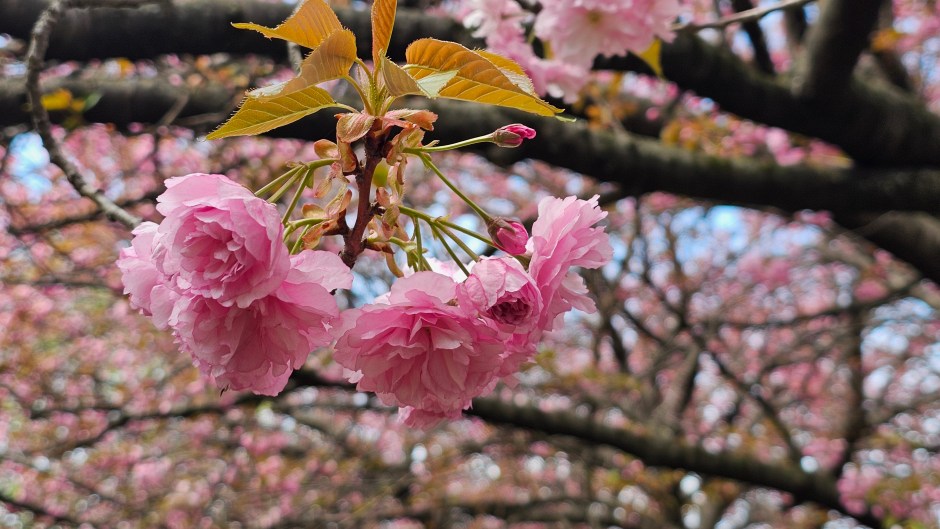
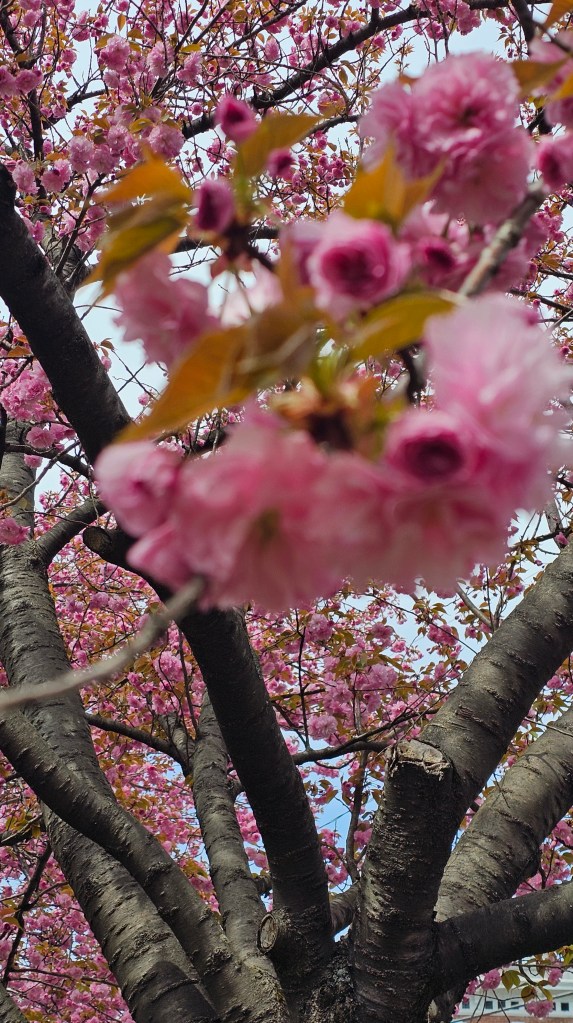
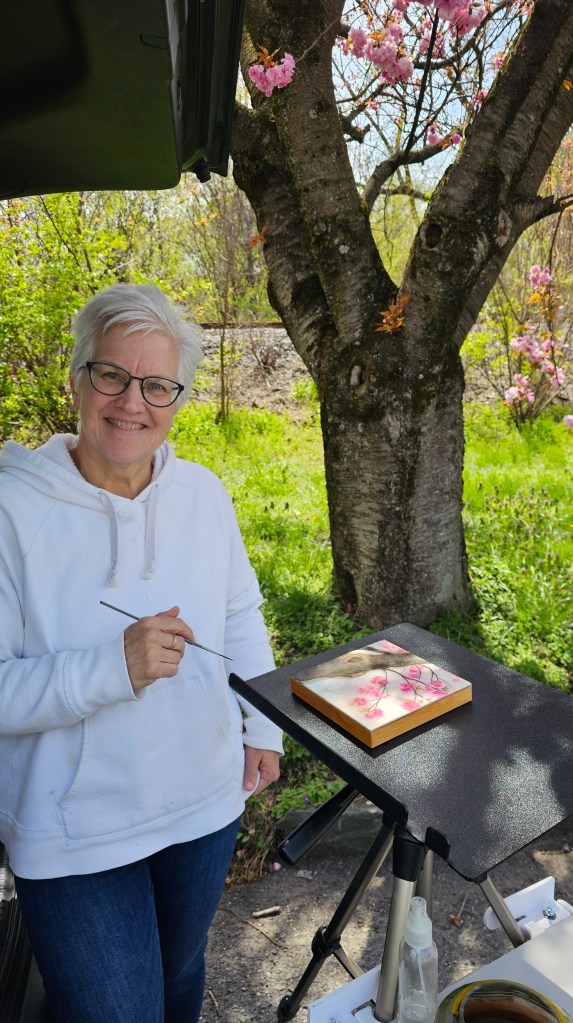
The trees stood in a stately row, forming a tunnel of soft pink. The delicate scent hung in the air, and a gentle breeze coaxed the blossoms into a graceful dance. Bicyclists glided past on the quiet street, and two painters sat capturing the season’s glory on canvas.

I wandered beneath the trees, breathing in the fragrance, taking photos to help preserve the memory. There was no formal path beneath them, just dark, soft earth that yielded slightly beneath my feet. The blossoms hadn’t yet begun to fall, though a few brave petals had already drifted to the ground, a gentle reminder that all too soon the branches would give way to summer’s green.

I was in good company as several painters were scattered along the row of trees. It was a delightful treat to be able to watch them capture the beauty of the trees extending it beyond the ephemeral spring season.

While it may not rival the landscapes of Japan, it was a small and beautiful taste of a dream. I’m glad I made the short journey to Marietta to witness their bloom, even if only for a moment.

How can you stroll beneath the cherry blossoms?

You may not need a passport or a plane ticket to find them. Sometimes, the dreams we tuck away for “someday” bloom quietly just down the road. Perhaps your local trees are smaller, or fewer, or missing the dramatic backdrop of a mountain temple, but their beauty is no less worthy of awe. A few trees in a quiet town, the whisper of petals in the breeze, and a moment stolen from the rush of life to simply stand and marvel, that, too, is magic.

So, dear reader, look around. Google may be your travel agent, but curiosity is your compass. The world, as it turns out, is blooming right outside your door.

Completed: 2025

Miles from home: 20

Cost: Free

Instagram Lied: Travel Is Gross, Beautiful, and Worth It

Ah, social media. A window to the wider world, filled with sweeping drone shots, glamorous airport lounges, perfect sunsets. A bastion of lies and filtered falsehoods.

I particularly love the “expectation vs. reality” videos: serene music turning to off-key chaos as the camera pans from a peaceful mountaintop to the hordes of tourists swarming the same spot. A perfect reminder that what’s posted is rarely what’s actually experienced.

Most social media travel stars wake up at 4 a.m. to beat the crowds and capture that “authentic” moment. What they don’t show? The sweaty hikes, the blistered feet, the questionable toilets, the stress, the transit delays, and the minor existential crises that often come free with your ticket.

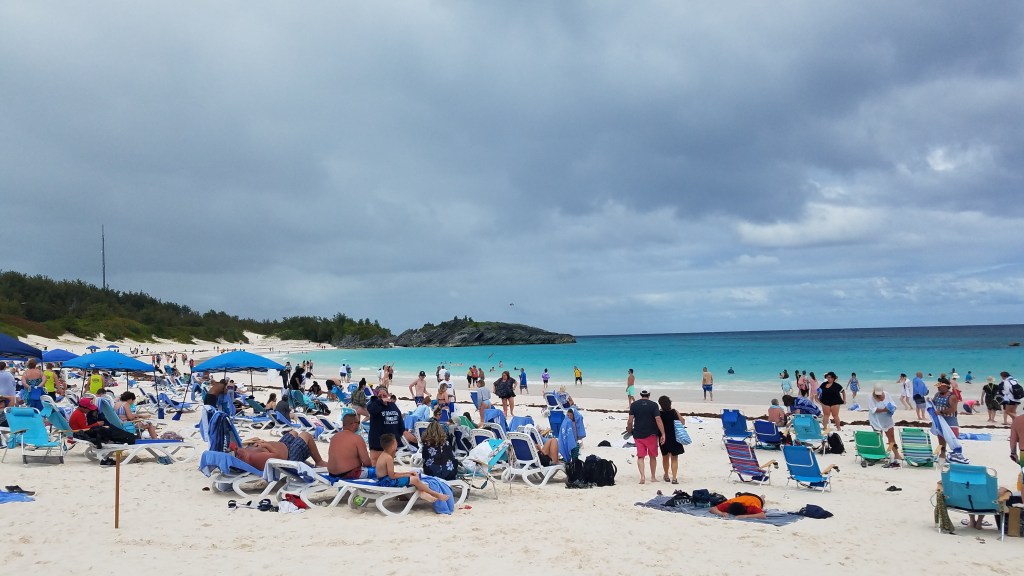
A crowded beach on the pink sands of Bermuda.

Let’s be honest, travel isn’t always glamorous. Plane rides can feel like being packed into a flying sardine tin. That dreamy Airbnb may smell like artificial lavender death. And the less we say about the bathroom situation in some places, the better. Seriously, though.

Even the photos lie. Take the pyramids, for example; they’re usually depicted as isolated wonders in the desert. In reality? Turn around and there’s the city of Cairo, complete with a McDonald’s. The rainbow hills of Peru? Instagram makes them look like Lisa Frank threw up on the Andes. In person, they’re fascinating but much more subdued.

And even when something is worth the hype, there are still snags. During my trip to England, I didn’t plan for a closed castle (thanks, high winds) or a GPS signal that vanished the minute I needed it. I didn’t expect public transit to lack accessibility for my mom, or for delays with the trains. My trip was amazing and beautiful; it was everything I would have hoped for, but there were still moments that kind of sucked.

2017 Solar Eclipse

The 2017 solar eclipse? Cloud cover rolled in exactly at totality after I waited sweating in the southern heat for hours! Nature has a sense of humor.

Closer to home, even my local excursions are rarely perfect. The Firebird Festival? Visually stunning, yes, but also freezing cold and delayed by 30 minutes. My toes were plotting a rebellion as soon as they were thawed. The Tea Festival? Lovely, but forced into a crowded church basement by rain. Less “royal tea” and more “steamy sardine can.” That long-awaited hot air balloon ride? Grounded due to “iffy conditions” on what looked like a perfectly fine day. Perhaps, the balloon was sick.

And yet, those imperfect moments are the ones that stick. They’re the ones you tell stories about. They’re the quirks that make a trip memorable instead of just photogenic.

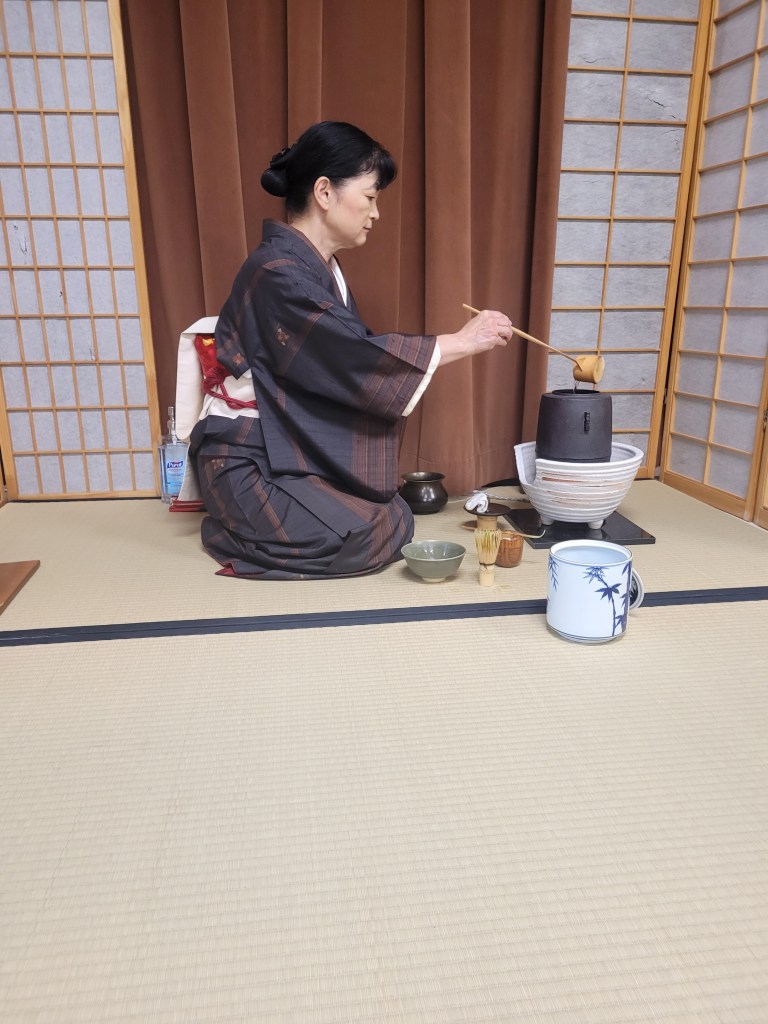
An intimate Japanese Tea Ceremony

When the Firebird crowd chanted “Light the bird!” in shared frostbitten frustration, I joined in. It was hilarious. When the rain forced us indoors at the tea festival, I ended up experiencing an intimate Japanese tea ceremony I otherwise would’ve missed. The cancelled balloon ride meant exploring a unique Star Barn one of the last in the nation. And a delayed train led me to a delightful conversation with fellow travelers about the cultural quirks of the U.S. and the U.K., a highlight of that entire trip. Getting lost in Washington D.C. led to snagging the last tour of the Congressional Building.

Setbacks create space for serendipity. They force us to slow down, reframe, or reroute, and in doing so, they give us something richer than a postcard-perfect moment. They give us stories, growth, and sometimes even stronger relationships.

That attitude—embracing the obstacle—has completely transformed how I travel. My sister and I started tackling trips together we never thought we could. Our bond has grown deeper because of the messiness, not despite it. I’ve even expanded my circle because of the chance encounters that travel disasters can bring.

Perfect trips don’t exist.

But imperfect trips?

They make perfect adventures

Sky Glitter and Cannon Fire: Firework Memories from Home and Abroad

Dear reader, today is the day that my home country celebrates its independence! Our festivities may vary from cookouts to parades to poolside parties to relaxing in the woods, but almost everyone celebrates with fireworks. It’s practically a patriotic requirement. So it seems appropriate to reminisce about some of my favorite firework experiences, both from this time of year and from unexpected corners of the world.

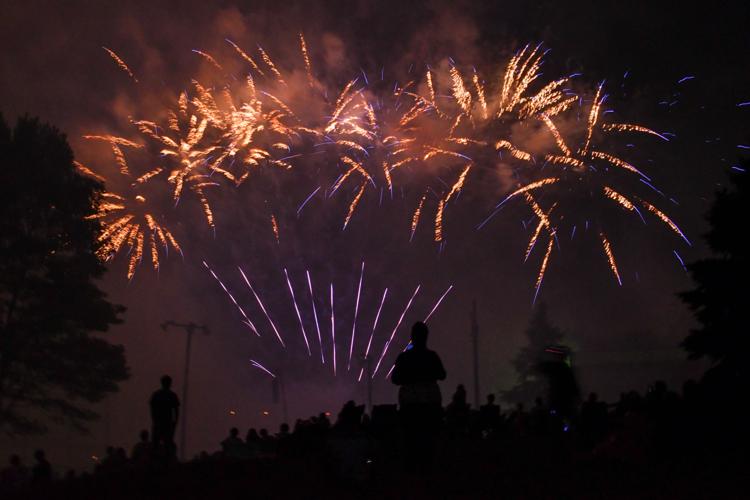
Let’s begin where traditions run deep: the annual Fourth of July celebration at Lititz Springs Park. Nestled in one of America’s oldest and most charming small towns, this celebration is one of the longest-running Independence Day events in the country. The entire town rolls out the proverbial red, white, and blue carpet. There’s a lively parade, complete with waving kids, twirling batons, and the obligatory fire engine sirens. In the park, music drifts through the air, mingling with the scent of funnel cakes, roasted corn, and sunscreen. The spring-fed stream is transformed into a glowing ribbon of light, lined with thousands of floating candles. Wooden swans from the 1950s, elegant, slightly weathered, and endlessly photogenic, glide across the water like time travelers from a more genteel age. And of course, there’s the Queen of Candles pageant, which, in a uniquely Lititz twist, has historically filled the role of prom queen, hence the local high school doesn’t crown one separately. As dusk settles in and fireflies join the fun, the evening culminates in a firework display that lights up the night sky, echoes through the nearby hills and can be seen throughout the surrounding area.

But that’s not the only show in town. Just a few miles away, another local tradition offers a decidedly more dramatic flair, complete with orchestras and cannon fire. Yes, dear reader, you read that correctly: cannon fire. In a neighboring park, an open-air concert features a full symphony performing patriotic and classical pieces. Families sprawl out on blankets, picnics are enjoyed, and toddlers chase bubbles while the sun slowly dips below the treetops. As the orchestra swells into the iconic strains of the 1812 Overture, a real, honest-to-goodness cannon is wheeled out. At the appointed moment, BOOM! The shockwave hits your chest, toddlers jump, and somewhere a dog begins howling in protest. Then of course the second one rings out in time with the music just as Pyotr Ilyich Tchaikovsky intended! And then, fireworks! Bright, bursting blooms cascading overhead in a breathtaking finale that leaves your ears ringing and your soul strangely soothed.

Not all firework memories come with stars and stripes. In the summer of 2009, I found myself studying abroad in Marburg, Germany. As July 4th approached, I was surprised by a small, sentimental wave of homesickness. Normally, I wasn’t one for the massive crowds that accompany large celebrations (after all, humanity is best enjoyed in moderation), but the quiet sense of cultural ritual was something I missed. I was preparing myself for a solo evening of wistful nostalgia, perhaps consoled with chocolate. Instead, I learned that Marburg hosts its own festival around the same time of year. I joined the locals for ice cream by the Lahn River, enjoyed a leisurely boat ride beneath the canopy of summer trees, and danced (awkwardly) to rock music echoing through the cobbled streets. As night fell, fireworks erupted in a brilliant display over the 13th-century Landgrave Castle. Watching colors explode above a medieval fortress while nestled in the Oberstadt (Marburg’s charming old town) felt like stepping into a fairytale. It was a reminder that celebration and beauty know no borders.

And then there are the fireworks that set the global standard: Disney. If America had a national fireworks team, Disney would be it. Their shows are not just displays; they are full-blown productions of light, music, narration, lasers, and occasional pyrotechnic sorcery the likes that only Disney’s mouse are capable of! I’ve had the pleasure of witnessing them both at Epcot and Magic Kingdom. At Epcot, it wasn’t just nostalgia that hit me, but personal pride, my high school marching band once choreographed an entire halftime show to the music of “Reflections of Earth.” Seeing it performed live, as fireworks danced to familiar melodies, was a surreal and deeply satisfying moment, especially since that was the show that landed us 7th at our Championships. At Magic Kingdom, the fireworks soar above Cinderella’s Castle like Tinkerbell’s own personal art project. The crowd gasps, the music swells, and even the most stoic adults find themselves grinning like five-year-olds in awe of the magic.

Fireworks are more than just explosions in the sky. They are shared moments of awe, connection, and celebration, tiny temporary galaxies that remind us, if only for a moment, to look up and be amazed.

So, dear reader, how might you best enjoy your own firework festivities?

I needn’t tell you were to find fireworks as displays abound, especially at this time of year. However, whether you’re lighting your own sparklers in the backyard or attending a grand symphonic spectacular complete with live cannon fire (as one should), a little preparation turns a chaotic scramble into a delightful experience. Here are some practical tips to help you enjoy the show like the seasoned firework connoisseur I know you are (or could be):

1. Stake Out Your Spot Early
Fireworks wait for no one, and neither do the best viewing spots. Arrive at least an hour before dusk if you’re heading to a public park or festival. Bonus points if you bring a blanket and a foldable chair, doubly so if the chair has a cupholder.

2. Embrace the Picnic Mentality
Don’t rely on concession stands unless you love $8 hot dogs and unidentifiable cheese. Pack your own snacks, fruit, cheese, a cheeky beverage (where legal), and something sweet for the grand finale. A thermos of hot cocoa for chilly nights or a chilled lemonade for sweltering ones makes all the difference.

3. Dress for the Elements
Check the weather, then dress for being outside twice as long as you think. Mosquitos? Bring bug spray. Chilly breeze? Bring a wrap. Possibly raining? Ponchos over umbrellas, they’re less stabby in a crowd. Sensible shoes are your friend. You will be walking in the dark, on grass. Heels are for fantasy novels and indoor galas.

4. Think Like a Scout: Be Prepared
Wet wipes, tissues, and a flashlight app will instantly make you the MVP of your group. And for those with sensitive ears (or children in possession of them), ear protection can turn terror into delight.

5. Make It a Whole Evening
Fireworks are the climax, not the whole story. Bring a book, a deck of cards, or engage in the ancient art of people-watching. Let the pre-show ambiance become part of the memory.

6. Be Kind to the Creatures
If you’re a pet parent, please remember that Fido is not a fan of fireworks. Leave him safely at home with a white noise machine and his favorite toy. Fireworks are for humans and ducks that didn’t get the memo to migrate.

7. Take It All In: With Your Eyeballs
I say this with love: put your phone down. Snap one or two photos if you must, then actually watch the show. Fireworks are about the experience, the sound rumbling in your chest, the heat of the crowd, the oohs and aahs, and your iPhone will never do it justice.

In the end, whether you’re watching from a blanket in a quiet town park, a crowded theme park plaza, or your own backyard with sparklers and a playlist of John Philip Sousa, the magic is the same. For a few brief moments, we all look up at the same sky, eyes wide, hearts light, reminded of wonder.

Completed: multiple times in childhood

Cost: Ranges from Free to $164 (Epcot day pass circa 2025)

Miles from home: 0 (hometown) to 4,000 (Marburg, Germany)

Share your own adventures with me on Instagram! Just tag BudgetBucketList!

Tiptoe Through the Tulips

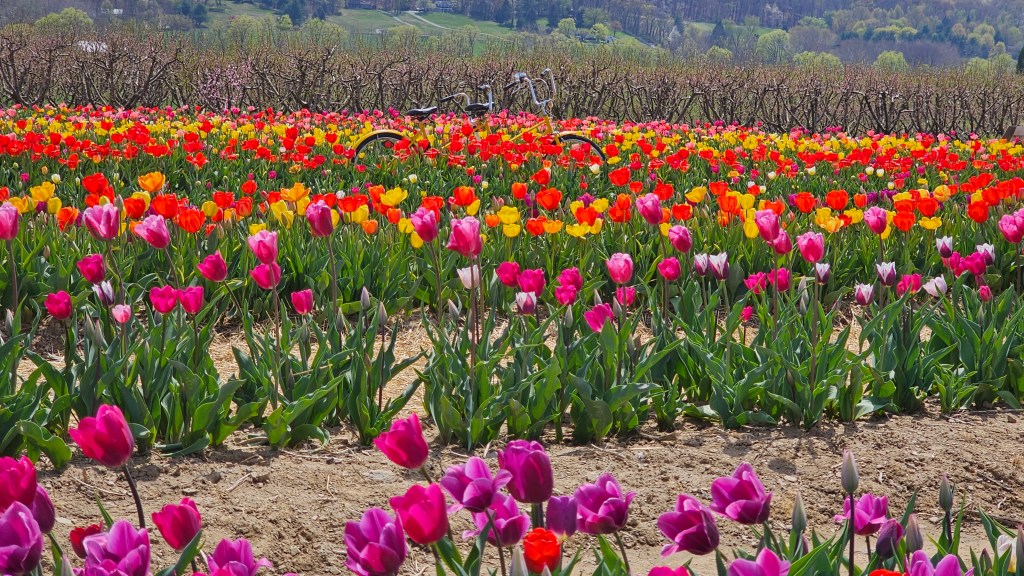
Tulips the early heralds of spring and the changing weather fill the hills with bright rows of color. Their hues stretch across the spectrum, from fiery red to deepest purple, and their petals are just as varied. They’re also famously tied to history’s first financial speculative bubble, a craze that plunged many Dutch citizens into ruin and left a lasting mark on market regulations. Still, despite that rocky past, the Dutch never forgot their love affair with the flower. Today, they remain a leading producer of tulip bulbs, and each spring, massive swaths of land transform into a living quilt of color as millions of flowers bloom.

I’ve always loved pictures of those majestic fields, windmills standing vigil over seas of blossoms. That said, my allergies would likely stage a protest in the Dutch countryside—and truthfully, the Netherlands doesn’t rank high on my list of must-see destinations. Maybe I’d go if the opportunity presented itself, but there’s no guarantee that it would align with the short-lived tulip season.

What’s a budget-minded girl to do? As it turns out, sometimes you stumble upon the perfect solution when you’re not even looking for it.

There are times when an answer appears to a question you didn’t even know you’d asked. I’ve certainly enjoyed pictures of Holland’s flower fields, but they never inspired the wistful longing other countries have stirred in me. So, I didn’t add them to my list, dismissing the idea out of hand. I try to keep my travel dreams at least somewhat realistic—or else the list would be three times as long. But let this be a lesson, dear reader: never dismiss a dream, no matter how small or unformed.

Though I never truly asked, the universe still answered with a humble billboard: “Tulip Field, Opening April 12th.” Tulip fields? In Pennsylvania? Perhaps I was too quick to rule out my floral fantasy.

April 12th turned out to be cold, wet, and rainy and not ideal for tiptoeing through anything. Besides, opening day crowds come with added chaos and, let’s be honest, possibly terrible music. Twangy Country or bouncy pop blasting over loudspeakers isn’t how I envision my contemplative flower field stroll. I checked my calendar for a better date, one early enough to catch peak bloom, but not a weekend (crowds again!) and ideally with cheaper tickets (this is a budget minded blog, after all).

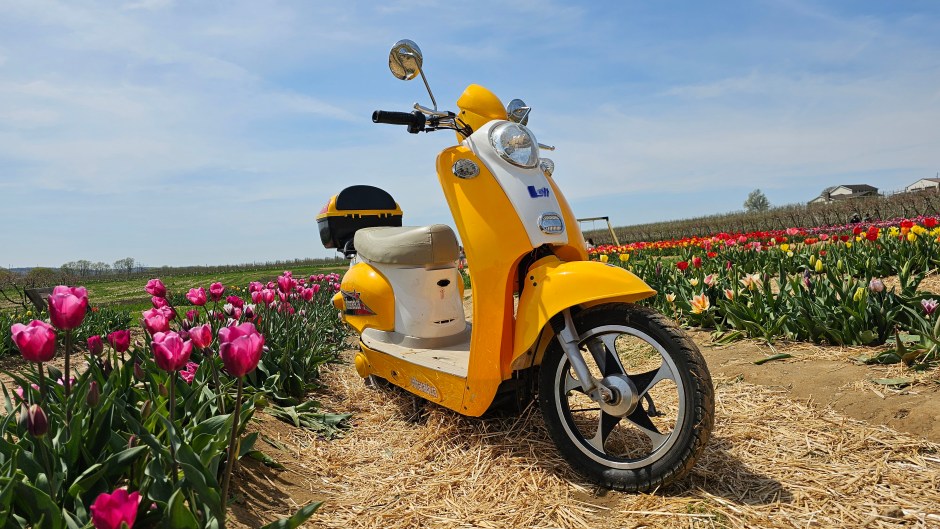
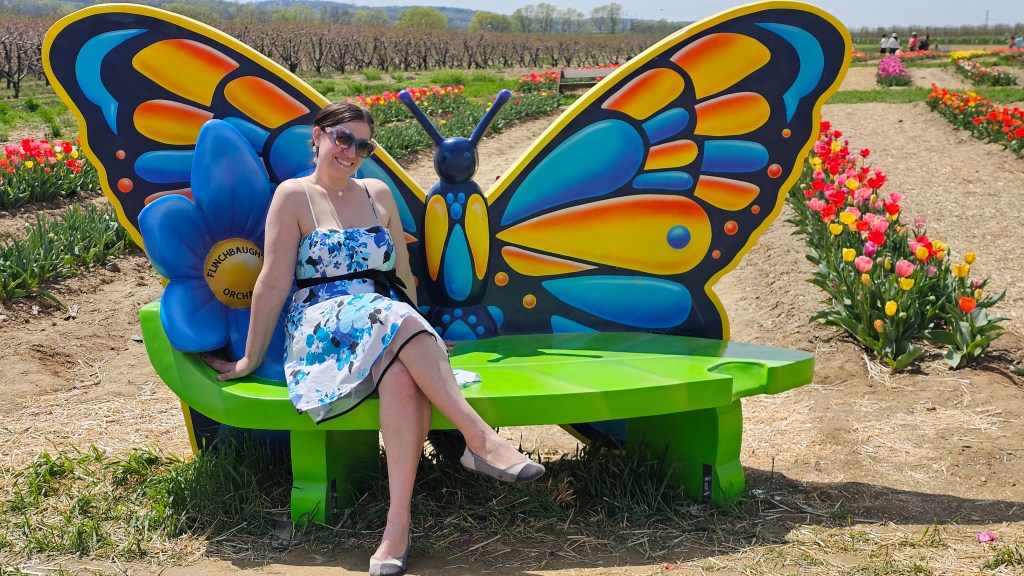
Less than a week later, on a balmy spring day, I made my way to Flaughbach’s Orchard. The temperature was a perfect 70°F (21°C), and a cheerful breeze danced among the tulips, gently teasing them as she passed. While it was a far cry from the sprawling Dutch fields of my imagination, it was a lovely scene in its own right. Had I been truly committed to a riot of color, I could’ve waited two more weeks and driven three hours north to Brown Hill Farms, where 500,000 tulips bloom across four acres.

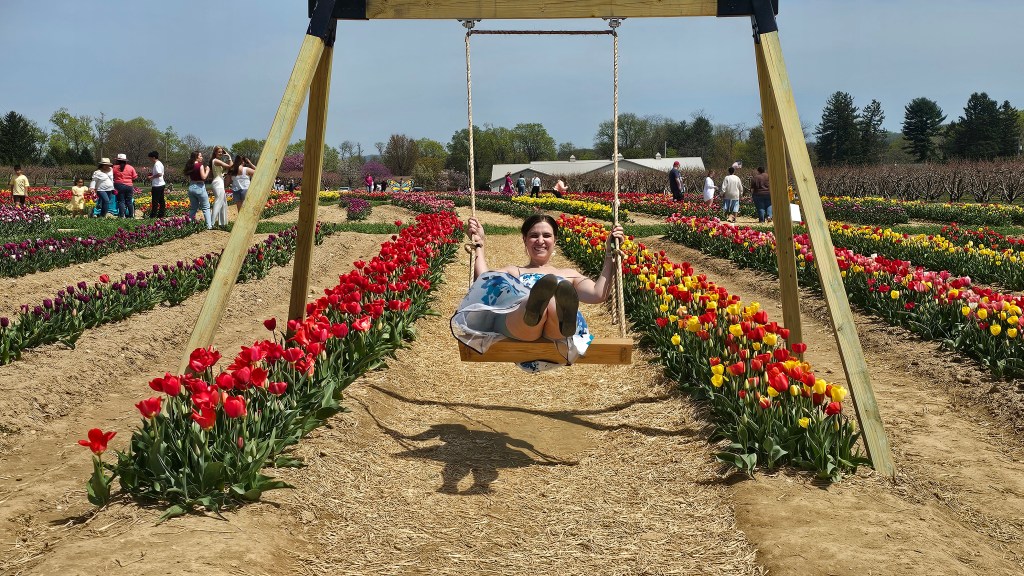
Upon arrival, I was handed a pair of shears and informed I could pick two flowers as part of my ticket (with the option to purchase more). But my goal wasn’t to build a bouquet, it was to bask in beauty. I wandered through neatly arranged rows of flowers, encountering charming photo ops along the way: antique bikes, vintage tractors, even a swing for a more whimsical touch. Naturally, I couldn’t resist snapping a few photos, but mostly, I just walked. The field reminded me of a stained-glass window or a floor made of colorful mosaic tiles.

Benches were thoughtfully scattered around the field, perfect for quiet contemplation. I loved feeling the warm sun on my face and the breeze on my skirt. I didn’t stay long, but long enough to enjoy the moment and properly welcome spring in all her glory.

Next year, I may make that pilgrimage north to see the larger fields that have enchanted me for so long. But maybe not. This experience might fall under my “good enough” category; it was joyful, beautiful, and deeply satisfying.

So, how can you tiptoe through the tulips?

You don’t need to wait for the universe to come knocking. Just open your browser and search for tulip fields near you. If you live in the South, it may be a bit trickier, but don’t lose hope. Pilot Point, Texas, and New Market, Alabama both boast quite respectable fields. Up North, there are plenty of spots to chase tulip season. Some may come in the form of botanical gardens; others, humble local farms like Flaughbach’s. Or you might go all in and visit Windmill Island Gardens in Holland, MI (with over four miles of tulips!), or top spots like Pella, Iowa; Woodburn, Oregon; Modesto, California; Mount Vernon, Washington; and Exeter, Rhode Island.
The lesson I learned? Don’t be so quick to downplay your dreams, even the small ones. I try to keep my “undone” list reasonable, and I often add to my “done” list as opportunities arise, especially if they’re spur-of-the-moment or just for fun. But this was something I truly wanted to do, and I’m glad the universe nudged me toward it.

So, I encourage you, dear reader: dream big. Write it all down. Ask for it. The blessing may find you anyway.

Completed: 2025

Cost: $7 to visit the field

Miles from home: 25

Tea at Sea!

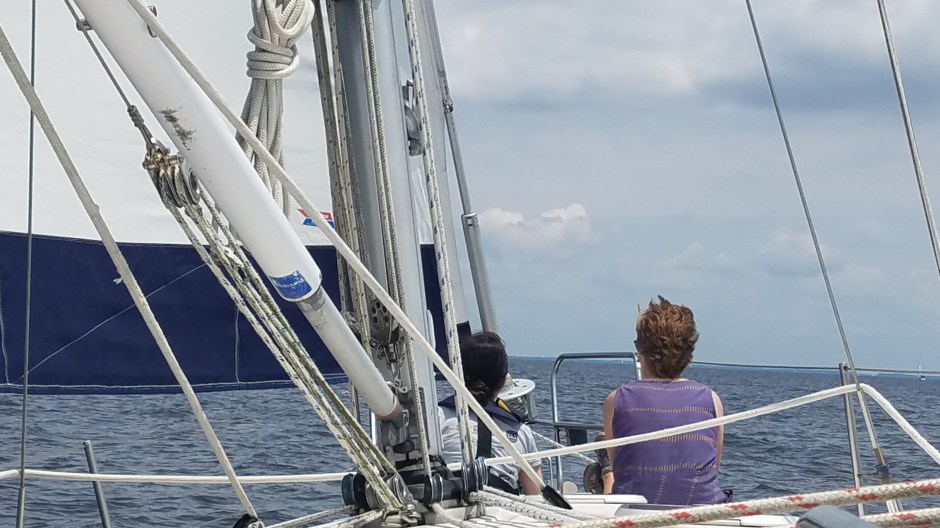
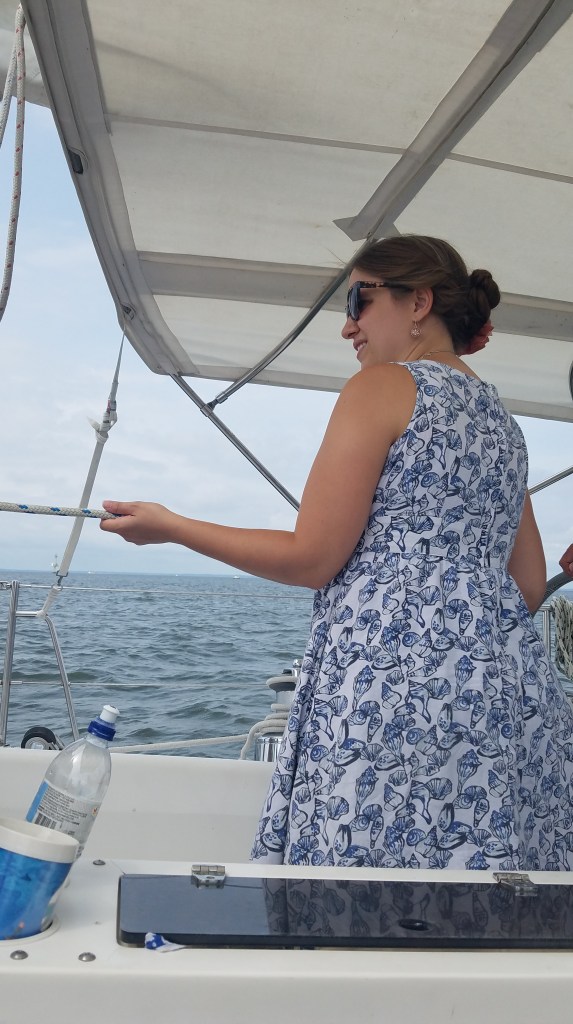
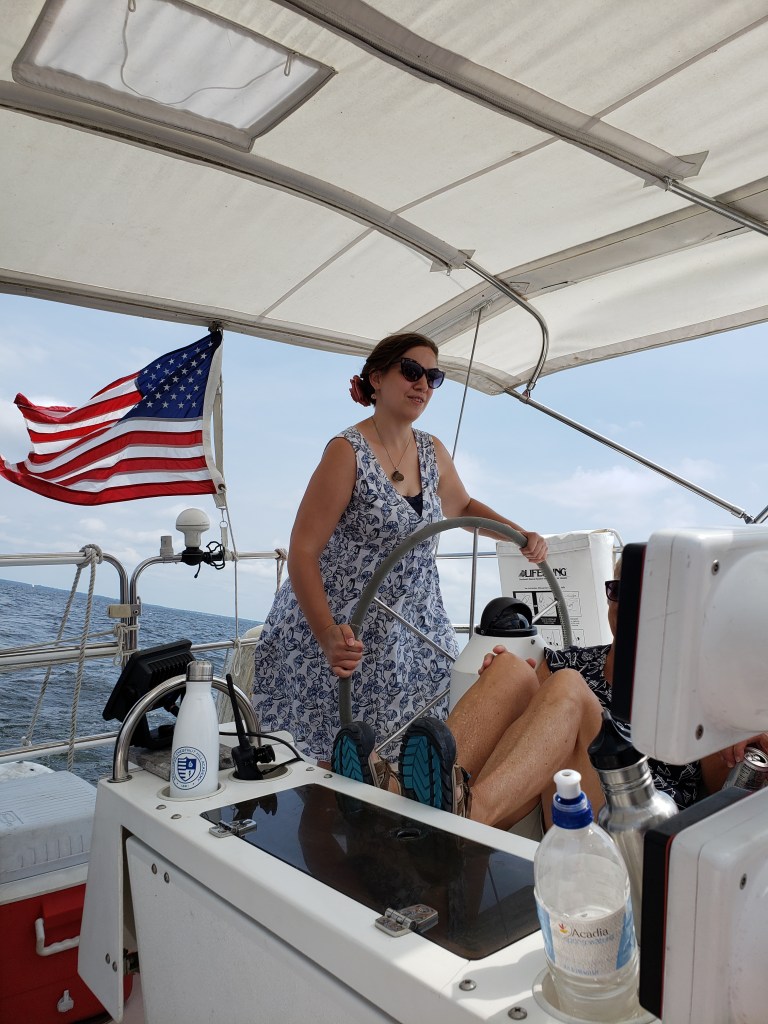
Alright gentle reader, technically, it was a bay and not a sea. However, I did get to hoist the sails and attempt to steer the ship. Yes, technically it was a boat; although I”m not sure I know the difference if we’re being honest. Regardless of the pesky nomenclature, I provided an excellent afternoon tea out on a large body of water in a sailing vessel of some sort. Additionally, I made sure to be properly attired for a day’s outing on the water. With the help of a well placed hat pin not even the wind could dissuade me from my determination to have a little extra flare. After all, where would we be as a society if we allowed ourselves to descend into the mundane and boring, especially when it comes to fashion?

In the midst of COVID, with everything shut down and limitations on movement and gathering, the small but scrappy non-profit I worked for decided to offer its employees a day out with one of our board members, Peggy, on her private boat. To say that I was excited is truly an understatement. It was once again, one of those Bucket List Items that I had mentally placed under “most likely not happening any time soon” as I thought it would cost a lot of money to go. This might be the reason I was a little over the top, but honestly that’s part of who I am. I’m the woman who will put together an entire costume or outfit for even the most slightly themed party or obscure holiday. 

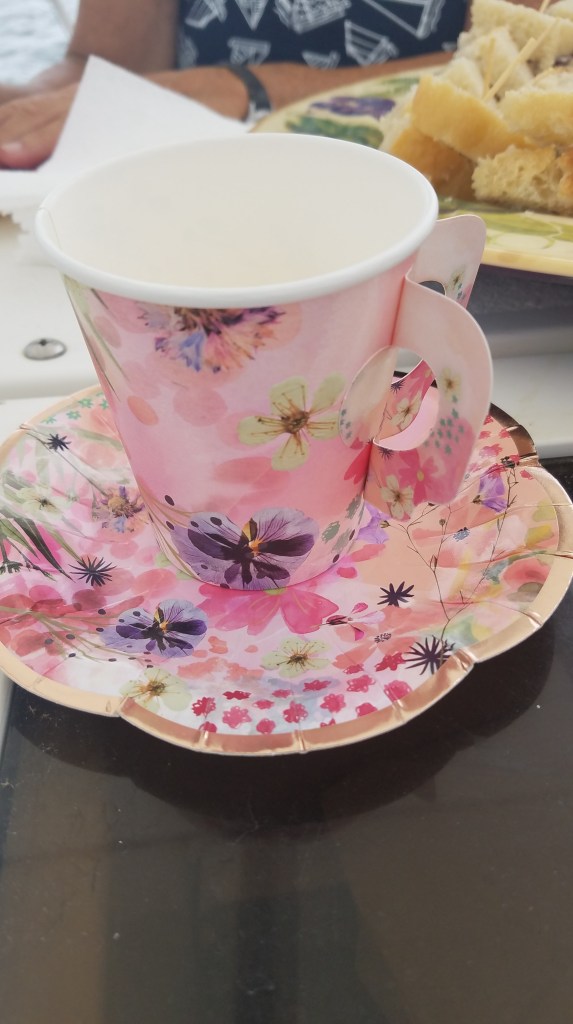
It was truly the morale boost that we needed. To avoid a disruption of vital client services and given the size of the boat, we divided ourselves into two teams which would go on two different days. We also divided up bringing food and other snacks to share. I led the way with letting them all know that I was going to have us do a tea at sea, I would provide the sandwiches, the tea cups, scones and clotted cream. Was it the more costly and time consuming option? Yes, but I was going to take this opportunity that the universe presented me and make the absolute most of it. Before you question my judgement of bringing tea cups on board a ship, know I take quite good care of my china and wouldn’t subject them to the dangers of the open waters. I found these absolutely gorgeous paper cups online! 

We loaded ourselves up early that morning, crammed into one of my co-worker’s vans like the start of some quiet, well-mannered heist armed with gps and good humor. I had chosen to go with the more reserved, soft-spoken of my co-workers. What can I say? They paired better with tea than with the loud, pirate-hearted group that went the day before, I am fairly certain they snuck booze despite the prohibition against it, like I said, pirates. Not that I couldn’t hang with both, I absolutely could. And the temptation to burst into sea shanties was quite real, I assure you.
As we drew closer to our destination, the world around us began to shift. The foliage thinned, and the trees gave way to the briny breath of the sea. The air changed too, tinged with salt and carried on a breeze that hinted at something just beyond the horizon. We heard the call of gulls before we even saw the water. Then suddenly, there it was—a small forest of masts rising from the docks like white trees, standing in quiet anticipation.
Waiting for us at the dock was our fearless leader and Executive Director, Deb, who waved us down with her signature confidence. She led us up the wooden planks to our boat, where we were introduced to our captain for the day, Peggy’s husband, Captain Bob.

I was surprised by the size of the boat as it was deceptively spacious, like a magician’s trick. Every inch of it had a purpose. Storage tucked into nooks, seating that converted, a compact bathroom that came with very specific instructions. Bob walked us through the essentials with the seasoned calm of someone who knew that one improperly flushed toilet could quite ruin the whole experience.

After a short safety overview, it was time to sail. Bob asked for volunteers, and I naturally stepped forward to hoist the sails. He called out instructions with the steady ease of a man who’s done this a thousand times, while Peggy provided cheerful backup support. I took hold of the rope with both hands to gleefully, heave ho and all that. The wind caught, the sails filled, and the boat surged forward with a kind of wild grace.

From that moment on, everything shifted into something more elemental. The boat leaned into the wind, the ropes pulled taut, and the world became motion and sound—the rush of air, the splash of spray, the low groan of wood and rope in motion. It felt like stepping out of the everyday and into something ancient.

Those brave enough made their way to the prow, legs dangling over the edge, laughing as waves splashed up to greet them. Time didn’t pass in hours out there. It passed in shadows, in sunlight shifting on the water, in bursts of laughter and long silences where we just watched the horizon breathe.

Then came the offer I hadn’t expected, Bob asked if anyone wanted to steer.

Of course, I wanted to steer the ship!

Taking the wheel was like grabbing hold of something alive. The boat didn’t just move; it responded. The wind pulled one way, the water pushed another, and the rudder spoke a language I didn’t quite know but instinctively wanted to understand. Every twitch of my hands echoed through the vessel. I had to fight the urge to overcorrect—big boat, big movements, right? Wrong. It was the subtle shifts that mattered. I wasn’t just steering a boat, I was holding a moment in my hands, trying not to crush it. I shall admit, I was not the best helmsman, but it wasn’t bad for a first go! 

At lunchtime, I unveiled my small, slightly theatrical feast of tea sandwiches and scones. Though there was no clinking of teacups, people were quite amused by them. A delighted Peggy gasped when she spotted the clotted cream asking for where on earth I had found it; she hadn’t had clotted cream since she was in England years ago.

I smiled and told her, with all the drama she deserved, “The local grocery store.”

We laughed, we feasted, we sipped, and apart from poor Beth, who succumbed to a bit of seasickness, our tea at sea was a grand success.

The rest of the sail was a blend of freedom and focus, the hiss of waves, the sudden thrill of turning into the wind, the scent of salt and sun warming the deck. It was chaos and calm, all wrapped into one. I couldn’t have asked for a more perfect day for checking off my list. . 

By late afternoon, we returned to the dock. We changed into swimsuits and slipped into the pool, letting the cool water wash away the heat of the day. We splashed and floated, reluctant to let the water go.

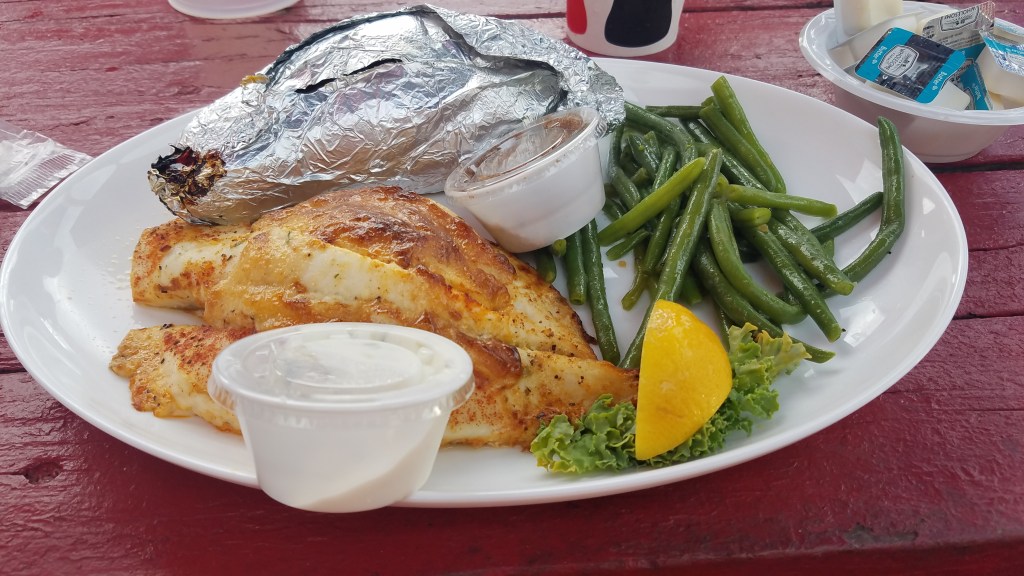
That evening, we gathered for dinner at a local seafood spot, the kind with fresh-caught fish, buttery hushpuppies, and that oh, so infamous, Maryland crab. I will say the crab practically demanded a moment of silence in appreciation. Luckily for the crab, eating is just about the only time I am quiet. And just when we thought the day had ended, someone suggested a detour when they spotted a sign for ice cream. Because some days deserve a sweet ending. And this one? This one absolutely did.

So how can you enjoy a sailing adventure?

I’ll admit, not everyone has a friend with a boat—or a boss generous enough to invite you aboard. But that doesn’t mean a day at sea is out of reach. You can always charter a boat for yourself and a few intrepid comrades. Prices can range from around $200 to upwards of $2000, depending on the type of vessel and the duration of your trip. That said, splitting the cost among your group makes it much more manageable. If you’re like me and pack your own feast, you can trim expenses even further. The boat we sailed on would’ve likely cost each of us about $50 to $75 had we booked it ourselves. Sure, we probably wouldn’t have been trusted to hoist the sails or steer, but with seven of us, the cost would have been quite reasonable. 

This was one of those rare gifts from the universe, an unexpected adventure in the middle of a pandemic, at a time when most people could only dream of checking something off their list. I felt deeply grateful, especially after working so hard to help people who were experiencing homelessness with nowhere to go. Those long hours, with little reprieve and a general feeling of hopelessness at times to solve the problem can begin to wear on a person’s spirit. Sometimes, when you’re out there trying to do good, life surprises you with something beautiful in return.

So go ahead, pursue the good. You never know where it might take you, gentle reader.

How can you enjoy a day on the water?

Cost: Free (food was about 50) 

Miles from home: 115 miles

Completed 2020

Visiting Exhibtions: When the World Comes to You

Pennsylvania is known as the Keystone State in part because of its strategic position on the Eastern Seaboard. It sits at the heart of the action on the East Coast and, thanks to the Mississippi River, serves as a gateway to the West. This historic and geographical advantage means I have relatively easy access to some incredible places. By extension, when traveling exhibitions come to those places, it’s not a terrible imposition for me to make the trip. Cities like New York, Philadelphia, Washington D.C., Pittsburgh, and Baltimore are all within reasonable distance.

It was by leveraging this advantage that I was able to see the Darwin exhibition at the American Museum of Natural History in New York, the King Tut exhibition in Philadelphia, and the Russian Tsars exhibition in Delaware. I’m not sharing this to brag about my state but rather to point out that, depending on where you are, you may be closer to the action than you realize. There are often more opportunities in your area than meet the eye.

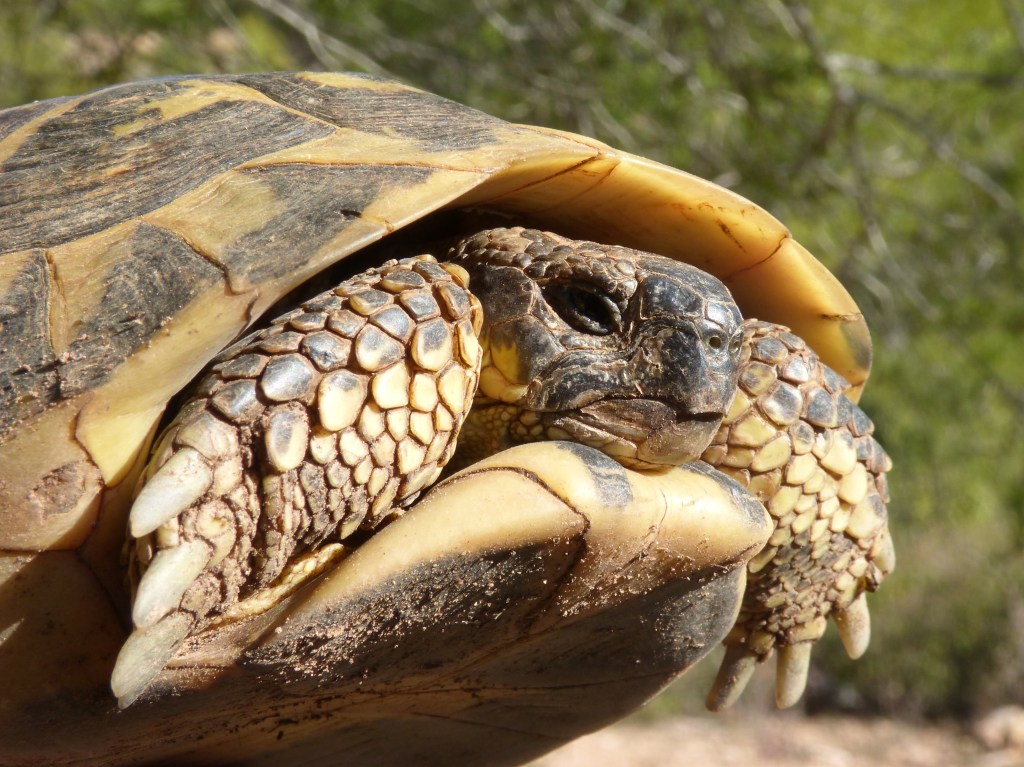
The Darwin exhibition offered a fascinating look at the scientist’s life, work, and impact. It even featured two Galápagos giant tortoises. Darwin was a keen observer of nature, and through those observations, he developed one of the most revolutionary theories in the history of biology. His theory of evolution has shaped everything from genetics and epidemiology to biodiversity and our understanding of the fossil record. Prior to Darwin, most people saw the natural world as static and unchanging since the moment of creation. Instead, he proposed a dynamic and interdependent system in which relationships and exchanges alter the inhabitants of the world, who in turn shape their environment.

One of my favorite stories is how he looked at an orchid and hypothesized the existence of an undiscovered insect capable of pollinating it. That insect was discovered forty years after his death. This exhibit was the perfect combination of science, history, and anthropology. It showed how discoveries ripple outward into society and helped me understand just how interconnected everything truly is. Is it any wonder that seeing Darwin’s journals, tools, and legacy made its way onto my Bucket List?

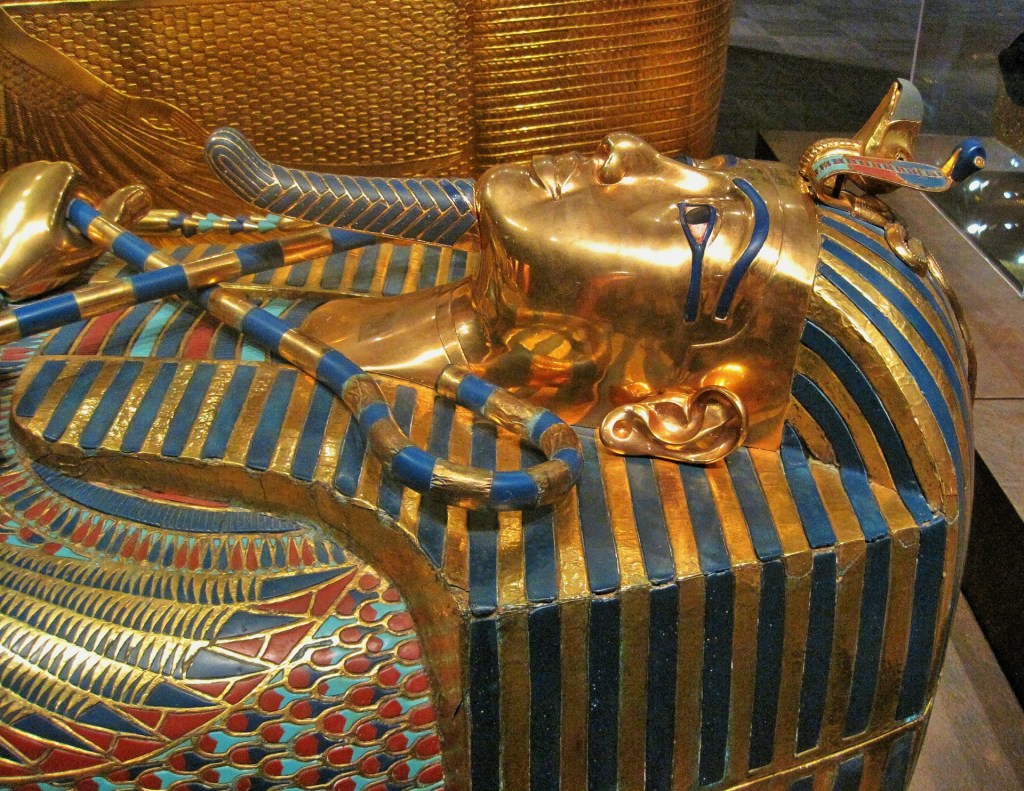
Not to be outdone by New York, Philadelphia often hosts exhibitions and installations that rival its northern neighbor. Just because it’s the Keystone State doesn’t mean it lets the other states have all the fun. In the winter of 2007, I braved a snowstorm to visit the exhibition Tutankhamun and the Golden Age of the Pharaohs at the Franklin Institute. The exhibition included fifty major objects from King Tut’s tomb—among them a vessel containing his mummified organs—and over seventy artifacts from the royalty of Egypt’s 18th Dynasty (1555 to 1305 BC), including a sarcophagus.

King Tut’s tomb was discovered in 1922, sparking a global fascination with ancient Egypt that still persists—my own obsession included. Many of these artifacts have rarely left Egypt, so I certainly wasn’t going to let a snowstorm stop me from seizing this rare opportunity. It was history made tangible, a brush with the ancient world that I’ll never forget.

In 1998, Delaware hosted the first major Tsarist exhibition, Nicholas and Alexandra, and I was lucky enough to see it on a fifth-grade field trip. It left a lasting impression on me. We had spent several weeks learning about Russia’s history leading up to the Bolshevik Revolution and the rise of the Communist Party. Featuring nearly 700 objects, it was one of the largest and most prestigious collections of Russian treasures ever to tour outside the country. Most of the items had never before left Russia.

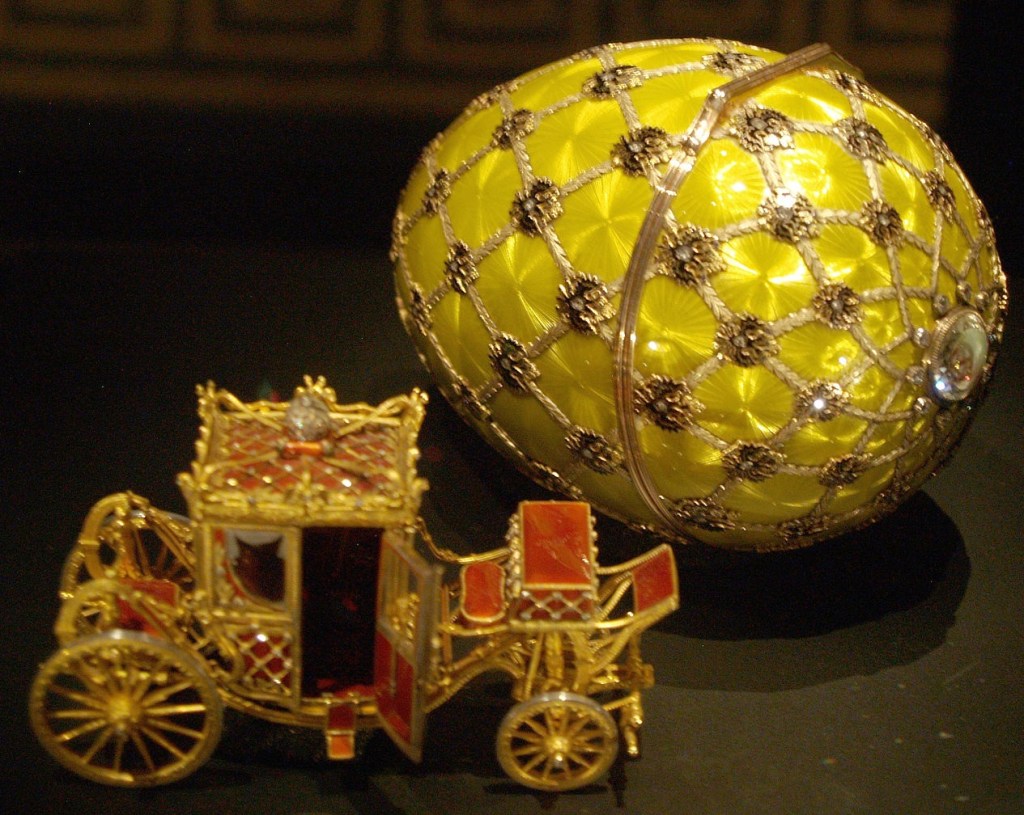
Among the many items on display were the Coronation Egg, an imperial throne, court gowns and uniforms, a gilded state carriage, and artifacts from the Russian Orthodox Church. Even as a child, I was struck by the sheer opulence of the exhibit—particularly the Fabergé Egg, which felt all the more extravagant when considered against the suffering of the Russian people at the time. The experience helped solidify my understanding of the revolution and the dangers of unchecked power and inequality. I’ll avoid getting too political here, but suffice it to say, it made an impression.

Each of these exhibitions made my Bucket List for different reasons. Each one broadened my perspective, deepened my understanding, and shaped how I see the world. They weren’t just collections of artifacts; they were immersive experiences that gave context to history, society, culture, and their ongoing relevance today. Most importantly, they taught me that I don’t always need to travel far to experience the world. Sometimes, the world comes to me.


How Can You Experience Unique Exhibitions?

Start by identifying how far you’re willing to travel. Then make a list of major cities or cultural hubs within that radius—they’re your best bets for hosting large-scale or rare exhibitions. But don’t count out smaller museums, either.

Check their websites to find out when they release their exhibition calendars. I’ve found that many post their schedules for the coming year, although some are less predictable. Once you know when they update their schedules, you can simply mark your calendar to check back. If there’s no set schedule, just take note of when the current exhibition ends and plan to check again around that time.

If you’re searching for something specific—say, an artist or historical topic you love—an online search every six to eight months may yield results. Just be prepared to wait. Some exhibitions, like the Russian Tsars, are generational events.

Lastly, if you’re visiting a city you don’t often travel to, take a few minutes to see what exhibitions are currently on display. You never know what rare gem you might find. It’s easy to miss out by only checking travel sites when planning your trip.

Costs: Range in price from $15 – $25 for museum entrance

Miles from home: Range from a 35 miles to 150

Completed: Childhood – College