
Leaves, Branches, and Roots: The Art of Choosing Who to Grow With

In my earlier post, The Secret to Lifelong Friendships, I talked about how showing up isn’t enough. Friendship, real friendship, requires discernment. We only have so much time and energy, and it’s important to invest those precious resources in people who truly deserve them.

But how do you know who those people are?

Several years ago, I stumbled across a short clip that’s stuck with me ever since. I wish I could credit the original creators, but the message has taken root (pun intended) in my mind all the same. They explained that there are three kinds of people in your life: leaves, branches, and roots. Once you hear it, you’ll never look at your relationships the same way again. 

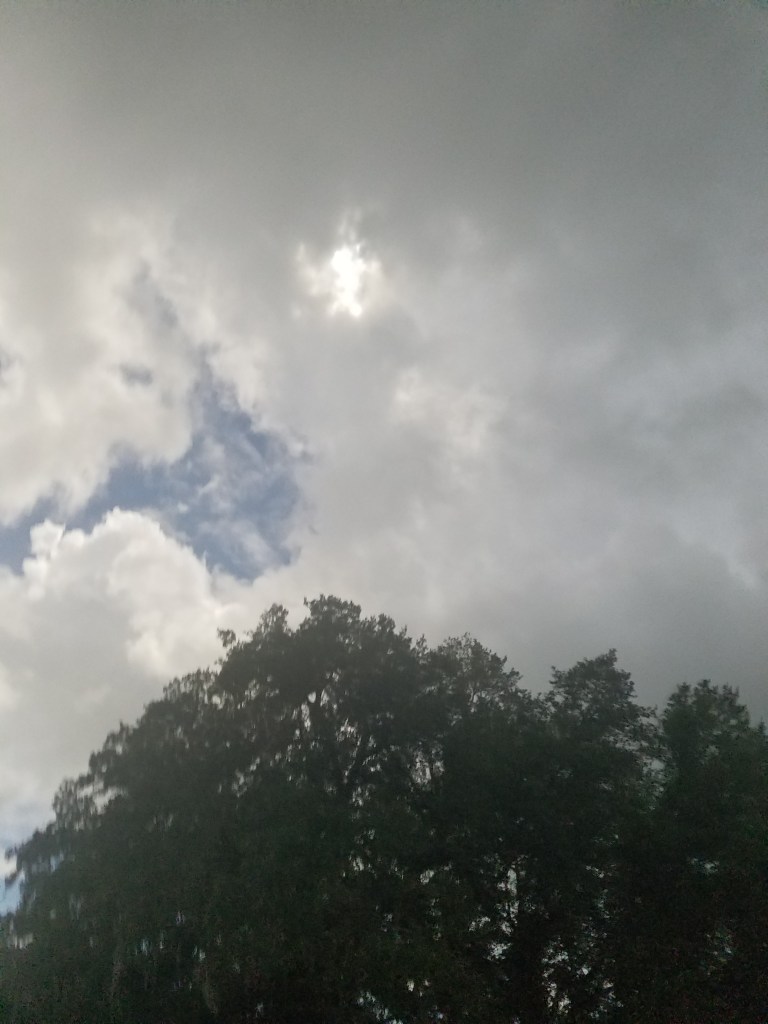
Photo by Ben Cheung on Pexels.com

The Leaves

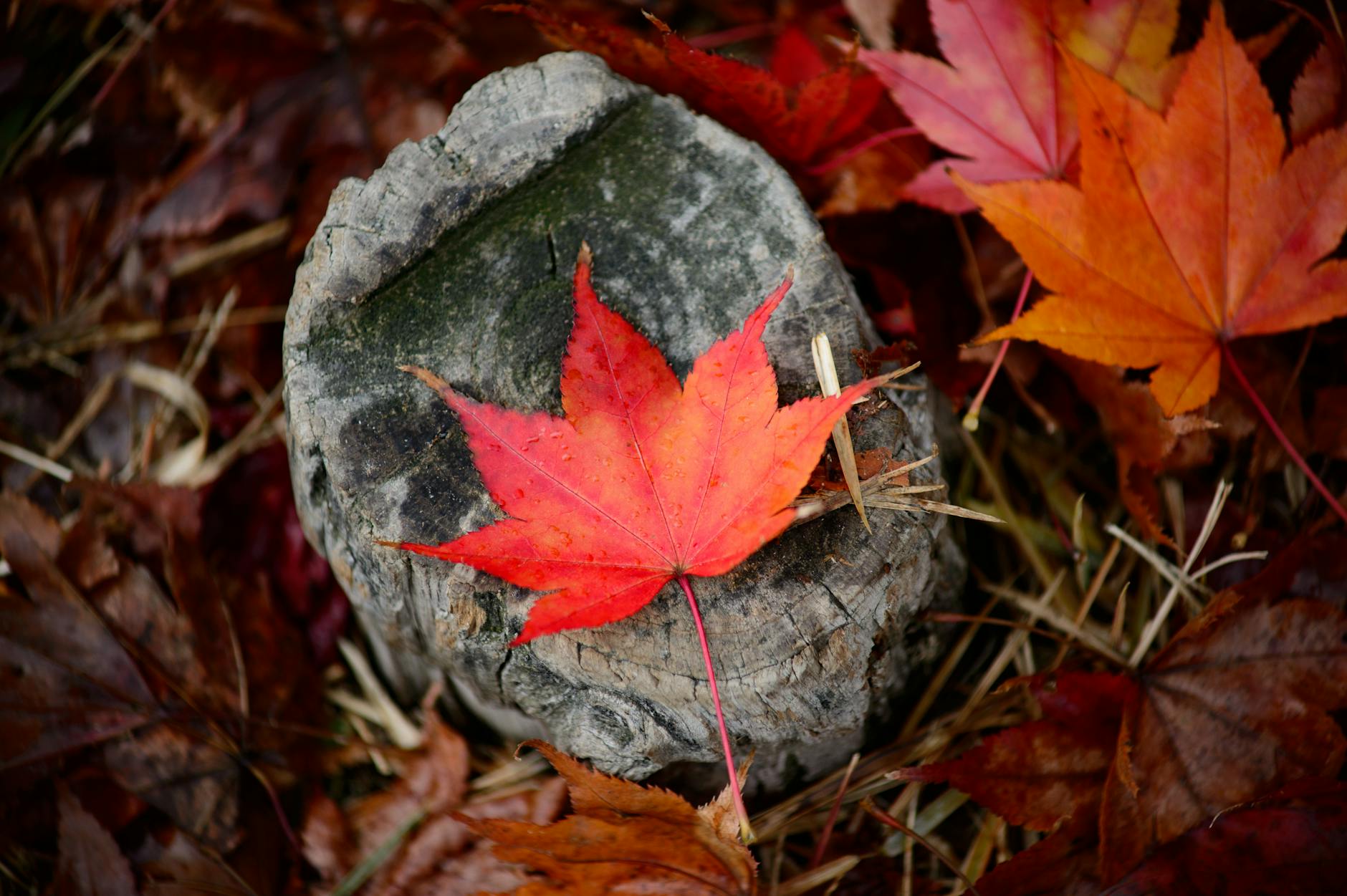
Leaves are lovely things—bright, colorful, full of life. They make the tree beautiful for a time, dancing in the sunlight. But when the season changes, they do too. They fade, fall, and blow away.

Leaves are the people who come into your life for a season. Maybe it’s a college roommate you clicked with instantly, a coworker who made a tough job bearable, or a friend who was exactly who you needed for that chapter of your life. They bring joy and color, but they aren’t meant to stay.

It’s easy to mourn when a leaf drifts away. You might think, What did I do wrong? But often, nothing went wrong at all. Their purpose in your story was simply fulfilled. 

Leaves aren’t bad. They’re just temporary. And that’s okay.

After all, we’re all leaves in someone’s life at some point. Even as a therapist, I remind myself that I’m a leaf for my clients. I’m there for a specific season, to help them heal, but not to continue into their next one. Leaves are beautiful for their ephemeral nature and I treasure the memory of those who have been leaves in my own journey. 

Photo by Jude Mitchell-Hedges on Pexels.com

The Branches

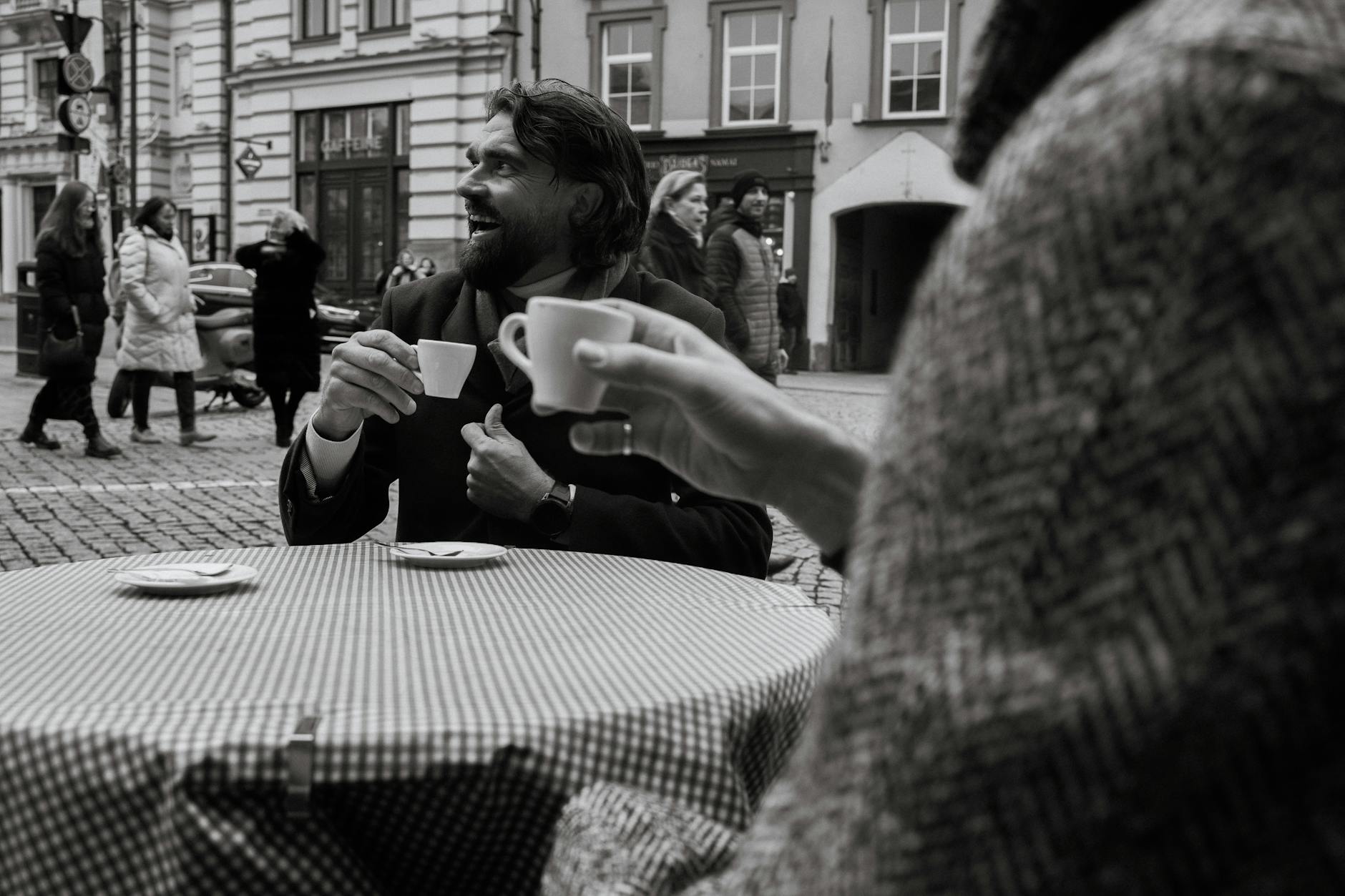
Branches are trickier. They seem sturdy, reliable, and capable of holding weight. They’re there year after year,  and you might trust them to always be there, until one day, a storm hits, and that branch snaps.

Branches are the people who seem like roots. They’re present for birthdays, celebrations, even crises. You lean on them, and for a time, they hold you up. But when life gets heavy or messy, they can’t always bear the load.

Sometimes a branch breaks because they’re dealing with their own storm. Sometimes it’s because the relationship was only meant to grow to a certain point. Either way, it hurts, but that doesn’t mean they didn’t serve a purpose.

Not everyone has the capacity to be more than a branch in your life. Some people are meant to offer shade, not structure. The key is to recognize the difference before you climb too high and find yourself falling. 

Photo by Kennst du schon die Umkreisel App? on Pexels.com

The Roots

And then, there are the roots.

Roots don’t look like much. They’re hidden underground, unglamorous, and often unnoticed. But they’re the reason the tree stands tall through every season. Roots are the reason a fallen tree can seemingly rise up as a new sprout from the ashes of destruction.  

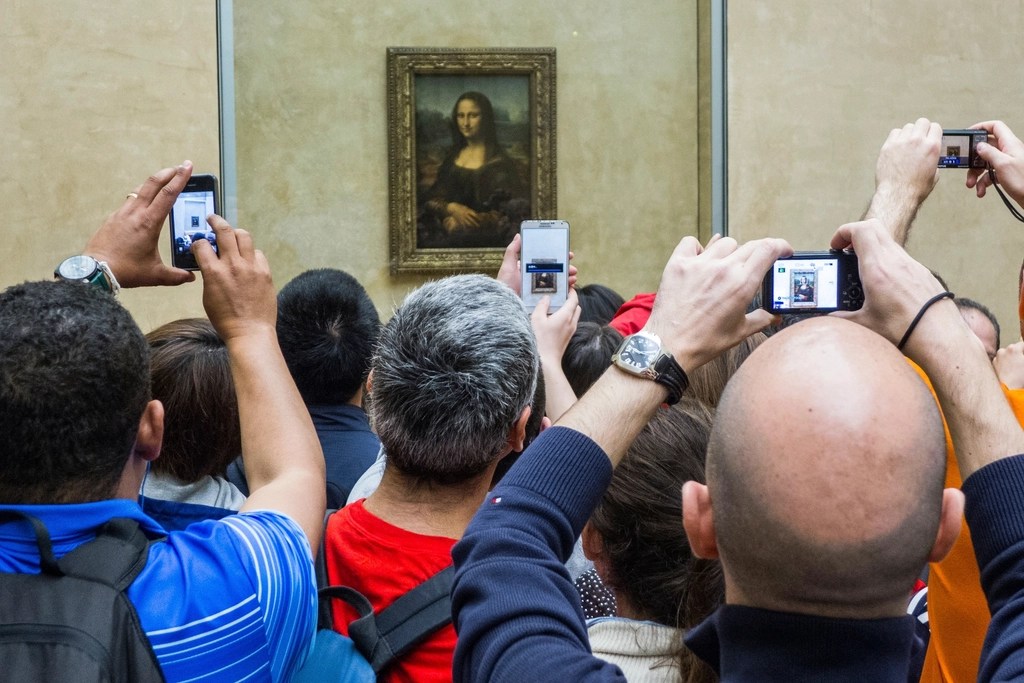
Roots are the ones who anchor you when the winds howl. They draw strength from deep places and share it freely. They know your history and love you anyway. They notice your silences. They show up not only when it’s convenient but when it’s costly. 

Roots are rare, and they deserve to be cherished. You don’t need many, just a few that go deep enough to hold you steady.

These are the relationships that you should nurture and prioritize most, because they will be there when the leaves have faded and the branches have failed you. 

How to Tell Who’s Who

So how do you know if someone’s a leaf, branch, or root? Here are a few clues:

Consistency reveals character. Does their care depend on convenience? Leaves and branches often vanish when the weather turns cold; roots stay, even when it’s uncomfortable.

Depth over drama. Branches can be fun and lively, but roots go deep. They’re not always loud, but their love has substance.

Mutual growth. A root relationship nourishes both sides. If you’re always pouring out but never being replenished, you might be watering a branch.

Conflict doesn’t end it. Roots can handle disagreement. Leaves blow away at the first strong wind.

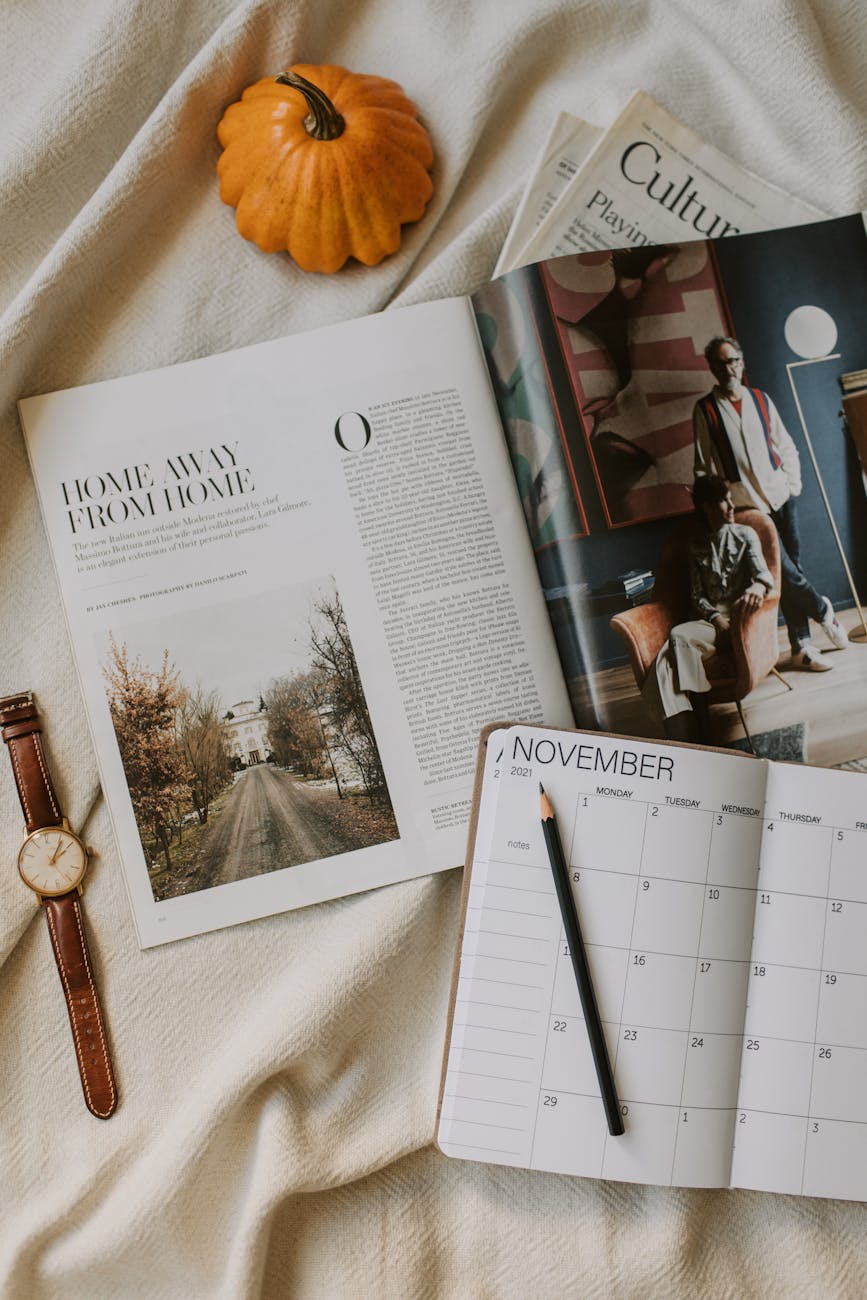
Time tests truth. You don’t truly know what someone is until you’ve been through a few seasons together, joy, loss, distance, and change. Roots endure them all.

Photo by Vlad Cheu021ban on Pexels.com

One Last Thought

Not everyone is meant to be a root in your life, and that’s okay. You aren’t meant to be a root for everyone who is in your life. We are all playing those three parts for various people in our lives. I am a leaf for my therapy clients, a branch for my friends and acquaintances but I am a root for my closest friends and family. 

Leaves and branches have their beauty and their purpose. The goal isn’t to cut them off, it’s to recognize them for what they are so we are able to make wise decisions with whom to trust and count on.

What matters most is that we know where to invest our energy and learn to celebrate people for the role they play, not the one we wish they’d fill.

Because friendship, like a tree, thrives when we tend to the roots, and let the leaves fall when it’s time.

You Are Not Your Job Title or Accomplishments

If you hold a lauded job title or a coveted position of prestige, there’s a certain smug satisfaction in answering the question, “So, what do you do?” It’s a subtle flex, a way to signal you’ve “made it” in the eyes of your listener.

But how quickly those titles lose their shine. Positions are demoted, job descriptions rewritten, and reputations shift depending entirely on the values and prejudices of the crowd around you.

Consider the plumber who proudly tells his wife’s academic friends that he owns his own business. Their admiration evaporates the moment they realize he’s a tradesman. Or his wife, who announces at his company picnic that she’s accepted a university teaching position, only to have his employees quietly roll their eyes at her “ivory tower” job.

Prestige, it turns out, is not universal and rather fickle.


Perhaps when I mention that my full-time job is as a therapist, you’re impressed. Or perhaps you think, Oh, that’s nice, but why didn’t she get a doctorate? Or maybe you shrug, completely unmoved.

Our identities are often tied to our titles and achievements. And it’s not entirely irrational—after all, our accomplishments are a kind of social currency. They determine whether we’re welcomed into certain groups or quietly excluded. They tell others, at least superficially, our “value” as a person.

The trouble begins when that’s the only place our sense of worth comes from.

Achievements fade. Their novelty wears off. You ran a marathon…..ten years ago. You climbed to the base camp of Everest, great, but that was so last season. You earned $90,000 last year, until someone else mentions they earned $100,000.

When your worth is pegged to being ahead of the curve, you’re doomed to chase the next thing endlessly and there’s always someone ahead of you. Even those on top must always try to stay ahead of the people nipping at their heels.

Photo by Vlad Vasnetsov on Pexels.com

It’s the comparison trap in action:

  • Stacey got married.
  • Joanna bought a house.
  • Darlene is having a baby next month.
  • Marcy is off to Japan.

And you? You got a promotion, but you’re still single, renting, and aware of a ticking biological clock. Suddenly, your win doesn’t feel like much of a win.


But why should our worth be determined by what we’ve done instead of who we are?

Yes, I am a therapist, but that’s not all I am.

I am a daughter, a sister, a girlfriend, a cat mom, and a loyal friend. I am an avid reader who likes to snuggle into blankets and a seeker of adventure itching to explore. I adore tea and classical music. However, I also love coffee and metal. I’m not much into mainstream sports, but I do enjoy horses, kayaking, dancing, and hiking. I play the violin and videogames. I can be sarcastic and biting, yet equally capable of deep compassion and empathy. I’m a bit of a perfectionist and a bit of a mess.

I am nuanced and complex.

My degrees, my travels, my career, they’ve shaped me, yes. But they are not me.

Photo by Mindaugas Lazdauskas on Pexels.com

Some cultures have already figured this out. In many parts of the world, “What do you do?” is not the opening line of a conversation.

In the Netherlands, it’s considered downright rude to lead with your job title. People there would much rather discuss shared interests than compare résumés. In France, introductions often revolve around passions, ideas, and experiences. The goal is to find connection, not establish a pecking order.

Imagine how different our relationships might feel if we borrowed that approach.


A Thought to Leave You With:
If your job disappeared tomorrow, if your title, salary, and résumé vanished, what would you still have to say for yourself?

Because that answer… is who you truly are and it’s an answer worth exploring.

Your Bucket List Is a Lie

Before we clutch our pearls at such a title, you must first indulge me in a bit of theatrical storytelling.

There was once a painting known to the art world but given little regard by the general public. Sure, some waxed poetic about it, but the intelligentsia has always been a bit eccentric in its proclamations of greatness. To anyone outside the art world, it was unremarkable. It may have hung in a museum, but no one would have gone out of their way to see it. Like so many other paintings in a gallery, it was forgettable, small, dark, and easy to overlook.

Then it was stolen.

No one knew how. One day, it was just gone. And suddenly, people noticed. For two years, the public speculated wildly. The fever-dream of mystery only grew with every twist. Perhaps absence does make the heart grow fonder, or at least more curious. While the intelligentsia is eccentric, the general public is fickle, like a cat who demands to be let out only to want back in the moment the door shuts.

When the painting was returned, it became a sensation. A must-see. A cultural event. And not just any painting – THE painting.

The painting in question? The Mona Lisa.
The real reason it’s famous? The drama. The theft. The story. The hype.

Without that? It might still be hanging half-forgotten, quietly smirking at a handful of art students instead of hoarding crowds behind velvet ropes.

And that, dear reader, is what your bucket list might be made of: hype.


So many bucket list items are fueled not by intrinsic value, but by the frenzy that surrounds them. Don’t get me wrong, the Mona Lisa is a lovely painting, and Da Vinci was no slouch, but why that painting? Why not another of his works? Why not another artist entirely? Yes, yes, I am sure you’ll tell me all the reasons it’s such a great painting, a master piece of its time, blah, blah, blah., but there’s lots of great paintings you can’t name or even are aware of. The answer lies in marketing. In myth-making. In the way a compelling narrative shapes our desires

Travel magazines dazzle, influencers entice, advertisements whisper, “You must go here.” But what’s really behind that? How many times have you visited a place only to find it…underwhelming? A glorified photo op? Something that looks better on Instagram than it feels in person?

Perception shapes reality. And marketing shapes perception. Don’t believe me? Riddle me this, dear reader why do we consider Jackson Pollock a great artist? The CIA orchestrated the entire Art Movement of Abstract Expressionism’s rise to prominence, engineering hype around the artist Jackson Pollock by buying his paintings and creating a frenzy around the art movement through bought and paid for critics. It was for political reasons and to combat the dangers of Soviet Russia. However, until the CIA engineered the hype, it was mostly ignored and barely considered real art. After all, it looked like a five year old could have painted it.

Nor is the art world, the only place where bought and paid for critics shape our perceptions. There was an rather large controversy in the video game world of creators influencing magazines and reviewers to generate hype around game releases. Those travel influencers filling your feed are often being paid by travel magazines, hotels and even the local department of tourism to promote various locations and experiences.

Signature of Jackson Pollock on Pasiphaë (1943; Metropolitan Museum of Art) Ned Hartley – Own work

Let’s be clear: I’m not criticizing your personal travel goals. I’m encouraging you to interrogate them.

Are your bucket list items there because you want to experience them, or because someone told you they’re “must-see”? Would another location fulfill the same desire, perhaps with less hype and fewer crowds?

For instance: Why London? What do you actually want to see there? Do you even know the history behind the city’s major attractions? Could a neighboring town offer the same experience without the same price tag?

Yes, Stonehenge is cool. But have you heard of the Calanais Standing Stones in Scotland? Same vibe. Fewer tour buses. Also, older.

We should be asking ourselves:

  • Do I understand why this place matters?
  • Does it resonate with me personally?

I, for example, will probably never visit the Great Wall of China. It’s a feat of engineering, sure. But so was ancient Rome. And frankly, the Wall didn’t even fulfill its intended purpose, more a monument to hubris than a functional defense system. And trust, me there are plenty of monuments to hubris. There are other ancient walls, built with equal ingenuity, that never make the “Top 10 Things to See Before You Die” lists. Just because it’s the biggest, doesn’t mean it’s the best or even the most impressive.


Take Napa Valley, for example, America’s answer to French wine country. It became famous after a 1976 wine tasting in which Napa wines beat out French ones and cementing its place in the wine world as one of the premier wine regions. But wine tasting is…flawed. Studies show judges rate wines inconsistently. Presentation plays an outsized role. In one study, the same wine earned wildly different scores when served in different bottles.

So why is Napa “the place” and not, say, the Finger Lakes or Walla Walla? Marketing. Perception. Hype. South-central Pennsylvania has lots of wineries that produce lots of delicious wines.

If we let others dictate what’s “best,” we surrender our own preferences to their story. But if we challenge that narrative, we open the door to a world of options.

Maybe that famed “must-see” destination isn’t any better than the quieter, lesser-known place next door. And that’s great news for the budget-conscious among us. It means you can experience something wonderful without the tourist trap markup, and maybe even get a more authentic experience while you’re at it.


Vineyard Napa Valley, California by Carol M Highsmith is licensed under CC-CC0 1.0

More importantly, it means you’re not missing out.

So many bucket list items are inaccessible to people with normal jobs and normal paychecks. That doesn’t make your life less fulfilling. It just means your version of “extraordinary” isn’t dictated by a Top 10 list.

Why the Panama Canal and not the Welland Canal in Canada? They use the same technology. One just has better PR. Okay, yes, there are certain historical contexts which does make the Panama extremely significant, perhaps more so than Welland Canal. But could you honestly, tell me what those are without looking them up? I didn’t think so. Would you have done that research before booking your trip to Panama? Probably not.

If you told your friend you went to Welland, they might look at you funny. But unless they’re an engineering nerd (in which case, they’d love it), they probably can’t explain why Panama is “better.” They’re just repeating what they’ve heard.


To help you separate real desires from borrowed hype, ask yourself:

  • What is the historical or cultural significance of this place or experience?
  • Do I genuinely care about that significance?
  • Are there other options that fulfill the same interest or vibe?
  • If it’s “the best,” who decided that—and how subjective is that claim?
  • Is it overrun with tourists to the point of losing what made it special?
  • Are there similar or adjacent experiences nearby that are less crowded, more affordable, or more authentic?
  • Am I excited for this because it aligns with my values and interests, or because I saw an influencer do it?

Once you start asking these questions, you may find your list isn’t a map of your soul’s desires—but a collage of other people’s priorities.

The good news? You can scrap that list and make your own.

Because the best journeys aren’t built on hype, they’re built on what matters to you.

The Secret to Lifelong Friendships (Hint: It’s Not Just Showing Up)

Many blogs talk about cultivating meaningful relationships, mine included, but far fewer offer practical advice on how to actually do so, especially amid the chaos of modern life. There’s a reason adult friendship memes hit so hard: two friends embracing with the punchline, “Let’s do this again sometime!” followed by three years of radio silence. The truth, often wrapped in jest, is this: maintaining friendships is hard. Get-togethers, dinners, and outings frequently need to be scheduled weeks (or months) in advance. And far too often, friendships wither not from drama, but from simple neglect.

If you’re trying to stay connected, understand that long lead times are your friend. When you carve out that sacred time well in advance, you’re more likely to protect it. Babysitters can be arranged, meetings declined, and work shifts avoided. For those of us with flexible schedules, this means intentionally leaving space on the calendar instead of double-booking ourselves into oblivion. And once you’re together, schedule the next hangout before you part ways. Avoid the dreaded “we should do this again sometime” trap. Instead, give it a date and put it in ink. The added bonus is that your social calendar quickly fills up and one is almost never asking what you’ll be doing this coming weekend because the adventure is already planned.

Photo by Vlada Karpovich on Pexels.com

Better yet, create your own traditions. Annual events, say, the third Saturday in August or an annual St. Patrick’s Day gathering, are the friendship equivalent of compound interest. My parents have maintained a tight-knit friend group this way since before I was born. Their regular gatherings forged a support network not only for themselves but also for their children. These “aunts” and “uncles” of mine are as present in my life as any blood relative. It’s what community looks like, grown slowly and intentionally.

But let’s be clear: frequency does not equal depth. Seeing someone every month does not automatically mean you’re close. Acquaintances abound. What builds true friendship is depth and depth requires a little vulnerability. You’ll never bond deeply over small talk about the weather. The loneliest people are often surrounded by others, but starved for real connection.

So how do we get there? How do we move from “hello” to discussing our deepest fears and childhood wounds over a bottle of wine as the stars blur into dawn? How do we move past banal small talk to deeper meanings or fascinating topics of history, philosophy, politics, culture, religion and science!

Start by being bravely, unapologetically yourself. That doesn’t mean barreling into every social situation guns blazing with your entire life story. But it does mean dressing, speaking, and behaving in a way that reflects who you are. Let your style be your signal. I, for one, adore hats. More than once, a compliment on a cloche or a beret has led to delightful conversations about fashion, history, or even women’s suffrage. (Do look up hatpins and their sharp-edged role in protest movements; it’s fascinating.)

Your Star Wars T-shirt might spark a conversation with a fellow fan. You don’t need to wear it to a black-tie wedding, of course, but maybe your R2-D2 earrings can come along for the ride. It’s all in the details, dear reader.

And when you speak, speak authentically, but not obnoxiously. There’s a fine line between sharing your perspective and delivering a TED Talk no one asked for. The goal is dialogue, not monologue. Ask meaningful questions: What excites you lately? What dream are you quietly working on? What belief has shaped you? These questions unlock people. Add in some active listening—real eye contact, verbal cues, reflecting back what you’ve heard—and you’ll be amazed what people are willing to share. Remember to be curious. Approach the other person as a treasure to be discovered.

Of course, not everyone will be ready for that level of intimacy right away. Don’t rush it. Some people are open books by page two. Others keep their pages sealed until chapter twelve. Learn to read the room, watch for cues that signal whether to dig deeper or dial it back. A meaningful conversation is less like an interrogation and more like a dance.

You won’t form a deep bond with everyone. That’s okay. You’re not everyone’s cup of tea, and, shockingly, some people don’t even like tea. (They will not be invited to my parties.) But when you’re honest about who you are, you’ll attract the ones who do enjoy your particular brew. Life’s too short for shallow connections and too demanding for relationships that drain instead of nourish.

With limited time and energy, it’s essential to invest wisely. Being your authentic self helps you find the right people, and asking the right questions helps you know if they’re worth keeping.

Now, I could go on about how to identify the right people or how to navigate inevitable interpersonal conflict, but perhaps we’ll save that for another post. For now, remember this: cultivating your village takes time, and growing deep relationships takes courage. Make the time. Ask the questions. And when someone offers you tea (whether literal or metaphorical) say yes.

Photo by Jill Wellington on Pexels.com

Instagram Lied: Travel Is Gross, Beautiful, and Worth It

Ah, social media. A window to the wider world, filled with sweeping drone shots, glamorous airport lounges, perfect sunsets. A bastion of lies and filtered falsehoods.

I particularly love the “expectation vs. reality” videos: serene music turning to off-key chaos as the camera pans from a peaceful mountaintop to the hordes of tourists swarming the same spot. A perfect reminder that what’s posted is rarely what’s actually experienced.

Most social media travel stars wake up at 4 a.m. to beat the crowds and capture that “authentic” moment. What they don’t show? The sweaty hikes, the blistered feet, the questionable toilets, the stress, the transit delays, and the minor existential crises that often come free with your ticket.

A crowded beach on the pink sands of Bermuda.

Let’s be honest, travel isn’t always glamorous. Plane rides can feel like being packed into a flying sardine tin. That dreamy Airbnb may smell like artificial lavender death. And the less we say about the bathroom situation in some places, the better. Seriously, though.

Even the photos lie. Take the pyramids, for example; they’re usually depicted as isolated wonders in the desert. In reality? Turn around and there’s the city of Cairo, complete with a McDonald’s. The rainbow hills of Peru? Instagram makes them look like Lisa Frank threw up on the Andes. In person, they’re fascinating but much more subdued.

And even when something is worth the hype, there are still snags. During my trip to England, I didn’t plan for a closed castle (thanks, high winds) or a GPS signal that vanished the minute I needed it. I didn’t expect public transit to lack accessibility for my mom, or for delays with the trains. My trip was amazing and beautiful; it was everything I would have hoped for, but there were still moments that kind of sucked.

2017 Solar Eclipse

The 2017 solar eclipse? Cloud cover rolled in exactly at totality after I waited sweating in the southern heat for hours! Nature has a sense of humor.

Closer to home, even my local excursions are rarely perfect. The Firebird Festival? Visually stunning, yes, but also freezing cold and delayed by 30 minutes. My toes were plotting a rebellion as soon as they were thawed. The Tea Festival? Lovely, but forced into a crowded church basement by rain. Less “royal tea” and more “steamy sardine can.” That long-awaited hot air balloon ride? Grounded due to “iffy conditions” on what looked like a perfectly fine day. Perhaps, the balloon was sick.

And yet, those imperfect moments are the ones that stick. They’re the ones you tell stories about. They’re the quirks that make a trip memorable instead of just photogenic.

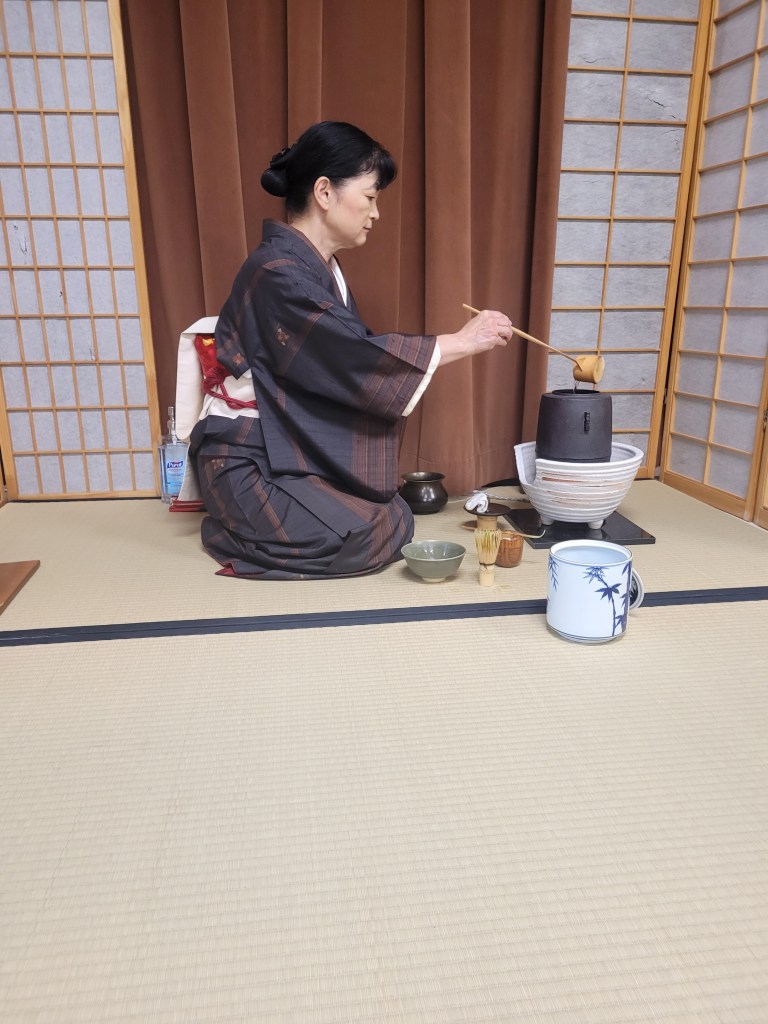
An intimate Japanese Tea Ceremony

When the Firebird crowd chanted “Light the bird!” in shared frostbitten frustration, I joined in. It was hilarious. When the rain forced us indoors at the tea festival, I ended up experiencing an intimate Japanese tea ceremony I otherwise would’ve missed. The cancelled balloon ride meant exploring a unique Star Barn one of the last in the nation. And a delayed train led me to a delightful conversation with fellow travelers about the cultural quirks of the U.S. and the U.K., a highlight of that entire trip. Getting lost in Washington D.C. led to snagging the last tour of the Congressional Building.

Setbacks create space for serendipity. They force us to slow down, reframe, or reroute, and in doing so, they give us something richer than a postcard-perfect moment. They give us stories, growth, and sometimes even stronger relationships.

That attitude—embracing the obstacle—has completely transformed how I travel. My sister and I started tackling trips together we never thought we could. Our bond has grown deeper because of the messiness, not despite it. I’ve even expanded my circle because of the chance encounters that travel disasters can bring.

Perfect trips don’t exist.

But imperfect trips?

They make perfect adventures

Living Your Best Life

We often hear or even say the phrase “living my best life”, but what does it actually mean? Is it being able to reach your goals? To live a full life? What is a full life? In general when we use say look at this person living their best life, we usually see someone who has fully embraced being themselves without caring what others think. But how do we even know that they really are living their best life? What does a “best life” even entail? It probably does and should look different for different people. What makes my life “best” isn’t what will make your life “best”. There are, of course, guiding principles. After all, this whole blog is in part to help people live better lives. For most people a best life is one that comes from connection to others and a sense of meaning or purpose without worrying too much about the judgment of people. 

There are a myriad of ways to arrive at those two things. I have seen lists of anywhere from 6 items to 30 items of how to arrive at a “best life” or to live a fuller one. Some of these lists even conflict with each other like focusing on yourself and your own personal growth yet being “other” centered. If you grew up in the Christian community you may have been told that JOY comes by putting Jesus first, others second and yourself last. All well and good, until you stop caring for yourself at all and forgetting that you can’t help other people if you haven’t been taking care of yourself first. On the other hand, always putting yourself first is obviously narcissistic and self-ish, certainly not the way to form meaningful connections to others. How to reconcile the two conflicting sides? 

This post isn’t necessarily to tell you how to arrive at those two things, more to get you to try and think about what might help you get there. As illustrated above, there are people for whom the advice of putting yourself first is absolutely necessary! I talk about boundaries and self-care in other posts precisely because putting my own needs last was something I struggled with leading to burn out, resentment and bitterness. Not things that helped my relationships. 

However, there are certainly many people who need to be told to put others at the center and to focus on getting out of their own world and be more mindful about how their actions affect others. The character of Ebenezer Scrooge in Charles Dickens’ A Christmas Carol certainly needed that lesson lest he find himself cast into hell for his self-centeredness. All things in moderation I suppose. 

Photo by Andrea Piacquadio on Pexels.com

For some people living their best life may be learning to let go of stress and worries, for other people it may be that they need to worry about the future a little more. You may need to learn to stop caring so much about what others think or you may want to consider others opinions a little more. The path to a “best life” is one that is always evolving and changing. Each person is an individual and what their best life looks like is going to be different. 

One of the best ways to achieve a best life is through self-reflection. 

After all, how do we know what we need to learn and how do we know when we’re being ourselves if we don’t take time to self-reflect? One way to really get to know ourselves is to “talk to ourselves”, not in the crazy person sort of way, but through journaling. I often find myself surprised by some of the things that come out of my own journaling where I let the flow of the subconscious go where it will. I may look for various prompts to consider to help jump start my self-exploration. There are also journals out there geared to specific topics or goals. For journaling to be truly effective requires us to be really honest with ourselves willing to face possibly ugly truths. 

Journaling can also help us explore our relationships to help us determine if we are truly connected to others. In learning more about ourselves, would we be able to share these insights with those closest to us? Do we have people who we can truly express ourselves and be vulnerable with? True connection to others means that you can be authentically yourself. After all, some of the loneliest people on the planet are those who are extremely popular. Why? Because in pursuing being liked by everyone, they are too afraid to show their real selves lest they be rejected. The hard truth is that you won’t be everyone’s cup of tea, but you have a choice to make, be your authentic self to have real connection with others or disguise yourself and be alone.  

This can be extremely difficult because it requires us to live without fear of the judgment of others, which is the main reason so many of us choose to live inauthentic lives and to settle for relationships that are shallow. However, this is a key piece of living our best lives. As I said at the beginning of this post, when we say “look at this person living their best life” it’s often said as a form of respect for someone who clearly doesn’t give a “f” what others think. They’re the people walking down the street dressed outrageously. The people dancing in the street to a musician. The ones who call you darling as they don a hat before splashing in a fountain. They laugh too loud, love too deeply, hear poetry in the rain and see works of art in the swirling of leaves in the wind. They may also be the ones who aren’t afraid to piss people off with how they view the world, unafraid to speak up and speak out. However they live, they are authentically and unapologetically themselves. 

I danced for these street musicians as if no one was watching!

Living authentically isn’t being a jerk about it though. These are people who don’t care if they tick people off but they don’t purposefully go out of their way to do so. It isn’t about being mean. It’s about respectfully disagreeing and holding themselves apart from the judgment of others. It’s more of a live and let live attitude. Like okay, you don’t like that I live my life this way, but it’s no skin off your nose and I don’t have to listen to your criticisms about it if they aren’t constructive or useful. Someone living their best life knows that bees don’t argue with flies that honey is better than crap.

Another benefit to journaling is it can allow us to consider another aspect to a best life, living with purpose. I’m not here to tell you what a purposeful life is or is not. Each of us has a calling. Each of us has a gift or talent. I can’t tell you what those are because I’m not you. In general, a purposeful life involves leaving the world a better place, and helping others. Some people may have very obvious purposes like teachers, nurses and EMT workers. Teaching the next generation, healing the sick and protecting others are all very obviously meaningful things to do based on the values of our society. 

However, almost any job can be infused with meaning when placed into a larger context of helping others. Nor does your purpose have to be tied to your job. I once interned for a group of businessmen who invested money. They were quite good at it, but rather than simply take all the money for profit, they used it to open an orphanage in Africa. This orphanage did not stop assistance at the age of 18, but rather continued to invest in the children, helping them obtain higher education. The children were able to start businesses in their local community and become leaders thus laying a firm foundation for independence in the region. Their calling was to help disadvantaged children and to grow a community in Africa even though their jobs had almost nothing to do directly with this calling. Your talents and your calling may be seemingly disparate things that nonetheless are yours. 

There are, afterall, lots of ways to leave the world a better place.Talents don’t have to be utilized in a specific way. Your job doesn’t have to exactly match your calling. It’s certainly easy when the two directly align, but sometimes they may seem completely disconnected. You also don’t have to have your calling address every ill in the world to leave it a better place. Some people’s calling is to focus on the environment, others may have a calling to help sick children. Both are worthy callings that do not negate the other nor is one automatically better than the other. There are unfortunately a lot of problems in the world and there’s just no way for each of us to address all of them all at once. That isn’t to say don’t do what you can for the problems of the world, do the part you can. Your calling is the thing you focus on. 

The point is for you to determine for yourself what your talents are and how to apply them to your specific calling. I will probably write a more extensive post on a purposeful life, but as I said earlier this post is more to help you start to consider what a best life is and how you might start to consider what your best life looks like. To be honest, I’m still figuring it out. One of the reasons I have a bucket list is to try new things, complete new challenges, to grow, and learn more about myself. 

So what are you waiting for? Go forth, dear reader, and start living your authentic best life!

Take the Risk and Let Go 

In an earlier post, I wrote about letting go of the wall while ice skating. The wall was a place of safety, it kept me from falling and allowed me to build up the skills that I needed in order to traverse the ice. After all, it is by definition a rather hard surface and falling on it of course causes pain and potential injury. Yet, the wall is very limiting. One can only go as far out as one’s arms reach. If there are many people clinging to the wall, then one cannot go faster than the slowest person. One does not know the joy of freedom even though freedom brings risk (as it always does). 

If skaters only ever clung to walls we certainly wouldn’t get the phenomenal performances by the top figure skaters, we wouldn’t have hockey or speed skating. In order to be able to reach great heights one must be willing to take those risks. What we often don’t see if the number of times these top performing athletes have fallen. Those who stand on the precipice have a path paved in failure. 

In order to truly live authentic, extraordinary lives, we have to be willing to forgo some safety and take risks. If you want to pursue a certain career most of us would have to take on a least some risk of taking on student loans and going to school. Even a technical school usually requires a modest sum of money which many of us don’t have ready access to. Even if you do have that money, you’re still risking having spent a good chunk of change in hopes that it will pay off. In order to find love and get married, you have to risk heartache and loss. If you do manage to find love and get married, you risk losing that love through death or abandonment. If you go on an amazing once in a lifetime vacation, you still have to travel which carries a risk. If you want genuine friendships, then you have to risk rejection. You may lose your current relationships in your pursuit to be more authentically yourself. The pay off to these things is worth the risk because otherwise you risk living a small, unfulfilled, lonely life. 

Photo by Alexandre Cubateli Zanin on Pexels.com

Isn’t that what so many great stories are about? The person who risked it all and became famous? The person who made the big discovery or invented the next big technology. The person who became the hero. All of these stories require great risk and often personal sacrifice. Over and over again, the stories we tell require the protagonist to step outside of their comfort zone. It is the only way for them to grow and change enough to overcome the obstacles to their goals. 

It’s actually the only way for us to grow and change as well. Without letting go and challenging ourselves how will we gain new skills to overcome life’s obstacles? Can we really risk not taking the risks? After all, if we haven’t pushed ourselves to go further then we may find that we aren’t able to keep up with the ever changing world. 

We are taking a risk either way, but one way gives us an illusion of safety. We stay in the same dead-end job because it seems safer than looking for a new one or starting our own business. That is until the economy tanks and you lose that once seemingly secure job or your salary is no longer enough to keep up with inflation. The safety we had becomes our downfall because we aren’t in a position to pivot. 

Photo by Pixabay on Pexels.com

The truth is when we cling to the safety nets in fear of something bad happening to us we are choosing to let something bad happen to us anyways. I don’t condemn people who choose the wall and choose the safety net. After all, I’m a bit of a risk averse person myself. I have a lot of responsibilities and someone who is dependent on me. You, dear reader, may have children or other dependents. It is very difficult to choose the uncertainty that comes with risk. Research has demonstrated that people would rather choose the unpleasant reality that they know then experience the anxiety that uncertainty brings, even if that uncertainty would most likely lead to a better outcome. It is very difficult to fight that and we can come up with all sorts of reasons as to why we shouldn’t let go. 

I don’t wish to lie to myself or to you. When we choose not to take the risk, we are choosing the certainty of a life that is smaller than what could have been. However for all my risk aversion, I, for one, do not want to choose a small life, so it’s time to let go.

Being Okay With Missing Out

In the spring of 2024, a wonderful and amazing phenomenon occurred. The Northern Lights were visible throughout much of Northern America, even down as far as Puerto Rico. Not only was it visible, it was visible on a Friday night, meaning that one was free to stay up late and really enjoy the rare visual display so far south. Unless you were where I lived. Where it was cloudy for miles. Unfortunately, I did not have the capacity to go drive for miles just to see them, though the temptation was certainly there. 

The level of frustration that I felt the next morning seeing thousands of pictures flooding my feeds and social media was astronomical. It seemed that everyone else had gotten to enjoy my dream, but me. People who had not even cared about ever seeing the Northern Lights got to see them, but not me, a person who has been dreaming about it since she was a young child! It is always cloudy during major astronomical events at my house from the planetary alignment, to the comet to this!  It was unfair! It wasn’t right! Stupid weather! Stupid sky! Stupid sun! Grrrrrrrr!!!

I took a deep breath, closed my eyes and reminded myself of all the times the universe had responded to my hopes with a no and how often those “no’s” had led to bigger and better things later. I would trust in the process of life. Had I not just experienced a total solar eclipse in Vermont after missing one almost seven years prior? If I had not missed out on the one, would I have gone to Vermont or New England? Perhaps, not. Did the “no” not open up something wonderful, even if seven years in the making? 

Photo by Andrea Piacquadio on Pexels.com

I could continue to dwell on it, cursing the decision I made to not drive in the middle of the night to go see them. But then would I have even enjoyed them, being tired and stressed out from rushing to see them? Would I have cut my experience short, because of the obligations I needed to meet the next day? Then having “crossed it off the list” no longer consider trying to go and see them to really enjoy them? A bucket list dream come true or a check in the box? There is a reason I opted not to jump in my car and rush to go see them. There is a reason, I choose to wait for the right time, because trying to force an experience often robs us of fully enjoying it. And truth be told, there have been several more instances since May of the Northern lights gracing the skies, only for it to be cloudy. Every. Single. Time. At this point, it’s just comedic, and I just laugh at the universe remembering that now is not the time to force things.

When we try to force things, it’s like trying to fit a square peg into a round hole, it just doesn’t work. There’s all these gaps around the peg where something is missing and it’s a tenuous hold at best. We rush through the experience, we don’t savor or enjoy it. The anxiety and stress of trying to just “make it work” is what we remember rather than the end journey. In our faulty human ways, we may end up sabotaging ourselves and robbing the future us of something much better. We miss the blessing that was being given to us in that moment, rejecting both the current one and the future one.  

It can be difficult to accept missing out, especially when it is something you really wanted. It can be even more so when it seems that everyone else got it. The question becomes when is it my turn? When is it my time? Why can’t I have it right now? Don’t I deserve to have it? The answer may be not yet, it may even be not ever. That last one can be a difficult truth to swallow. Sometimes the “no” is unchanging and we will never get what we’ve asked for. We cannot know the reason for this, but focusing on the no, blinds us to all the times we hear yes. It robs us of the joy of what we have and the gratitude for all the blessings that are still coming. The not ever may be because we were meant for a bigger blessing than the one we were asking for, but if we constantly reject the blessing because we are so focused on the thing we wanted, then we may get neither. 

Photo by Pixabay on Pexels.com

No one likes missing out, and it is a perfectly human response to be frustrated and sad. However, we should not swim in these feelings, building up anger and resentment. Imagine if I had spent my time shaking my fist at heaven for a missed “blessing” when I had only a few weeks prior experienced an awe inspiring total eclipse? How quickly we forget the things we have, when we sit in a moment of lack. How fleeting those moments become when we let them slip through our fingers when the next obstacle comes into our path? If instead we focus on the blessings we have received, we bring those blessings forward with us into the moment. We instill hope for the future and begin to look forward to what surprises the universe may have in store for us. We find ourselves enriched rather than lacking. 

The moment of frustration passed, leaving me sipping my coffee and reminiscing about my recent trip to New England. I relived the awe of seeing the sun slip behind the moon, the way the day turned to twilight, the sudden drop in temperature as the darkness took hold. The northern lights will come again and I will see them when the moment is right. Until then, I will continue to cultivate a bucket list life in all the moments between and continually recall the blessings I have received. I certainly don’t need to wait for the lights to check the other things off my list. After all, if I am become too laser focused on the lights, I may miss other opportunities for bigger and better things. Whatever blessings that are in store for me, I want to be there with arms open to receive them.

Accepting the Suck: Emotional Honesty

I spend quite a bit of my time here writing about having a positive outlook. I talk about looking at challenges as opportunities, to focus on the blessings you have and going with the flow. These are all good things to do. 

However, there are times when life sucks. Sure you may have lost your job and the magical opportunity for a new one may be just around the corner, but in the meantime you still have to pay the electric bill and put food on your table. That’s stressful and it stinks. Sometimes you get terrible news about your health. I suppose good things can come of having cancer but let us not pretend it will be a picnic or that in general life is much better having not had cancer. I have yet to meet a single person with a chronic illness who says the “perks” are worth the price. I know I have written about how lost relationships can be opportunities for new ones to come into our lives, but a loss through death isn’t something that should be reframed in that light. 

It would be emotional dishonesty to not allow yourself the time to really process the negative emotions. Skipping over the “suck” right to the positive rainbows and unicorns of positive thinking renders positive thinking into exactly that, useless positive thoughts. Repressing our emotions is not healthy. If we are hurt, sad or angry, we need to let ourselves fully feel them first before we can move forward. Like a small child our emotions deserve more than a cold “buck up”. They deserve a warm hug and an understanding ear. They deserve acknowledgement and compassion. 

How do we feel when we try to express ourselves to a loved one only to have them rush us through because they cannot sit in our discomfort? Do we feel seen or even valued? Why do we do this to ourselves? 

Photo by Ioana Motoc on Pexels.com

I try to approach myself in the way I might a dear friend when trying to offer genuine comfort. The key is to be curious about what’s really going on rather than offering trite “it will be okay” or “well at least….” I may ask myself why I am so worried. I may ask some challenging questions to stop turning my worries into a catastrophe or even ask okay well if the worst does happen then what? I may ask myself what beliefs about myself I’m currently cultivating or if the situation is a threat to my sense of identity. These are all hard questions that can be difficult to face, but face them I must if I am to truly get down in the muck and embrace the suck. I often find that journaling out the emotions to examine them is the most helpful exercise. I can look at the entries for themes and underlying negative beliefs that ought to be challenged. I can see when I’ve blown something out of proportion.

Often by working through the emotions and acknowledging the truth of the situation as one that is objectively awful to go through, I can start to shift into a genuinely positive state. I can find ways to look at the situation as a place of opportunity. I may look at the situation as a time for me to grow closer to God and renew my faith. I can feel true gratitude for being in such a place at this time. I can say that while not a great experience, it is a necessary one for my own personal growth. This is not always the case, after having a terminal cancer diagnosis isn’t going to suddenly become a good thing with a few journal entries and some light cognitive behavioral therapy. Potentially losing your home and becoming homeless may later on be a great thing because it helped you get your life on a better track and even led to you being eligible for a program that got you permanently out of poverty, but the process is not fun by any stretch of the imagination. It is often extremely traumatizing and trauma isn’t something to be covered up with fairy stickers and glitter.

However, only by working through negative emotions, even trauma, can we begin to move beyond them to the place where we want to be. As long as we ignore them and suppress them, they will continue to rule our lives popping up in the form of anxieties, doubts, negative self-talk, poor self-esteem, depression, sleep disorders and other psycho-somatic and psychological symptoms. We’re not just trying to cross off things on our bucket lists, we’re striving to live life to the fullest and be the best possible versions of ourselves. After all, if we don’t deal with the things that are bothering us, then we may fall into the trap of hedonism and escapism, not fully experiencing life because we’re too numb to feel.

Photo by Andrea Piacquadio on Pexels.com

So embrace, the suck, feel it deeply and fully, cry, scream, yell, punch your pillow, throw something at the wall and watch it shatter! Seriously, go to Goodwill buy some $2 cups and go nuts! Just don’t damage your walls, ensure pets and small children are clear from the area, warn your partner/roommates. Or smash it to bits with a hammer! Put it in a plastic bag wrap it in an old towel and enjoy! Do whatever you need to do to get your emotions out and feel some catharsis. It’s only when we’re emotionally honest and recognize our negative feelings, that we can really begin to process them.

Living Out Your Values

Our values are often reflected in what we do much more than what we say. The things we strive for and goals we want to achieve demonstrate what we actually believe. There’s a saying that goes “shut up and put your money where your mouth is” which is short is stop talking and actually sacrifice for what you believe in. Shouldn’t we consider this when looking to complete our bucket lists?

If the point of a budget bucket list is to help create a meaningful life where we’re at, then a meaningful life reflects our values, morals and ethics. I want to have a life that is well lived. One that aligns with who I am as a person and to be able to look back at all the things I have seen, done and accomplished and feel at peace. I don’t want to have regrets for things left undone, but also for things that I did that left me feeling empty or guilty. 

When considering what I want to accomplish in my life, it’s not just about what might be fun to do, but also what I value. I took pride in my German and Irish roots, especially living in a German-American area like Lancaster, County. So, I learned German and studied abroad in Germany. I made certain to spend a little time in Ireland when I was over there. When learning the violin, I studied folk Irish songs. I took Irish step dancing in college. I said I valued those items and backed it up with actions. Those things were more than just learning a language or a dance style plucked at random, they reflected what was important to me.

Your values can inspire you to add things to your list. Do you value your heritage? Then maybe explore activities that connect you to your family’s past. Maybe you value being self-sufficient, then taking workshops to learn crafts such as woodworking and carpentry may be your jam, more than say spending a week in Bora Bora. Most of what I started with were the things that reflected what was important to me, nature, art, music, travel to specific places that held special meaning to me. Some of the things I’ve done have been in support of what was important to the people I do them with. 

Sometimes, a value will prevent you from doing something. Do you value animals? Those animal encounters may be quite tempting but they are rife with exploitation and abuse of the very animals you claim to love. You cannot say that you value elephants and then go ride them. Even alternatives like bathing still involve a traumatic training known as the “crush” where young calves are separated from their mothers, isolated, deprived of food and water and beaten until they are broken. Elephant tourism is driving those numbers up. In almost every case, an interaction with an elephant means interaction with a traumatized elephant for your benefit. Not every animal encounter is a result of abuse, but it is important to be careful with them because abuse is so rampant, especially in underdeveloped countries. 

I carefully researched this dolphin led encounter before booking and even consulted a friend who works at a zoo to help me ensure I was participating in an ethical encounter.

You will need to pick and choose your battles. There is almost no undertaking that does not involve murky ethical decisions in our modern world. Buying a cell phone? How were the minerals mined in Africa? How were the workers treated, who assembled it in China or Taiwan? Is the money that is going to the company being used to fund policies and politics that you disagree with? What about the environmental impact? That’s just a cell phone, what about attending a concert? Traveling to a festival? 

When considering my budget bucket list, I started with my values first, understanding what I stood for and where the lines would be drawn. I was careful to do my research and pick my battles. I encourage you to also start with the things you value before writing down everything that comes to mind or taken from someone else’s list.  

When you start out with guardrails, it’s easier to say no. Whether we intend to or not, when we see something “cool” that we want to do, we start to form an emotional attachment through our excitement. It can be hard to reel that back in. I don’t shop at places like Shein and Temu, but I see advertisements for them all the time. It makes it easier for me to not get tempted by the cute clothing or gatchet that I really want to have when I have set the boundary of “I will not buy from these places.” I said I will not exploit animals, and it made it easy to say no to interacting with baby tigers, even in the face of their cute adorable faces. Before I could even picture holding those sweet babies and petting their soft fur, the firm “no” stopped all thoughts of the activity. Whereas if I had written my list, saw the opportunity first, I may have been tempted to try and justify keeping it there or saying to myself “I’m just one person….” 

On this blog, I will encourage you to drink richly from the cup of life and to follow my example of finding things in your own backyard to do. However, there are many different places that one can drink from, it’s up to each of us to be mindful of what we’re taking out of life and whether its right for us. It’s not up to me to dictate to you what values, ethics or morals you should have, that’s up to you to decide. I’m only here to remind you to think about them before you take a drink that ends up tasting bitter and gross.