
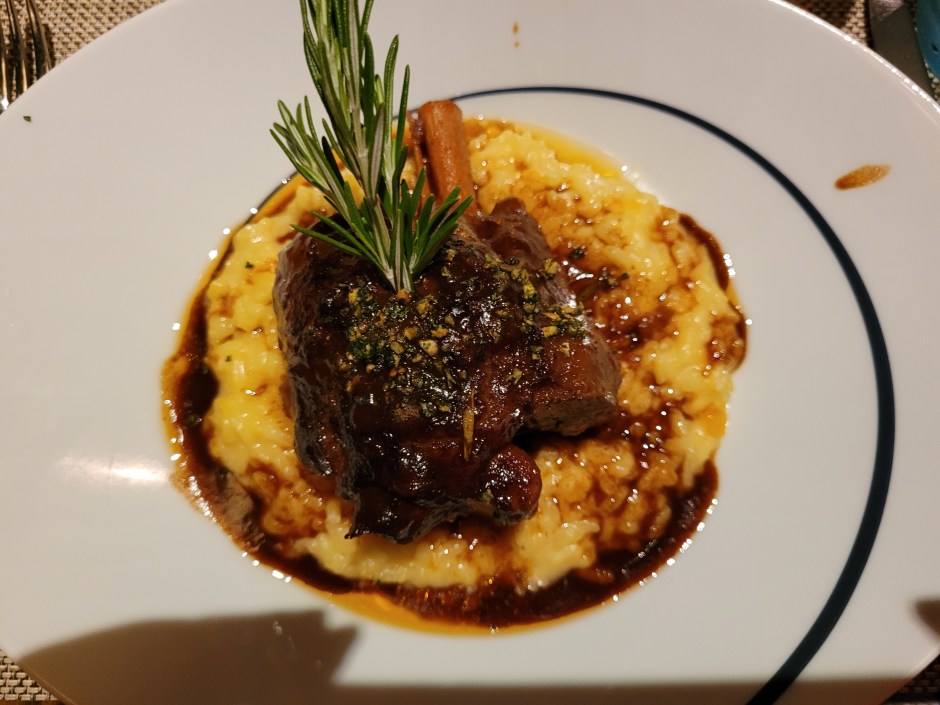
Not all adventures require stepping out into the world and exploring new places. There is not always a need to don our shoes or cross the threshold of our homes. Some adventures wait for us in a far more intimate space, where heat and spice mingle to create expectation. Where anticipation builds slowly. Where the experience lingers in memory and sends small electric thrills through the senses. Where worries are set aside, hands get busy, and something deeply satisfying, and dare I say even sensual, takes shape.
Lower your eyebrows, this is a family blog.
Of course, dear reader, I speak of the kitchen.
For thousands of years, humans have gathered around fire and flame, bonding through the shared rituals of preparing and eating food. Long before written language, recipes were passed hand to hand, memory to memory. Food has always been warmth, safety, and love made tangible. It is how we celebrate, how we grieve, and how we care for one another when words fall short. I once had a Puerto Rican colleague who would bring me food during especially stressful seasons of my life. One day, she arrived with a cake she had carefully crafted just for me. It was not simply a dessert or a cultural exchange. It was care wrapped in sweetness, a quiet reminder that I was not alone.
Food is deeply embedded in a people. It is history, culture, memory, and survival served on a plate. Entire stories can be told through a single dish. Take Haiti’s Soup Joumou, a pumpkin-based soup once forbidden to enslaved people and now eaten each year to celebrate independence and freedom. Or consider corned beef and cabbage, a meal that became closely associated with Irish-American immigrants, not because it was common in Ireland, but because it was affordable and accessible in their new home. These dishes tell stories of resilience, adaptation, and identity.
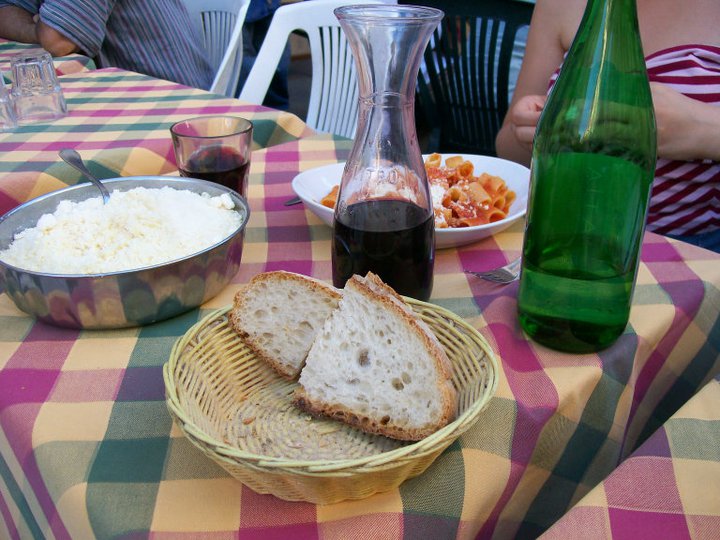
Sometimes food carries the quiet evidence of cultural exchange. Italy, so famously associated with pasta and tomato sauce, sits at a historical crossroads of trade. Noodles arrived through contact with the East, while tomatoes made their way from the New World. Local tradition met imported ingredients, and something entirely new was born. That cuisine later traveled across the Atlantic, where it transformed yet again into what we now call Italian-American cooking. This is why beloved favorites like fettuccine Alfredo or chicken parmigiana are rarely found in Italy itself. Food evolves as people move, adapt, and make do.
Many of the dishes I have named so far are familiar to most of us, especially here in America. But adventurous eating does not have to stop at what we already know. Those of us with wandering spirits often associate travel with food, and for good reason. What marks a journey more clearly than the flavors we encounter along the way? Thanks to global shipping networks and the rapid exchange of information, it is now easier than ever to recreate dishes from around the world in our own kitchens, no plane ticket required.
Will it always be perfect? No. The clotted cream I buy at my local grocery store is not quite the same as the clotted cream I was served in Cornwall. Still, for those of us who are budget-conscious or simply curious, it is close enough to spark delight and inspiration. Sometimes approximation is not a failure, but an invitation.
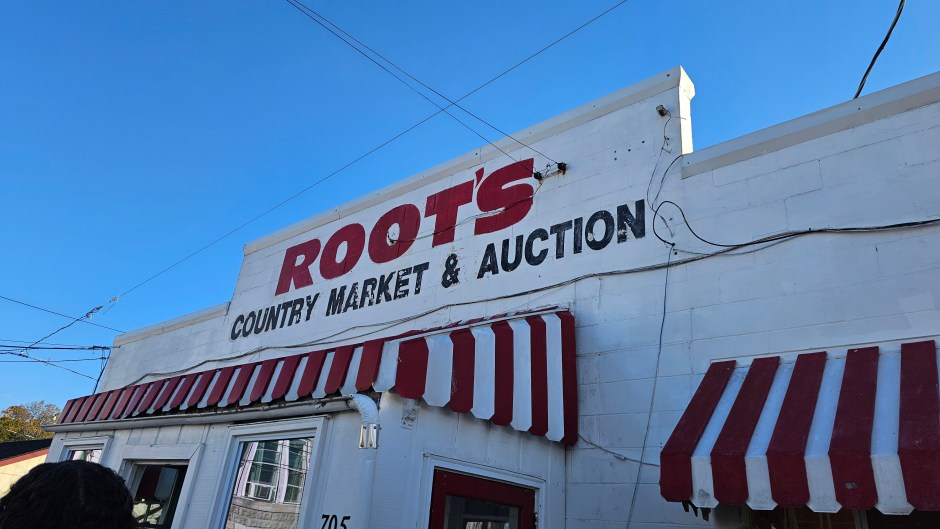
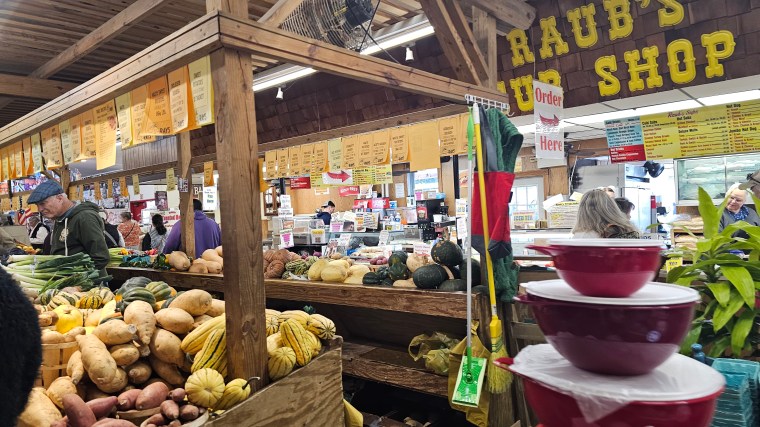
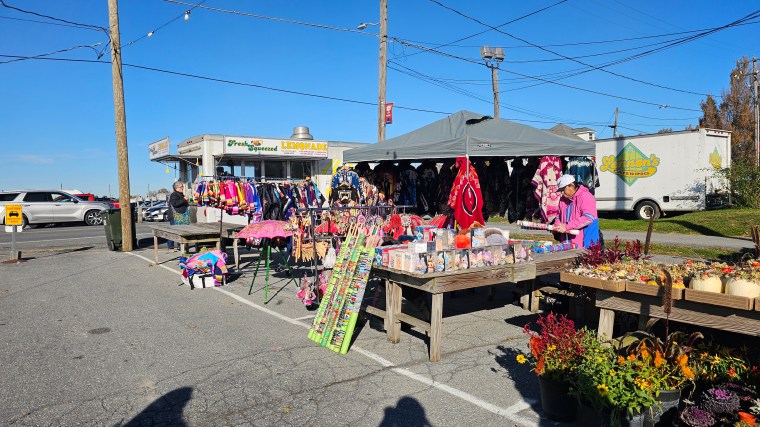
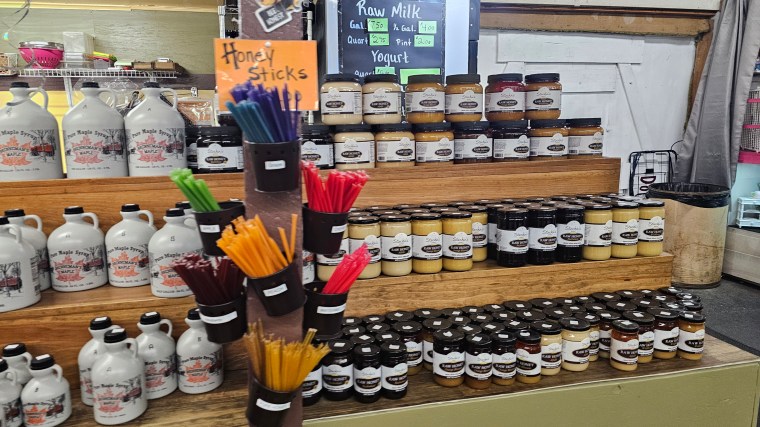
I am fortunate to live in a place that makes culinary exploration especially accessible. My hometown is something of a food mecca. We have a specialty meat and cheese shop, several farmers markets, close access to fresh seafood, and grocery stores that carry an impressive range of international ingredients. We are also home to many authentic markets representing cultures not typically found in mainstream American stores. This means I can often find traditional ingredients locally and at a fraction of the cost of ordering them online.
Lancaster is also known as America’s refugee capital, thanks in large part to the ongoing efforts of Church World Service. Refugees from around the world have made their homes here, continuing a long tradition of welcome rooted in our Amish and Mennonite history. With them, they have brought their food. And generously, they have shared it. Restaurants that prioritize employing refugees allow them to tell the story of their culture through cooking, creating a deeply local melting pot of flavors. It is history you can taste. Remember, food tells a story and in Lancaster it tells more than just an exchange of culture, it whispers welcome as well.
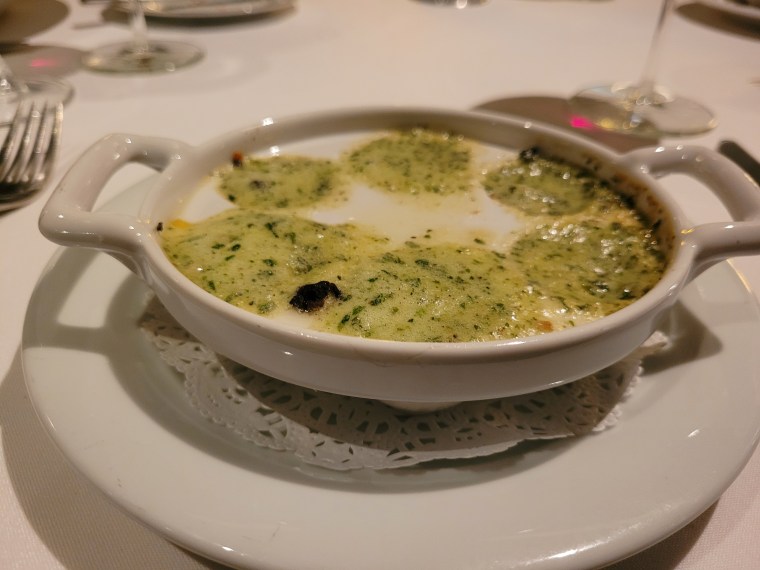
Perhaps that is why I have always been adventurous with my food. I grew up with the world’s kitchen at my doorstep. I learned early that flavor has no single nationality and that spices are not something to be feared. When people joke that white people do not use spices, I laugh, spice is all I’ve known. My spice cabinet is perpetually overflowing with flavors from every corner of the globe. One of my favorite dishes to make is lamb with five spices, a recipe that fills the kitchen with warmth and complexity long before it reaches the plate.
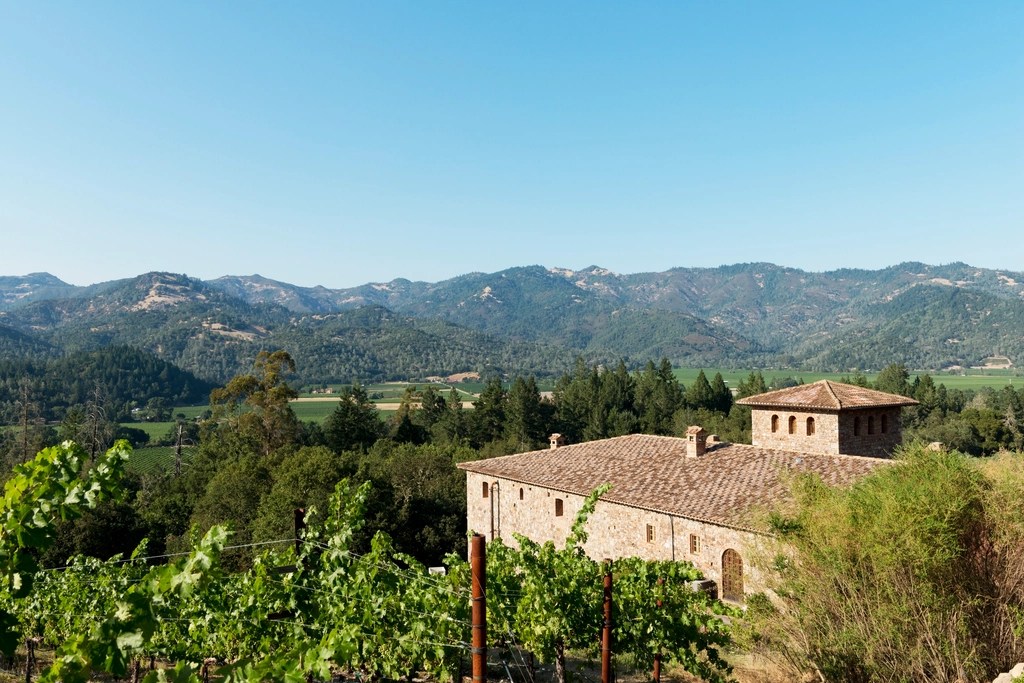
Over the years, I have tried an astonishing range of foods. Kangaroo and lychee. Beluga caviar and jackfruit. Escargot, conch, buffalo, alligator, raw oysters. Authentic pad Thai and ramen. Croissants in Paris, doner kebab, calamari, and a full English breakfast. I have sipped absinthe, fine wines, countless teas, and more than a few drinks whose names I can no longer recall. I have eaten at Ichiban grills, Brazilian churrascarias, four-diamond restaurants, and casual pig roasts. I have wandered farmers markets while sipping fresh coconut water straight from the shell and watched rolled ice cream take shape on a freezing plate. Street food, in all its glorious variety, deserves an essay of its own. I’ve eaten at rotating restaurants high above the skyline. I’ve also eaten deep in the earth in old wine cellars. I’ve dined on the ocean and at the peak of mountains.
Some of my most meaningful food memories, though, were made at home. Hours spent in the kitchen with my mother, learning new dishes together, experimenting, tasting, and laughing. Food is not only about novelty or prestige. It is about connection.
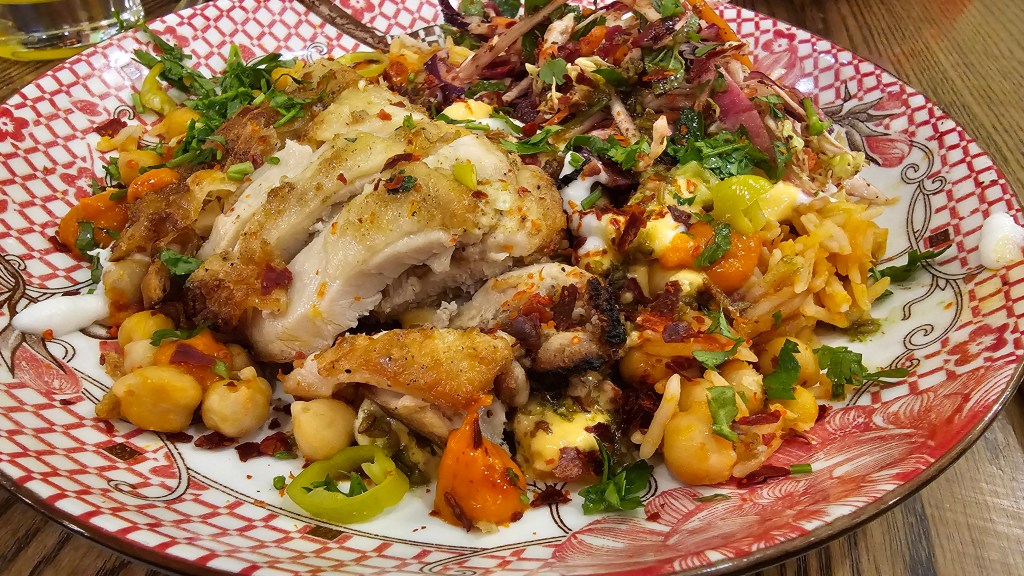
In the end, adventurous eating is not about chasing the most exotic ingredient or the most impressive dish. It is about the willingness to step outside your comfort zone and try something new. It is about expanding your palate beyond the familiar rotation of meals. I still remember the first time I tried lavender ice cream. It stopped me in my tracks. I had never considered lavender as a flavor before, and suddenly a door opened. I started seeking out all sorts of new flavors like rose and violet. Since then, I have fallen in love with pine and rosemary ice cream as well.
If lavender feels intimidating, start small. Try substituting lavender for rosemary in a recipe. Their flavor profiles are surprisingly similar, and the result is both comforting and slightly unexpected. That small shift is often all it takes. There are plenty of recipes and flavors out there. The world is truly your oyster! Adventure does not always roar and it doesn’t always require a passport. Sometimes it simmers quietly on the stove, waiting for you to take the first bite.


































 Budget Bliss: Bucket List