The Winding Path to Your Destination: Prayer Labyrinth

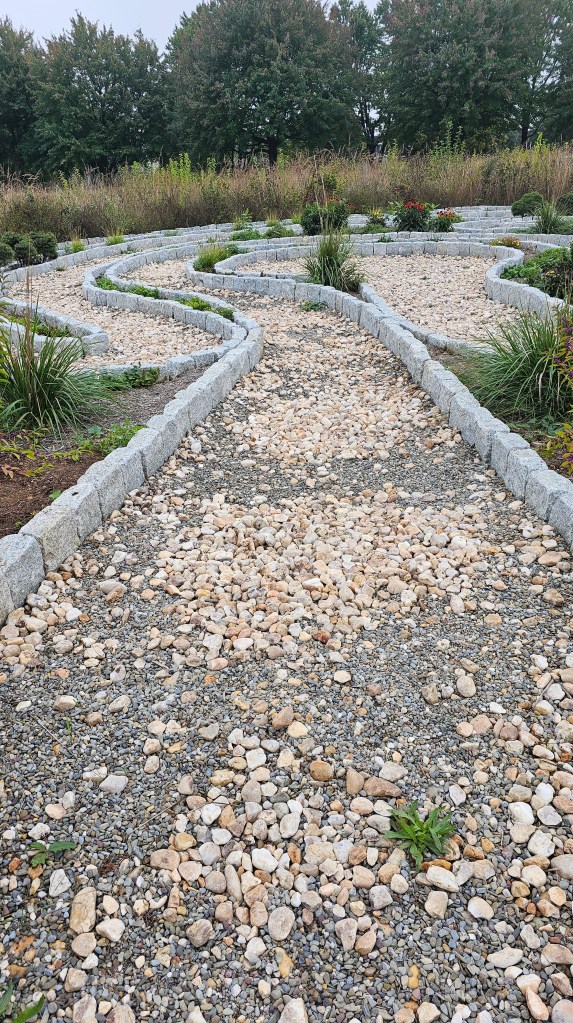
Unlike a maze, a labyrinth does not have many branching paths intent to challenge one’s navigational skills, but instead is one single path leading to the center. It is intended to symbolize a meditative spiritual journey without the possibility of becoming lost. There is one entry point and one endpoint, the only exit is to follow that path in reverse. 

Labyrinths have been used by the Christian faith since at least the 300’s and it gained popularity in the 600’s as a substitute for pilgrimage to the Holy lands after the Muslim conquest. In the faith, the labyrinth represents ones journey with God, as one arrives at the center one is entering arrives to be with God in perfect union. When one leaves, one has left a holy place to go back into the world. The practice is intended to be one of quiet contemplation and meditation, to pray and commune with God. It is a different form of worship as most often other forms are very stagnant in terms of physical movement. You sit at church to hear the preacher speak, you may stand up to sing and more modern churches may have people wave their arms in the air, but for the most part the movement is very limited. In this way, your whole body is part of the worship, the act of walking becomes part of the prayer. 

Many labyrinths are outside allowing creation to return to its intended purpose of being our Cathedrals and places of worship. It returns us in a sense to the garden paradise and thus reinforces the journey back to God which the labyrinth intends to mimic. The ordinary act of walking in nature becomes transcendent. 

The path that leads us back to God is not a straightforward path. It winds around at times seemingly moving us farther away from our goal, turning us away from it even though that is the only way to move towards it. To take that next step is an act of bold faith and trust that the path will lead where it is meant to be. In some labyrinths the path just before the final journey to the center takes us to the farthest point as it winds us all the way out and around before finally turning to the goal. 

Life can often seem that way as well. It can seem that we are being led down paths away from our goals or that we are farther away from what we are striving for than when we started. We may be tempted to turn back and try to go another way, only to discover there is no other way. We may find ourselves frustrated by the seeming lack of progress and give into the despair of hopelessness. The only way is forward, to trust the path and take that step of faith. 

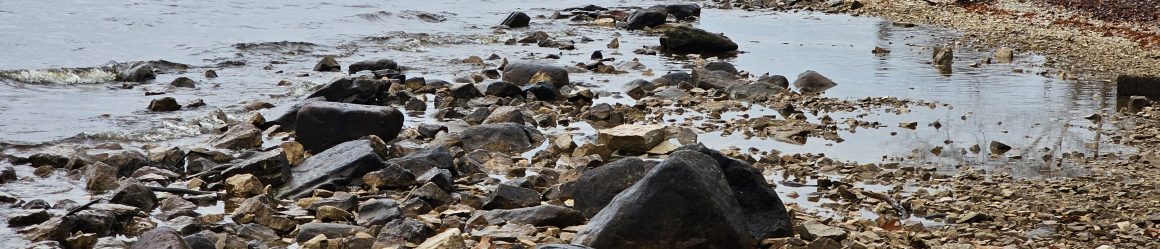
As one walks the path of a labyrinth, one may notice weeds or patches of clovers popping up depending on how vigilant the groundskeepers are. Then again what is truly a weed in a garden devoted to God? Is it not his creation that has been sent there? The judgments of the world hold little sway there, perhaps they serve as a reminder that the flaws and shortcomings we see in ourselves are gifts from the creator. The obstacles in the path are not obstacles at all but blessings. 

It was on a cool October morning, when the land was covered in fog that I embarked on my own prayer journey at a local church. I had read about prayer labyrinths and their meditative uses for quiet reflection and solace. As I was going to be in town on other business, I decided on a whim to drive a little out of my way and go in search of it. The labyrinth was tucked away behind the church in the wildflowers. Although being October, most of the flowers had lost their luster as they prepared for winter. The field itself was devoid of the bright hues one associates with flower fields; instead the plants had been transformed into dark sentinels to stand watch through the darkest months. 

At the entrance, I placed my phone and car keys to the side in order to devote myself fully to the practice intended by the architects of the labyrinth. Pausing at the front, I took three deep breaths to ground myself and be fully present in the moment. Then I began to walk and prayed. I wound around the path allowing it to twist and turn as it would taking in the few still blooming flowers which dotted the inside. As I approached the center, I paused knowing that in the next moment I would be stepping into the inner sanctuary. I then stepped into the middle and rested in the presence. My journey out was slightly different than my journey in as I softly hummed hymns to myself. Perhaps, I was taking the joy of heaven with me in the form of music and song.

Once I returned to my phone, I did pick it up for purposes of documenting in pictures the labyrinth in part to be able to return mentally to that place once more. In part to be able to share the experience with you dear readers with hopes that you will be encouraged to go on your own meditation journey. Still, on my second journey inward, I found myself still meditating and reflecting as if the design itself instills the mindset. It was on this second journey that I considered the imagery that labyrinth invokes. It was during that time that I reflected that at the point where I was seeming farthest away was actually when i was closest, even though when I first entered the center appeared to be just within reach. It was in taking pictures, that I reflected on the apparent weeds and wondered if I could call them weeds since they were in a sense planted by God. If God could have weeds in his Holy place then surely they are not weeds at all and if I saw them as weeds was I not looking with the world’s eyes? What did I see in my own life as weeds? When did I think that I was far from my goals when they were just within reach if only I kept going? What might I see if I looked at my own life as a labyrinth? 

On my way back to my car and out of the wild flowers, a butterfly came floating by my face, twirling around me and floating above. Was it a sign that the prayers asked would be answered? Was it a message of hope? Perhaps. Perhaps it was just a butterfly. Still, I shall take comfort in it for whatever may come in the next days. I shall remember the lessons of the labyrinth and sing the hymns of faith and thanksgiving. 
How can you experience a labyrinth? 

First dear reader, you need not be of the Christian faith or of any faith to enjoy the benefits of a prayer labyrinth. Many are simply called mediation gardens and even those without a faith find benefit to walking in them. The practice of meditative walking still helps people connect with their bodies, commune with nature, alleviates stress, supports their minds and improves over all well-being. You may find yourself making similar reflections as I did that life has its many twists and turns. You may reflect that the only way is to move forward and trust that you will obtain the goals you are reaching for. You may ask yourself if the flaws you observe are truly flaws or simply the way you’ve been trained to see them. Perhaps, you will leave as I did with a slightly different outlook than when you entered. 

Labyrinths can be found all over, at churches, hospitals and other public spaces. Some people have created them in their own backyard. Each one has a unique design and some are much bigger than the one I visited on a misty morning. It may be difficult to find as they are not always advertised and some are not necessarily open to the public. However, I found that with careful research I was able to locate one not 10 minutes from my house. I encourage you dear reader to visit a labyrinth. I think you will find the experience is worthy of your time.

If you don’t have access to one, then a meditative walk could help you achieve a similar affect. After all it’s about getting a similar result from a given experience. As always, dear reader, we needed do the exact thing to achieve the same or even better results.

Completed: Fall 2024

Miles from home: 5

Cost: Free

Encourage One Another & Build One Another Up

The title of this post comes from one of my favorite Bible verses and is in part the inspiration for this blog. This blog is intended to encourage you to live to invest in your mental health, stop chasing the false narratives of consumerism, over consumption and influencers and to live your best life. So what is a more appropriate Bucket List item than to encourage others? After all, when we build others up, we also build ourselves. 

There’s an interesting story about a farmer who won the farm show every year for his amazing crops. What puzzled people was that he would take the seeds from his award winning produce and share them with his neighbors. When asked why, he said that by having superior crops nearby it helped enhance his own with cross pollination. In other words, helping others, helped him. Which is something that really resonates with me. As someone in the social services field, I want to help create a better world not only for the people I am helping but also because it will help create a better world for me. 

In early 2021, with the ongoing pandemic, I watched mental health illness and a general sense of hopelessness grow in my community. It was as if in the midst of all the lockdowns, anxiety, stress a darkness was descending everywhere. Social media, which was already not the greatest place to spend your time, had become a toxic cesspool of hatred and vitriol as everyone struggled to cope. I don’t know all my neighbors, their struggles or what is going on in their lives, but I knew that at least some of them probably needed a pick me up. I knew I certainly could have benefited from it. So, I rolled up my proverbial sleeves and made a plan to bring some light in the middle of all these shadows. 

Photo by Matej on Pexels.com

I counted up the houses in my neighborhood and procured a small gift for each of them. In this case, it was a small make-up kit which I found at a greatly reduced price from Nordstrom. As my neighborhood is only about 10 or so houses, it was relatively inexpensive to include a small token along with the note. I then wrote a note to each of them offering encouragement and hope. Mostly something along the lines that we’re all going through a rough time and that I hope this small gift would bring them some joy. 

I waited until the middle of the week when I knew most would be away as evidenced by the lack of cars in driveways and then launched my plan. Which really consistent of walking around for maybe 5 minutes leaving the gift at each doorstep. It was hardly mission impossible. There was nothing connecting it back to me, no name or indication as to whom it came from, that was never the point. The point was of course to be anonymous to simply offer a point of light in the darkness. 

I do not know if anyone ever connected it back to me, no one has ever acknowledged the gesture, but what I do know is that it seemed to strengthen the ties in the neighborhood. I had noticed over the course of the pandemic that people had withdrawn back into their houses. They stopped chatting and waving. They didn’t go out of their way to be helpful to one another as we once did. For a year, we’d all be holding one another at arm’s length and it seemed difficult to breakdown the barrier. After that simple gift, I noticed they started reaching out to one another more and to strengthen the ties of the small community. 

When we are kind to others, it spread kindness. However, often when we are kind it begins a reciprocal relationship that does not necessarily spread outward from the dyad. When we are kind to strangers or anonymously, that kindness is amplified to beyond ourselves. I loved seeing how the one small act prompted other small acts even if it just helped change the vibe of the neighborhood to a place where we do reach out rather than withdraw. 

I’ve written in another post about community resilience like when the water main broke in my town and shut down main street or when a hurricane caused the annual art show to be canceled. A few people stood up and said, we will make a difference, we will encourage one another. Then the community rallied behind it. I’ve driven past signs on people’s mailboxes that say “You are awesome” and it brought a smile to my face. I’ve walked into the bathroom to see written on the mirror “You are loved” and my day brightened.

Photo by Lisa Fotios on Pexels.com

We never know what doing something for a stranger may do for them. However, there are many stories about how something as small as a smile can stop a suicide or help someone make a decision to turn their life around. Perhaps, all I did was make people smile, perhaps it saved a life. The point is to be the light that we wish to see in the world and the best thing about the activity was that it took almost no time at all. Kindness often does not. What it takes is noticing a potential need and responding to it, letting someone know that they are seen and that they matter. You don’t need to necessarily get it perfect. After all, my neighbors may not have needed the make-up the point was to let them know that someone cares about them. 

Not every item on a BucketList is about enriching your own life. Afterall, here at Budget Bliss Bucket List, we want to pursue a life well lived and that means enriching other people’s lives as well. We become the best versions of ourselves when we practice generosity and gratitude. Chasing an influencer life for likes and attention, doesn’t leave us with meaning. Going on a vacation is fun, pampering yourself at the spa is important for self-care, but we miss something important when we don’t forget to give back. 

I shall have to write a post about one’s wellness wheel, but the idea is that we have to make sure that we’re living a life in balance, filling each part of our wheel to be in balance. When one part of our wheel is “flat” the wheel doesn’t turn and we usually feel like we’re off, possibly stressed or even burned out. Making sure to take time to include items like this helps keep our wheel turning smoothly. 

Photo by Dhivakaran S on Pexels.com

How can you be the light for others?

It’s easy! Count up your neighbor’s houses and write notes of encouragement. Then when the timing is right, drop them off. The alternative is to leave them around your community for strangers to find. You can even sneak around at night with chalk and write notes on the sidewalk for people to see. It takes almost no time at all and no money. Which is why this is a perfect budget friendly item to include on your list. 

Completed: 2021

Cost: $10 per household but it can be practically free

Miles from home: 0 

How I Prioritize Conflicting Values

I’ve written before that we often have to pick and choose our battles when it comes to living out our values as almost nothing we can do in this modern world exempts us from harming others, short of going completely off grid and homesteading out in the middle of the wilderness surviving on nothing but what you create yourself. However, even those intrepid homesteaders buy some of their things at least to get started, so they still participate even if they say otherwise because without a village full of specialized craftsmen how could they not? Even the fact that they can live peacefully on their land free from marauding warbands is because they are surrounded by a modern society with an active army and local law enforcement agencies.Plus the tax man always comes in one form or another and if they’re youtubing their experience guess what they’re participating in?

The truth is we have to accept that we cannot make perfectly ethical choices that always align with our values. We have to pick and choose our battles and make compromises. I value the environment, but I have gone on cruises with my mother. Which is arguably one of the worst choices when it comes to environmentalism. Unfortunately, I’ve found that cruising is one of the friendliest travel options for someone with chronic health conditions if you want to see multiple countries and a bit more of the world. She worked very hard as my mom and practically killed herself to provide for me a modicum of middle class lifestyle growing up and to support me as best she could through college, a job that while it required a college degree paid me less than 20,000 a year, and grad school. She gave up her dreams of travel to give me a good life, so I help make her bucket list happen. The best way to do that has been cruising once every three to four years.  

The two values that conflict are the environment and family. In general, my family lives in a very environmentally friendly way. We reduce our energy consumption as much as possible, avoid purchasing new items preferring thrift shops, ebay and Facebook marketplace. We buy “ugly” produce and check the quick sale items to reduce food waste. As one can see in the rest of this blog, in general we avoid travel to far flung places. I try to garden with native plants or at least plants that are non-invasive and friendly to my local area. I’ve planted a number of trees which all contribute to the environment. Even our toilet paper and tissues are made from bamboo to try and reduce the waste. However, every three to four years we do go on a trip that is truthfully bad for the environment. Is it better than the person who takes a week trip to various foreign countries around the world once a year? It’s probably on par to be honest. 

Photo by Burst on Pexels.com

It could be easy to start trying to calculate carbon “credits” to “off-set” the indulgence, which isn’t really the point of our daily lifestyle choices. If you indulge occasionally in fast fashion you may try to justify it with all the second hand purchases you’ve made. It may be a logical fallacy to say “well I can be ‘bad’ in this one instance because I’m so good all the other times.” We see this when people decide to go off their diets, or buy something from a place they know has a terrible reputation for how they treat their employees. It can be easy to judge people (or ourselves) who do make these compromises negatively. However, we all do it and we all make judgments about what compromises we’re willing to make when our values conflict or our budgets come up against certain realities of life. 

It may not even be about having different values but how we rank our values in a given situation. Would I much rather purchase all my clothing from etsy shops supporting American small businesses? Absolutely. Do I have the money to do so? Absolutely not. Clothing is expensive to make at $15 to $20 an hour for a living wage. It’s even more expensive if you want them to use material that is also American made; perhaps you want it to be of all natural fibers and dyes from an organic cotton farm here on US soil using only the best sustainable, environmentally friendly practices. 

I’m someone blogging about living her best life on a salary that is less than the median income. I don’t have that sort of cash, despite my greatest wishes otherwise. Almost none of us do and sometimes despite your best efforts you can’t find what you need at the thrift store given that it’s based on donations. I’m lucky in that I wear pretty common sizes but even then I can’t always find what I need and I’m forced to go to a regular store to purchase something new and not sustainably made, free from exploitative labor practices. 

The overarching value is reduction of waste, but it sometimes conflicts with what I may feel I need. Like when I needed to go to the gala as part of a fundraising event as part of my job and I didn’t have a dress for the occasion. I wasn’t spending over $100 on a dress for my non-profit job. I also wasn’t buying a used prom dress from my local thrift shop to do it because I don’t want to look like I’m 15 instead of over 30. I placed the value of helping raise money for a good cause over my usual value of reducing consumption of goods.  

Photo by Andrea Piacquadio on Pexels.com

The point of this post is to simply have you begin to reflect on how you personally navigate your values and to recognize that sometimes it’s not about being a hypocrite but rather having two conflicting values where you make a decision about which one to value more given your own limited resources whether that be time, money or energy. It’s not about telling you what to do but to get you to pause and reflect on how you may be navigating these conflicts without putting much thought into it leading to negative judgements of yourself and perhaps even others. This is a time to practice some self-compassion as well as compassion for the choices that others are making. It’s easy to throw stones in glass houses, but one really shouldn’t. It’s a kinder gentler approach to living out values

You can be more mindful about the decisions you are making to more align your actions with the things you actually care about. This allows us to create more meaningful and impactful lives that bring us joy. This also causes reflection about what we might be doing that doesn’t align and to ask, is there a different way to achieve the same ends without as extreme of a compromise? I like quality clothing that will last years not months, so I may go to ebay and try to find used designer clothing for a steal. Goodbye fast fashion, hello sustainability that isn’t breaking the bank. If I decide to go on a cruise because I want to be able to travel places with my mother and help her obtain her dreams, is there a line that is a little better for the environment than the rest? Is there one that also treats their staff well? What about the excursions it offers? Even something as simple as purchasing biodegradable paper plates if I decide I want to have a picnic with my sister in the park. 

I’m always asking, is there a way I can do this better to fit my values? I am also willing to revisit previous decisions. I may say that upon further reflection that it was a compromise I shouldn’t have made. I can’t change the past, but I can move forward with making a different decision moving forward. Perhaps, I am at a different place where I have more freedom to choose. When I was purchasing my car there wasn’t really a hybrid with four wheel drive in my price range. I had to determine which was more important to me: the safety of having four wheel drive in a job that required me to drive in bad weather or a hybrid that was better for the environment considering the amount of driving I was doing. At the time, I chose safety, because I like living and couldn’t afford to become disabled from a catastrophic accident. As I begin to consider purchasing another car, my driving needs have changed so I will more likely choose a hybrid. Additionally, there are now more options which combine hybrid technology with all wheel drive.

We won’t always be able to live out our lives in perfect harmony with our values. We will have to pick and choose. We should be asking ourselves which values are in competition with one another and weigh the impact of those choices against the conflicting values. Sometimes one value will win out over another value. The ranking can vary from decision to decision. We should be willing to recognize when there is conflict to allow for self-reflection and arrive at the best decision for ourselves while owning that we are making a choice that conflicts with the values we have. 

New Year’s Resolution or New Year’s Themes?

As it is Christmas Eve, that means that in only one week’s time, the New Year shall be upon us. After the Christmas festivities, carols, feasting, presents, and pageants, our attention shall turn to reflection of the year previous and to the year ahead. If you are like most people, dear reader, as always, you started the year with the best of intentions. You resolved to lose weight, write that novel, go on that vacation, finally get married, pay off that debt and others I haven’t named here.

Like most other people your resolution probably quickly faded. The habit you were trying to set didn’t quite “stick”. You may have faced a set back like an unexpected health issue preventing you from going to the gym every day or the time you set aside to work out got eaten up by staying late at work or if we’re honest, you were probably too exhausted and burned out to keep it up every single day. Then the feeling of failure crept in, negative self-judgments and justifications as to why you just can’t follow through with your plans followed quickly by negative coping usually in the form of doom scrolling through feeds you don’t even actually like and binge watching objectively terrible shows on whatever streaming services you happen to have.

Photo by cottonbro studio on Pexels.com

Now, I could parrot the many articles as to why it is so difficult to keep resolutions. Yes, we often aim too high and bite off more than we can chew. The common advice is to set smaller more obtainable goals along the way like if we want to learn a new language, to devote 5 minutes a day to learn a word of phrase (that won’t work to help you learn a new language that’s terrible advice!). We’re extoled to consider the why we want to change. The experts will remind us of the adage that the pain of not changing has to be greater than the pain of changing for us to really change. Therefore, we must consider the greater purpose to our goals! Which is true to some extent – but I digress. I have yet to see these well meaning advice columns actually help.

However, there is one very clever YouTuber CGP Grey who introduced me to a new and novel approach to New Year’s Resolutions. Now, some of you may already be familiar with his work. If you’re someone who likes history, flags and other niche esoteric topics and have not yet discovered this gem of the internet, now you have and you’re welcome – but I digress again.

He suggests that we throw out the SMART Goal version of resolutions (Specific, Measurable, Achievable, Realistic, Time-bound) and instead introduce ourselves to a general theme. A SMART Goal may be I will reach A2 in Spanish by the end of the year; instead I might say “Year of Spanish”. It’s broad because it’s supposed to be. After all the point of most resolutions is that you’re trying to improve yourself in some manner so exact milestones don’t matter so long as the trend is positive you’re still reaching the goal. Even just stopping a negative trend can be a positive or decelerating one is still improvement. Maybe you didn’t lose weight, but you stopped gaining weight. Maybe you didn’t put on muscle mass, but you created a work out habit.

With a theme you’re focused less on the “big SMART goals” and mostly just focused on any small, positive changes you can make towards your theme. Your life is full of small branching decisions that allow you to have more, less or the same of the things you want. If your theme is Spanish and you find yourself standing in line, rather than scrolling on Instagram you pull out your phone and start learning Spanish words.

Photo by Kindel Media on Pexels.com

As Grey describes it, your theme becomes a friendly little bot pushing you in small moments towards your theme and a good theme can’t really fail because those small changes will start to add up. It’s a matter of picking large enough themes, to move your life in a positive direction that can encompass a myriad of ways to get there. Let’s say you want to lose weight, maybe your theme could instead be “Year of Health”. Your friendly little bot may nudge you towards eating healthier. However, you find that you struggle to make good choices with your eating habits but instead start walking every day, you are still on theme. Maybe you were thinking of going to the gym, instead of that gym member ship, your bot nudges you to buy those weights and you start doing some light exercise at home.

After all, we can’t plan for the future. If the resolution is I will lose x amount of weight by the end of the year and then you become ill, you may not be able to lose weight, heck your only goal may simply to be improve your health at all. If your theme was say health, then you haven’t failed because it wasn’t about the weight it was just making small choices in each moment towards the theme of health. Having a theme allows you to pivot with the hills and dales of life, a theme is adaptable. Maybe you started off trying to memorize different Spanish words and found that learning a word a day didn’t actually help you speak to your Spanish speaking co-worker. However, after a few stumbling interactions, she agrees to have lunch with you each day and starts to teach you – you haven’t failed because you stopped memorizing words. In fact that would be one of the best ways to learn!

By keeping yourself “on theme” you will begin to notice all the different choices that you make each day either towards the theme or away from the theme. This gets you to reflect on how you think which changes how you think. Instead of experiencing yet another failure of not meeting goals of your past self, you are free to experience the successes of the person you are in this moment and free to set down the path for your future self. Often what we envision the theme of the year to mean in January isn’t as we envision it in December, which is beautiful! According to CGP Grey, Themes should be broad, directional and resonant. It’s about building a life you want to live – which incidentally is exactly what this blog is about. Helping people life exceptional lives.

Photo by Andre Furtado on Pexels.com

CGP Grey breaks down “Building A Life You Want to Live” into Themes, which goes into systems to build up those themes, to targets for creating those systems, targets which may or may not get you there and small actions you take to hit those targets. Consider learning a language. An action I may do is practicing Spanish on Duolingo everyday. A target may be “get through 1 unit each week” a system may be that I need to practice for 30 minutes after dinner each day. This encompasses a theme of language learning which helps me build a life in which I can converse in Spanish with relative ease. It’s in those in between steps targets and systems that our resolutions fall apart. We think we need to take the life we want and break it down into small bite size chunks. Instead, with a theme we allow the targets and systems to arise more organically from the actions we can reasonably take towards the theme.

Finally, CGP Grey encourages us to consider that a year is a long time but a season is a very nice chunk of time, not so long as to slip away from us but also not so short as to be unreasonable. As we just hit the Winter Solstice, perhaps you would consider Winter of Order to try and become more organized. As nature changes reminding you of passage of time, it can help keep you “on theme”. So over this next week, I encourage you dear reader to consider a theme instead of a resolution.

What a Wonderful World: Cultivating a Vacation Mindset When You’re Not on Vacation

I think one of the reasons everything seems so much better on a vacation is because we’re able to leave behind the worries, stresses, and responsibilities of everyday life. IWhen I do go on vacation, not only do I leave it behind, I almost always have a “flex” day for when I return, I make sure all bills are paid up early and I make sure my house is spotless before I go. This means that I don’t have to worry about returning to housework, everything is paid for and I still have an extra day where I’m not working. I have an entire day to prepare to “return” to the mundanity of life with all the worries, stresses and responsibilities of everyday life. It also means that I don’t have to begin to prepare to return until after the vacation is completely over thus “protecting” the vacation mindset. Another protection I give myself is having things fairly planned out, with room to change them if the need arises, but having done most of the decision making beforehand means that not even the worry of a decision can possibly bother me. 

Sidenote: The flex day is usually spent snuggling my pets who missed me and ensures that I meet their emotional needs after being separated from me. It’s like a whole bonus vacation day and I love absolutely it. 

Cat snuggles! My biggest problem is my lap is too small for all my cats!

Because we’re able to “set aside” our “real” lives while away, it means that we are much more able to focus on what’s happening to really enjoy what’s happening in the present and savor those moments. Vacations just feel more fun even if we’re doing an activity that we could arguably do at home. 

Consider going to the beach or the lake. A day at the beach or lake nearby is lovely, but what about say going on a cruise and picking a day at a tropical beach. Objectively, a beach is a beach. Sand, check. Water check. Waves check. Yet, in comparison to my last day at the beach on the Atlantic coast vs my day at the beach on my cruise. The cruise one stands out as better. Why? Both trips, I spent time swimming in the water and then laid out under some shade to read my book. Perhaps it was less crowded, but I went to a less crowded beach before. Perhaps, it’s because I didn’t have to lug my chairs and towels. Maybe? Or perhaps it was the mindset I was in. I was mindful to be in the present. It seemed better because I was more relaxed and worry free. I simply was in the moment. All I was concerned about was the beautiful weather, the feel of sand between my toes and the gentle lapping of the waves as I sipped a drink and read. I was in my body in a way that I wasn’t really before. 

I would hazard a guess that was the biggest difference, not the location, not the fact that I was on a cruise or whatever else, but my mindset. If I went away for a vacation and life followed me there, I probably would be miserable and perhaps, vow to never visit that location again having associated it with a terrible experience. No wonder we’re all looking to escape to far flung places rather than living where we’re at. 

One doesn’t need to be on vacation to enjoy delicious food that with good presentation

So how does one cultivate a vacation mindset while doing things at home, perhaps on the weekend, a single day off or on an evening out? First, you must create some boundaries around those activities. For me, I may schedule a preparation evening the day before. One where I do a more thorough cleaning of the house or at least make sure it’s well straightened up so that when I leave to go do what I want to do, a bunch of housework isn’t lingering behind in my mind’s eye. I may look ahead of upcoming responsibilities such as bills or projects I need to get done and try to get as many of them done beforehand. My alternative is to have on my calendar a block of time dedicated to those activities. I find that when I block out time to get a task done, the stress associated with it diminishes greatly. Mostly because my brain is able to accept it will get done and then not worry about it. It also means disconnecting, airplane mode can be your friend or if you’re too afraid of that because you have children at home and you want to make sure you’re available in an emergency, setting your phone to “Do not Disturb” where you can still get phone calls in an absolute emergency. All of these things help me set a boundary to keep the outside world out of my leisure activities. 

By setting a boundary with the rest of the world, it’s much easier to cultivate mindfulness. What do I mean by mindfulness? I mean being fully present in the moment, being aware of the physical realm around you and your own body. One could call it being grounded in your current reality without being distracted by things in the past and the future. This allows you to turn the mundane into something extraordinary. Consider a trip to the farmer’s market. Apparently, this fairly ordinary thing here in Lancaster is a coveted activity by many a tourist and don’t get me started on the “farm to table experience” that people pay an arm and a leg for or as I call it Wednesday night’s dinner. 

When I go shopping, I am on a mission. I get in and out as quickly as possible, I have a list, I know where the items are at and I don’t want to spend a single moment lingering. I am busy and I have things to do. A tourist on the other hand, linger. They pick up the fruit and smell it. They admire the textures and colors of the different vegetables. They see the display baskets as quaint, harkening back to the days when all our food was sold in little markets and stands such as this one. They admire the baked goods, mouths almost watering in anticipation. They strike up a conversation with the farmer behind the counter asking curious questions. For them, this is their bucket list experience. For me it’s grocery shopping. The same place, the same activity, two completely different experiences. 

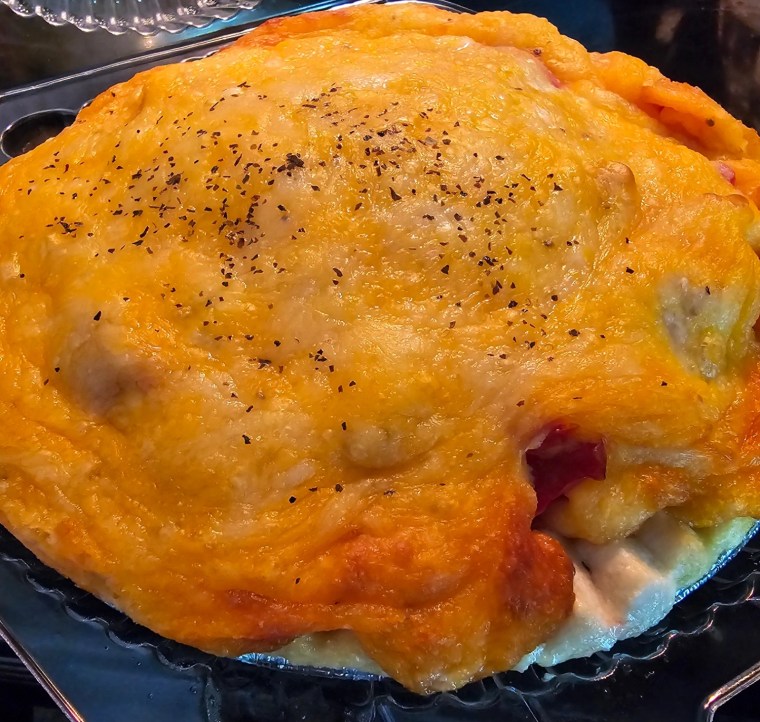
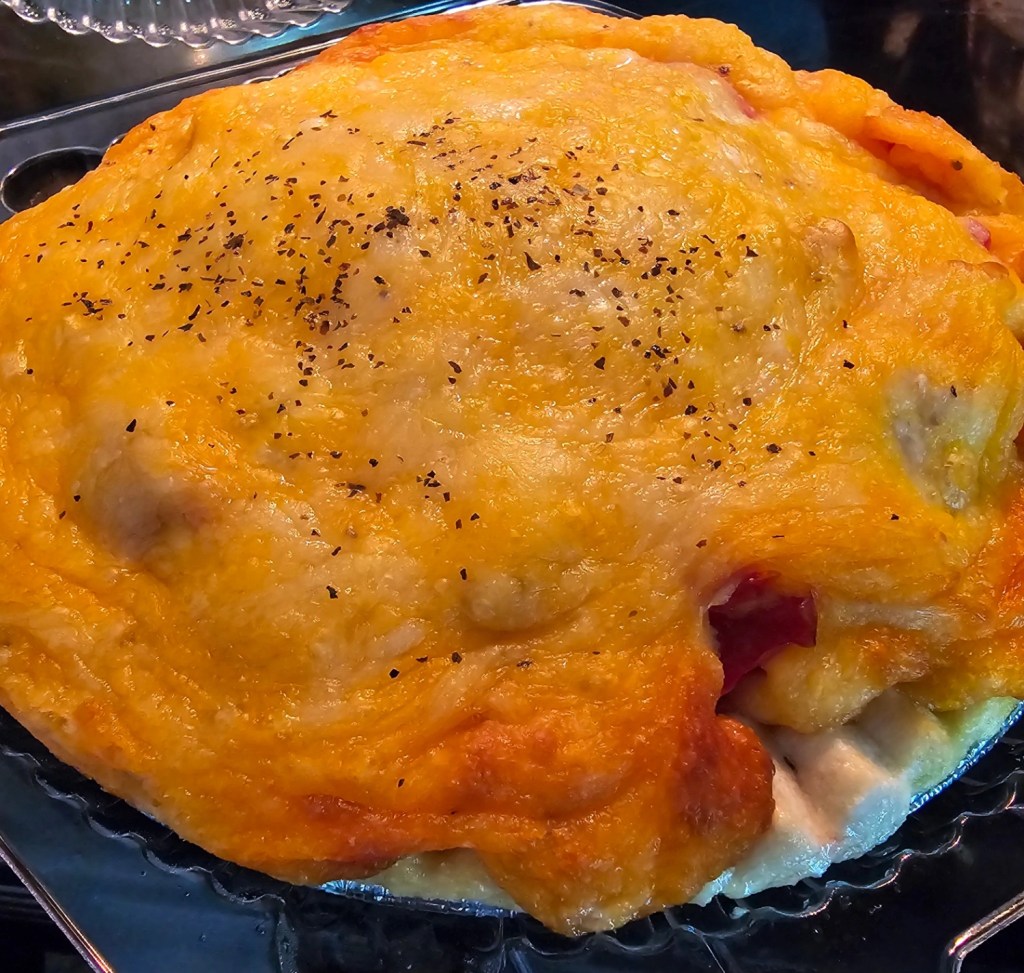
A delicious tomato pie from a local farmer! Truly a farm to table experience.

What might I find if I scheduled some extra time in my busy schedule to meander through the aisles? What delights might my eyes see? What smells might make my own mouth water if only I would pay attention? If one can turn grocery shopping into a bucket list experience, what might happen if when one goes to an event like a festival, concert or museum one cultivates this same mindset? As for Wednesday night’s dinner, a trip to Root’s Farmers Market on Tuesday can yield a farm to table experience without the price tag. Buy direct from the farmer at their stand to make in your own kitchen. 

If you take time to cultivate moments to be on vacation, even for an afternoon, you will find you are more refreshed and better equipped for the daily inconveniences and stresses of life. It is different than escaping into your phone which is merely a distraction and often fuels negative feelings about yourself. Unless you’ve carefully trained the Instagram algorithm to only show you cat videos – which I have intentionally from day one – scrolling on social media will not help you feel better. Being mindful connects you back to your body, relaxes you and allows you to cultivate moments of joy and gratitude even for simple things like a bushel of tomatoes. 

It isn’t about what you’re doing, but how you’re doing it. We can create amazing moments in the ordinary if we only open our eyes to see what a wonderful world we live in.

Poisonous Path Not Taken

No one ever wins the game, “what could have been”, but we all play it to our own demerament. The game “what could have been” is when we sit and think about the path not taken. The “one who got away”, the degree not pursued, the job offer you didn’t take, the house you didn’t buy or the trip you didn’t go on. It is usually when we are sitting in regret for not taking that path and say “if only I had….” Indeed, if only you had and then life would be wonderful! That, dear reader, is the dangerous and poisonous trap. 

You see when we play this game, we only ever present ourselves with the idealized version of events had we only made a different choice. I should probably write a post later about the choices we make since I keep saying it, but life is full of choices and saying yes to one thing means no to others. We choose to give up something to take a given path, often more than one thing. If we pursue a higher degree we may land our dream job and make lots of money, we may also find ourselves drowning in student debt working at McDonald’s. Rarely do we consider the second part when playing “what could have been.” We only think of the best possible outcome of the path not taken, dreaming that if we had just done something slightly different we would have a life that frankly was probably never in the cards to begin with.

I had a wonderful co-worker who was quite talented in the social services field. She was arguably better than most people with their master’s given the amount of additional training and experience she had. Unfortunately, without that degree her job prospects were limited and her salary was less than it should have been for what she brought to the table. It was to her deep regret that she did not finish school. However, she shared that she had in part chosen not to pursue a career in order to support her husband’s children in their blended family. They needed additional support and because of her pouring herself into them, they turned out wonderfully. They are successful young men and women who love and adore her.

I reassured her that at the time of the decision she could have no idea that the job market would be so demanding of a higher degree and that she made the best possible decision for her and her family in those moments. I told her that she has no idea the positive impact that her presence in the family brought and what horrible things may have happened if she pursued her higher education which would have required her to sacrifice the extra time and attention she gave those children. I told her she has no idea if the gamble would have paid off or if she would have been stuck with debt or how it would have impacted the dynamics of the home. Perhaps, those children would have gotten into drugs or joined a gang without her love, care and support (a possibility in the city she lived in). Would she be sitting in an office today, wishing she had made a different choice and cursing herself for not staying home?

Much like in the movie it’s a Wonderful Life, we have no idea how the choices we make effect the world around us and how without those choices the world may actually be far darker.

That “dream” home may have been a money pit or a financial stressor that ruined you. That vacation you didn’t go on, maybe would have been the place of a freak accident that left you without a leg. That job that you didn’t take may have been the most toxic work environment that you ever experienced. Yes, it may have led to a magical land of happiness, but look around you, do you know anyone who is truly happy? If so, then I will ask you to look closer at them, are they happy because of a dream life or for some other reason? The Kardarasians are arguably one of the most successful families in America and I don’t need to watch their show to know they are miserable. They spend their lives creating endless drama for our entertainment and that sounds like a gilded hell. How many celebrities have completed suicide or turned to drugs to numb their pain? How many people regret getting married? How many single people long for it?

You accomplish nothing sitting up and thinking up a fantasy life for paths not taken. It only leads to regret for a life that you do not have and for one that may have never existed no matter what choices you made. You cannot change the path that has already been taken. The only possible way is forward to make the best choices you can in the moment with the information that you have. Living our best lives means living this life and making this one the best one we can with the tools at our disposal not trying to live a life that can never be. Do not play what could have been, dear reader, for it is a game you will never win.

What a Wonderful World: Cultivating a Vacation Mindset When You’re Not on Vacation

I think one of the reasons everything seems so much better on a vacation is because we’re able to leave behind the worries, stresses, and responsibilities of everyday life. IWhen I do go on vacation, not only do I leave it behind, I almost always have a “flex” day for when I return, I make sure all bills are paid up early and I make sure my house is spotless before I go. This means that I don’t have to worry about returning to housework, everything is paid for and I still have an extra day where I’m not working. I have an entire day to prepare to “return” to the mundanity of life with all the worries, stresses and responsibilities of everyday life. It also means that I don’t have to begin to prepare to return until after the vacation is completely over thus “protecting” the vacation mindset. Another protection I give myself is having things fairly planned out, with room to change them if the need arises, but having done most of the decision making beforehand means that not even the worry of a decision can possibly bother me. 

Sidenote: The flex day is usually spent snuggling my pets who missed me and ensures that I meet their emotional needs after being separated from me. It’s like a whole bonus vacation day and I love absolutely it. 

Cat snuggles at the end of a vacation away is the purrrrrfect welcome home

Because we’re able to “set aside” our “real” lives while away, it means that we are much more able to focus on what’s happening to really enjoy what’s happening in the present and savor those moments. Vacations just feel more fun even if we’re doing an activity that we could arguably do at home. 

Consider going to the beach or the lake. A day at the beach or lake nearby is lovely, but what about say going on a cruise and picking a day at a tropical beach. Objectively, a beach is a beach. Sand, check. Water check. Waves check. Yet, in comparison to my last day at the beach on the Atlantic coast vs my day at the beach on my cruise. The cruise one stands out as better. Why? Both trips, I spent time swimming in the water and then laid out under some shade to read my book. Perhaps it was less crowded, but I went to a less crowded beach before. Perhaps, it’s because I didn’t have to lug my chairs and towels. Maybe? Or perhaps it was the mindset I was in. I was mindful to be in the present. It seemed better because I was more relaxed and worry free. I simply was in the moment. All I was concerned about was the beautiful weather, the feel of sand between my toes and the gentle lapping of the waves as I sipped a drink and read. I was in my body in a way that I wasn’t really before. 

I would hazard a guess that was the biggest difference, not the location, not the fact that I was on a cruise or whatever else, but my mindset. If I went away for a vacation and life followed me there, I probably would be miserable and perhaps, vow to never visit that location again having associated it with a terrible experience. No wonder we’re all looking to escape to far flung places rather than living where we’re at. 

Photo by Daniel Moises Magulado on Pexels.com

So how does one cultivate a vacation mindset while doing things at home, perhaps on the weekend, a single day off or on an evening out? First, you must create some boundaries around those activities. For me, I may schedule a preparation evening the day before. One where I do a more thorough cleaning of the house or at least make sure it’s well straightened up so that when I leave to go do what I want to do, a bunch of housework isn’t lingering behind in my mind’s eye. I may look ahead of upcoming responsibilities such as bills or projects I need to get done and try to get as many of them done beforehand. My alternative is to have on my calendar a block of time dedicated to those activities. I find that when I block out time to get a task done, the stress associated with it diminishes greatly. Mostly because my brain is able to accept it will get done and then not worry about it. It also means disconnecting, airplane mode can be your friend or if you’re too afraid of that because you have children at home and you want to make sure you’re available in an emergency, setting your phone to “Do not Disturb” where you can still get phone calls in an absolute emergency. All of these things help me set a boundary to keep the outside world out of my leisure activities. 

By setting a boundary with the rest of the world, it’s much easier to cultivate mindfulness. What do I mean by mindfulness? I mean being fully present in the moment, being aware of the physical realm around you and your own body. One could call it being grounded in your current reality without being distracted by things in the past and the future. This allows you to turn the mundane into something extraordinary. Consider a trip to the farmer’s market. Apparently, this fairly ordinary thing here in Lancaster is a coveted activity by many a tourist and don’t get me started on the “farm to table experience” that people pay an arm and a leg for or as I call it Wednesday night’s dinner. 

When I go shopping, I am on a mission. I get in and out as quickly as possible, I have a list, I know where the items are at and I don’t want to spend a single moment lingering. I am busy and I have things to do. A tourist on the other hand, linger. They pick up the fruit and smell it. They admire the textures and colors of the different vegetables. They see the display baskets as quaint, harkening back to the days when all our food was sold in little markets and stands such as this one. They admire the baked goods, mouths almost watering in anticipation. They strike up a conversation with the farmer behind the counter asking curious questions. For them, this is their bucket list experience. For me it’s grocery shopping. The same place, the same activity, two completely different experiences. 

My farm to table dinner: tomato pie

What might I find if I scheduled some extra time in my busy schedule to meander through the aisles? What delights might my eyes see? What smells might make my own mouth water if only I would pay attention? If one can turn grocery shopping into a bucket list experience, what might happen if when one goes to an event like a festival, concert or museum one cultivates this same mindset? As for Wednesday night’s dinner, a trip to Root’s Farmers Market on Tuesday can yield a farm to table experience without the price tag. Buy direct from the farmer at their stand to make in your own kitchen. 

If you take time to cultivate moments to be on vacation, even for an afternoon, you will find you are more refreshed and better equipped for the daily inconveniences and stresses of life. It is different than escaping into your phone which is merely a distraction and often fuels negative feelings about yourself. Unless you’ve carefully trained the instagram algorithm to only show you cat videos – which I have intentionally from day one – scrolling on social media will not help you feel better. Being mindful connects you back to your body, relaxes you and allows you to cultivate moments of joy and gratitude even for simple things like a bushel of tomatoes. 

It isn’t about what you’re doing, but how you’re doing it. We can create amazing moments in the ordinary if we only open our eyes to see what a wonderful world we live in. 

Cultivate Daily Gratitude

It started off as an exercise during the season of Lent. Rather than giving up something, I would post for forty days one thing that I was grateful for. Sometimes, it was small things like my morning coffee or the joke someone told at work, other times it was big things like having a house and a job. I enjoyed it so much that I kept it up for nearly 3 years as a daily practice. 

It did not transform my life per say. It did not lead me to riches or status or really much of anything “big”, at least not visually. Instead the practice brought me peace and joy. It is, perhaps, the reason, I started focusing on all my small outings with my friends and family as moments worthy of a bucket list. You can see throughout my posts expressions of gratitude towards challenges, hardship and loss. You may see it in how I now look with child-like wonder at the ordinary going-ons around me. It is not as one might suppose naivety about the world, but of this secret practice. 

I have a naturally optimistic outlook, though where I got it from, remains a mystery as I come from a family of pessimists. For me even an empty glass is not truly empty or even a bad thing, why an empty glass may be better than a glass half full because now I get to choose what to fill it with like water or wine or healthy herbal infusion. An empty glass is full of potential! 

I am known for my ability to “reframe” as my fellow therapists call it or the ability to look at a seemingly negative circumstance and see the positives in it. It is not a pollyanna approach where you place the “at least” game and border on toxic positivity. The reframe is about seeking opportunities in the situation to help you pivot in a positive direction rather than dwelling on the negatives. The job that did not work out is an opportunity for a different one. The break up, while heart wrenching, is a time for you to focus on your own growth and perhaps even find yourself again. 

I find it is much easier to get into this growth mindset when I’ve been practicing gratitude on a daily basis. It is a semi-unconscious catalog of all the tools in your belt to handle situations. I have on any given day various coping skills and things that help me feel better. I remember people that I can tap to help me in tough situations and developed skills that let me overcome obstacles. It stretches my mind for creative thinking and problem solving. In practicing daily gratitude you begin to seek out more and more opportunities in almost any frustrating circumstances. 

Anticipating an increased commute due to construction? Instead of grumbling,  What books might you finally tackle on audiobook during that commute? Perhaps, you will even find yourself slipping into the slower lane because you really want to finish that chapter. Maybe you can use the time to listen to a podcast, or finally learn Spanish in the car with listening exercises. I have crossed off many books off my reading list with my car ride, because I was grateful for my commute. Do not think that I have mixed up the order of that previous sentence. I was indeed first grateful for my commute and then I began to use it for a positive thing. That is right, I was thankful for a hardship and then it became an opportunity. 

An unexpected obstacle in my daily commute

My praise does not always have to start with something that seems positive. I have learned to be thankful even in the difficult moments so that they can be transformed. It is not an easy practice; I am not always successful, and I don’t recommend you start there. One must walk first and then run. Instead, start where I began, finding at least one positive thing each day to be happy about. The way your cat greeted you at the door. The smell of rain after a storm. The return of the spring flowers. A good night’s sleep. I recommend keeping yourself accountable with posts or a note in your calendar. You will find at first that some days it seems like you have a million things to be happy about and other days, you cannot think of one single thing. Go for low hanging fruit on those days, the roof over your head, the clothes on your back, the bed you can sleep in. 

After a few months, you will probably begin to experience the same peace and joy for your daily life that I began to have. It is not always the easiest thing and there are times when periods of melancholy set in, but this practice has helped me through even the toughest of times. It has transformed my outlook towards the dales of life and even let me start to see that I really am living an amazing life. I’m sure you are as well if you just stop to see it.  

You Will Mess Up. The Best Thing You Can Do is Learn From it and Move On

Oh dear, failure! Is there anything else American culture is more allergic to? Failure is such a part of life and yet we do almost everything we can to avoid it. I am certainly not immune to the fear of it. Do not get me wrong, dear reader, I fancy myself better than most at facing it, but there are still many times that I do not try for fear of it. While it may be tempting to present myself as a paragon on this blog, I am, alas, human rather than a demi-goddess. Shocking, I know, but it’s the truth! So, I will not lie to you and say that I have conquered this particular truth despite my best efforts.

Why do we fear failure so much? Not even failure, but even small mistakes? We live in fear of the judgments, the reprimands and the consequences of our mistakes. We worry about it negatively reflecting on us and what others might think or say. We worry that we might suffer terrible consequences if these failures should come to light. Worse, we may work to hide them and cover them up rather than owning them and taking responsibility. We may try to pass them off as someone’s mistake. We may try to downplay or minimize. There are many unhealthy ways to handle failure, because we fear the consequences so much rather than embracing failure as part of the process to become better versions of ourselves. 

I cannot promise that you will not get reprimanded, embarrassed or made to feel less than for mistakes. One of the reasons we fear making them is precisely because that is what so often happens. I will not sugar coat this reality, messing up sucks and sometimes the consequences really suck. What I can promise you is that if you don’t let yourself mess up even in the face of potential negative consequences, you will never move forward and you will continue to be stuck. Messing up is how we learn. It is part of the process of getting better. The entire world of science is based on a series of failures leading to success. Negative data is still data! Edison tried hundreds of ways to make the lightbulb work. Even good ideas may fail initially, it took almost 10 years for sliced bread to catch on and now we say the phrase “the best idea since sliced bread”!  

Photo by Andrea Piacquadio on Pexels.com

If we spend our time in fear of failure, we will never try and if we never try, we will never succeed. It is easy to watch people performing at their highest level on television without considering all the many times they must have failed to achieve that skill. We don’t see the number of times a gymnast has fallen or how many times a violinist struggled on a particular musical phrase. We don’t taste the botched dishes from the five star chef or the barely recognizable drawings of an artist. So when we try our hand at something, how quickly do we throw in the towel when it is less than perfect? How many things have we lost to ourselves pursuing perfection rather than joy? 

The trick is not to dwell on the mistakes. Hence, the second part of this truth, moving on and learning. One should not forget and move on, or we will of course be doomed to keep repeating the mistake which is no fun. One should remember, learn and move on. Now most people would stop here and let the post stand, but I find that they are missing one of the most important steps of the whole process. How to effectively analyze so that one can learn without rumination. 

I like to start with a strengths based approach. Studies indicate that when we focus on and cultivate our strengths rather than merely working to overcome weakness, that we make much faster progress. Therefore, I encourage you dear reader to first consider what went well or what was going well. If we get 48 of 50 questions right, should you really dwell overly much on the 2 questions you got wrong? One might end up spending so much time studying on the small section one struggled with in the unit leading up to the final exam, one ends up bombing the final because one didn’t review the other material! Ask, what did you do that helped you achieve as much as you did then, keep doing that! 

Then ask yourself what did not go well and begin to brainstorm solutions. Perhaps, it was lack of sleep. Perhaps it was an ineffective method for tracking your tasks. Perhaps, it was looking at the wrong line in the spreadsheet. I often like to try and “mechanize” my approach to fixing mistakes. As a dyslexic, I know I will always struggle with reading spreadsheets unless I use the very simple fix of highlighting every other line in a given color. So, my spreadsheets utilize that method to help me track things effectively. As someone with ADHD, I have routines and develop “self-checks” to keep me on track. I set boundaries with interruptions, even small ones, when I am in the middle of a task because I know how easily I can “lose” a task near its completion. It will be 90% done, someone will ask me to do something else and it will stay 90% done for weeks if I am not careful to say “let me write that down on this to do list and I will get to it in just a few minutes.” this step allows you to plan for and prevent future mistakes.  

Photo by Engin Akyurt on Pexels.com

This is also a time to practice self-compassion to observe without judgment, accepting that you are in fact, human. It is not a time for self-pity or excuse making because taking responsibility for the mistake is part of this process. However, forgiveness of the mistake is important to be able to move forward. I always find it much easier to practice this step after steps 1 and 2. When I can see what I did well and have a feasible plan to move forward the stress and worry that comes from the mistake almost seems to melt away. This is the step that helps us move on. 

Sometimes, you do need to add the extra apology step depending on the mistake that you made. An apology should include an admission of harm caused by your actions, whether intentional or not without blame on the other person. If they contributed to the issue it is on them to take ownership of their part when it’s their time to apologize to you. If you’re apologizing to them this is their time to get an apology, not yours, yours will come. It should be followed up with your plan to make amends and you should seek their input for this plan to move forward. Remember it’s not just about the “thing” that went wrong, it’s also about repairing the relationship, helping the other person feel heard, understood and cared for. What makes you feel better about a situation, may not make them feel better about the situation. Once the plan is agreed upon, you need to follow through with that plan for repairing the relationship.

You will mess up, but messing up is a gift. A gift to learn and grow to be the best versions of ourselves and live our best life.  

You Can Never Fully Prepare For Everything Life Will Throw at You

For those of us “type A” personalities, the planners, the cautious and the dare-I-admit somewhat controlling personality types, we like to be prepared. I am the sort of person who you want on a vacation because if something happens I will usually be whipping out the solution to the problem from my bag. Wine spill? Tide pen. Hangnail? Why of course, I brought nail clippers. Bug bite? I have just the thing that pulls out the venom or “juice” that causes the sting/itch. Don’t worry about your hair, I put extra pins in mine just for this occasion! I am the person not with a Plan B but Plans B through Z. Or at least I was. 

Through all my careful planning and preparing there is always some unplanned event. I was the coordinator of a homeless shelter tasked in part with developing our policies and procedures. I had developed a plan for everything. Earthquakes, fires, floods, drug overdose. Or so I thought. I had nothing in the book for a pandemic. The ONE thing that I had not planned for happened. So I had to develop my plan on the fly, in face of ever changing regulations, restrictions and recommendations throughout COVID. None of us had planned for COVID, yet we somehow got through it. Perhaps, not unscathed, but hopefully more resilient than before in the face of uncertainty to handle whatever it is life decides to throw at us. I certainly grew from the experience.

You can still see where his eye was infected.

On the opposite end of the spectrum, there are things life gives us that are wonderful surprises that we cannot prepare for. I certainly was not prepared to adopt a stray, near death’s door, kitten and nurse him back to health. Luke was and continues to be one of the very best surprises that life gave me. One might think one is prepared for a pet, but I assure you no matter how many you’ve had before the next one is always its own set of special surprises. I imagine it is much like with children, each sibling is a unique challenge unto themselves. 

It is a good thing that life carries with it surprises that you cannot readily respond to without a little growth or creative thinking. It is in these moments of challenge that we are stretched into stronger and (hopefully) better versions of ourselves. Consider what might happen if we could simply prepare for everything life is going to throw at us. How might that affect our development? Would we learn humility? Would we be resilient? Would we think creatively? Would we feel empathy for others when they are struggling to overcome their own challenges? Would we be able to help them? From my own observations, individuals who have not been adequately challenged and overly protected from the surprises of life seem to struggle in these areas.  They are disconnected from reality without experiencing the full wealth of life. We have the biggest opportunities for growth in the things we couldn’t prepare for. 

Photo by Dagmara Dombrovska on Pexels.com

These challenges can be gifts! Contrasting experiences help highlight one another much like how two characters act as foils to one another in order for a reader to fully understand both. I ask you to consider, dear reader, how much sweeter is the view from a mountain top that you struggled to see versus one that you did not? It might seem nice to simply drive your car up and look at the view, but I can almost promise you the person who hiked the whole thing is probably enjoying it more. Without the challenge you may be missing more than half the experience and certainly none of the triumph. 

These are gifts not only for your own personal growth, but also for the opportunities they present. In those times, you may discover your best friend or gain a new skill that lands you your dream job. You may get to live out a bucket list experience or finally get that break you’ve been needing. If we are constantly grasping at control we miss the opportunities around us, focusing on the negative instead of what might be. We close ourselves off to the possibilities continuing to ram our heads against a wall that will not break completely missing the door that has been opened instead. 

In fact we may hurt ourselves most when we refuse to let go of control. How many times have we been told to relax when getting a shot because it hurts more when we’re tensed up? Life is often the same way. When we are tense and controlling, life hits a lot harder than when we are relaxed and go with the flow of things. In that flow state, we are willing and open to trying new things, to look for windows rather than doors, to see beauty where others only see ash, to believe in what might yet be without being too attached to any one thing. 

Photo by Atahan Demir on Pexels.com

This “harsh” truth is once again a blessing in disguise. It encourages us to let go of all the things we cannot control and to focus on what we can control, ourselves. Preparing for everything is exactly trying to control everything. So often we plan to free ourselves of worry, but we fail to see the burden we take up instead. Do you think about the sheer amount of mental weight you place on controlling everything? If you control everything, then everything that goes wrong is your fault! That is certainly a weighty responsibility to carry about. What about all the extra effort you place to prepare for things that never happen? How much time is stolen from you? Consider my own tendency to overprepare. Do you have any idea how heavy all my extra stuff becomes when I go out places? My bag is bigger than everyone else’s and heavier. Almost no one offers to carry it (precisely because it’s heavy) but they certainly don’t mind asking me for help. They all get to walk around free from care because I’m carrying the burden of their worries. Granted, my sister is also a planner and so we take turns carrying the bag, but other than her, it is a rare person indeed who offers. 

I have also gotten better about over packing and overplanning saying instead that I have some extra cash and we’ll be near a store if something happens for most of our day trips opting instead to merely go with the flow. The freedom of this cannot be understated. Instead of focusing on all that can go wrong, I look forward to the event. Instead of endlessly checking the weather leading up to it, I just wait until the morning of to make any decisions. I plan for what I’d like to happen without closing myself off to new possibilities – more than often better possibilities. 

This principle can be applied to the small things like a day out to the larger challenges like a pandemic. Let go of the burden of control and take up the freedom of the flow. Embrace the challenges as the opportunities they are! Yes, they often suck in the moment, but looking back you will be amazed at yourself for getting through!