Leaves, Branches, and Roots: The Art of Choosing Who to Grow With

In my earlier post, The Secret to Lifelong Friendships, I talked about how showing up isn’t enough. Friendship, real friendship, requires discernment. We only have so much time and energy, and it’s important to invest those precious resources in people who truly deserve them.

But how do you know who those people are?

Several years ago, I stumbled across a short clip that’s stuck with me ever since. I wish I could credit the original creators, but the message has taken root (pun intended) in my mind all the same. They explained that there are three kinds of people in your life: leaves, branches, and roots. Once you hear it, you’ll never look at your relationships the same way again. 

Photo by Ben Cheung on Pexels.com

The Leaves

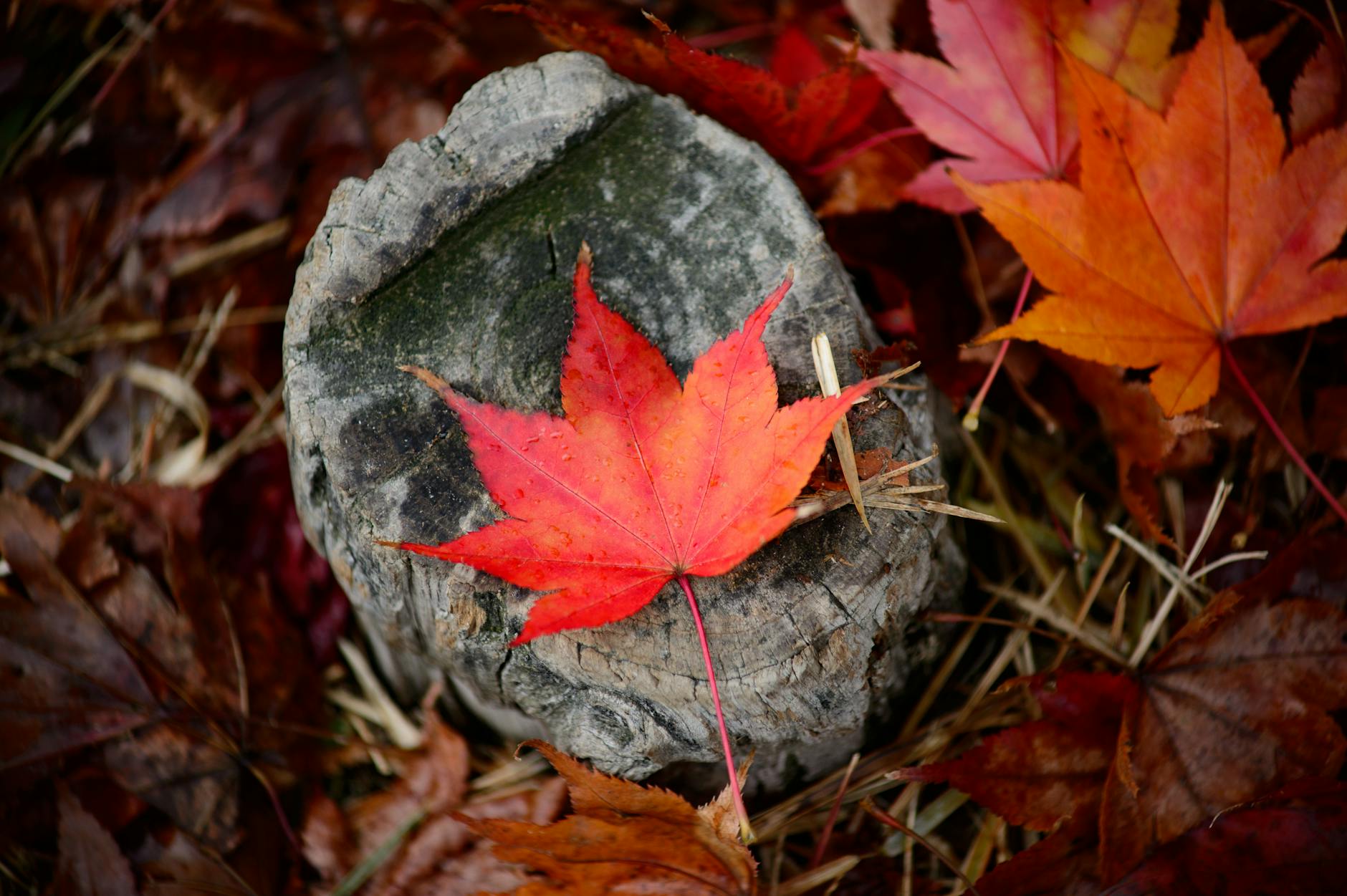
Leaves are lovely things—bright, colorful, full of life. They make the tree beautiful for a time, dancing in the sunlight. But when the season changes, they do too. They fade, fall, and blow away.

Leaves are the people who come into your life for a season. Maybe it’s a college roommate you clicked with instantly, a coworker who made a tough job bearable, or a friend who was exactly who you needed for that chapter of your life. They bring joy and color, but they aren’t meant to stay.

It’s easy to mourn when a leaf drifts away. You might think, What did I do wrong? But often, nothing went wrong at all. Their purpose in your story was simply fulfilled. 

Leaves aren’t bad. They’re just temporary. And that’s okay.

After all, we’re all leaves in someone’s life at some point. Even as a therapist, I remind myself that I’m a leaf for my clients. I’m there for a specific season, to help them heal, but not to continue into their next one. Leaves are beautiful for their ephemeral nature and I treasure the memory of those who have been leaves in my own journey. 

Photo by Jude Mitchell-Hedges on Pexels.com

The Branches

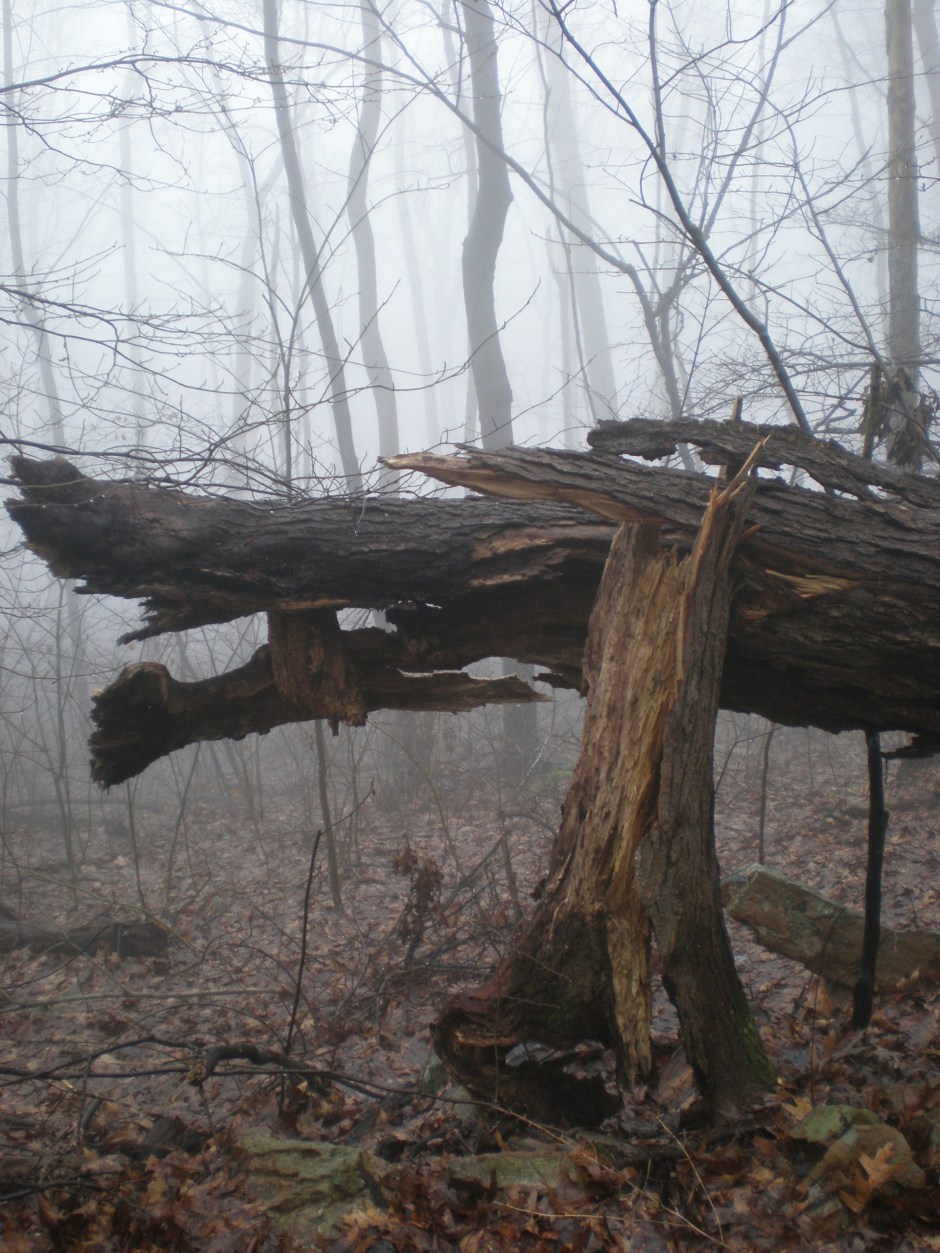
Branches are trickier. They seem sturdy, reliable, and capable of holding weight. They’re there year after year,  and you might trust them to always be there, until one day, a storm hits, and that branch snaps.

Branches are the people who seem like roots. They’re present for birthdays, celebrations, even crises. You lean on them, and for a time, they hold you up. But when life gets heavy or messy, they can’t always bear the load.

Sometimes a branch breaks because they’re dealing with their own storm. Sometimes it’s because the relationship was only meant to grow to a certain point. Either way, it hurts, but that doesn’t mean they didn’t serve a purpose.

Not everyone has the capacity to be more than a branch in your life. Some people are meant to offer shade, not structure. The key is to recognize the difference before you climb too high and find yourself falling. 

Photo by Kennst du schon die Umkreisel App? on Pexels.com

The Roots

And then, there are the roots.

Roots don’t look like much. They’re hidden underground, unglamorous, and often unnoticed. But they’re the reason the tree stands tall through every season. Roots are the reason a fallen tree can seemingly rise up as a new sprout from the ashes of destruction.  

Roots are the ones who anchor you when the winds howl. They draw strength from deep places and share it freely. They know your history and love you anyway. They notice your silences. They show up not only when it’s convenient but when it’s costly. 

Roots are rare, and they deserve to be cherished. You don’t need many, just a few that go deep enough to hold you steady.

These are the relationships that you should nurture and prioritize most, because they will be there when the leaves have faded and the branches have failed you. 

How to Tell Who’s Who

So how do you know if someone’s a leaf, branch, or root? Here are a few clues:

Consistency reveals character. Does their care depend on convenience? Leaves and branches often vanish when the weather turns cold; roots stay, even when it’s uncomfortable.

Depth over drama. Branches can be fun and lively, but roots go deep. They’re not always loud, but their love has substance.

Mutual growth. A root relationship nourishes both sides. If you’re always pouring out but never being replenished, you might be watering a branch.

Conflict doesn’t end it. Roots can handle disagreement. Leaves blow away at the first strong wind.

Time tests truth. You don’t truly know what someone is until you’ve been through a few seasons together, joy, loss, distance, and change. Roots endure them all.

Photo by Vlad Cheu021ban on Pexels.com

One Last Thought

Not everyone is meant to be a root in your life, and that’s okay. You aren’t meant to be a root for everyone who is in your life. We are all playing those three parts for various people in our lives. I am a leaf for my therapy clients, a branch for my friends and acquaintances but I am a root for my closest friends and family. 

Leaves and branches have their beauty and their purpose. The goal isn’t to cut them off, it’s to recognize them for what they are so we are able to make wise decisions with whom to trust and count on.

What matters most is that we know where to invest our energy and learn to celebrate people for the role they play, not the one we wish they’d fill.

Because friendship, like a tree, thrives when we tend to the roots, and let the leaves fall when it’s time.

Reclaiming Boredom: Why Doing Nothing Might Be the Best Thing You Do

I know, dear reader, this might be the last place you’d expect to find a defense of boredom. After all, many of you probably clicked here to escape boredom, not embrace it. I may even be digging my own blogging grave by suggesting you spend less time scrolling and more time staring at your ceiling. But this space was never meant to trap you for hours. Its intention has always been to help you live a fuller, more mindful life, without breaking the bank.

As someone with ADHD, the idea of boredom used to feel impossible. Tedium was my sworn enemy. Yet I’ve come to realize that boredom is a rare luxury these days. With our phones glued to our palms, we rarely get the stillness that allows us to simply be.

And here’s the secret: boredom isn’t the enemy. It’s the birthplace of philosophy, creativity, and growth.


Why We Need Boredom

When you’re left alone with your thoughts, they can be loud, uncomfortable, even overwhelming. But without that discomfort, how can you truly know yourself? When do you ever stop to ask:

  • Am I on the right path?
  • Are my relationships enriching or draining me?
  • What do I actually want out of this short, strange life?

Noise drowns out those questions. Silence, and yes, boredom, makes space for them. And while the answers might not always be pleasant, they’re necessary for meaningful growth. It’s only when we ask those questions that we begin to fully develop a meaningful life which according to some researchers may be the antidote for the crushing anxiety we’ve all been feeling. According to Harvard Professor Arthur Brooks, it is the lack of meaning that drives so much of our modern world’s anxiety and depression and boredom would be part of the cure!

Boredom also boosts creativity. When the mind wanders, it problem-solves. Einstein famously worked at the Swiss Patent Office for seven years, a job so dull it practically begs for daydreaming. Out of that monotony came some of the most groundbreaking ideas in physics. Imagine what we might uncover if we swapped YouTube shorts for a little mental white space. You may be quite shocked at what problems you solve whilst driving your car.

Finally, boredom sparks curiosity. That restless itch pushes us to seek out novelty, to wander past the familiar bend in the road. Dissatisfaction with the status quo has always been the engine of human progress. It’s what drove Columbus to set sail and spark the West’s discovery of the world. It’s what drove the Wright Brothers to the sky. It’s what made humanity ask “what is up there in the vast expanse above us?”

Photo by cottonbro studio on Pexels.com

Boredom in Real Life

Some of my best ideas have come when I was bored. This very blog was born while I was gardening. Insights about my therapy clients have surfaced while I was elbow-deep in dishes. I’ve written entire stories in my head while waiting in line, or mulled over questions of faith while driving down long stretches of highway.

Boredom isn’t wasted time, it’s compost. Given space, it grows something new.


How to Reclaim It

So how do you let boredom back in? Start small.

  • Turn off your podcast or music while you drive or clean.
  • Try a tech-free meal and see what real conversation shows up.
  • Block out one phone-free evening a week.
  • Take breaks from social media, or better yet, set parental controls on yourself.
  • Use your phone’s Do Not Disturb mode generously (you can allow emergency calls to still come through).

Will it be fun at first? No. That’s the point. But over time, you’ll come to see boredom not as an absence but as an opening. I’ve even started protecting mine, because that mental wandering is often far richer than anything TikTok could offer.

You Are Not Your Job Title or Accomplishments

If you hold a lauded job title or a coveted position of prestige, there’s a certain smug satisfaction in answering the question, “So, what do you do?” It’s a subtle flex, a way to signal you’ve “made it” in the eyes of your listener.

But how quickly those titles lose their shine. Positions are demoted, job descriptions rewritten, and reputations shift depending entirely on the values and prejudices of the crowd around you.

Consider the plumber who proudly tells his wife’s academic friends that he owns his own business. Their admiration evaporates the moment they realize he’s a tradesman. Or his wife, who announces at his company picnic that she’s accepted a university teaching position, only to have his employees quietly roll their eyes at her “ivory tower” job.

Prestige, it turns out, is not universal and rather fickle.


Perhaps when I mention that my full-time job is as a therapist, you’re impressed. Or perhaps you think, Oh, that’s nice, but why didn’t she get a doctorate? Or maybe you shrug, completely unmoved.

Our identities are often tied to our titles and achievements. And it’s not entirely irrational—after all, our accomplishments are a kind of social currency. They determine whether we’re welcomed into certain groups or quietly excluded. They tell others, at least superficially, our “value” as a person.

The trouble begins when that’s the only place our sense of worth comes from.

Achievements fade. Their novelty wears off. You ran a marathon…..ten years ago. You climbed to the base camp of Everest, great, but that was so last season. You earned $90,000 last year, until someone else mentions they earned $100,000.

When your worth is pegged to being ahead of the curve, you’re doomed to chase the next thing endlessly and there’s always someone ahead of you. Even those on top must always try to stay ahead of the people nipping at their heels.

Photo by Vlad Vasnetsov on Pexels.com

It’s the comparison trap in action:

  • Stacey got married.
  • Joanna bought a house.
  • Darlene is having a baby next month.
  • Marcy is off to Japan.

And you? You got a promotion, but you’re still single, renting, and aware of a ticking biological clock. Suddenly, your win doesn’t feel like much of a win.


But why should our worth be determined by what we’ve done instead of who we are?

Yes, I am a therapist, but that’s not all I am.

I am a daughter, a sister, a girlfriend, a cat mom, and a loyal friend. I am an avid reader who likes to snuggle into blankets and a seeker of adventure itching to explore. I adore tea and classical music. However, I also love coffee and metal. I’m not much into mainstream sports, but I do enjoy horses, kayaking, dancing, and hiking. I play the violin and videogames. I can be sarcastic and biting, yet equally capable of deep compassion and empathy. I’m a bit of a perfectionist and a bit of a mess.

I am nuanced and complex.

My degrees, my travels, my career, they’ve shaped me, yes. But they are not me.

Photo by Mindaugas Lazdauskas on Pexels.com

Some cultures have already figured this out. In many parts of the world, “What do you do?” is not the opening line of a conversation.

In the Netherlands, it’s considered downright rude to lead with your job title. People there would much rather discuss shared interests than compare résumés. In France, introductions often revolve around passions, ideas, and experiences. The goal is to find connection, not establish a pecking order.

Imagine how different our relationships might feel if we borrowed that approach.


A Thought to Leave You With:
If your job disappeared tomorrow, if your title, salary, and résumé vanished, what would you still have to say for yourself?

Because that answer… is who you truly are and it’s an answer worth exploring.

Salt, Steam, and Serenity: Self-Care on the High Seas


I’ve written before about being intentional with travel, seeking experiences that give you the most bang for your buck and making the most of every opportunity. I’ve also shared about my ongoing love affair with self-care and spa days. So when I booked my first cruise with my sister, it felt only natural to explore the ship’s wellness amenities, especially the thermal suite.

This particular suite offered a variety of spa experiences: a steam room, sauna, salt room, sanarium, hot tub, and even a snow room. It was like a smorgasbord of relaxation.

As someone who values health and is always open to new experiences, I chose to pay for the thermal suite upgrade, which granted unlimited access for the full seven-day voyage. At about $200, it felt like a worthwhile investment, an opportunity to explore several treatments without paying for each one individually. I’d been curious about these kinds of experiences for a while but hesitant to try them back home. Here, in the peaceful, adults-only section of the ship, it felt risk-free. The space offered stunning views, heated stone loungers, and a quiet, luxurious ambiance.

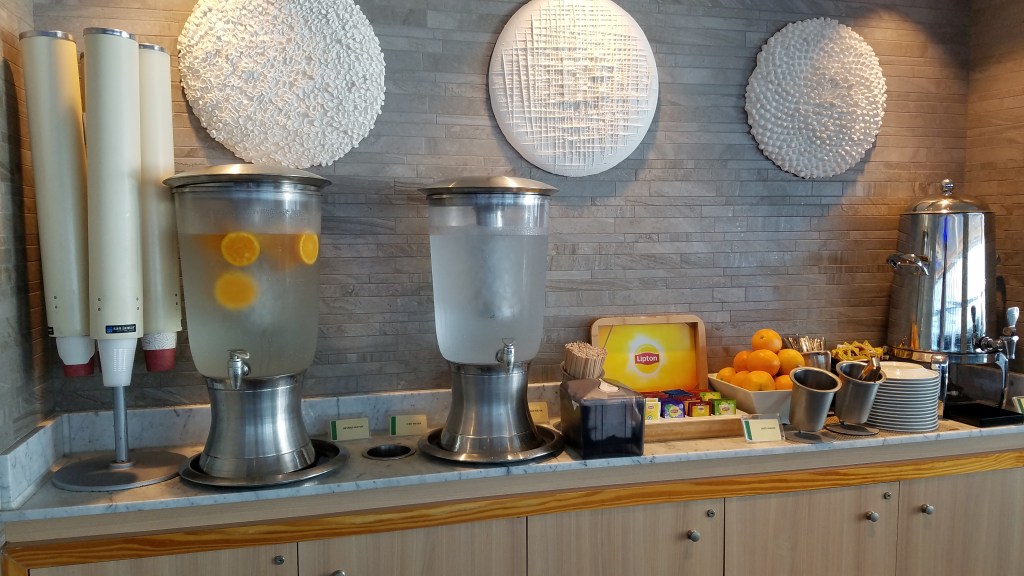
Tucked at the front of the ship and high above the ocean, the thermal suite may have had the best view onboard. The warm, lightly scented air welcomed me instantly. A refreshment station offered fruit-infused water, tea, and plush robes from the changing rooms completed the sense of serenity.

A Spa Circuit at Sea

My first stop? The sauna.

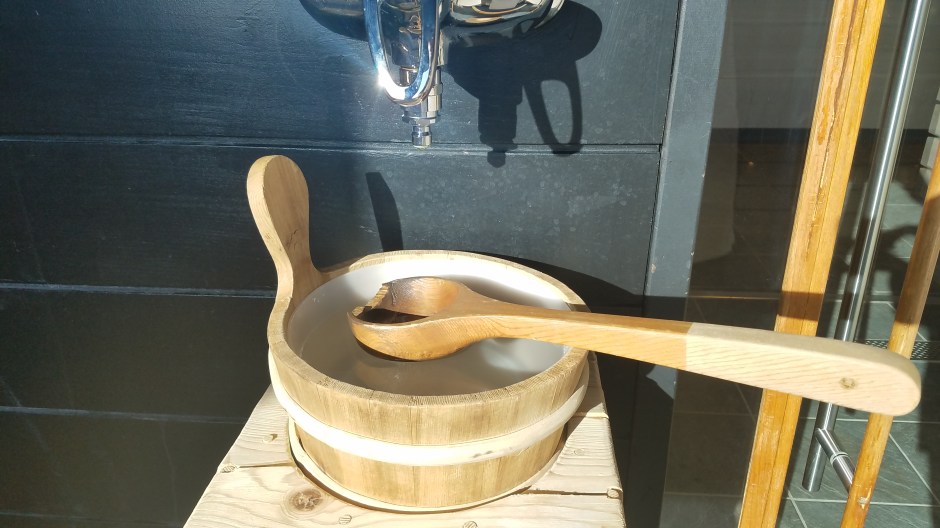
Built in traditional Scandinavian style, the sauna featured pale wood and tiered seating, with a bucket of water to ladle onto the hot stones. While the dry heat felt mild at first, I was quickly overwhelmed and made a dash for the snow room—just like a Scandinavian might leap into a snowbank after a hot session.

Normally, I loathe the cold, but fresh from the sauna, the snow room felt invigorating. I stayed for five to ten minutes, letting the chill settle into me before returning to the sauna. Alternating between hot and cold therapy is said to improve circulation and support immune health, but I simply enjoyed how it made me feel—refreshed, relaxed, and alert. This became my morning ritual. Few others visited early, so I often had the space to myself.

The sanarium, while similar in design to the sauna, was cooler and more humid—ideal for those with allergies or respiratory concerns. It didn’t appeal to me as much. Likewise, I found the steam room too intense; the heavy eucalyptus-scented air and thick mist overwhelmed my senses. I couldn’t see more than a foot in front of me, which made it feel disorienting rather than relaxing.

The salt room, on the other hand, was a quiet surprise. Halotherapy is said to support respiratory health, reduce stress, and improve skin. Whether or not those claims hold up, I appreciated the soft lighting and the calming pink glow of Himalayan salt. Without a view, it became the perfect space for reading and reflection.

To round out my spa circuit, I soaked in the thermal pool—a supersized hot tub with vigorous jets that massaged like a skilled therapist. A gentler hot tub was available nearby, and I alternated between the two before finishing each visit on the heated stone loungers, gazing out across the ocean.

Self-Care at Sea

Throughout the cruise, I returned again and again to the sauna, the thermal pool, and the loungers. These became my personal sanctuary, often the quietest places on the ship besides my own cabin. While not every experience was my favorite, I’m glad I tried them all. This voyage was about exploration, not only of new places, but also of myself. I learned what soothes me, what challenges me, and what I’ll say yes to again. A sauna-and-snow-room combo? Absolutely. Another go in the eucalyptus steam bath? Probably not.

More than anything, this experience reminded me of the importance of self-care. I’ve said it before, and I’ll say it again: it’s easy to forget your own needs. Even on vacation, we tend to bend to others’ expectations or try to do it all. In the rush, we forget to rest.

This spa day at sea gave me permission to slow down, recharge, and care for myself. It wasn’t just a treat; it was a necessity.


How Can You Enjoy a Full Spa Experience?

In my experience, land-based spas are often more limited in scope. You might find a sauna but not a steam room, or a hot tub with no cold plunge or salt room. That’s why this cruise was such a compelling opportunity, a chance to explore a wide range of spa treatments in one location. It’s a perfect example of applying the Budget Bucket List philosophy: maximizing experiences without breaking the bank.

Still, land-based options do exist. Some high-end resorts offer full thermal circuits (at a higher price point), and you might find hidden gems in unexpected places with a little research and curiosity. Keep your eyes open, and don’t hesitate to ask questions or explore.

I encourage you to seek out opportunities like this for yourself. Who knows, you may discover a new ritual to fold into your everyday life. Because a well-lived life isn’t only made up of adventures and accomplishments. It also includes intentional moments of rest, reflection, and renewal.


Completed: 2019

Miles from home: About 800 miles to Bermuda

Cost: $200 upcharge

Not All Who Wander Are Lost… But Some of Us Stay Home on Purpose

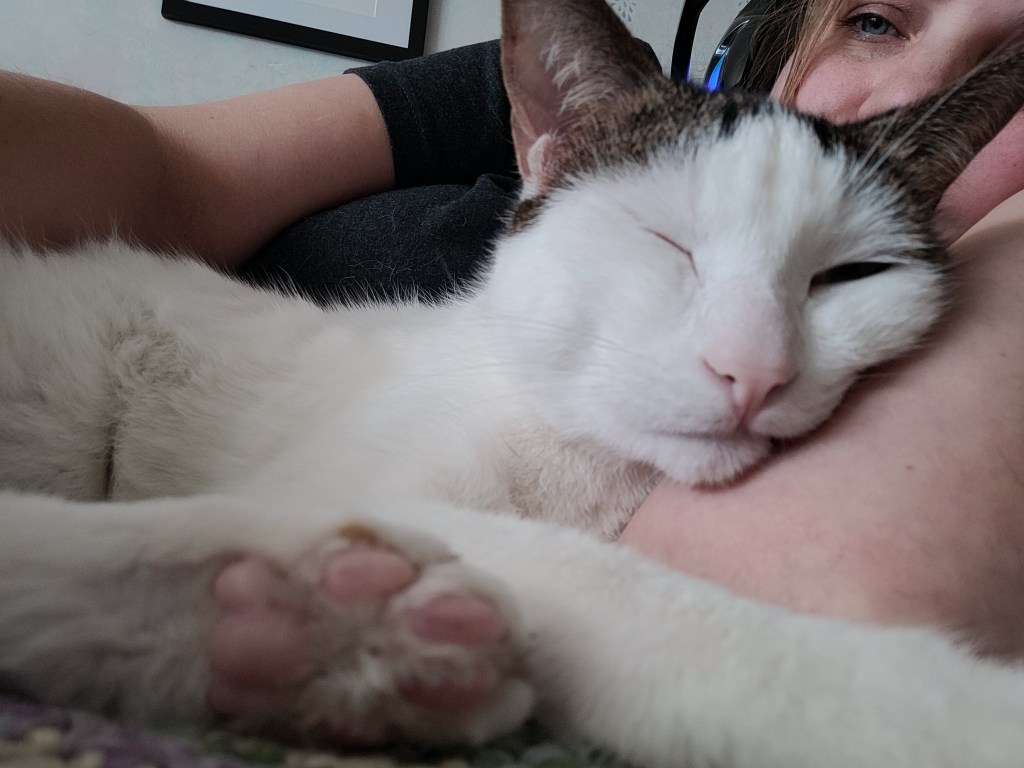
The sun peeks through the curtains. The soft chirp of birds is among the first sounds I hear. I burrow deeper into the covers and pull my cat, Luke, in for extra snuggles. I linger in the warmth of the moment, the smell of breakfast floating through the air like a promise. It isn’t until Luke wiggles out of my arms, miffed and hungry, that I finally, reluctantly, stir.

And why should I hurry?

The day stretches out before me, gloriously unstructured. There is no checklist. No Zoom call. No tightly packed schedule to wrestle through. The world may be my oyster, but today, the only oyster I’ll be opening is a good book. This, my friend, is the gentle joy of going nowhere.

My life is full of small adventures. It’s rare for a month to pass without something noteworthy—an art fair, a botanical garden, a random road trip, or simply trying a new café across town. I like having something on the horizon. It gives shape to my days, stirs up my creativity, and helps keep the dull, dragging edge of burnout at bay.

But I’ve learned—sometimes the hard way—not to overdo it. Too much “doing” tips the scales into exhaustion. Even joy can become a chore when overscheduled. My bank account is certainly a grounding force in this, but honestly, the bigger issue is energy. Constant motion, even when enjoyable, can leave me depleted. It turns out that balance isn’t just a nice idea from a wellness podcast. It’s survival.

There’s a particular kind of luxury in staying home on purpose, not because I’m sick, not because I have chores to catch up on, but because I choose to. It’s an act of intentional stillness, of delighting in the familiar. Especially if, like me, you’ve curated your space into a personal sanctuary.

My home holds my books, my tea collection, my cats, my dog, my violin, and my garden. These are not filler items between “real” adventures. They are the adventure. These are things that remind me of who I am when no one else is watching. You may remember that many of these are on my Bucket List, and you’ll find I’m checking them off right from the comfort of my deck with a glass of wine in hand and a sunset to keep me company.

It’s a profoundly healing act to stay home and do…nothing.

In this quiet space, I can finally hear myself think. I’m not trying to wring productivity from every last second like water from a rock. I’m not chasing dopamine hits from Instagram-worthy moments. I’m just being. And in that being, I find presence. Spaciousness. Energy I didn’t know I had.

This is my rebellion against the hustle. A resistance to the noise that tells us we’re only valuable when in motion, only interesting if we’re checking off countries on a map.

Going nowhere lets you find your rhythm again. It allows you to ask, without the usual pressure, “What do I really want today?” And sometimes the answer is “absolutely nothing” in the most glorious way.

Too often, we assume the answers lie far away, on a beach in Bali, on a mountain in Switzerland, in a cottage somewhere in the Scottish Highlands. And yes, those places are beautiful. But they also come with traffic, airports, long lines, and stress. We swap one type of exhaustion for another and call it “escape.” I don’t know about you, but I often need to schedule a rest day just from traveling back from my vacation.

What if, instead of waiting for a two-week vacation to save us, we built tiny vacations into our lives regularly? What if “rest” wasn’t the reward for being good, but the foundation from which we move and make decisions?

We may simplify our lives, but have we simplified ourselves? It’s far easier to declutter your closet than to declutter your expectations. We’re so busy trying to escape our own lives, we forget that it’s possible to build one we don’t feel the need to escape from.

So today, I’m not checking in, checking bags, or checking my itinerary. I’m checking in with myself. I’m home, and that is not the consolation prize.

It’s the destination.

The 10-Minute Rule That Changed Everything

I’ve touched on growth and limits before, but today, I want to dive deeper into how we keep showing up, especially when the spark fades.

At the time of writing, I’ve been doing this blog for just over a year. It was something I’d played around with in my mind for a while before finally starting. As someone with ADHD, I’ve often started projects that eventually collect dust when the dopamine wears off. I wasn’t sure if this blog would be another one of those abandoned ideas, or something that would stick.

Surprisingly, it stuck.

To be fair, I do have a history of follow-through. I’m approaching a two-year streak on Duolingo (shoutout to German!), and this summer marks two years since I picked up the violin again. I’ve completed two undergrad degrees, earned my master’s, and obtained licensure in my field. So, I’m no stranger to commitment. Still, there are days when I’m highly motivated and others where I’d rather doomscroll my phone into oblivion.

So what separates the habits I’ve kept from the ones I’ve let fade away? How do I keep going when motivation dries up and I’m surrounded by the desert of disinterest?

The answer: discipline. But not the kind you’re probably thinking of.

When people talk about discipline, they often mean waking up at 4 a.m., running five miles, meditating for 30 minutes, reading the newspaper from cover to cover, and journaling by candlelight. That’s great if you have the time and temperament for it. So, no, I shalln’t be doing anything of the sort. Me, wake up before the sun hath risen? Don’t be ridiculous. Go for a run? Is a bear chasing me? I didn’t think so. I have neither the time nor energy! For those of us living in the trenches of real life, that kind of rigid structure just doesn’t work. It often sets us up for failure, leading to shame and frustration.

Photo by Daniel Reche on Pexels.com

That’s why I follow a much simpler model: something is better than nothing.

My version of discipline is doing just 10–15 minutes a day of the things I want to prioritize, learning German, playing violin, writing, tidying up. These “micro-habits” fit into the crevices of my day: the 15 minutes before I leave the house, the time dinner takes to cook, or the moments between meetings.

Before I embraced this mindset, I used to fill those short gaps with scrolling. I told myself the time was too short to “really” work out or practice—so I didn’t. Then I’d struggle to find a full 30-minute block later in the day. But with this new approach, I almost never miss a day. And when I do have more time, I often go longer—because I’m already doing it.

This system is also ADHD-friendly. Short routines reduce overwhelm. Telling myself “it’s only ten minutes” makes it easier to transition from one task to another. Ironically, once I start, I often continue because I’ve already achieved something. The extra time becomes a bonus instead of a burden.

The beauty of this approach is that it keeps habits alive even during busy or difficult seasons. Before, if life got chaotic, I’d drop my habits entirely. Then, weeks or months later, I’d try to restart them—only to fall off the wagon again. It was a demoralizing cycle.

What changed was reading a simple idea: “something is better than nothing.”

Photo by Bich Tran on Pexels.com

We often approach new goals with an all-or-nothing mindset. You want to eat healthier, then it’s the holidays and suddenly you’ve consumed a dozen cookies. You start a daily running routine, get a cold, and never return. But what if your goal was simply to make healthier choices, like swapping soda for water, or to move your body each day, whether that’s a run or a short walk?

This mindset removes the room for “failure.” It allows flexibility. It builds your “discipline muscles” gradually and works with the reality of modern life, where time is limited and distractions are engineered to hijack our attention. Our phones, our food, our apps; they’re all designed to keep us hooked and unmotivated.

So we need new strategies. Discipline isn’t about brute force. It’s about systems that are sustainable and adaptable. It’s about choosing something—even a small something—over nothing at all.

And here’s the magic: once you start doing “something,” it often grows. The time gets longer. The focus gets deeper. The wins feel bigger.

So, what do you want to accomplish? What habit do you want to form? What goal are you chasing?

Whatever it is—remember this:
Something is better than nothing.
And that something can become everything.

Spend Time With the People Who Build You Up

With summer fast approaching, many of us will find ourselves a little more social. The days are longer, the weather is warmer, and suddenly your calendar is filling up with invitations. Garden tea parties, picnics in the park, birthday celebrations at the lake, beach days, you name it, and someone is planning a soiree. 

And yet… as the days creep closer, you start to dread the plans you already agreed to. You sigh the morning of the event, stare at your closet half-heartedly, and start crafting increasingly creative excuses in your head.

But why?

Maybe you forgot about that post I wrote on boundaries (tsk tsk) and said “yes” when you should have said “no.” Or maybe you genuinely thought you’d enjoy it, after all you want to spend more time connecting with others. You’ve read this wonderful blog encouraging you to get off your phone and into the world more, to drink richly from the marrow of life. It was actually quite exciting until you remembered who would be there. Ask yourself: are you about to spend time with people who energize and encourage you? Or with people who make you feel small, doubtful, and drained?

Spending time with the wrong crowd can take a real toll:

  • Lower confidence
  • Reduced motivation
  • Increased anxiety
  • Stalled personal growth
Photo by Dio Hasbi Saniskoro on Pexels.com

But the right people? They light a fire in you. They cheer you on, challenge you in healthy ways, and help you see the best version of yourself, even when you can’t or stubbornly won’t. When I make plans with people who lift me up, I’m counting down the days with excitement, not dread. I leave those hangouts feeling joyful, recharged, and more motivated than ever. Do not mistake my tea parties for merely places to spill the tea, it may also be the place to plan my next conquest! 

My village doesn’t agree with me on everything, far from it. But they challenge me with kindness, although tinged with sarcasm and playful barbs to get me really thinking. I truly do enjoy the mental sparring matches that comes from a good debate! They point out gaps in my logic or offer new perspectives, not to tear me down, but to help me grow. Iron sharpens iron, as they say. And I do the same for them.

So yes, I consider the invite and the guest list. My time is precious, and I’d rather spend it watering relationships that nourish me than trying to revive ones that wilt my spirit.

It’s because of these people that I started working out. That I dove deeper into history. That I re-examined and reshaped long-held beliefs. That I went back to school, earned my LCSW, and am (hopefully soon) launching my own practice.

Photo by Pixabay on Pexels.com

None of that would’ve happened if I’d kept company with people who doubted me or discouraged growth. Because while I do believe in spending time connecting with others and combating the loneliness epidemic, I want to make sure that I am spending my time wisely. After all, the loneliest people are usually the most popular as they are surrounded by the crowd of the wrong people. You will gain none of the benefits of spending time with others described in earlier post if you aren’t with people who build you up. Connection is more than just spending time with others, it’s about being in community with them. A community that thrives together and works towards the good of its members.

So as you fill your own social calendar this summer, ask yourself:

Do these people build me up—or tear me down?

If it’s the latter, it’s okay to politely decline. Protect your time. Spend it with people who inspire you, support your growth, and believe in the version of yourself you’re working toward. You deserve nothing less.

The Confidence Boost of a Facial

I remember my very first pimple in 5th grade. It was right on my chin and it was HUGE. I felt like everyone was just starting at this giant, white thing on my face. It felt like it would never go away. I wasn’t even an especially vain child, but it was certainly an uncomfortable feeling. I was reassured by the adults in my life that acne was just a phase and it would pass, just wash your face more and all will be well. I diligently washed my face and waited for the acne of the teen years to pass. I waited, and waited and waited, and waited. I tried various products over the years to no avail. The acne just never quite went away. 

As it turns out, I was viciously lied to, dear reader! I had been unfortunately cursed with adult acne driven by hormones and like herolds of war it came each month right before ahem my “visitor”. So it was in my late twenties that I somewhat resigned myself to the fact that I would almost always be plagued with these unfortunate blemishes and that there was really nothing quite to be done about them. 

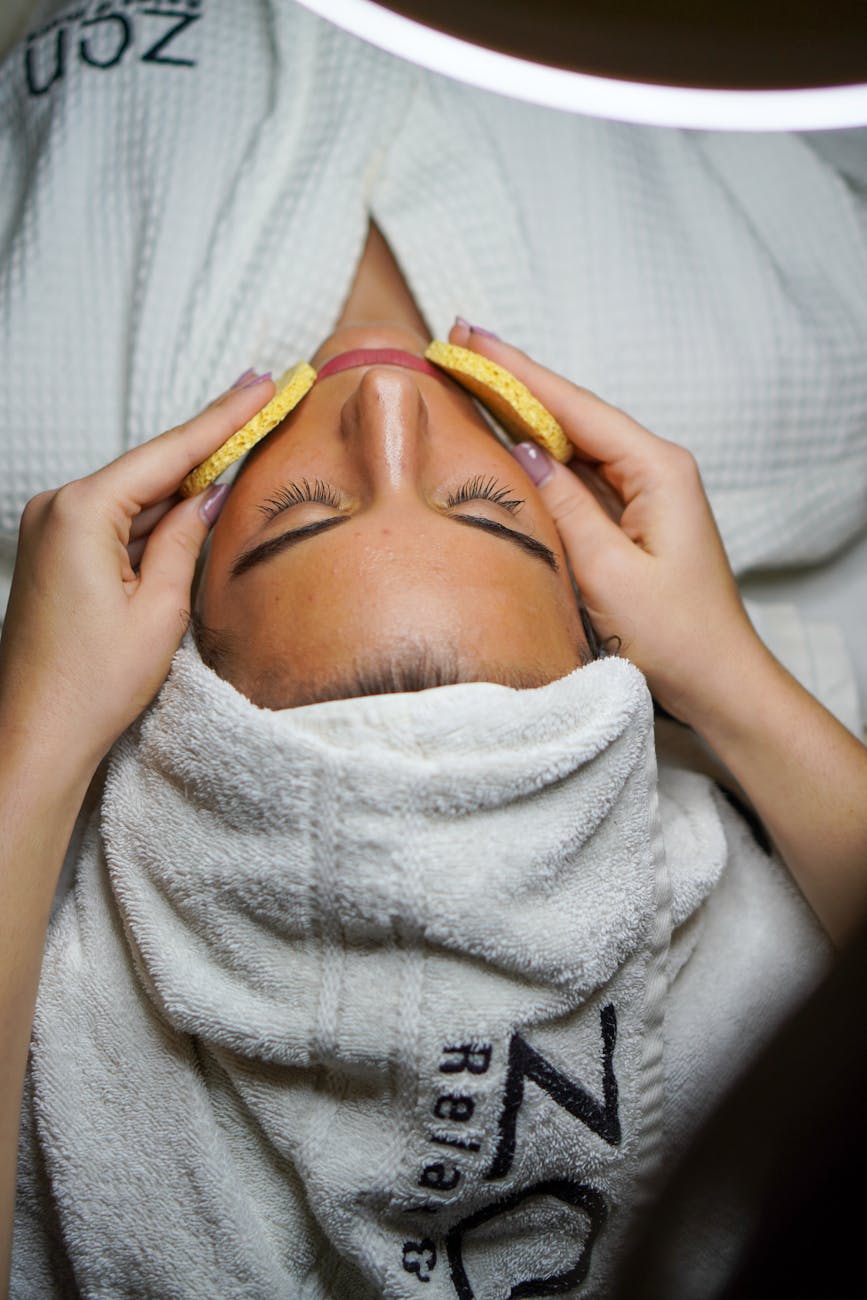
Now, I have shared about my monthly habit of going for a massage and indulging in a small mini-vacation. Each month, I entered the waiting room, noticed the wall of products for skin and saw the advertisements for facials. I decided that perhaps, I did not need to resign myself to such a fate as simply accepting that I would always struggle every month to control the small mountain range which jutted up from my chin each month in new and interesting patterns. Perhaps, I need not worry that a small child could be entertained for hours by connecting the dots. So, I scheduled an appointment with Camille not really knowing what it would entail or even to expect that much. 

It was, dear reader, one of the very best decisions of my life. Camille is knowledgeable, personable and the sweetest woman one could ever ask for. She was so very kind about my problem and spoke with me about exactly what I wanted from the appointment, was honest about the sorts of products she would need to use and discussed the cost of the initial treatments as it would require upgrades to the basic facial. I told her that I was here to solve a problem not necessarily to simply relax and enjoy myself and that I was willing to give the upgrades a try. She carefully examined my skin and set to work. 

Photo by Gustavo Fring on Pexels.com

It was not an unpleasant experience by any means. It was absolutely wonderful to have my skin carefully tended to with gentle scrubs and tinctures designed to combat the acne and leave me feeling fresh. The only part that was unpleasant was when she offered to do some extractions to which I acquiesced and she carefully pushed out the gunk that was blocking my pores and creating unsightly mounds upon my face. Through out the treatment we talked and got to know one another better. I told her about my job and she shared about her own interests. As it turns out, we both are partial to Japanese Black and White Horror Films from the 1960’s. A niche interest if there ever was one. 

At the end, she gave me a simple routine of two daily products and a weekly exfoliant. My skepticism was palpable that surely these three products were not the key to unlocking clear skin after I have tried everything else under the sun. She reassured me to trust her and I felt that I had little else to lose. I bought them and went home. Now, the next day, I could have been easily forgiven for almost giving up entirely and throwing in the towel, because lo and behold, a giant pimple had risen up in defiance of everything to taunt my efforts. I took a deep breath and reminded myself that sometimes treatment may require putting up with some temporary pains. Sure enough, it did quickly go away and by following the routine laid out by Camille, my face actually stayed relatively clear. I still had monthly cycles of acne but not nearly what it was. What were formerly my very best days where my skin was almost clear, were now my very worst days.  Now, I do notice if I go too long between facials my skin starts to backslide, but in general I can go 3 to 4 months in between more intensive treatments to manage my adult acne.. 

I am not a vain person, dear reader, but I was at times embarrassed by my acne. I knew that despite it being caused by an underlying hormone imbalance that I couldn’t control, people did judge me because of it. Being able to walk around with clear skin and looking good has been such a confidence booster. In fact, looking good is linked with better performance, increased productivity, decreased anxiety and sparking those happy, feel good hormones. Which makes sense, if you don’t feel good about the way you look you’re going to anticipate people judging you poorly, not getting the assistance you may need and increase your sense that things aren’t going to go your way. I am in no way, dear reader, saying that your self-worth should be tied to your looks. We should try to take care of ourselves the best we can and work to feel comfortable with how we look.

How can you look your best and feel your best?

Now this is decidedly one of those items that fall under “principles of the thing” rather than the thing itself. For me, the facials are about helping me look my best to help me live my best life. It’s not about getting a facial as part of my bucket list. Although, a full spa day is certainly on the list now as just a day of pampering and relaxation.

As I just shared looking our best, helps us feel our best. When we have things that get in the way it can be much harder to feel good about ourselves. For me it was acne, for my mother it was rosacea. For someone else it may be wrinkles or chronic dandruff. So while, I am not encouraging you to simply go get a facial (although you can, they’re rather enjoyable), what I am encouraging you to do, dear reader, is try going to the experts and professionals who are trained to assist you with whatever problem you happen to have.. You may be surprised at how easy a fix your seemingly insurmountable problem is!

What I loved about Camille was she was extremely honest about her limitations, her education and recommendations and readily communicated with me to help me make the best decisions for my skin’s health. Is getting a semi-regular facial expensive? Yes, but so were all the various products that I tried which failed to produce results.

Step Up: Irish Step Dancing

When I was a little girl, I loved watching people dance. I was absolutely obsessed, spending hours watching the Nutcracker Ballet and Riverdance on VHS. I wanted so badly to take dance lessons, but sadly, growing up in a lower middle class household we lacked the funds for dance. This meant I would have to content myself with mimicking what I saw on the screen in my living room with little success both from lack of coaching and space. Jumping around in my room, causing a ruckus wouldn’t have been appreciated. 

As I entered my teen years, it was something that I began to mentally put away. Dance was something that kids and teens did and after highschool, if you didn’t “make it” by having the skill and talent to progress beyond, it was “too late”. I enjoyed color guard for three of my six years in marching band, but that was as close as I came to it. I still sighed somewhat wistfully whenever I got a chance to watch professional dancers especially ballet or Irish Step dance, but I accepted they were things that I wouldn’t be doing. 

However, that was not to be the final chapter on my foray into dance. Because, in the fall of my freshman year at college, I discovered there was in fact a dance ministry on campus. The ministry was student run by young women who had been doing dance since they were young and were willing to pass on their knowledge and skills to anyone who wanted to join up. They did group us by skill level so the more advanced dancers could still be challenged and grow, but they were incredibly welcoming to those of us who had never danced before. 

We were given the option to try out different dances and then commit for the semester (or full year). I ended up picking Irish Step Dancing and flags. We paid a small membership due of about $10 each semester. So for $20 bucks, I was able to have a year’s worth of dance classes. Not only that, but also they had a huge collection of costumes meaning that I had very little to buy for the concerts. They directed us to a discount retailer for things like our shoes and I was able to snag my Irish Step Dancing shoes for $10. I believe the total cost for the year was about $50 between the dues, the shoes and one or two items for the costumes.

I will say my first day of class, I felt a bit like a five year old again. I was so excited to finally learn at least something of a dance I’ve loved so much for so long. My teacher was absolutely amazing and the sweetest person. She was a junior year nursing student who brought her calm, compassionate bedside manner into the classroom. She never scolded or lectured us when we messed up, but instead offered gentle correction and critique. We never sought perfection, only to do better each time. 

There are references to Irish step dancing as far back as the 16th century. In a letter to Queen Elizabeth, Sir Henry Sydney references his love for Irish jigs. At first, the music was primarily bagpipes with the hornpipe entering in the 1760’s giving the music its distinctive rhythms. There is some arguments as to when the fiddle was introduced with some people placing it in the 1700’s, but there are references in writing to fiddles in the mid to late 1600’s. 

The modern day form is recognizable for its rigid torso and dancing primarily on the balls of ones feet – like in Riverdance. However, that wasn’t always the case and it is as the name suggests a more modern form of the dance. There are also two distinctive types known as hard shoe and soft shoe. Hard shoe is basically like the tap dance of Irish Step. The hard shoe clacks on the floor making a noise and so the dancer becomes a moving percussion instrument. I danced soft shoe as hard shoe was for the more advanced students. I, sadly, did not get to dance hard shoe. Long story short, I needed to have two years of experience to be able to go into the more advanced class, I went abroad my junior year to study German and in my senior year, there was no one to teach Irish Step as the dances offered depended on having dancers with enough experience to teach it. 

What I found interesting about learning Irish step was that I expected the steps to have fancy Irish sounding names like how ballet has french words for their many movements. We did not have those at all, we had a seemingly limited vocabulary mostly consisting of lifts, beats, cuts, steps, and overs. She would tell us “now we’re going to do the step, step, back” or “Lift, step, step” to help us figure out what set of movements we were about to do. We’d put them together to the beat do them with one foot, then reverse it and do it on the other foot. The pieces of the whole movement would last a few bars of the music. We’d take turns circling our partners and join up as a larger circle going in and out. I cannot say that we were ready to take on the world stage by any stretch of the imagination. Our lifts were certainly not as high as they could be, legs lower, foot movements were decidedly sloppy at times, but we had fun learning. 

Each week I looked forward to going to it even if I was left exhausted by the end of class. Although, it did make going to flags right afterward difficult. My legs would feel like jelly by the time we were finished and instead of being able to go back to my nearby dorm room, I had to trek across campus, often in the cold darkness to the racquetball courts where we held flag practice. By the time I finished flags both my legs and my arms were exhausted. In between class, I practiced my steps in my dorm room and tried to increase my flexibility. I like to think it paid off in our performances.

Every year, we put on two concerts. One was the Christmas concert in the small chapel on campus. That one was free for anyone to attend. The other was the larger one in the gymnasium which was put on each spring, to the delight of the entire school. The second one had a small fee to attend to help us raise money to continue to buy costumes. The college let us have access to the sound system and set up a stage for us. During the concerts, each class picked a bible verse to share which went along with the song that we picked. 

My favorite song and verse combination came from my freshman year. Our song was the Salt Lick by Gaelic Storm and our verse was Mathew 5:30 “You are the salt of the earth. But if the salt loses its saltiness, how can it be made salty again? It is no longer good for anything, except to be thrown out and trampled underfoot.” It was a verse to remind us to be as salt, preserving, enhancing and flavoring the world with God’s love and light. 

I was incredibly blessed to have the opportunity to dance in college and to live out a childhood dream of learning a skill I thought was closed off to me. I think many of us wish we had certain opportunities to learn things when we were younger, but we think that there won’t be people to teach us. Perhaps, like me, you may think that unless you’re super talented there isn’t aren’t opportunities for you as an adult to learn. It may seem that the time to try and get into an interest has passed, but there are actually opportunities all around you if you keep your eyes and ears open. I can say that there are places which offer adult dance lessons even if they are harder to find. I also see that there are places for adult beginners to learn martial arts, sports, music, art and more. 

One of the people I do a podcast with, started his martial arts journey in his late 40’s. While he may not be as flexible or learn as quickly as some of the younger guys, he is doing it and loving it. He wasn’t afraid to be embarrassed by his lack of skill and embraced learning something new. Nor is the goal or focus to be a world champion or professional, it’s something that can be done just for fun. 

So often the activities we do in childhood semi-translate to work at this thing really hard so you can get a scholarship or go be a professional. The messages we receive as children is that these activities are not for themselves, they’re for doing something with them. They have to be tied to these larger goals. There’s also this obsession with accomplishing things as a young person and this false narrative that if you don’t master it by the time you’re 20, you’re never going to, so don’t even bother. So as adult learners we have to say to the first, actually, I can do this just for fun. To the second, we can say my life has not already been completely written and I can still accomplish a lot, so if I want to master this thing, I still can. It really depends on your own individual goals for whatever it is you want to do. 

So how can you step up as it were?

As I said earlier, it’s a matter of keeping your eyes and ears open. In my area, there are several places which offer adult classes for dance. One place is another dance ministry which helps keep the cost down. It is even offering a martial arts class which I am hopeful to join next year! Occasionally, you can find places offering introductory workshops for dance which gives you a taste of what a class would be like. It’s really a matter of actively seeking out those opportunities. 

Now, I have seen some online dance apps and courses. I’m not sure how effective they are because you may not have the feedback that you’d get from a live person to help correct your form and to explain a move more fully if you don’t understand the first explanation. Also you won’t be in an actual dance studio. I personally found the mirrors in the dance studio to be really helpful because I could visually see exactly what my body looked like. So I knew that my leg wasn’t perfectly straight or the lift was sloppy. I could see if my arms weren’t held up evenly with one side dropping down. I think they’d be really good for absolute beginners and for people who just want to try it for fun. There is of course no substitution for personalized instruction that live classes bring, but I do think the apps provide access to tools and information that are difficult to otherwise obtain.

Completed: Fall 2006 through Fall 2008

Cost: $100 for 3 semesters

Miles from home: 0 from college dorm / 39 from home

The Ultimate Fear Factor: Public Speaking

Did you know that over 75% of people report being fearful of public speaking? Some people even have anxiety or even full blown panic attacks. My very first one happened while giving a speech in 10th grade. I ended up in the bathroom in tears and could not finish the speech I was giving in class. It probably could have happened during any sort of anxiety inducing activity, but unfortunately or fortunately depending on how you look at the situation, it happened during a speech and my “fate” as it were, was sealed. 

Most people don’t realize that the first anxiety attack can be triggered off without warning, but whatever situation you’re in the first time it happens, becomes a trigger for more. For me, it became speeches and auditions. Which sort of tanked any career in music. I had wanted to do music, but performing in front of anyone solo was impossible. Perhaps, if I had been a piano player I could have managed my shaking fingers to do something productive, but alas I chose a cruel and mercurial mistress. The violin is not for the faint of heart for she must be played boldly and masterfully, lest she shake you off as unworthy of her affections.

In my Freshman year of college, I had to take a communications course. I picked intrapersonal communications because everytime I went to give a speech, I would end up having an anxiety attack. I purposefully picked courses where speeches were at a minimum to non-existent. I might be able to get through the speech (barely) and then immediately run to the bathroom to cry. Like many people, I avoided the thing that made me anxious. However, as fate would have it, I had an amazing psychology professor for Psych 101 who briefly talked about anxiety and panic attacks from his clinical practice. He told us about how he would help his clients get over their fears. Which was to face them and to not run from the situation when the attacks happened because it was training the brain to respond to the stimulus as something catastrophic and life threatening. 

Which meant that I learned from him that I had to stop running out of the room every time the panic and anxiety hit and at least finish the speech. Curiously, there was one place where I could give speeches without panicking. German class. An interesting tidbit for you gentle reader, is that when we activate the more logical parts of our brain it’s harder for us to anxious. So asking someone who is having a panic attack to complete simple math problems helps activate the parts of their brains which can help emotionally regulate them. 

Photo by Matheus Bertelli on Pexels.com

Because German was a second language, it helped to activate that part of my brain. I was so focused on just getting the words out regardless of how it was delivered I half-forgot it was technically a speech. Also it helped that I was being graded more on how I spoke the language and not my presentation skills. However, it helped me find a place of strength to build from. I was able to see where the symptoms weren’t present in a similar activity in order to find a starting point. I understood that it was stemming from an underlying anxiety related to performance and perfectionism, so I worked to find ways to manage the anxiety and to put myself in situations where I could safely not be perfect. No one expects you to speak your second language perfectly so it was easy to shrug off mistakes. 

From my successes in German class where I stopped having any anxiety during presentations at all, I was able to sign up for a pass/fail acting class. I purposefully choose it as pass/fail so that way even if I completely bombed it wouldn’t negatively impact my GPA and the worst outcome that could be was not earning the credits I didn’t need. It was difficult at first to stand up in front of people and read off lines. I felt awkward with my expressions and that I wasn’t doing it very well. My stance felt wooden and my deliverance stilted. The professor was enthusiastic and my fellow students were gracious. We bonded over trying to overcome the awkwardness together. It was kind of like being in German class where no one expected to do great, but we’re all trying and learning anyways. I only ended up crying in the bathroom once the whole semester and it was after the “final” exam. 

The experiences I had in college, helped me form a foundation from which to build from. I learned about how to better manage my anxiety, what triggered it, and how to challenge some of the thoughts that came with it. I started to look at public speaking differently recognizing that when I tied expectations and pressure of performance that’s when I made it worse. When I could relax and just enjoy the interplay between myself and the audience, it became a lot less stressful. I went back to grad school and was able to do better with presentations once again analyzing when I was able to do well to replicate the success, and forcing myself to stick with it even when the panic started to rise, remembering that I wasn’t going to train my brain to see this as something to freak out about. 

After graduate school, I have been in positions where I’ve needed to do case presentations in front of a hundred other clinicians. I have given speeches at multiple churches and other functions to raise money and recruit volunteers. I’ve developed and given trainings to volunteers and staff. All with ease. The road was not by any means easy, and it took over 15 years to really conquer it and there are still times when I start to feel the anxiety rising once again in the middle of a speech. However, each time, I roll with it, use positive self-talk, take a few deep breaths and refuse to let it control me. I will probably be giving a presentation in a few months and I’m actually looking forward to it. 

Photo by Suzy Hazelwood on Pexels.com

How can you conquer your fears?

Not everyone has a fear of public speaking, but I bet, dear reader,  you’re afraid of something. You may not have panic attacks or anxiety attacks which leave you gasping for breath and crying uncontrollably, but you probably have things that you avoid doing or places you avoid going because of anxiety. Don’t get me wrong, I’m not saying we remove all fears and begin to simply roam around in the dark without any regard for safety, that unlit alley at midnight should probably be avoided. Fear and anxiety help to inform us of danger to keep us safe. That is why conquering fear can be so tricky, it’s meant to help us survive. 

The key is to try and start with something that is similar enough to the thing without causing the panic and then exposing yourself repeatedly to the it. Let’s say you’re terrified of spiders. Perhaps, you can kill them in World of Warcraft, you might not be thrilled about them, but a tiny one on your desk makes you freak out. So you’d start with maybe going out of your way to kill them in the game. It teaches you that hey this big scary spider isn’t so scary after all, in fact, I can conquer them. Or if you’re not into gaming, maybe just a picture of one. You look at a whole slew of pictures, using grounding, deep breathing and other calming techniques to keep yourself from feeling overly anxious. A little is good, but not too much. 

Once you are able to handle the baseline situation well, you move onto the next stage. Maybe it’s watching movies with spiders (not scary ones but like documentaries). Once you can handle that then you move up again. Maybe it’s visiting spiders in a zoo and spending a long time with the spiders at the zoo or pet store. You may follow up this step with touching the spider or letting it crawl on you. As you can see, the process is a gradual exposure to increasingly more difficult and fear-inducing things. However, by scaffolding the experiences you are continually teaching yourself not to respond with fear but instead relative calmness. Each small step is a building block upon which you can add to. 

Photo by MART PRODUCTION on Pexels.com

Now this isn’t something that will be done in an afternoon and you have to be intentional in your approach to the fear. I purposefully sought out and put myself in situations where I would have to speak in public in order to get myself to get over it. Our natural inclination is to avoid that which makes us afraid because it’s a survival instinct. Don’t go hang out with the hungry lions, the fool who wasn’t afraid of them got eaten! However, we need to recognize when our emotional brain is in the driver seat making up irrational nonsense. Public speaking won’t kill me, hundreds of people do it every day. Very few spiders will actually cause me harm and many are quite useful. When we see that it’s irrational nonsense, then we have to take over and show it, gently, that there isn’t anything to be afraid of and that we are indeed safe. 

If you are someone who suffers from panic and anxiety attacks, my recommendation is to seek professional assistance in this journey. I know very few people who were able to do it on their own. Know that this is the process you will most likely endure, a gradual exposure to the things you’re afraid of. There may be other cognitive behavioral components such as an exploration of why you developed this fear, where it comes from and how your beliefs shape and fuel it.