
The Secret to Lifelong Friendships (Hint: It’s Not Just Showing Up)

Many blogs talk about cultivating meaningful relationships, mine included, but far fewer offer practical advice on how to actually do so, especially amid the chaos of modern life. There’s a reason adult friendship memes hit so hard: two friends embracing with the punchline, “Let’s do this again sometime!” followed by three years of radio silence. The truth, often wrapped in jest, is this: maintaining friendships is hard. Get-togethers, dinners, and outings frequently need to be scheduled weeks (or months) in advance. And far too often, friendships wither not from drama, but from simple neglect.

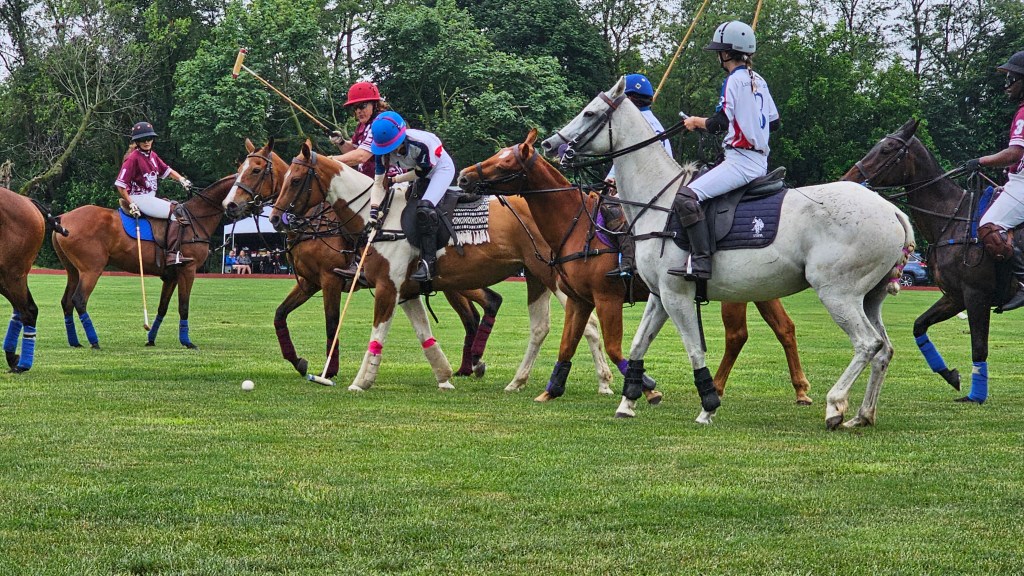
If you’re trying to stay connected, understand that long lead times are your friend. When you carve out that sacred time well in advance, you’re more likely to protect it. Babysitters can be arranged, meetings declined, and work shifts avoided. For those of us with flexible schedules, this means intentionally leaving space on the calendar instead of double-booking ourselves into oblivion. And once you’re together, schedule the next hangout before you part ways. Avoid the dreaded “we should do this again sometime” trap. Instead, give it a date and put it in ink. The added bonus is that your social calendar quickly fills up and one is almost never asking what you’ll be doing this coming weekend because the adventure is already planned.

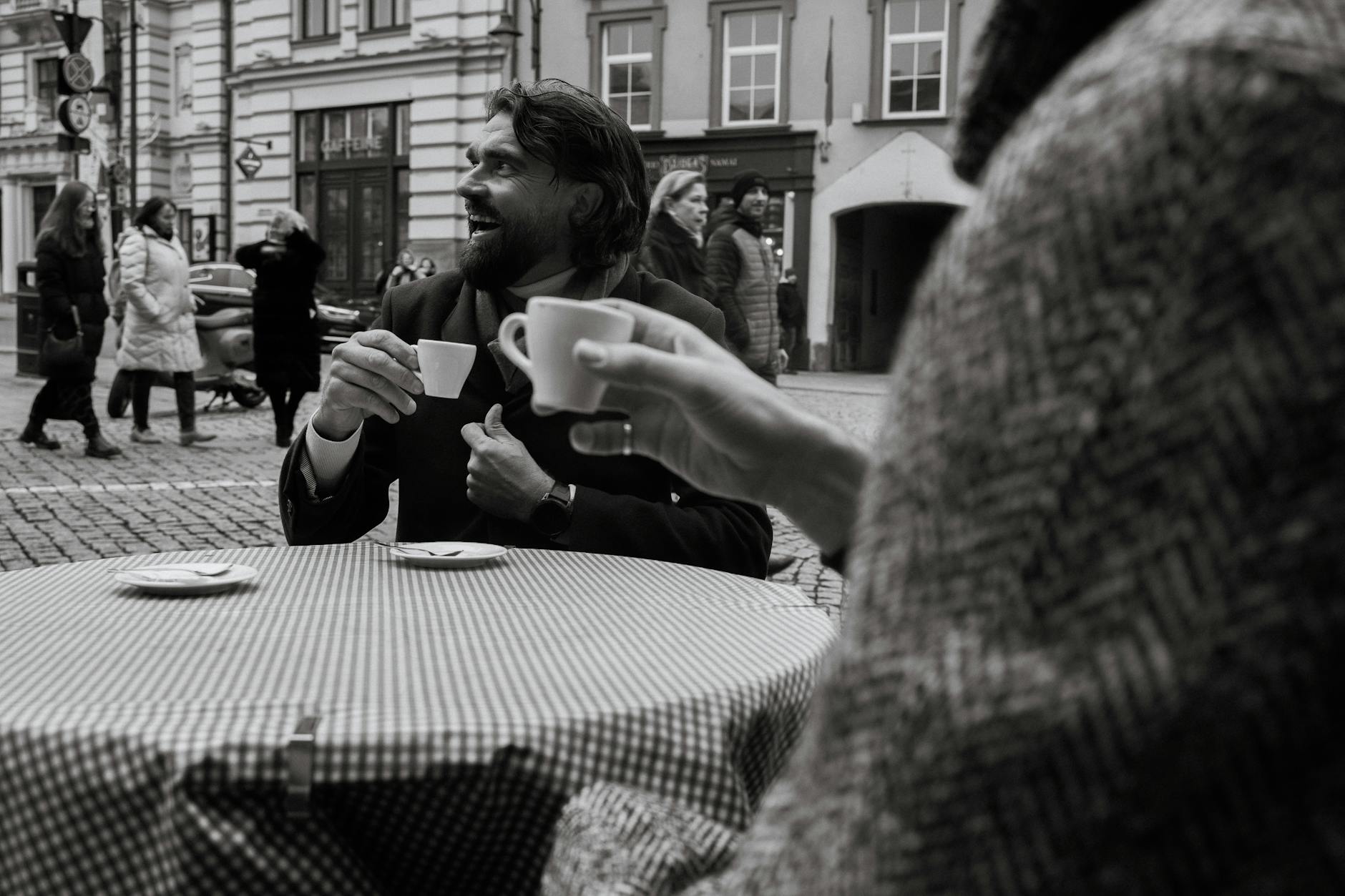
Photo by Vlada Karpovich on Pexels.com

Better yet, create your own traditions. Annual events, say, the third Saturday in August or an annual St. Patrick’s Day gathering, are the friendship equivalent of compound interest. My parents have maintained a tight-knit friend group this way since before I was born. Their regular gatherings forged a support network not only for themselves but also for their children. These “aunts” and “uncles” of mine are as present in my life as any blood relative. It’s what community looks like, grown slowly and intentionally.

But let’s be clear: frequency does not equal depth. Seeing someone every month does not automatically mean you’re close. Acquaintances abound. What builds true friendship is depth and depth requires a little vulnerability. You’ll never bond deeply over small talk about the weather. The loneliest people are often surrounded by others, but starved for real connection.

So how do we get there? How do we move from “hello” to discussing our deepest fears and childhood wounds over a bottle of wine as the stars blur into dawn? How do we move past banal small talk to deeper meanings or fascinating topics of history, philosophy, politics, culture, religion and science!

Start by being bravely, unapologetically yourself. That doesn’t mean barreling into every social situation guns blazing with your entire life story. But it does mean dressing, speaking, and behaving in a way that reflects who you are. Let your style be your signal. I, for one, adore hats. More than once, a compliment on a cloche or a beret has led to delightful conversations about fashion, history, or even women’s suffrage. (Do look up hatpins and their sharp-edged role in protest movements; it’s fascinating.)

Your Star Wars T-shirt might spark a conversation with a fellow fan. You don’t need to wear it to a black-tie wedding, of course, but maybe your R2-D2 earrings can come along for the ride. It’s all in the details, dear reader.

And when you speak, speak authentically, but not obnoxiously. There’s a fine line between sharing your perspective and delivering a TED Talk no one asked for. The goal is dialogue, not monologue. Ask meaningful questions: What excites you lately? What dream are you quietly working on? What belief has shaped you? These questions unlock people. Add in some active listening—real eye contact, verbal cues, reflecting back what you’ve heard—and you’ll be amazed what people are willing to share. Remember to be curious. Approach the other person as a treasure to be discovered.

Of course, not everyone will be ready for that level of intimacy right away. Don’t rush it. Some people are open books by page two. Others keep their pages sealed until chapter twelve. Learn to read the room, watch for cues that signal whether to dig deeper or dial it back. A meaningful conversation is less like an interrogation and more like a dance.

You won’t form a deep bond with everyone. That’s okay. You’re not everyone’s cup of tea, and, shockingly, some people don’t even like tea. (They will not be invited to my parties.) But when you’re honest about who you are, you’ll attract the ones who do enjoy your particular brew. Life’s too short for shallow connections and too demanding for relationships that drain instead of nourish.

With limited time and energy, it’s essential to invest wisely. Being your authentic self helps you find the right people, and asking the right questions helps you know if they’re worth keeping.

Now, I could go on about how to identify the right people or how to navigate inevitable interpersonal conflict, but perhaps we’ll save that for another post. For now, remember this: cultivating your village takes time, and growing deep relationships takes courage. Make the time. Ask the questions. And when someone offers you tea (whether literal or metaphorical) say yes.

Photo by Jill Wellington on Pexels.com

A Blind Date: A Bookshop, A Park, and A Historic Site

We were first introduced on Indie Book Day, with a subtle hint of mystery and the allure of suspense among the bookshelves of the BookBar. The bartender handed me a drink on the house with a wink and a smile. The aroma wafted up from the cup, promising a rare treat. With a slow sip, a burst of rich flavor exploded across my tongue, accenting the dark roast and chocolate with a lingering whisper of strawberry for a sweeter finish. It was with this drink in hand that I browsed the shelves in search of hidden treasures.

The aesthetic of the shop resembled an old private library in England with a slightly gothic bent: dark walls, rich old leather sofas, and trinkets more expected in a professor’s office than a place of capitalism. It all set the atmosphere of whispered stories on stormy nights. But indie bookstores are known for their peculiarities.

It was there that I was first introduced. Not directly, of course—nothing so uncouth. Our meeting was arranged through the usual channels: a third party carefully selecting options suited to a lady’s general tastes. The matchmaker, ever busy, offered a short meeting and a curated selection of potentials. Each came wrapped, labeled only by genre, with a few clues as to what might await.

I made my choice and a plan was hatched: a rendezvous, a park, a picnic, and of course, my blind date. My sister joined me, not as a chaperone, but with a date of her own. A married woman, you ask? Was I part of a scandal? Not when the blind date is with a book, dear reader!

Yes, BookBar not only serves up delicious coffee and mocktails with a side of dark academia, but it also offers a unique reading experience designed to stretch your literary palate. Each mystery book is carefully wrapped with a genre label, accompanied by a few sprigs of lavender, a lip balm, bookmarks, and stickers—everything you need to charm a curious reader.

A few days before, we checked the weather and settled on a park near my sister’s home. To our delight, we discovered a local hidden gem: the oldest existing water transportation tunnel in the United States. Naturally, the history nerds in us were thrilled.

The canal’s beginnings date back to 1792, during George Washington’s administration, though financial troubles delayed its completion until 1828. This golden link of trade connected east and west, serving the expanding nation until 1881, when the Lebanon Valley Railroad rendered it obsolete.

Today, the remaining stretch is lovingly maintained by the Historical Society of Lebanon County. Only a small fraction of the canal remains, surrounded by parkland and dotted with plaques detailing the history and engineering marvels of the time. The park includes a pavilion, picnic benches, and a meandering path alongside the river. Every Sunday, they even offer boat tours through the tunnel—a dream for any history buff.

My sister and I spread out a picnic of crackers, cheese, and meats under a shady grove. We caught up on life as the breeze gently rustled the trees. The weather was cool for mid-May, but nearly perfect for reading. No harsh glare from the sun, no stifling heat—just peace and pages.

When we opened our blind date books, mine turned out to be a historical mystery thriller with a dash of time travel, set in Victorian Scotland. A surprisingly perfect pairing with our 19th-century setting! I found the forensic methods of the era fascinating, especially in contrast to modern crime-solving techniques. My sister’s book was a thriller translated from Ukrainian, and she was equally pleased with her pick. We agreed this date was well worth repeating.

After an hour of reading, we explored the rest of the park. What we found was a quiet oasis tucked away from the modern world. Birdsong echoed across the water, interrupted only by the occasional “plop” of frogs and fish. We climbed a small hill to better see the tunnel and read each historical plaque. A small bridge overlooked an old lock that once helped boats travel along the canal.

It wasn’t quite the Panama Canal we visited last spring, but it was still an impressive feat of engineering and a reminder of human perseverance. We couldn’t help but reflect on how far we’ve come—not just in terms of technology, but culture and society. What would the Irish laborers who built the canal think of the world today?

Want to Plan Your Own Literary Adventure?

You don’t need a fancy bookstore to enjoy the fun of a blind date with a book. Etsy has plenty of options, and you can always go with a DIY version. Take a friend or sibling to a bookstore, pick out books for one another, wrap them up, and head to your favorite park for a reading picnic.

Even cheaper? Just borrow something new from a friend’s bookshelf. My sister and I frequently swap books this way, and we’ve each discovered new favorite authors as a result.

To find local gems, try Google Maps with keywords like “historic site”, “attractions,” “museums” “hidden park,” or “walking trails.” Check the reviews on obscure places with 4.5+ stars but few reviews as these are often true gems. Believe it or not Reddit can be a source for ideas from locals that you won’t find on the travel sites. Try searching for hidden gems in your city or browse the local subreddits. I also recommend going to your local library and checking out the bulletin board. Some cities have bloggers devoted to uncovering local secrets—you might be surprised what you find just outside your front door.

Completed: 2025

Miles from home: 25 miles

Cost: $50 (for the book and picnic)

Not All Who Wander Are Lost… But Some of Us Stay Home on Purpose

The sun peeks through the curtains. The soft chirp of birds is among the first sounds I hear. I burrow deeper into the covers and pull my cat, Luke, in for extra snuggles. I linger in the warmth of the moment, the smell of breakfast floating through the air like a promise. It isn’t until Luke wiggles out of my arms, miffed and hungry, that I finally, reluctantly, stir.

And why should I hurry?

The day stretches out before me, gloriously unstructured. There is no checklist. No Zoom call. No tightly packed schedule to wrestle through. The world may be my oyster, but today, the only oyster I’ll be opening is a good book. This, my friend, is the gentle joy of going nowhere.

My life is full of small adventures. It’s rare for a month to pass without something noteworthy—an art fair, a botanical garden, a random road trip, or simply trying a new café across town. I like having something on the horizon. It gives shape to my days, stirs up my creativity, and helps keep the dull, dragging edge of burnout at bay.

But I’ve learned—sometimes the hard way—not to overdo it. Too much “doing” tips the scales into exhaustion. Even joy can become a chore when overscheduled. My bank account is certainly a grounding force in this, but honestly, the bigger issue is energy. Constant motion, even when enjoyable, can leave me depleted. It turns out that balance isn’t just a nice idea from a wellness podcast. It’s survival.

There’s a particular kind of luxury in staying home on purpose, not because I’m sick, not because I have chores to catch up on, but because I choose to. It’s an act of intentional stillness, of delighting in the familiar. Especially if, like me, you’ve curated your space into a personal sanctuary.

My home holds my books, my tea collection, my cats, my dog, my violin, and my garden. These are not filler items between “real” adventures. They are the adventure. These are things that remind me of who I am when no one else is watching. You may remember that many of these are on my Bucket List, and you’ll find I’m checking them off right from the comfort of my deck with a glass of wine in hand and a sunset to keep me company.

It’s a profoundly healing act to stay home and do…nothing.

In this quiet space, I can finally hear myself think. I’m not trying to wring productivity from every last second like water from a rock. I’m not chasing dopamine hits from Instagram-worthy moments. I’m just being. And in that being, I find presence. Spaciousness. Energy I didn’t know I had.

This is my rebellion against the hustle. A resistance to the noise that tells us we’re only valuable when in motion, only interesting if we’re checking off countries on a map.

Going nowhere lets you find your rhythm again. It allows you to ask, without the usual pressure, “What do I really want today?” And sometimes the answer is “absolutely nothing” in the most glorious way.

Too often, we assume the answers lie far away, on a beach in Bali, on a mountain in Switzerland, in a cottage somewhere in the Scottish Highlands. And yes, those places are beautiful. But they also come with traffic, airports, long lines, and stress. We swap one type of exhaustion for another and call it “escape.” I don’t know about you, but I often need to schedule a rest day just from traveling back from my vacation.

What if, instead of waiting for a two-week vacation to save us, we built tiny vacations into our lives regularly? What if “rest” wasn’t the reward for being good, but the foundation from which we move and make decisions?

We may simplify our lives, but have we simplified ourselves? It’s far easier to declutter your closet than to declutter your expectations. We’re so busy trying to escape our own lives, we forget that it’s possible to build one we don’t feel the need to escape from.

So today, I’m not checking in, checking bags, or checking my itinerary. I’m checking in with myself. I’m home, and that is not the consolation prize.

It’s the destination.

Beneath the Blooms: Sakura Dreams

I believe it shall come as no surprise to you, dear reader, that I’ve long held a dream of visiting Japan and count myself as a bit of an otaku. I’ve imagined seeing Mt. Fuji rising above the mist, taking in the sights of Tokyo, enjoying the fashion, engaging in traditional dances, exploring vibrant festivals, wandering through a pagoda, pausing at a temple, sipping macha in a teahouse, visiting a cat café, contemplating nature in a garden and, of course, strolling beneath the cherry blossoms.

A few of these I’ve managed to do here in the States. Others remain only possibilities, others still achievable only if I someday find myself walking on Japanese soil.

Each spring, I see flowering trees dotting my neighborhood and lining the roads, and I sigh wistfully. They tease me with just a taste of what could be. My social media feeds fill with dreamy pictures from the far East (or perhaps more accurately, the West?). Japan’s landscape becomes a fleeting spectacle of pink and white blooms, a soft riot of ephemeral beauty.

This delicate flower, sakura, is more than just a seasonal joy. It is a cultural icon, deeply rooted in Japanese tradition and mythology. The goddess of blossoms and delicate matters is said to have nurtured the cherry trees. One beloved tale tells of Princess Sakura, cursed to bloom and wither like the trees she loved. Only a prince who could watch her fade without despair could break the spell. The blossoms have graced artwork for centuries, inspired poets, and appeared again and again in anime and manga as symbols of renewal and hope.

Is it any wonder, then, that I too have fallen in love with this flower?

So, each spring, I look longingly at the blooming trees and wish I could follow the blossoms across Japan, chasing their brief splendor up the country. Imagine my delight, then, when I discovered that a nearby town is home to a row of 150 cherry trees that burst into bloom each year. Naturally, I set out on a quiet morning to witness the display.

The trees stood in a stately row, forming a tunnel of soft pink. The delicate scent hung in the air, and a gentle breeze coaxed the blossoms into a graceful dance. Bicyclists glided past on the quiet street, and two painters sat capturing the season’s glory on canvas.

I wandered beneath the trees, breathing in the fragrance, taking photos to help preserve the memory. There was no formal path beneath them, just dark, soft earth that yielded slightly beneath my feet. The blossoms hadn’t yet begun to fall, though a few brave petals had already drifted to the ground, a gentle reminder that all too soon the branches would give way to summer’s green.

I was in good company as several painters were scattered along the row of trees. It was a delightful treat to be able to watch them capture the beauty of the trees extending it beyond the ephemeral spring season.

While it may not rival the landscapes of Japan, it was a small and beautiful taste of a dream. I’m glad I made the short journey to Marietta to witness their bloom, even if only for a moment.

How can you stroll beneath the cherry blossoms?

You may not need a passport or a plane ticket to find them. Sometimes, the dreams we tuck away for “someday” bloom quietly just down the road. Perhaps your local trees are smaller, or fewer, or missing the dramatic backdrop of a mountain temple, but their beauty is no less worthy of awe. A few trees in a quiet town, the whisper of petals in the breeze, and a moment stolen from the rush of life to simply stand and marvel, that, too, is magic.

So, dear reader, look around. Google may be your travel agent, but curiosity is your compass. The world, as it turns out, is blooming right outside your door.

Completed: 2025

Miles from home: 20

Cost: Free

Instagram Lied: Travel Is Gross, Beautiful, and Worth It

Ah, social media. A window to the wider world, filled with sweeping drone shots, glamorous airport lounges, perfect sunsets. A bastion of lies and filtered falsehoods.

I particularly love the “expectation vs. reality” videos: serene music turning to off-key chaos as the camera pans from a peaceful mountaintop to the hordes of tourists swarming the same spot. A perfect reminder that what’s posted is rarely what’s actually experienced.

Most social media travel stars wake up at 4 a.m. to beat the crowds and capture that “authentic” moment. What they don’t show? The sweaty hikes, the blistered feet, the questionable toilets, the stress, the transit delays, and the minor existential crises that often come free with your ticket.

A crowded beach on the pink sands of Bermuda.

Let’s be honest, travel isn’t always glamorous. Plane rides can feel like being packed into a flying sardine tin. That dreamy Airbnb may smell like artificial lavender death. And the less we say about the bathroom situation in some places, the better. Seriously, though.

Even the photos lie. Take the pyramids, for example; they’re usually depicted as isolated wonders in the desert. In reality? Turn around and there’s the city of Cairo, complete with a McDonald’s. The rainbow hills of Peru? Instagram makes them look like Lisa Frank threw up on the Andes. In person, they’re fascinating but much more subdued.

And even when something is worth the hype, there are still snags. During my trip to England, I didn’t plan for a closed castle (thanks, high winds) or a GPS signal that vanished the minute I needed it. I didn’t expect public transit to lack accessibility for my mom, or for delays with the trains. My trip was amazing and beautiful; it was everything I would have hoped for, but there were still moments that kind of sucked.

2017 Solar Eclipse

The 2017 solar eclipse? Cloud cover rolled in exactly at totality after I waited sweating in the southern heat for hours! Nature has a sense of humor.

Closer to home, even my local excursions are rarely perfect. The Firebird Festival? Visually stunning, yes, but also freezing cold and delayed by 30 minutes. My toes were plotting a rebellion as soon as they were thawed. The Tea Festival? Lovely, but forced into a crowded church basement by rain. Less “royal tea” and more “steamy sardine can.” That long-awaited hot air balloon ride? Grounded due to “iffy conditions” on what looked like a perfectly fine day. Perhaps, the balloon was sick.

And yet, those imperfect moments are the ones that stick. They’re the ones you tell stories about. They’re the quirks that make a trip memorable instead of just photogenic.

An intimate Japanese Tea Ceremony

When the Firebird crowd chanted “Light the bird!” in shared frostbitten frustration, I joined in. It was hilarious. When the rain forced us indoors at the tea festival, I ended up experiencing an intimate Japanese tea ceremony I otherwise would’ve missed. The cancelled balloon ride meant exploring a unique Star Barn one of the last in the nation. And a delayed train led me to a delightful conversation with fellow travelers about the cultural quirks of the U.S. and the U.K., a highlight of that entire trip. Getting lost in Washington D.C. led to snagging the last tour of the Congressional Building.

Setbacks create space for serendipity. They force us to slow down, reframe, or reroute, and in doing so, they give us something richer than a postcard-perfect moment. They give us stories, growth, and sometimes even stronger relationships.

That attitude—embracing the obstacle—has completely transformed how I travel. My sister and I started tackling trips together we never thought we could. Our bond has grown deeper because of the messiness, not despite it. I’ve even expanded my circle because of the chance encounters that travel disasters can bring.

Perfect trips don’t exist.

But imperfect trips?

They make perfect adventures

Sky Glitter and Cannon Fire: Firework Memories from Home and Abroad

Dear reader, today is the day that my home country celebrates its independence! Our festivities may vary from cookouts to parades to poolside parties to relaxing in the woods, but almost everyone celebrates with fireworks. It’s practically a patriotic requirement. So it seems appropriate to reminisce about some of my favorite firework experiences, both from this time of year and from unexpected corners of the world.

Let’s begin where traditions run deep: the annual Fourth of July celebration at Lititz Springs Park. Nestled in one of America’s oldest and most charming small towns, this celebration is one of the longest-running Independence Day events in the country. The entire town rolls out the proverbial red, white, and blue carpet. There’s a lively parade, complete with waving kids, twirling batons, and the obligatory fire engine sirens. In the park, music drifts through the air, mingling with the scent of funnel cakes, roasted corn, and sunscreen. The spring-fed stream is transformed into a glowing ribbon of light, lined with thousands of floating candles. Wooden swans from the 1950s, elegant, slightly weathered, and endlessly photogenic, glide across the water like time travelers from a more genteel age. And of course, there’s the Queen of Candles pageant, which, in a uniquely Lititz twist, has historically filled the role of prom queen, hence the local high school doesn’t crown one separately. As dusk settles in and fireflies join the fun, the evening culminates in a firework display that lights up the night sky, echoes through the nearby hills and can be seen throughout the surrounding area.

But that’s not the only show in town. Just a few miles away, another local tradition offers a decidedly more dramatic flair, complete with orchestras and cannon fire. Yes, dear reader, you read that correctly: cannon fire. In a neighboring park, an open-air concert features a full symphony performing patriotic and classical pieces. Families sprawl out on blankets, picnics are enjoyed, and toddlers chase bubbles while the sun slowly dips below the treetops. As the orchestra swells into the iconic strains of the 1812 Overture, a real, honest-to-goodness cannon is wheeled out. At the appointed moment, BOOM! The shockwave hits your chest, toddlers jump, and somewhere a dog begins howling in protest. Then of course the second one rings out in time with the music just as Pyotr Ilyich Tchaikovsky intended! And then, fireworks! Bright, bursting blooms cascading overhead in a breathtaking finale that leaves your ears ringing and your soul strangely soothed.

Not all firework memories come with stars and stripes. In the summer of 2009, I found myself studying abroad in Marburg, Germany. As July 4th approached, I was surprised by a small, sentimental wave of homesickness. Normally, I wasn’t one for the massive crowds that accompany large celebrations (after all, humanity is best enjoyed in moderation), but the quiet sense of cultural ritual was something I missed. I was preparing myself for a solo evening of wistful nostalgia, perhaps consoled with chocolate. Instead, I learned that Marburg hosts its own festival around the same time of year. I joined the locals for ice cream by the Lahn River, enjoyed a leisurely boat ride beneath the canopy of summer trees, and danced (awkwardly) to rock music echoing through the cobbled streets. As night fell, fireworks erupted in a brilliant display over the 13th-century Landgrave Castle. Watching colors explode above a medieval fortress while nestled in the Oberstadt (Marburg’s charming old town) felt like stepping into a fairytale. It was a reminder that celebration and beauty know no borders.

And then there are the fireworks that set the global standard: Disney. If America had a national fireworks team, Disney would be it. Their shows are not just displays; they are full-blown productions of light, music, narration, lasers, and occasional pyrotechnic sorcery the likes that only Disney’s mouse are capable of! I’ve had the pleasure of witnessing them both at Epcot and Magic Kingdom. At Epcot, it wasn’t just nostalgia that hit me, but personal pride, my high school marching band once choreographed an entire halftime show to the music of “Reflections of Earth.” Seeing it performed live, as fireworks danced to familiar melodies, was a surreal and deeply satisfying moment, especially since that was the show that landed us 7th at our Championships. At Magic Kingdom, the fireworks soar above Cinderella’s Castle like Tinkerbell’s own personal art project. The crowd gasps, the music swells, and even the most stoic adults find themselves grinning like five-year-olds in awe of the magic.

Fireworks are more than just explosions in the sky. They are shared moments of awe, connection, and celebration, tiny temporary galaxies that remind us, if only for a moment, to look up and be amazed.

So, dear reader, how might you best enjoy your own firework festivities?

I needn’t tell you were to find fireworks as displays abound, especially at this time of year. However, whether you’re lighting your own sparklers in the backyard or attending a grand symphonic spectacular complete with live cannon fire (as one should), a little preparation turns a chaotic scramble into a delightful experience. Here are some practical tips to help you enjoy the show like the seasoned firework connoisseur I know you are (or could be):

1. Stake Out Your Spot Early
Fireworks wait for no one, and neither do the best viewing spots. Arrive at least an hour before dusk if you’re heading to a public park or festival. Bonus points if you bring a blanket and a foldable chair, doubly so if the chair has a cupholder.

2. Embrace the Picnic Mentality
Don’t rely on concession stands unless you love $8 hot dogs and unidentifiable cheese. Pack your own snacks, fruit, cheese, a cheeky beverage (where legal), and something sweet for the grand finale. A thermos of hot cocoa for chilly nights or a chilled lemonade for sweltering ones makes all the difference.

3. Dress for the Elements
Check the weather, then dress for being outside twice as long as you think. Mosquitos? Bring bug spray. Chilly breeze? Bring a wrap. Possibly raining? Ponchos over umbrellas, they’re less stabby in a crowd. Sensible shoes are your friend. You will be walking in the dark, on grass. Heels are for fantasy novels and indoor galas.

4. Think Like a Scout: Be Prepared
Wet wipes, tissues, and a flashlight app will instantly make you the MVP of your group. And for those with sensitive ears (or children in possession of them), ear protection can turn terror into delight.

5. Make It a Whole Evening
Fireworks are the climax, not the whole story. Bring a book, a deck of cards, or engage in the ancient art of people-watching. Let the pre-show ambiance become part of the memory.

6. Be Kind to the Creatures
If you’re a pet parent, please remember that Fido is not a fan of fireworks. Leave him safely at home with a white noise machine and his favorite toy. Fireworks are for humans and ducks that didn’t get the memo to migrate.

7. Take It All In: With Your Eyeballs
I say this with love: put your phone down. Snap one or two photos if you must, then actually watch the show. Fireworks are about the experience, the sound rumbling in your chest, the heat of the crowd, the oohs and aahs, and your iPhone will never do it justice.

In the end, whether you’re watching from a blanket in a quiet town park, a crowded theme park plaza, or your own backyard with sparklers and a playlist of John Philip Sousa, the magic is the same. For a few brief moments, we all look up at the same sky, eyes wide, hearts light, reminded of wonder.

Completed: multiple times in childhood

Cost: Ranges from Free to $164 (Epcot day pass circa 2025)

Miles from home: 0 (hometown) to 4,000 (Marburg, Germany)

Share your own adventures with me on Instagram! Just tag BudgetBucketList!

The 10-Minute Rule That Changed Everything

I’ve touched on growth and limits before, but today, I want to dive deeper into how we keep showing up, especially when the spark fades.

At the time of writing, I’ve been doing this blog for just over a year. It was something I’d played around with in my mind for a while before finally starting. As someone with ADHD, I’ve often started projects that eventually collect dust when the dopamine wears off. I wasn’t sure if this blog would be another one of those abandoned ideas, or something that would stick.

Surprisingly, it stuck.

To be fair, I do have a history of follow-through. I’m approaching a two-year streak on Duolingo (shoutout to German!), and this summer marks two years since I picked up the violin again. I’ve completed two undergrad degrees, earned my master’s, and obtained licensure in my field. So, I’m no stranger to commitment. Still, there are days when I’m highly motivated and others where I’d rather doomscroll my phone into oblivion.

So what separates the habits I’ve kept from the ones I’ve let fade away? How do I keep going when motivation dries up and I’m surrounded by the desert of disinterest?

The answer: discipline. But not the kind you’re probably thinking of.

When people talk about discipline, they often mean waking up at 4 a.m., running five miles, meditating for 30 minutes, reading the newspaper from cover to cover, and journaling by candlelight. That’s great if you have the time and temperament for it. So, no, I shalln’t be doing anything of the sort. Me, wake up before the sun hath risen? Don’t be ridiculous. Go for a run? Is a bear chasing me? I didn’t think so. I have neither the time nor energy! For those of us living in the trenches of real life, that kind of rigid structure just doesn’t work. It often sets us up for failure, leading to shame and frustration.

Photo by Daniel Reche on Pexels.com

That’s why I follow a much simpler model: something is better than nothing.

My version of discipline is doing just 10–15 minutes a day of the things I want to prioritize, learning German, playing violin, writing, tidying up. These “micro-habits” fit into the crevices of my day: the 15 minutes before I leave the house, the time dinner takes to cook, or the moments between meetings.

Before I embraced this mindset, I used to fill those short gaps with scrolling. I told myself the time was too short to “really” work out or practice—so I didn’t. Then I’d struggle to find a full 30-minute block later in the day. But with this new approach, I almost never miss a day. And when I do have more time, I often go longer—because I’m already doing it.

This system is also ADHD-friendly. Short routines reduce overwhelm. Telling myself “it’s only ten minutes” makes it easier to transition from one task to another. Ironically, once I start, I often continue because I’ve already achieved something. The extra time becomes a bonus instead of a burden.

The beauty of this approach is that it keeps habits alive even during busy or difficult seasons. Before, if life got chaotic, I’d drop my habits entirely. Then, weeks or months later, I’d try to restart them—only to fall off the wagon again. It was a demoralizing cycle.

What changed was reading a simple idea: “something is better than nothing.”

Photo by Bich Tran on Pexels.com

We often approach new goals with an all-or-nothing mindset. You want to eat healthier, then it’s the holidays and suddenly you’ve consumed a dozen cookies. You start a daily running routine, get a cold, and never return. But what if your goal was simply to make healthier choices, like swapping soda for water, or to move your body each day, whether that’s a run or a short walk?

This mindset removes the room for “failure.” It allows flexibility. It builds your “discipline muscles” gradually and works with the reality of modern life, where time is limited and distractions are engineered to hijack our attention. Our phones, our food, our apps; they’re all designed to keep us hooked and unmotivated.

So we need new strategies. Discipline isn’t about brute force. It’s about systems that are sustainable and adaptable. It’s about choosing something—even a small something—over nothing at all.

And here’s the magic: once you start doing “something,” it often grows. The time gets longer. The focus gets deeper. The wins feel bigger.

So, what do you want to accomplish? What habit do you want to form? What goal are you chasing?

Whatever it is—remember this:
Something is better than nothing.
And that something can become everything.

Tiptoe Through the Tulips

Tulips the early heralds of spring and the changing weather fill the hills with bright rows of color. Their hues stretch across the spectrum, from fiery red to deepest purple, and their petals are just as varied. They’re also famously tied to history’s first financial speculative bubble, a craze that plunged many Dutch citizens into ruin and left a lasting mark on market regulations. Still, despite that rocky past, the Dutch never forgot their love affair with the flower. Today, they remain a leading producer of tulip bulbs, and each spring, massive swaths of land transform into a living quilt of color as millions of flowers bloom.

I’ve always loved pictures of those majestic fields, windmills standing vigil over seas of blossoms. That said, my allergies would likely stage a protest in the Dutch countryside—and truthfully, the Netherlands doesn’t rank high on my list of must-see destinations. Maybe I’d go if the opportunity presented itself, but there’s no guarantee that it would align with the short-lived tulip season.

What’s a budget-minded girl to do? As it turns out, sometimes you stumble upon the perfect solution when you’re not even looking for it.

There are times when an answer appears to a question you didn’t even know you’d asked. I’ve certainly enjoyed pictures of Holland’s flower fields, but they never inspired the wistful longing other countries have stirred in me. So, I didn’t add them to my list, dismissing the idea out of hand. I try to keep my travel dreams at least somewhat realistic—or else the list would be three times as long. But let this be a lesson, dear reader: never dismiss a dream, no matter how small or unformed.

Though I never truly asked, the universe still answered with a humble billboard: “Tulip Field, Opening April 12th.” Tulip fields? In Pennsylvania? Perhaps I was too quick to rule out my floral fantasy.

April 12th turned out to be cold, wet, and rainy and not ideal for tiptoeing through anything. Besides, opening day crowds come with added chaos and, let’s be honest, possibly terrible music. Twangy Country or bouncy pop blasting over loudspeakers isn’t how I envision my contemplative flower field stroll. I checked my calendar for a better date, one early enough to catch peak bloom, but not a weekend (crowds again!) and ideally with cheaper tickets (this is a budget minded blog, after all).

Less than a week later, on a balmy spring day, I made my way to Flaughbach’s Orchard. The temperature was a perfect 70°F (21°C), and a cheerful breeze danced among the tulips, gently teasing them as she passed. While it was a far cry from the sprawling Dutch fields of my imagination, it was a lovely scene in its own right. Had I been truly committed to a riot of color, I could’ve waited two more weeks and driven three hours north to Brown Hill Farms, where 500,000 tulips bloom across four acres.

Upon arrival, I was handed a pair of shears and informed I could pick two flowers as part of my ticket (with the option to purchase more). But my goal wasn’t to build a bouquet, it was to bask in beauty. I wandered through neatly arranged rows of flowers, encountering charming photo ops along the way: antique bikes, vintage tractors, even a swing for a more whimsical touch. Naturally, I couldn’t resist snapping a few photos, but mostly, I just walked. The field reminded me of a stained-glass window or a floor made of colorful mosaic tiles.

Benches were thoughtfully scattered around the field, perfect for quiet contemplation. I loved feeling the warm sun on my face and the breeze on my skirt. I didn’t stay long, but long enough to enjoy the moment and properly welcome spring in all her glory.

Next year, I may make that pilgrimage north to see the larger fields that have enchanted me for so long. But maybe not. This experience might fall under my “good enough” category; it was joyful, beautiful, and deeply satisfying.

So, how can you tiptoe through the tulips?

You don’t need to wait for the universe to come knocking. Just open your browser and search for tulip fields near you. If you live in the South, it may be a bit trickier, but don’t lose hope. Pilot Point, Texas, and New Market, Alabama both boast quite respectable fields. Up North, there are plenty of spots to chase tulip season. Some may come in the form of botanical gardens; others, humble local farms like Flaughbach’s. Or you might go all in and visit Windmill Island Gardens in Holland, MI (with over four miles of tulips!), or top spots like Pella, Iowa; Woodburn, Oregon; Modesto, California; Mount Vernon, Washington; and Exeter, Rhode Island.

The lesson I learned? Don’t be so quick to downplay your dreams, even the small ones. I try to keep my “undone” list reasonable, and I often add to my “done” list as opportunities arise, especially if they’re spur-of-the-moment or just for fun. But this was something I truly wanted to do, and I’m glad the universe nudged me toward it.

So, I encourage you, dear reader: dream big. Write it all down. Ask for it. The blessing may find you anyway.

Completed: 2025

Cost: $7 to visit the field

Miles from home: 25

Money Matters: Real-Life Budgeting that Doesn’t Suck the Joy out of Living (Part 4 Shopping)

Ah, retail therapy. Who doesn’t love a little shopping spree?

Your future self, that’s who; when she checks her bank account and wonders where all the money went.

Shopping has been the downfall of many otherwise solid budgets. After all, stores (both online and in person) are designed to make you spend money. Their goal is to lull you into a false sense of security, then spring subtle traps you don’t even notice until your bank statement arrives and ruins your vibe. Fending off their tricks requires the vigilance of a tourist navigating pickpockets in a crowded plaza.

So how do you protect your hard-earned cash?

Photo by Mikhail Nilov on Pexels.com

Step One: Make Shopping Inconvenient

One of the biggest tactics stores use is reducing friction, they want buying to be as easy as breathing. So I turn that strategy on its head and make shopping inconvenient. For starters, I delete my saved payment info on online stores. Why? Because getting up to grab your card adds just enough effort to kill the impulse buy. Bonus: it also improves your online security. The fewer websites that store your payment details, the fewer doors hackers have to kick in. In a store, implement a cash only policy the act of having to get out cash before you shop helps you stick to a budget and makes it less likely that you will impulsively wander into a store to buy.

Step Two: Impose a Waiting Period

Impulse buys lose their shine with time. I wait at least 24 hours for in-person purchases and two weeks for anything online. If I still remember the item—and care enough to go back and buy it—then I probably truly want it. This one habit has saved me from many would-be regrets.

Step Three: Question the Urgency

Most “deals” aren’t urgent. If I miss a sale, it’ll come back around. I use browser extensions to track price history and compare retailers—no FOMO required. Spoiler alert: a lot of “sale” items are actually at that price 90% of the time. Retailers love using “suggested price” vs. “actual price” as a manipulation tactic. Ignore it. Nine times out of ten, I can find it secondhand for less, which keeps stuff out of landfills and cash in my wallet.

Photo by Michael Morse on Pexels.com

A Word on Thrifting

Thrifting is a beautiful thing—but it’s not a budget fail-safe. You might “save” $50 on an item, but if you spent $150 on things you didn’t need, did you really save anything? That feeling of “this is my one shot” can be strong at the thrift store or on Facebook Marketplace. But I’ve learned that “one-of-a-kind” often isn’t. I’ve lost track of how many “unique” items I’ve passed on, only to find something nearly identical (and often better) a few weeks later.

When I thrift, I come prepared. I shop with a plan: I’m looking for specific colors, staple pieces, or items I’ve previously identified as gaps in my wardrobe or home. If it doesn’t fit the plan, it stays on the rack. Accessories are my one soft spot—but even they have a budget cap.

Facebook Marketplace Favorites

I love Marketplace for:

  • Garden tools and supplies
  • Home décor and furniture
  • Miscellaneous odds and ends

But even there, I stay vigilant. A “great deal” is only great if it doesn’t become clutter.

My Shopping Litmus Test

Before I buy anything, online, in person, or secondhand, I ask myself:

1. Is this something I would have bought anyway?
The “girl math” mindset is fun in theory, but let’s be real: spending $150 to “save” $50 only works if you were already planning to spend the $150. Otherwise, you’ve just spent $150 you weren’t going to spend.

2. Does this item solve a real problem I’ve actually noticed?
Marketers are sneaky. They’ll convince you that you have a problem so they can sell you the solution. If I’ve never thought, “Wow, this task is a nightmare—I wish I had a tool to fix it,” then I probably don’t need it. Too often, new gadgets end up collecting dust while we go back to the old method that worked just fine. If you weren’t looking for a solution, it wasn’t a problem.

3. Do I have space for it?
Space is not infinite, even if you’ve mastered Tetris-level closet organization. Every item you bring home costs you space—and that has a price. A cluttered environment can raise stress levels, affect your eating habits, and even mess with your cognition. So while I’ll never be a minimalist, I understand the appeal. An uncluttered home is cheaper than therapy.

4. What’s the quality like?
I take time to learn about quality. I look at materials, stitching, thread count, and overall craftsmanship. I’ve ditched the “expensive = better” myth. If I’m unsure, I’ll phone a friend who knows what they’re talking about. When I was car shopping, I brought my mechanic friend along. He spotted warning signs I’d have missed—and steered me toward a vehicle that’s lasted me almost eight years with minimal issues.

Photo by Borko Manigoda on Pexels.com

Extra Shopping Smarts

  • Use cashback apps and credit card rewards—but wisely.
  • Unsubscribe from marketing emails. Temptation isn’t your friend.
  • Always factor in the cost of storing, cleaning, and maintaining what you buy.
  • Repurpose what you already have before replacing it.

Final Thoughts: Budgeting That Works for You

None of these tips are one-size-fits-all—and that’s the point. Real-life budgeting should work for your lifestyle, not against it. For me, that means prioritizing comfort, avoiding waste, and being mindful. The goal isn’t to hoard every dollar (we can’t take it with us), but to spend in a way that supports what matters most.

Penn’s Cave & Wildlife Park

A Seneca Chief, O-ko-cho his severn sons and beautiful daughter Nita-nee lived on the shores of Spring Creek. An intrepid French trapper, Malachi Boyer befriended the tribe. One day he caught a glimpse of Nita-nee whom the chief kept hidden away and fell hopelessly in love. Alas, the love was not to be as the tribe would not permit their marriage. Desperate to be together, they ran away. The stars did not favor their love and they were captured by the seven brothers and returned to the chief. For his crimes against the tribe, Malachi was thrown into a yawning cavern filled with water. He swam back and forth seeking escape, but every way was barred by the brothers. Vowing that the sons would not see him perish, he crawled into the inner most recess of the cavern and embraced death. To this death, on the summer nights, one can hear his mournful call from the cave, “Nita-nee, Nita-nee, Nita-nee”. 

Or so the legend of Penn’s Cave goes.

In truth, the dry areas were utilized by the Seneca tribe for centuries for shelter and storage. It is doubtful they used it for any sort of executions. The cave like most was formed over millions of years. Flat-laying rocks were compressed and then the pressure buckled the rocks into folds pushing them upwards and downwards. This caused the formation of the cavern. Then as water seeped in from the ceiling beautiful stalactites and stalagmites formed. 

Penn’s Cave is one of nine show caves in the state of Pennsylvania but it claims the title of being the only all-water cavern in the state, and possibly America. It has been a tourist destination since 1885 when Jesse and Samual Long built their hotel and began to guide visitors to the cave. In 1927, they opened the other side of the cave and added a man-made lake. 

The tour lasts about 45 minutes. Like almost any other show cave tour, tour guides point out rock formations that may or may not resemble the items they are named for. There is also the obligatory cave puns and jokes. They do give some of the geological history of the cave throughout the tour. It features a short light show which also helps to highlight various parts of the cave. 

If the cave does not strike your fancy then perhaps the other offerings of Penn’s Cave may entice your interest such as gemstone panning, a maze and the wild-life tour. The wildlife tour is a 90 minute drive through the 1,600 acre grounds which houses many Native North-America animals such as bison, Texas longhorn cattle, foxes, black bears, elk, whitetail deer, big horn sheep, wild burros, mountain lions, wolves and more. Part of the tour allows you to be up close with the animals while the other parts, understandably, have fencing to keep you and the animals safe. Regardless of whether they could come up to the bus, most of the animals had large natural enclosures with plenty of room to roam around.

I went with my sister who invited me along for an outing with her friends. We went on the boat tour first enjoying hearing about the cave system and groaning at the terrible puns. Although, true confession, the worse a pun is, the funnier I find it, so I thoroughly enjoyed them as they were awful. Naturally, we made sure to snap lots of pictures. We avoided getting a nasty headache when we were required to duck as the boat made its way out to the lake. (So if you are a taller person, be warned.) I always enjoy seeing the natural beauty of the cave formations. Nature’s sculptures have their own mystique few artists can truly capture. Some truly rival the beauty of Europe’s cathedrals in terms of their ethereal formations and captivating lighting. 

After the cave tour, we piled into a bus for the wildlife tour. The highlight of the tour for me was when we were able to get out of the bus to get up close to the cows and other herd animals. The animals were clearly accustomed to friendly tourists and calmly stood nearby for pictures. The wolves were also quite friendly coming up to the fence with an eagerness to see their human friends. The large cats were less interested in their human counterparts, but I still enjoyed seeing them in their enclosures. I think I enjoyed seeing the animals that are not often featured in zoos like the longhorns.   

I also tried my hand at gemstone “panning” which was a decidedly canned experience, but I was there for a lark, so why not? It was fun to see what “prizes” turned up among the gemstones. I did not keep any of the stones I found, preferring to give them away since I had little use for them back home. I wandered the gift shop with my sister and was delighted by the man offerings they had. All in all, a pretty good day for a visit to a cave, learn some geological history, see cute animals, and enjoy some local folklore. 

How can you visit a cave and take in these natural wonders?

There are many show caves throughout the country and each will have its own claim to fame. With over 45,000 caves to choose from, I can almost promise you, dear reader, that someone has transformed a cave near you into an easily accessible tourist attraction. Penn’s Cave is unique in that it is a boat tour rather than your typical walking tour, but there are other caves with boat tours. The states east of the Mississippi tend to boast the most caves in the United States with Tennessee, Missouri (outlier), Alabama, Kentucky, Indiana, Virginia, West Virginia, Georgia, Arkansas, and Pennsylvania topping the list.The US is uniquely situated on top of a sizable amount of limestone that has been easily carved over thousands of years by water giving rise to our numerous caves. This is also why we have so many sinkholes – so it’s not always a good thing to have so much limestone. For most of your caving experiences, I do recommend you bring a sweater or other warm jacket since the majority of these caves are about 50 degrees year round even on the hottest summer days. 

For the extra adventurous, there are caves that you can go spelunking in. However, be warned it can be quite dangerous without proper equipment, preparation and guide to assist you on your first few adventures. It is recommended that you always tell someone when you’re going to explore a cave on your own. It is very easy to get turned around and lost. My strong recommendation is that if you do desire to do this, see if any of the show caves offer caving courses and take them so that you are fully aware of the dangers and how to mitigate them. I cannot stress the dangers of this activity enough. The goal of this blog is for us to have fun and live life to the fullest, not perish alone in the dark. Be safe, dear reader! 

Completed: 

Miles from home:  23

Cost: Cavern + Wildlife Tour $40.50 (cave only $24.50)