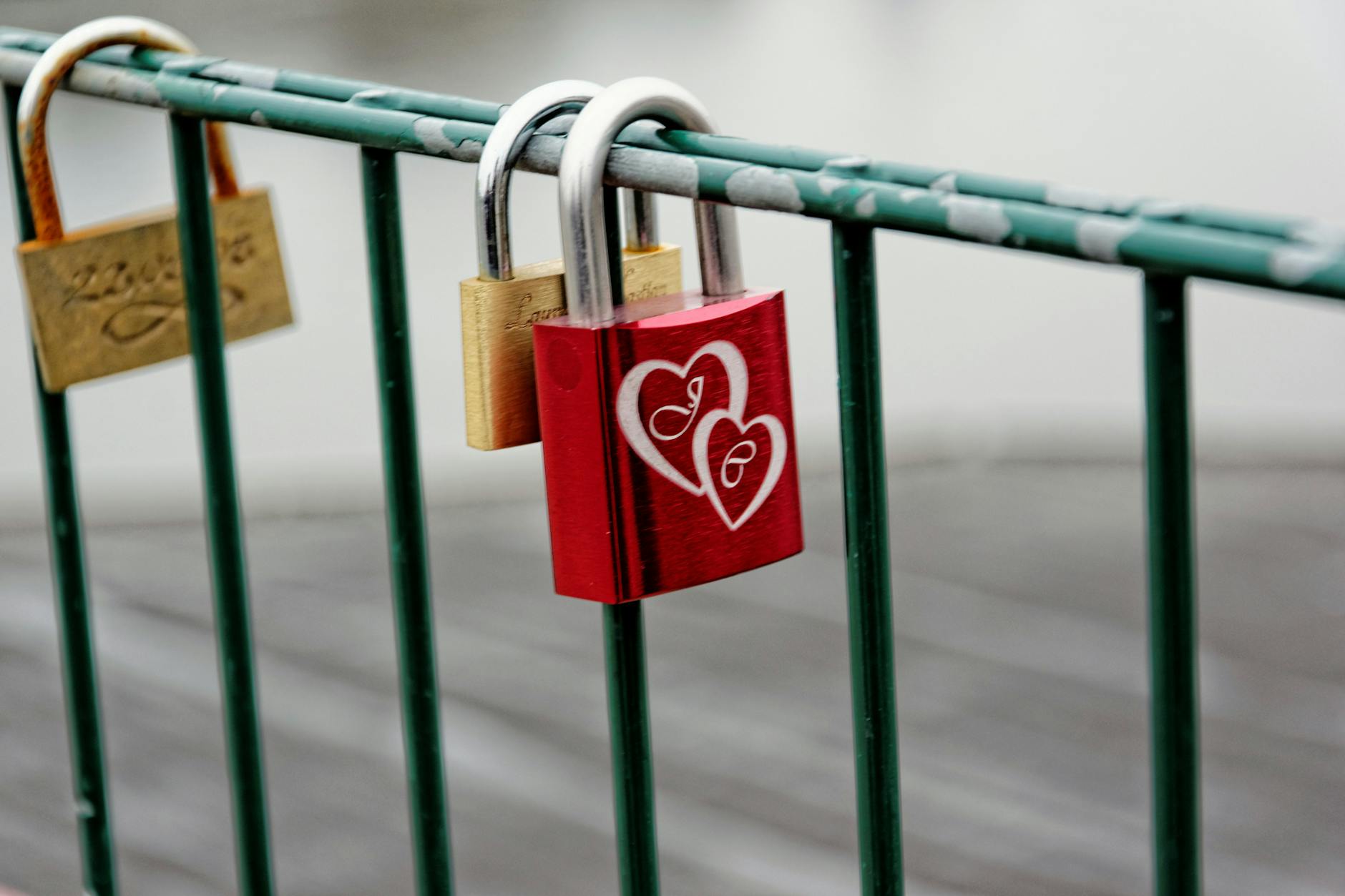
Love is in the air, or at least Valentine’s Day is.
It’s the time of year when the town is painted red, couples linger a little closer, and a different kind of warmth permeates despite the bitter chill of winter. The days are growing lighter. Spring is promised. Something soft waits patiently beneath the cover of snow.
And yet, Valentine’s Day carries a strange contradiction.
Did you know it is one of the most common days for breakups?
For a holiday brimming with sappy poems, fragrant flowers, and sweet chocolate, it has earned a surprisingly bitter reputation. Perhaps that is because a day devoted to love forces us to reflect on what love actually is… and sometimes, upon closer examination, we discover that what we thought was love… wasn’t.
Believe it or not, our culture, and often even our families, do a poor job of teaching us what real, authentic love looks like.
We talk about butterflies in our stomachs and feeling lightheaded from a kiss. In love songs, boundaries blur and two people fuse into one. In stories, love is intense and consuming. The hero protects the heroine, but also possesses her, sealing devotion with the words: “You are mine.”
Sometimes we are taught to view love through obligation and duty. Love becomes something we owe. Something we earn by fulfilling expectations and playing our roles correctly. Love becomes sacrifice at the expense of the self.
I would argue that these versions are infatuation at best, and unhealthy, even abusive, at worst. And yet, between cultural depictions and our own internal patterns, we often confuse what love is.
We learn from our earliest experiences what love looks like. As we grow older, we don’t always seek what is healthy, we seek what is familiar.
I could list a million examples of unhealthy love. I could write out endless red flags. But the problem with red flags is that if something doesn’t match them exactly, we may dismiss what we feel.
We tell ourselves, “Well, it’s not abusive.”
And yet, something can fall short of abuse while still falling far short of love.
That is why I want to focus instead on what healthy love actually looks like.
Across poems, philosophy, research, and human experience, certain themes arise again and again. Love is more than a feeling or an attachment. Healthy love is a consistent presence, the willingness to stay, not because one must, but because one chooses to.
And while love may cost us something at times, it should never come at the cost of ourselves.
Healthy love is not self-erasure. It is not martyrdom. It is a widening sense of us that still contains a me. Sacrifice in love should not diminish either partner, but strengthen both.
To love someone is also to truly see them.
Love recognizes the beloved as they are: flawed, human, singular, worthy. Love says, “You matter. You are not interchangeable. You cannot simply be replaced.”
Love is not possession. It is not fear disguised as devotion. Nor is it the merging of two souls into one entwined being, as popular as the fated-mate trope may be.
Healthy love enhances rather than restricts. It fosters growth rather than suffocation. One person is not diminished so the other can shine. Both are made better, not because they complete one another, but because they support one another.
In short, healthy love is a relationship where both people feel emotionally safe, seen as they are, and free to grow without fear of punishment, abandonment, or control.
Love says:
“I won’t disappear when you’re inconvenient.” “I won’t punish you for being human.” “I won’t leave you alone in your pain.”
But healthy love does not say:
“I will erase my own needs.” “I will surrender my boundaries.” “I will make your suffering my identity.”
Love is safety for both.
It allows both partners to exist without feeling they must earn their right to be there.
And perhaps that is the quiet challenge of Valentine’s Day, beneath all the roses and romance. Love is not something waiting for us in some distant future, once we are finally healed, finally perfect, finally enough. It is something we practice in the present, in the relationships we choose, in the boundaries we hold, in the way we refuse to mistake survival for devotion. A life well lived is not built “someday.” It is built here, now, in the steady courage to believe that love can be both real and safe, and that we are worthy of it exactly where we are.
Not all adventures require stepping out into the world and exploring new places. There is not always a need to don our shoes or cross the threshold of our homes. Some adventures wait for us in a far more intimate space, where heat and spice mingle to create expectation. Where anticipation builds slowly. Where the experience lingers in memory and sends small electric thrills through the senses. Where worries are set aside, hands get busy, and something deeply satisfying, and dare I say even sensual, takes shape.
Lower your eyebrows, this is a family blog.
Of course, dear reader, I speak of the kitchen.
For thousands of years, humans have gathered around fire and flame, bonding through the shared rituals of preparing and eating food. Long before written language, recipes were passed hand to hand, memory to memory. Food has always been warmth, safety, and love made tangible. It is how we celebrate, how we grieve, and how we care for one another when words fall short. I once had a Puerto Rican colleague who would bring me food during especially stressful seasons of my life. One day, she arrived with a cake she had carefully crafted just for me. It was not simply a dessert or a cultural exchange. It was care wrapped in sweetness, a quiet reminder that I was not alone.
Food is deeply embedded in a people. It is history, culture, memory, and survival served on a plate. Entire stories can be told through a single dish. Take Haiti’s Soup Joumou, a pumpkin-based soup once forbidden to enslaved people and now eaten each year to celebrate independence and freedom. Or consider corned beef and cabbage, a meal that became closely associated with Irish-American immigrants, not because it was common in Ireland, but because it was affordable and accessible in their new home. These dishes tell stories of resilience, adaptation, and identity.
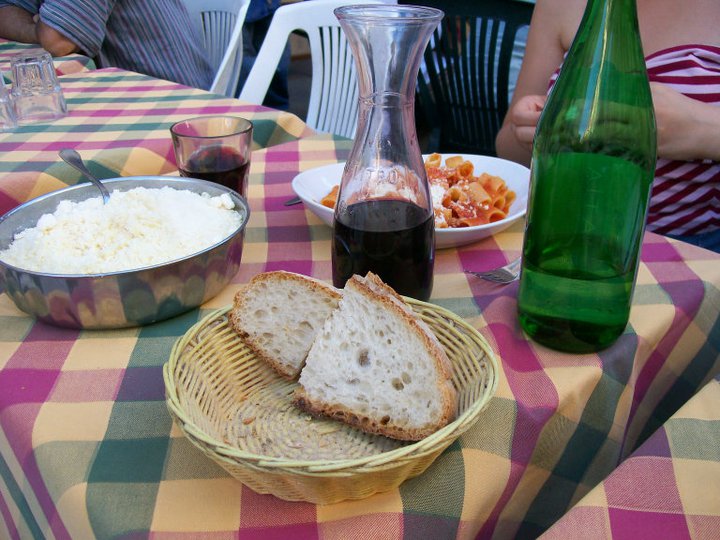
Pasta dinner in Rome
Sometimes food carries the quiet evidence of cultural exchange. Italy, so famously associated with pasta and tomato sauce, sits at a historical crossroads of trade. Noodles arrived through contact with the East, while tomatoes made their way from the New World. Local tradition met imported ingredients, and something entirely new was born. That cuisine later traveled across the Atlantic, where it transformed yet again into what we now call Italian-American cooking. This is why beloved favorites like fettuccine Alfredo or chicken parmigiana are rarely found in Italy itself. Food evolves as people move, adapt, and make do.
Many of the dishes I have named so far are familiar to most of us, especially here in America. But adventurous eating does not have to stop at what we already know. Those of us with wandering spirits often associate travel with food, and for good reason. What marks a journey more clearly than the flavors we encounter along the way? Thanks to global shipping networks and the rapid exchange of information, it is now easier than ever to recreate dishes from around the world in our own kitchens, no plane ticket required.
Will it always be perfect? No. The clotted cream I buy at my local grocery store is not quite the same as the clotted cream I was served in Cornwall. Still, for those of us who are budget-conscious or simply curious, it is close enough to spark delight and inspiration. Sometimes approximation is not a failure, but an invitation.
I am fortunate to live in a place that makes culinary exploration especially accessible. My hometown is something of a food mecca. We have a specialty meat and cheese shop, several farmers markets, close access to fresh seafood, and grocery stores that carry an impressive range of international ingredients. We are also home to many authentic markets representing cultures not typically found in mainstream American stores. This means I can often find traditional ingredients locally and at a fraction of the cost of ordering them online.
Lancaster is also known as America’s refugee capital, thanks in large part to the ongoing efforts of Church World Service. Refugees from around the world have made their homes here, continuing a long tradition of welcome rooted in our Amish and Mennonite history. With them, they have brought their food. And generously, they have shared it. Restaurants that prioritize employing refugees allow them to tell the story of their culture through cooking, creating a deeply local melting pot of flavors. It is history you can taste. Remember, food tells a story and in Lancaster it tells more than just an exchange of culture, it whispers welcome as well.
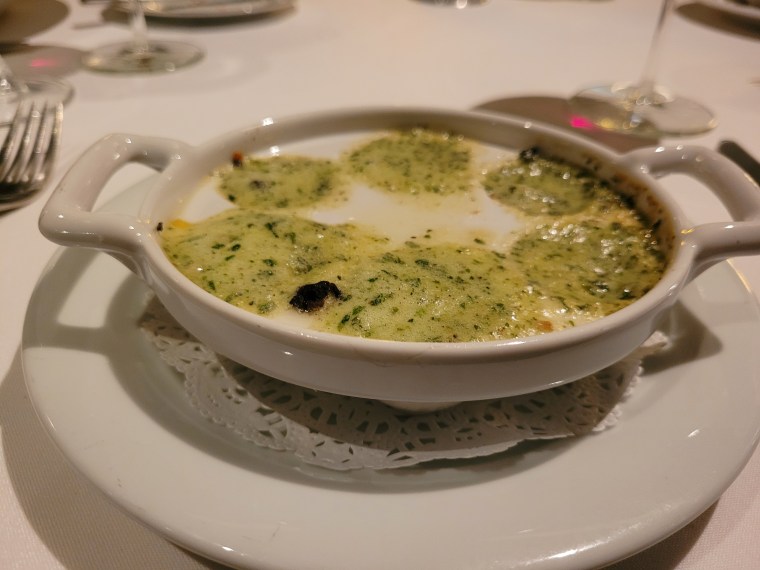
Escargot
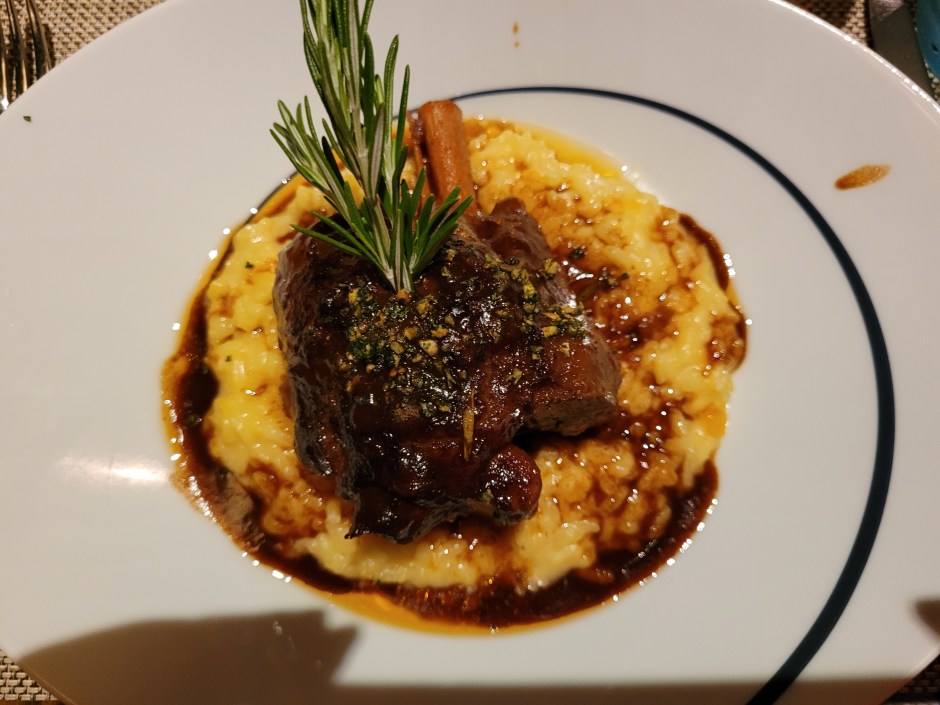
Perhaps that is why I have always been adventurous with my food. I grew up with the world’s kitchen at my doorstep. I learned early that flavor has no single nationality and that spices are not something to be feared. When people joke that white people do not use spices, I laugh, spice is all I’ve known. My spice cabinet is perpetually overflowing with flavors from every corner of the globe. One of my favorite dishes to make is lamb with five spices, a recipe that fills the kitchen with warmth and complexity long before it reaches the plate.
Over the years, I have tried an astonishing range of foods. Kangaroo and lychee. Beluga caviar and jackfruit. Escargot, conch, buffalo, alligator, raw oysters. Authentic pad Thai and ramen. Croissants in Paris, doner kebab, calamari, and a full English breakfast. I have sipped absinthe, fine wines, countless teas, and more than a few drinks whose names I can no longer recall. I have eaten at Ichiban grills, Brazilian churrascarias, four-diamond restaurants, and casual pig roasts. I have wandered farmers markets while sipping fresh coconut water straight from the shell and watched rolled ice cream take shape on a freezing plate. Street food, in all its glorious variety, deserves an essay of its own. I’ve eaten at rotating restaurants high above the skyline. I’ve also eaten deep in the earth in old wine cellars. I’ve dined on the ocean and at the peak of mountains.
Some of my most meaningful food memories, though, were made at home. Hours spent in the kitchen with my mother, learning new dishes together, experimenting, tasting, and laughing. Food is not only about novelty or prestige. It is about connection.
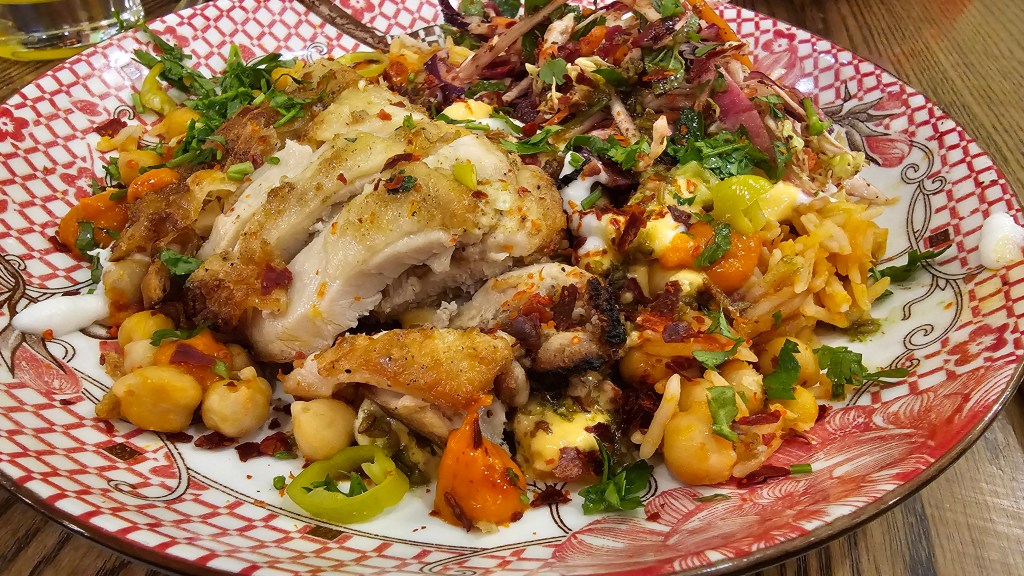
Lebanese Cuisine
In the end, adventurous eating is not about chasing the most exotic ingredient or the most impressive dish. It is about the willingness to step outside your comfort zone and try something new. It is about expanding your palate beyond the familiar rotation of meals. I still remember the first time I tried lavender ice cream. It stopped me in my tracks. I had never considered lavender as a flavor before, and suddenly a door opened. I started seeking out all sorts of new flavors like rose and violet. Since then, I have fallen in love with pine and rosemary ice cream as well.
If lavender feels intimidating, start small. Try substituting lavender for rosemary in a recipe. Their flavor profiles are surprisingly similar, and the result is both comforting and slightly unexpected. That small shift is often all it takes. There are plenty of recipes and flavors out there. The world is truly your oyster! Adventure does not always roar and it doesn’t always require a passport. Sometimes it simmers quietly on the stove, waiting for you to take the first bite.
After the trip. After things calm down. After I fix myself. After I get my finances together.
Always after. Always somewhere in the future.
We tell ourselves these stories so often they begin to feel like truth. Life will really begin once the chaos settles, once we become more disciplined, more organized, more healed, more prepared. Until then, we endure. We keep our heads down, grit our teeth, and tell ourselves this is just a season—even when that season stretches on for years.
And yet, time has a way of slipping through our fingers when we are always waiting. One day we look up and realize we have not so much lived as survived. The days were filled. The calendar was full. But the life itself felt strangely absent.
Of course, there were moments of joy. There always are.
A long-awaited weekend getaway. A carefully planned weeklong vacation. Maybe, if we were especially lucky or brave, a two-week escape that felt almost indulgent. These moments gave us oxygen. We counted down to them obsessively, letting anticipation carry us through exhausting workweeks. The promise of rest, novelty, and beauty became the thing that kept us moving forward.
But then the trip ended. The air thinned again. And the familiar weight returned, heavier somehow for having been briefly lifted. The emotional letdown after travel crashed over us like a wave, knocking us off our feet. What was meant to restore us instead highlighted how depleted we were the rest of the time.
I remember this feeling vividly after my very first cruise.
I had been so excited to experience it with my sister, who had gone on one before and filled my imagination with stories and photos. We planned everything meticulously, savoring the anticipation as much as the trip itself. And the week away truly was a dream. Swimming with dolphins. Snorkeling over a shipwreck. Walking along the famed pink beaches of Bermuda. For a few precious days, life felt expansive and light.
Then it ended.
I was sitting in a train terminal in New York, waiting for the train back to Philadelphia, when a familiar sense of dread began to creep in. My heart started pounding. My mind raced ahead of me, already back at my desk. Had I missed deadlines? What had happened with my clients while I was gone? What did my inbox look like? Would I be returning to chaos I could never quite get ahead of?
The anxiety built quickly, swallowing all the ease and joy I had felt just hours earlier. The relaxation I had carefully collected over the week evaporated, replaced by a sense of impending doom. I realized, with startling clarity, that the problem was not that the vacation was too short. It was that my daily life was unsustainable.
Looking back, I can see what was really happening. Time away had become the only time I felt fully alive. Travel was no longer something that enhanced my life. It was something that made my life bearable. It was not a chance to breathe deeply, but the only moment I was allowed to breathe at all.
That is a heavy thing to place on something meant to be joyful.
Travel, adventure, and novelty are not the villains here. They are generous teachers. They show us beauty. They remind us of wonder. They broaden our perspective and refresh our spirits. But when they become lifelines rather than highlights, they quietly reveal a deeper problem: a life structured in a way that requires escape.
It is hard to feel at home in your own life if every day feels like scaling a mountain rather than taking a gentle walk through the woods. When effort is constant and rest is rationed, even joy begins to feel transactional—something we earn only after enduring enough discomfort.
Living well does not happen by accident. It requires intention, attention, and a willingness to examine the parts of our lives we have normalized simply because they are familiar.
So what does it mean to design a life that supports you rather than one you need rescuing from?
It does not mean eliminating hard work or responsibility. It does not mean chasing constant happiness or turning every day into a highlight reel. It means building rhythms that allow you to inhabit your life rather than flee from it. It means making choices—sometimes small, sometimes uncomfortable—that reduce the daily friction slowly draining your energy.
It might look like boundaries that protect your evenings. Or financial systems that lower your baseline anxiety. Or a job that challenges you without consuming you. It might look like simplifying instead of accumulating, choosing enough instead of more, rest instead of relentless self-improvement.
Most of all, it means refusing to postpone your life until some imagined version of yourself finally arrives.
If we are always waiting to become someone better before we allow ourselves to live well, we may wait forever. Growth does not require self-denial as proof of worthiness. A meaningful life is not a reward reserved for those who have perfected themselves.
When we begin to live well now—imperfectly, quietly, intentionally—something subtle but powerful happens. Travel changes its role. Adventures stop carrying the weight of our unmet needs. They become what they were always meant to be: enhancements rather than escapes.
Instead of giving our lives color, travel adds highlights.
A beautiful trip becomes like the right accessory. It does not replace the outfit. It elevates it. It brings contrast, texture, and delight to something already functional and meaningful. The joy of returning home no longer feels like loss, but like integration—bringing what we learned and felt back into a life that can hold it.
This is not a call to stop dreaming, exploring, or longing for more. It is an invitation to stop living entirely in the future. To notice where you are postponing joy out of habit rather than necessity. To ask, gently and honestly, what would make this season more livable.
The goal is not to suck the marrow out of every moment. The goal is to stop starving ourselves the rest of the year.
A life you do not want to escape from does not have to be extraordinary. It simply has to be yours, tended to with care, lived in with intention, and allowed to matter right now, not later. So what are you waiting for dear reader? Go forth and create a life for now.
December is always the darkest month. The Winter Solstice arrives with the longest night of the year, quietly marking the slow ascent back toward the light of spring. It is both an ending and a beginning. A hinge in the calendar. A pause between what has been and what might be.
It is also a time of renewal. We reflect on the year behind us, tallying lessons learned and losses survived, and we look ahead with cautious hope. Yet for all that symbolism, December still represents another three to four months before winter fully loosens its grip. The cold does not politely retreat once the holidays end. The bitter reach of Arctic winds lingers, stretching farther south than usual this year, brushing even warmer regions with frost and ice.
With the sun reduced to a pale visitor and the cold driving us indoors, many people feel the familiar post-holiday letdown. The lights come down. The tinsel disappears. The steady drumbeat of gatherings and celebrations fades into silence. Roads turn ugly with soot and slush. Gardens lie flattened and forgotten. Trees stand stripped bare, their branches like exposed bones against the sky. Everything feels gray, muted, suspended.
Time stretches out ahead of us, long and uncertain, offering only the occasional tease of warmth on a rare day that creeps near fifty degrees. It can feel like winter has sucked the life out of the world. And sometimes, out of us too.
All this to say, winter can really drain a person.
And yet, over the years, I have learned something important. Winter is not devoid of wonder. We are simply out of practice at seeing it.
Wonder thrives on contrast, novelty, and movement. Spring explodes with color. Summer buzzes with life. Autumn dazzles us with fire and gold. Winter, by comparison, feels like subtraction. Color drains away. Sound is muffled. Life retreats underground or inward. Our modern world does not help. We are conditioned to associate wonder with spectacle, with big moments and bright displays especially at Christmas time. When those disappear, we assume wonder has gone with them.
But winter does not offer pageantry in the same way. It offers something quieter. Subtler. More restrained. Like a dancer who understands that all she needs is a stage and her movements to create beauty, rather than an entire set and multiple costume changes.
As we are often exhausted by the time winter truly sets in, we are not exactly primed to go looking for subtlety. December often follows a marathon of busyness. Social obligations. Emotional labor. Financial strain. The pressure to show up smiling and generous even when you are running on fumes. By the time January arrives, many of us are not ready to be curious. We are ready to be done.
So when the world slows down, we interpret it as emptiness instead of invitation to rest, reflect and truly see what is all around us.
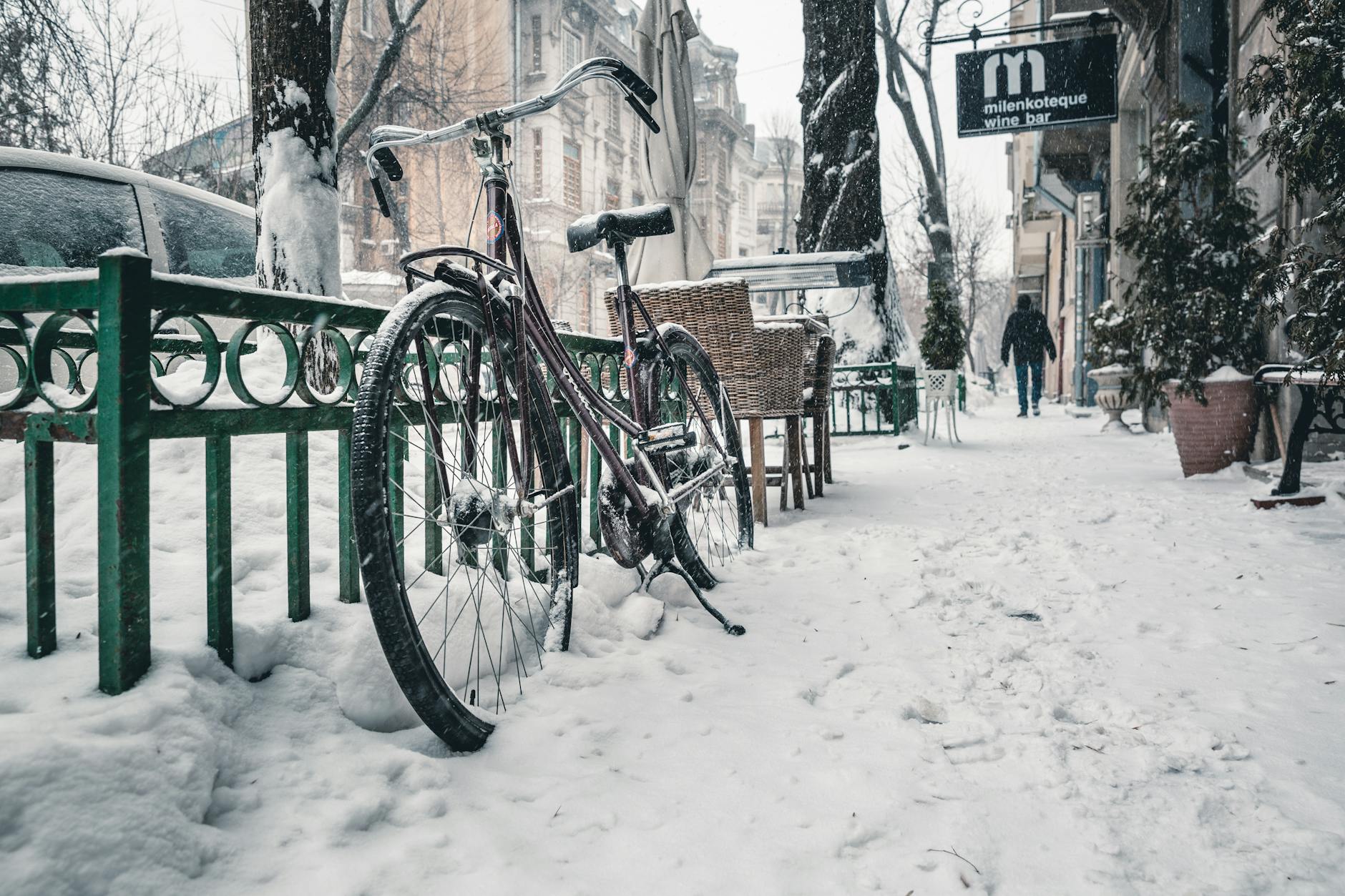
Yes, driving in snow can be maddening. The clenched jaw. The white knuckles on the steering wheel. The muttered curses when traffic crawls and visibility drops. And yet, there are moments when the frustration cracks open into something else. Sunlight hits freshly fallen snow and suddenly everything sparkles. The world looks newly made. Ordinary streets turn luminous. Even the most familiar landscape feels briefly enchanted.
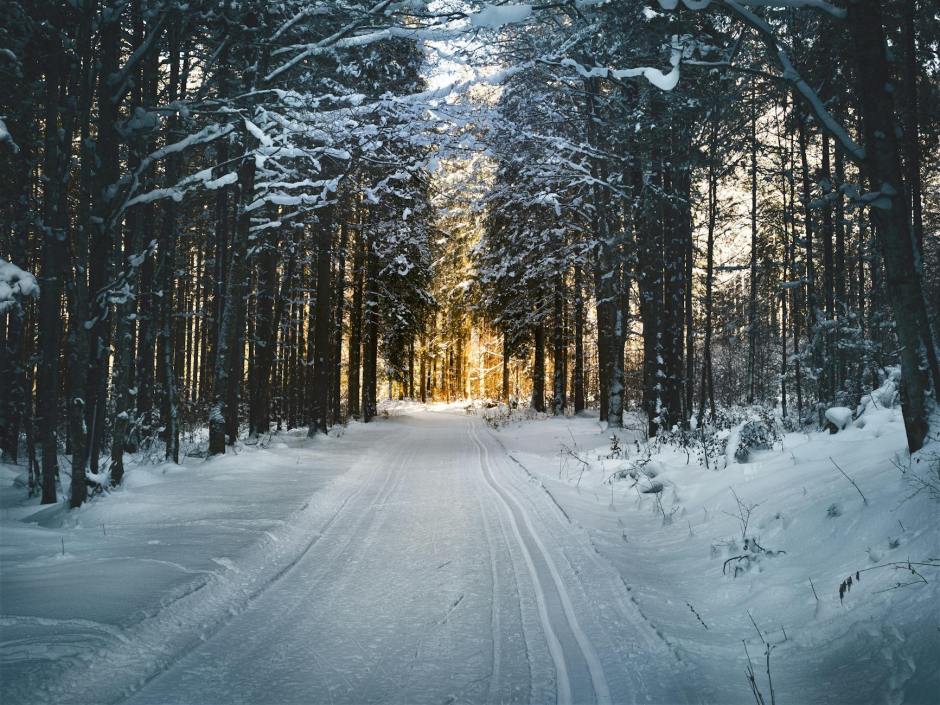
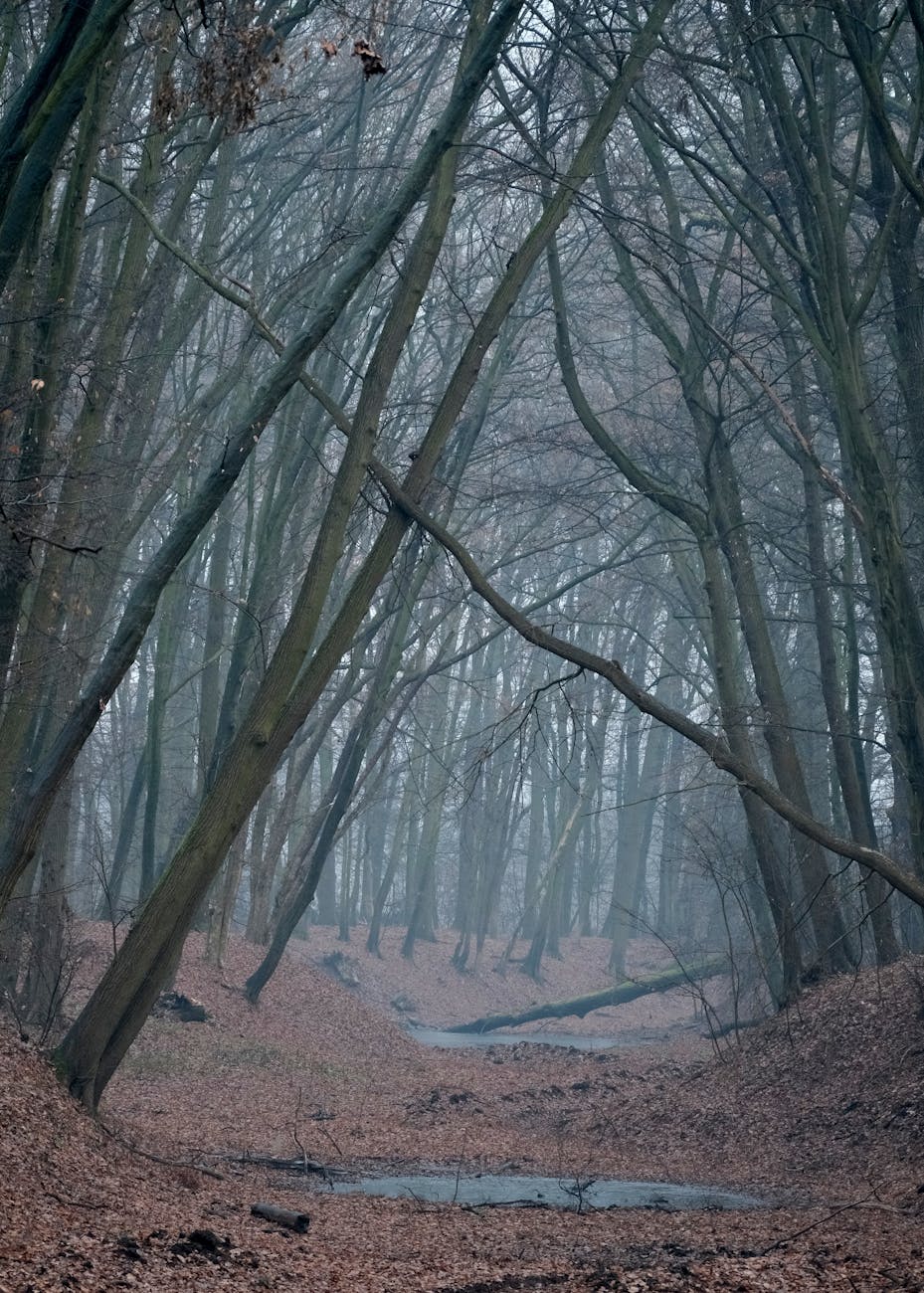
A winter forest carries its own kind of beauty. Bare trees reveal shapes and patterns hidden all summer long. Branches lace together like sketches against the sky. Fog drapes itself through trunks and hollows, softening edges and swallowing sound. There is a stillness there that feels almost sacred. There is nothing quite like a walk in the forest alone in the winter. For that brief time it feels as if you have been swallowed up into another world long forgotten.
Winter wonder often arrives unannounced and unadorned. It does not shout for attention. It waits for you to notice.
Learning to Look Differently
Finding wonder in darker months requires a shift in how we look at the world. Not faster. Slower. Not broader. Narrower. It asks us to trade spectacle for attention.
This is not a season that rewards multitasking. It rewards presence, something many of us struggle with these days. Winter is asking us to be grounded, to notice the smaller things. It’s the warm cup of tea in your hands. Watching the steam curling upwards as you gaze out at footprints in freshly fallen snow an echo of life passing through. These are not dramatic moments. They are small, fleeting, and easily overlooked.
Winter teaches us that awe does not always arrive dressed in grandeur. Sometimes it arrives disguised as ordinary.
Awe is often framed as something rare. Something reserved for mountaintops and once-in-a-lifetime experiences. But everyday awe is built through habit, not circumstance.
Start small. Choose one moment each day to truly notice. The quality of the light. The texture of cold air in your lungs. The sound of wind moving through bare branches. Write it down if you can. Not to be poetic. Just to be honest.
Create rituals that slow you down. An evening walk at dusk. A morning routine that does not involve a screen. Lighting a candle not for ambiance but for intention. These small acts train your attention. They remind your nervous system that the world is still capable of holding beauty, even now.
Stillness as a Teacher
After a month of constant motion, winter almost demands that we become still. Nature itself seems to insist on it. Fields lie fallow. Animals hibernate. Growth pauses beneath frozen ground. Nothing is rushed, but rather everything seems to be waiting.
We resist this at first. Stillness can feel uncomfortable. Without constant distraction, we are left alone with our thoughts, a dangerous proposition for many. We are faced with questions we have postponed and emotions we have not fully processed. But stillness is not emptiness.
Winter invites us to stop long enough to hear what has been whispering beneath the noise all year. It asks us to listen not to the loud and boisterous, but to the quiet and the waiting. To the parts of ourselves that are not yet ready to bloom but are still very much alive. Perhaps, they are parts that we have not heard in years. We may find that whatever those parts have to offer are far better ideas to pursue than whatever resolution we came up with when we were caught up in the dazzle of celebrations.
Winter wonder is fragile. It thrives in moments of pause and disappears when rushed. But once you learn how to find it here, you can find it anywhere.
The practice of noticing does not end when spring returns. It deepens. The quiet skills winter teaches us carry forward into brighter seasons. Attention. Patience. Reverence for small things.
Winter is not an obstacle to wonder. It is a different teacher of it.
And perhaps that is the greatest gift of the darker months. They remind us that beauty does not only exist in bloom and abundance. Sometimes it exists in rest. In waiting. In the soft whispers of what has not yet awakened.
If you listen closely enough, winter is not empty at all. It is full of quiet promises.
There comes a point in adulthood when you look around at your own life and realize just how much of it was built from other people’s expectations. Parents, partners, coworkers, even strangers on the internet all seem to carry opinions about what a “good” life should look like whether that’s the classic white picket fence and 2 kids, jetting around the world or having that corner office. With the shorter days and colder nights which entice us to stay inside sipping a warm cup of tea, December has a way of handing us a quiet pause in the middle of all that noise. In that stillness you can ask a gentler and more liberating question: What if the best gift you give yourself this year is a life that actually fits you? Not a life you are supposed to want. Not a life that earns gold stars. A life that feels like home when you step into it.
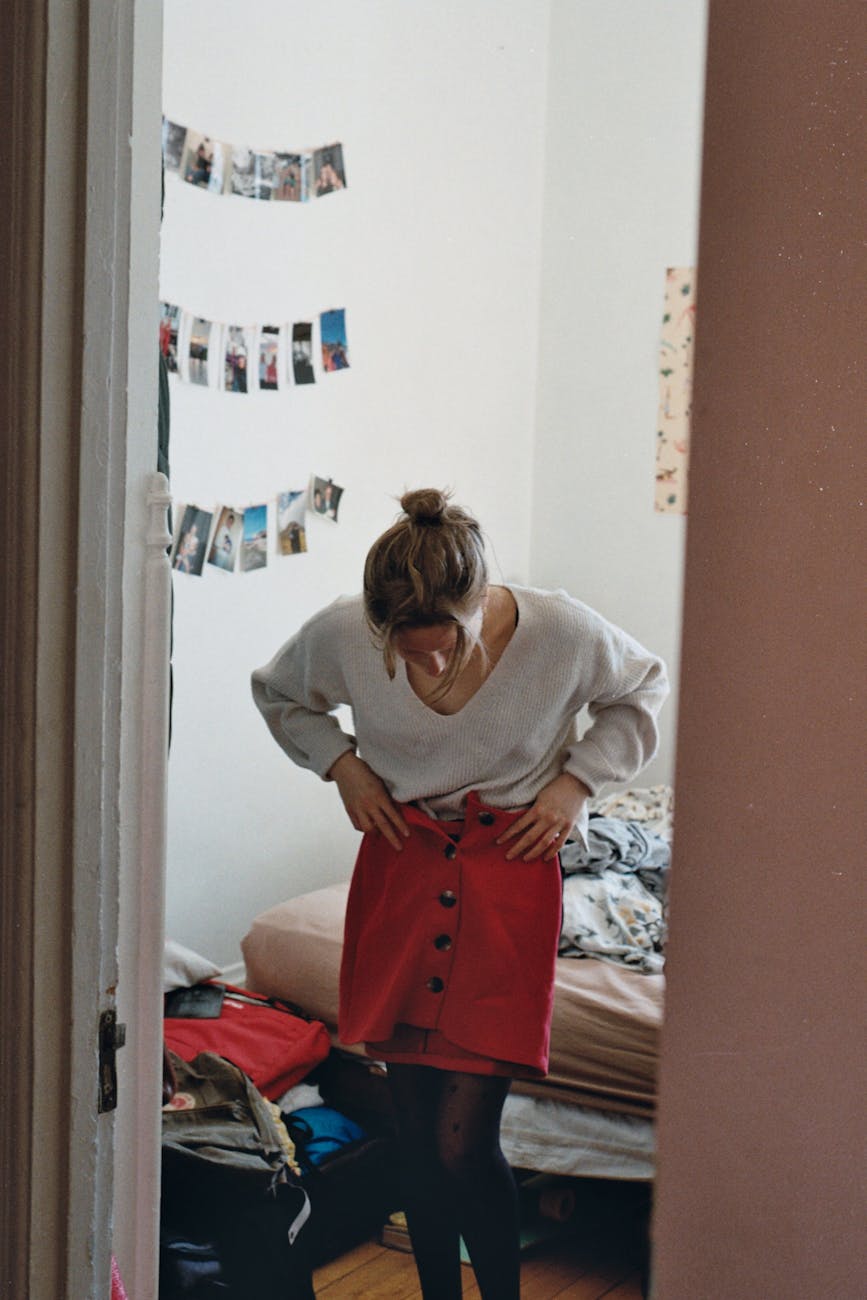
Most of us carry at least a few pieces of life that no longer fit. A commitment you keep out of habit. A routine that once served you but now drains you. A goal you set years ago that you are still dragging around even though it no longer reflects who you are. Just like clothes that shrink in the dryer, some roles tighten over time until they restrict your movement. One of the most compassionate things you can do for yourself is to notice what feels constricting. If something consistently brings dread or resentment, it deserves a second look.
Try asking yourself: What do I continue to do only because I feel I should? What parts of my week feel like a performance? What drains me more than it fills me? These small gut checks can reveal more truth than grand resolutions ever will. Because often resolutions are about adding things to our lives when maybe we should be asking what isn’t serving us anymore.
Wanting something different for your life can feel almost rebellious. We are taught early that desire is selfish or impractical. Yet desire is really a compass. It points you toward what brings meaning. The permission you refuse to give yourself is often the permission you most need. You are allowed to want a simple life. You are allowed to want a bold one. You are allowed to want rest, creativity, adventure, peace or a mix of them.
Let go of the guilt around wanting something others do not understand. You do not have to justify your dream life like it is a court case. Your preferences do not require a panel of approval. They only require your honesty. After all, the only person who gets to live your life is you. They have their own.
Every person inherits a set of default settings. These can be expectations from family, cultural messages or values absorbed without question. Some defaults are helpful. Others keep you living a script that never belonged to you. December is an ideal moment to ask where those settings came from. Did you choose them or were they assigned to you? Are they aligned with who you are now or with a past version of you who no longer exists?
Letting go does not always require a dramatic overhaul. It can be as simple as replacing one outdated belief with a more generous one. It can be as quiet as deciding your worth is not measured by productivity. Sometimes the life that fits begins with subtracting what never matched your shape in the first place.
Once you clear the space, you can begin creating a life that feels right in your hands. Think of it like tailoring. Small adjustments can change everything. You might shift your morning routine to match your natural rhythm. You might redefine what rest means so it supports you instead of feeling like a guilty pleasure. You might choose relationships that nourish you instead of ones that keep you hustling for belonging.
Crafting a life that fits is not a single grand gesture. It is a set of choices made consistently. When something feels peaceful instead of performative, you are moving in the right direction.
A good life should give you room. Room to breathe. Room to change your mind. Room to fail safely. Room to explore new interests without embarrassment. If your life feels like a tight shoe, it is not a sign that you need to force yourself into it. It is a sign that you need to loosen the laces. When you prioritize a life that can expand with you, you trade perfection for sustainability. You also create conditions in which joy can actually take root instead of feeling like a visitor.
The gift of a well-fitting life is not wrapped once and placed under a tree. It is something you give yourself again and again. Through honesty. Through reflection. Through paying attention to what your life is telling you. You will outgrow some things. You will discover new ones. You will learn what brings you back to yourself. The point is not to build a life that looks impressive. The point is to build one that feels true.
As this year winds down, take a moment to appreciate the small ways you have already reshaped your life into something more authentic. And if you have not started yet, that is all right. The gift is not in the timing. The gift is in choosing yourself.
Sometimes, dear reader, our own bucket lists take a polite step to the side so someone else’s long-cherished dream can finally march forward in all its glory. In this case, it wasn’t a bucket list at all. It was a basket list. A Nantucket Shiplight Basket list, to be precise, which I admit feels far more poetic. After all, who among us would not be charmed by the idea of holding a piece of maritime history in our hands.
My mother certainly was. Ever since she was a teenager, she had been enchanted by these elusive vessels after reading about them in some long-forgotten book or article. I picture her as a younger version of herself, curled up somewhere cozy, imagining the rugged New England coastline, the wild Atlantic surf and perhaps, if I know her, a sailor or two with a jawline sharp enough to cut rope. I cannot blame her. The sea does tend to conjure such visions.
I am sorry, where were we. Ah yes. Baskets. The point is, dear reader, these particular baskets are not ordinary containers for fruit or wayward junk mail. They are woven pieces of history, shaped by sailors who braved storms, isolation and boredom of legendary proportions. The romance is built right in.
A Bit of History for the Curious Soul
Long before tourist shops and Instagram feeds filled with beach scenes, the waters south of Nantucket Island were treacherous. Shoals shifted like restless spirits and ships were known to meet rather unfortunate ends. Since the terrain was not suitable for a proper lighthouse, lightships known as shiplights took up residence. Picture a floating lighthouse, bobbing in the waves, anchored against the dark and fog and hoping a vessel would notice it in time. That was the job of the lightship. Simple in theory. Terrifying in practice.
These ships were staffed by small crews who lived aboard for long stretches, typically thirty days at a time. They battled storms, loneliness and the constant fear that some overconfident captain might sail directly into them. Many did. More than one lightship was destroyed after being struck by the very boats it tried to save.
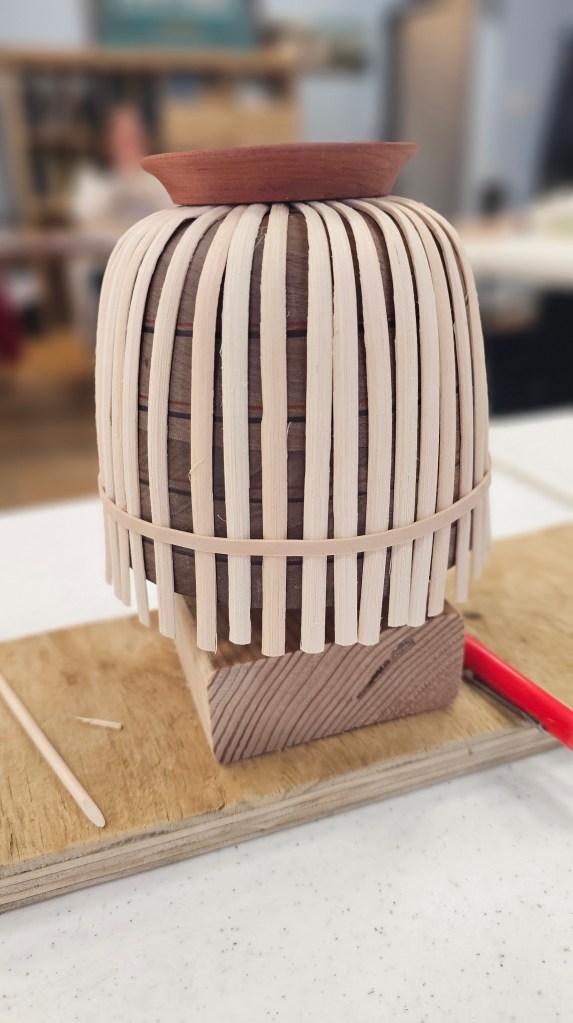
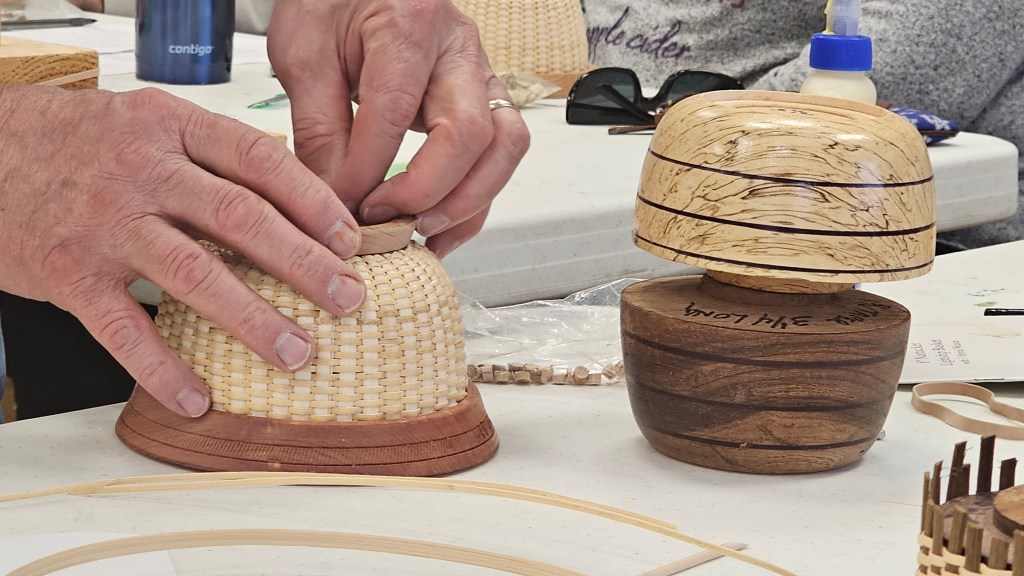
With little to do during calmer stretches, sailors turned to crafting. By the 1860s, the earliest Nantucket Lightship Baskets began to appear. These were not decorative heirlooms but practical, sturdy, beautifully utilitarian containers. Their bases, rims and staves were usually made back on the island. Sailors then brought them aboard, using the long quiet hours to weave. The moulds were created from old ships’ masts, giving the baskets yet another tie to maritime life.
Over generations, the basket-making tradition shifted from survival activity to artistic craft. Baskets became more decorative, more intricate and far more sought after. Today, Nantucket baskets are treasured symbols of New England craftsmanship. And, thanks to the price tags, they are also symbols of New England’s talent for charging quite a lot for tradition.
A Dream My Mother Tucked Away
My mother fell in love with the history long before she ever saw an actual basket in person. For decades she dreamed of owning one. But as prices climbed higher and higher, the dream began to sag under the weight of practicality. The baskets became something for “someday.” And someday, as we all know, is a tricky creature. It slinks away easily.
Years passed. Then decades. The dream gathered dust like so many silent hopes. She never complained about it. She never pined or sighed dramatically like a Victorian heroine. She simply tucked it away, which was somehow even sadder.
Thankfully, dear reader, she has me. And I am not someone who lets dreams die quietly.
A Daughter on a Mission
The spark reignited on a trip to Boston to visit a friend who, as it happened, made Nantucket baskets as a hobby. When my mother held one of his creations, her whole face softened. There was awe. There was longing. And there was that quiet little note of resignation. The “oh well, not meant to be” tone that mothers perfect somewhere around the third decade of adulthood.
Absolutely not, I thought. To hell with resignation. Not on my watch.
Now, could I have snagged her a $400 basket. Technically yes. But financially, spiritually and stubbornly, no. That felt like cheating. I wanted something more meaningful. Something rooted in effort and delight and a little bit of chaos, as most great family stories are.
The opportunity arrived in the most unexpected way, as opportunities often do. Last fall, my mother and I took an eco-dyeing class at the PA Guild of Craftsmen. We spent the morning dunking fabric into pots of botanical color like two witches brewing questionable potions. During the class, we met a man named Bob, who casually mentioned that he taught classes on Nantucket Baskets.
Was it fate. Probably. Was it the universe gently nudging me toward destiny. Quite possibly. Was it also the direct result of my inability to mind my own business and my tendency to ask questions of every friendly stranger. Absolutely yes. Sometimes, fate needs a little nudge or a full on push.
The Watch Begins
From that moment on, I became a woman possessed. I haunted the Guild’s website like a Victorian ghost with unfinished business. Week after week I checked for upcoming classes. I refreshed the page with the kind of intensity usually reserved for airline deals or Taylor Swift ticket drops.
Then one day, I saw it. A class scheduled for the weekend of my mother’s birthday. Perfect. Beautiful. A sign from the gods themselves.
I contacted my sister. I confirmed schedules. I clicked the button to register.
The class had just filled.
Great was the gnashed teeth. Fierce was the shaking of my fist. Dramatic was my lamentation to the heavens. I am after all nothing if not dramatic!
But if you know nothing else about me, know this: I do not give up. Not even when the universe tests my patience for sport.
Not two weeks later, a new class appeared. Spots: available. And I pounced. I registered so fast you would think I was trying to secure the last lifeboat on the Titanic. Victory was mine. And so was a guaranteed memory for the ages.
The Big Day Arrives
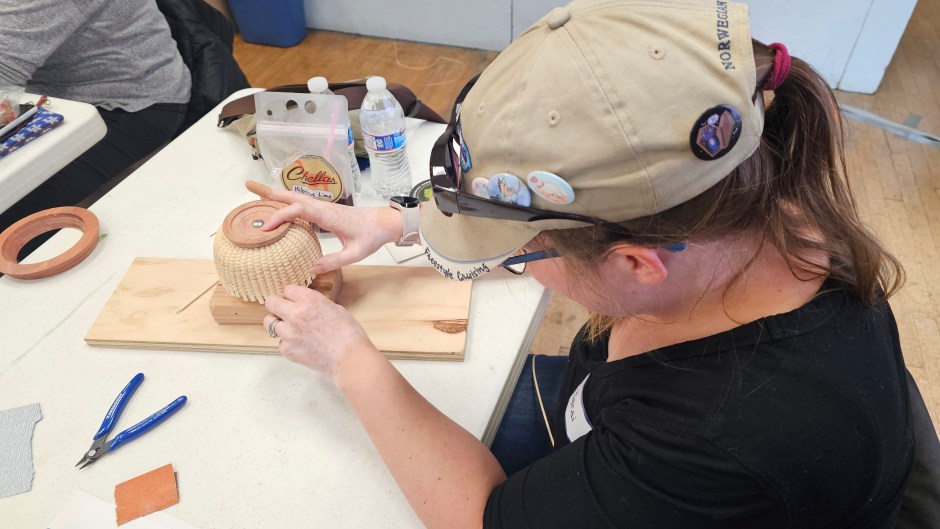
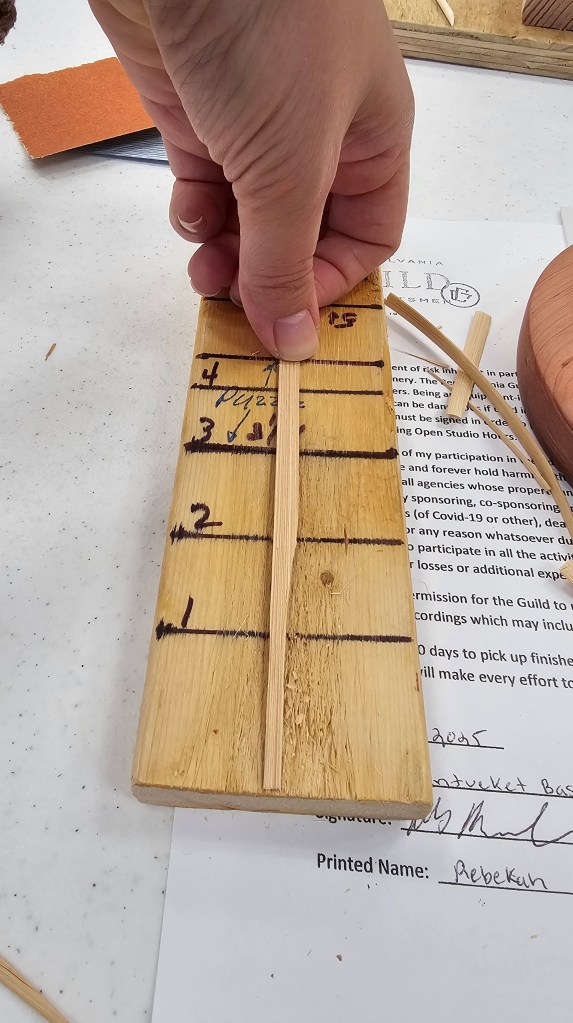
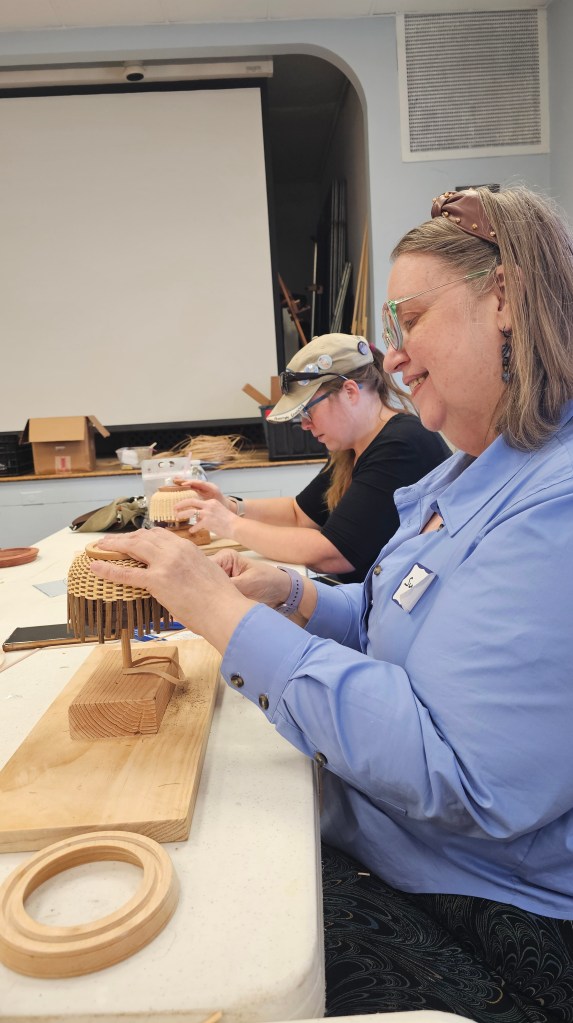
Two weeks after her birthday, my mother, sister and I arrived for our class. For those unfamiliar, Nantucket baskets are not really considered beginner friendly. They require precision, patience and a willingness to accept that reeds will snap at the least convenient moment. Luckily, we had Bob. And Bob is a gem. If basket making had spirit guides, he would be one.
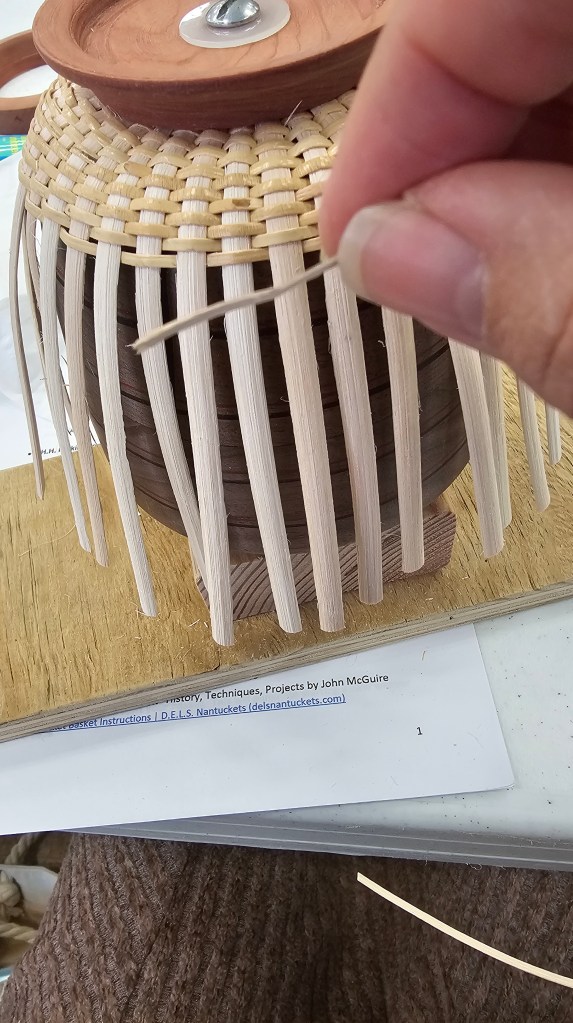
With calm instruction and gentle humor, he helped us understand the mechanics behind the magic. He showed us how to keep the weave tight. How to handle breakage. How to adjust when things started to go sideways, which they did often. There was laughter. There was mild cursing. There was one moment when my mother threatened to throw her reeds into the void, but Bob intervened with the patience of a saint.
My mother struggled at times, especially early on. Her arthritis made the tight initial weaving difficult. But here is where the real beauty emerges. When her hands faltered, my sister and I stepped in. We held reeds steady. We tightened the weave. We supported her hands with our own. And together, we built something worth far more than its materials. Something no price tag could ever reflect.
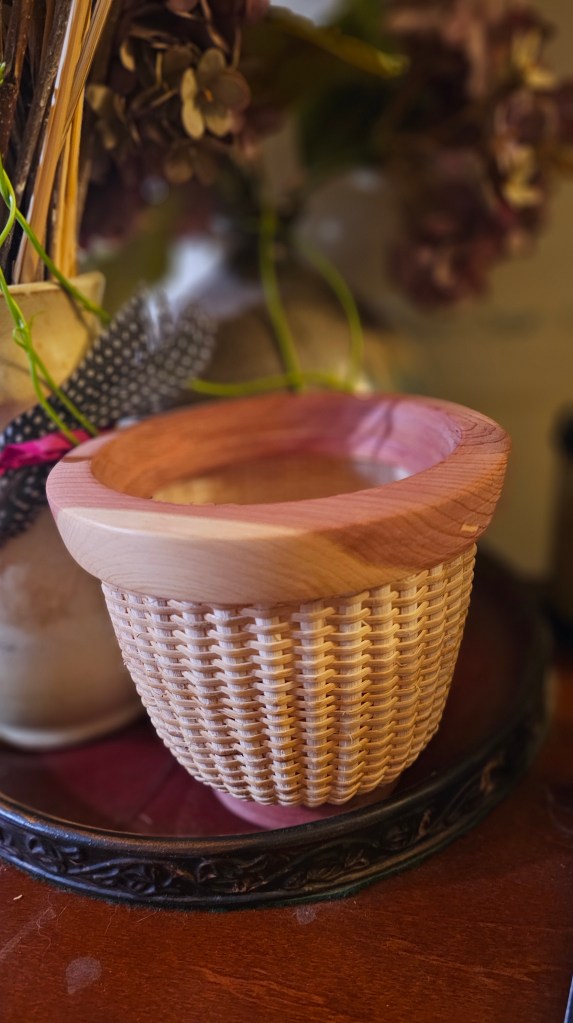
When the baskets were finally complete, we sat back in awe. They were beautiful. Not flawless. Not identical. But better. They were us. They were hers. They were woven with history and love and the combined effort of three determined women.
A Dream Fulfilled at Last
My mother waited more than forty years for this. Four decades spent admiring a dream from afar, telling herself it was too impractical, too expensive, too indulgent. But standing there with her basket in her hands, crafted by her own perseverance and supported by her daughters, something shifted. The dream became real. Tangible. Hers.
At sixty-five years old, she crossed something off her list that she never thought possible. And she did it in the best way imaginable. Not by purchasing a finished piece but by creating one with her own hands.
And if that is not the very heart of bucket lists, I do not know what is.
We often think of bucket lists as daring adventures or far-flung travels, but sometimes they are simpler. Sometimes they are woven, stitch by stitch, in quiet rooms with people we love. Sometimes the most meaningful items are the ones rooted in memory and heritage and personal longing. And sometimes the best thing we can do is help someone else check off something they stopped believing was possible.
So here is the lesson for you, dear reader. Do not be fooled by dreams that go silent. They are still there, waiting for you. Whether they are big or small or slightly unexpected, they deserve air and attention and the chance to surprise you. And it is never too late. Never too strange. Never too sentimental.
Sometimes a dream is simply a basket. But sometimes that basket carries forty years of hope, a good story, a tiny bit of chaos and a whole lot of love woven into its staves.
And those are the dreams worth chasing.
How might you chase your own piece or maritime history?
If reading this has awakened something in your soul, dear reader, perhaps a tiny spark whispering that you too might enjoy owning or crafting your very own bit of seafaring heritage, then rejoice. You are not alone. There is something irresistible about holding an object shaped by hands, hope and history. It connects you to all the sailors who once sat aboard those rocking lightships, weaving to pass the time while storms rolled over the horizon.
So how might you chase your own piece of maritime magic.
First, you can absolutely look for a class in your local area. Basket weaving workshops pop up in the most unexpected places. Community art centers, craft guilds, even the occasional museum loves to host heritage craft classes. The only caveat is that the further you wander from Nantucket’s salty shores, the rarer these particular baskets become. The tradition simply never spread far inland, perhaps because weaving a basket while imagining rolling waves is far more romantic when you can actually hear them outside the window.
If you would rather skip the learning curve entirely, you can always purchase your own Nantucket basket from a skilled maker. These pieces are true works of art, and buying directly from an artisan helps keep the craft alive. It also saves you from the mild existential crisis that comes from snapping reeds for the fourth time in an hour. Trust me. I have lived it.
But maybe you are like me and prefer a little chaos with your creativity. Maybe you want to try your hand at the weaving itself. In that case, you are in luck. You do not need a ship. You do not need a lighthouse. You do not need to brave the open ocean with only six crewmates and a questionable supply of biscuits.
What you need is a guidebook, some materials and the enthusiasm of a determined dreamer.
Thanks to the endless wonders of the internet, you can now find instructional books for a very modest sum along with kits containing everything from bases to staves to the all-important mould. No need to fashion one from a retired ship’s mast like the sailors of old. Unless you happen to have a ship’s mast lying around, in which case, dear reader, I have questions.
With online tutorials, craft forums and even weaving groups on social media, it has never been easier to learn a heritage craft from the comfort of your own home. You can chase your own dream while sipping tea in your pajamas, which feels like a delightful improvement from doing it aboard a lightship in a gale.
And that is the beauty of our modern world. Dreams that once required proximity, luck or a friendly sailor now simply require curiosity and a willingness to start.
So whether you sign up for a class, purchase a handmade treasure or gather your supplies and embark on the weaving adventure yourself, may your own journey into maritime history be filled with joy, discovery and perhaps a little bit of mischief. After all, the best stories are the ones we make with our own hands.
Every Tuesday, without fail, something wonderful happens in the next town over. Long before the rest of the world has finished its morning coffee, Root’s Country Market comes alive. It starts quietly at first, a few trucks pulling in, the soft murmur of vendors setting up, the smell of early morning coffee drifting across the lots, and then, before you know it, the place is buzzing. Root’s has been a Lancaster County staple since 1925, and in the hundred years since it first opened, it’s become something more than just a market. It’s a living, breathing community tradition.
Side bar: Locals pronounce it “Ruut’s,” not like tree roots, a small detail, but one that marks you as someone who really knows the place. Welcome to Lancaster County where nothing is pronounced like you think it would be, not even Lang-kiss-ter.
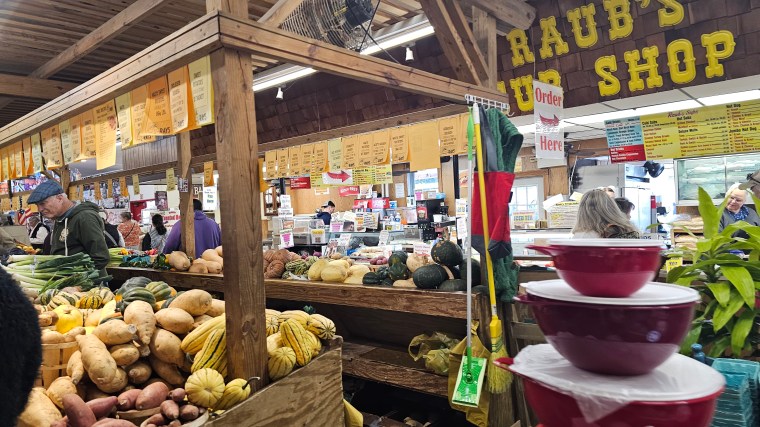
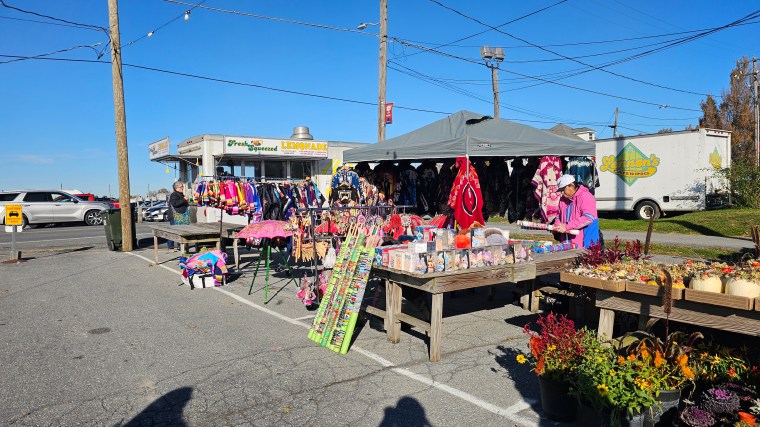
Roots is a sprawling labyrinth of over 175 indoor and outdoor stalls, each one offering a little piece of local life. You’ll find farmers with fresh produce still damp from the morning dew, bakers arranging pies so fragrant you can smell them before you see them, and crafters setting out handmade candles, quilts, and wooden toys. Step a little further and you’ll stumble into antiques and flea market finds, old tools, vintage glassware, forgotten records. It’s perfect for a treasure hunt! There’s even a livestock auction, which means you might be standing in line for a soft pretzel while hearing the rhythmic chant of a fast-talking auctioneer in the background. It’s part of the charm.
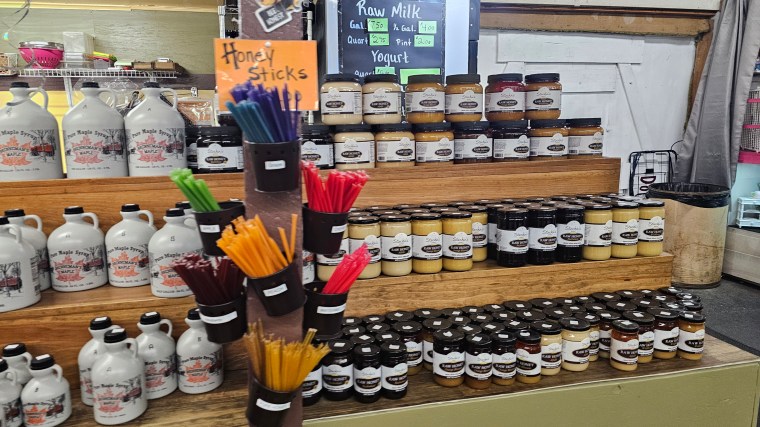
Root’s is the kind of place that engages all five senses at once. The air is thick with the smells of kettle corn and barbecued chicken, mingling with freshly turned earth from the produce stands and, occasionally, that unmistakable farm scent that reminds you you’re in the heart of the country. Fresh country air takes on a new meaning in farm country. There’s the shine of ripe tomatoes, the golden glow of honey jars, the colorful chaos of flower bouquets. Vendors call out greetings to regulars.
If you visit during the busy seasons, late spring through early fall, the crowd hums like a hive. There’s a rhythm to it, a flow of movement as people drift from stall to stall, chatting, sampling, bargaining. You can lose hours wandering without realizing it. And then, just when you think you’ve seen it all, you’ll turn a corner and find something unexpected: a new baker, a quirky handmade sign, a table full of fresh herbs or a bin of farm-fresh eggs that look like they came from a paint box.
I may not be a morning person, but my favorite time at Root’s is the early morning, when the sun is barely up and the crowd hasn’t yet arrived. The vendors are still setting out their goods, the coffee is hot and strong, and there’s a quiet peace to it all. That’s when you can have those real, unhurried conversations, when you can talk to the man who grows the apples you buy every fall, or the woman who hand-pours every candle on her table. You’re not just shopping; you’re connecting.
What makes Root’s special isn’t just what you can buy, it’s who you’re buying it from. There’s something grounding about handing your money directly to the person who grew your tomatoes or baked your bread that morning. You can ask them how the season’s been, or what variety of pepper this is, or how long they’ve been coming to Root’s, and they’ll tell you, usually with a story that’s worth hearing.
Some families have been selling here for generations. Others are just starting out, testing their small business dreams one Tuesday at a time. Together, they form the heartbeat of this place, a reminder that commerce can still be personal, that community can be built over a counter full of peaches and pies.
And the prices? Let’s just say that fresh, local, and affordable aren’t mutually exclusive terms here. You can fill a tote bag with vegetables, grab a fresh-baked loaf of bread, and still have money left for lunch, maybe a chicken pot pie or a funnel cake, depending on how virtuous you’re feeling, and I am seldom neglect to give into temptation here.
Root’s began back in 1925, when local farmers gathered to sell their goods directly to neighbors. A century later, it’s grown into a sprawling market and auction complex that somehow still feels small-town. It’s open year-round, rain, snow, or sunshine (not blizzards or floods though) every Tuesday without fail. Generations have grown up wandering its aisles, marking time not by the seasons but by the rhythms of Root’s, sweet corn in July, apples in October, wreaths and crafts in December.
It’s rare, in a world where everything feels increasingly online and anonymous, to have a place like this, one where you can see the faces behind your food, hear the laughter of old friends meeting up by the pretzel stand, and know that you’re part of something with roots (pun intended) deep in local soil.
Not everyone is lucky enough to have a place like Root’s right outside their door. For me, it’s not just a market, it’s a midweek adventure, a reminder to slow down and savor the simple joys: fresh food, friendly faces, a good deal, and a connection to the land and people that make up my home. Every visit feels different, but it always leaves me with that same contented feeling — a mix of nostalgia, community, and appreciation for the abundance that surrounds us.
So if you ever find yourself in Lancaster County on a Tuesday, make your way to Root’s. Come early, bring cash (although most vendors do now accept cards), and be ready to wander. Take in the smells, the sounds, the cheerful chaos of it all. Chat with the farmers and crafters, find something unexpected, and maybe grab a slice of shoo-fly pie for the road.
Because at Root’s, you’re not just shopping, you’re stepping into a century-old story that still unfolds, week after week, right in the heart of the community.
How can you experience your own farmer’s market adventure?
If you don’t live near Lancaster County, don’t worry, almost every community has its own version of Root’s tucked away somewhere. Previously, it seemed farmer’s markets were going the way of the dodo, but community efforts have revived the practice all over as determined locals, with pride and love for their communities decided to reconnect us all with our roots. Look for local farmers markets or seasonal pop-ups in your town or the next one over. Many run weekly through the spring and summer, while others operate year-round. Visit early, bring cash, and take the time to talk with the people behind the tables. You’ll find that even the smallest market has its own personality, its own rhythm, and its own sense of community. It’s one of the easiest, and most rewarding, ways to connect with the place you call home.
Completed: A Tuesday in my childhood and ongoing into my adulthood
Miles from home: About 10
Cost: Free parking and however much you want to spend. My most recent visit was about 6 dollars.
Still looking for ideas to do in your own local community? Check out the rest of my Bucket List – most of the items completed from my own backyard!
I spend a lot of time writing about things that you ought to do. I share adventures I’ve taken that I think you might enjoy and encourage the choices that make our lives better. After all, my goal, both for myself and for you, dear reader, is to build a life so rich and fulfilling that we no longer crave escape from it.
A life where our bucket list adventures don’t act as brief breaks from monotony, but as extensions of a life we already love.
Seldom do I write about what we shouldn’t do. But as we work toward creating lives worthy of gracing any bucket list, there are habits, beliefs, and quiet mental traps that can drag us down. They don’t announce themselves with flashing lights. They sneak in through our routines, our comparisons, our “shoulds.” And before long, they sap the joy right out of us.
This post kicks off a new mini-series: things to avoid if you want to protect your joy.
The first joy-sucker on our list? Measuring your life by how it “should” be by now.
The Tyranny of the Timeline
Many of us were handed a script early on.
Go to school. Get a job. Meet someone nice. Get married. Buy a house. Have kids. Work hard. Retire. Enjoy your golden years.
It’s tidy, it’s predictable, and for some people, it works. But for many of us, life doesn’t follow that script. We graduate later, or not at all. We change jobs. We move. We fall in and out of love. We skip the house. We skip the kids. Or we find new dreams entirely.
And yet, that little voice in the back of our heads still whispers: “You should have figured it out by now.” “You should be married by 30.” “You should have your dream job by 40.”
As if our lives are meant to unfold like clockwork, all hitting the same milestones at the same time.
And when we don’t? We call ourselves failures.
Not married by 30? Spinster. Might as well get a cat and a cardigan. Didn’t make partner by 40? A has-been. Still renting at 50? Must’ve done something wrong.
But let’s pause here. Whose voice is that, really? Society’s? Our parents’? Our own inner critic, parroting what we were taught?
The truth is, there’s no such thing as “too late.”
Colonel Sanders didn’t start Kentucky Fried Chicken until he was 62. Julia Child didn’t write her first cookbook until she was 50. Stan Lee didn’t create Spider-Man until his 40s. Milton Hershey failed with multiple candy shops before founding Hershey’s Chocolate. And sliced bread? It took over a decade to catch on as an idea people actually wanted.
Even Abraham Lincoln, that pillar of perseverance, lost job after job and election after election before becoming one of the greatest presidents in history.
If any of these people had believed the story that they’d “missed their window,” they would’ve stopped before success ever arrived.
And if that seems like ancient history, look around today. Some of the most interesting, creative, and fulfilled people I know are those who stopped trying to follow the timeline and started following their curiosity instead.
They’re going back to school at 45. They’re switching careers at 50. They’re learning to paint or surf or start a business long after the world says they should’ve “settled down.”
You’re Not Late. You’re Just on Your Path.
Julius Caesar once lamented, at age 32, that he hadn’t yet achieved what Alexander the Great had by the same age. At the time, Caesar was a minor administrator with little acclaim. He had no idea that his greatest accomplishments were still ahead of him.
We all have those moments, standing before the metaphorical statue of someone else’s success, feeling small by comparison.
But your path isn’t supposed to look like anyone else’s. You’re not on Alexander’s timeline, or your neighbor’s, or your sibling’s. You’re on yours.
Every detour, every pause, every “failure” teaches you something that smooth sailing never could.
Spending time lamenting what hasn’t happened yet only keeps us stuck. It traps us in the past, in a cycle of comparison and self-judgment. We get so focused on the shoulds, what we should have done, where we should be, that we miss what’s right in front of us.
It’s like staring at the GPS instead of enjoying the drive. You’ll get to where you’re going, but you’ll have missed all the scenery along the way.
And let’s be honest: nobody builds a bucket list life by following someone else’s map.
Charting a Different Course
Here’s the thing: your “timeline” is just a story. You can rewrite it anytime you want.
Maybe your bucket list includes seeing the Northern Lights, writing a book, starting a garden, or falling in love again. None of those dreams come with an expiration date.
You don’t have to “make it big” to make your life meaningful. Sometimes the best things we build are small, moments of joy, quiet progress, and self-acceptance.
The most extraordinary lives often grow from the most ordinary days, repeated with care and curiosity.
Stop measuring yourself by where you should be. Start asking where you want to be—and what small step you can take today to move in that direction.
Because life isn’t a race. It’s not a checklist. It’s a collection of moments that, if we’re lucky, we get to fill with wonder, growth, and connection.
You’re not behind. You’re becoming.
And that, dear reader, is exactly where you’re supposed to be.
There’s a particular kind of grit that comes with chasing a dream. We love to imagine it looks like early morning coffee, crisp planners, and perfectly color-coded calendars. But more often? It looks like forgetting to do your make up in the morning, an ever growing to do list, and you googling things like “how do small business taxes even work??” at 1:43 a.m.
At least, that’s been my experience.
When I first decided to start my own business, I thought the hard part would be the leap, the “yes” moment of committing. I have a master’s degree in social work, after all. I know how to put in effort, write long papers, and juggle competing deadlines. But what I didn’t know at the time was that starting a business has less to do with your shiny diplomas and more to do with your tolerance for uncertainty.
Here’s the thing no one told me when I hung out my proverbial shingle: running a business isn’t just doing the work you’re trained for. It’s marketing. It’s budgeting. It’s answering emails without throwing your laptop out the window when you become overwhelmed.
There have been days where I thought, “Maybe I should’ve gone for an MBA instead,” because suddenly I’m learning about SEO, website analytics, and why my carefully written social media post only reached three people (two of which were my mom and my sister).
I didn’t expect to be stretched in so many directions at once. But somewhere along the way, I realized that every spreadsheet conquered, every awkward networking event survived, and every late-night “YouTube crash course in branding” is not just a skill gained; it’s evidence of perseverance.
The Myth of Straight Lines
I’ll be honest: I’m a “goal person.” Always have been. There’s a thrill in setting a finish line and then running toward it with laser focus. But the problem with laser focus is that you miss everything happening around you. The flowers along the path. The unexpected detours. The side quests.
When I started this business, I wanted to sprint. Set it up, succeed immediately, then coast on the satisfaction of a dream realized. But that’s not how growth works.
Instead, it looks more like two steps forward, one step back, and then an unplanned sideways shuffle because some new challenge popped up. It’s messy. It’s nonlinear. And if you only measure yourself against the end goal, you’re going to feel like you’re failing most of the time.
There’s this dangerous narrative out there that if you’re not crushing your goals 24/7, you’re doing it wrong. I call nonsense.
Setbacks are not failure; they’re part of the process. And boy is it a process!
That day you spent spinning your wheels on a project that went nowhere? You learned something. The week you felt unmotivated and questioned if you were even cut out for this? That’s not wasted time, that’s recovery. Muscles grow in rest, not constant strain.
The truth is, perseverance isn’t about never stumbling. It’s about stumbling, catching your breath, and saying, “Well, that was humbling,” before you get up and try again.
Kindness Along the Way
Here’s where I’ve had to check myself: I’m quick to extend kindness to others, but when it comes to me, I have a default setting of “be harder, push more, no excuses.” That mindset can be useful when you’re grinding out a degree or chasing a deadline, but in long-haul pursuits like building a business? It’s a recipe for burnout. And honestly, as a therapist I need to practice what I preach.
If a friend told me they were exhausted from learning ten new skills at once, would I say, “Well, tough luck, push harder”? No. I’d probably say, “Wow, you’ve already stretched so much. Celebrate that, then rest.”
And maybe I’d hand them a cookie.
So why is it so hard to give ourselves that same gentleness? Maybe because we think perseverance has to look like suffering. But what if true perseverance includes kindness? What if the only way to keep going is to balance the push with the pause?
Here’s what I’ve learned: success isn’t just reaching the goal. Success is in the stretch. In the skills I never thought I’d learn. In the ways I’ve been humbled, refined, and sometimes (begrudgingly) patient.
Don’t get me wrong, I still want the goal. I still picture what it’ll feel like when all the pieces finally fit together. But I’m learning to appreciate the scenery on the way. To actually stop and smell the flowers (sometimes literally, when I escape to my garden after too many hours at my laptop).
Because the truth is, if you’re only happy at the finish line, you’re going to spend most of your life discontent. Goals take time. Growth takes time. And joy doesn’t live exclusively in the future, it’s right here in the messy middle, if we let ourselves see it.
Final Thoughts
So if you’re in the thick of pursuing something big, whether that’s starting a business, chasing a personal dream, or just trying to hold it together during a tough season, here’s what I want you to know:
Perseverance isn’t a straight line.
Setbacks don’t mean failure.
You deserve kindness from yourself, not just from others.
The journey itself matters as much as the destination.
If you need to pause, pause. If you need to pivot, pivot. None of it erases your progress. In fact, it’s proof that you’re still in the game.
And if you’re like me, so laser-focused on the goal that you forget the beauty of the in-between, take this as your gentle reminder: stop for a moment. Breathe. Smell the flowers.
The finish line will still be there when you’re ready to run again.






















 Budget Bliss: Bucket List